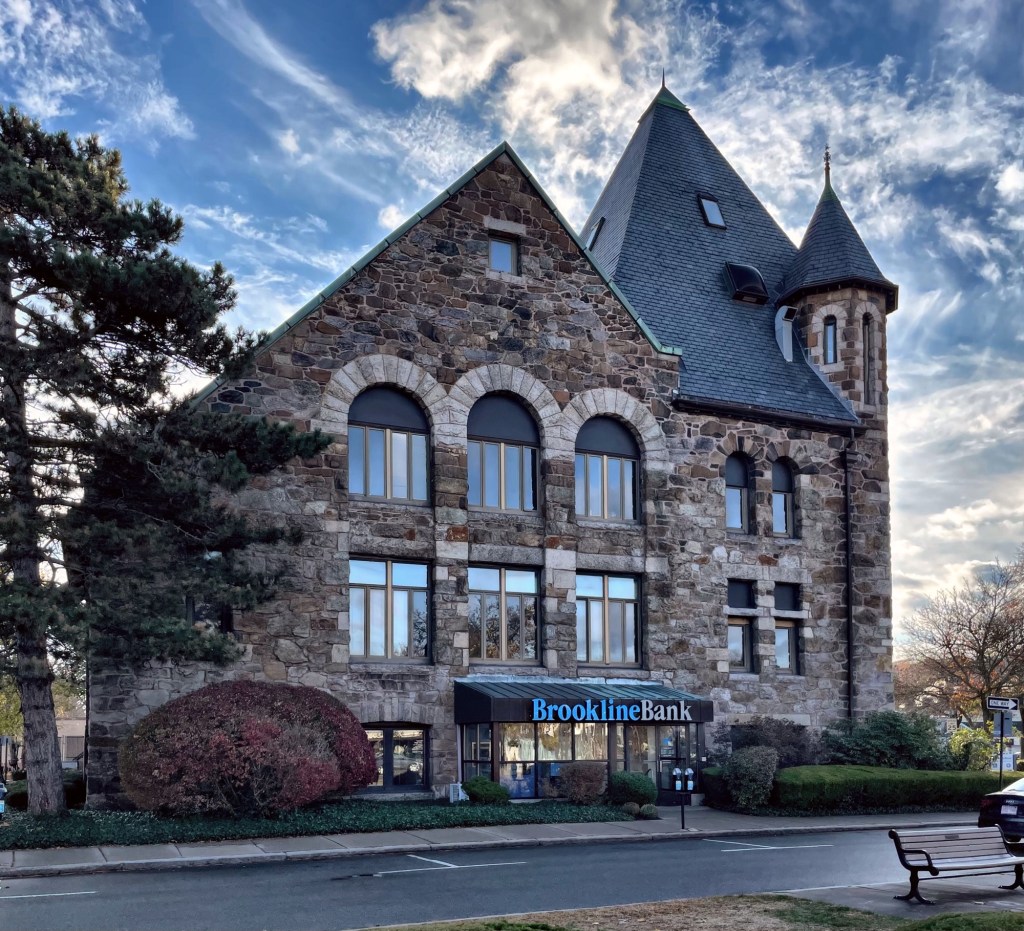
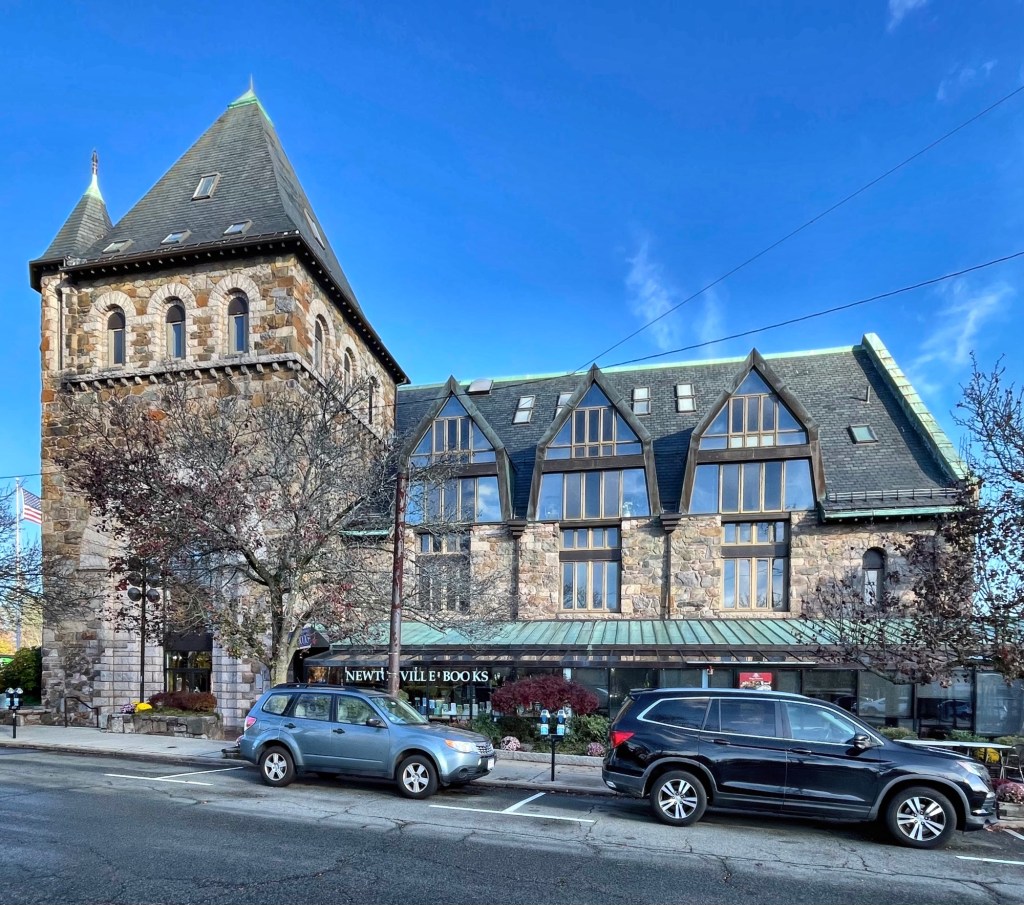
Former Newton Centre Methodist Episcopal Church // 1899

This building, the former Newton Centre Methodist Episcopal Church, is Romanesque in style, and is one of the more notable adaptive reuse projects in Newton. The church was designed by the esteemed architectural firm of Andrews, Jacques & Rantoul and completed in 1899 for the local Methodist Episcopal congregation. The edifice is built of locally quarried rubblestone, often called Roxbury Puddingstone, and trimmed with rough cut Milford granite. The granite is used at the windows, forming the arches and heads, and most strikingly in the large arched entrance. The church eventually closed and was renovated with modern windows, additions, and more, and currently houses a restaurant, bank, book store, and professional offices.
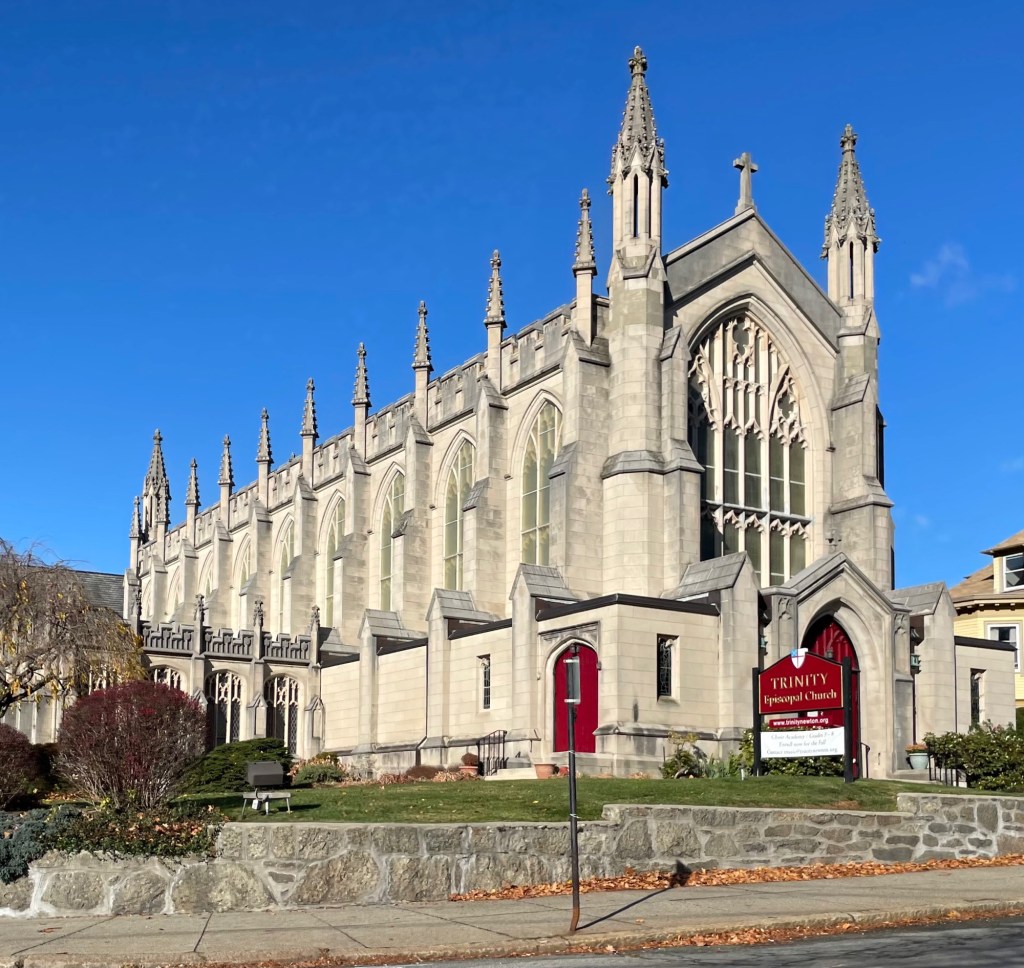
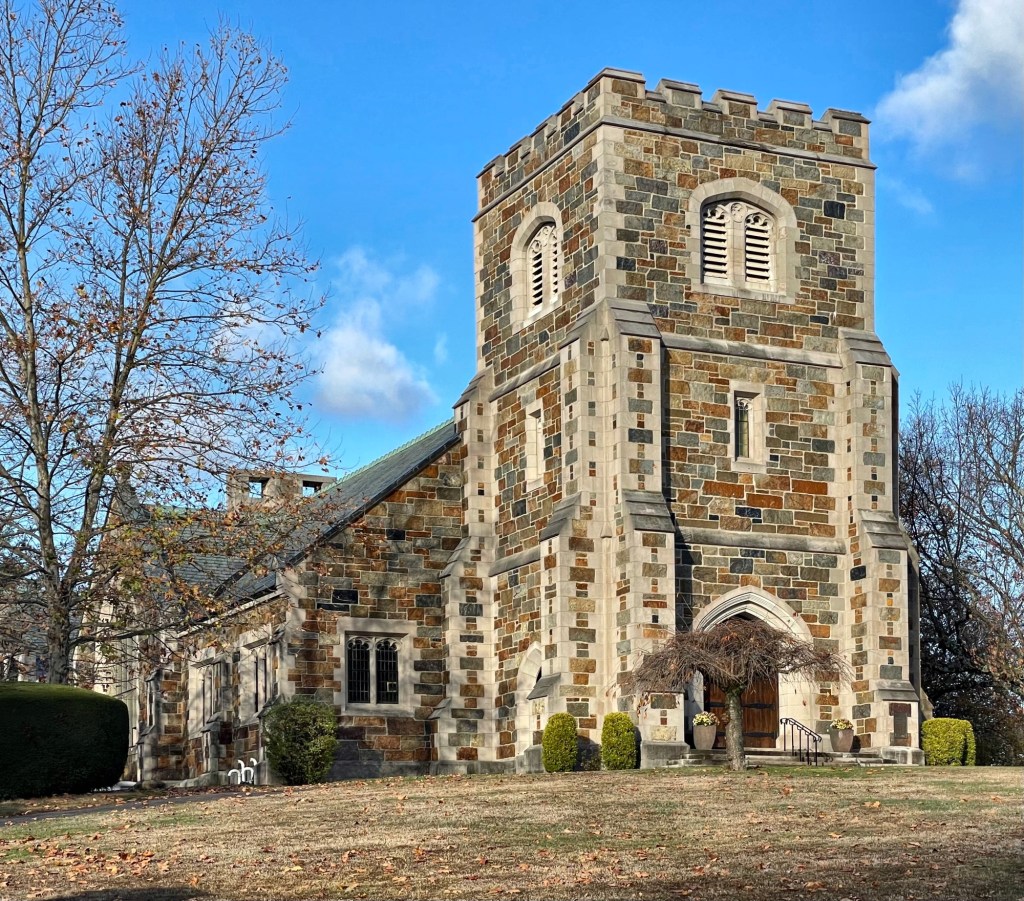
Trinity Episcopal Church, Newton // 1915

The Trinity Episcopal Church in Newton Centre is one of the most unique and architecturally significant buildings in the village. Episcopalians began meeting in Newton Centre by at least 1889 and began discussions about erecting their own church. A small wood-frame chapel was built (since relocated and used by the Newton Parks Department) and provided worship space for years until the 1910s when the congregation acquired enough funds to build a more substantial structure. The cornerstone for the new church, which was designed by architect George W. Chickering, was laid in May of 1915, and the building was completed in 1916. Modeled after the stunning King’s College Chapel in Cambridge, England, the high-style Gothic edifice is notable for the crenelated parapet and pinnacles rising above the buttresses.

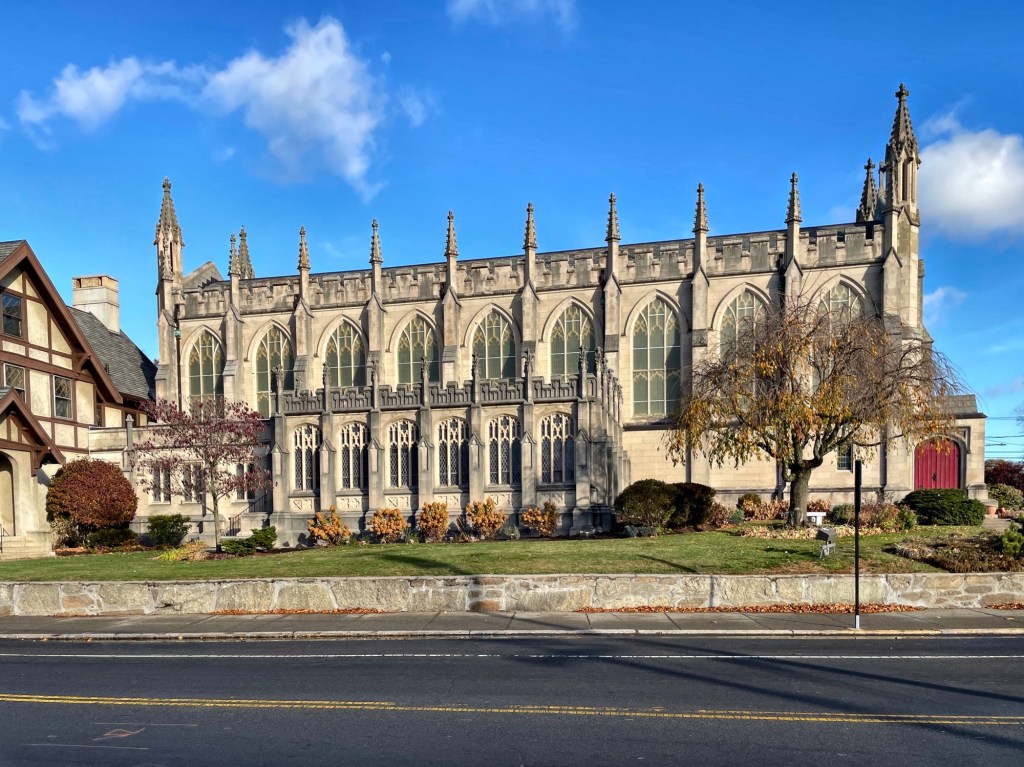
Former First Congregational Church, Newton // 1904

The former First Congregational Church (now the Greek Evangelical Church of Boston) of Newton Center, Newton, is a landmark example of the Neo-Gothic architectural style for a church building. Built in 1904, the structure resembles an English village church in the form of a Roman Cross with short trancepts. The structure is constructed of Quincy granite and was designed by the architectural firm of Shepley, Rutan & Coolidge. The First Congregational Church of Newton was originally established in 1664 as a parish church when Newton was still a part of Cambridge (then known as Newtowne). The parish has had six meeting houses built by the Congregation, with the last four on this site. Seeing dwindling membership in the mid-20th century, First Church in Newton dissolved in 1972, after more than 300 years of service to the Newton community. Luckily, the newly formed Greek Evangelical Church of Boston would buy the church that same year and has maintained the significant edifice ever-since!