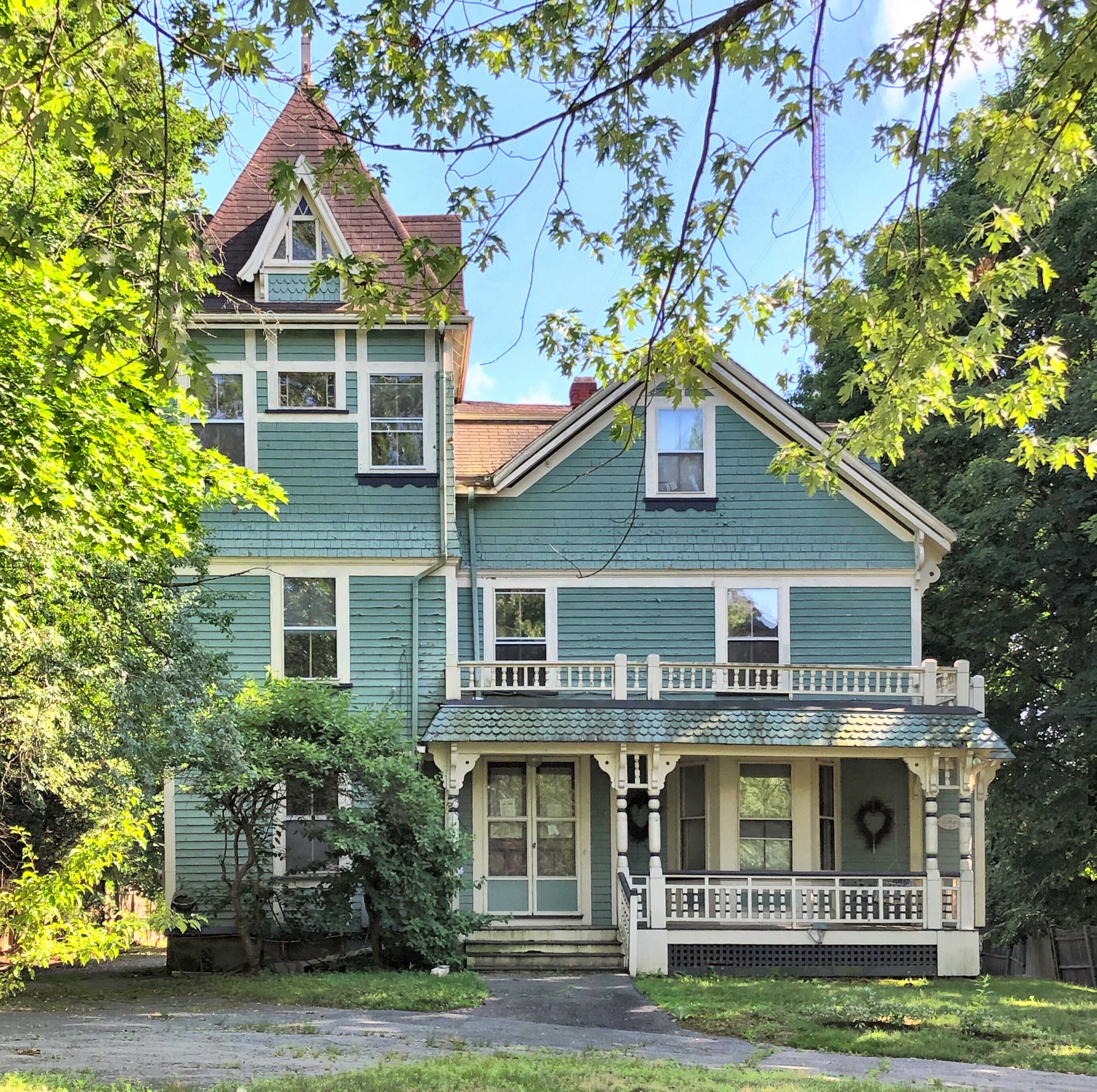
Captain Fisher House // 1892

Standing out amongst the Federal and Greek Revival homes in Edgartown, this Victorian home was constructed in 1892 by Captain Charles W. Fisher (1835-1905) for his new wife. The Fisher family includes many members who were active in the local whaling industry. Fisher is said to have caught the largest sperm whale on record in 1884 and apparently loved being on the open ocean. The next year he married Parnell Pease and she sailed with him to the Pacific on a whaling voyage, lasting five years! At the time of their marriage, Fisher was in his 50s and his new wife in her 20s. Upon their return, Fisher built his wife this “modern style house on the pretentious side with Victorian ornamentation.” Unfortunately, his wife preferred her former house, which was a block a way and obscured any views of the water. Tradition states that apparently, Mrs. Fisher had seen enough of the water during her voyage, as her diary on the five year trip detailed her many unfortunate bouts with sea-sickness, a stay on an island, and dangerous storms.

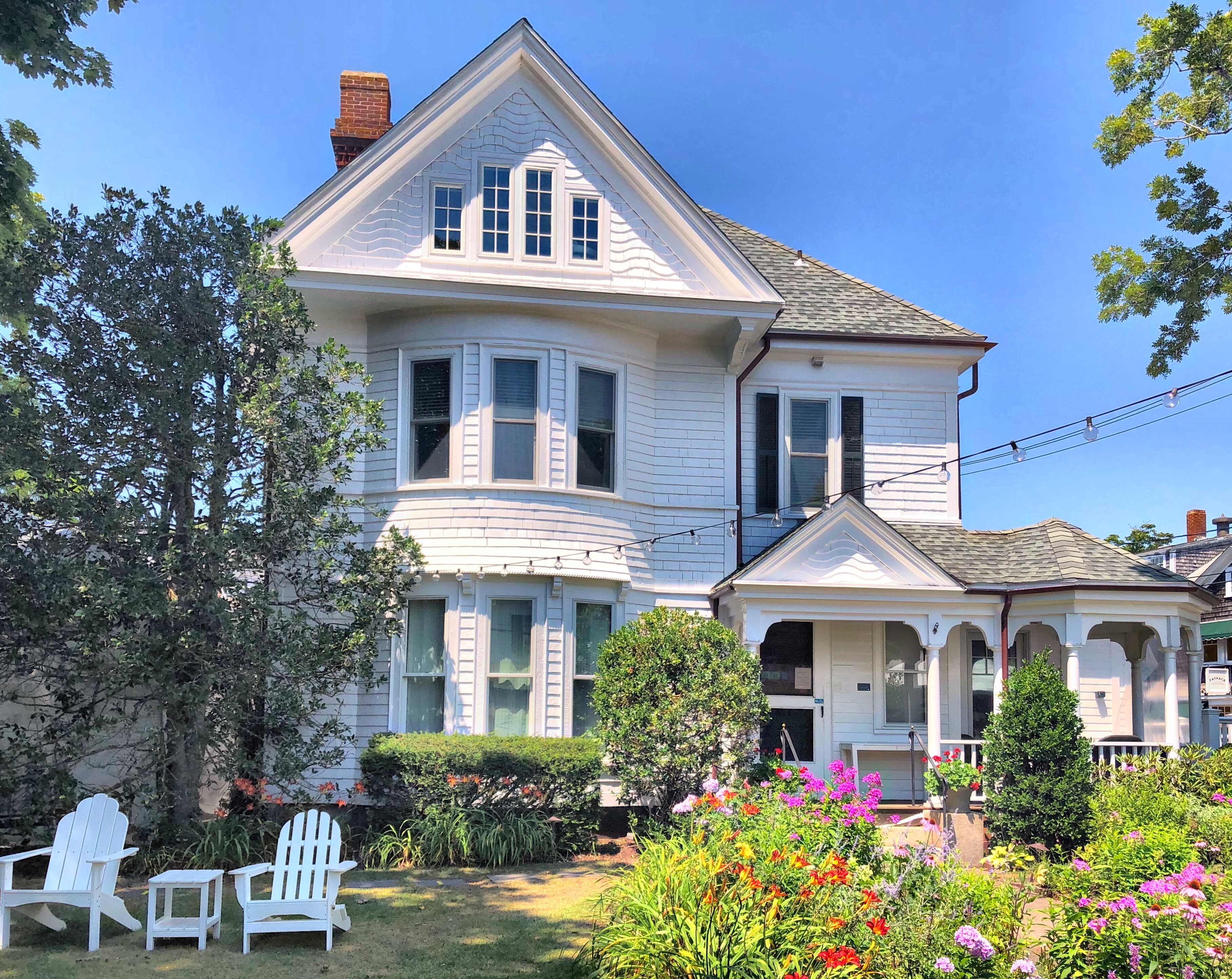
Norton-Coffin House // c.1740

This home on the idyllic Water Street in Edgartown (maybe my favorite town in Massachusetts) was built in two main phases in its storied history. What is now a rear ell, was built as a home around 1740 by “Squire” Norton, who ran the Customs office out of the house in his role as Customs Collector in town. The home was located in the current location of North Water Street, which had to jog around the home until the early 19th century when it was moved to the current location and altered as an ell of the new house standing there. The home was later owned by Captain Edward Coffin (1850-1917), a renowned sea captain. At just 15 years old, Edwin Coffin left Edgartown to be a cabin boy on his first ship. Through the end of the 19th century, he voyaged on numerous whaling vessels and served as captain on many. In 1902, Captain Coffin was chosen to command the steamer America, which carried the Fiala-Ziegler Expedition, a failed attempt at reaching the North Pole. The party remained stranded north of the Arctic Circle for two years before being rescued, yet all but one of its members survived.

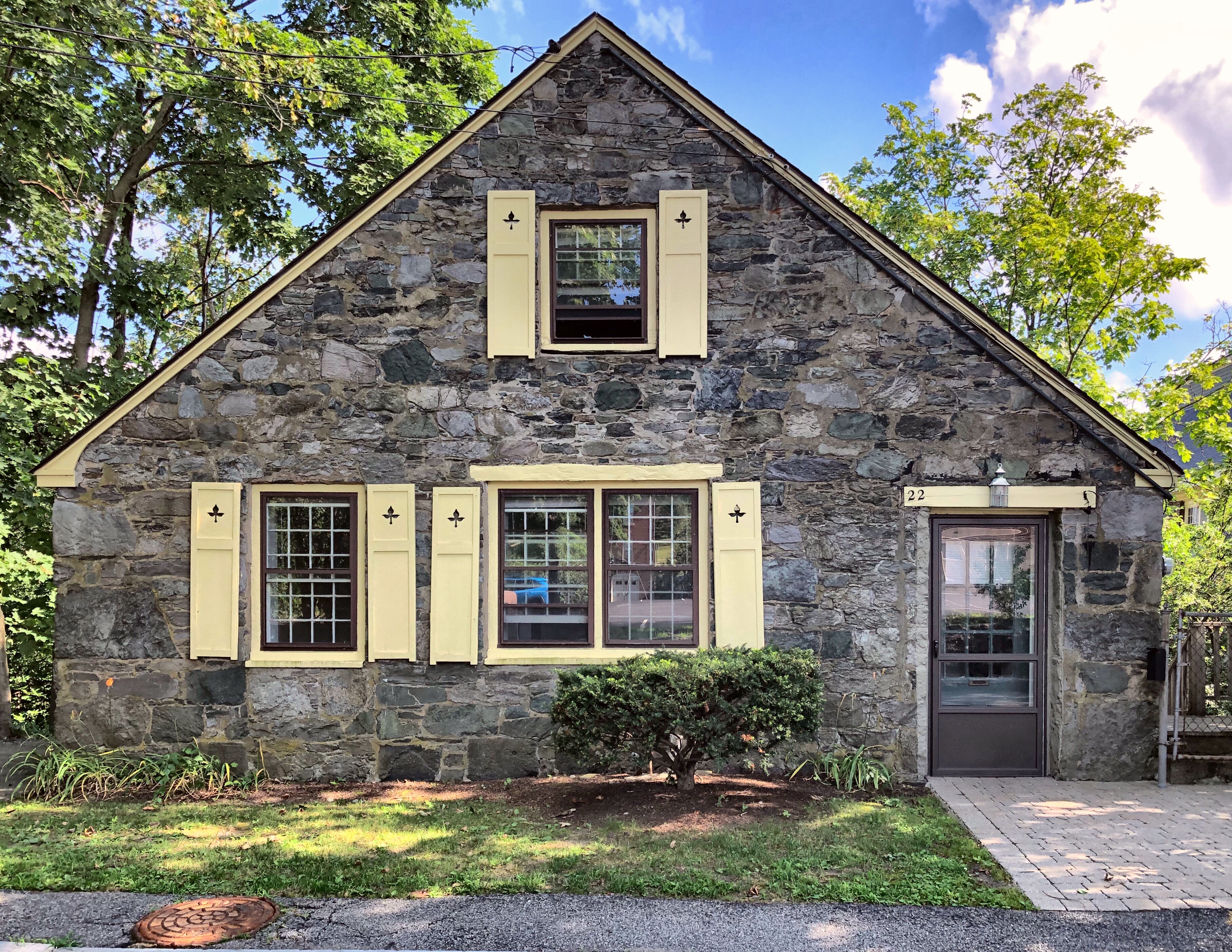
Pettee Caretaker’s Cottage // c.1840

One of the rare early stone cottages in Newton, this charming building in Upper Falls Village has an interesting history! The stone cottage was built around 1840 by Otis Pettee (1795-1853), a major mill owner in town. This cottage specifically served as a shop and later as the residence of the caretaker of the silk mill a couple blocks away. Pettee likely had this building and the adjacent barn constructed with stone to limit the chance of a fire, destroying any valuable silk inside.

Winslow-Sullivan House // c.1850

This house was built by 1850 for Charles Winslow, a mill-owner in the Upper Falls Village of Newton. The house was likely a gable-end Greek Revival home consisting of the two right bays seen today. By 1882, another mill owner, Richard Sullivan, purchased the home and completely renovated it with a square tower, stick-work, double door entry, and a porch. He owned a cotton mill near the river and built workers housing between his house and the mills for his workers and their families.