John and Mary Smith Cottage // c.1800

One of the most charming cottages in Edgartown is this half-cape on South Summer Street, which retains its unique character amidst the extreme wealth and desire for expansion of summer homes on Martha’s Vineyard. This home dates to around the turn of the 19th century (possibly older) and in the 1800s, was home to John Sprague Smith (1808-1893) and his wife, Mary Norton Smith. John S. Smith, like most of the community, was a mariner and lived in the house until his death in 1893. The house was not originally on this lot, however, as it was originally built on the south side of S. Water Street and moved to its present location by later owner, Allen P. Stewart, a fisherman, woodcarver and artist who made wooden ducks. The house has since been added onto at the rear, but the diminutive and charming facade has been retained, with its early 20th century shed dormer on the front slope of the roof. 
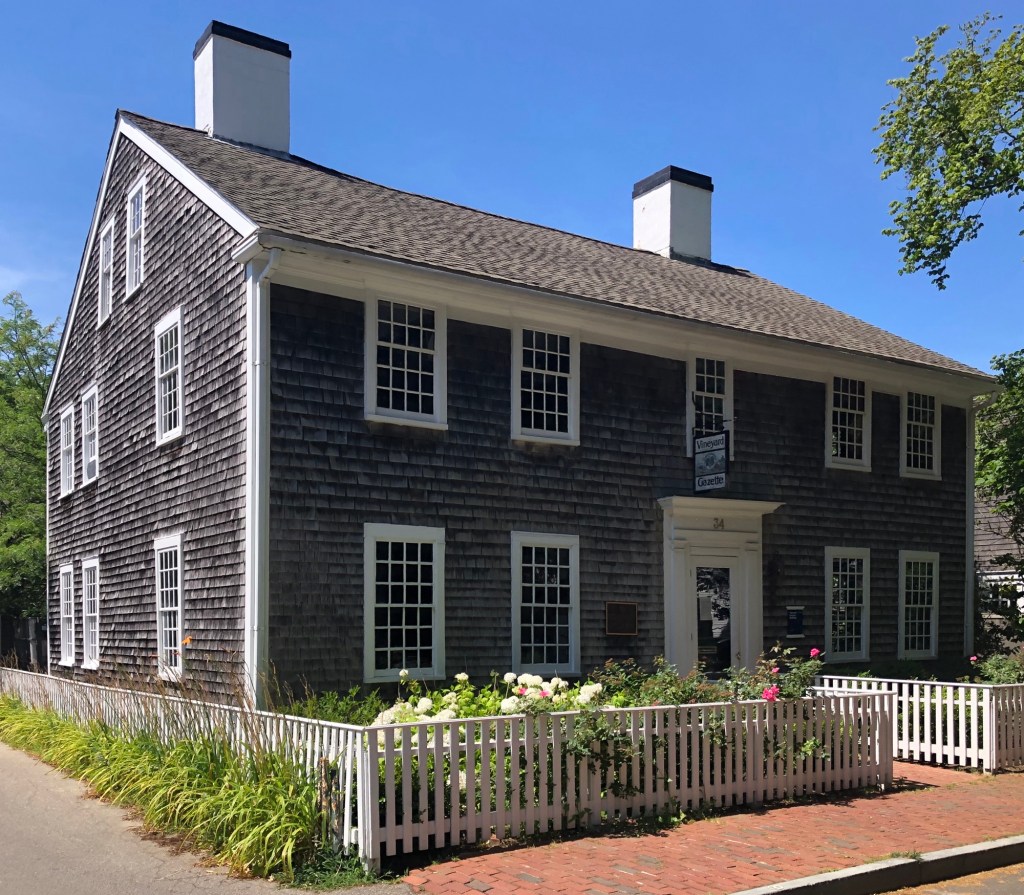
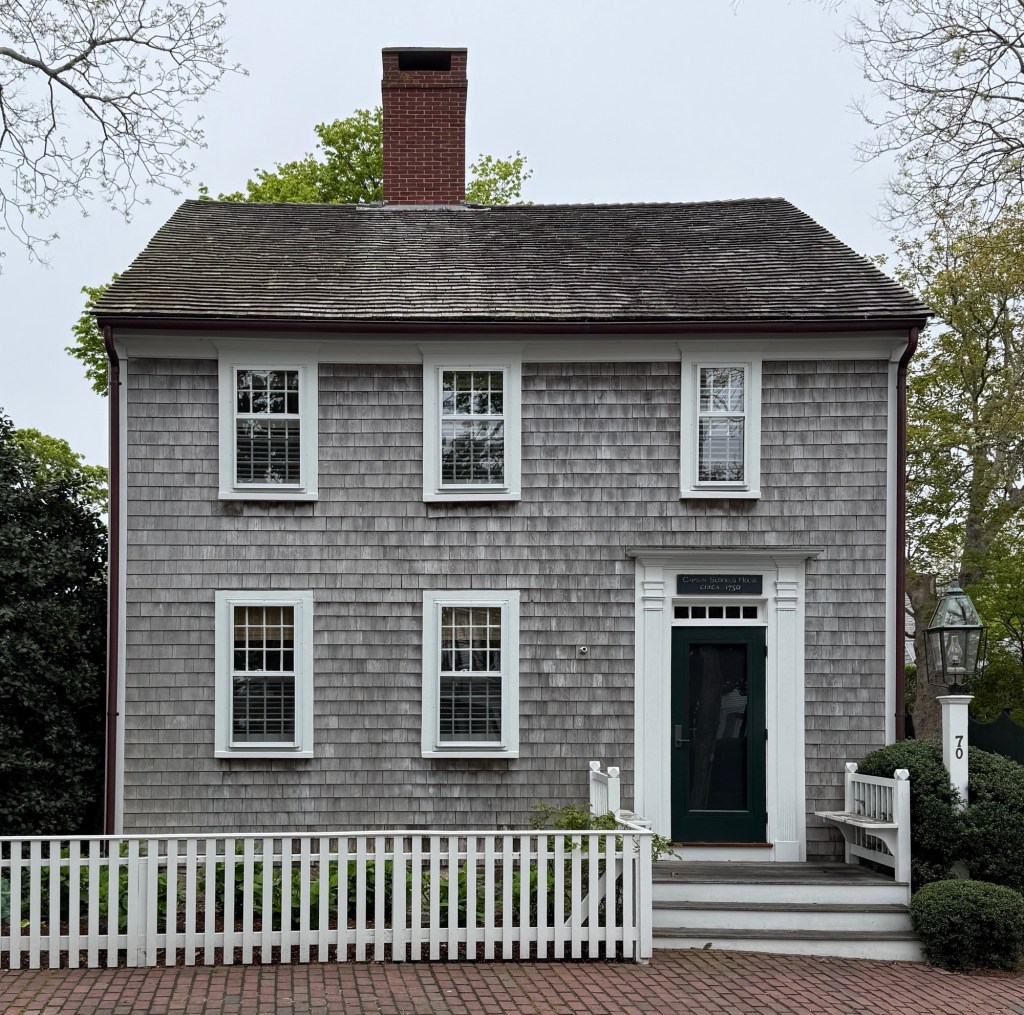
Captain Benjamin Smith House – Vineyard Gazette Building // c.1760

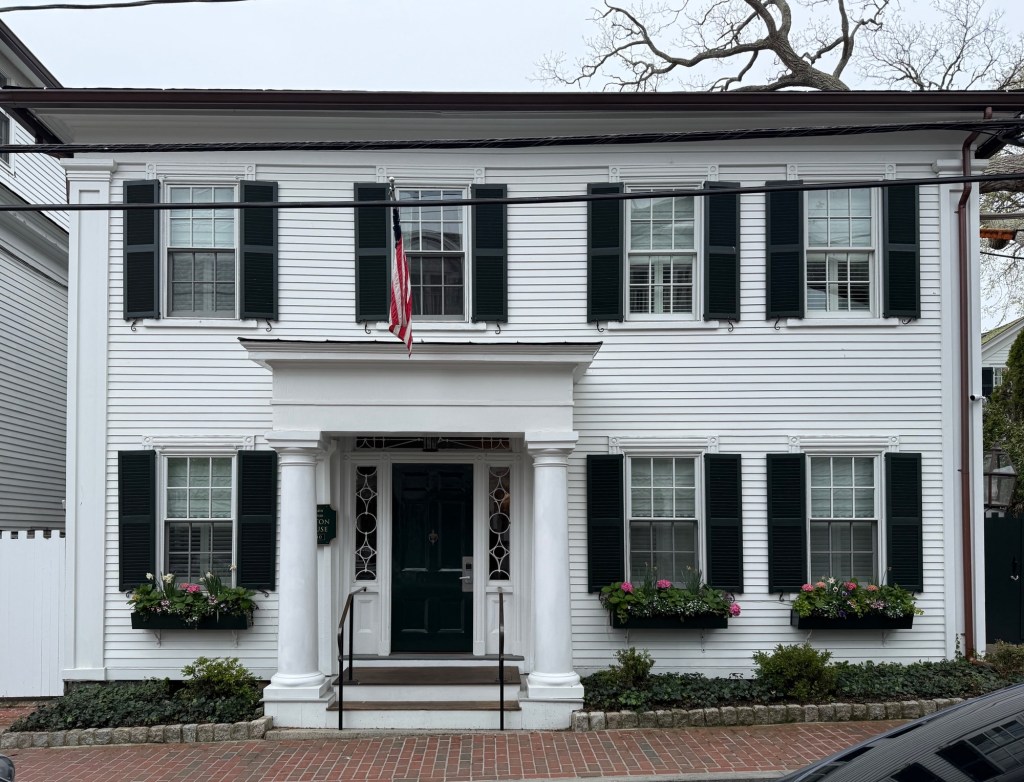
The Captain Benjamin Smith House on South Summer Street in Edgartown, Martha’s Vineyard, Massachusetts, was constructed c.1760 and retains its historical and architectural integrity. Capt. Benjamin Smith (1740-1821) was a military captain who commanded a company of militia on Martha’s Vineyard during the Revolutionary War, after, he served as a County Sheriff and Town Clerk. Captain Smith and his wife, Love (Coffin) Smith, had nine children in this home; with two of their sons becoming sea captains. The property remained a single-family residence until it was purchased in 1938 by the Vineyard Gazette, the first newspaper to be published in Dukes County, beginning in 1846. When the newspaper purchased the building, it constructed a rear addition, seeking to preserve the old home but expand the footprint to increase its operations with editor offices located in the main house and assembling and printing machinery in the addition. The Smith House-Vineyard Gazette Building was later acquired by the Vineyard Trust in 2010 who preserve the building and continue to rent the space to the Gazette. The pre-Revolutionary residence features a five-bay facade, shingle siding,  and lovely historic double-hung windows. 

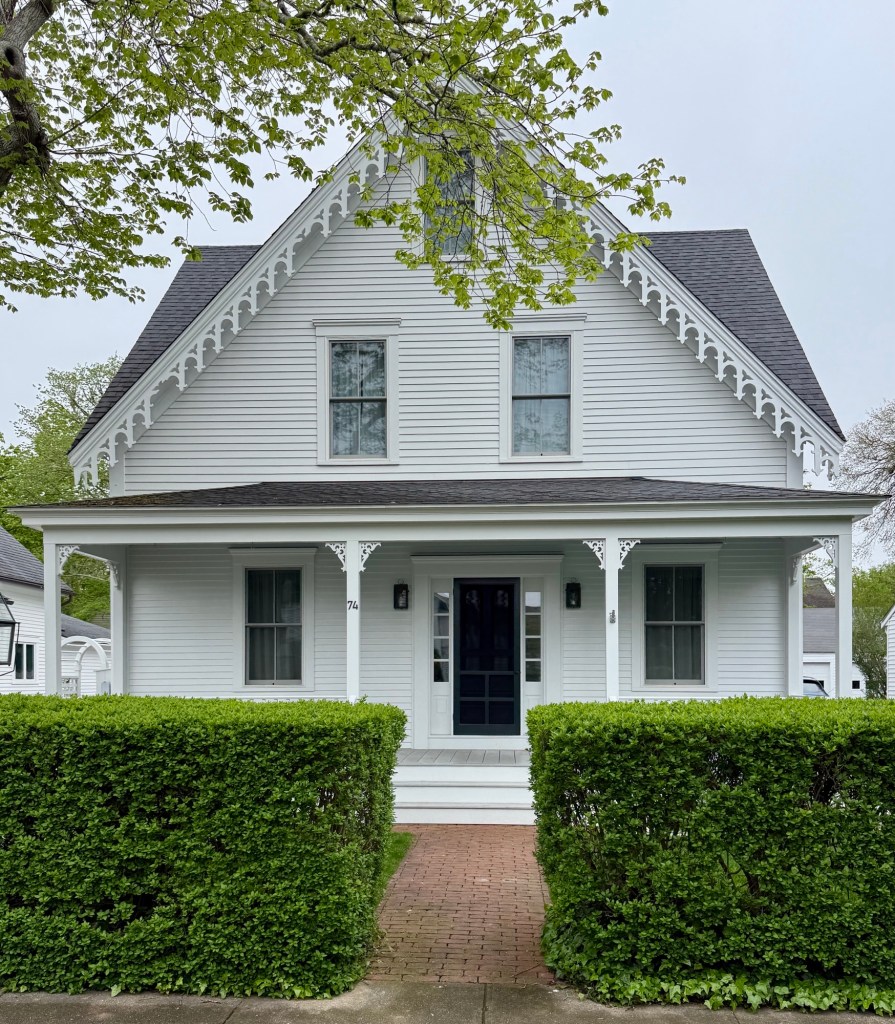
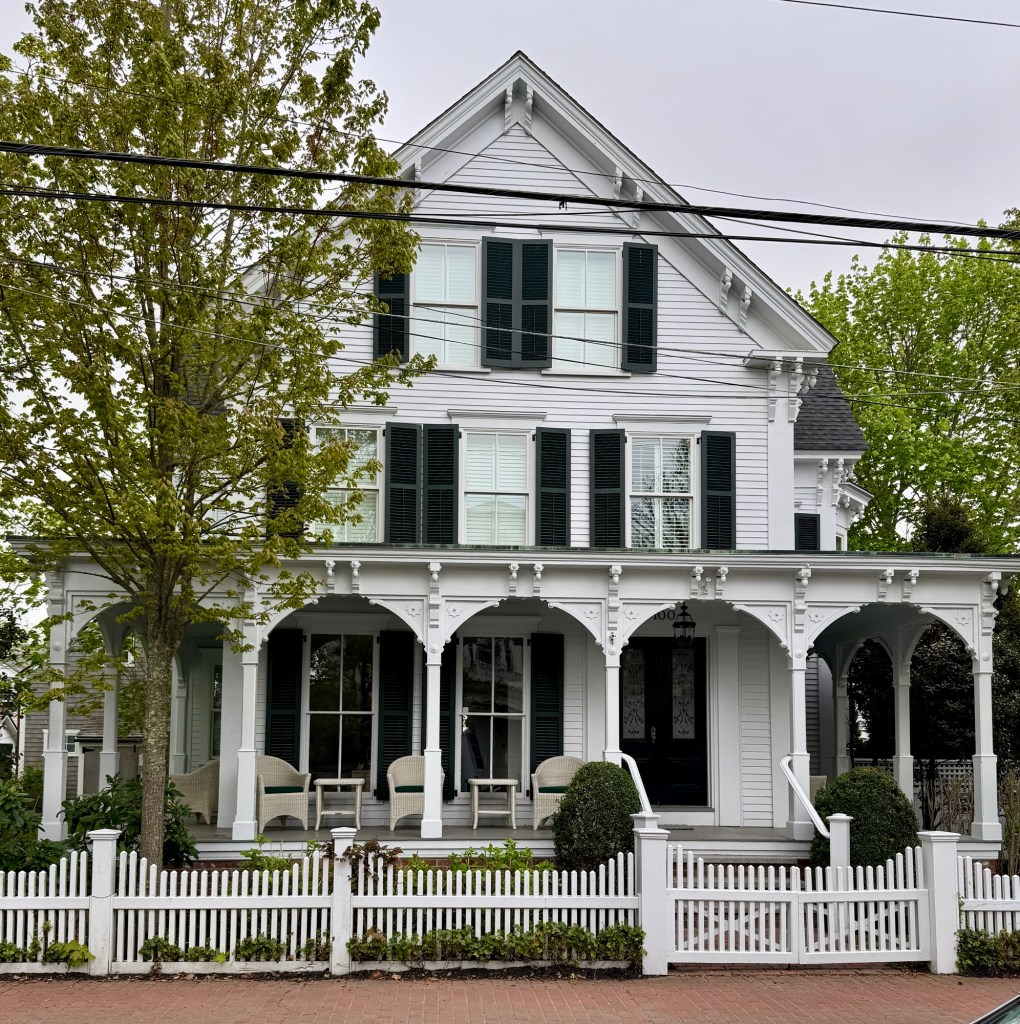
Captain Thomas N. Fisher House // c.1856

One of the more intricate Sea Captain’s residences on Martha’s Vineyard, can be found here on South Summer Street in Edgartown, a unique Gothic Revival residence notable for its carved bargeboards and full-length porch. The residence appears to have been built around 1856 for Thomas N. Fisher (1819-1885), a whaling captain who married his wife Phebe, leaving her soon after in this home on a whaling voyage. Historians state that Captain Fisher was a strict disciplinarian and one of a very few whaling masters to forbid prostitutes on board his ship. He served many more excursions even through the Civil War when whaling vessels were particularly prone to attacks by Confederate raiders. It is said that Captain Fisher cut the top of his topmasts to disguise his ship as an English rig to sail safely home. In 1885, Captain Fisher died of a heart attack while at church in Edgartown, but his residence remains well-preserved much like it was when maintained by his wife while he was away for months or years at a time out at sea.  

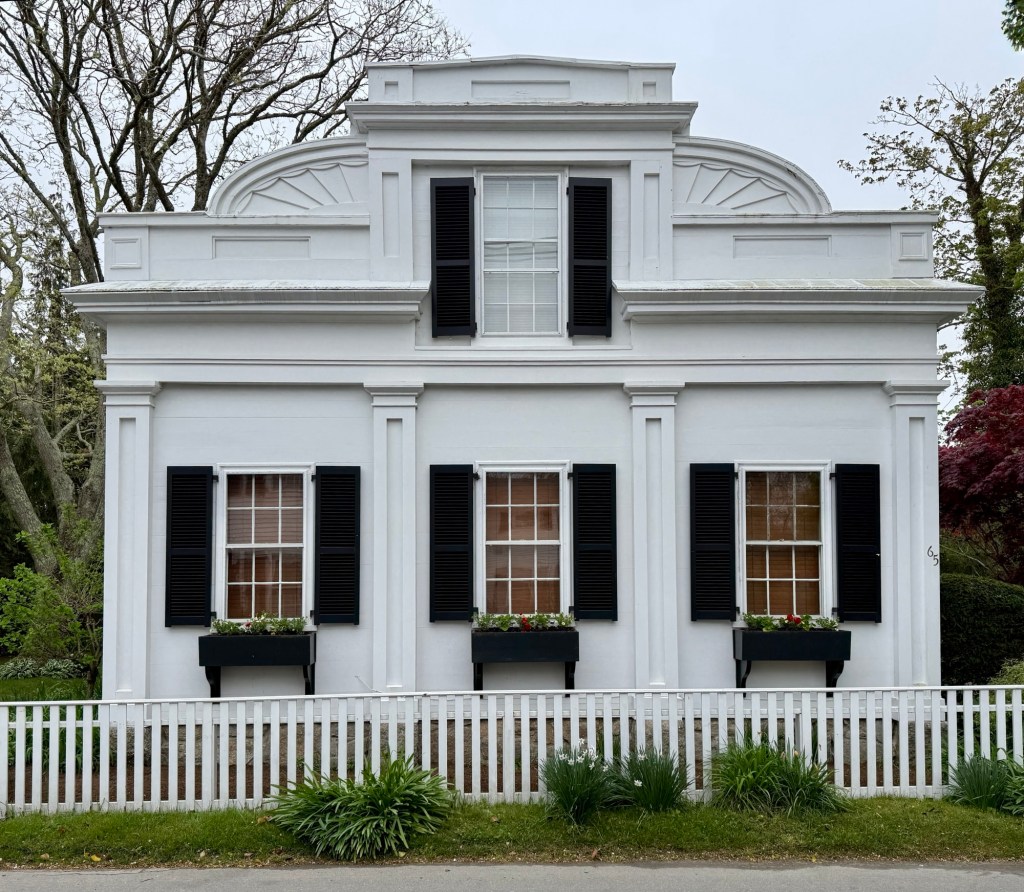
Holmes W. Smith House // c.1835

The architecturally distinguished Holmes Smith House on South Summer Street in Edgartown, Martha’s Vineyard, showcases the range in which the Greek Revival style could showcase whimsy and unique architectural details from the typical side-hall gable-end form seen all over New England. The house appears to date from the mid 1830s with its strong, symmetrical facade of flushboard siding, its three bays divided with paneled pilasters, and elaborate parapet containing a central dormer and arched fan motifs. The house was originally owned by Capt. Holmes Wass Smith (1798-1849) and his wife, Sophia (Coffin) Smith and later in the 19th and early 20th centuries by members of the Pease family. The residence is now a summer home and has been thoughtfully preserved as one of the most excellent and unique examples of its style on Martha’s Vineyard. 

Collins-Schofield House // c.1750

One of the older Colonial-era homes in Martha’s Vineyard, is this 2 1/2-story, side-gable, half-house clad in wood shingles on South Water Street in Edgartown. Deed research has not been undertaken, but a 1858 map shows the property owned by the estate of Palfrey Collins (1777-1857), who worked as a ship rigger, mariner, and day laborer on a nearby wharf, primarily on vessels preparing for whaling voyages from Edgartown. In the late 19th and early 20th centuries, the property was owned by sea captain, Ira V. Schofield (1837-1918). The residence retains its Colonial charm, including the (possibly original) eight-over-twelve and twelve-over-twelve sash windows, and door surround with transom over the paneled door.

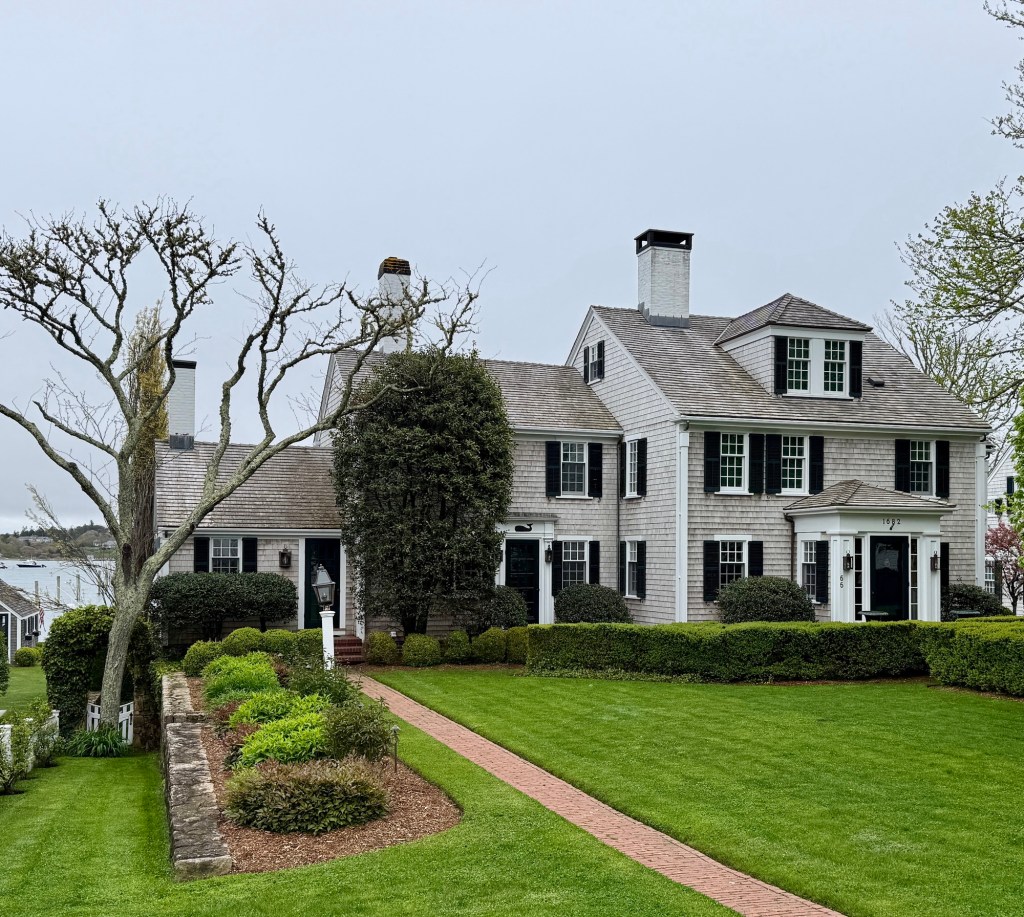
Coffin-Dunham House // c.1682

John Coffin (1647-1711) was born in Haverhill, Massachusetts, and later moved to Nantucket with his father finding work as a blacksmith. John moved to Edgartown (Martha’s Vineyard) in 1682, continuing his profession there as the island’s premier blacksmith. Soon after arriving, John Coffin and his wife, Deborah, built a small residence and blacksmith shop, here on South Water Street, which later became this stunning property with later additions and alterations. The construction of the original section is said to be built of timber infilled with brick, a luxury but also a necessity to protect John Coffin’s house in case of a fire from his attached blacksmith shop. The business did well and John and Deborah moved to a new residence on North Water Street by the turn of the 18th century. This property overlooking the harbor was later occupied and expanded by various artisans, including Elijah Dunham, a shoemaker, in 1792. It was likely under Dunham’s ownership that the house was expanded to its present two-story form with telescoping ells. More recently, the Coffin-Dunham House, one of the oldest extant buildings on the island, was thoughtfully renovated by Patrick Ahearn Architects.


Nunnepog House // c.1840

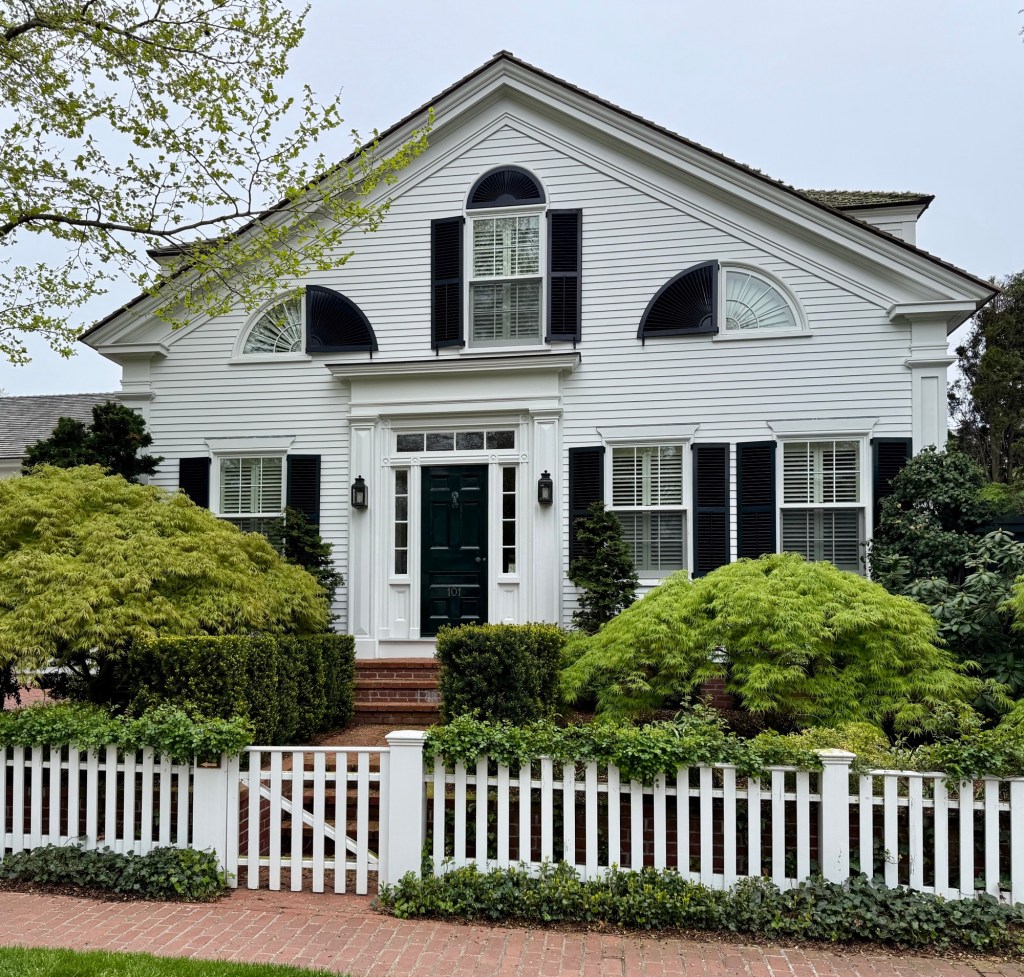
Located on South Water Street in Edgartown, Massachusetts, the Nunnepog House stands as one of the finest mid-19th century homes on Martha’s Vineyard. The residence was built by Joseph Allen Athearn (1807-1867), who is listed in the Census as a carpenter. The first known owner is Edmund Bradley (1786-1869), then a retired sea captain, who lived here until his death. In the 1930s, the house became well known as The Seagull and the Whale, a shop in which Louise Meikleham sold homemade jams, jellies, and breads and later became her residence, known as the Nunnepog House, derived from the original Wampanoag name for the area encompassing Edgartown and Oak Bluffs on Martha’s Vineyard. The residence was moved to its present site in the 1950s or 60s and was more recently renovated and expanded from plans by Patrick Ahearn Architects. The residence is unusual for its four-bay facade with offset entrance and features many hallmarks of the Greek Revival style, including cornice returns, paneled corner pilasters, a wide frieze, and classical entry. The half-fan windows and corresponding shutters are a great design element of the facade which makes it stand out from other period homes.


Timothy Coffin House // 1828

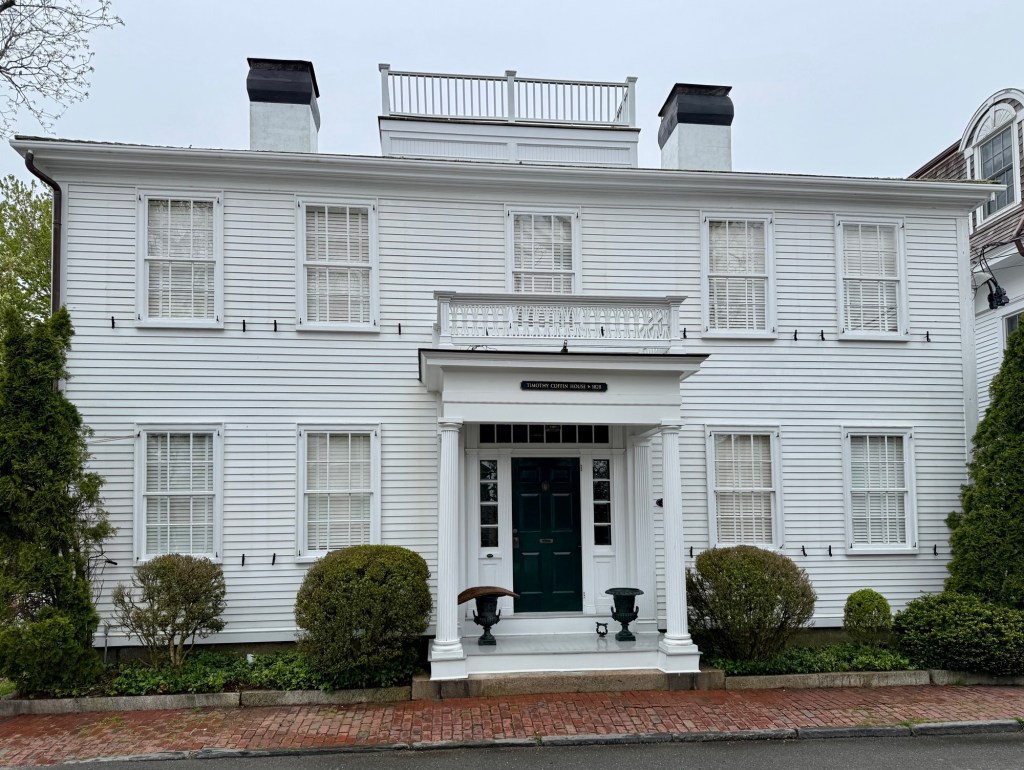
One of the finest Federal style houses on Martha’s Vineyard, the Timothy Coffin Jr. House on South Water Street in Edgartown is a well-preserved example of the five-bay, center hall form. The residence was built in 1828 for Timothy Coffin III (1797-1838), an attorney, after the death of his father, Timothy Coffin a year prior. The residence was built by master-builder Jared Coffin, likely a relative of Timothy. The builder stated that this was one of the finest houses he ever constructed. Timothy and his wife, Velina had six children in the home until his death in 1838 at the age of 42. One of their children, Zoraida, married Samuel Osborn, Jr. and inherited the house, which remained in the family until the 1950s. The residence is said to have some of the finest interior woodwork in Edgartown and features a stately doorway covered by a portico supported by fluted columns and intricate balustraded roof above. The residence also features a small “widow’s walk” at the roof, which provides views of Edgartown Harbor.

Captain Thomas Milton House // 1840

Located on the idyllic South Water Street in Edgartown, Martha’s Vineyard, the Capt. Thomas Milton House stands as a fine and well-preserved example of a sea captain’s house built in the Greek Revival style. Captain Thomas Milton (1787-1862) was born in Liverpool, England, and first arrived to the island as a young man aboard a whaling vessel. He served as a Lieutenant and privateer during the War of 1812, when England restricted trade to maritime ports, which severely crippled the Edgartown economy. After the embargo ended, Captain Milton led whaling vessels and trade routes to as far as China. On his last trade excursion to China in 1837, Captain Thomas Milton brought back a sapling of a Pagoda Tree that was planted on the lot of his soon-to-be-built house on Water Street. Construction began on the house in 1840, which is unique for its asymmetrical four-bay facade and low hipped roof. Captain Milton died in 1862 and by the turn of the century, his residence was converted to an inn, which is now a part of the multi-building, Harborside Inn complex. The property has stood here for nearly 200 years joined by the ever-growing Pagoda Tree, which is believed to be the largest of its kind in North America. 

Captain Abraham Osborn House // 1834

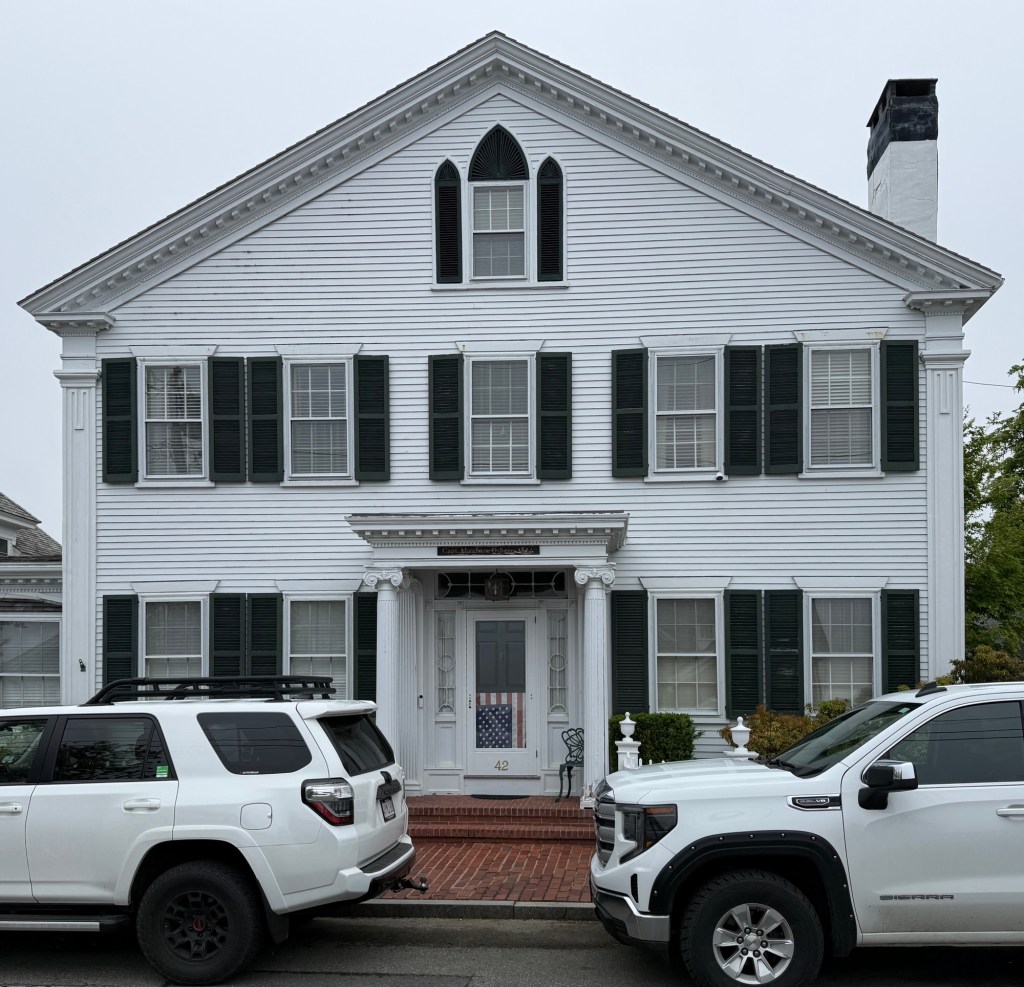
Built in 1834, this early Greek Revival house with Gothic Revival detailing, sits on Edgartown’s South Water Street, a notable street lined by large mansions built for early whaling captains on Martha’s Vineyard. The residence was built for Abraham Osborn (1798-1865), a whaling captain, soon after his marriage to Eliza Norton. Captain Abraham Osborn owned several whaling ships based out of Martha’s Vineyard and New Bedford, and one of these large vessels, the Ocmulgee, came to an untimely end early in the Civil War. When captaining the ship in September 1862, the Ocmulgee was approached by a ship flying British flags. When it got within speaking range, the British flags were replaced by Confederate colors and the rebel captain took over the ship, which contained 250 barrels of whale oil. The Confederates detained the ships officers and Captain Osborn in chains bringing them aboard their ship, the Alabama, which was known for stealthy operations to damage the economy of the Northern states. The rebels torched the Ocmulgee, forcing Captain Osborn and his crew to watch their profits burn up and sink into the ocean. The crew was detained for a few days and ultimately released near the Fayal Islands where they received help. Captain Osborn returned home and would die just three years later. The Osborn house was later inherited by his son, Abraham Jr., a retired sea captain himself, who eventually converted the large family home into a hotel called Ocean View. A famous guest at his hotel was Alexander Graham Bell, who was on island to study the extensive deafness prevalence for those on the Island. The house has since been converted back to a single-family residence and maintains its stunning Greek Revival entry portico and tripartite window in the gable with shuttered lancet openings.

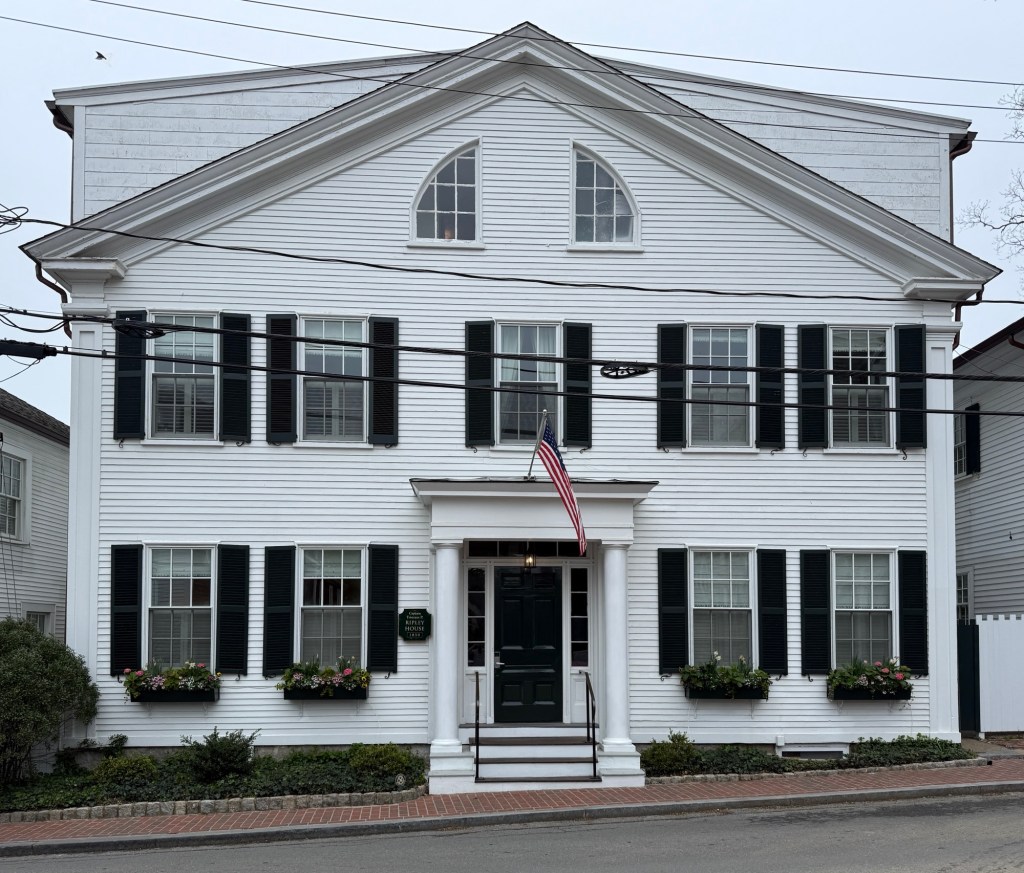
Captain Tristam P. Ripley House // c.1835

One of the great old captain’s houses in Edgartown, Massachusetts, stands here on South Water Street and is emblematic of the history of the harbor community in the 19th and 20th centuries. The five-bay Greek Revival style mansion was built in about 1835 and was owned later by Tristam Pease Ripley (1821-1881) a wealthy sea captain, originally from New Bedford, who operated whaling ships while out at sea for months or a year at a time. After becoming a Master Mariner on the sea, Captain Ripley settled down back in Edgartown and worked as a coal dealer, likely bringing ships from the mainland to the island carrying coal for sale to keep these grand homes warm during the brutal New England winters. The house was purchased by a local inn during the 20th century and significantly renovated inside and out, and is owned by the Harborside Inn.

John H. Munroe House // c.1860

Built circa 1860 for Jonathan Harding Munroe, this stately Victorian house sits on Main Street in the up-scale community of Edgartown on Martha’s Vineyard. Jonathan Munroe was born in Bristol, Rhode Island and moved to Edgartown where he opened a store and worked as a high-end tailor, and became a successful businessman in town where he founded the Martha’s Vineyard Bank of Edgartown, and later financed successful whaling excursions making a large profit on his investments. With his ever-growing net worth, Mr. Munroe likely updated this house towards the end of the 19th century, with the ornate three-sided porch. Most recently, the property has operated as an inn, named after its original owner, the Jonathan Munroe House Inn.

Captain Morse House // 1840

John Osborn Morse was born in 1803 in Edgartown. He was the second of eight children born to Uriah Morse and Prudence Fisher Morse. His father ran the small ferry from the foot of Morse Street to Chappaquiddick Island. As John Morse grew older, he began working as a whaler on various ships, sometimes gone for years at a time. After his first trip, he was hired as Captain of the Hector, a whaling ship which sailed out of New Bedford. Captain Morse took a break from whaling to establish a wharf on land he purchased and construct a massive Greek Revival home to overlook it. When news hit Edgartown of the gold found in California, it stirred the islanders’ imagination. In 1849, several ships sailed from Martha’s Vineyard to California, one commissioned by Captain Morse. The Vineyard Mining Company, led by Morse, brought roughly 50 passionate and hopeful Americans across the country by boat to California with some onboard writing journals of the trip. The boat arrived in San Francisco and discharged its crew in April of 1850 after a harrowing passage around Cape Horn and visits to several South American ports. After being in California for less than a year, Captain Morse decided to take go for a short whaling cruise. He died on this trip, reportedly getting “dropsy” off the coast of Colombia before succumbing in Peru in 1851.

Captain Valentine Pease House // c.1830

This charming little Greek Revival house has a lot of history, tied to literature and the whaling industry that shaped Edgartown in the 19th century. The home was built in around 1830 for Captain Valentine Pease (1797-1870), a master mariner and captain of the Acushnet, a prominent whaling vessel which often departed from New Bedford. In 1841, Captain Valentine Pease, his crew, and a 21-year-old Herman Melville shipped out of New Bedford 1841 for eighteen months as Melville’s only whaling voyage. Melville took part in the hunting and killing of whales and in harvesting and processing whale oil aboard ship. He endured gales and calm, experienced excitement and boredom, followed ship’s discipline, all the while absorbing the lore of the veteran seamen who made up the Acushnet’s diverse and colorful crew. It is speculated that Valentine Pease was an inspiration for the character of Captain Ahab in Melville’s book “Moby Dick”.

Captain Fisher House // 1892

Standing out amongst the Federal and Greek Revival homes in Edgartown, this Victorian home was constructed in 1892 by Captain Charles W. Fisher (1835-1905) for his new wife. The Fisher family includes many members who were active in the local whaling industry. Fisher is said to have caught the largest sperm whale on record in 1884 and apparently loved being on the open ocean. The next year he married Parnell Pease and she sailed with him to the Pacific on a whaling voyage, lasting five years! At the time of their marriage, Fisher was in his 50s and his new wife in her 20s. Upon their return, Fisher built his wife this “modern style house on the pretentious side with Victorian ornamentation.” Unfortunately, his wife preferred her former house, which was a block a way and obscured any views of the water. Tradition states that apparently, Mrs. Fisher had seen enough of the water during her voyage, as her diary on the five year trip detailed her many unfortunate bouts with sea-sickness, a stay on an island, and dangerous storms.