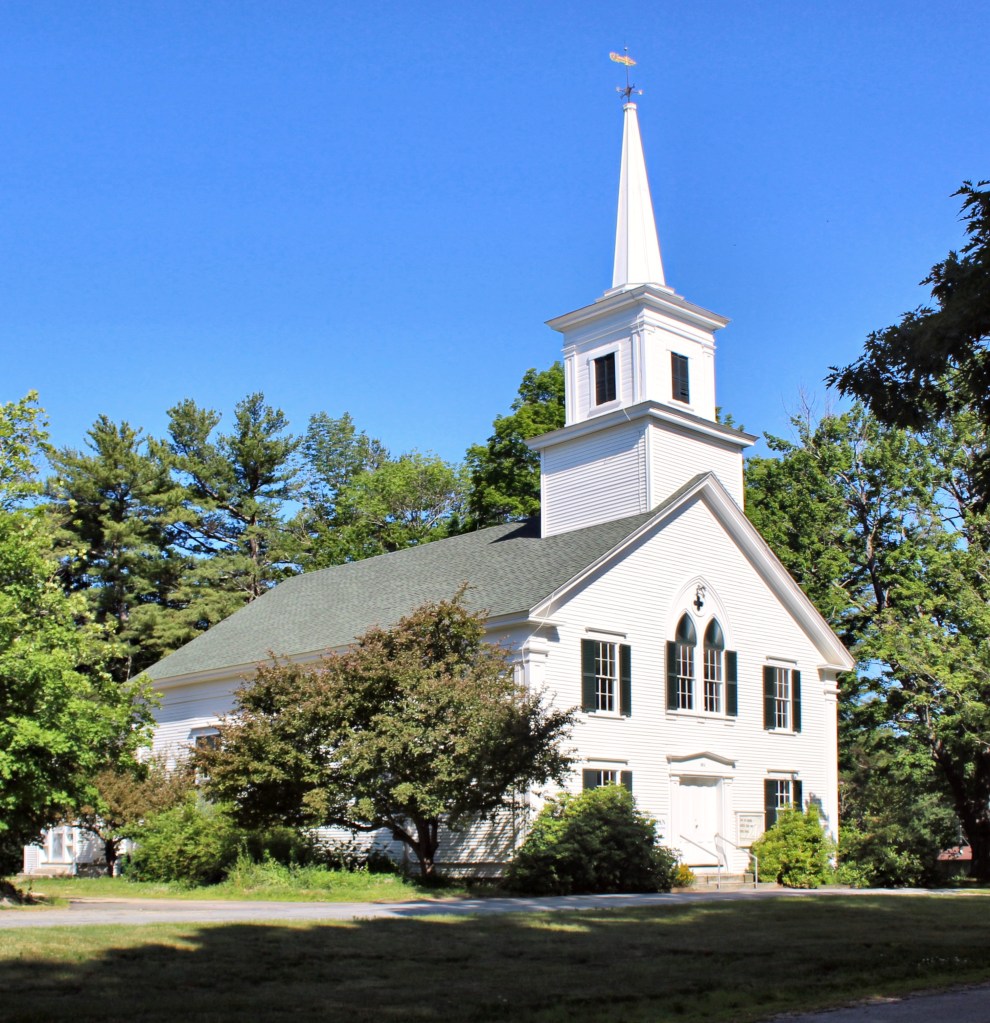
Draper Memorial Church // 1898

Reverend Adin Ballou, the founder of the Hopedale Community, created a Christian anarcho-socialist utopia that peacefully resisted government coercion and provided refuge for other white Christian anarchists but especially for freed enslaved people. In 1841, he and other Christian anarchists purchased a farm west of Milford, Massachusetts and named it Hopedale. The community was settled in 1842. The early commune regularly hosted progressive seminars on the topics like free love and proto-feminism and had black abolitionists like Frederick Douglass give talks on the plight of enslaved people. As per the request of Douglass, the Hopedale Community harbored and protected a runaway slave for some time. The practical end of the Community came in 1856 when two of Ballou’s closest supporters, Ebenezer and George Draper, withdrew their 75% share of the community’s stock to form the successful Hopedale Manufacturing Company. George claimed the community was not using sound business practices. The community, however, continued on as a religious group until 1867, when it became the Hopedale Parish and rejoined mainstream Unitarianism. After the brothers left the community, they funded a church building for the congregation. In the 1890s, Eben and George Draper funded this newer, large church building designed by Edwin J. Lewis.

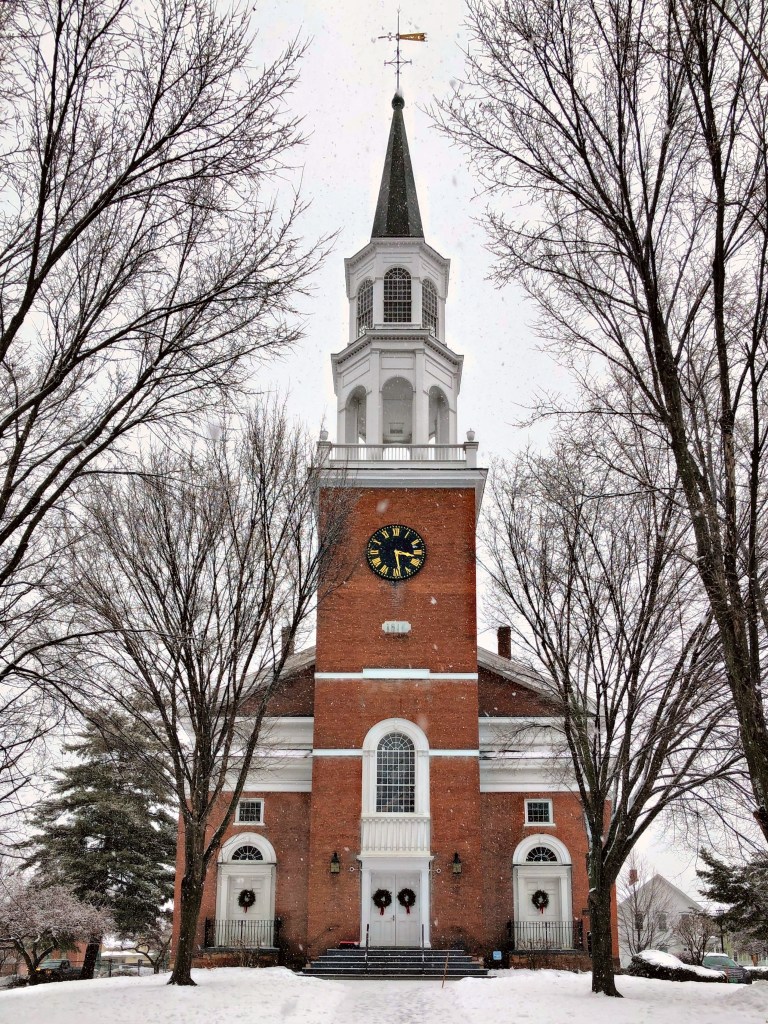
Unitarian Church, Burlington // 1816

The building that gives Burlington’s iconic Church Street its name is this, the Unitarian Church of Burlington. One of the most stunning Federal style churches in New England, the church is the oldest surviving place of worship in Burlington, built in 1816. The church was designed by English architect Peter Banner (possibly with assistance of Charles Bulfinch), years after his crowning achievement, the Park Street Church in Boston was completed. From the head of Church Street, the church oversaw the growth of Burlington from a small lakefront town to the largest city in the state. In August 1954, the church steeple was struck by lightning, causing it to shift over two feet in a matter of months, unknown to the congregation and public. It was decided that due to concerns the steeple may collapse through the building, it was selectively demolished and reconstructed. The church remains an active part in the city and architectural landmark for Burlington.