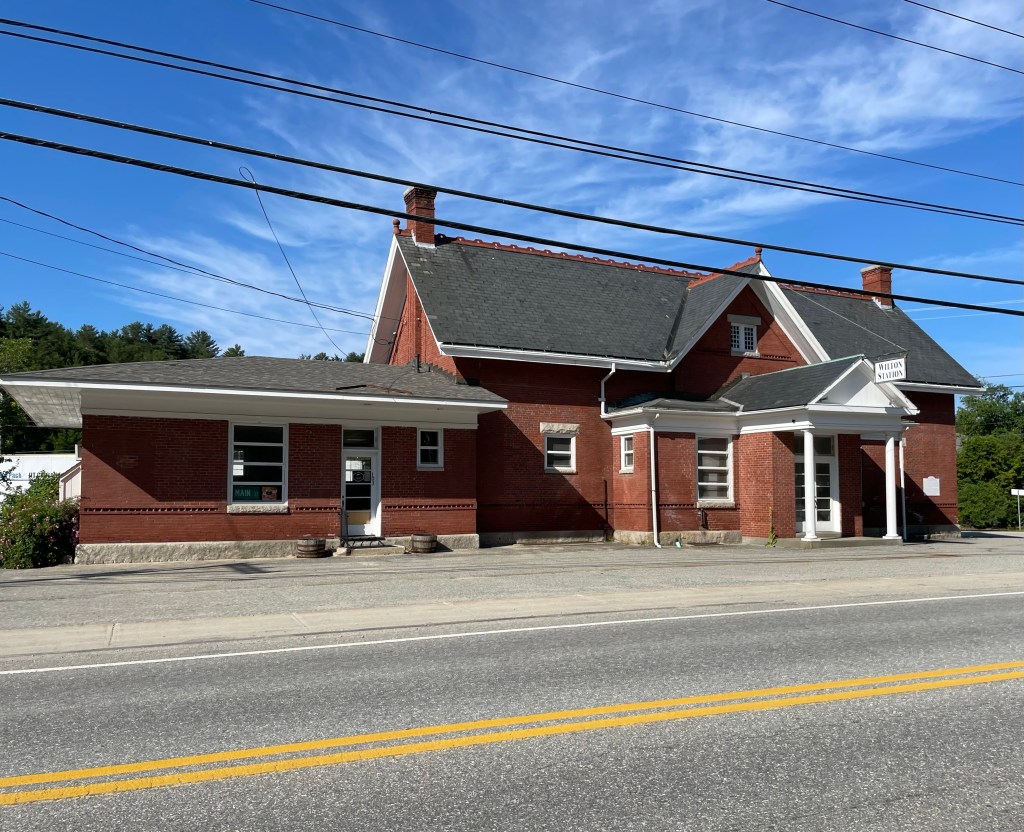
Wilton Train Depot // 1892

The coming of the railroad to Wilton, New Hampshire was largely due to the rapid increase in the number of mills and factories built in and around the East Village along the river beginning in the early 19th century. This increase was the impetus to Wilton business leaders of the time to petition the state for a charter to form the Wilton Railroad Company which was granted in 1844. The first official run of a wood-burning steam engine from Nashua City Station to the newly constructed Wilton Station occurred on Dec. 1, 1851. The small, wood-frame station was deemed obsolete, and replaced by 1860 with a more substantial structure. In this time, the town prospered, and the local mills cranked out everything from worsted yarn to wooden boxes and furniture. After thirty years of use, however, this second station began to show its age; the tin roof was rusting and it leaked. In 1888, a derrick on a wrecker train caught the side of the building and heavily damaged it, requiring the demolition of the station. By 1892, it was replaced by this new brick station. Between the World Wars, automobile use dominated the American transportation landscape, shifting demands from rail to road. In the late 40’s, a restaurant opened in part of the building, operating until the early-to-mid 50’s. The station was closed when passenger service finally ended and the building, undergoing “adaptive re-use”, into a medical center. It operated for some time as a scenic, heritage railroad stop from 2003-2006.
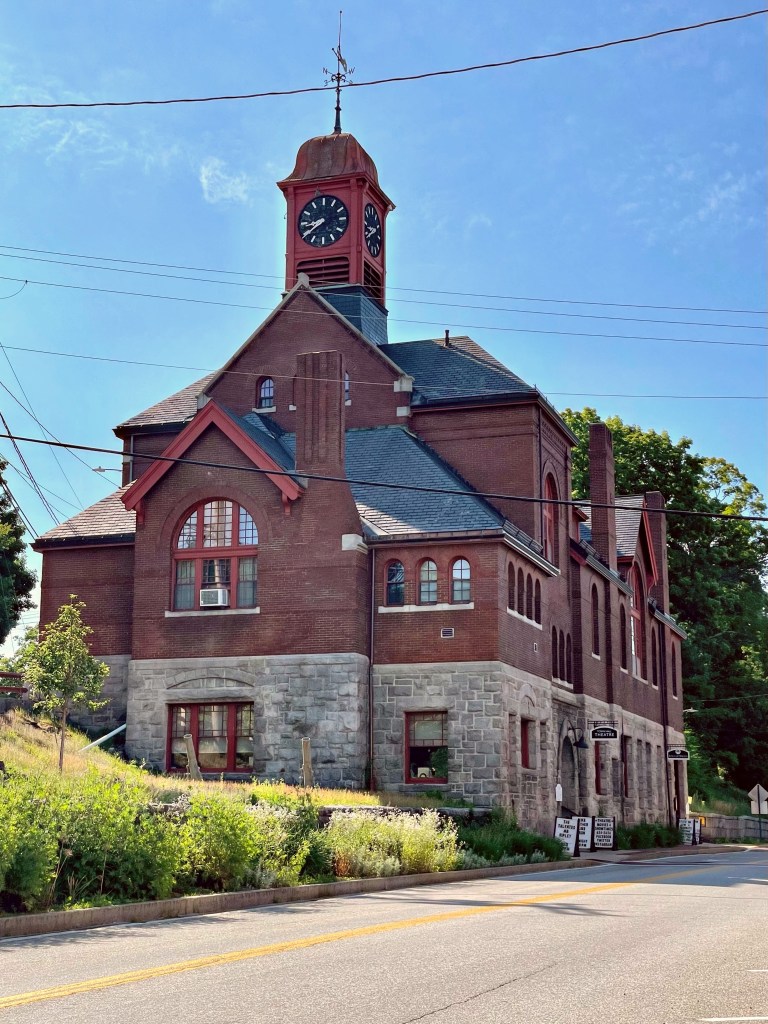
Wilton Town Hall and Theater // 1885

Welcome to Wilton, New Hampshire! With a population less than 4,000, the tiny New England town sure packs a lot of old buildings into its borders. The town was first part of a township chartered as “Salem-Canada” in 1735, by Colonial Governor Jonathan Belcher of Massachusetts, which then claimed this area. The land here was granted to soldiers from Salem, Massachusetts, who had served in 1690 under Sir William Phips in the war against Canada. “Salem-Canada” was one of the towns on the state’s border intended to provide protection against attack from native tribes. In 1762, residents of the town petitioned New Hampshire Governor Benning Wentworth to incorporate the town as Wilton, likely named after Wilton, England. The town prospered as a sleepy farming town, largely concentrated around Wilton Center. By the 1860s, the village of East Wilton developed around the Souhegan River, with mills and businesses centered there. The town decided to relocate their town hall “closer to the action”. Land was acquired on a triangular piece of land in the center of the village, which was recently cleared by the destruction of Whiting House, a hotel that formerly occupied the site. The architectural firm of Merrill & Cutler of Lowell, MA, were hired to design the building, which blends Richardsonian Romanesque and Queen Anne styles perfectly on the difficult site, opening in 1885. Silent movies were first shown in the auditorium in 1912 and by the 1930s, the auditorium was used most often as a movie theater. A large part of the building has since been occupied as a theater for the community.

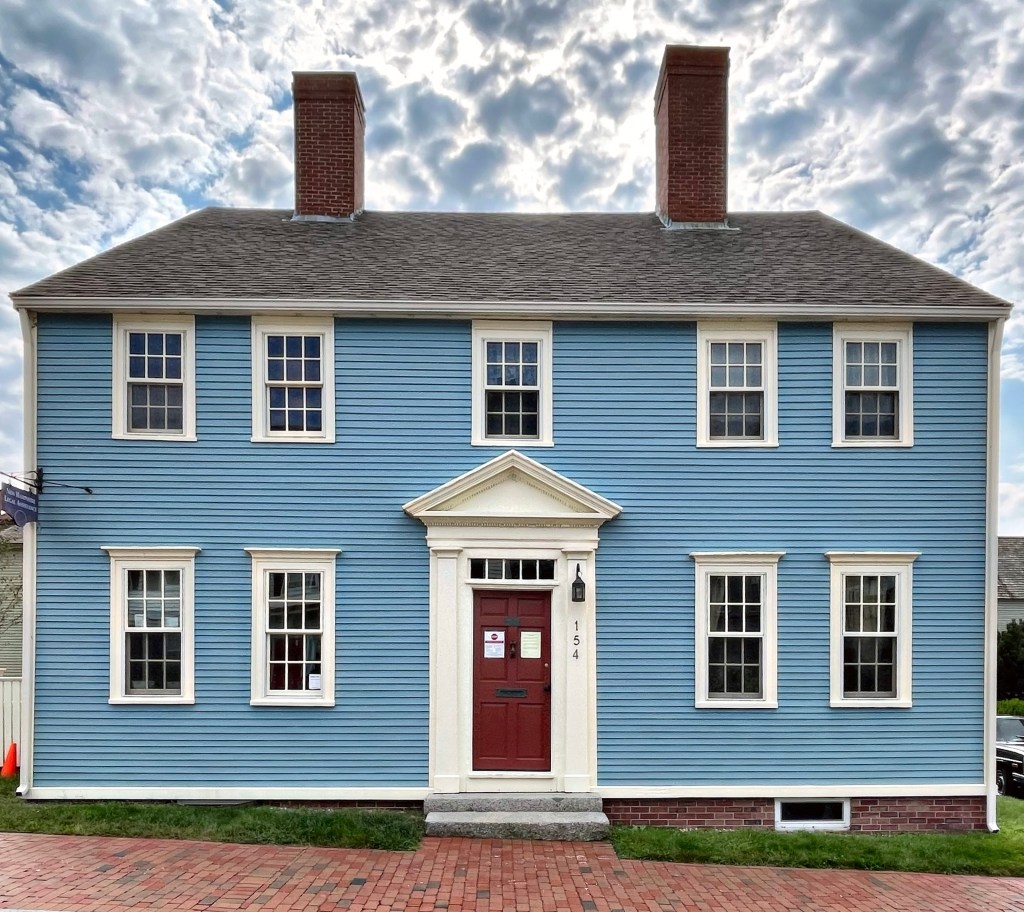
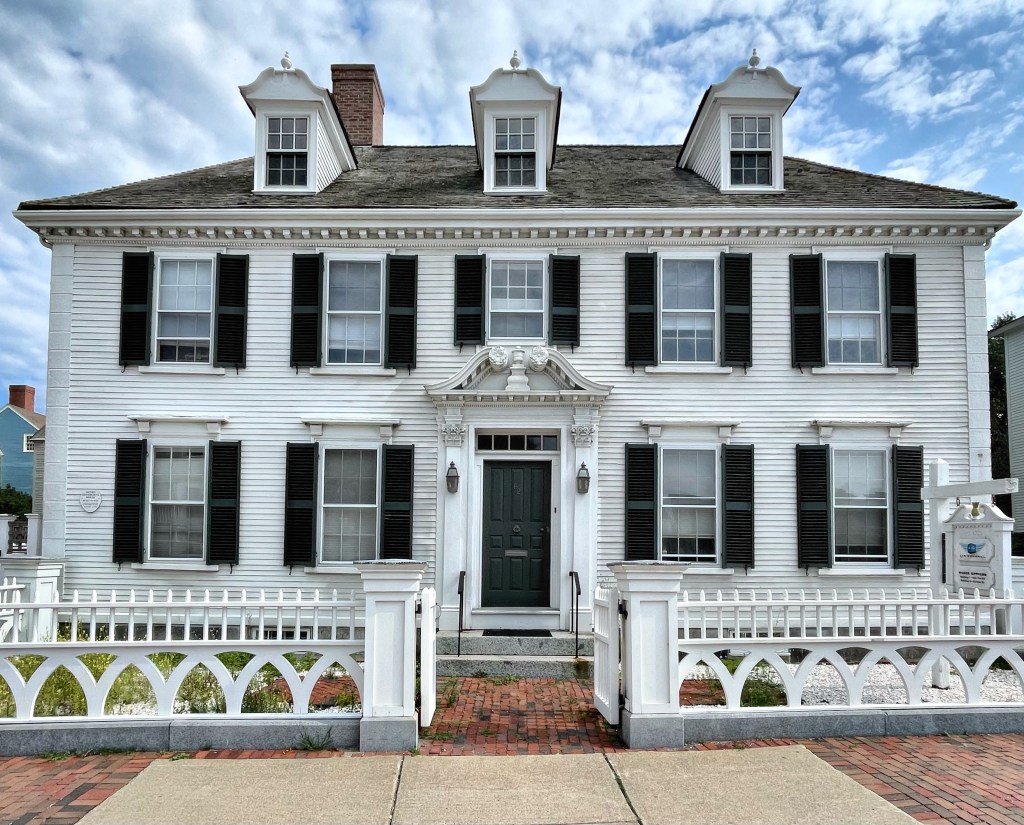
Henry Sherburne House // c.1770

This house in the Hill District of Portsmouth, NH was built sometime between 1766 and 1770; however a sign posted on the house indicates an earlier date of 1725. Regardless, the house is one of the best-preserved Georgian homes in the city. The colonial-era home was apparently built for a Henry Sherburne, who was a member of some of New Hampshire’s leading families. By the 1900s, the property was the only in the city with a surviving scrolled pediment doorway from the period. Like other colonial homes in the old North End of Portsmouth, it was barely saved by the bulldozers and urban renewal when it was moved in 1972 to its present site.

Whidden-Ward House // c.1720

The Whidden-Ward House in The Hill section of downtown Portsmouth, New Hampshire, is an excellent example of a wood-frame Georgian-style residence in the coastal city. The house was built in the early 1720s by joiner, Michael Whidden Jr. As a third generation joiner, Whidden built several houses in the Portsmouth area, this one for his own residence. The house was purchased in the 1770s by Nathum Ward, who “modernized” the house with the triangular pediments over the windows. The house was moved over a block to its present site in the early 1970s as much of the surrounding neighborhood was demolished during Urban Renewal.

Hart-Rice House // c.1750

Built sometime between 1749 and 1756, the Hart-Rice House, a little-altered example of Georgian architecture, stands out in the densely packed Hill section of Portsmouth, NH. The area contains amazing early homes, largely moved to their sites from nearby, saving them from the wrecking-ball of Urban Renewal in the 1970s. The house demonstrates the high-quality craftsmanship of its owner, ship-joiner Samuel Hart (1701-1766), who likely built the home himself. Decades later, William Rice, a sea-captain, purchased the home. Rice was a known privateer during the War of 1812, causing a lot of trouble for British ships off the shores.

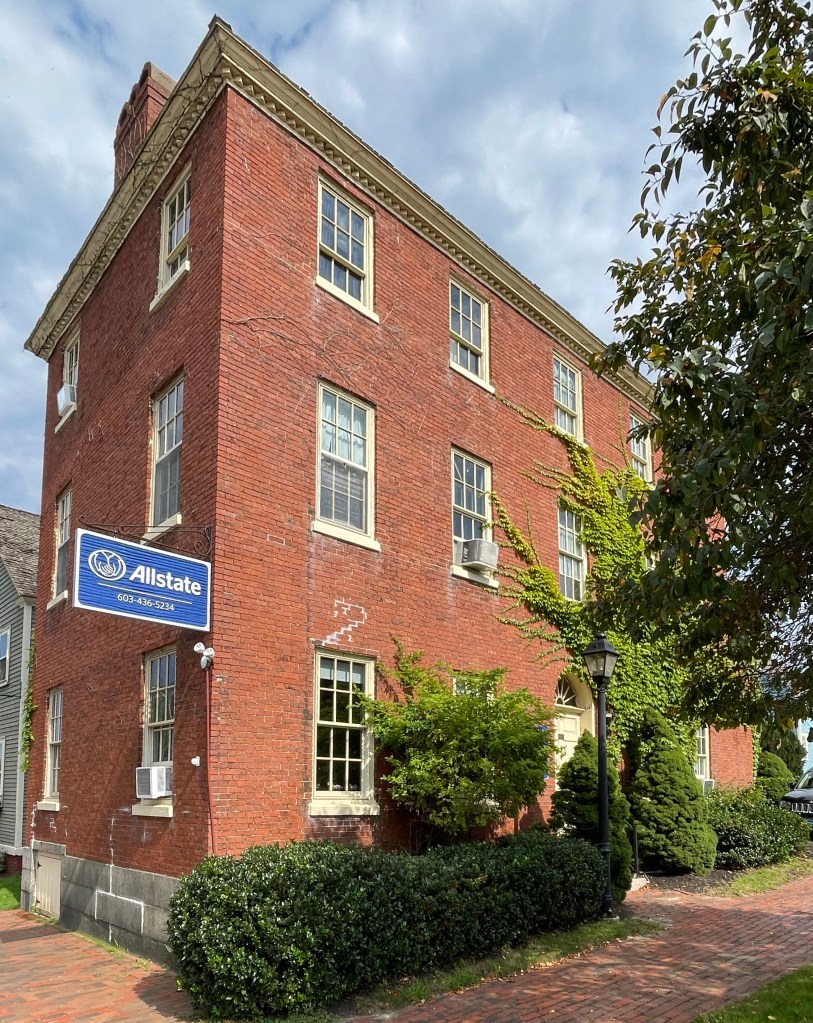
James Neal House // 1831

Continuing with my mini-series on The Hill, a neighborhood of 18th and 19th century houses and buildings saved from Urban Renewal in Portsmouth’s North End neighborhood, I present the James Neal House. Built in 1831 and taxed a year later, the house stands out as a late Federal style property, a style that was well on its way out in popularity. Additionally, the home is the only extant brick house in this area of town from the period. James Neal was listed in directories as a merchant, possibly being involved in the shipping of goods from plantations in the Caribbean, which were farmed by enslaved Africans. James died just a few years after his home was built. The brick house is three-stories with a hipped roof. The entry is surmounted by a semi-circular fanlight set within a recessed opening, a modest take on the Federal style.

Simeon P. Smith House // 1810

One of the oldest homes remaining on The Hill in Portsmouth, New Hampshire is this Federal-era house which survived the period of Urban Renewal in the city’s North End. The house was built for Simeon P. Smith in 1810 a few years after his marriage to Anna C. Dudley. Simeon worked as a cooper, which made wooden casks, barrels and other containers from timber staves that were usually heated or steamed to make them pliable. The home is a great example of a preserved working-class house built in early 19th century Portsmouth, a house that would only be affordable to the rich today. The house, like many others on The Hill, was moved to this location from nearby and houses offices today.

Canterbury Shaker Trustee’s Office // 1831

The only brick building in the Canterbury Shaker Village, the Trustees’ Office, built in 1831, served as the office of the Lead Ministry and also housed a U.S. Post Office for the community beginning in October 1848. The building was made of bricks manufactured by a local family. The building was designed as the hub of the Canterbury Shaker’s considerable commercial enterprises. It housed only those Shakers who had the authority to conduct Village business, and they often hosted guests and clients who arrived from distant places, and met with townspeople and local officials to discuss civic matters impacting the community. Due to the community-facing nature of the building, the community spared no expense inside and out.

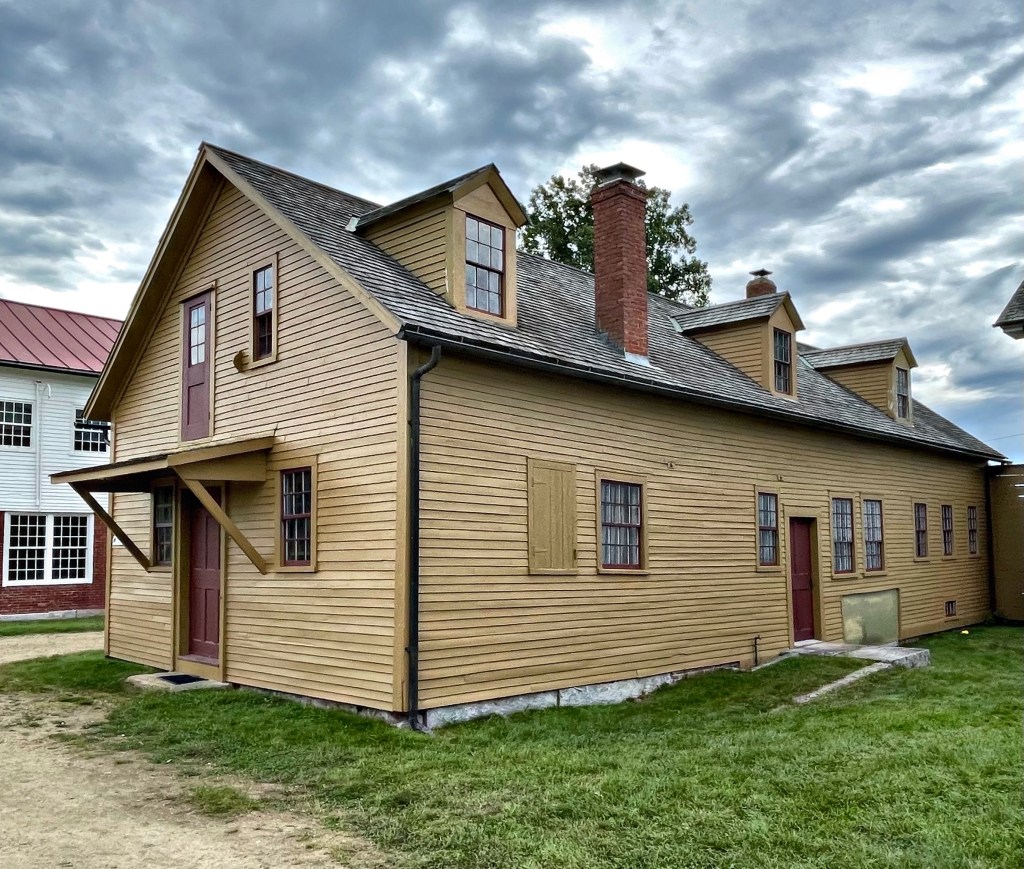
Canterbury Shaker Syrup Shop // c. 1780

When Benjamin Whitcher donated his farm for the beginnings of a utopian Shaker community, the land and buildings became the catalyst for the next 200 years of Shaker life in the community. It is known that Benjamin Whitcher constructed his farmhouse sometime between 1775 and 1782. With the arrival of the first Shakers in 1783, Whitcher allowed families to reside on the farmland, with the 1790 Census counting 35 people on the Whitcher property. This structure was one of the original structures on the old Whitcher Farm, and is possibly the oldest extant building in the Shaker village today. The building was moved to its present location in 1841 and was used for distilling sarsaparilla syrup for medicinal purposes by members of the community.

Canterbury Shaker Dwelling House // 1793

The second oldest purpose-built building in the Canterbury Shaker Village (after the 1792 Meeting House), is the dwelling house, constructed in 1793. The T-shaped structure was expanded numerous times and contains 56 rooms. The structure is the largest in the village and is notable for the large domed cupola, housing a Paul Revere bell. The first floor contained the village butcher shop, bakery, communal kitchen and dining room. For many years the second floor consisted of four bedrooms, two for elders and two for the sisters and the brethren. The third floor is also devoted to dwelling rooms. The Dwelling House was the residence of Canterbury’s last remaining Shaker sister, Ethel Hudson, who died in September 1992, the 200th anniversary year of the founding of the Canterbury Shaker community.