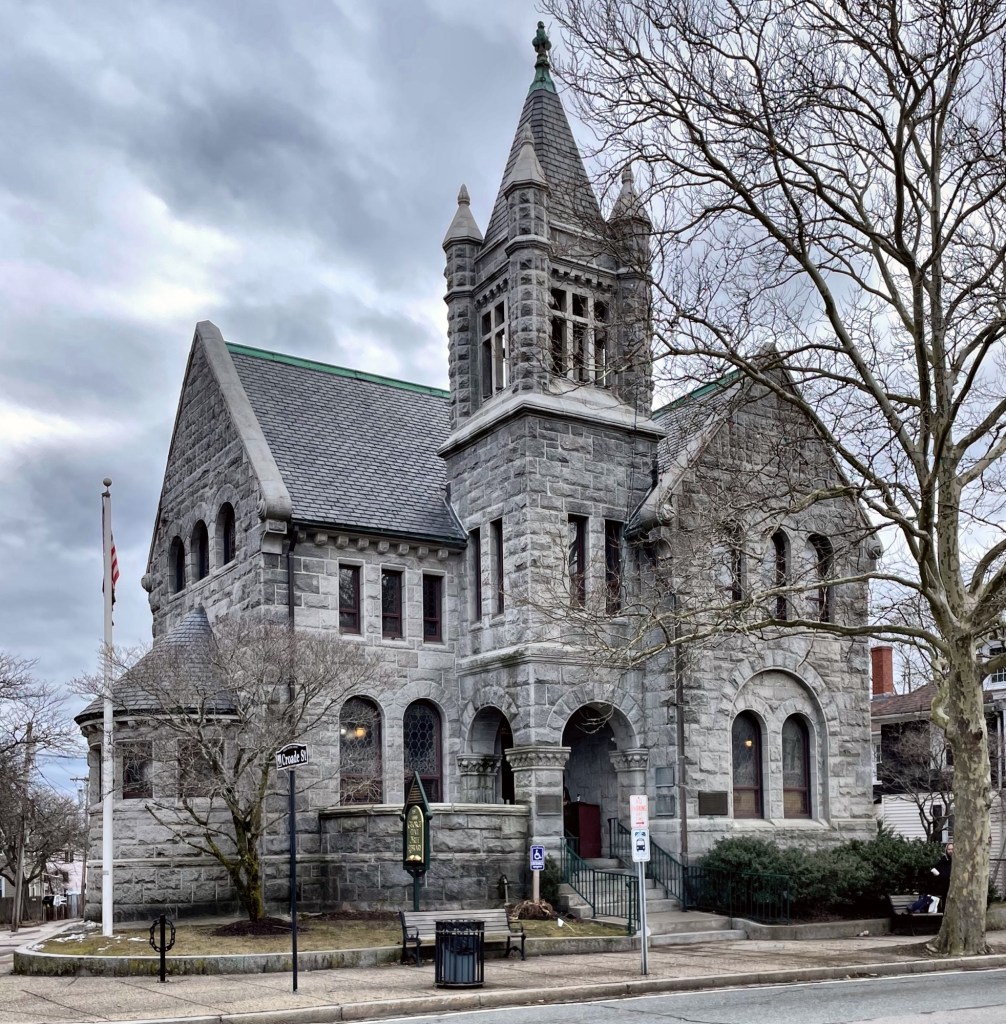
George Hail Free Library // 1888

The George Hail Free Library on Main Street in Warren, Rhode Island, is a unique, Victorian-era public library building that has been lovingly preserved by the community. Built in 1888, the building cost just over $16,000 and was designed in a more vertical expression of the Romanesque Revival style by the Providence architectural firm of William Walker and Son and built of rough-faced granite. The library is named after George Hail (1793-1873), a merchant, philanthropist, industrialist, and native son of Warren. His second wife, Martha Hail died in 1882 and left $5,000 and their home to the Warren Public Library provided that the name of the Library be changed to the George Hail Free Library in memory of her husband. The Library Committee agreed and planning began soon after for a new, purpose built library we see today. The exterior is distinguished, but the interior is also well-preserved, with original cherry woodwork grained to resemble mahogany, brass gaslighting fixtures, fireplaces, and leaded glass windows patterned with stained glass, together with some of the original furniture, that preserve a sense of the original setting.

Warren Town Hall // 1890

Warren, Rhode Island, is one of the lesser-visited coastal communities of the state, but retains one of the best waterfront historic districts in all of New England. With a small population of just over 11,000 residents, the downtown is extremely walkable with a tight network of streets, lined with stellar buildings and homes of nearly every architectural style and period, and are largely preserved showcasing what New England communities were like in centuries past. On bustling Main Street, the Warren Town Hall was designed by the Providence-based firm of William R. Walker & Son, architects, and constructed between 1891-1894. Designed in the Romanesque Revival style, the two-story building with five-story central tower also features Classical detailing like the terra cotta swags and brick pilasters. Before the 1938 Hurricane, the tower was even higher, incorporating an open stage topped by a parapet and a clock face on each of the segments of its still extant dome, which now has a slightly reconfigured mini-cupola topping. Additional detailing includes a terra cotta bust of the sachem/leader Massasoit with leafage, above a fluttering ribbon inscribed “Sowams,” the Wampanoag settlement that preceded Warren. The Warren Town Hall remains well preserved by the local government and a visual landmark on the town’s Main Street.

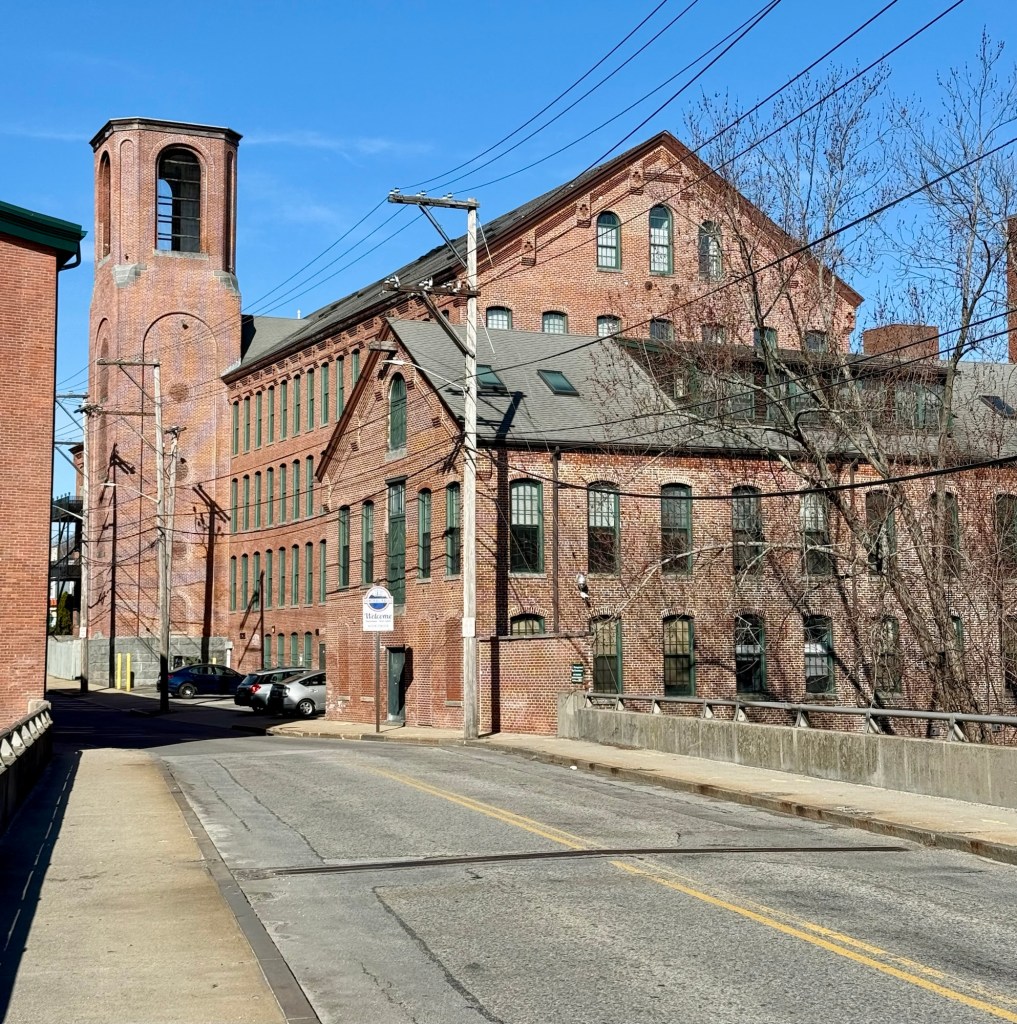
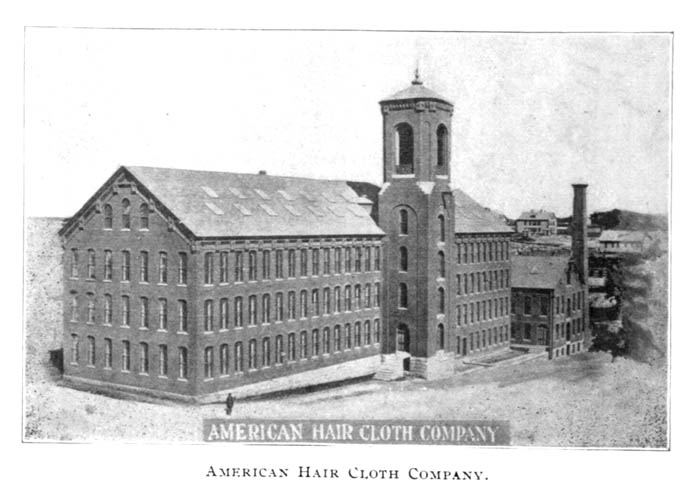
Pawtucket Hair Cloth Mill //1864

Despite its name, this handsome mill structure, known as the Pawtucket Hair Cloth Mill, is actually located in Central Falls, Rhode Island. The building, located on Roosevelt Avenue on the banks of the Blackstone River, is a great example of a Civil War-era mill, built for one of the many wool and cloth companies in New England. Begun in a small factory across the street in 1856, this business became successful after the acquisition of patents for weaving haircloth (most of the raw material for which originally came from Russian horse markets) for upholstery, crinolines, and inner linings. The company is said to have once been the largest producer of haircloth in the world. The Italianate style mill stands pretty much as built, besides the tower that has lost its low pyramidal cap. The building was one of the first commissions by great Rhode Island architect, William Walker, who was just 34 at the time of designing this large, and complicated structure.

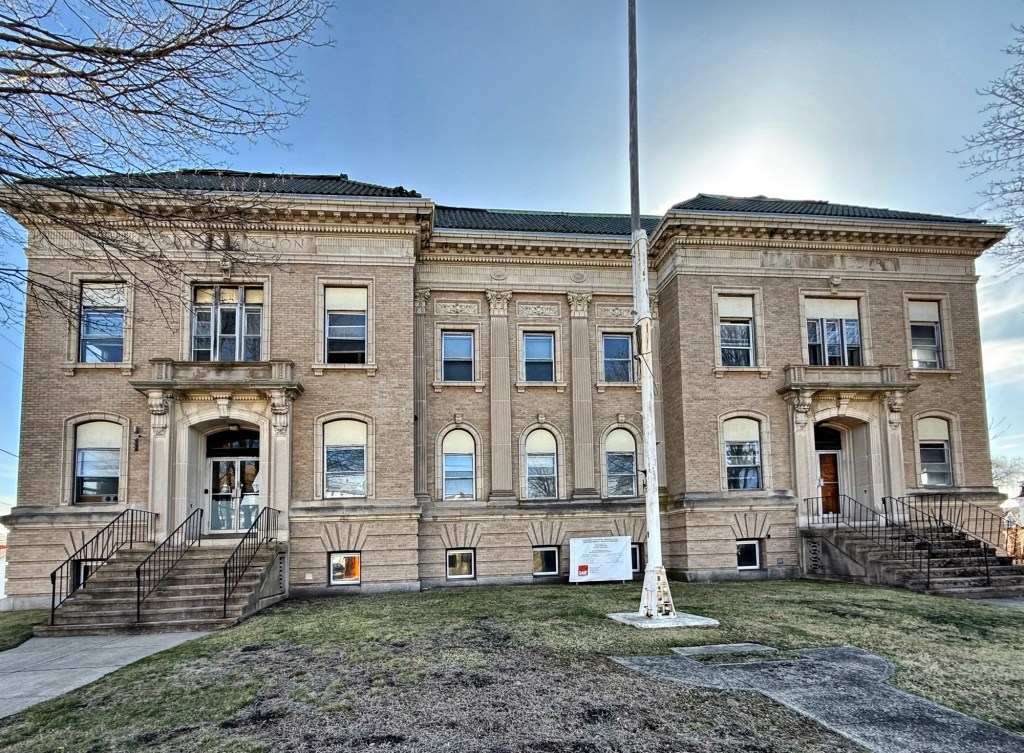
Central Falls Police Station and Courthouse // 1914

Built jointly by the city of Central Falls and the state of Rhode Island, this Classical Revival style building originally contained both the local police station and a district court house. The symmetrical building was designed by William R. Walker and Son, a Providence design firm, who specialized in large, civic and commercial buildings. The gray brick building is trimmed with limestone and stands three-stories under a hipped tile roof capped by decorative cresting. In the 1970s, the courthouse moved out and the entire building came into the ownership of the City of Central Falls and is today owned by the Central Falls Redevelopment Agency, which frankly worries me about the future of this important building. Does anyone know about plans for the building?