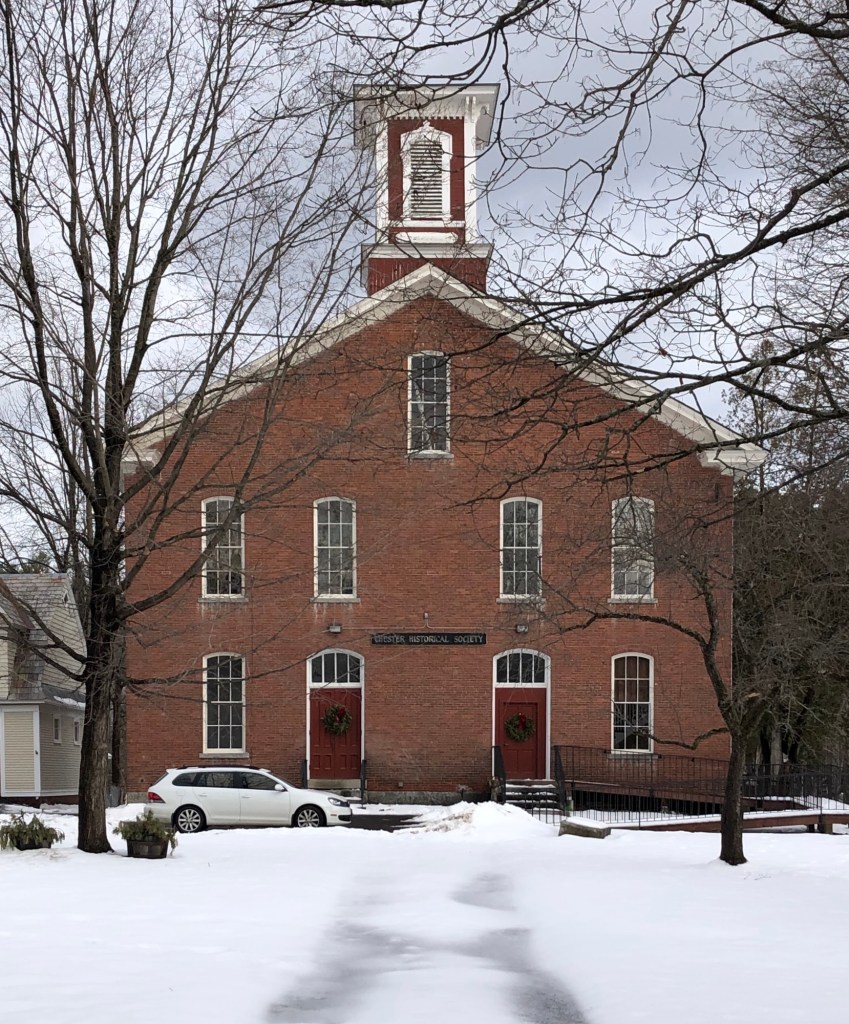
Chester Academy – Chester Historical Society // 1884

The town of Chester, Vermont, is one of the best small towns in the state for architecture lovers! Don’t believe me? I will prove it in this upcoming series. Located in Chester Village, the town’s center, this handsome brick building set off the main street, was built in 1884 as the town’s high school, replacing an 1814 private academy formerly on the site. The private academy closed in 1881, and the building was sold to the town, who by 1884, demolished the original structure and erected the current Italianate style building. The building served as the town high school until 1911, when a new high school was constructed nearby. The elementary and junior high school operated from here until the 1950s, when a modern school was constructed in town. Since 1950, the former academy building has been used by the Chester Art Guild, and currently is leased from the Town by the Chester Historical Society. The structure retains its architectural character down to the segmental arched windows and cupola.

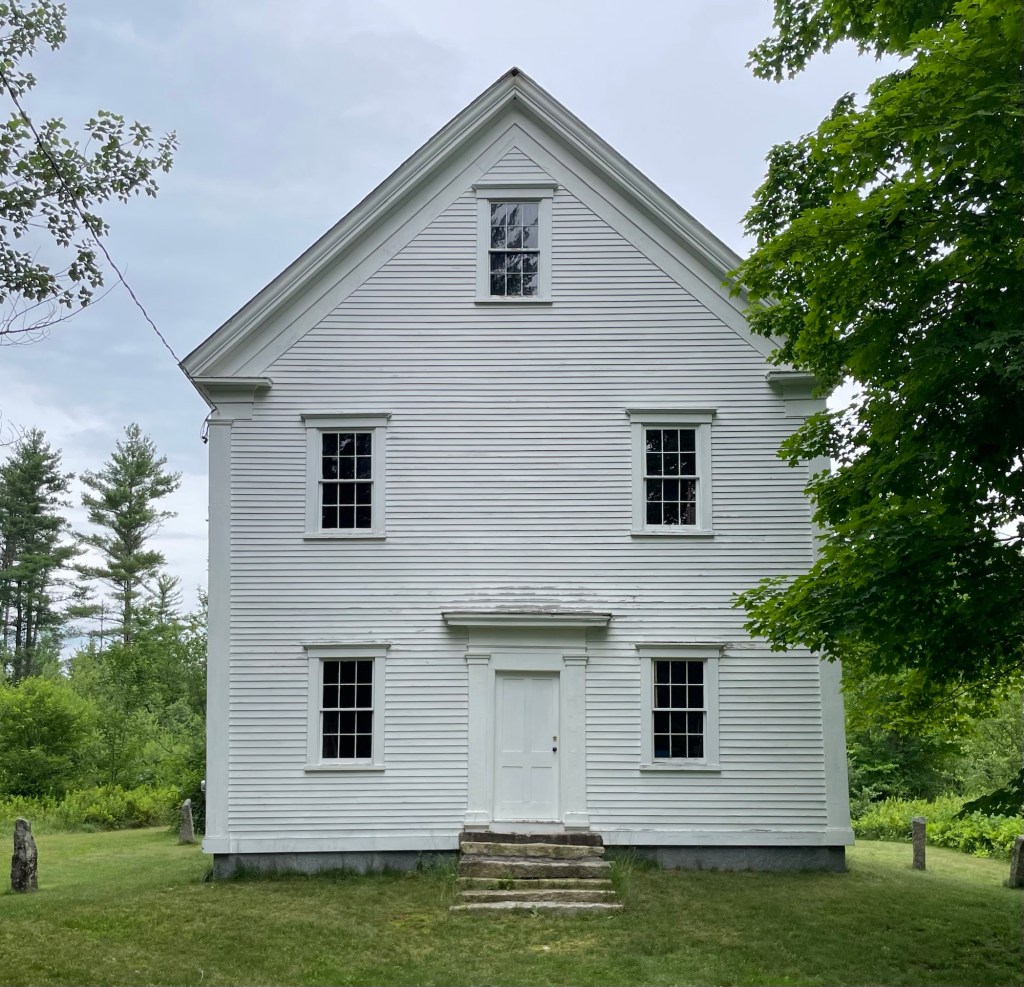
Old Goshen Academy Building // 1824

The former Goshen Academy building is located in the central village of the rural town of Goshen, Connecticut, and it is an important vestige of early education in the small town. The Goshen Academy building was built in 1824 from funds by shareholders of the institution. The academy featured a lecture room on the second floor with smaller classrooms downstairs. The academy would eventually close, and it has been occupied by the Goshen Historical Society.

Effingham Academy // 1819

The small town of Effingham, New Hampshire, is the home to the state’s first Normal School. This building was originally constructed in 1819 as a vernacular, Federal period academy for the youth in the rural town of Effingham on land formerly owned by wealthy resident Isaac Lord. A normal school for the training of teachers was established on the school building’s second floor in 1830 with James W. Bradbury, a Bowdoin College graduate, to head it. Bradbury, later a United States Senator, took the position only on condition that it should be for the instruction and training of teachers, a novel idea at the time. The school, like many small academy buildings of the period, eventually closed. The building is now managed by the Effingham Historical Society.

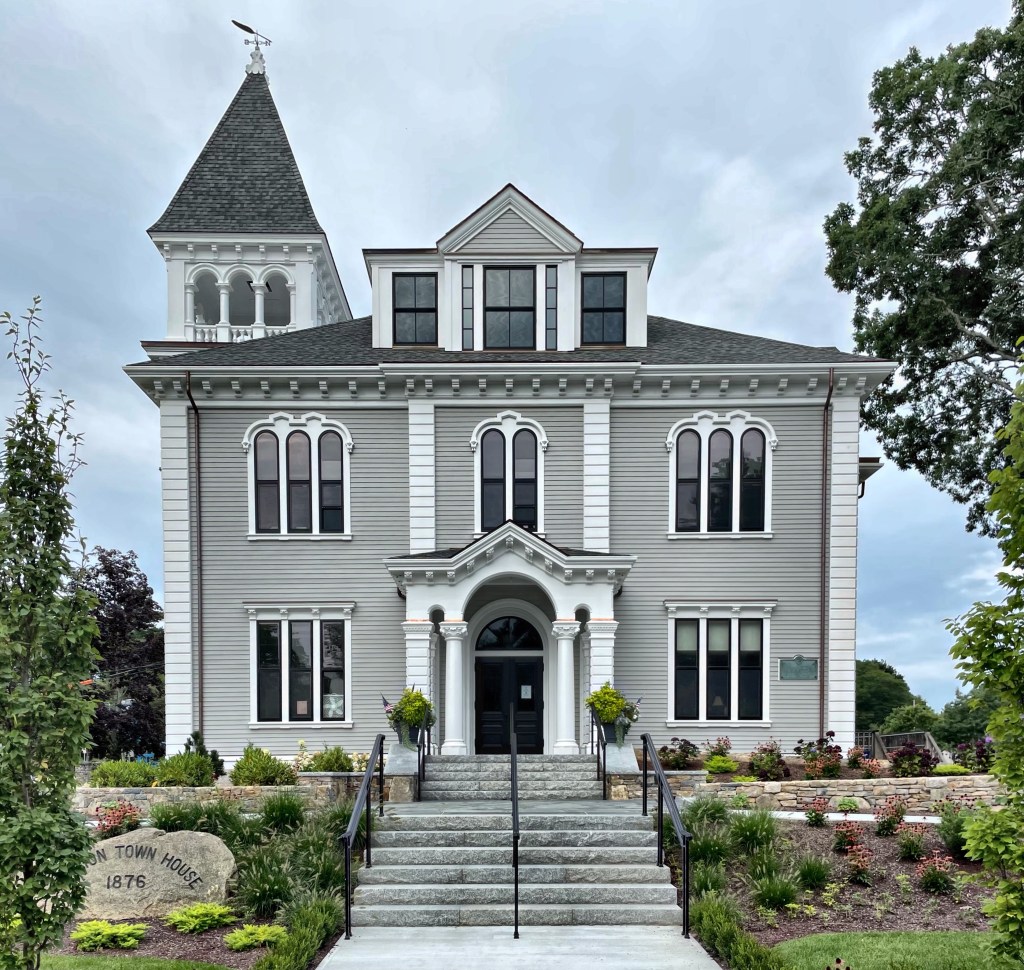
Marion Town Hall // 1876

Welcome to Marion, Massachusetts! Colonized in 1679 as “Sippican”, the town was once a district of adjacent Rochester, Massachusetts. The name, which also lends itself to the river which passes through the north of town and the harbor at the heart of town, was the Wampanoag name for the local tribe that once utilized these lands. Native settlements in present-day Marion dates as far back as 3000 B.C. as the local people were members of the Wampanoag tribe who, when the Pilgrims came, lived in a number of villages in Southeastern Massachusetts under the leadership of the great chief Massasoit. By the 19th century, the town was mostly known for its many local sea captains and sailors whose homes were in town. Today, the coastal town is known for its charming village and large waterfront homes, oh and amazing architecture!

This building was constructed in 1876 by Mrs. Elizabeth Taber (1791-1888), who, at the age of 85, founded Tabor Academy in town. She named it after Mount Tabor in Palestine rather than after herself. The school was built towards the end of the “Age of the Academies”, when in 1852, Massachusetts became the first state in the country to make education compulsory. While some major private institutions already existed, many more were founded in the mid-19th century. Tabor Academy served as a private school for boys and girls over 12 years of age, and was to remain free for local students. With the rise of public schools in the state, many academies began to struggle with admitting students, especially those that had parents willing to pay additional money for enrollment. The school struggled around the Great Depression and thus, traded buildings with the Town of Marion in the 1930s and this building became the Marion Town Hall, a use it retains to this day. The building itself is a stunning Italianate design constructed from plans by Boston architect William Gibbons Preston.

Stay tuned for more buildings and history on one of my favorite Massachusetts towns!

Suffield Academy-Memorial Building // 1854

Initially established as the Connecticut Literary Institute (the school was renamed Suffield School in 1916 and then Suffield Academy in 1937), the mission of this school with Baptist roots was to educate young men for the ministry. As the Connecticut Literary Institute was the only high school in Suffield, the town tax dollars paid for local students to attend. Although town and local Baptists served a major role in getting the school underway, the founders soon moved away from a denominational focus. Built for the Institute in 1854, this large brick academic building was designed in the Italianate style with brackets and decorative brickwork at the cornice. In 1950, the school “Colonialized” the campus beginning with the Memorial Building, removing the Victorian flair for a more traditional Colonial Revival appearance. They also did the same with Fuller Hall next door.