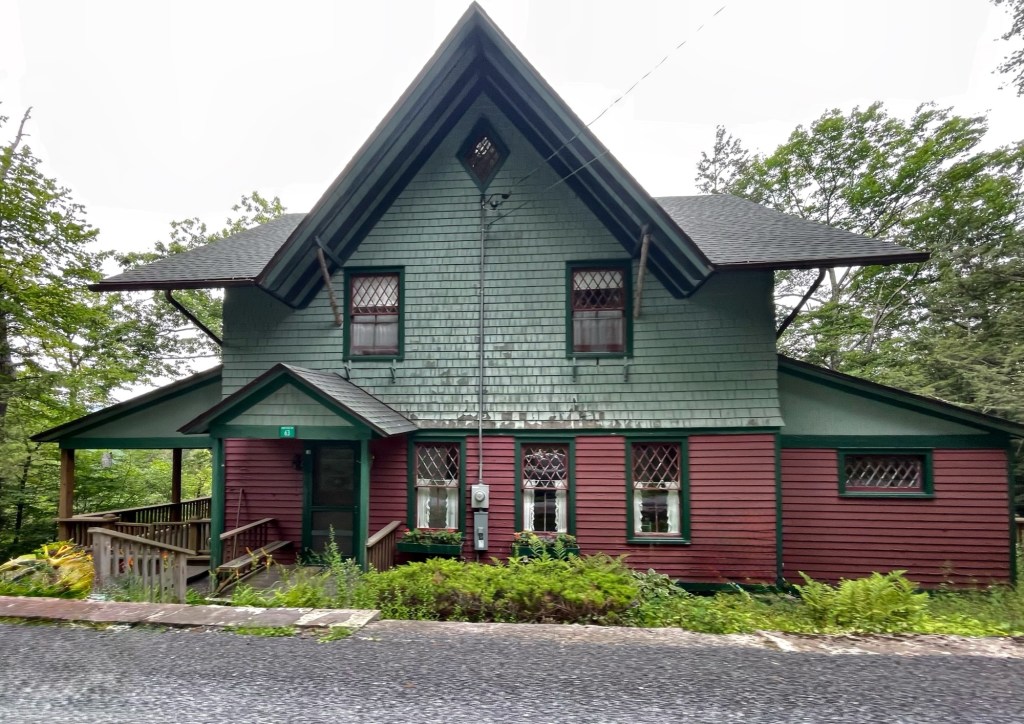
Crossways Cottage // c.1890

Tucked away in the town of Hunter in the Catskill Mountains of New York, the summer colony of Twilight Park has stood as an exclusive and private resort community established in the late 19th century. Twilight Park was born out of the Twilight Club, a Manhattan social club in the late-19th century and brought to life by founder, Charles F. Wingate. Mr. Wingate traveled to the mountaintop in 1887, and became enamored by its natural beauty. He arranged for the purchase of a former sheep’s meadow and led the construction of the first cluster of cottages in what would become a large community of over 100 summer homes. Cottages were laid out on roughly parallel roads at different elevations and on old connecting paths that later became roads with all lots built on ledges overlooking the Catskills. The first cottages were log cabins, and quickly followed by larger, Queen Anne style “cottages” as others invested in the development. Crossways Cottage is one of the many unique late-Victorian summer “cottages” in the exclusive Twilight Park colony in the Catskills of Hunter, New York. The cottage stands out for its cross-gable roof with overly deep eaves which are supported by rustic twig brackets, diamond sash windows, and the use of varied clapboard and shingle siding. 
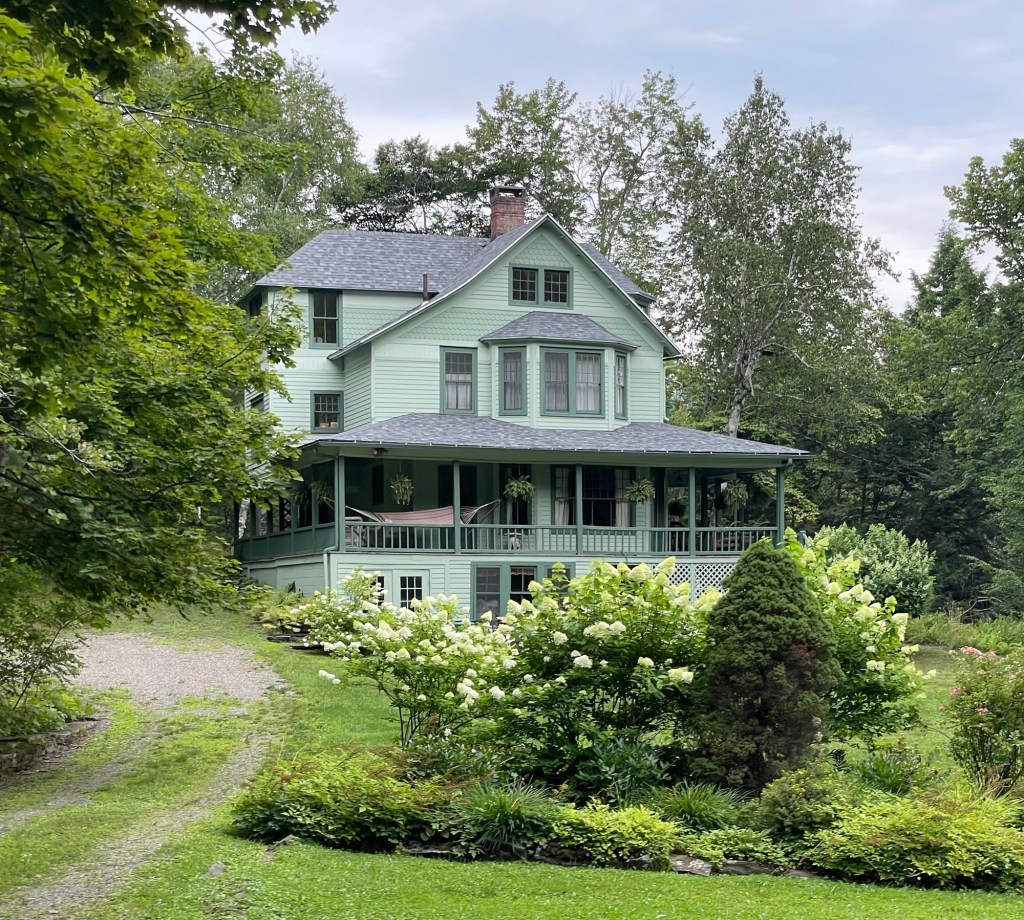
Four Winds Cottage // 1889

Tucked away in the town of Hunter in the Catskill Mountains of New York, the summer colony of Twilight Park has stood as an exclusive and private resort community established in the late 19th century. Twilight Park was born out of the Twilight Club, a Manhattan social club in the late-19th century and brought to life by founder, Charles F. Wingate. Mr. Wingate traveled to the mountaintop in 1887, and became enamored by its natural beauty. He arranged for the purchase of a former sheep meadow and led the construction of the first cluster of cottages in what would become a large community of over 100 summer homes. Cottages were laid out on roughly parallel roads at different elevations and on old connecting paths that later became roads with all lots built on ledges overlooking the Catskills. The first cottages were log cabins, and quickly followed by larger, Queen Anne style “cottages” as others invested in the development. This cottage, known as “Four Winds”, was built in 1889 during the first phase of development in Twilight Park, and it is notable for its varied siding, wrap-around porch, bay window, and elevated siting to provide better views of the landscape.

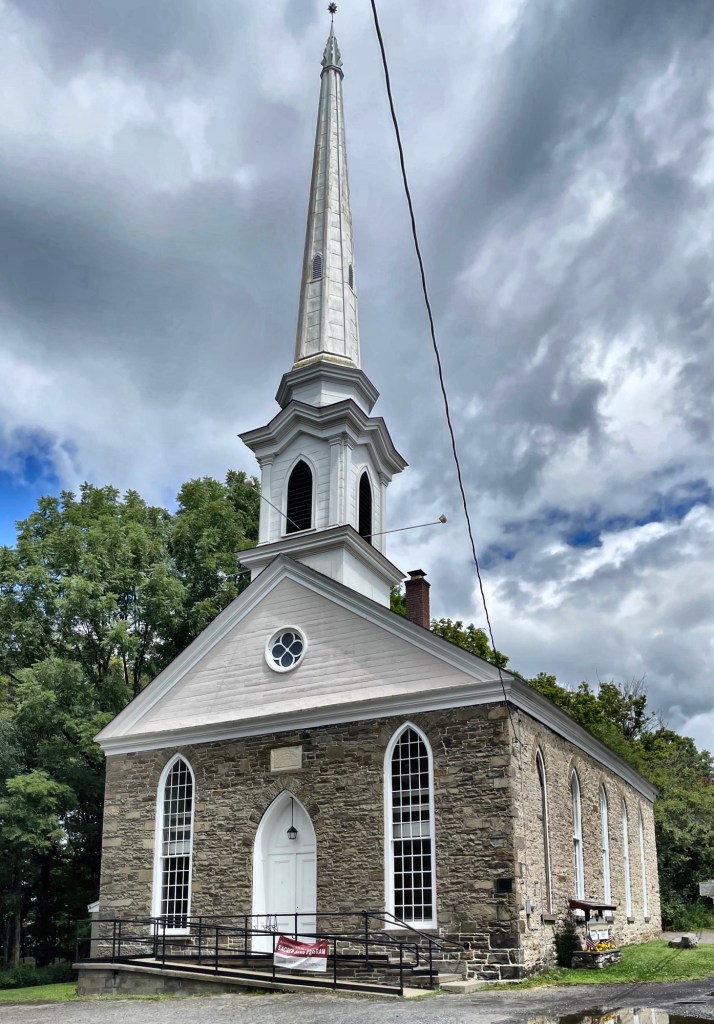
Katsbaan Reformed Church // 1732

The first church on this site in Katsbaan, Saugerties, New York, was a 1732 simple stone church built by Dutch and German settlers. Church services were first held in the German language,  and gradually came to be also held in Dutch and English, as the village and surrounding area developed. The original church was rebuilt in 1816 using the same stone base, but the entrance was shifted away from the street. Larger windows and the steeple were added at this time. In 1867, the steeple was heightened and the windows were enlarged with Gothic points, giving the building its present appearance. The Katsbaan Reformed Church remains an architectural and historical landmark noting the early history of Ulster County and its growth.

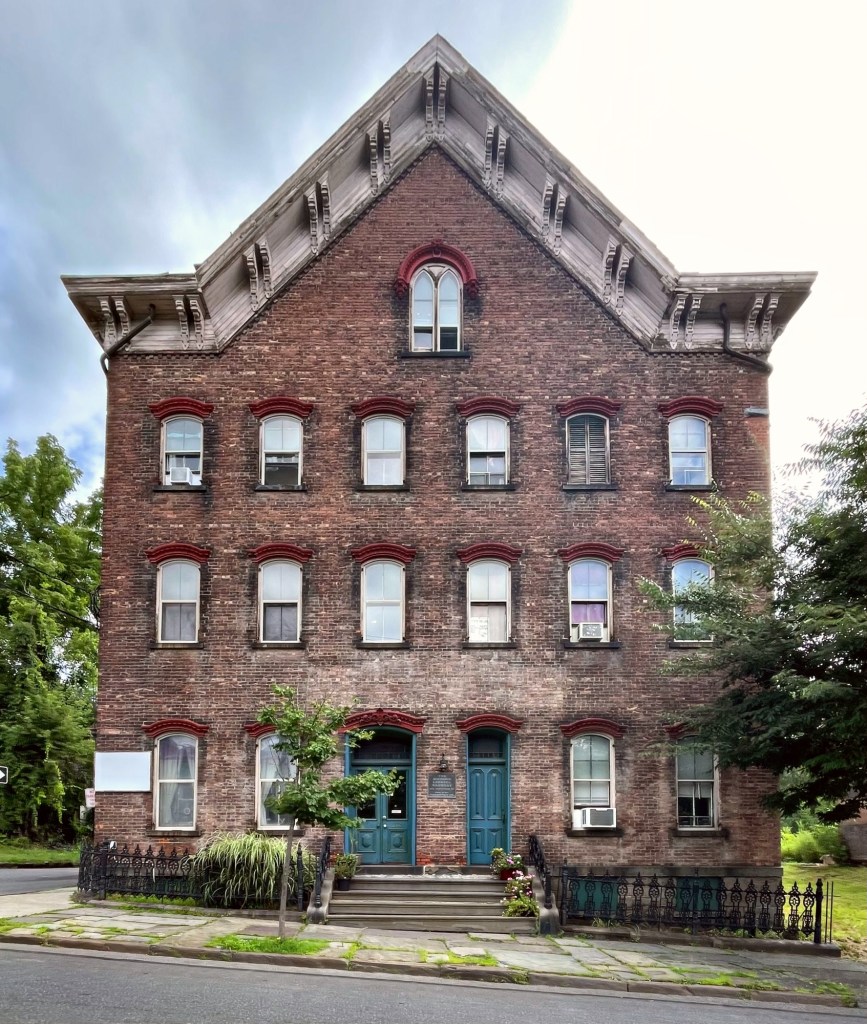
Loerzel Beer Hall // 1873

The Loerzel Beer Hall was built in 1873 in Saugerties, New York and is an important historical and architectural landmark in the Hudson Valley town. Operating independently as a brewery and beer hall by German immigrant Lorenz Loerzel (1821-1878), and later by his family for thirty years, the handsome Italianate style building became a popular meeting place for socialization and community for many immigrants who arrived to the town of Saugerties for work. The beer hall remained in operation until Prohibition in 1920. The building appears to now be occupied as apartments.

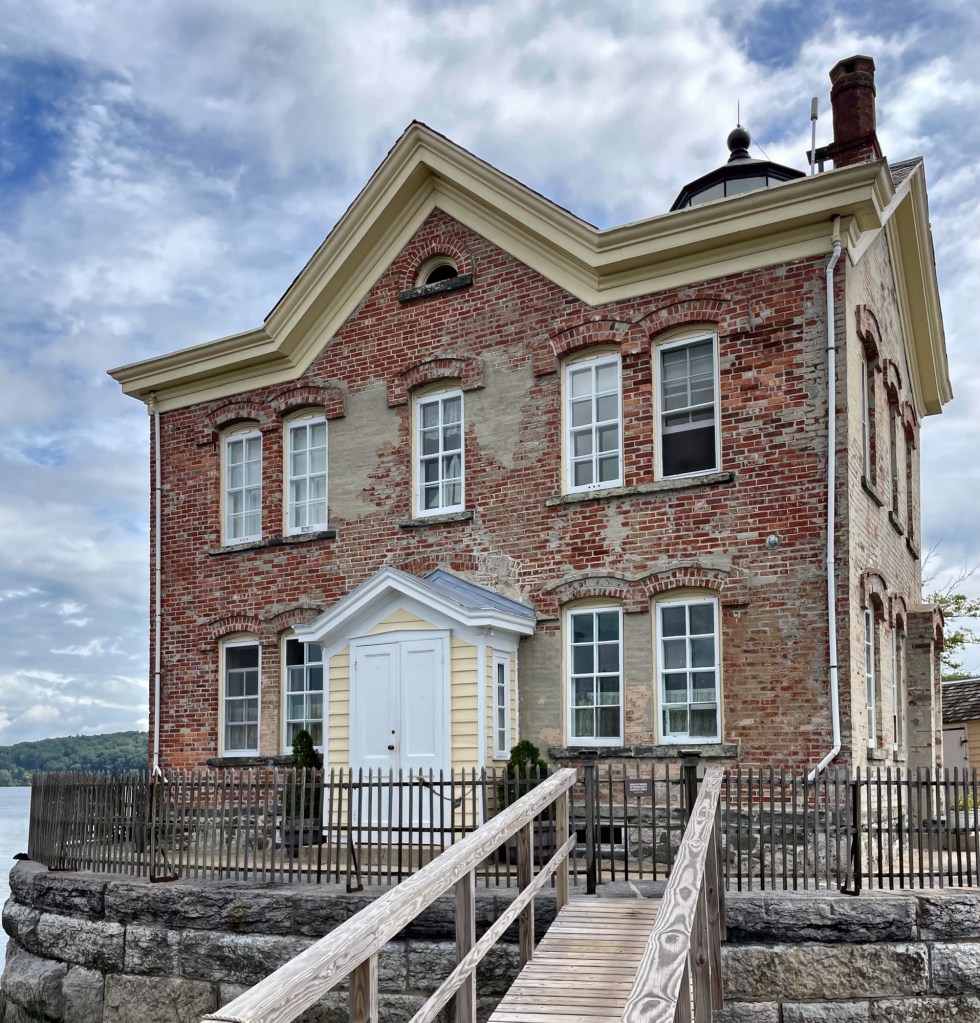
Saugerties Lighthouse // 1869

A landmark beacon on the Hudson River in New York, the Saugerties Lighthouse is a venerable aid to navigation and historically significant structure in the town of Saugerties. The first lighthouse here was built in 1835 and replaced in 1869 by the present structure, being the oldest lighthouse on the upper Hudson. The structure was important to the industry and later growth and development of the area as it provided aid to boatmen in trouble as well as providing a light and fog bell to warn ships of river hazards. The Saugerties Lighthouse was automated in 1954, making the light keepers obsolete. The building was closed up. Due to neglect, it fell into disrepair and decay and the Coast Guard proposed to demolish the structure in 1964. Local residents began to actively preserve and protect the lighthouse and funding was acquired to restore and recommission the structure, which occured in 1990. The Saugerties Lighthouse Conservancy today maintains and preserves this important historical asset and the lighthouse is even available for a short-term stay as a bed & breakfast, allowing visitors to serve as a lighthouse keeper for a weekend (without having to keep the lantern running.)

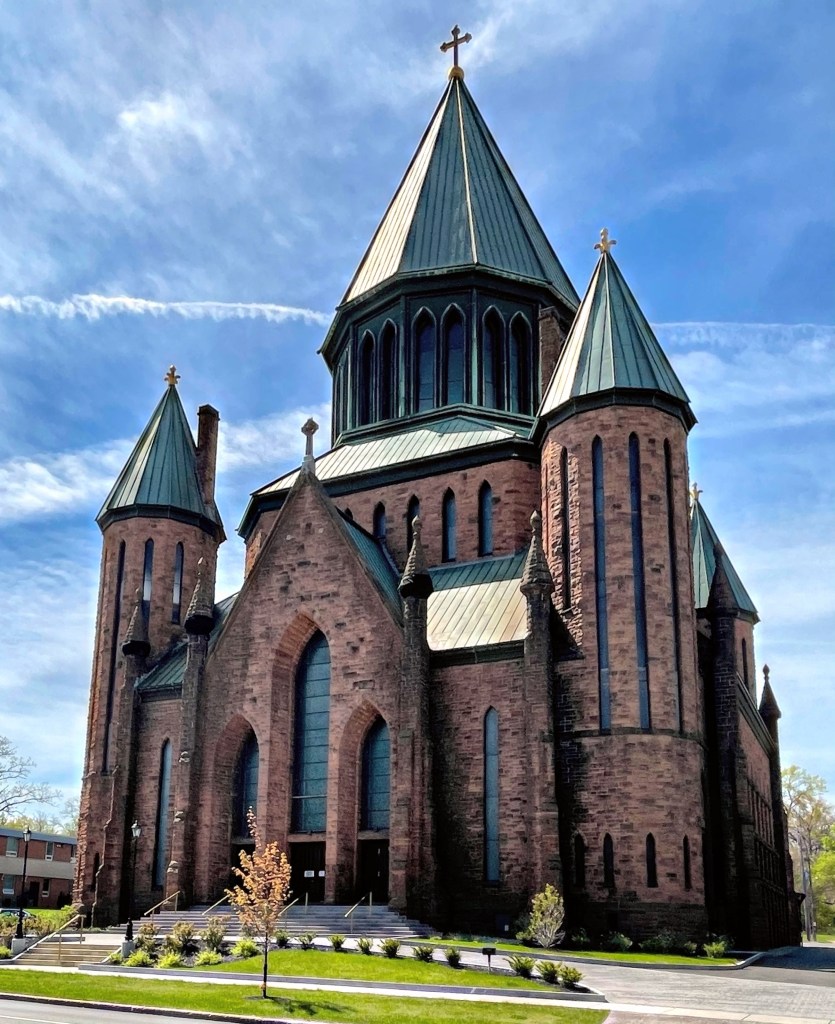
St. John the Evangelist Church // 1900

St. John the Evangelist Church in Schenectady, NY is probably the most imposing church I have ever seen (outside of European cathedrals). The church began in 1898 when Monsignor John L. Reilly purchased land across from Union College’s campus to erect a new church. He began collecting donations to fund a church suitable for Schenectady, and visited Europe to seek inspiration for the design. He worked with architect Edward Loth of nearby Troy, NY on the design which resulted in this massive 120’x130′ structure. The stone church has a small tower at each of its four corners with a central spire reaching 230′ high. The center spire was constructed of steel and glass to cast light onto the sanctuary below (sadly has been replaced with a metal roof). This is definitely one of the more memorable churches I have ever seen! What do you think of it?