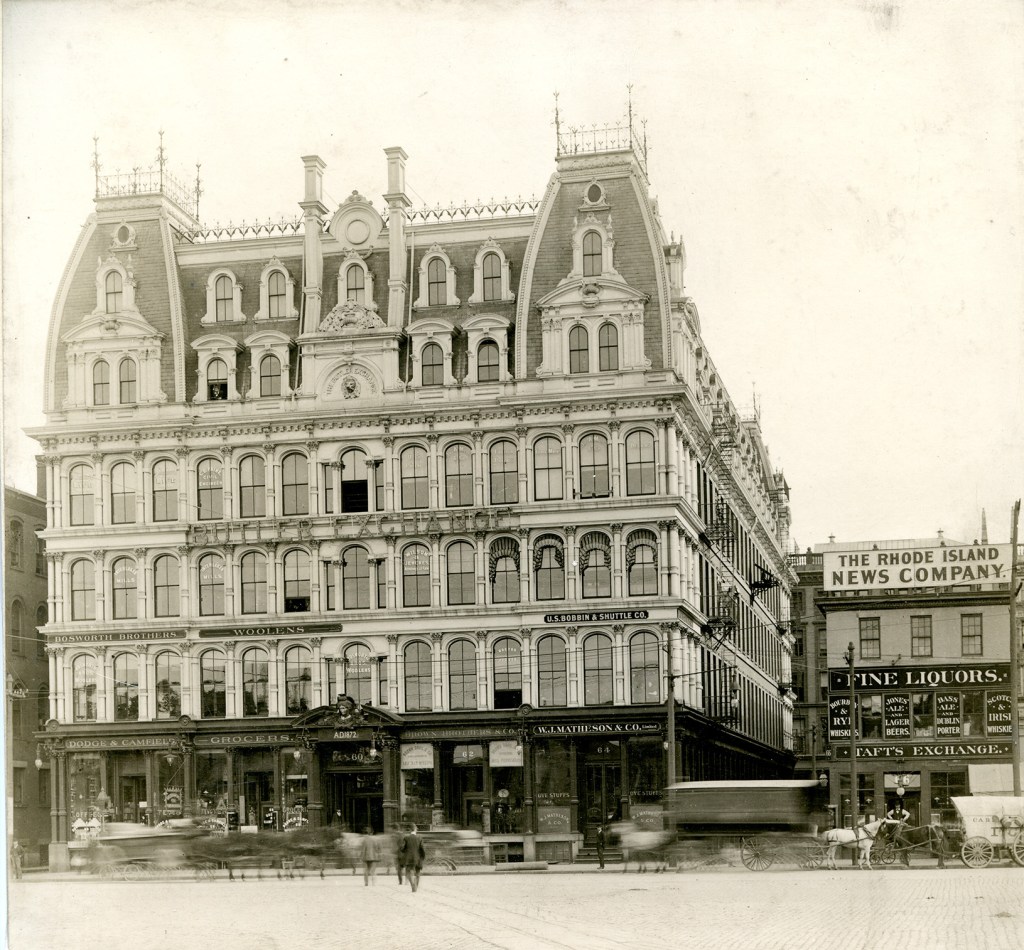
Butler Exchange // 1871-1925

Image Courtesy of Providence Public Library collections.

This magnificent structure formerly in Downtown Providence would likely still exist today had a devastating fire not destroyed it in 1925. When construction on the Butler Exchange began 1871, the area we know today as Downtown was only a cluster of small wooden and brick residences with commercial operations on the ground floors; the key retail shopping districts were across the river around where Brown University is today. The first major commercial development in modern-day Downtown was the Providence Arcade (featured previously), built in 1828, by Cyrus Butler. The Arcade languished in tenants and shoppers earning it the name, “Butler’s Folly”. A half-century later, a new Butler project was about to take off. Cyrus’ heirs built the Butler Exchange, which upon completion in 1873, was the largest building in Providence and its splendid French-inspired two-story mansard roof was a nice pairing with the City Hall being built nearby. The Butler Exchange saw commercial use, offices, and a school before a fire destroyed much of the building, leading to its demolition. The building was later replaced by the Industrial National Bank Building aka the “Superman Building”.
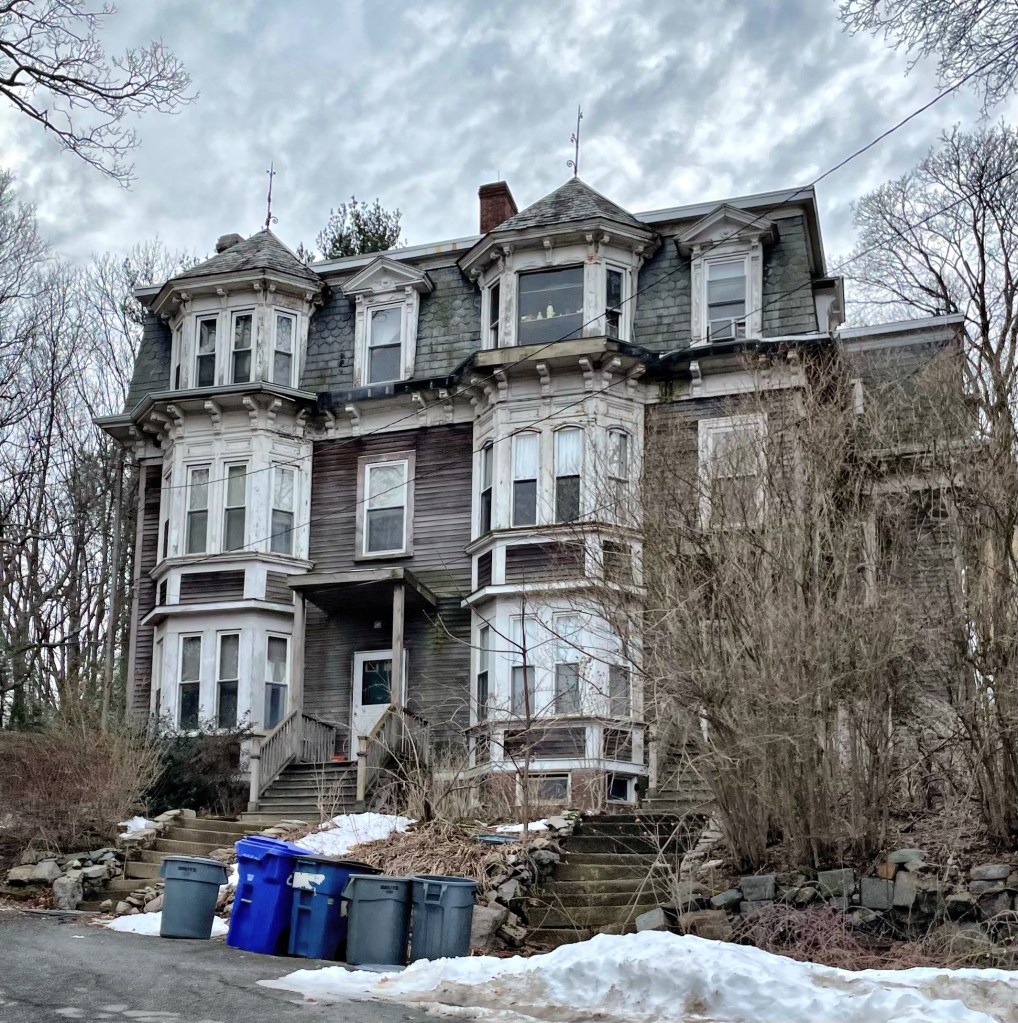
Susanna Cary Rental Property // c.1884

Isaac Harris Cary’s land holdings adjacent to Forest Hills Cemetery in Jamaica Plain, Boston, saw a surge in value when the cemetery and Forest Hills Station were constructed, opening up the area for development. After Isaac’s death in 1881, his unmarried daughter Susanna, built this large Second Empire style building contributes to the varied 19th century architecture of the street. This double-house was constructed around 1884, seemingly as a rental property which provided Susanna income while residing nearby. The two units suffer from some deferred maintenance, but are excellent examples of the Second Empire style in a double-house form.

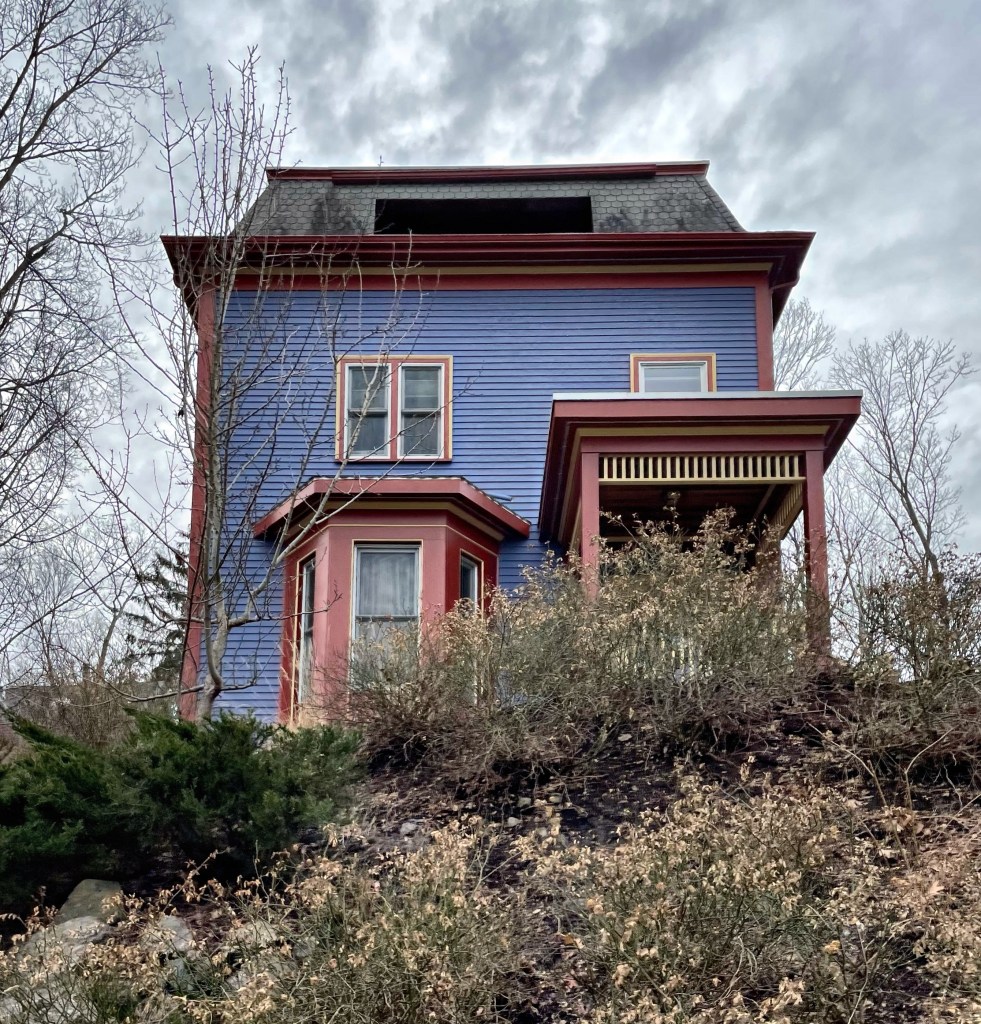
Isaac Cary House // c.1870

Isaac Harris Cary (1803-1881) was born in Charlestown, MA to an established, old New England family. He eventually settled in West Roxbury, an area that is now known as Jamaica Plain, where he operated a tannery along a branch of Stony Brook, a tributary of the Charles River. Isaac built this home and a couple income-producing rental properties on a hill adjacent to the newly established Forest Hills Cemetery. The Second Empire style home today features bright colors and a modern recessed window set into the mansard roof, likely providing views to Boston’s skyline.

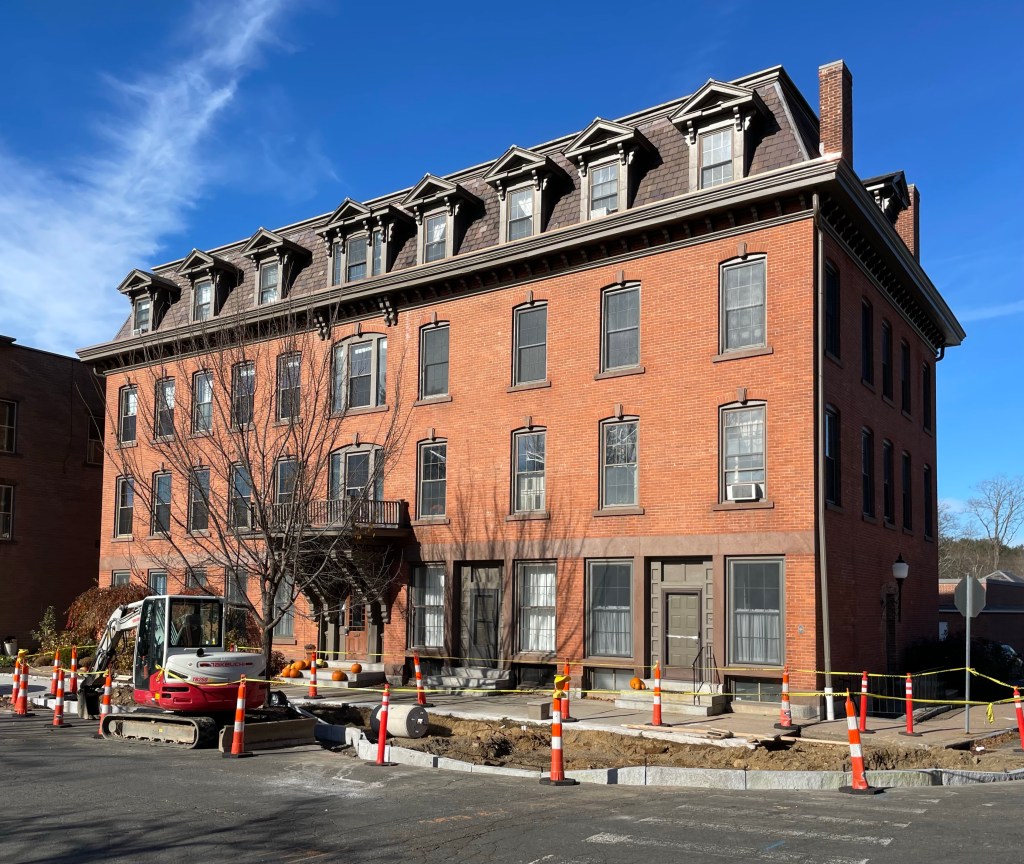
Valley House // 1868

This massive Second Empire structure on Main Street in Collinsville, CT, was built in 1868 by the Collins Company, the major industry in town as housing and stores. In the 19th and early 20th centuries, large industrial employers often provided affordable housing for workers in close proximity to factories to incentivize the long days and difficult working conditions. The Valley House was known as a hotel, but was essentially an apartment hotel, where workers and visitors could reside in a room without a set lease or contract. At the ground floor, retail shops would provide goods and services to residents of the building and the greater village. Today, the rooms have been converted to condominiums.