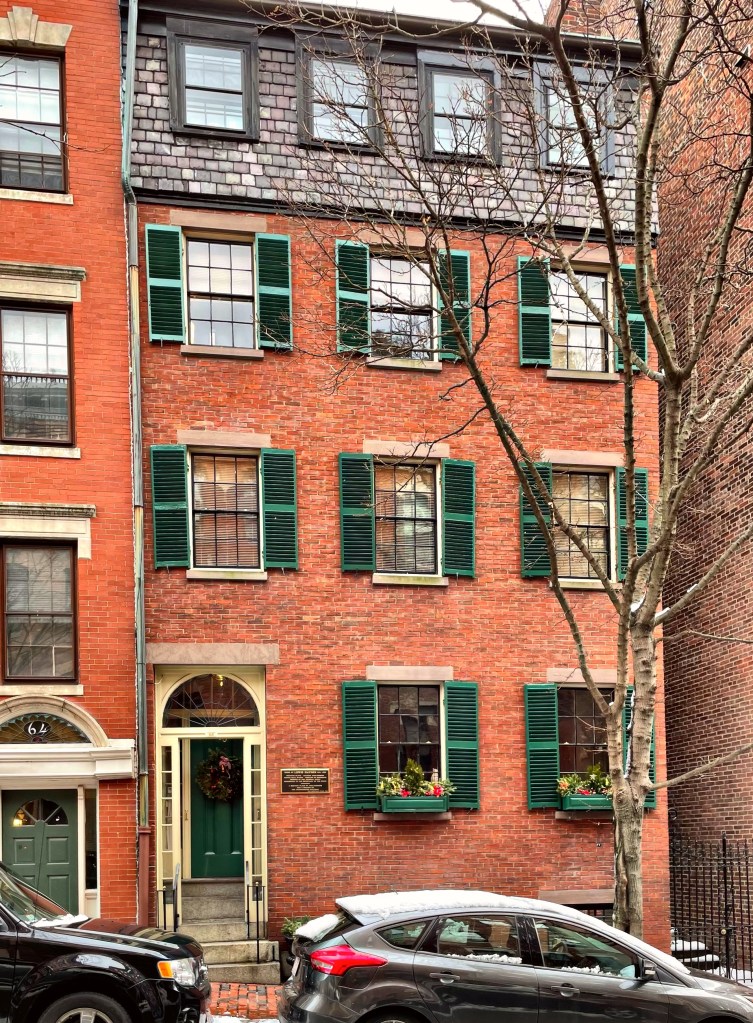
Lewis and Harriet Hayden House // 1833

Lewis Hayden was born into slavery in Lexington, Kentucky, in 1811, as one of a family of 25. Hayden was first owned by a Presbyterian minister, Rev. Adam Rankin. He sold off Lewis’ brothers and sisters in preparation for moving to Pennsylvania, and he traded 10-year-old Hayden for two carriage horses to a man who traveled the state selling clocks. In the mid-1830s, Hayden married Esther Harvey, also a slave. She and their son were sold to U.S. Senator Henry Clay, who sold them both to the Deep South, and Hayden never saw them again. By 1842, Hayden married a second time, to Harriet Bell, who was also enslaved, and he cared for her son Joseph as his stepson. After this marriage, Hayden began making plans to escape to the North, as he feared his second family might be split up like the first. In 1844, he and his family escaped with assistance of abolitionists all the way to Canada. From Canada, the Haydens moved in 1845 to Detroit in the free state of Michigan, and the next year, they moved to Boston, at the center of anti-slavery activity with the city’s strong abolitionist base. In Boston, Hayden became a lecturer and ran a clothing shop, acquiring enough money to live in this large home in Beacon Hill. The Haydens routinely cared for fugitive slaves at their home, which served as a boarding house. Guests included Ellen and William Craft, who escaped from slavery in 1848. Hayden prevented slave catchers from taking the Crafts by threatening to blow up his home with gunpowder if they tried to reclaim the pair. Hayden died in 1889, outliving the abolishment of slavery. Harriet died in 1894 and left $5,000, the entirety of their estate, to the Harvard University for scholarships for African American medical students. It was believed to have been the first, and perhaps only, endowment to a university by a former slave. Their former home remains a stop on Boston’s Black Heritage Trail.

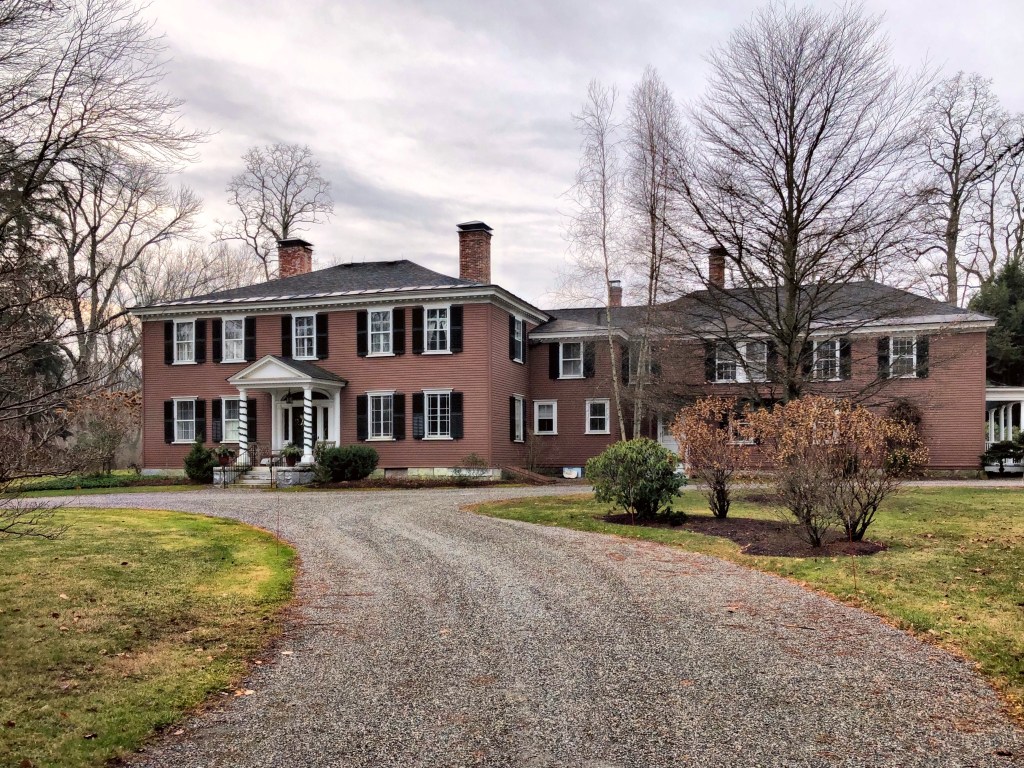
Sedgwick House // 1785

Built in 1785, the Sedgwick House on Main Street in Stockbridge, MA, is the oldest of several Federal mansions built in town after the Revolution. Theodore Sedgwick (1746-1813), one of the early lawyers of Berkshire County, moved to Stockbridge in 1785 and built this house. From 1796 to 1799 he was a Senator in the federal government, and declined a position of Secretary of the Treasury offered by George Washington. Before this, when a House Representative, he was nominated the fourth Speaker of the House. An ardent Federalist, Theodore retired from the national arena upon Thomas Jefferson’s election. Sedgwick was also a member of an early abolitionist society organized in Pennsylvania in 1775 and played a key role in abolishing slavery in Massachusetts by his win in the case of Bett v. Ashley. In this case, Sedgwick served as attorney of Mum Bet (also known as Elizabeth Freeman) an enslaved woman in nearby Sheffield and argued that slavery was inconsistent with the 1780 Massachusetts State Constitution, and won. Bet became the first enslaved African American to file and win a freedom suit in Massachusetts, effectively abolishing slavery in the state. She was later buried in the Sedgwick Family burial plot in Stockbridge. The home was later owned and occupied by Catharine Maria Sedgwick, Theodore’s daughter, who became one of nineteenth-century America’s most prolific women writers. She published six novels, two biographies, eight works for children, novellas, over 100 pieces of short prose and other works.