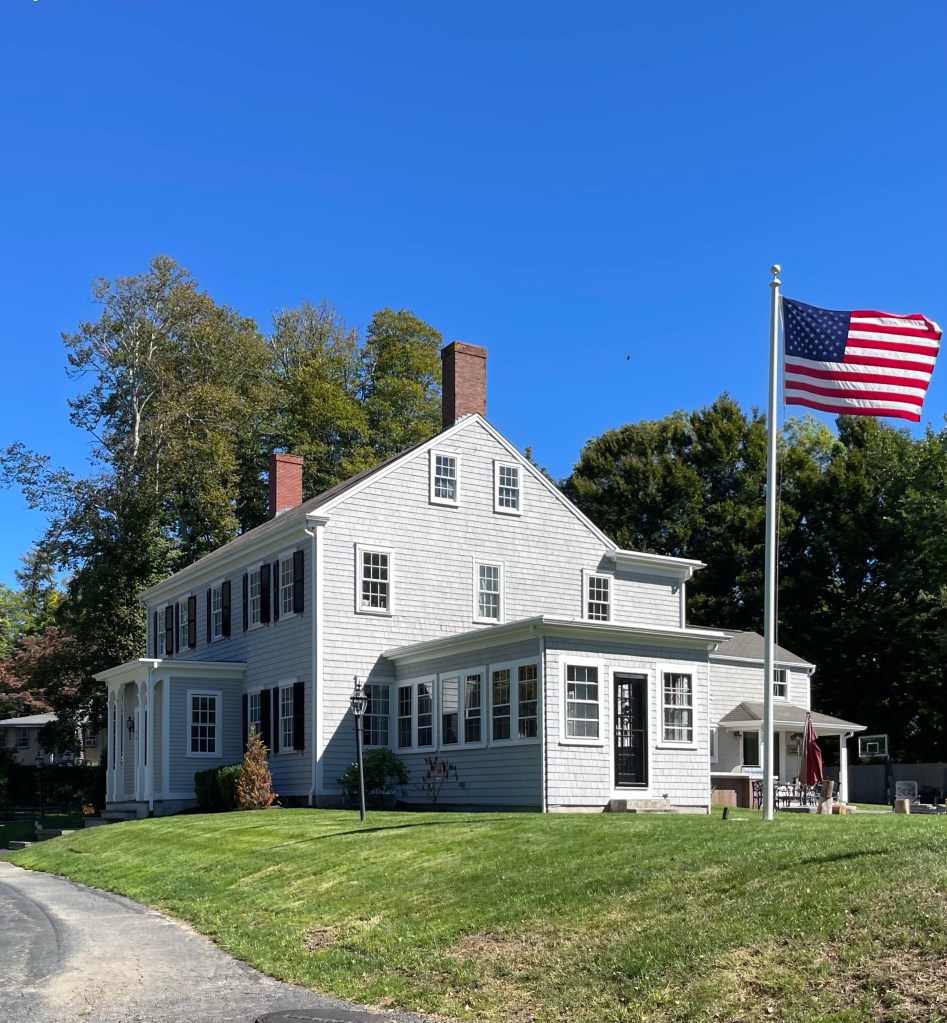
In 1832, Sylvanus B. Phinney purchased land on Main Street in Barnstable Village, building a home two years later. He never lived in the home and rented it to friends. The house was purchased in 1850 by 25-year-old Peter Pineo after he graduated from Harvard Medical College. During the Civil War, he worked with Clara Barton, founder of the Red Cross, and after the Civil War, in Hyannis, Pineo started a hospital for sick and disabled seamen. The home transferred hands many times throughout the remainder of the 19th and 20th centuries, with slight changes in almost its 200 year history. It has been owned by the Barnstable Historical Society since 2012.
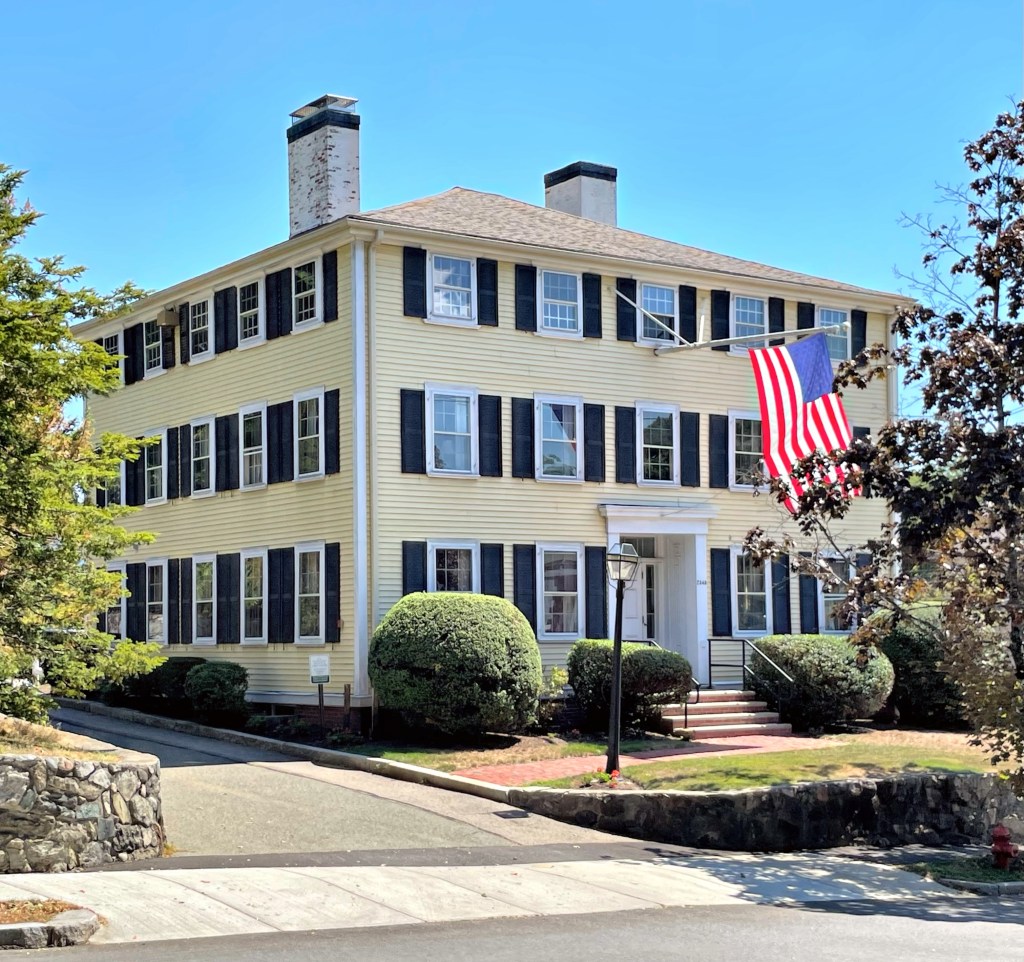
This large, Federal period home in Barnstable Village was built around 1807 by Deacon Timothy Phinney (1746-1838), a merchant and member of the Whig Party as a State Senator and supporter of the Revolution. He lived into his nineties and fathered twelve children. The Phinney House was purchased by Daniel Carpenter Bacon, a prominent merchant who was born in Barnstable and went off to Boston in 1802 at 14 years old, to sail as a mate on William Sturgis’s ship Atahualpa. He was first mate on the Xenophon, and became its Captain in 1807. He later sailed on Theodore Lyman’s ship and distinguished himself in trade with China and in the Pacific Northwest fur trade, making his fortune. He retired from the seas and sold this house to his brother, Ebenezer Bacon, in 1837. Ebenezer worked locally as the second president of the Barnstable Savings Bank and as trustee of the Barnstable Academy. Upon his death, his widow Phoebe (1797-1882) inherited the house and lived there until her death with her three unmarried daughters. She left the house in her will to their three unmarried daughters, Louisa, Emily and Sarah, stating she knew the other seven children “would understand”. The home has been very well-preserved and is an excellent example of a Federal style mansion on the Cape.
As the Elmendorf family put its roots down in Hurley, Ulster County, New York, the descendants built stone houses as a nod to their ancestors of Dutch heritage, following those building traditions. This five-bay stone house was built around 1789 and is a vernacular Federal home with Dutch and English building influence. The property exhibits shed dormers and a Colonial Revival portico, but exudes 18th century charm.
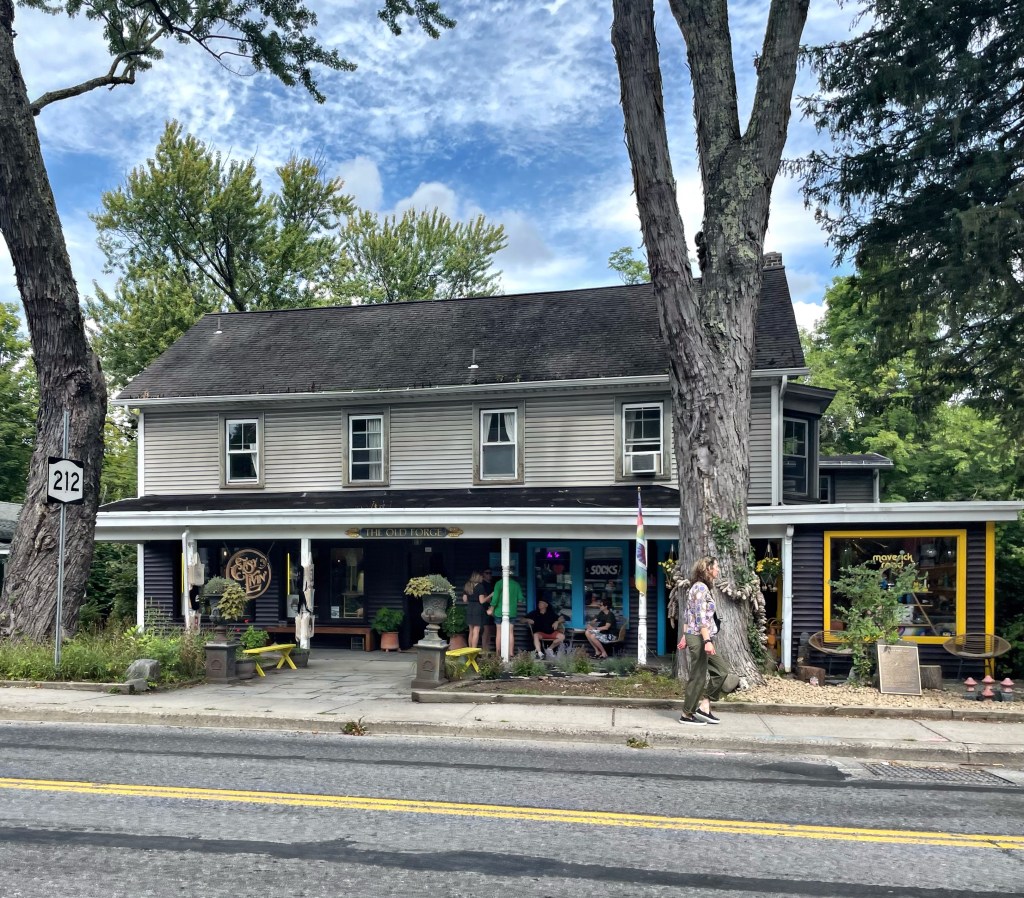
One of the oldest extant buildings in Woodstock Village is the old Tannery Brook House. The building (or a part of it) was originally an old grist mill developed by Isaac Davis and it was later turned into a saw mill. Around the end of the Civil War, the structure was home to the village blacksmith operated by John Wigram Davis, then it was enlarged as a barn for wagons and carriages. Later, owner Peter Longendyke operated a boarding house from the building. Around 1904, the New York Art Students League is believed to have had their first summer art class in the upstairs rooms of the building. In 1935, owner Lamonte Simpkins remodeled it as “The Art Shop”. Upstairs Mr. Simpkins sold clothes, shoes and drygoods, while downstairs The Art Shop and Tannery Brook Garden Flourished. The building was rebranded as the Old Forge House, as a nod to its historic use. It remains a vernacular, and important piece of Woodstock’s rich history from sleepy industrial village to vibrant artist community.
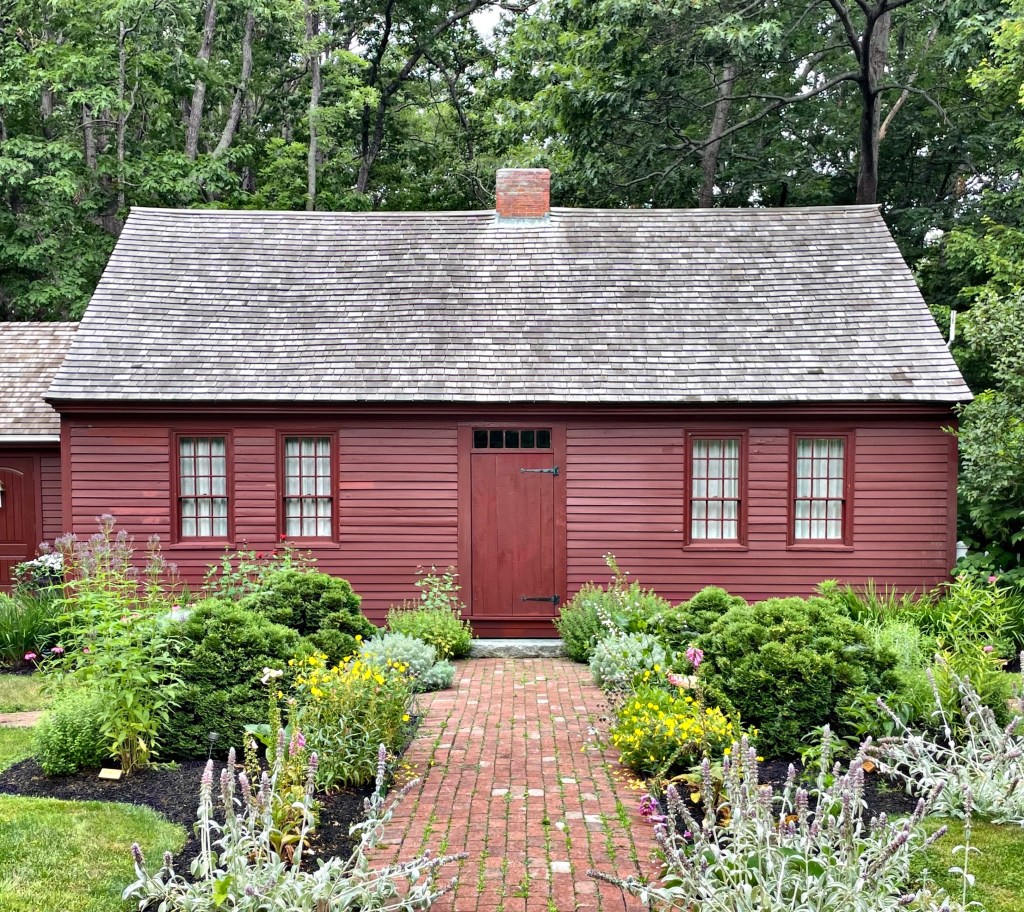
One of the oldest extant houses in the village of Ogunquit Maine is this charming Cape house thought to have been built in the 1780s. The house was later purchased by James Winn (1783-1861) and his wife Philadelphia Maxwell Winn (1785-1855), probably about the same time as the birth of their first child, James Winn Jr. in 1808. Both James Sr. and his son in 1846, launched a 161–ton brig out of Kennebunkport with Captain James at the helm. After several trips James Jr. succumbed to an illness that was aboard the vessel and died at the New York Marine Hospital. Over 150 years later, the house, largely untouched, was seemingly threatened by development pressure on the busy highway. In 1980, the home was donated to the town by then-owner, Phyllis Perkins, and moved nearby to a park on Obed’s Lane. It now houses the Ogunquit Heritage Museum.
Thought to be the oldest extant house in Newton Lower Falls, this historic mansion has seen a lot of change over its nearly 300 years in the village. The house believed to have been built around 1755 by John Parker (1687-1761) for his son Ezra (b. 1731) after his marriage. William Hoogs, a ship carpenter from Boston, took ownership of the house in 1781 from his father-in-law (and boss), Aster Stoddard, who had bought it from the Parker family. William Hoogs was a sole-owner of a paper mill in the village and made a good name for himself. The house was likely modified during this period in the Federal style, with a third floor added. The home was possibly passed to his son, also William, who was written about in papers as fleeing town to Canada with the family maid, who was late in her pregnancy and their two-year-old child together. Hoogs had debtors looking for him. Hoogs had a change of heart and sent for his eight children to live with him in Quebec that same year. Sadly, the ship bringing them up sunk on Lake Champlain and all perished. By 1813, the property was purchased by Samuel Brown of Boston, a wealthy merchant who was a strong financial supporter of Saint Mary’s Church. By 1825, he officially bequeathed the property to Dr. Alfred Louis Baury (1764-1865) rector of Saint Mary’s Church. By 1917, the Lucy Jackson Chapter of the Daughters of the American Revolution operated it as a chapter house and a museum for antiques. In 1971, the Newton Redevelopment Authority bought the property and sold it to a developer for conversion into office space, it was rotated 90 degrees to face Concord Street at this time.
Located next to the John Wright House (last post), this gorgeous 19th century home blends the Federal and Greek Revival styles elegantly under one roof. The house was likely built in the 1830s when the Federal style was waning in popularity and the Greek Revival style was THE style for houses and churches in New England. By 1850, the property was owned by William T. Haskell.
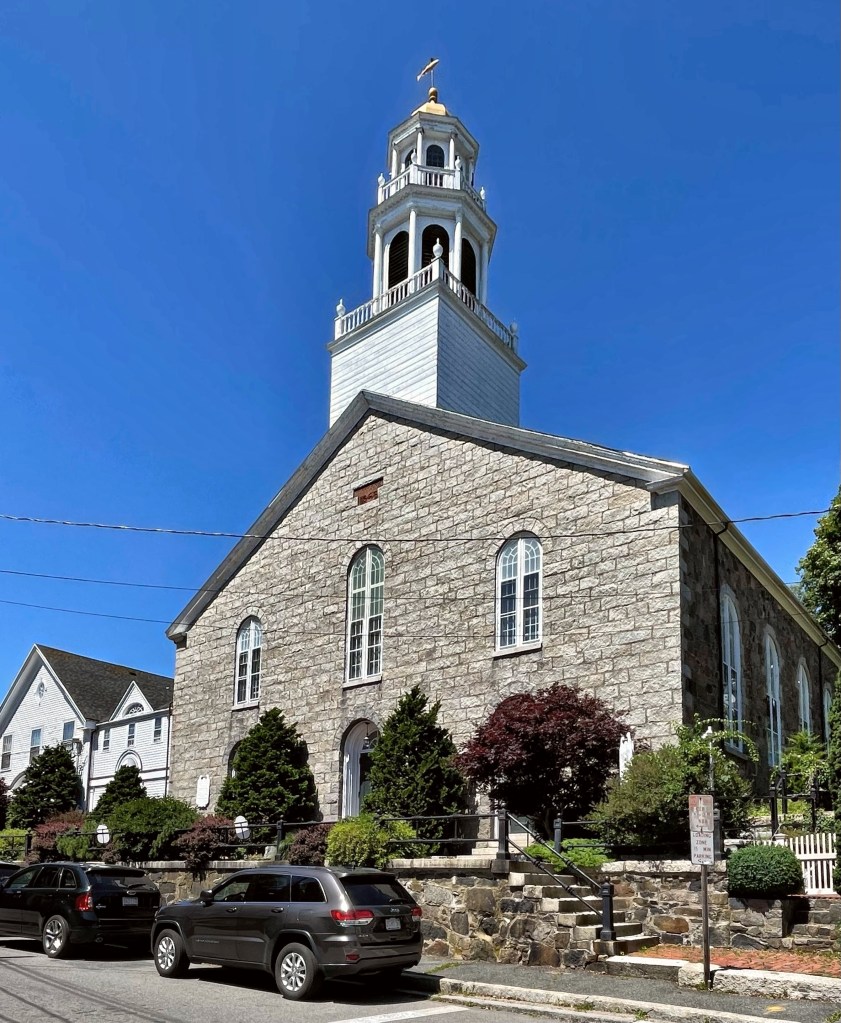
Old North Church, formally the First Church of Christ Marblehead, was organized in 1635 by fishermen and mariners who formed a church to relieve them of the burden of travel to Salem in order to receive church sacraments and participate in civil affairs (before the separation of church and state). They met in member’s homes until 1638, when a meeting house was constructed overlooking the ocean. By 1695, a “modern” church structure was built on Franklin Street. The structure was not adequate for the growing wealth and prosperity of the town, as Marblehead emerged from local cod fishing to overseas trade. In 1824, merchant-politician William Reed helped the congregation acquire a large lot on Washington Street. Within a year, the new stone church was built. The stone to build the church was blasted from the ledge upon which it stands. In 1879, a wooden meeting house was built to accommodate an increased membership at prayer meetings. The detached meeting house was added onto in 1951, connecting it to the stone church. The two attached buildings were designed/re-designed in the Colonial Revival style to add to the architectural composition of the old Federal period church.
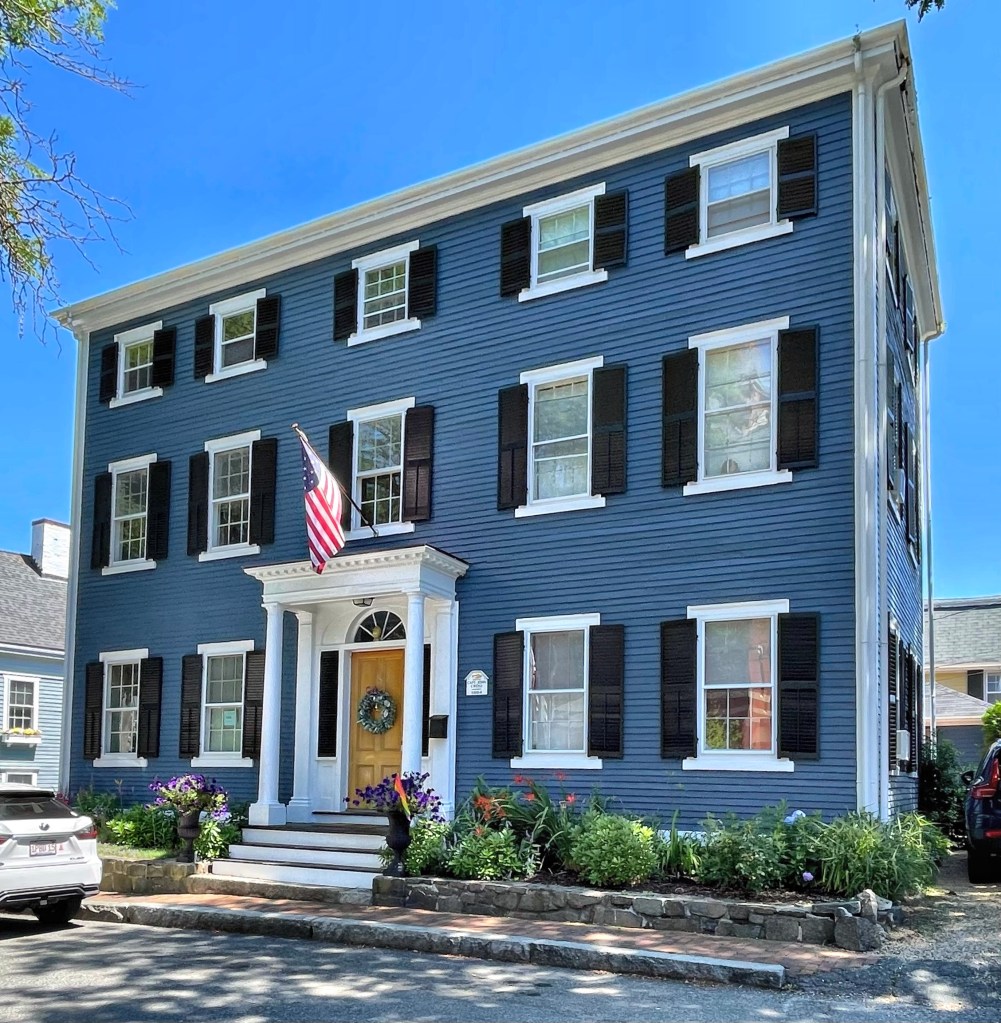
In 1803, sea-captain John J. Cross (1768-1804) began building a large Federal style house on land he purchased from his success on the open sea, largely working for the Hoopers. Sadly, before the home was finished, Captain Cross and all his men aboard his ship, the “Traveller” died at sea. The home, which was to be finished by the time of his return was left abandoned when news got back to the shore of the ship’s loss. His wife and three children were devastated and likely sold the property not long after. The property was owned later by Edmund Kimball, a sea-merchant who married into the Hooper Family. Kimball did well for himself and eventually owned multiple vessels. After his first wife, Mary Hooper Kimball died bearing him six children, Edmund remarried to Lydia Mugford Russell. The family home across from the town’s common has been very well preserved since and is an excellent example of a vernacular three-story Federal home on the North Shore.
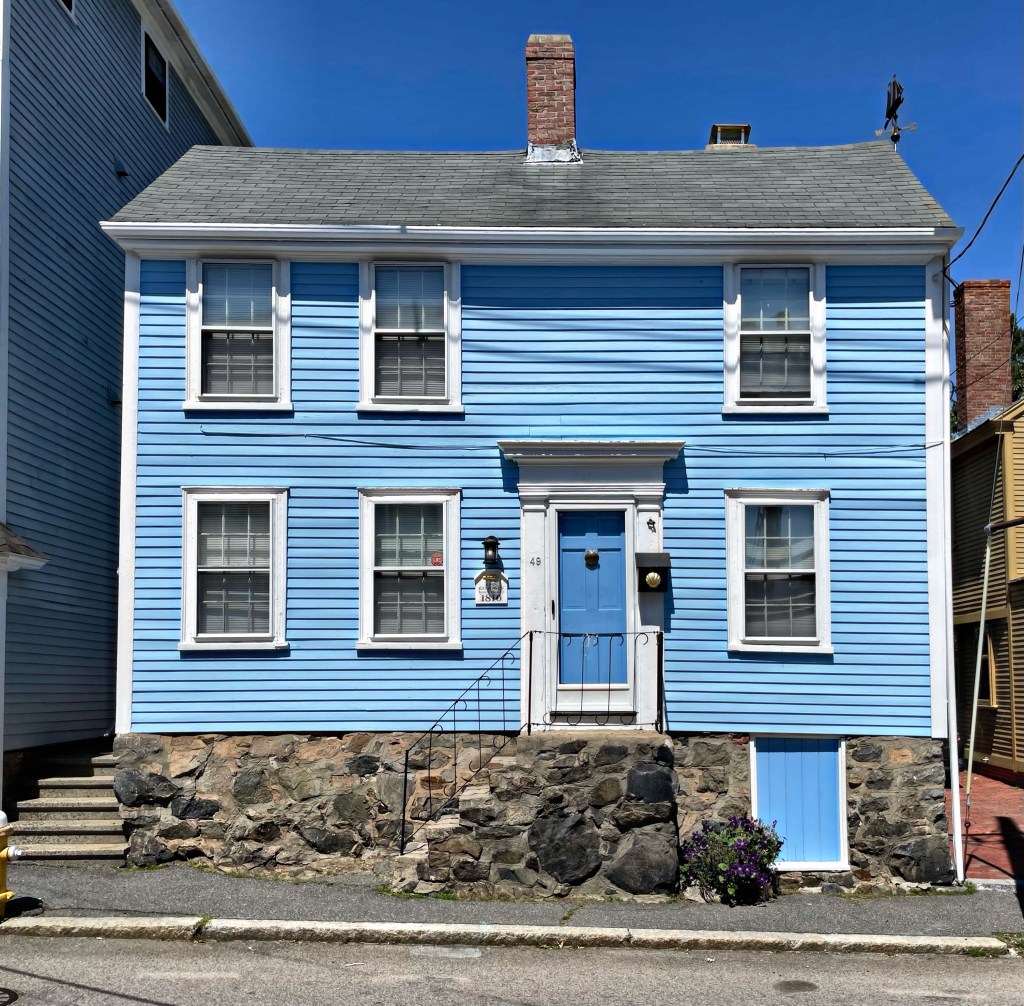
Oh, Marblehead, why are you so pretty? The town of Marblehead was originally called Massebequash after the river which ran between it and Salem. The land was inhabited by the Naumkeag tribe under the sachemNanepashemet. Epidemics in the early 1600s devastated the tribe’s population leading to it’s colonization. In 1635, the General Court of Massachusetts Bay established the town of Marblehead on land that belonged to Salem. The citizens in Marblehead were less devout and conservative than others in Salem, and they incorporated as their own town in 1649. Now… the name. Marblehead is believed to have gotten its name by settlers who mistook its granite ledges and cliffs for marble. The mistake stuck as the namesake. The town thrived as a fishing village, with many fishermen and sea-based jobs, with homes built on small lots along the warren of narrow streets. This home sits on Washington Street, one of the major streets in the Old Town. The home was built around 1810 for John Goodwin on land formerly owned by his grandfather. The Federal style home sits atop a raised stone foundation and has been excellently preserved.



 Buildings of New England