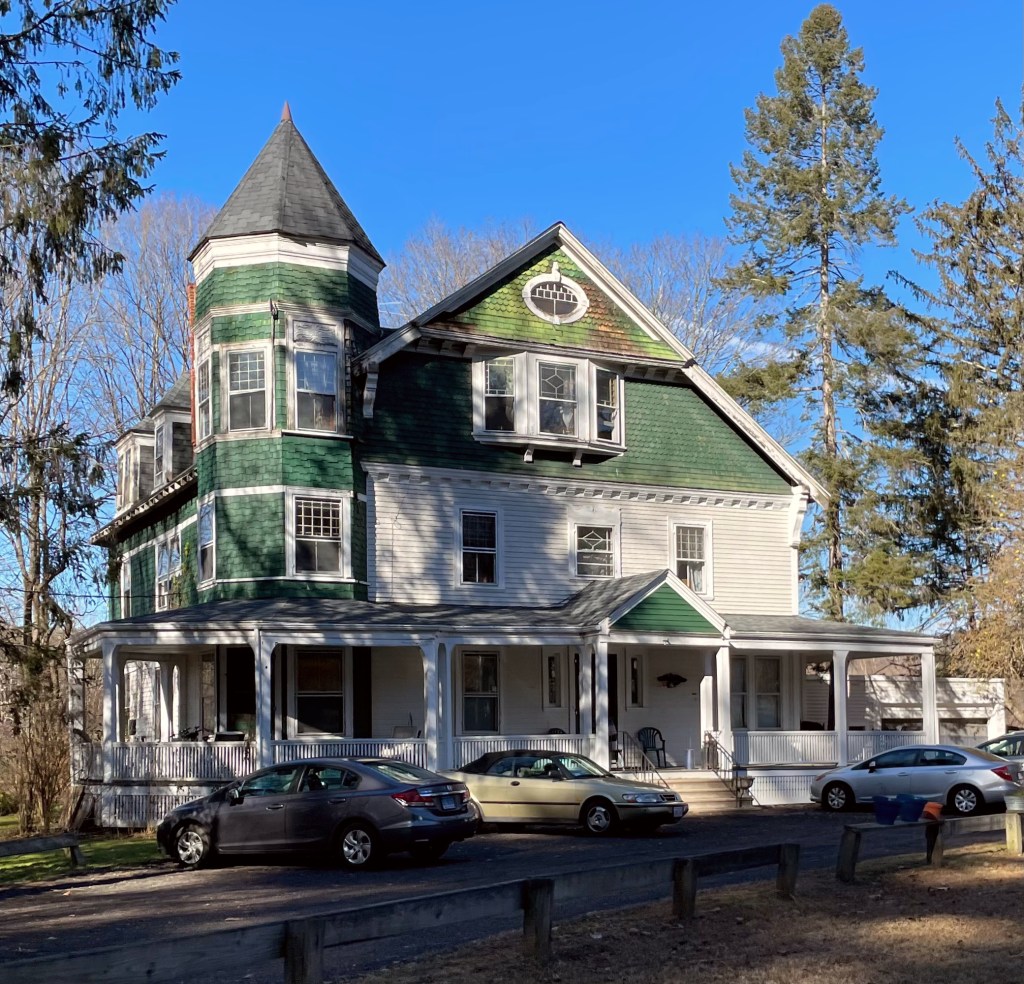
Benjamin Case House // 1888

This large Queen Anne Victorian house in Canton Center was built for Benjamin Franklin Case (1861-1931), a banker and businessman who incorporated the town creamery. He made his fortune harnessing the rural character of the village, creating the Canton Creamery, where farmers could package and sell their dairy products to the rapidly growing communities nearby. Case was credited as bringing the telephone to town, with his office in his home serving as a switchboard room. He is also known as the first person in town to own an automobile. After his death, the property was used by his daughter Ruby as a vacation house. After WWII, she realized it was too much house for her to upkeep, and she converted the single family home into apartments.
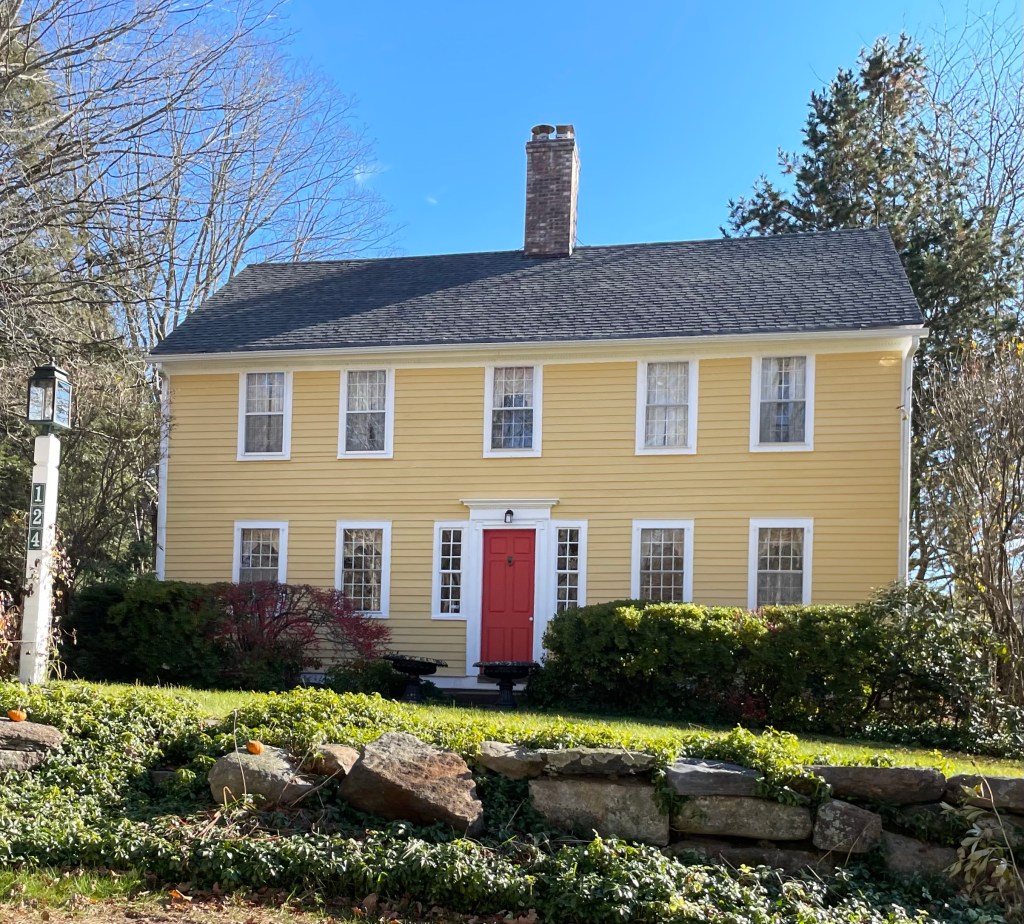
Humphrey House // 1797

So many of the late 18th century houses in Canton Center look similar to this house, making me wonder if a builder did a sort of “copy-paste” on many family homes. This late-Georgian farmhouse was built in 1797 by Loin Humphrey, seemingly in preparation of his marriage to Rhoda Case in 1798. The home features simple massing with a symmetrical facade and central chimney. Locally, it is common to see half-height sidelights flanking the front doors, which are truly beautiful.

North Canton Schoolhouse // 1872

Built in 1872, the old North Canton Schoolhouse really brings us back to how life was like in the 19th century. The saying “when I was a kid, we would have to walk to and from school in the snow, uphill both ways” comes to mind when I think of how students would have to walk long distances to attend rural schools. The school was originally built at a nearby fork in the road, but moved in the 1920s when the street was widened. The building was used as a school until 1942, when a newer, central school was built in the center of town.

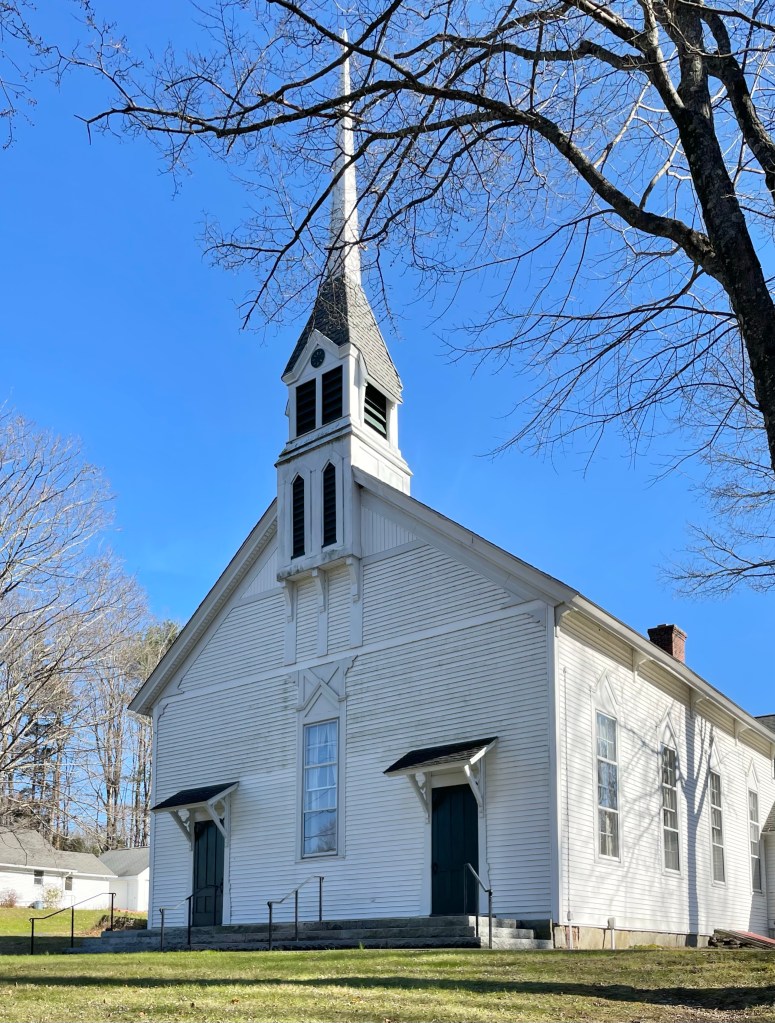
North Canton Methodist Church // 1871

This modest country church in North Canton Village, CT is a fine example of a restrained Stick style church building. The simple plan, steeply pitched roof, adorned woodwork trim to resemble the bracing underneath, and the central spire all work together to create such a beautiful architectural composition. The building was constructed in 1871, and formally opened for its first service one year later.

Case Tavern // 1786

I now have a new favorite house! This STUNNING stone Georgian house with gambrel roof is located on a quiet country road in Canton, Connecticut. The house was built in 1786 by Dan Case (1761-1815), who served in the Revolutionary Army as a boy. Case operated the building as a tavern with an events/meeting hall in the third floor. Daniel later moved to Ohio, likely for more opportunity. The property is a single-family home and just looks so dang cozy. I am picturing small candles lit in the windows, with wreaths and snow dusting the lawn. Is it too early to dream about old houses dressed up for the Holidays?

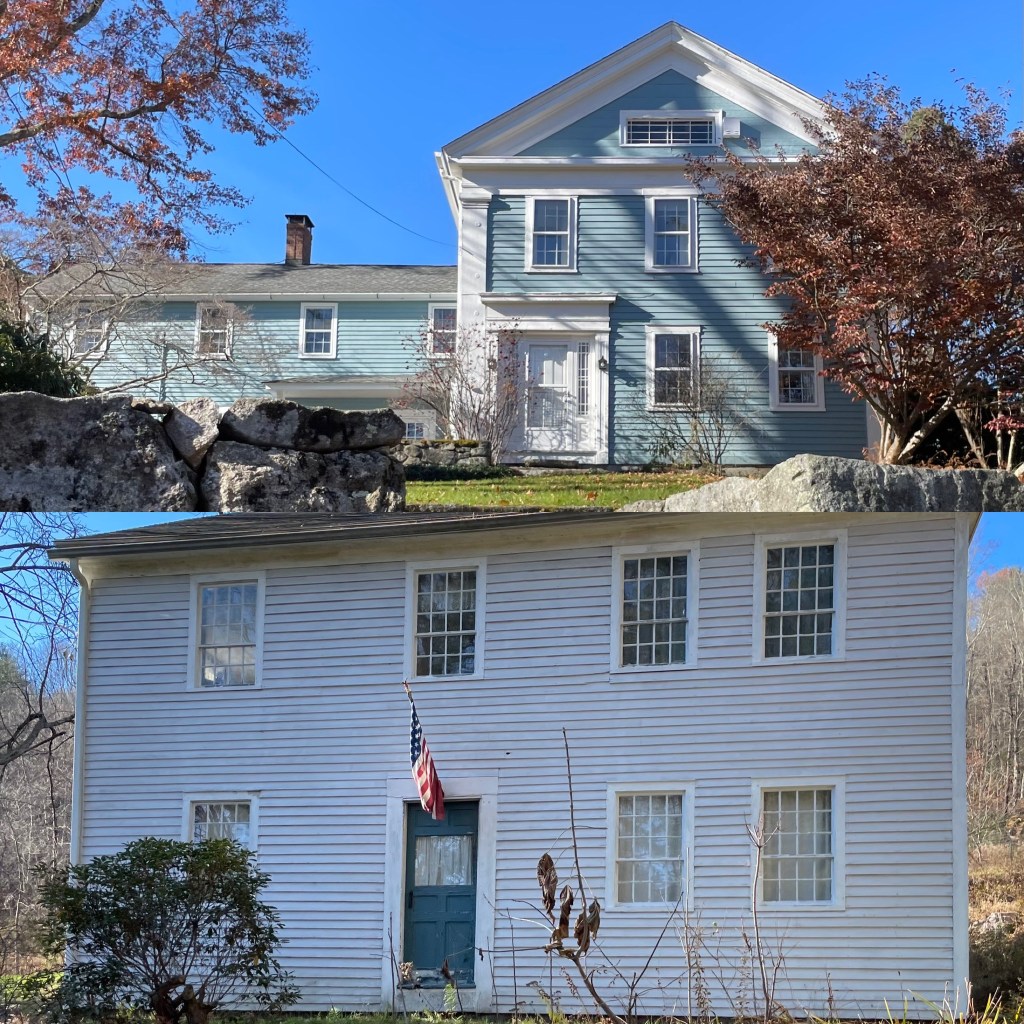
Alson and Sadosa Barbour Houses // c.1840

Alson and Sadosa Barbour (sometimes spelled Barber) grew up in North Canton, Connecticut and resided in these two homes, raising families and farming the land. The blue house was built in 1839 for Alson Barbour, who updated his earlier 1814 home which was gifted to him by his father as a wedding gift. The smaller home was outgrown by Alson, Hannah, and their 12 children (all living to adulthood) and he built this stately Greek Revival home on the quiet, meandering road. Not to be outdone by his brother, Sadosa too added onto his earlier home, also a wedding gift from his father. The 1803 house was enlarged in 1840 and given its present appearance, a modest Greek Revival home with a side-gable roof.

Which house is your favorite?

Adams House // c.1770

This old Georgian house in rural Canton, Connecticut was built before the Revolutionary War for David Adams (1742-1834). After David’s death, the home was willed to his family, and soon after became a local post office for the village, facilitated by the fact Oliver Adams became postmaster for the area. The family built an attached structure as a post office, but it was removed in the early 20th century. The post office was run out of the home by members of the family until the 1930s. Later owners restored the house and discovered that the home originally had a gambrel roof, which matched the office addition.

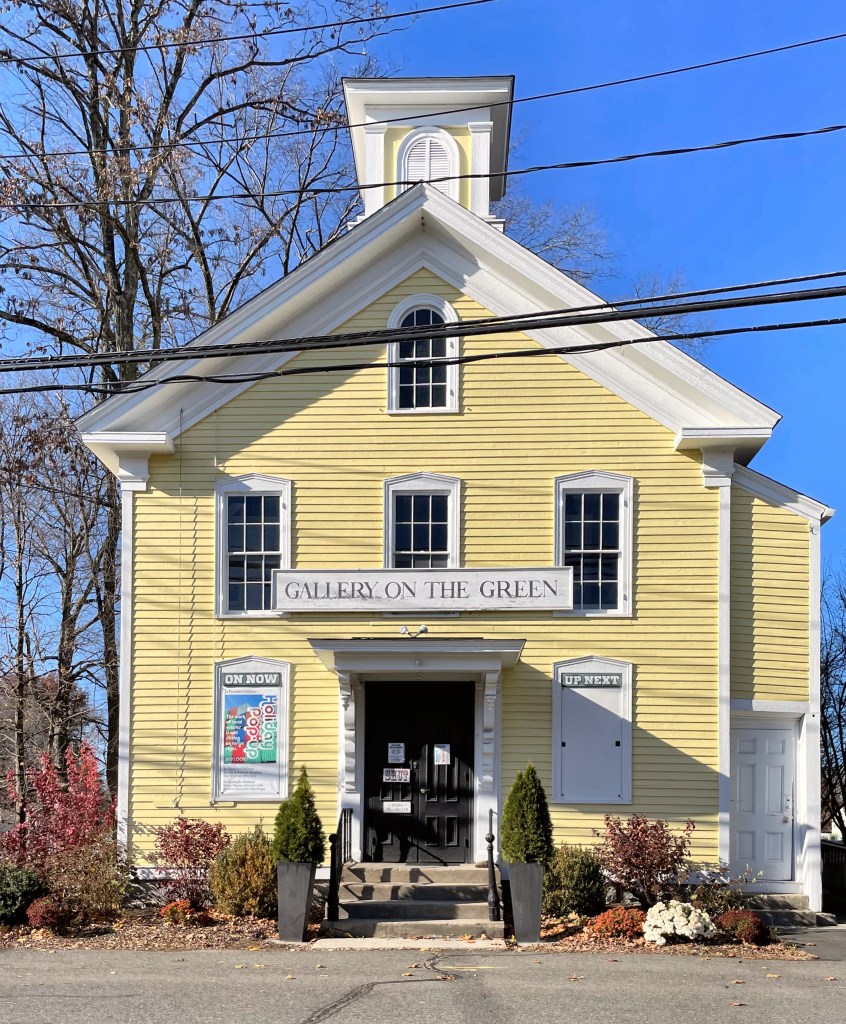
Canton Center Schoolhouse // 1872

Canton, Connecticut, the only town in the state named after a city in China! The land which we now know as Canton had long been inhabited, specifically by the Wappingers, a group in the larger Algonquin speaking tribes. Canton was incorporated out of Simsbury in 1806, and named after the City of Canton in China (now known as Guangzhou), though I am not sure why. The town quickly developed two main villages. Collinsville sits on the Farmington River and its power was harvested for industry; while the center village grew differently as an agricultural village of farms. At the center of town sat a green for civic and town functions and gatherings. The town constructed a school here as far back as 1759, when the rural village was still a part of Simsbury. This is the fourth building on the green and it was built in 1872, and can be classified as Italianate in style. The building was occupied as a school until 1949, and it was used for other city uses until 1971, when the building was rented to the Canton Artist’s Guild and the building was renamed Gallery on the Green. The building remains community-focused and holds exhibits of local artists! Much of the rest of Canton Center lost all of its bucolic charm when the main road became commercialized, prioritizing speeding cars over a walkable village.