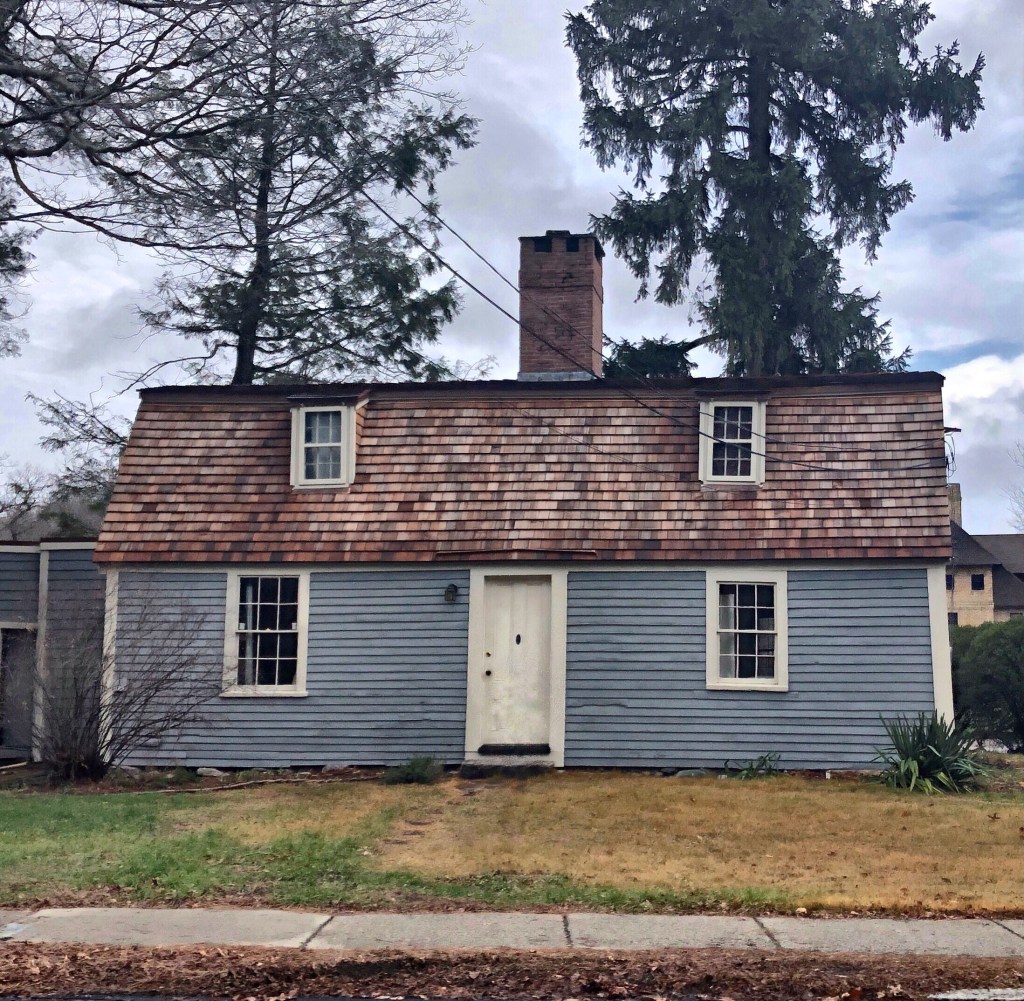
This cute little Georgian home in Brookline was built around 1772 for Hannah Winchester Harris, a widow at the time. Hannah’s husband, Timothy died in 1772 and it appears the widow had this small gambrel-roofed home constructed sometime soon after. Ms. Harris died in 1805 and the home was occupied by a new family, who added the saltbox addition. The home is today owned by the Town of Brookline, who maintain the building through the Brookline Historical Society. the home sits on the boundary of the old Weld Estate.
An excellent example of Classical Revival architecture, the Hollis Social Library in Hollis, New Hampshire is a single-story building displaying an Ionic portico and capped by a copper dome. The building, which fronts the town green, was constructed in 1910 according to plans by architects Magee and Rowe of Boston. The building was dedicated on August 24, 1910. The Hollis Social Library is believed to be one of the oldest libraries established in the State of New Hampshire. An association was formed in 1851 and a small library was kept in the Congregational Church vestry. After the new Town Hall was built the library was located there until the construction of the current building.
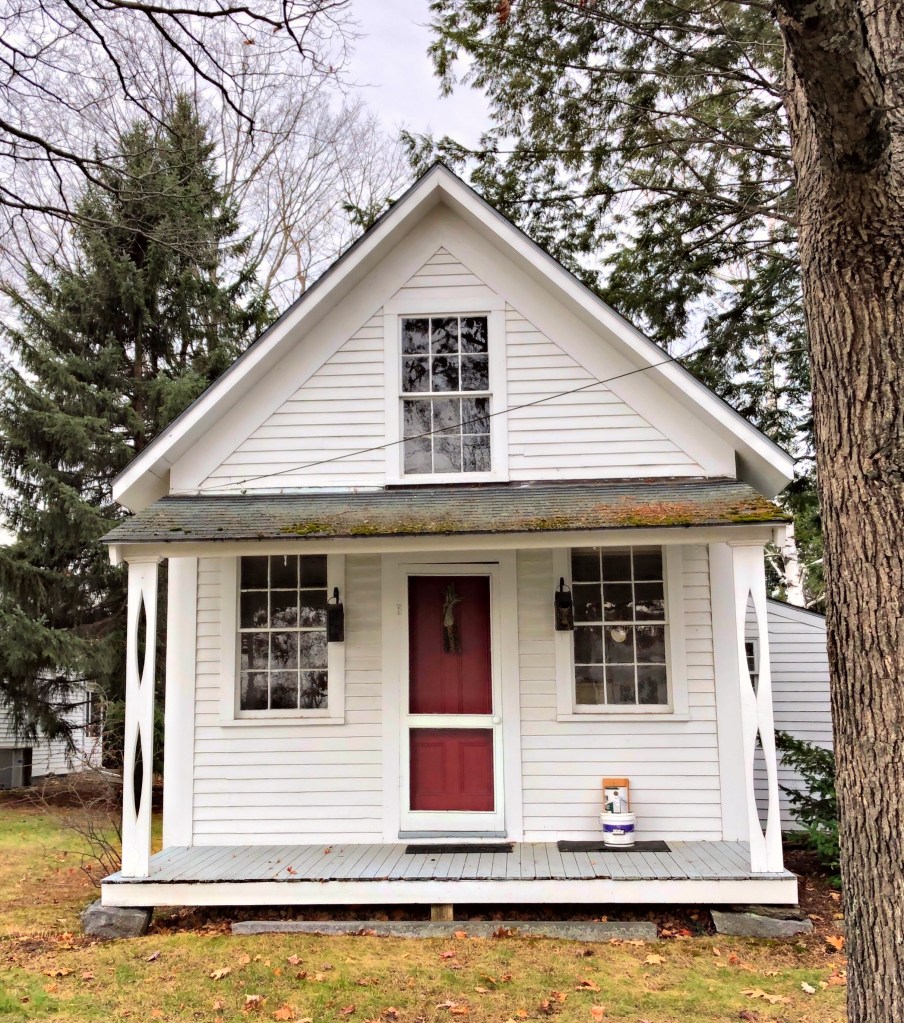
This cute little building was built around 1864 according to public records, as a cobbler (shoe repair) shop in Hollis, New Hampshire. The building, on Main Street, is located adjacent to the former Gates house and was used as his workshop for shoe repairs. The building was used for various purposes until the early 20th century when it was converted to a vehicular garage. The building was restored sometime after WWII and converted to a workshop/study by the owner, bringing the building back to its former glory, though altered. The building, seemingly balancing on stones from the photo, adds much to the pleasant streetscape of Main Street in Hollis.
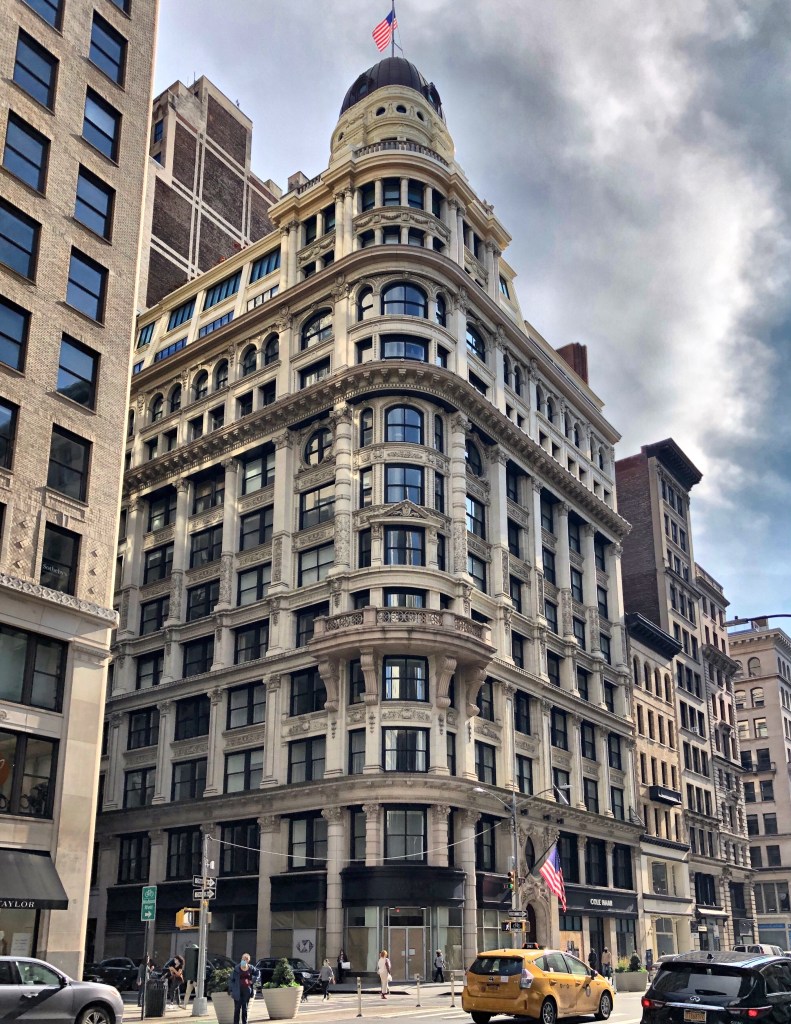
This stunning Beaux-Arts store and loft structure, is located on a prominent corner site at 5th Ave and 21st Street in Manhattan. The structure is faced in limestone and terra cotta and was constructed in two phases. The original three southern bays (on the right side of the image) on 5th Avenue were designed by prominent architect Robert Maynicke for real estate developer Henry Corn. In 1899, two years after its completion, architect Henry Edwards Ficken designed an addition to the north wrapping around and running along 21st Street. The addition continued the richly embellished facade and supplemented it with a twelve-story, curved corner bay which is crowned by a dome. The building appears to have been constructed without a major tenant, and many companies utilized the iconic space including: the Merchant Bank of New York, Park & Tilford’s, a fancy grocer, and lace companies. In the mid 20th century the building suffered from deferred maintenance until 2005 when the building was restored and converted to 38 apartments (including one utilizing the dome)!
Samuel Allen Nichols (1790-1864) was born in Fairfield, Connecticut to a large family. He began his adult career as a farmer, but shifted towards the merchant trade after seeing how the village of Southport began to see massive wealth accumulating. He ran a store in the town and later became involved in local politics serving as the clerk from 1847-1863. A year after he accepted this position, he had this home built on Harbor Road. The 1848 home was Gothic Revival in style with gabled dormers, lancet windows, and decorative bargeboard. Nichols died in 1864 and the home was likely willed to one of his five living children. The home was renovated around 1871 with a Second Empire style Mansard roof and square belvedere to overlook the Southport Harbor. Since then, much of the detailing has been removed, but the home remains as a gorgeous home, changed over time to keep up with the changing architectural tastes of the 19th century.
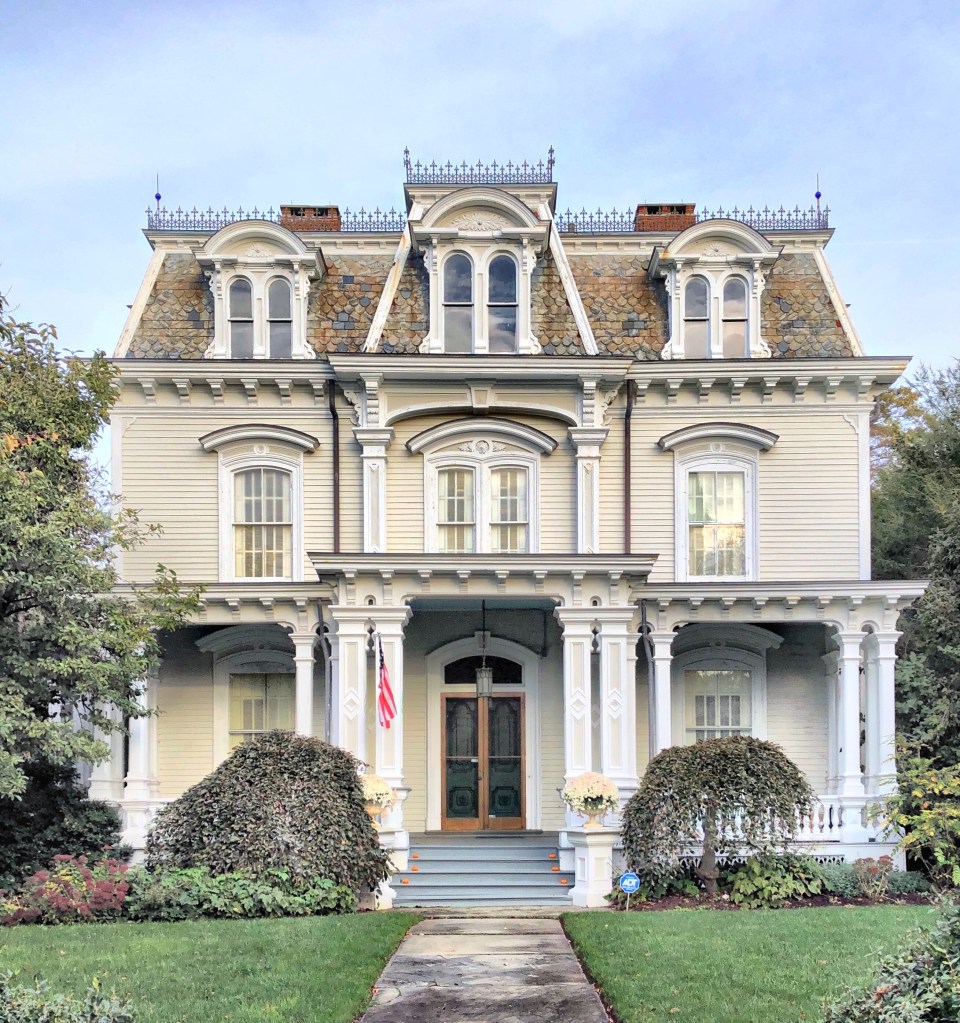
Mrs. Mary Pomeroy, the widow of one of Southport’s industrious and wealthy shipping merchants, Benjamin Pomeroy, built this large residence for herself and her daughters, soon after her husband’s death. Mr. Pomeroy was a merchant who also served as a Senator. In 1866 with ailing health, he took a doctor on a private ship to try various remedies in the West Indies, to no avail, he died at 48 years old. Ms. Pomeroy appears to have taken the money her and her husband had saved and built a large mansion to cement her position in town as the most eligible bachelorette in town. While she never remarried, she sure showed the town what good taste looks like! The facade of the Pomeroy house is symmetrical with a projecting three-story central pavilion, all surmounted by a mansard roof with cresting. Rounded dormers with twin round-headed windows pierce the roof’s multicolored slate surface, making this Second Empire house one of the nicest in a town full of historic homes!
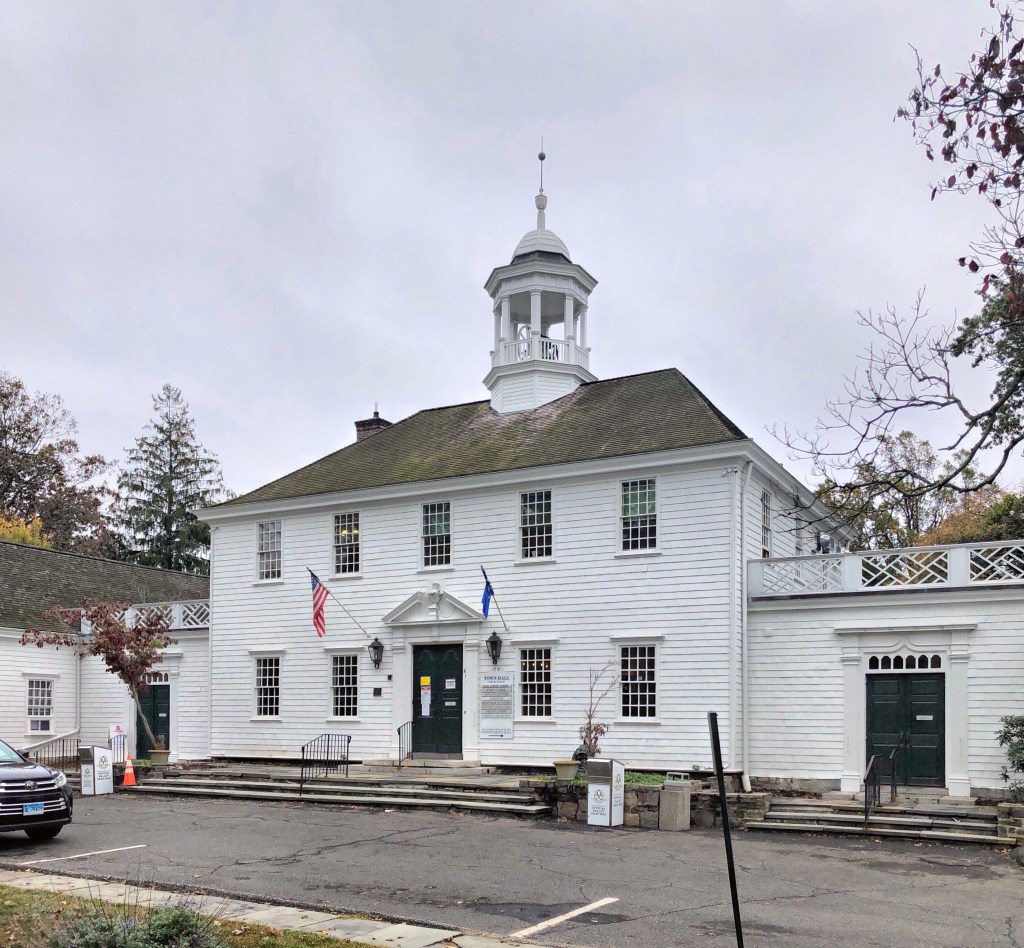
Located at the Fairfield Town Green, the Georgian-style Fairfield County Courthouse stands as a reminder on the town of Fairfield’s Colonial-era history. The first courthouse at the site was built in 1720. After a fire destroyed the first (which housed the jail as well), a second structure was built in 1767. That second courthouse was the center of a thriving, wealthy village with a port just blocks away. In July 1779, the British landed in Fairfield and destroyed much of the town, harming its prosperity for decades to come (though it has clearly recovered since). In 1794, a new courthouse was built, also housing town offices. In 1870, it became solely a town hall (the County Court moved to Bridgeport years before) modified and altered in the Second Empire style to ‘modernize’ the building. As Colonial Revival resurged in popularity in the late 19th and early 20th- centuries, the town sought to bring back the Georgian style Town Hall building, in 1936 hiring architect Cameron Clark, to restore the building.
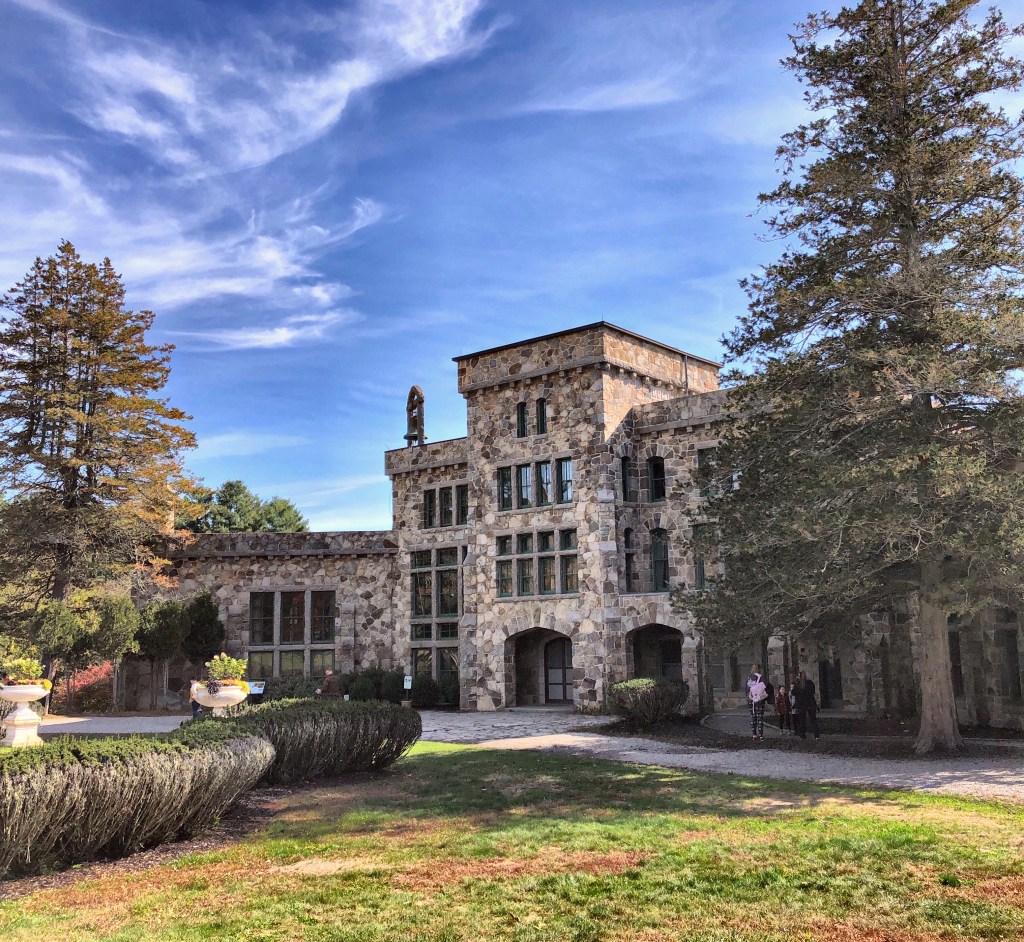
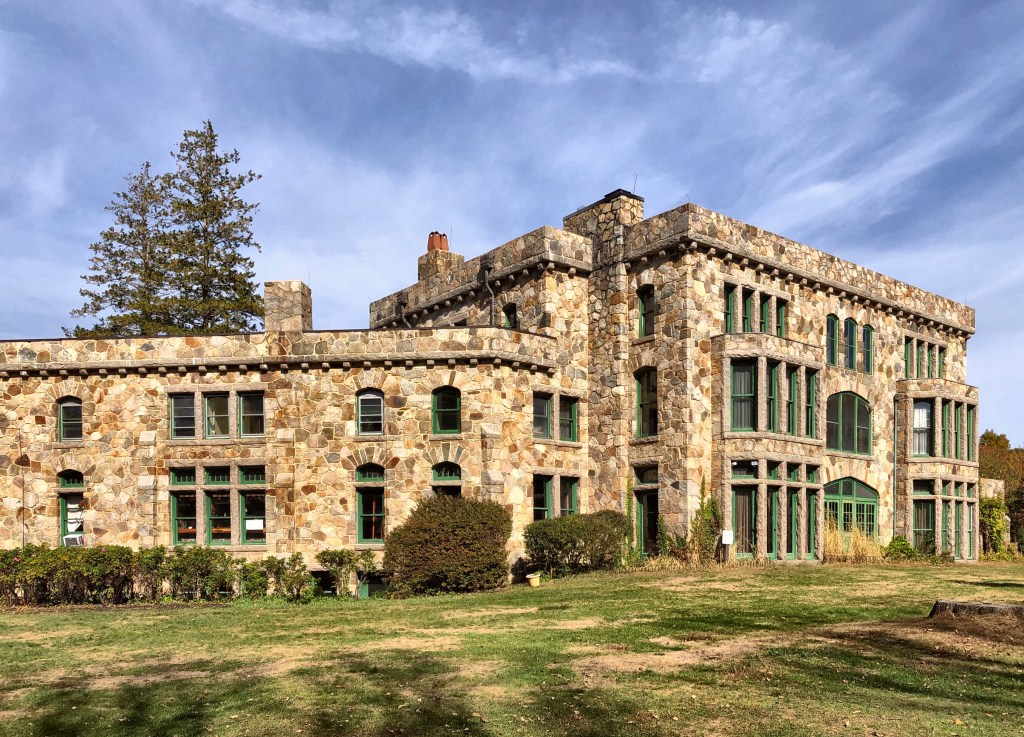
One of the more stunning homes and parks in Massachusetts is located in Easton, known as the Borderland State Park. Borderland was the 1,200-acre estate of Blanche Ames Ames, an artist, political activist, inventor, writer, and prominent supporter of women’s suffrage and birth control. Blanche Ames’ husband, Oakes Ames (of the Ames Family of Easton), came from a wealthy Massachusetts family that owned the Ames Shovel Works. Marrying in 1900, Blanche and Oakes (who were not related even though they had the same last name) constructed their stone mansion in 1910 and created a system of ponds and dams on their property. Blanche and Oakes, who wanted a fireproof house, became displeased with the work of their architect because of the challenges he faced with their design and engineering requirements. Dismissing the architect, Blanche took over the design and construction management of the mansion and hired the Concrete Engineering Company to draw plans according to her specifications. Also on the grounds is a hunting lodge with fireplace, overlooking the large pond on the estate.
Once the mansion was completed, Blanche set up a studio on in the house and developed a scientific color system for mixing paints. She became the sole illustrator of her husband’s botanical books (Oakes was a renowned authority on orchids and taught botany at Harvard from 1900 until his retirement in 1941). Later in life, Blanche became the co-founder of the Birth Control League of Massachusetts and the Treasurer of the League of Women Voters from 1915 to 1918. She also gained notoriety for her political cartoons depicting the struggle for women’s suffrage. In addition to these many accomplishments, Blanche was an inventor who, in 1939, designed a hexagonal lumber cutter. During World War II she designed, tested and patented a method for ensnaring enemy airplanes in wires hung from balloons. Remaining active her entire life, Blanche received a patent for a water anti-pollution device in 1969, a year before her death.
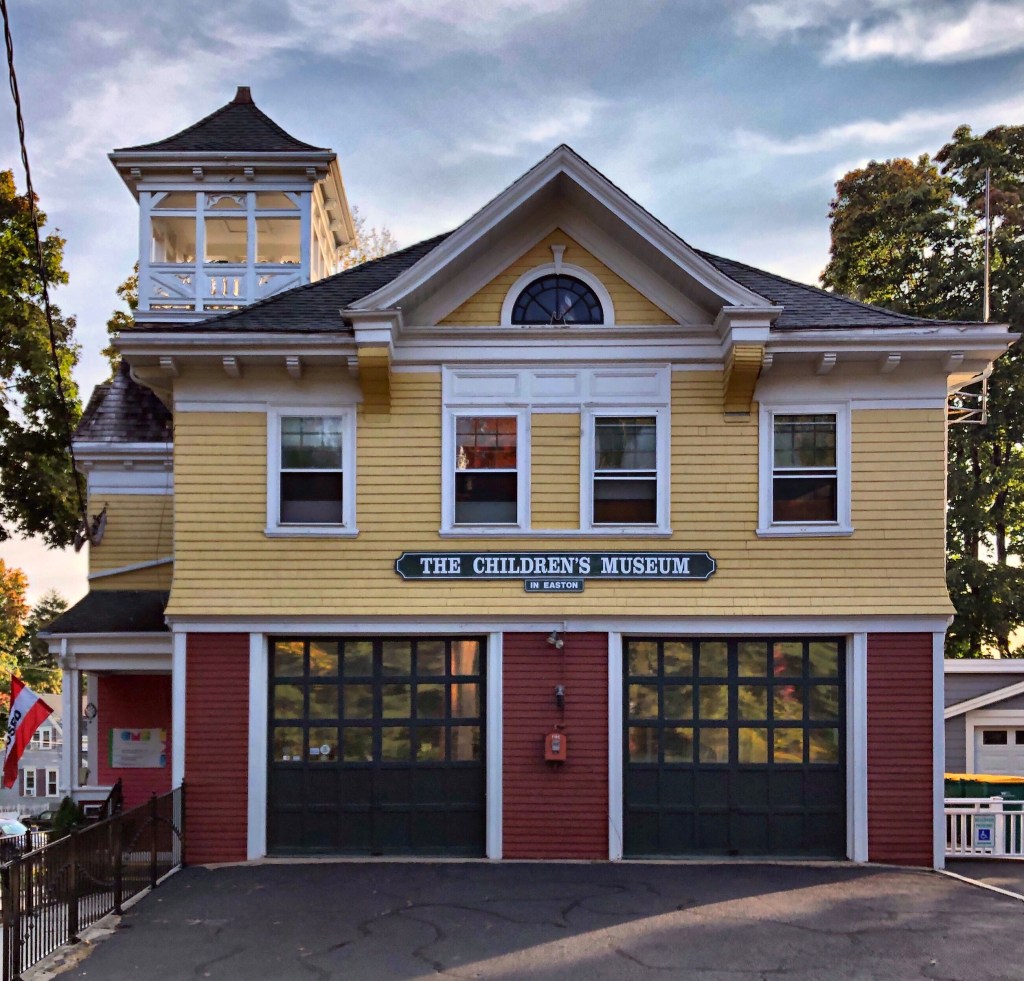
In the early 20th century, the village of North Easton, Massachusetts saw large growth, in large part by the Ames Family. The town had previously had a volunteer fire station, but due to the development, a permanent fire department was needed. In 1904, Mary S. Ames (later Mrs. Louis Frothingham) donated land for the purposes of building a fire station; across from the Ames Shovel Works. The fire station, completed in 1905, remained active until 1968, when the town’s modern firehouse that could accommodate larger fire apparatus was constructed. In 1991, the former fire station became the home of the Children’s Museum in Easton, which it remains to this day.
This little brick building may appear like a schoolhouse, but it was actually built to house the 1761 Town Charter for Pomfret, Vermont. The building is believed to have been built in honor of Hosea Doten (1809-1886), who was an engineer, school teacher, and land surveyor in Windsor County Vermont, with his former students constructing the building. It was built nearby the Town Hall and Clerk’s Office and features a fire-proof walk-in vault inside.



 Buildings of New England

