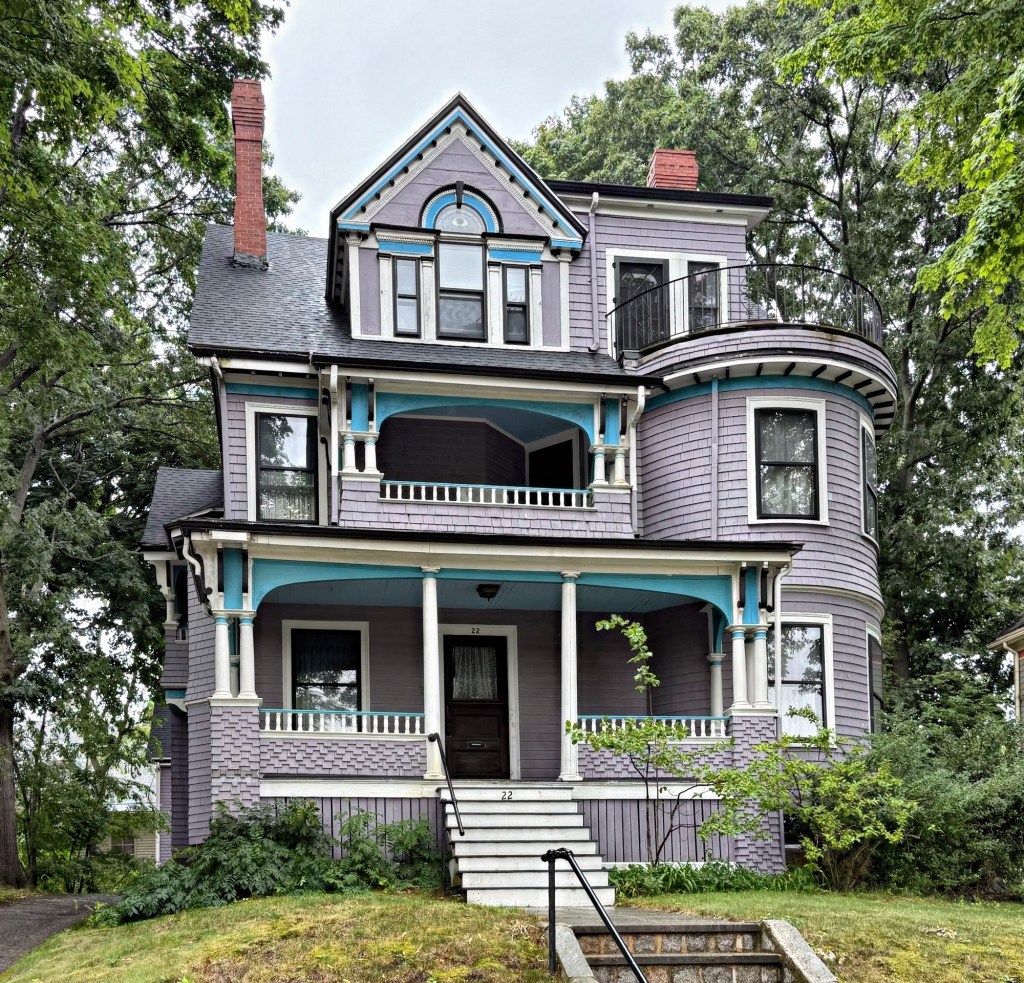
Chansonetta Stanley Emmons House // 1893

Chansonetta Stanley Emmons (1858-1937) was born in Kingfield, Maine, and was one of the great women photographers in the 19th and early 20th century, often depicting domestic life and New England scenes. The young Chansonetta Stanley grew interested in photography after her brothers’ (Francis E. and Freelan O. Stanley) dry-plate printing invention, they also invented the steam-powered automobile known as the Stanley Steamer. She married James Nathaniel Whitman Emmons in 1887 and in 1894, James hired architect Henry McLean, to design a residence for him and Chansonetta, this lovely home on Harley Street on Ashmont Hill. The couple occupied the house until 1898, when James died of blood poisoning at the age of 41. Chansonetta sold the home and moved to Newton, where her two brothers lived and operated their business. The house blends Queen Anne and Colonial Revival styles and originally had a conical roof over the corner rounded bay. The roof was replaced with a flat roof at about the time of the large balcony and extended dormer.
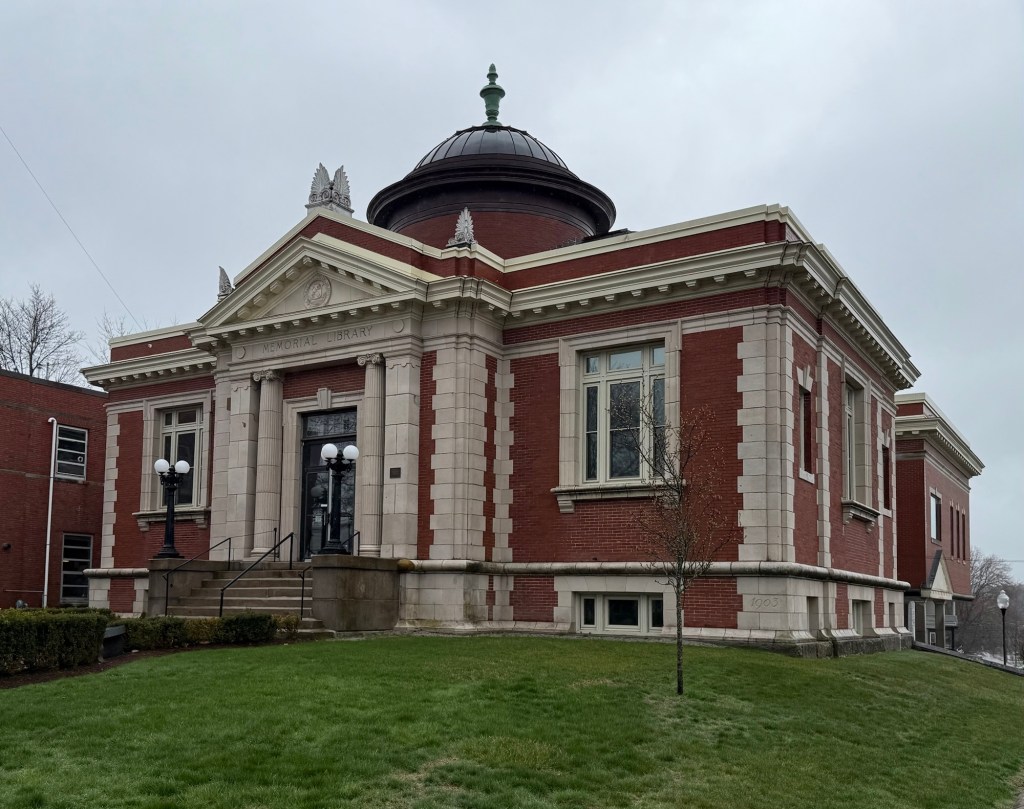
Rockland Memorial Library // 1903

The Rockland Memorial Library in Rockland, Massachusetts is one of the most architecturally and historically significant buildings in the town. The Classical Revival style library was built in 1903 and is the Town of Rockland’s first purpose-built library structure. When Rockland separated from adjacent Abington in 1874, much of the collection became housed in a commercial building, which was consumed by fire in 1890, taking much of the collections with it. Although funds were raised soon after the fire for a permanent home for the library, its construction was made possible by a grant of $12,500 from Andrew Carnegie in 1902, as part of his nationwide gift to cities and towns for libraries. The handsome structure is constructed of brick, granite, and terra cotta, and was designed by the Boston-based architectural firm of McLean & Wright. The most interesting features of the building include the rooftop dome containing skylights and capped by a finial and the projecting entrance with pediment, quoins, and engaged Ionic columns.

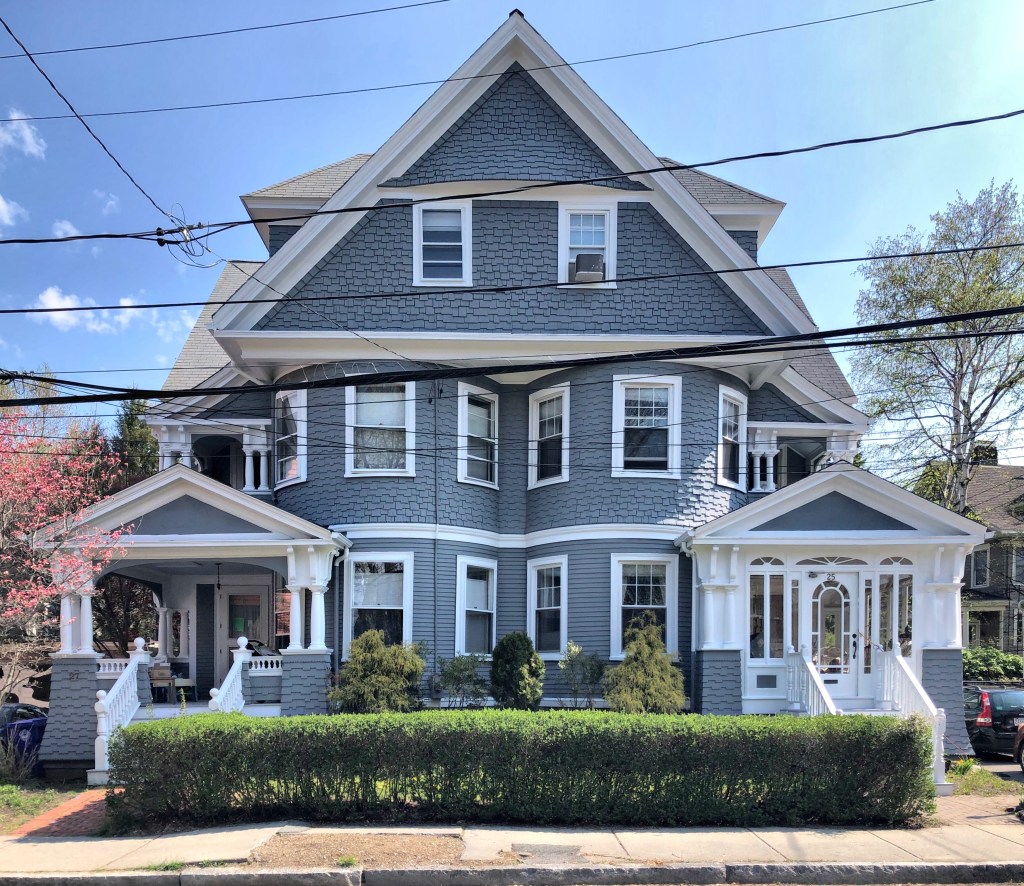
Arthur Jones Double House // 1896

As Brookline Village developed in the mid-late 19th century, house lots were scarce. Demand for housing saw the demolition of a number of older 1840s Greek and Gothic Revival style cottages for multi-unit dwellings as duplexes and three-deckers which surged in popularity in the Village from the late 1890s to the 1910s when three-deckers were effectively banned in Brookline. In 1896-1897, Arthur R. Jones had large double houses built here and nextdoor, which were rented out to families. Newton architect Henry McLean designed these double houses as pairs of attached single-family dwellings separated by a brick party wall blending both Queen Anne and Colonial Revival styles under one roof. The homes show what housing was available to middle-class residents of the Boston area, a price-point that is unattainable to most in the area today. Though, it is great to see these old homes lovingly preserved so well by their owners!