Katsbaan Reformed Church // 1732

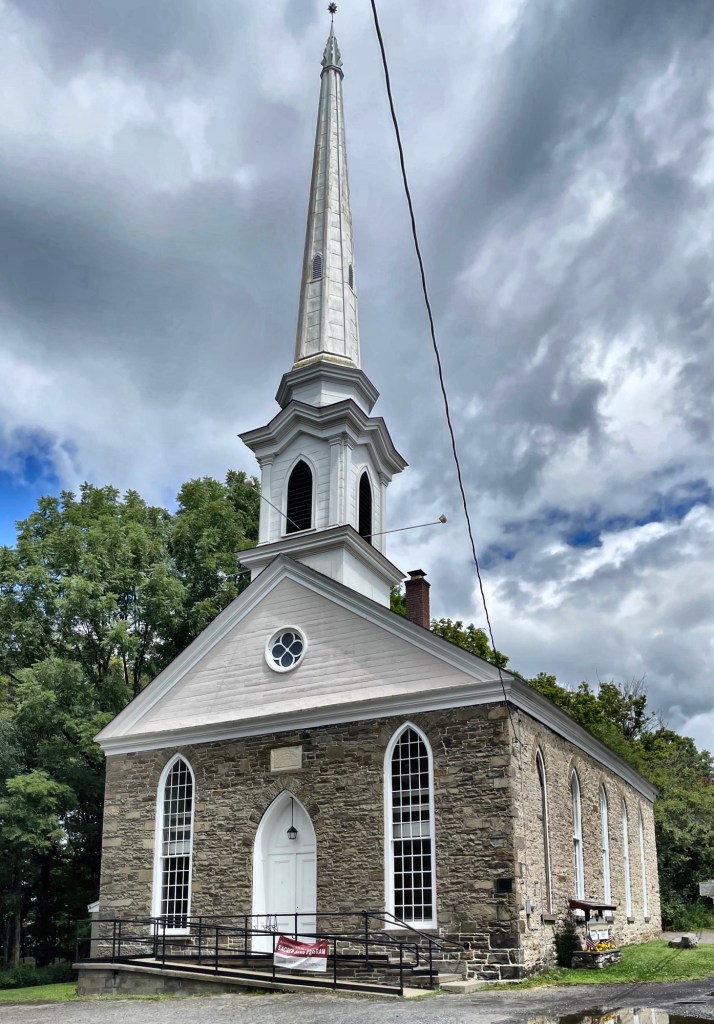
The first church on this site in Katsbaan, Saugerties, New York, was a 1732 simple stone church built by Dutch and German settlers. Church services were first held in the German language,  and gradually came to be also held in Dutch and English, as the village and surrounding area developed. The original church was rebuilt in 1816 using the same stone base, but the entrance was shifted away from the street. Larger windows and the steeple were added at this time. In 1867, the steeple was heightened and the windows were enlarged with Gothic points, giving the building its present appearance. The Katsbaan Reformed Church remains an architectural and historical landmark noting the early history of Ulster County and its growth.
St. Mary’s of the Snow Catholic Church // 1833

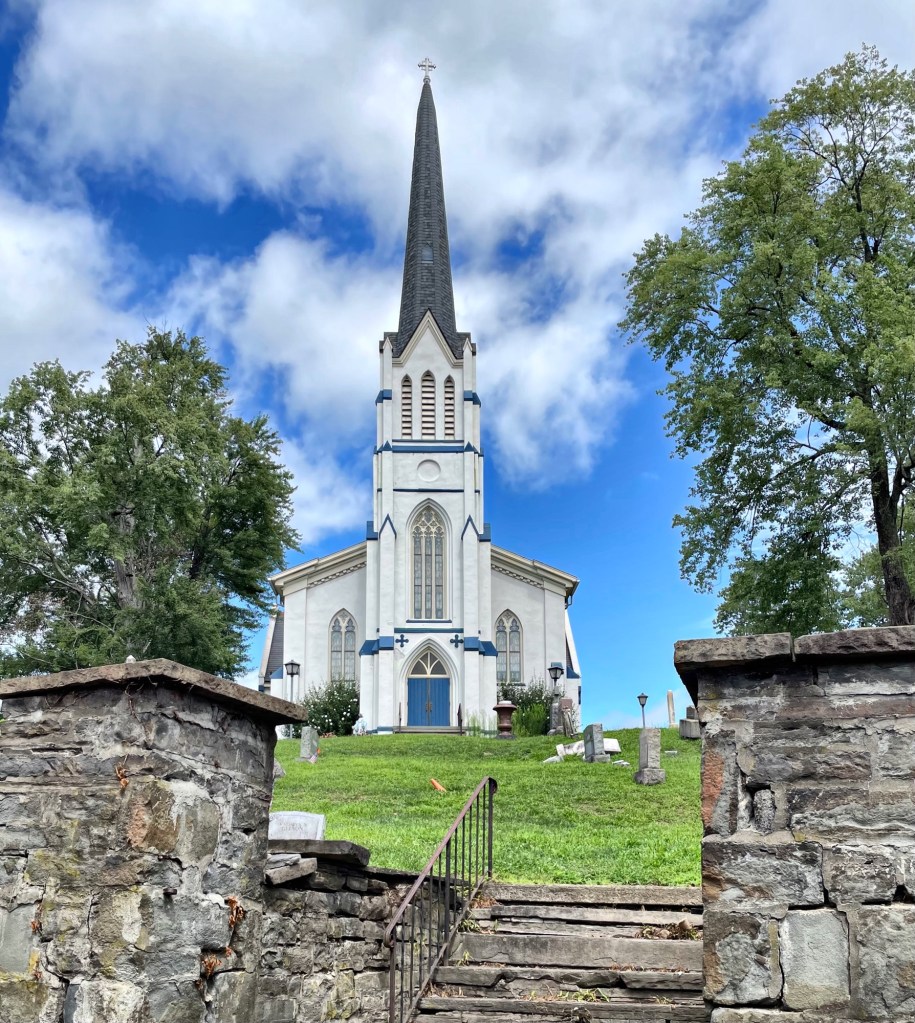
In 1830 Rev. Philip O’Reilly was sent by Bishop John Dubois to establish missions and build churches along the Hudson River wherever there were sufficient resident Catholics. O’Reilly visited the village of Saugerties, in Ulster County in 1832 and began holding services in private homes. The area was home to many Irish residents working in industry, a large number of which were Catholics, and as a result, the village here became the location of the first Catholic church in the county. Father O’Reilly founded St. Mary’s in 1833 creating the first parish of the Hudson, spanning New York City to Albany, with the cornerstone of the new church laid that same year; though, the church would be dedicated a decade later. The church cemetery grew from the first graves around the church in 1833 to fill much of the church property now occupied setting the Gothic edifice in a sea of gravestones. The church grew and eventually the steeple was added in the 1860s. It is also said that the church basement was used as a stop on the Underground Railroad. The church (like many in the United States) has struggled to maintain its large campus, which originally contained the church, a school, and convent, but the church remains in good condition, shining like a beacon on a hill on the Hudson.

Whitaker Block // c.1870

One of the finest commercial buildings in downtown Saugerties, New York, is the Whitaker Block, a landmark Second Empire style structure from the years following the American Civil War. The structure dates to around 1870 and was first owned by an E. Whitaker and was mixed use with retail at the street and offices above. Additionally, the building was home to the local chapter of the Independent Order of Odd Fellows (IOOF) a fraternal social organization. The three-story with mansard roof building stands out for its architectural details and integrity which largely remain intact to this day.

Former Sheffield Mill // 1887

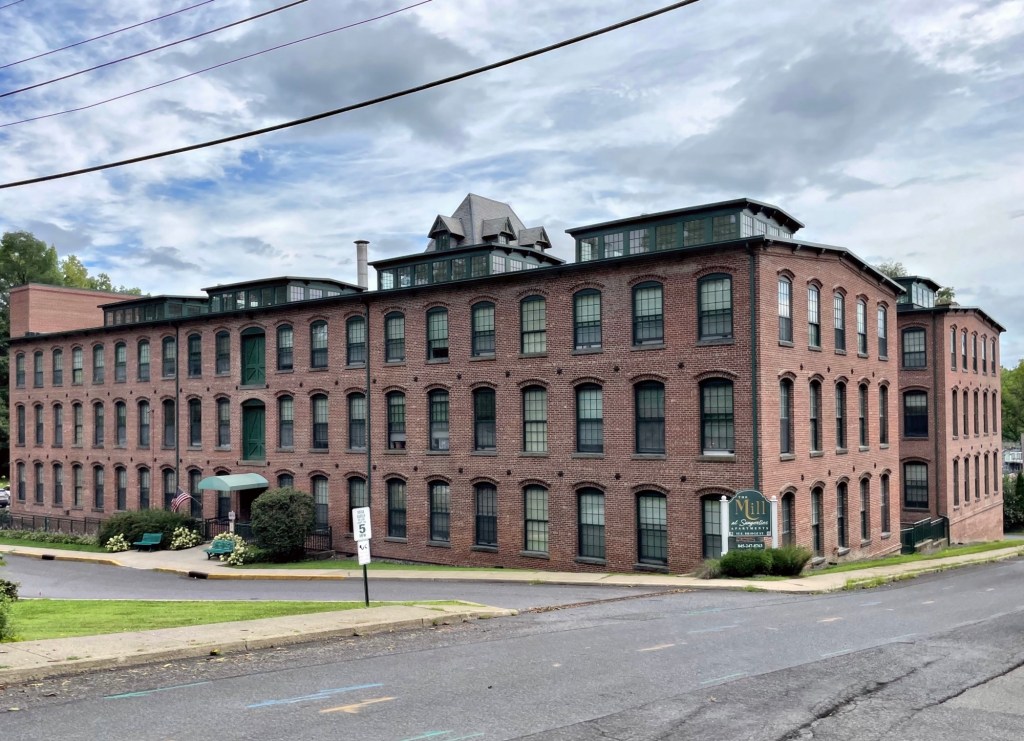
The former Sheffield Mill is historically and architecturally significant as one of the last remaining large-scale manufacturing complex to survive in the village of Saugerties, New York. The building was constructed in 1887 as the J. B. Sheffield Paper Company and was used for the manufacturing of envelopes and bank bookbinding. In the 1930s, the building was purchased by the Knaust Brothers, who grew and harvested mushrooms in nearby towns, making mushroom beds or trays in this building. The Knaust Brothers were at one time, one of the largest firms growing and canning mushrooms in the world. The former mill was vacant by the late 20th century and its future was uncertain until it was renovated at the turn of the present century into senior housing. What a great rebirth of a great old mill!

Saugerties Lighthouse // 1869

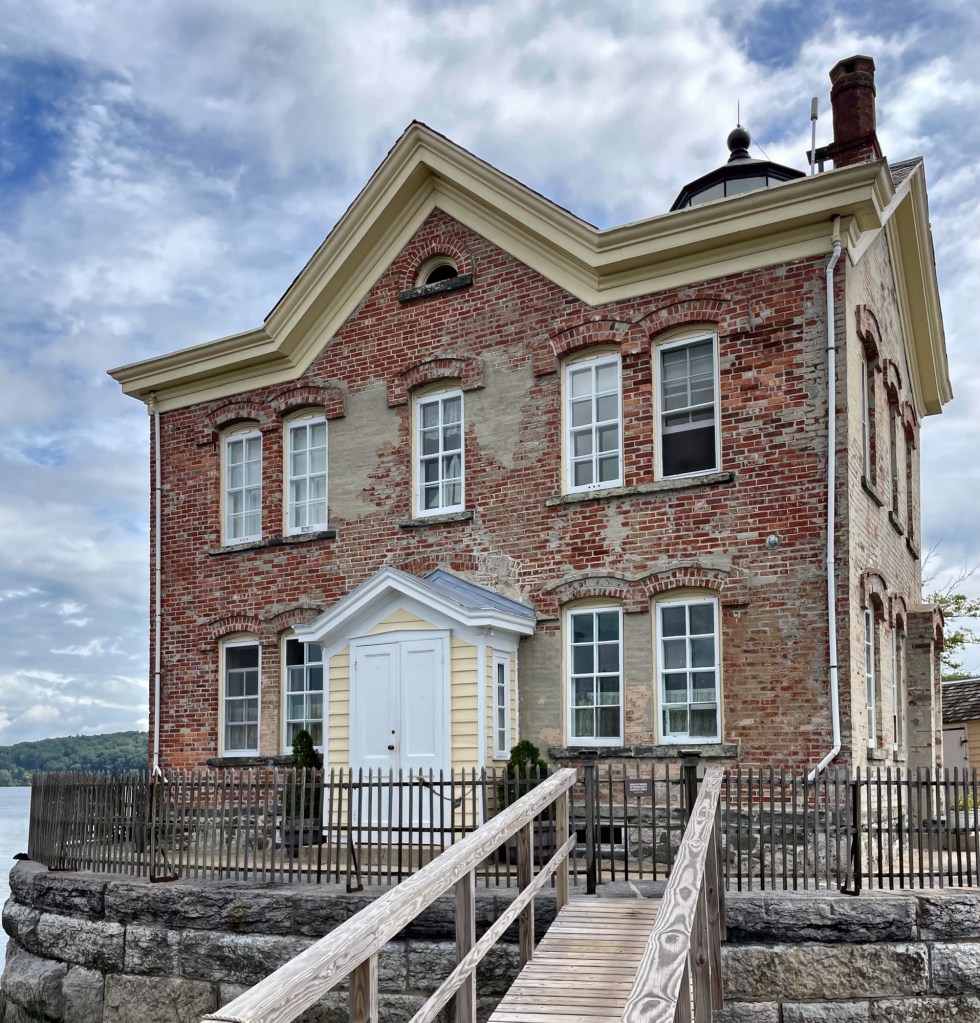
A landmark beacon on the Hudson River in New York, the Saugerties Lighthouse is a venerable aid to navigation and historically significant structure in the town of Saugerties. The first lighthouse here was built in 1835 and replaced in 1869 by the present structure, being the oldest lighthouse on the upper Hudson. The structure was important to the industry and later growth and development of the area as it provided aid to boatmen in trouble as well as providing a light and fog bell to warn ships of river hazards. The Saugerties Lighthouse was automated in 1954, making the light keepers obsolete. The building was closed up. Due to neglect, it fell into disrepair and decay and the Coast Guard proposed to demolish the structure in 1964. Local residents began to actively preserve and protect the lighthouse and funding was acquired to restore and recommission the structure, which occured in 1990. The Saugerties Lighthouse Conservancy today maintains and preserves this important historical asset and the lighthouse is even available for a short-term stay as a bed & breakfast, allowing visitors to serve as a lighthouse keeper for a weekend (without having to keep the lantern running.)