The Linden Apartments // 1885

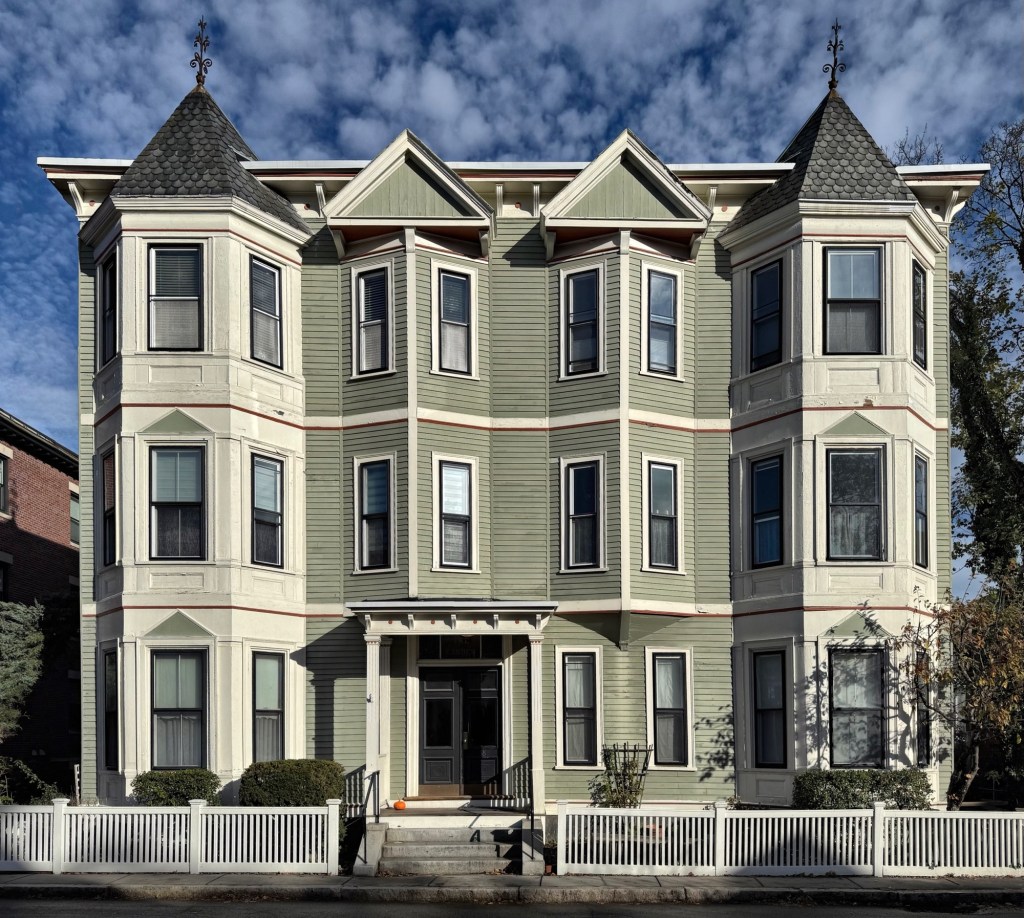
The Linden Apartments is an early multi-family apartment building in Brookline Village that shows how density can be done tastefully. The building is located at the center of Linden Place, Brookline’s first planned subdivision which was laid out in the 1840s. By the end of the 19th century, development pressure associated with the growth of Brookline Village lead to further subdivision of the original building lots and greater density of settlement in this neighborhood. The Lindens was constructed in 1885 by and for James W. Tobey (1830-1914), a local builder, as an income-generating property. Designed in the Queen Anne style, the Linden Apartments contained six suites, all with exceptional quality materials and finishes. The façade is embellished with two octagonal bays at the ends and two angled bay windows with gables which break up the otherwise rectangular form. The building has been lovingly maintained by residents and contributes to the rich history of Brookline Village from a sleepy village to a vibrant and dense “downtown”.
William A. Wellman House // 1844

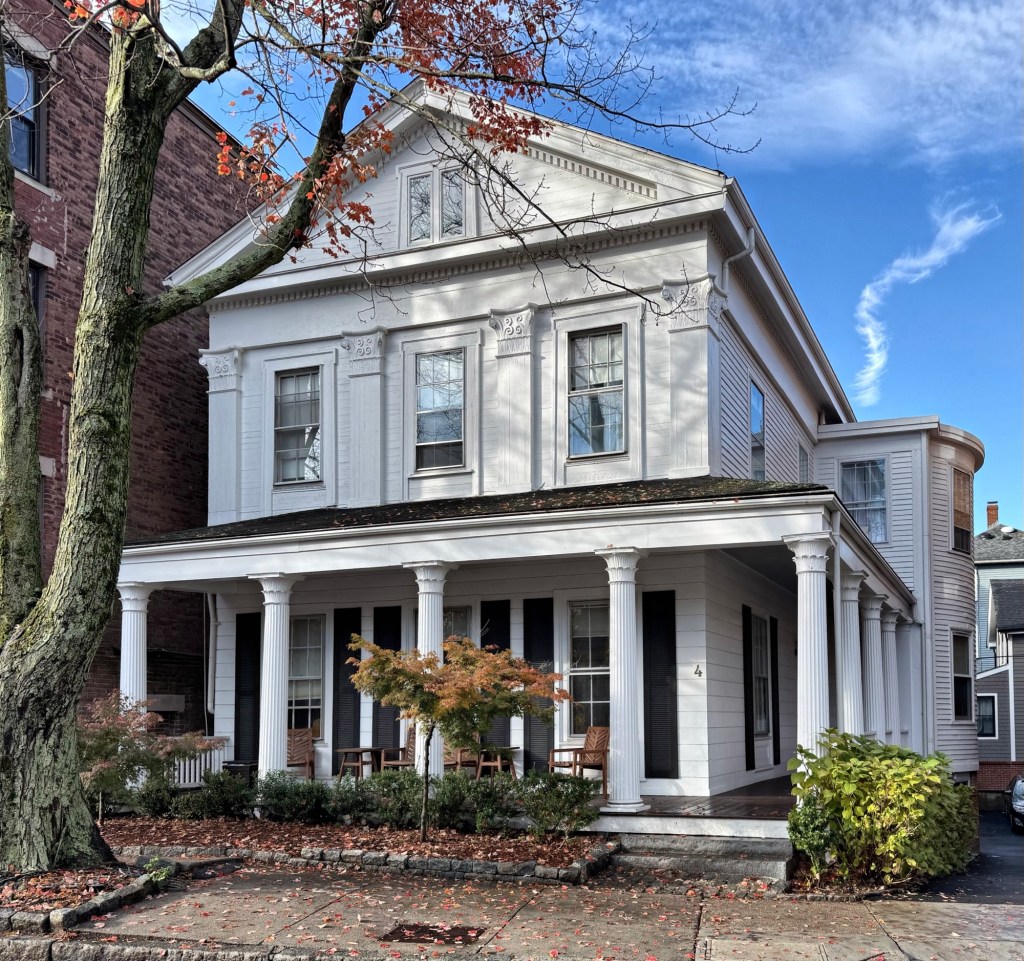
The Lindens neighborhood, located just east of the civic and commercial core of Brookline Village, was long an apple and cherry orchard known as Holden Farm. Beginning in 1843, the area became the earliest planned development in the town and was laid out as a “garden suburb” for those wishing to escape the growing congestion of Boston. As originally conceived in 1843, it reflected the latest ideals of planned residential development for a semi-rural setting on land owned by Thomas Aspinwall Davis. The streets, parks, and house lots here were laid out by civil engineer, Alexander Wadsworth, who two years earlier, laid out plans for Mount Auburn Cemetery in Cambridge, the first “Rural Cemetery” in America. Early homes were built on speculation by John F. Edwards, an architect-builder, for Davis, who was strict about high-quality designs in the Greek and Gothic revival styles in his newly laid out neighborhood. This Greek Revival style house was built in 1844 and sold in 1849 to William A. Wellman (1805-1878), the assistant collector at the United States Custom House in Boston. Wellman’s family held this property through the end of the 19th century. In 1903, as the neighborhood developed further, the property was purchased and re-oriented to face Linden Square, making room for a brick apartment building. Architecturally, the Wellman House stands out for its flushboard facade with bays divided by pilasters with elaborate capitals, and an L-shaped porch with columns capped by acanthus capitals.

Faxon-Howe House // 1844

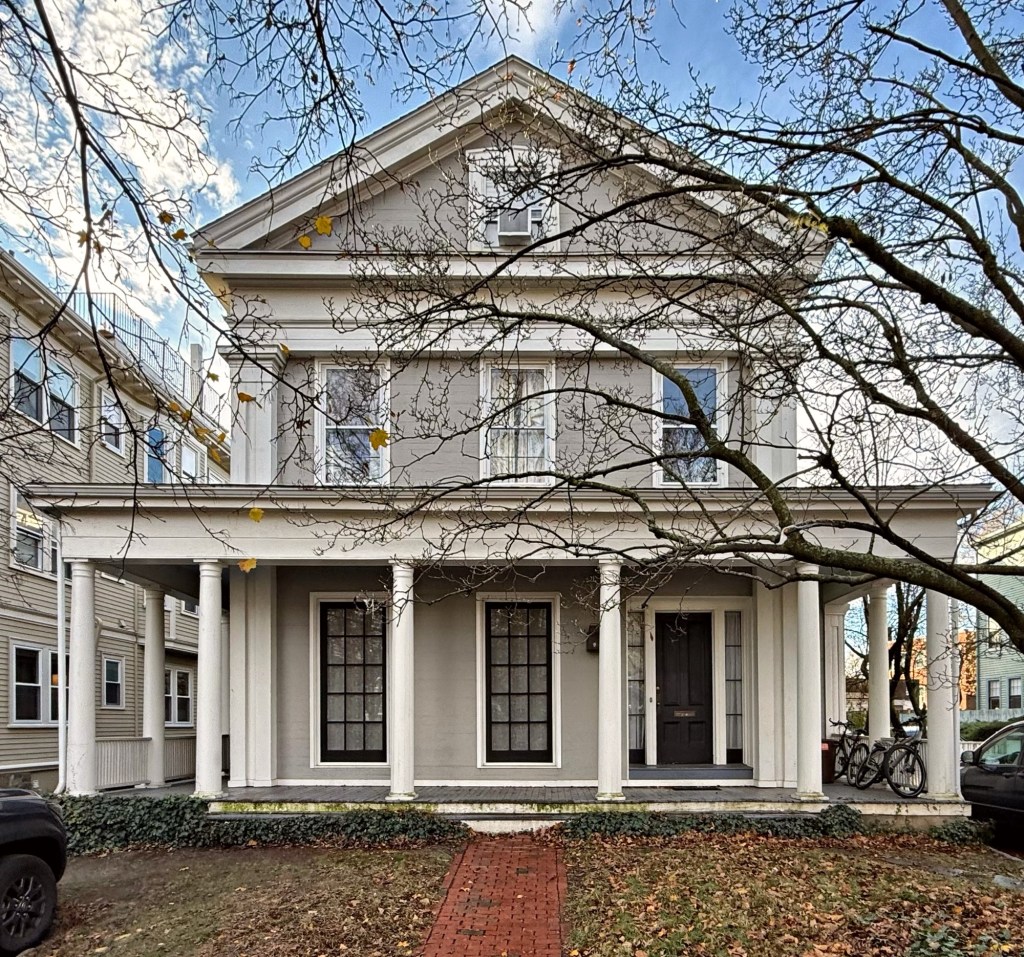
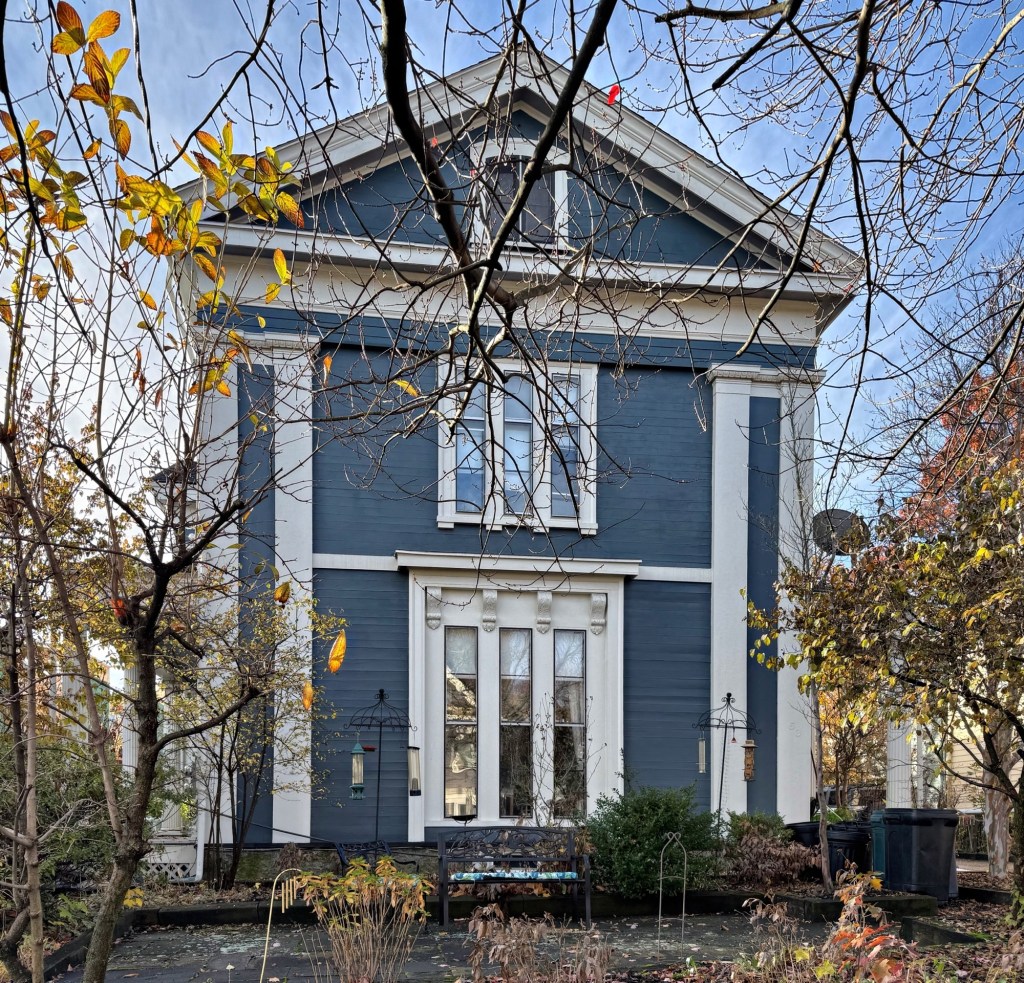
The Lindens neighborhood, located just east of the civic and commercial core of Brookline Village, was long an apple and cherry orchard known as Holden Farm. Beginning in 1843, the area became the earliest planned development in the town and was laid out as a “garden suburb” for those wishing to escape the growing congestion of Boston. As originally conceived in 1843, it reflected the latest ideals of planned residential development for a semi-rural setting on land owned by Thomas Aspinwall Davis. The streets, parks, and house lots here were laid out by civil engineer, Alexander Wadsworth, who two years earlier, laid out plans for Mount Auburn Cemetery in Cambridge, the first “Rural Cemetery” in America. Early homes were built on speculation by John F. Edwards, an architect-builder, for Davis, who was strict about high-quality designs in the Greek and Gothic revival styles in his newly laid out neighborhood. This house, at 53 Linden Street, was built in 1844 by Edwards, and sold soon-after to John G. Faxon (1793-1861), a lumber merchant who made his fortune in Lubec, Maine until he moved to Brookline. Faxon sold the house in 1851 to Thomas Howe, who likely added the Italianate style tripartite windows with the lower having scroll brackets.

Thomas Aspinwall Davis House // 1844

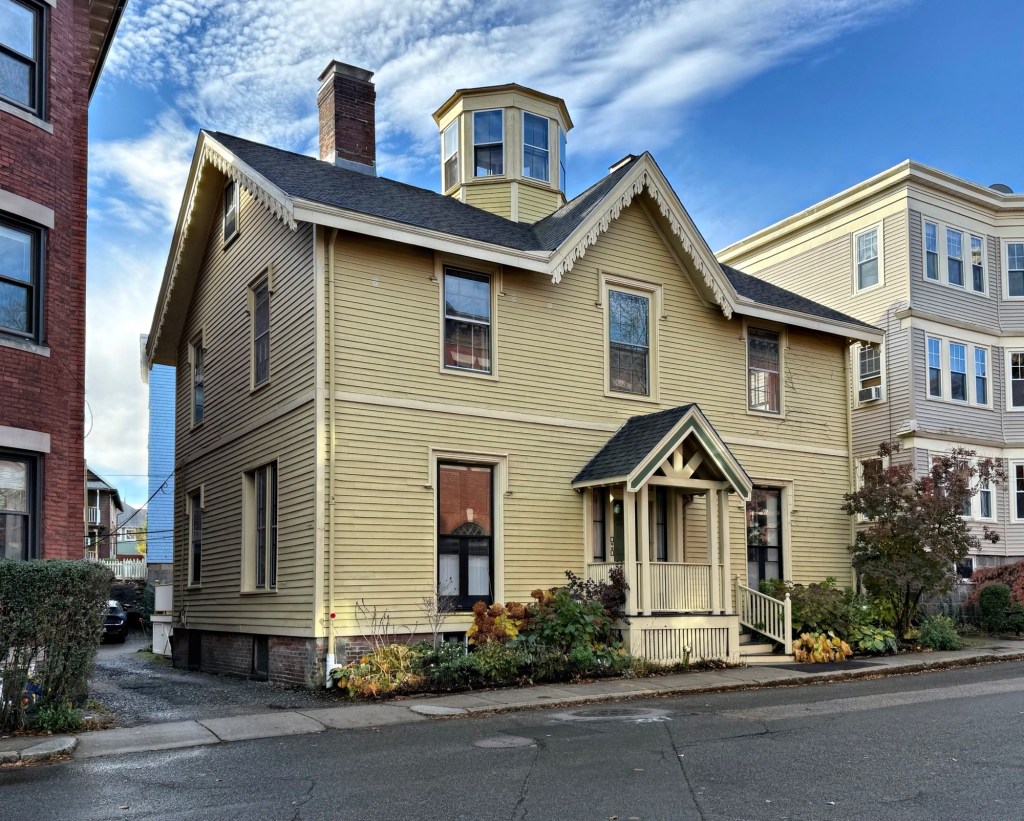
The Lindens neighborhood, located just east of the civic and commercial core of Brookline Village, was long an apple and cherry orchard known as Holden Farm. Beginning in 1843, the area became the earliest planned development in the town and was laid out as a “garden suburb” for those wishing to escape the growing congestion of Boston. As originally conceived in 1843, it reflected the latest ideals of planned residential development for a semi-rural setting on land owned by Thomas Aspinwall Davis. The streets, parks, and house lots here were laid out by civil engineer, Alexander Wadsworth, who two years earlier, laid out plans for Mount Auburn Cemetery in Cambridge, the first “Rural Cemetery” in America. Early homes were built on speculation by John F. Edwards, an architect-builder, for Davis, who was strict about high-quality designs in the Greek and Gothic revival styles in his newly laid out neighborhood. This stately house was built as Thomas Aspinwall Davis’ own residence in the Gothic Revival style. The house originally had a Gothic style full-length porch, but when the house was relocated in 1903 to the present site, to make room for new houses as the neighborhood grew denser. During the move, the porch was removed, but the Davis House still maintains the belvedere at the roof, historic window trim, and decorative bargeboards at the eaves.

Charles Scudder House // 1844

The Lindens neighborhood, located just east of the civic and commercial core of Brookline Village, was long an apple and cherry orchard known as Holden Farm. Beginning in 1843, the area became the earliest planned development in the town and was laid out as a “garden suburb” for those wishing to escape the growing congestion of Boston. As originally conceived in 1843, it reflected the latest ideals of planned residential development for a semi-rural setting on land owned by Thomas Aspinwall Davis. The streets, parks, and house lots here were laid out by civil engineer, Alexander Wadsworth, who two years earlier, laid out plans for Mount Auburn Cemetery in Cambridge, the first “Rural Cemetery” in America. Early homes were built on speculation by John F. Edwards, an architect-builder, for Davis, who was strict about high-quality designs in the Greek and Gothic revival styles in his newly laid out neighborhood. This house, at 12 Linden Street, was built in 1844 by Edwards, and sold soon-after to a Charles W. Scudder, a Boston hardware merchant. The Scudder House is an excellent example of the Greek Revival style in which the front facade of the house suggests a classical temple with flush-board siding resembling the smooth surface of stone. The wrap-around columned porch would have provided great views of the surrounding orchards and gardens until the neighborhood filled in later in the 19th century.