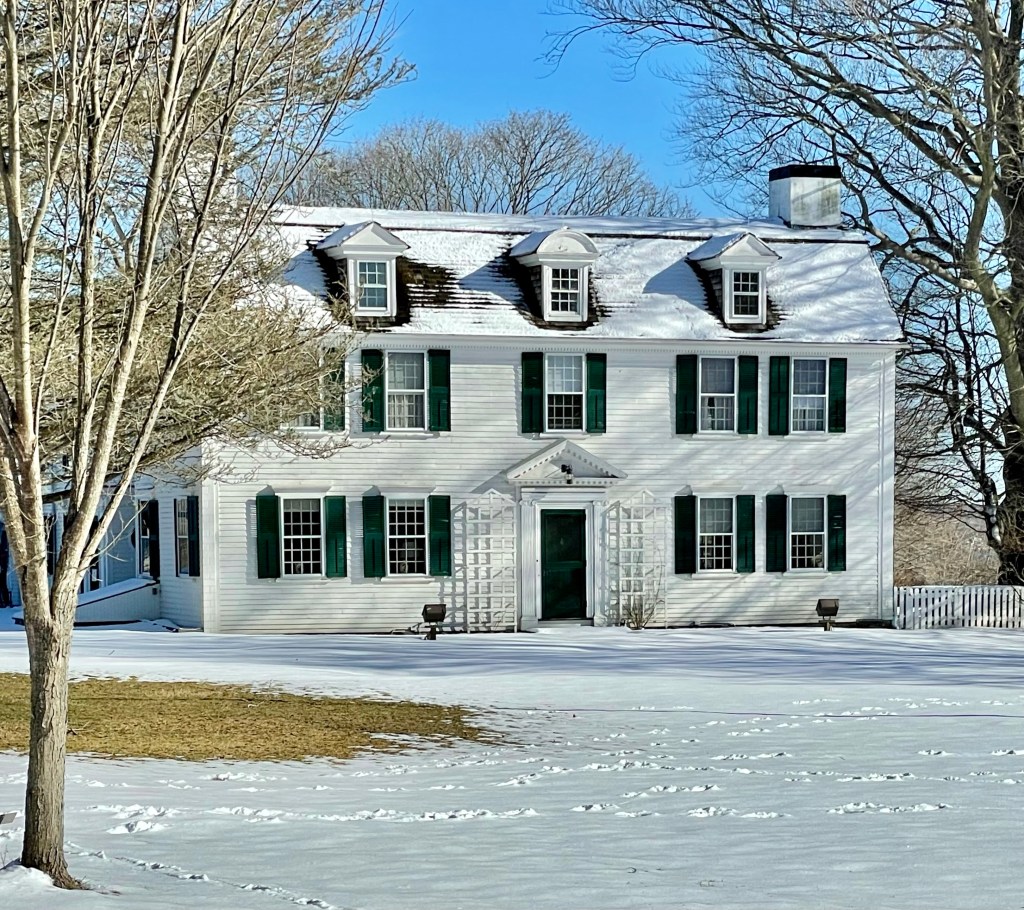
Land that Mount Hope Farm sits upon in Bristol, Rhode Island was formerly council lands of the Wampanoag Indians, where King Philip’s War of 1675 may be said to have begun and ended. For those of you who do not know about the war, it was an armed conflict running 1675–1678 between indigenous peoples of New England and New England colonists and their indigenous allies. Massasoit, leader of the Wampanoag, had maintained a long-standing alliance with the colonists. Metacom (c. 1638–1676) was his younger son, and he became “sachem” (elected chief) in 1662 after Massasoit’s death. Metacom, however, forwent his father’s alliance between the Wampanoags and the colonists and they fought back. Metacom’s forces could not beat the growing numbers of the colonists, and he was eventually killed near Mount Hope, in Bristol. After his death, his wife and nine-year-old son were captured and sold as slaves in Bermuda. Philip’s head was mounted on a pike at the entrance to Plymouth, Massachusetts, where it remained for more than two decades. His body was cut into quarters and hung in trees. This story, shows how American history is built upon death and suffering and has often been whitewashed to portray early settlers treating native peoples with respect and as equals, which was rarely the case.
Mount Hope Farm as we know in colonial times, was originally 550 acres in size, owned in 1680 by Nathaniel Byfield. In 1744, the estate was acquired by Isaac Royall. Royall began construction of the house soon after. Isaac Royall Jr. was the son of Isaac Royall Sr. (1677–1739) a slave owner, slave trader, and Antiguan plantation owner who had a home and slave quarters (both extant) in Medford, MA. After his father’s death, Royall Jr. inherited his immense wealth, built upon the backs of others, and built this Georgian farmhouse. It is unknown to me if he ever resided there or had slaves maintain the property, but the home was rented for some time. In 1776, Mount Hope Farm was confiscated by the state, after Royall, a loyalist to England, fled to Nova Scotia. The property was added onto in the 19th and 20th centuries and now sits on 127-acres of land, and is run as a park, inn, and event space.

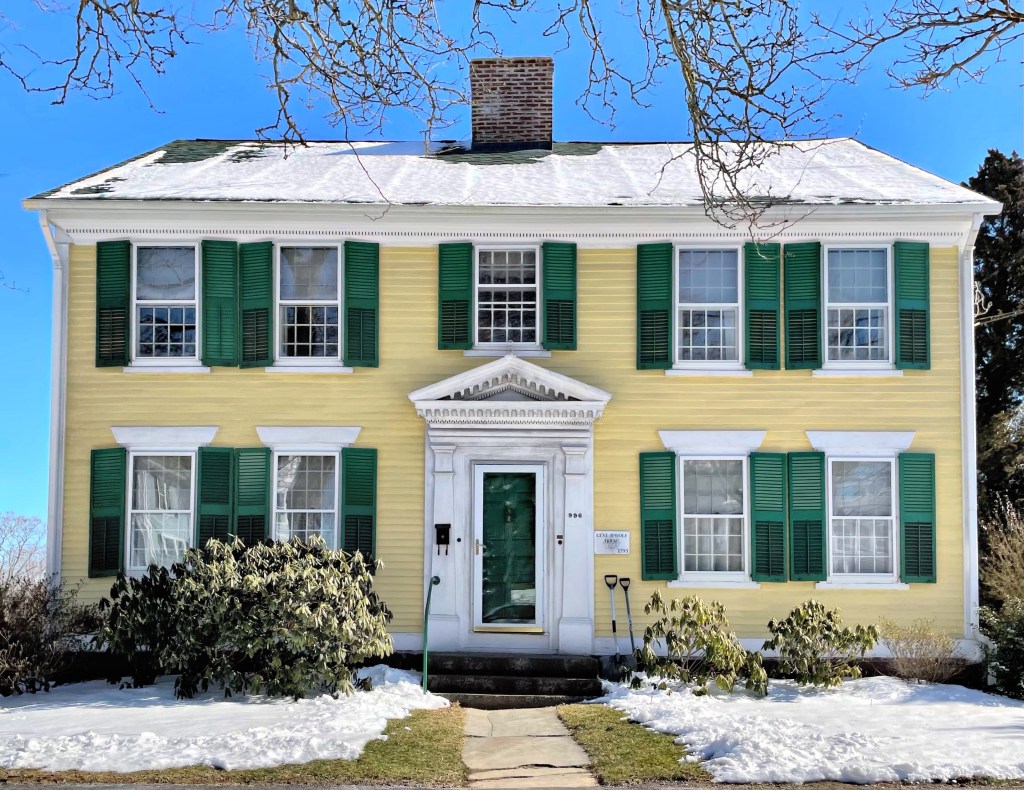
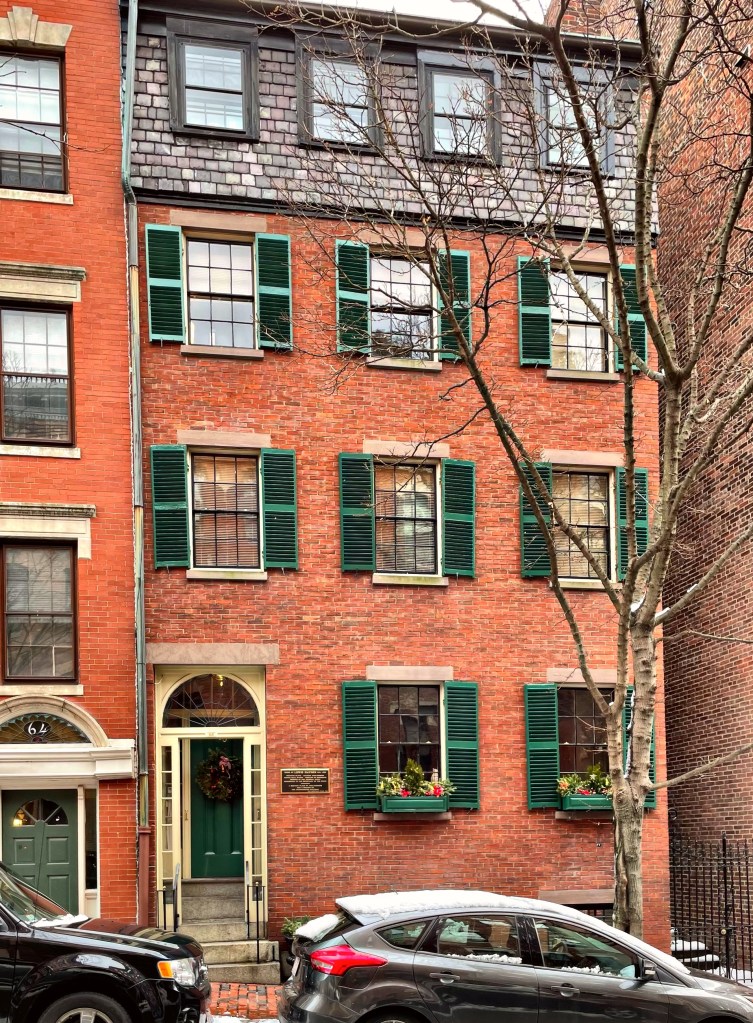
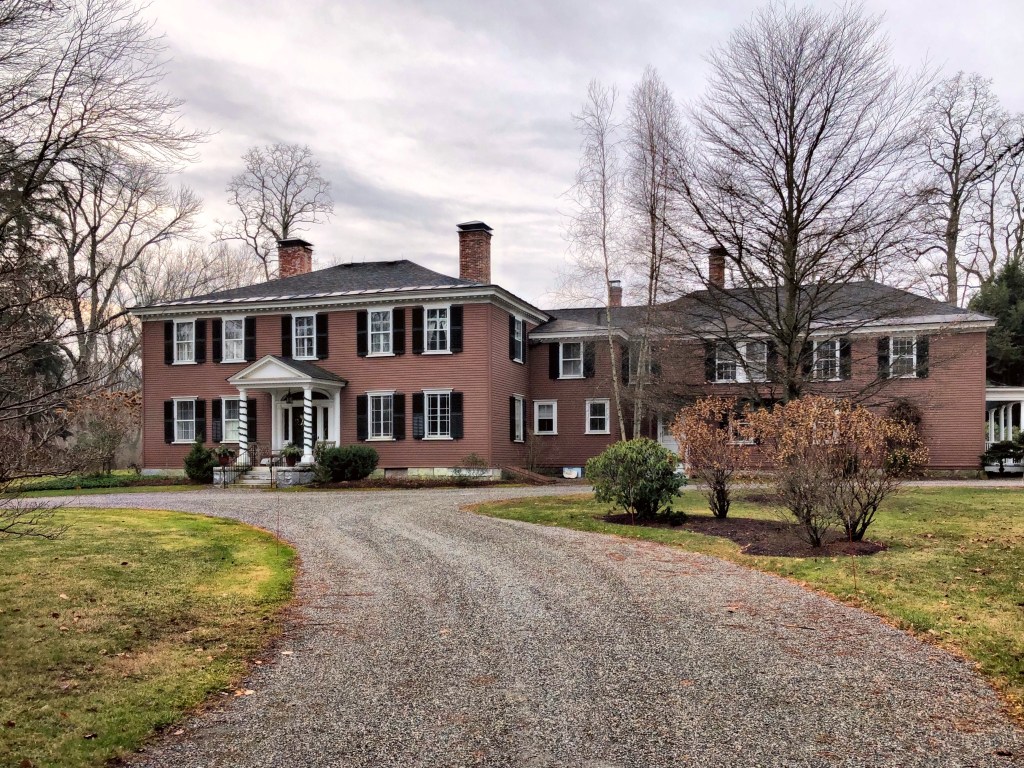

 Buildings of New England