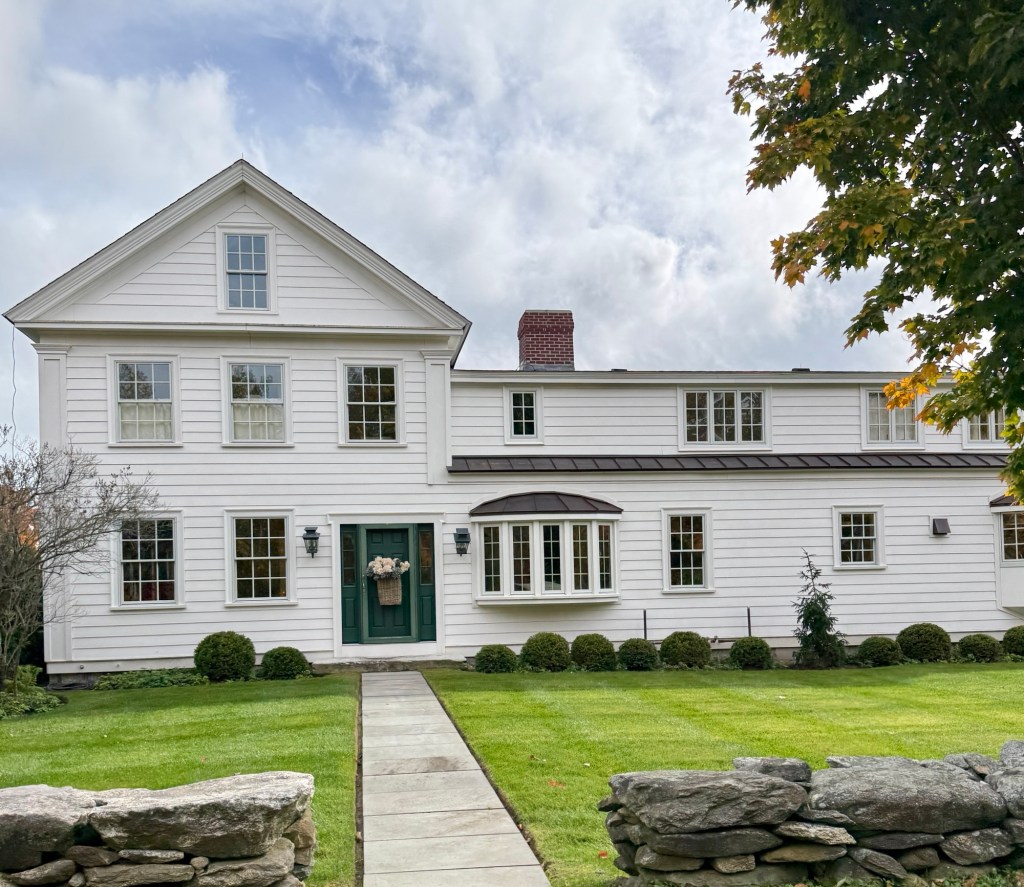
John Fuller House // 1823

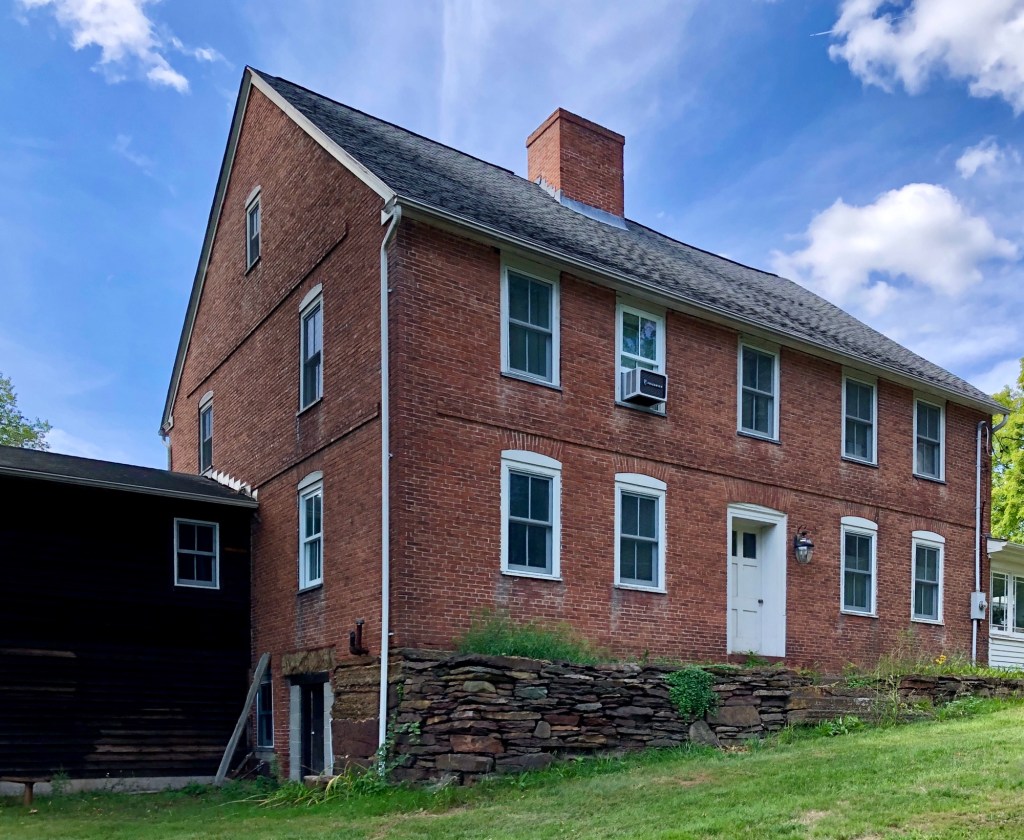
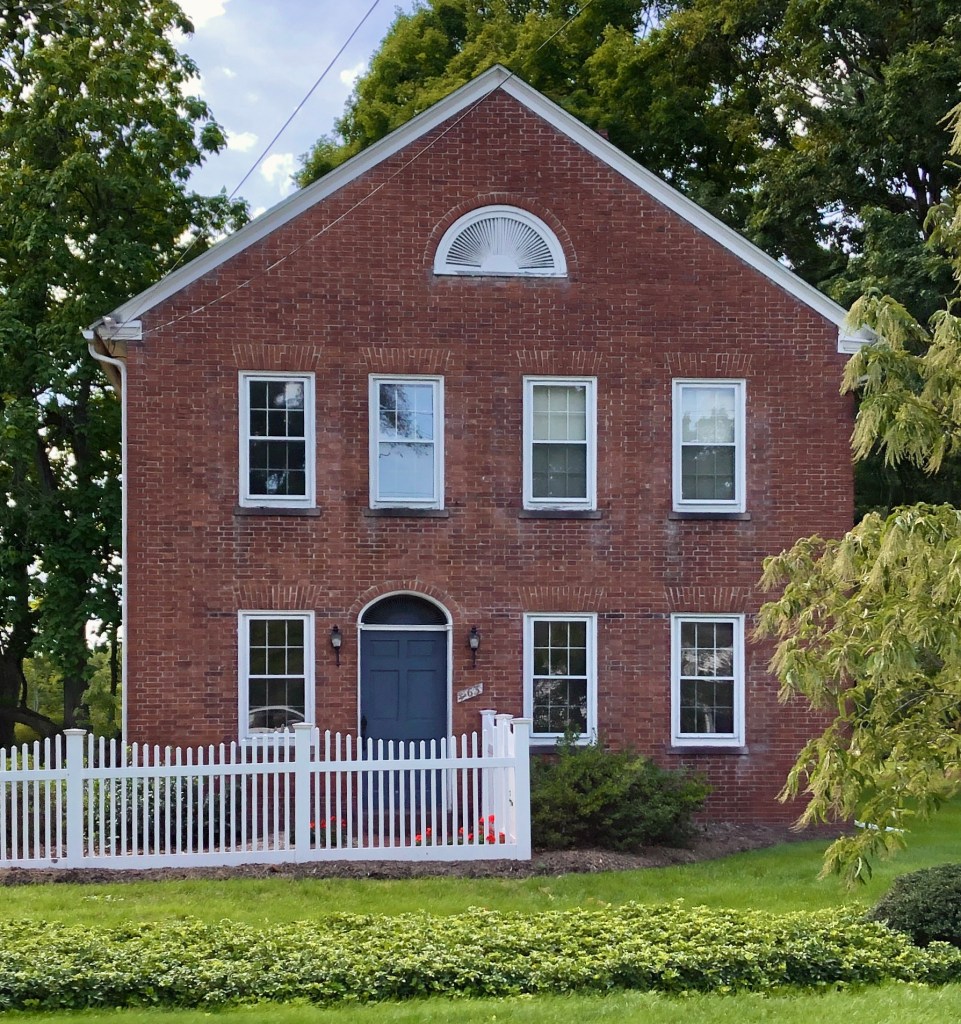
This lovely brick, Federal style farmhouse was built in 1823 for John and Mary Fuller in rural Suffield, Connecticut, in 1823 and operated as a farm by the family for over fifty years. The town of Suffield purchased the house and farmland before the 1880s for use as the town’s poor farm. Poor farms (also known as almshouses) were often rural houses where paupers, mainly elderly and disabled people, were supported at public expense. The land was available for the elderly and workers to harvest crops for sale and sustenance. One of the “residents” at the poor farm was “Old Cato” a formerly enslaved person who was owned by Maj. John Davenport, a lawyer and politician in Stamford. Davenport offered Old Cato his freedom in 1812 if he enlisted to serve in the War of 1812, which he did. By the 1820s, he moved to Suffield CT, and worked at the West Suffield Congregational Church, paid to ring the bell at the church, likely also maintaining the property. He eventually ended up at the poorhouse and died, estimated to be over 100 years old. The old Fuller/Poor House was sold by the town in 1952 and converted back into a single-family residence.

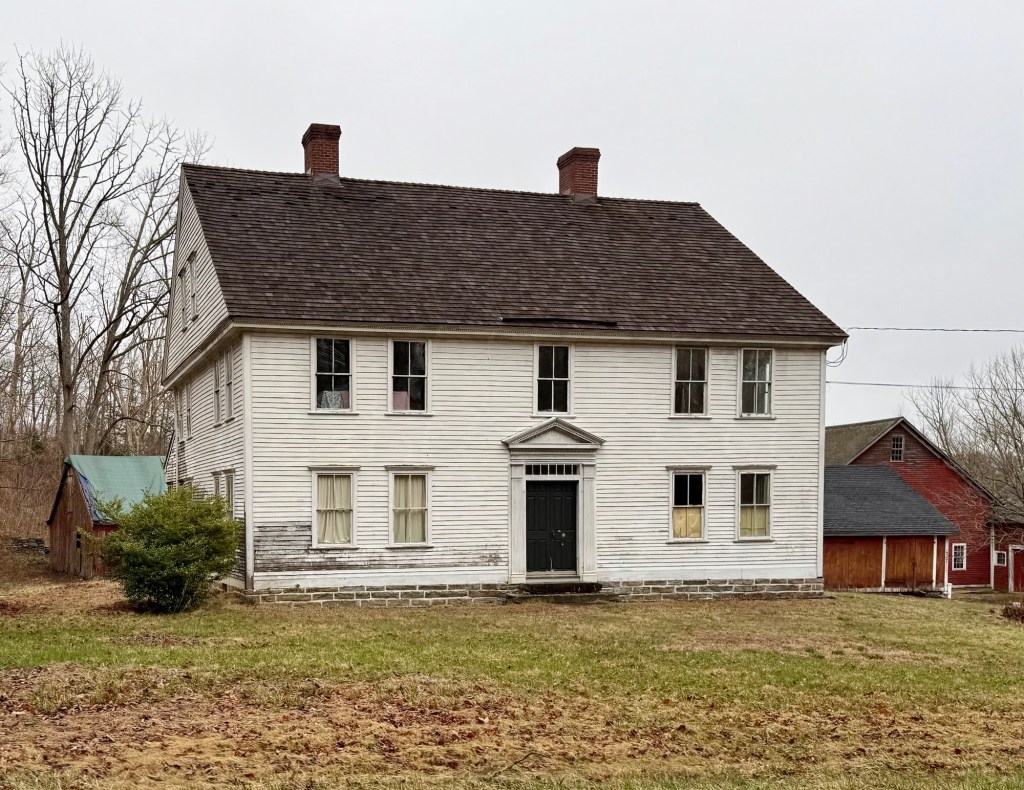
Kentuck Farm // c.1740

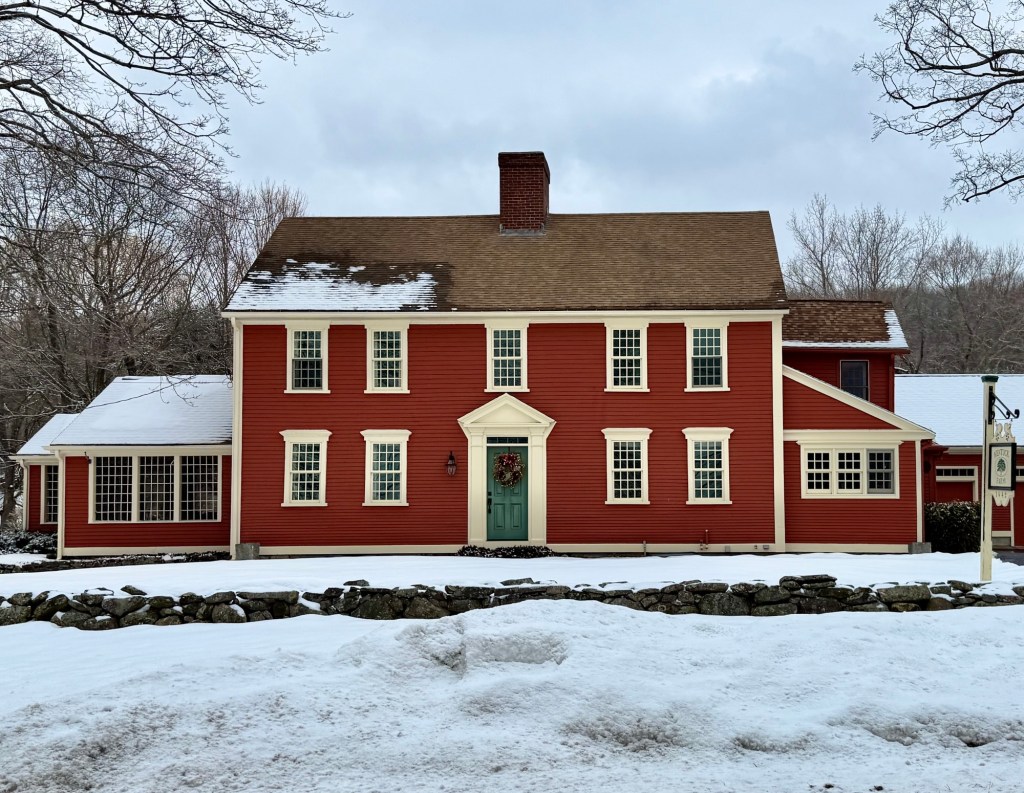
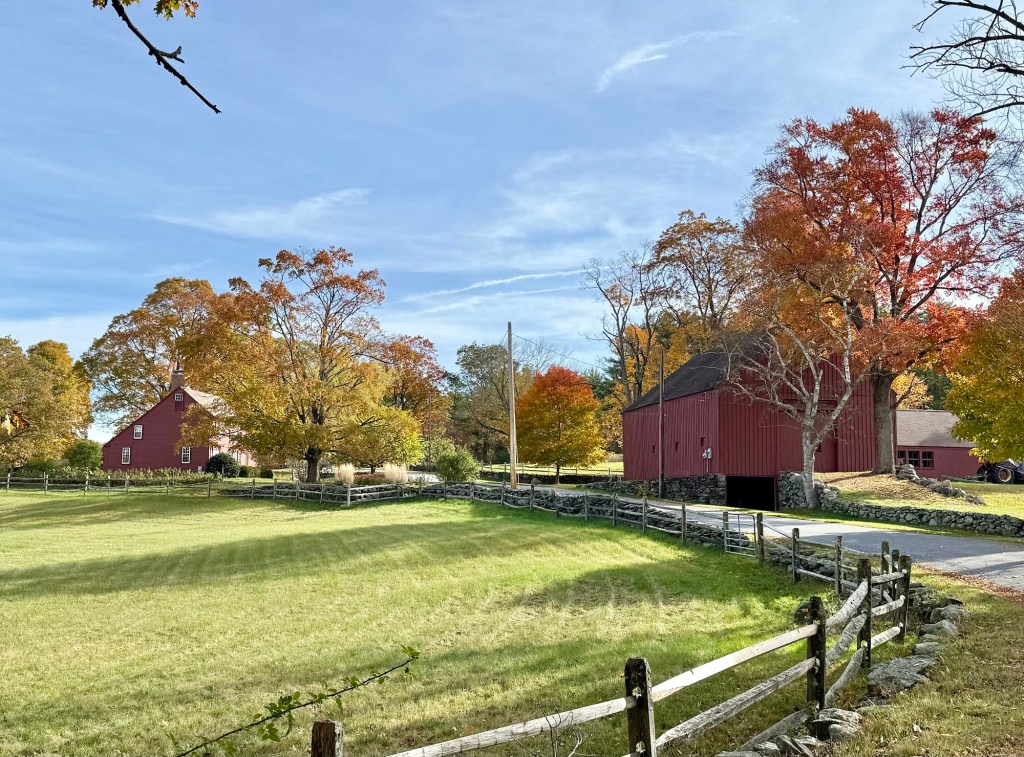
Located on West Street in the rural part of Wrentham, Massachusetts, this historic farmhouse is among the finest homes in the community. Early records are sparse, but the dwelling appears to have been built in the first half of the 18th century by Joseph Grant and later expanded and inherited by other members of the Grant Family who owned the property in the mid-19th century and other nearby farms. Through the 19th century, the farm was owned by George Grant and later by his son, Charles Albert Grant. In the 20th century, the farm was owned by Wentworth and Anne Massie, who operated the property as an apple orchard, known as Kentuck Farm. The home has been restored by current owners and retains its large, central chimney, classical door surround, siding and windows.

Benjamin Adams Farmhouse // 1775

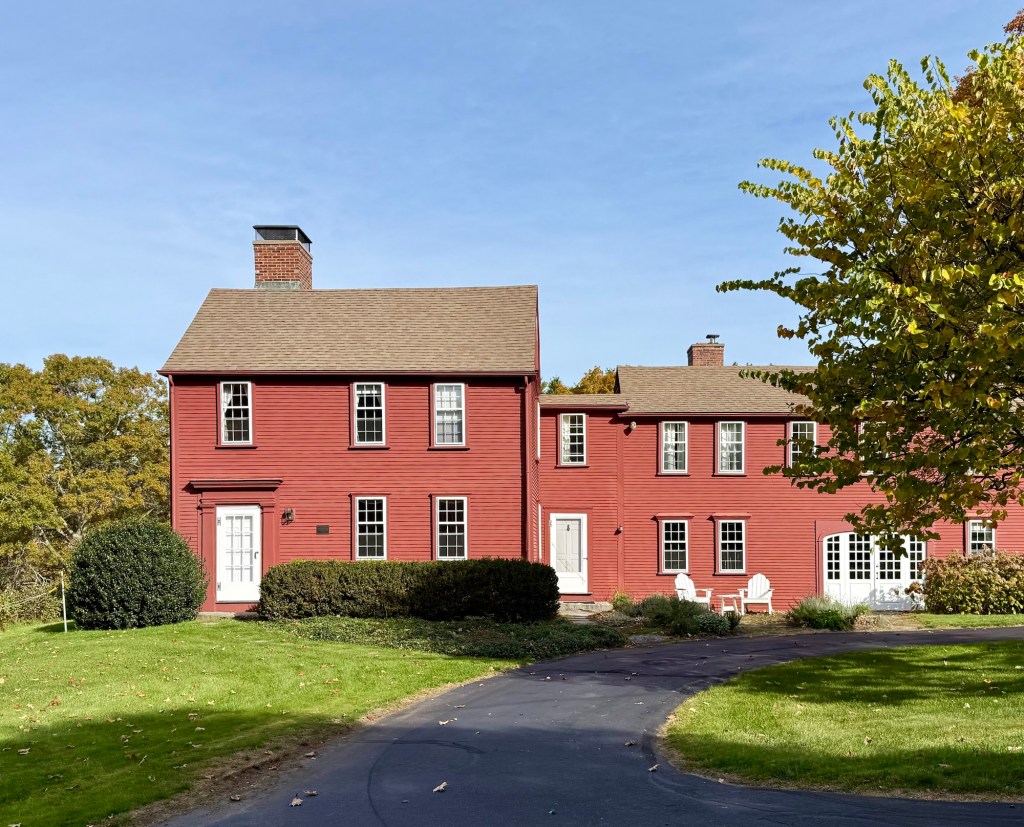
Benjamin Adams (1750-1843) was born in Milton, but relocated to East Sudbury (later renamed Wayland) and purchased property here from a Bezaleel Moore, a tanner and farmer. Soon after moving to town, in 1775, he mustered with the minutemen under the command of Capt. Nathaniel Cudworth. After the conclusion of the war, Benjamin married Elizabeth “Betsy” Adams and they expanded the old farmhouse (today at 34 Lincoln Road) and raised their children here. The property remained in the family until 1873 when it was purchased and operated as a dairy farm. In the 1920s, the farmhouse was expanded with Colonial Revival additions and a renovation for use as a summer residence and gentleman’s farm. It is believed that some of the interior wood paneling inside the house was added at this time and was salvaged from the Pequod Inn, which was razed around that time.

Cyrus Colby Farmhouse // c.1826

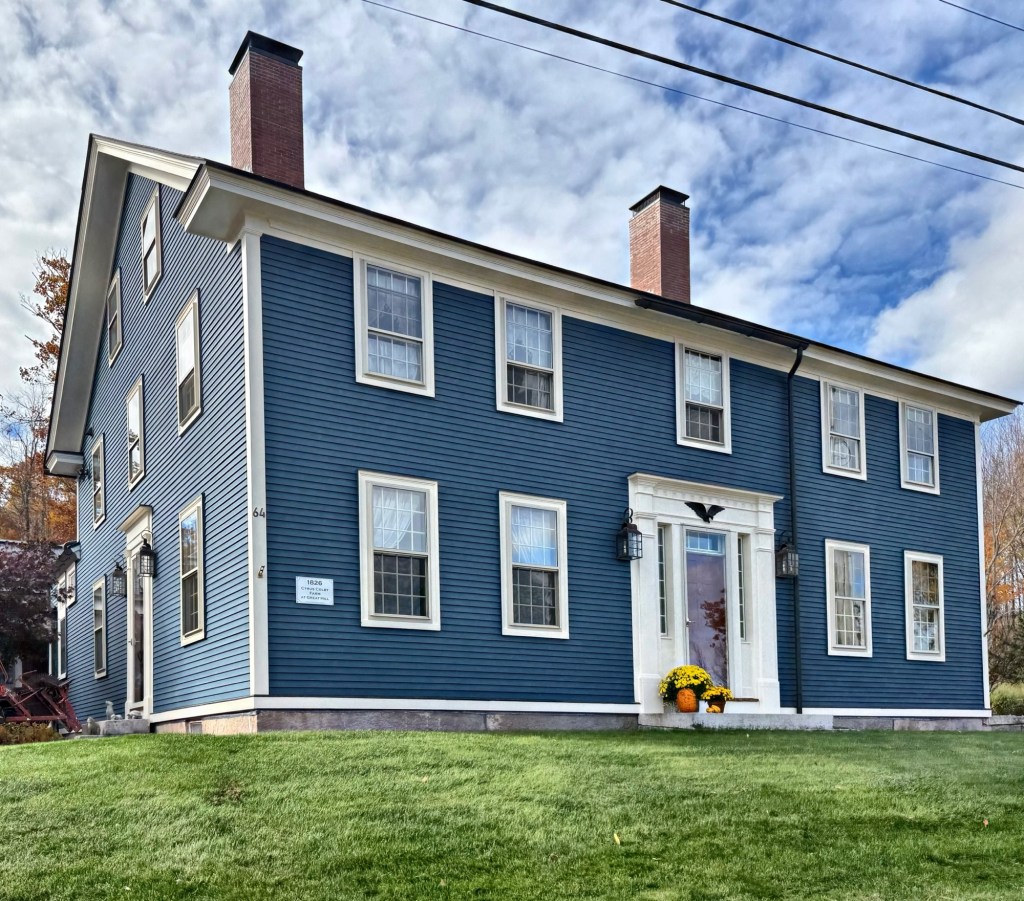
This historic farmhouse, tucked away on a quiet dead-end street in Bow, New Hampshire, is known as the Cyrus Colby Farmhouse. The residence dates to about 1826, and was likely built by Cyrus’ father, John Colby (1772-1836) and later inherited and occupied by his son, Cyrus. Cyrus Colby (1822-1900) lived at this house and farmed the land along the hillside and operated a successful family farm which included cornfields and grazing fields for their livestock with various barns on the property, notable for a post-and-beam dairy barn across the road that was built in 1878. The historic farm was purchased and restored, bringing the 200-year-old property a new life, suitable for modern living, while preserving the unique assemblage of farm buildings.

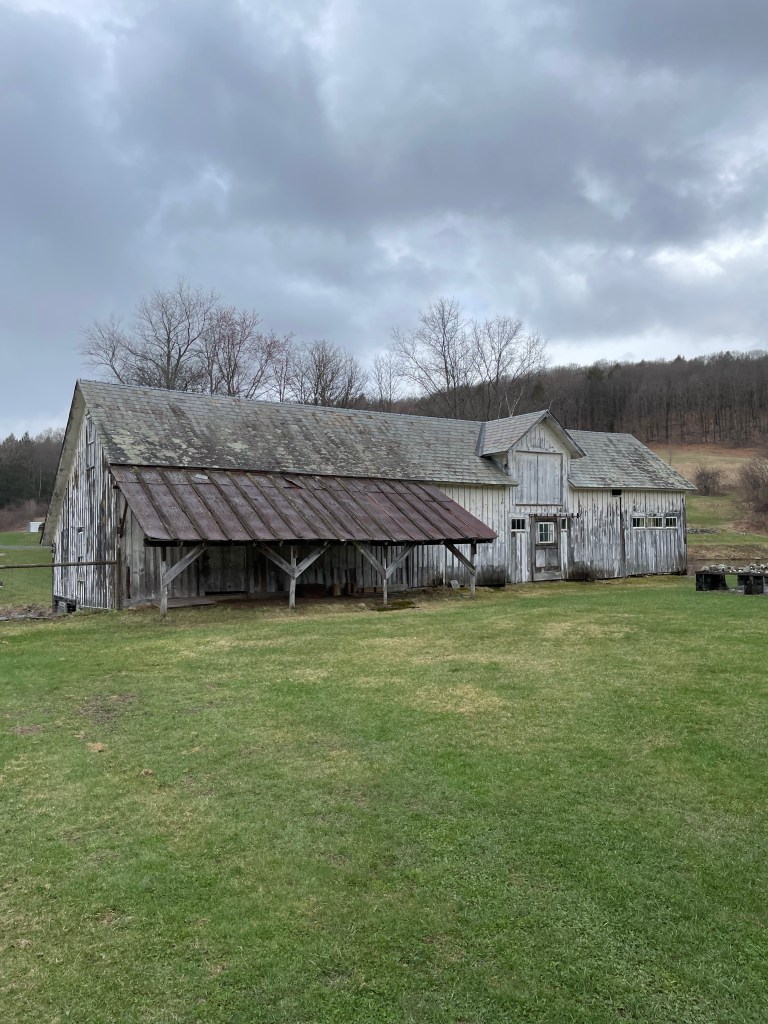
Whitcomb Inn and Farm // c.1708

The Whitcomb Inn and Farm in Bolton, Massachusetts, is believed to be the oldest extant building in the rural community and is believed to have been built around 1708. The oldest portion of the farmhouse, the three-bay, two-story, side-hall house, was likely built when David Whitcomb (1668-1730) acquired the land from his father. David married Mary Hayward in 1700 and the couple had many children, necessitating additions to the old farmhouse, including the rear saltbox with a “Beverly jog” (a section of the rear addition projecting beyond the side of the original structure) that was built in the 1710s. The building underwent stylistic changes in the 19th century, most of which were removed during a major restoration in 1937–38 by Philip Phillips, a Harvard professor in Archaeology, who drew the plans for the restoration of the old house and 1850s barn. Professor Phillips was also a conservationist, and donated some of his land, which directly abuts the highway (built in 1962) was donated to the town and is now known as Split-Rock Trail. The Old Whitcomb Inn and Farm was listed on the National Register of Historic Places in 2002, ensuring that any future highway expansion or re-routing would require preservation of this significant home.

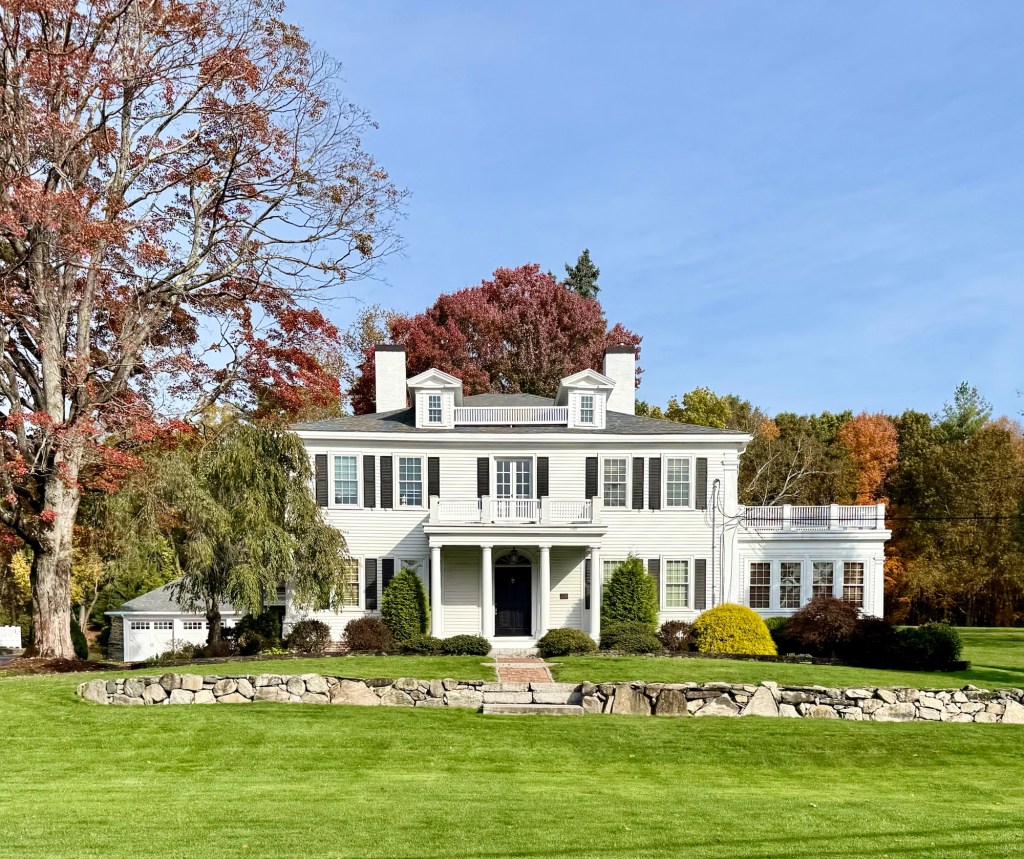
Captain Samuel Blood House // c.1793

This grand federal-period house was built around 1793 by Capt. Samuel Blood (1749-1834), who had served in the American Revolution. He came to Bolton from Lancaster by 1788, and purchased a farm here, where he began working as a hat manufacturer, building a large shop where he made beaver and silk hats. The land As his business grew, his original house was demolished to make way for this more stately, Federal-period home which dates to around 1793. Samuel Blood and his wife, Lucretia (Heywood) had twelve children. Their eldest son, Thomas (1774-1848) became a doctor and settled in Peterborough, New Hampshire, but returned to Bolton to take charge of the factory as his father got older. The family sold the home and the property, then about 120-acres, operated as a farm by subsequent owners. In 1916, the property was sold to Howard Atwood, who had been a successful Boston wool merchant, and he raised pedigreed cattle, thoroughbred horses, and sheep on this property, possibly as a gentleman’s farm. He and his wife, Rose, built a large new barn near the main house where they held many parties and barn dances over the years. The couple also renovated the old house, adding the dormers, porticos and side additions, creating the current composition we see today. The property has been owned by a corporation and appears to be offices today.


Asa Bacon Farmhouse // 1783

Located in northern Canterbury, Connecticut, this rural farmhouse was built following the American Revolution, showcasing the emergence of the Federal style from the Colonial Georgian type farmhouses before. The house dates to 1783 and was built by Captain Asa Bacon (1735-1819), a wealthy farmer and captain in the Revolutionary War. The home was also occupied by his son, Asa Bacon Jr. (1771-1857) a Yale educated lawyer who practiced law in town before moving to Litchfield. Asa Jr. was a turnpike promoter, advocating for turnpikes through the formerly sleepy agricultural town, opening it up to trade and commerce. The early Federal-period home features a five-bay facade and central entry with triangular pediment and fluted pilasters. The house appears much like it would have when originally built besides the Victorian-era two-over-two window sashes installed in the late 19th century. The farm even retains a few 19th century barns, likely built when the windows were replaced by later owners.

Dale-Pease-Bigelow Homestead // c.1800

In the early years of the establishment of the settlement of Landgrove Vermont, Joshua Dale 1765-1845) moved to the newly incorporated town and built this large farmhouse on the south-facing slope of a mountain. With strong ties to nearby Weston, he tried to make a life in the new town of Landgrove, serving as a selectman, but he and his family moved back just four years later. The property was purchased by Obadiah Pease (1766-1830) who lived here with his wife Achsah and their seven children. The farm was eventually willed to their son Elihu, who did very well farming the property during his ownership (1830-1857). In 1842, he was the third-richest man in town at just 39 years old. From 1855 to 1857 he farmed only half the farm and a Shrewsbury man, Dexter R. Way, farmed the rest. At age 54, Elihu sold his farm to Dexter Way and left Landgrove to Wisconsin. After successive ownership, the farm was bought in 1933 by Nelson and Elizabeth Bigelow, for $1,500! The property included 200 acres of land, a dilapidated farmhouse and two decrepit barns. For the following seven years the land was gradually brought under control and the house restored, but the barns were unsalvageable. This homestead is a lasting example as to what a little faith and hard-work can accomplish, bringing what is seen as a tear-down up to one of the nicest homes in the area!

Cory House // c.1859

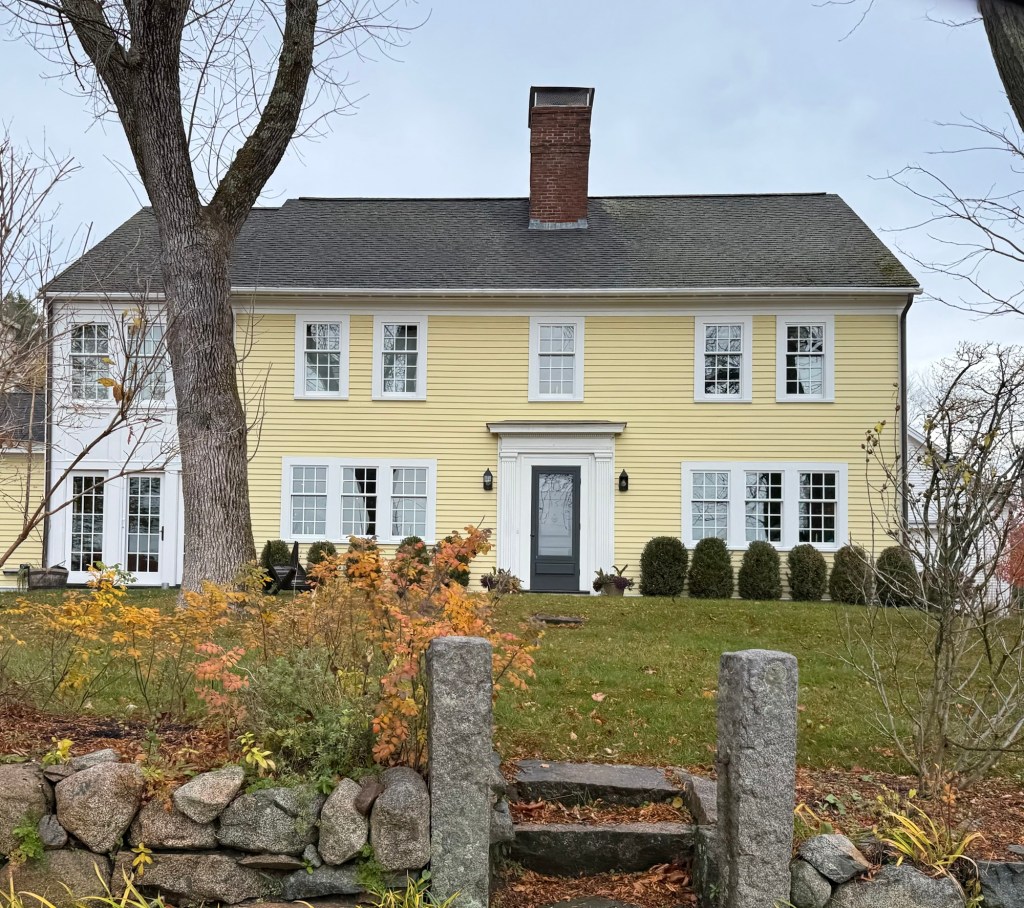
I stumbled upon this Greek Revival farmhouse located on one of many dirt roads in Landgrove, Vermont and had to snap a few photos! I couldn’t find much on the history of the house besides the fact it was listed on an 1869 atlas as the property of an “I. Cory”. The five-bay farmhouse has an elaborate door treatment and bold corner pilasters all perched behind a historic stone wall. The house telescoped outward with additions, eventually connecting it to what is now a garage. This farmhouse purchased in the 20th century by John A. Brown, who worked as Dean of Students at Princeton University.

Atherton Farmstead // c.1840

This beautiful farmhouse in Cavendish, Vermont is located along a winding dirt road and has ties to one of the town’s original family’s. A home was built here in 1785 and changed hands numerously over the first few decades of its existence. The farmhouse that was built also served as a tavern for travellers along the newly laid out Wethersfield Turnpike. It is possible that the cheap land and rural character of the new town was appealing to some, but reality away from true commerce may have made many sell the farm after a few years, which could explain why the property was bought and sold so often early on. The property was purchased by Jonathan Atherton, a Revolutionary War veteran, farmer, surveyor and lawyer, who acquired large landholdings in Cavendish. In 1821, Jonathan Atherton was sued in court by his neighbor, Jedediah Tuttle for beating Tuttle’s wife Lydia. In order to finance the bonds, Atherton mortgaged all his real estate in Cavendish to his brother Joseph, and Elihu Ives, Jonathan Atherton Jr.’s father-in-law. Atherton St. lost the case and had to pay a fine. The property was eventually inherited by Stedman Atherton, the youngest son of Jonathan, who seems to have demolished the old homestead and constructed the present home on the site. The original dwelling was also the childhood home of Henry B. Atherton, a staunch abolitionist and soldier in the American Civil War, who later served as a lawyer and state legislator for New Hampshire, and his sister Eliza (Atherton) Aiken, a Civil War nurse who has been referred to as America’s own “Florence Nightingale”. The old Atherton farmstead was recently renovated.

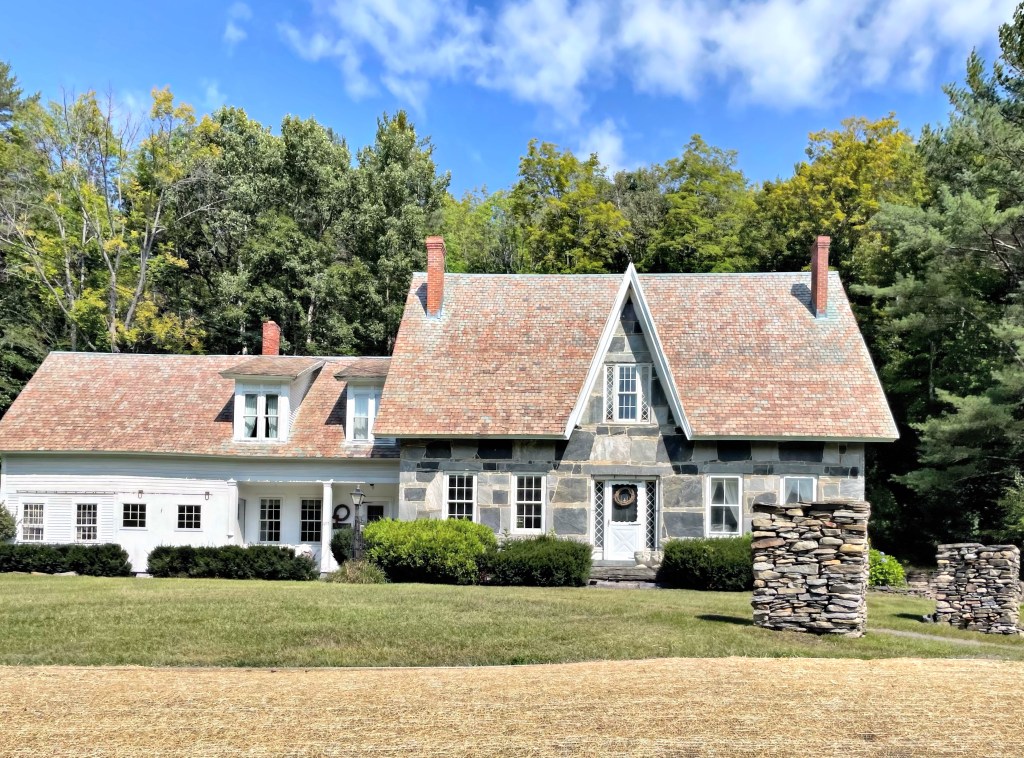
Joshua Parker Farmhouse // 1850

This house in Cavendish was constructed in 1850 by Joshua Parker and is an outstanding example of a gothicized snecked ashlar house. The house is in the Cape form and largely exhibits a more traditional cottage layout, but with the steep gable dormer, giving the home a distinctive Gothic feeling. The 1850 home replaced a late 18th century farmhouse, but in the iconic snecked ashlar construction. The farm grew over the subsequent decades, including a c.1900 snecked ashlar barn (not pictured), which is probably the last building of “Snecked Ashlar” construction erected in the State of Vermont.


Scott Farm – Pig Barn // 1911

Cows, horses and pigs once dominated the 571-acre landscape of Scott Farm in Dummerston, VT. We have seen where the farmer, cows, and horses lived, so now it’s time to see where the pigs “pigged” out. This barn building was constructed around the time of the horse barn when the farm was owned by Frederick Holbrook II of Boston. The one-and-a-half-story pig barn, like the others, was built into the landscape which would allow for the animals to easily get into the structures. This building was used as the “Cider House” in the 1999 movie Cider House Rules.

Scott Farm – Horse Barn // c.1910

You saw the cow barn at Scott Farm, now you can see where the horses lived! The Horse Barn at Scott Farm in Dummerston, Vermont is a very photogenic building with its symmetrical facade and bright colors. The barn was built not long after Frederick Holbrook II of Boston acquired most of the farm to add to Naulakha, where he lived. Holbrook used the farm as a gentleman’s farm where he would have laborers managing the grounds and supplying him with the freshest produce and dairy products. Inside, there is a ramp down to the basement which still retains the horse stalls, it’s so charming!

Scott Farm – Cow Barn // 1862

Historic barns really are the most charming buildings, and luckily, Vermont is home to soooo many great examples. The Cow Barn at Scott Farm in Dummerston, VT was built in 1862 and constructed into the slope of the land. The barn has a brick and stone foundation, barn board siding, and a roof sheathed with small dark slate. It is built into the slope of the land and has a single-story shed roof addition (c.1915) off the west facade to give the building a saltbox form, and a single story gable roof milk house addition off the east facade. The rear facade has a more rustic appearance and has a large entrance to the space inside which is occupied by The Stone Trust, with the mission to preserve and advance the art and craft of dry stone walling. The organization holds classes and trainings where people can learn how to build a traditional or modern stone wall and more! The barn (and the rest of the buildings on the Scott Farm property) is owned by the Landmark Trust USA.

Scott Farm – Farmhouse // c.1845

Scott Farm, established as a working farm in the late 18th century and as a commercial apple orchard in 1911, is an excellent example of the vernacular architecture that Vermont is known for. The sprawling 571-acre farm was established in Dummerston in 1791 and purchased by Rufus Scott in the mid-1800s. In the 1840s, he built this farmhouse and many of the barn buildings soon after. The five bay Greek Revival house is in a Cape form and retains its historic slate roof and detailing. The property has been owned since 1995 by The Landmark Trust USA, a non-profit organization whose mission is to preserve historic properties through creative sustainable uses for public enjoyment and education. The farm sits a short drive to Naulakha and the Dutton Farmhouse (both featured previously) which are also managed by the Landmark Trust USA.