Charles Loomis House // 1862

Located on Suffield’s iconic Main Street, this enchanting 19th century residence stands as a testament to the impact and role the tobacco industry had on the community historically. The residence seen here was built for Charles Loomis of the Loomis Family, who made their fortune in the tobacco farming and rolling industry in Suffield, Connecticut. Charles F. Loomis used his tobacco money to have this asymmetrical Italianate Villa constructed in 1862. The home features a prominent three-story tower capped with iron cresting, broad overhanging eaves with brackets and some stickwork, and a gorgeous door with arched transom and sidelights.

Dr. Asaph Bissell House // c.1835

Dr. Asaph Bissell was born into the wealthy Bissell family which started here when John Bissell, the progenitor of the family in America, came from Somerset, England, and landed in Plymouth, Massachusetts, in 1628. He became one of the settlers of Windsor, CT. His descendant, Asaph Bissell (1791-1850) became one of Yale’s earliest medical graduates and built this stately Greek Revival style home on Main Street in Suffield, Connecticut, where he practiced medicine. Dr. Bissell often made house calls from his home right on Main Street until his death in 1850, after which, it was inherited by his eldest son, Charles Bissell. The house is Greek Revival in style with its entrance on the side elevation sheltered by a Classical porch, all facing southwards. The street-facing facade is four bays with large corner pilasters, a massive entablature, and pedimented gable-end with fanlight set within it.

Spencer – Mearkle House // c.1824

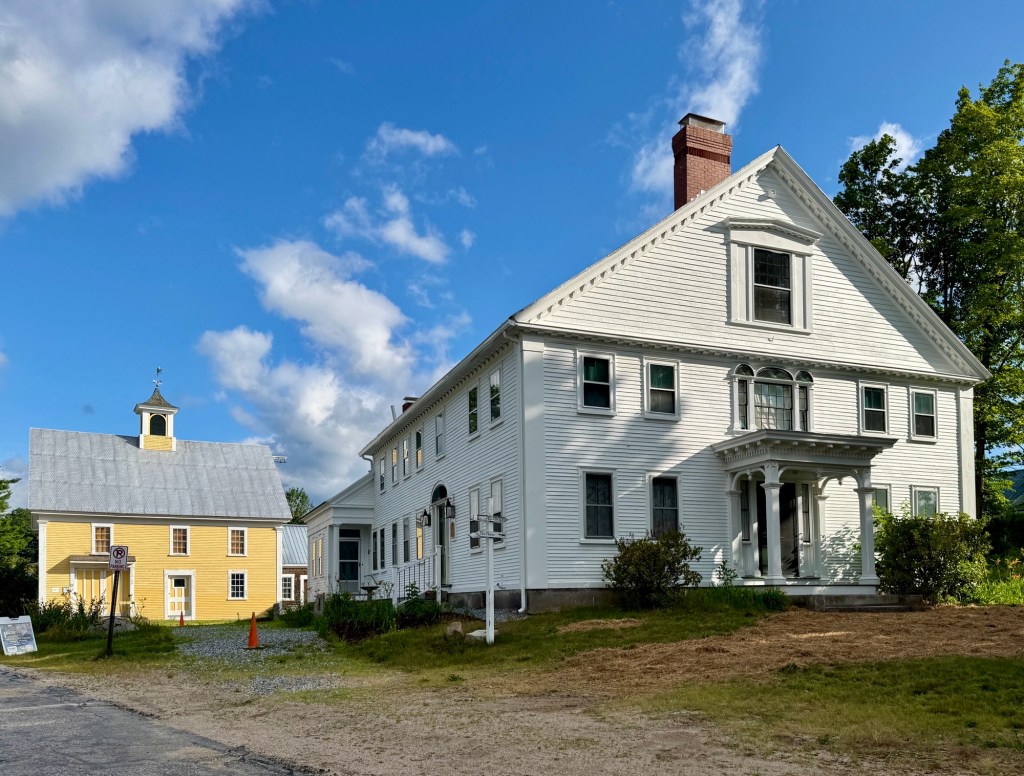
Built in 1824 by Hezekiah Spencer, this beautiful Federal style residence is located on South Main Street in the charming town of Suffield, Connecticut. Hezekiah Spencer (1795-1873) lived and raised his family here with his wife, Cecelia, who farmed the land behind. During the 20th century, the house was occupied by Annie Mearkle, a poet who wrote under the name of Angela Marco. The Spencer-Mearkle House is a great example of a Federal style residence in a side-hall form, with its gable-end oriented to face the street. The house retains its original leaded glass fanlight in the gable and glazed door surround.

Charles Shepard House // 1824

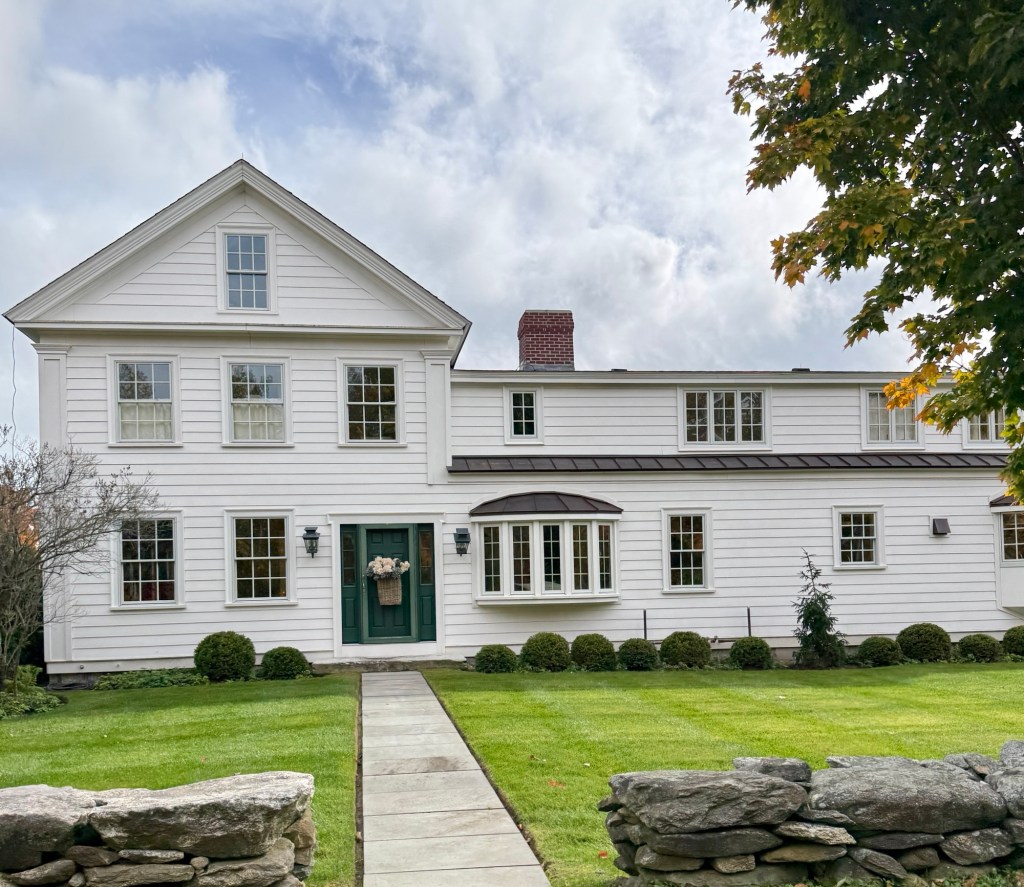
The Charles Shepard House on Main Street in Suffield, Connecticut, is a stately and well-proportioned Federal period residence that contributes to the iconic streetscape of historic homes that have been lovingly preserved by centuries of ownership. The residence was built in 1824 for newlyweds Charles Shepard (1792-1867) and Cordelia King of the wealthy local King Family of Suffield. Charles was a local attorney who practiced in town for a few years until he moved to Hartford following the death of Cordelia in 1825, soon after this house was completed. The large residence was later owned by William Henry Fuller a local businessman and politician. The house features larger first-floor double-hung windows, fan motifs in the flushboarded gable ends, dentilled cornice, and early 20th century rear addition and entry portico on the facade.

Dr. Howard Alden House – “Aldenheim” // c.1794

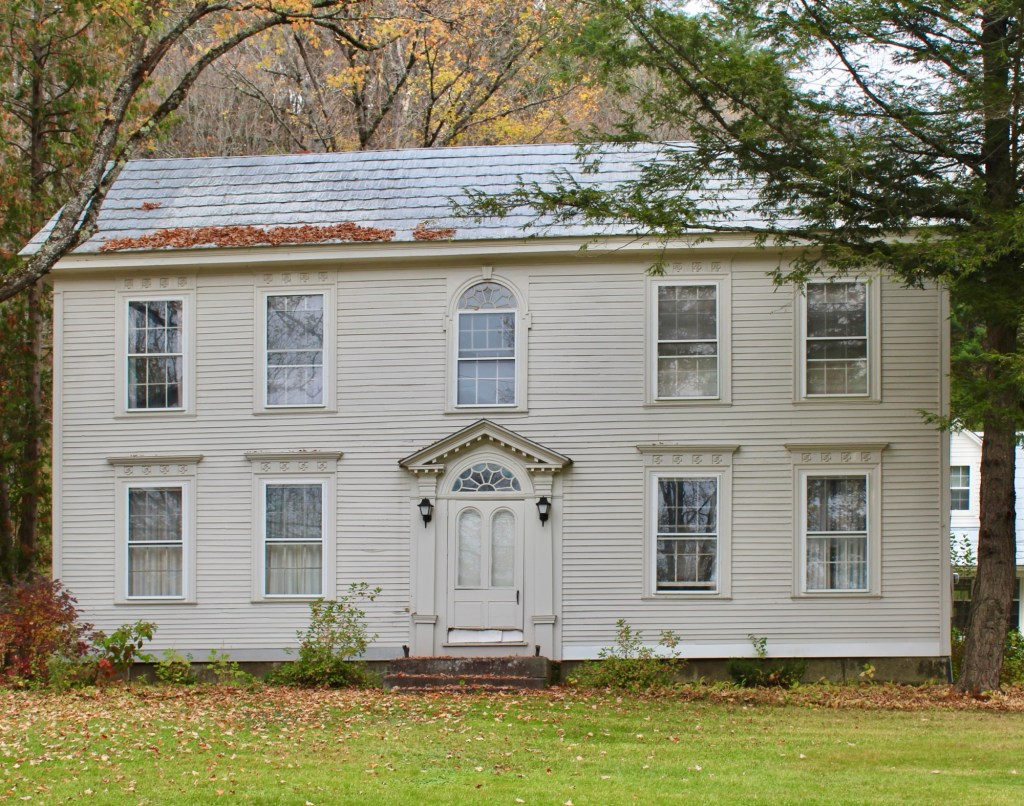
Located on North Main Street in Suffield, Connecticut, the Dr. Howard Alden House (also known as “Aldenheim”) stands as a significant late-18th century estate that has been lovingly preserved for centuries. The residence was originally built in 1794 for Dr. Howard Alden (1760-1841) the main village’s primary physician. The estate remained in the family, first willed to Dr. Alden’s daughter, Susan Alden Pease and later by her daughter, Sarah Pease Fuller and her husband, wholesale tobacco merchant, Edward A. Fuller. While not architecturally ornate, the Federal period residence features a symmetrical facade, center entry with Classical door surround, and dentilled cornice.

Luther P. Jones House // c.1868

While the town of Milford, Massachusetts is arguably best known for its commercial and institutional architecture, there are some excellent examples of preserved homes of nearly every style and vintage. The Luther P. Jones House on Pearl Street is an interesting example of the Italianate style with unique low-sloped gable roof and typical bracketed cornice, side piazza, and bay window on its facade. While the former arched window has been enclosed and the porch columns have been replaced, the house still maintains its architectural significance as an excellent example of its style. The property was owned by Lydia and Luther P. Jones, a provisions dealer, until their deaths in the early 20th century. 

Barney-Sturtevant House // c.1805

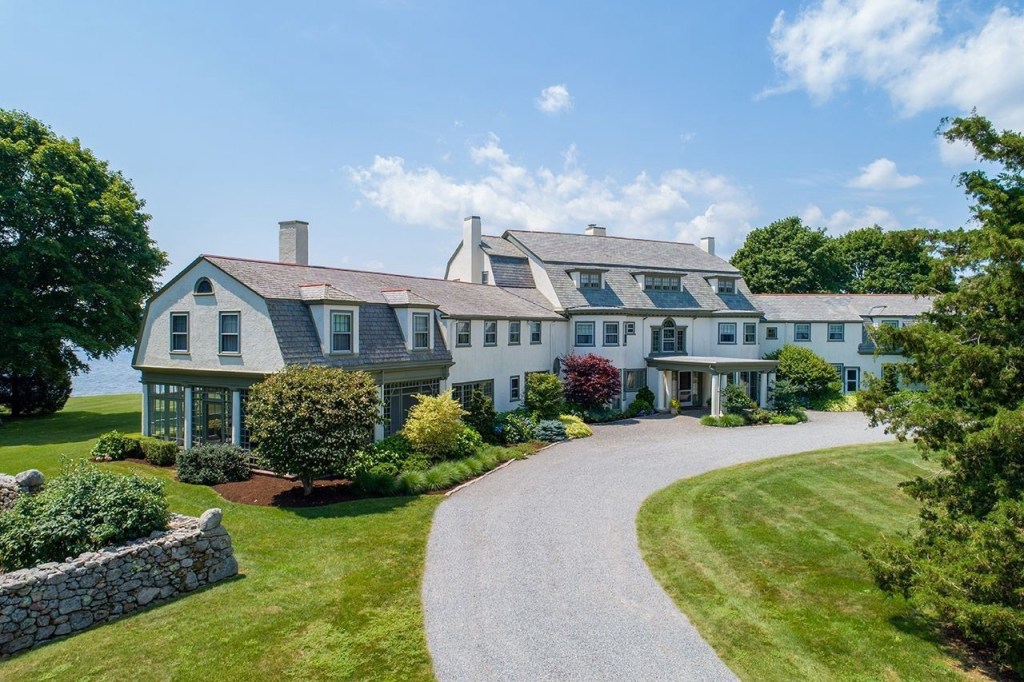
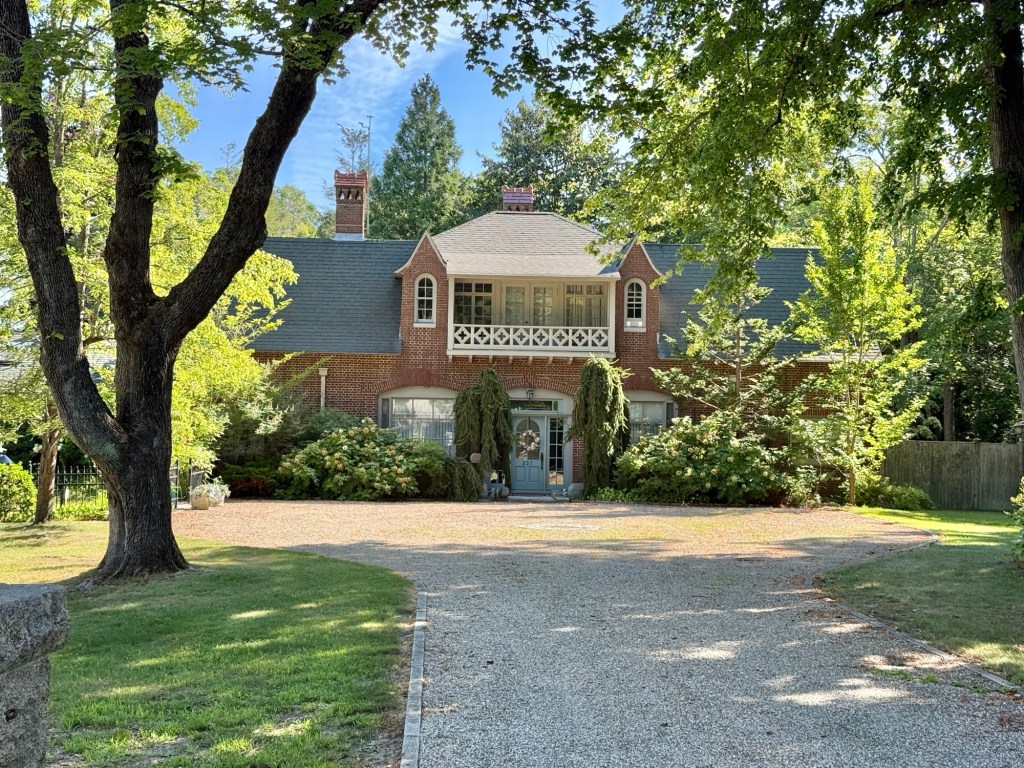
This large mansion in Swansea, Massachusetts, was constructed in the early 1800s for Mason Barney, a shipyard owner, likely by his own shipwrights. Barneyville, formerly known as “Bungtown” in the early 1770s, was a bustling village in Swansea where young men worked from sunup to sundown sawing, filing, shaping, boring, and fastening planks and timbers together for the Barney Shipyard. The shipyard was founded in the 1770s by Jonathan Barney, a prominent boat builder in New England established the shipyard in the 1770s. The Barney Shipyard saw its greatest success under Barney’s son, Mason, in the early 18th century. When Mason Barney (1782-1868) inherited his father’s shipyard, he also had this house built for his family, just a stone’s throw from the shipyard where he could oversee the many ships built and sailed down the river to Warren, Rhode Island, for fitting. By the early 20th century, the shipyard had already closed and this property was purchased by Lorenzo P. Sturtevant, a jeweler who completely updated the old Barney House in the Colonial Revival style, adding the entry porch and oversized dormers. By the end of the 20th century and early 21st, the house was abandoned and decaying until a few years ago when new owners renovated the old Barney-Sturtevant Mansion back to a livable home.

Ebenezer Fisher House // c.1764

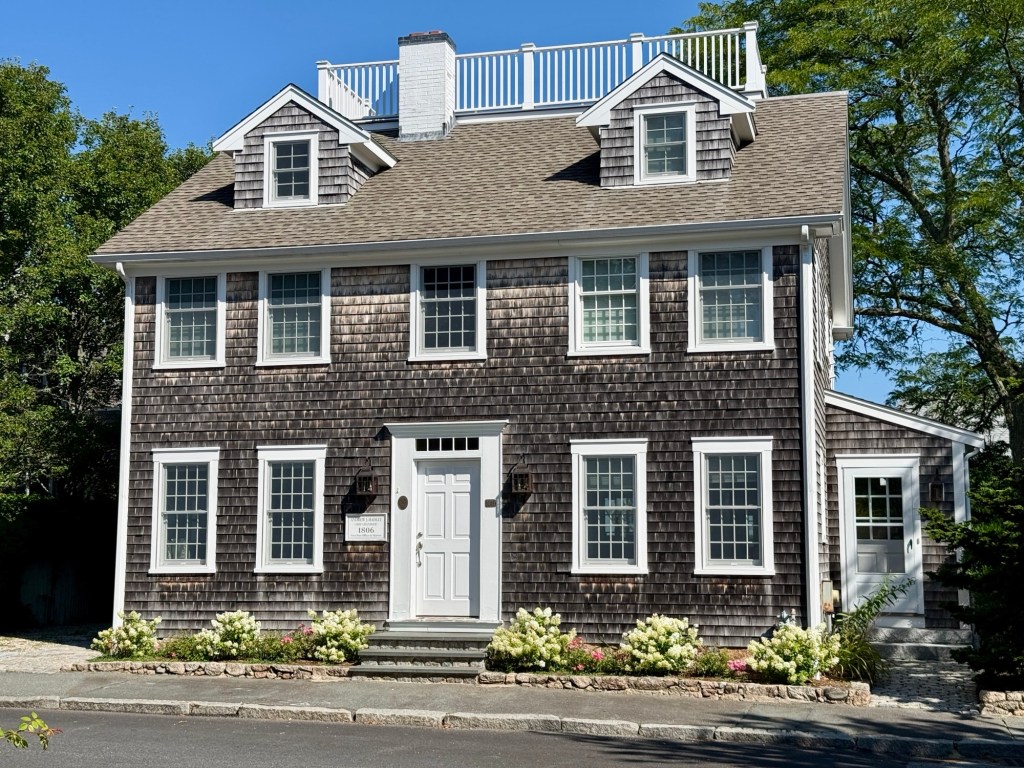
This historic Georgian-era house at 677 South Street in Wrentham, Massachusetts, is one of the town’s most historic and unaltered dwellings. Dating to about 1764, the Georgian Cape farmhouse replaced an earlier house formerly owned by Dr. Cornelius Kollock, the town doctor and later purchased by Ebenezer Fisher. The home is said to have burned and was replaced by the present building around 1764. It is unclear if the original 17th century home was largely rebuilt or if the existing house now was built from the ground up. The home has historically (and even today) been known as the Wampum House, said to have been named after “Wrentham’s last Indian.” This claim highlights a common but harmful misconception that no Indigenous peoples survived colonization and its impacts in New England. However, the name Wampum’s Corner and the Wampum House remain. The house is today owned by the Wrentham Historical Commission, and operates as a historic house museum, though is suffering from some deferred maintenance. It would be important for the community to fully document the home’s history, namesake, and tell a more complete and accurate history of this historic house.

Plimpton-Winter House // 1868

Only in New England will you find a historic 19th century house converted into a bank! The Plimpton-Winter House is located at 127 South Street in Wrentham, Massachusetts, and is among the finest Italianate style houses in the community. The residence was built in 1868 for Francis Newton Plimpton (1828-1913), who worked as a cashier and town treasurer, later becoming President of the National Bank of Wrentham. Two years after Plimpton’s death, in 1915, the house was bought by Murray Winter, who moved to Wrentham with his two brothers and established the Winter Brothers Tap and Dye Factory. The company manufactured gauges and valves during the early 20th century, quickly becoming the town’s largest employer until WWII. In the 1980s, the home was purchased and rehabilitated by the Foxboro Savings Bank to serve as its Wrentham Branch location. Today, the Plimpton-Winter House stands as a TD Bank Branch, where the exterior of the Italianate style residence is preserved, down to its bracketed cornice, ornate trim, bay window, and entry with paired wooden doors. How cool is that?


Goodwin House // 1902

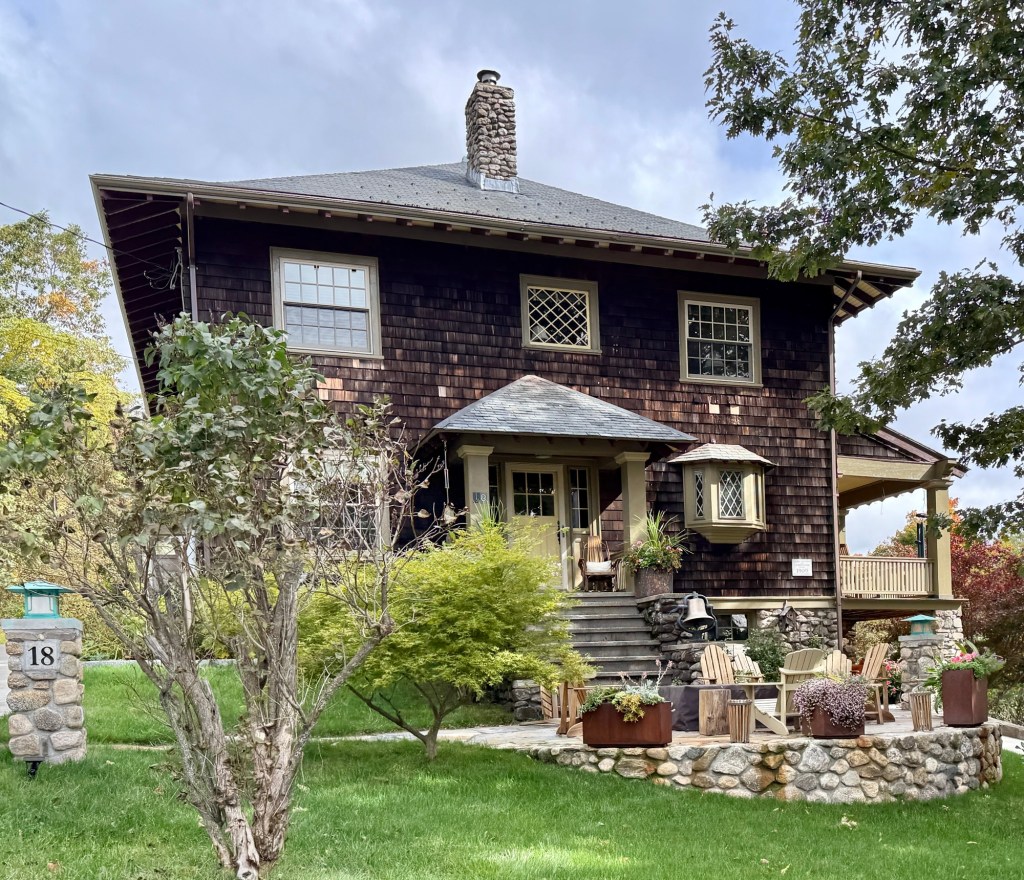
This handsome house in the small town of Richmond, Vermont, was built in 1902 for F. H. Goodwin, a partner of the Richmond Underwear Company, which started in 1900. Goodwin’s brother and his partner were brought from Peekskill, New York to the small town of Richmond to create and manage a new industry to revitalize the town, a program funded by the citizens. F. H. Goodwin was hired as a manager of the company, and built this home in a blending of Shingle and Arts and Crafts styles, common in the early 20th century. The house was unique in that it was the first in town to be electrified as it was directly connected on the grid with the factory next door.

The Larches // 1910

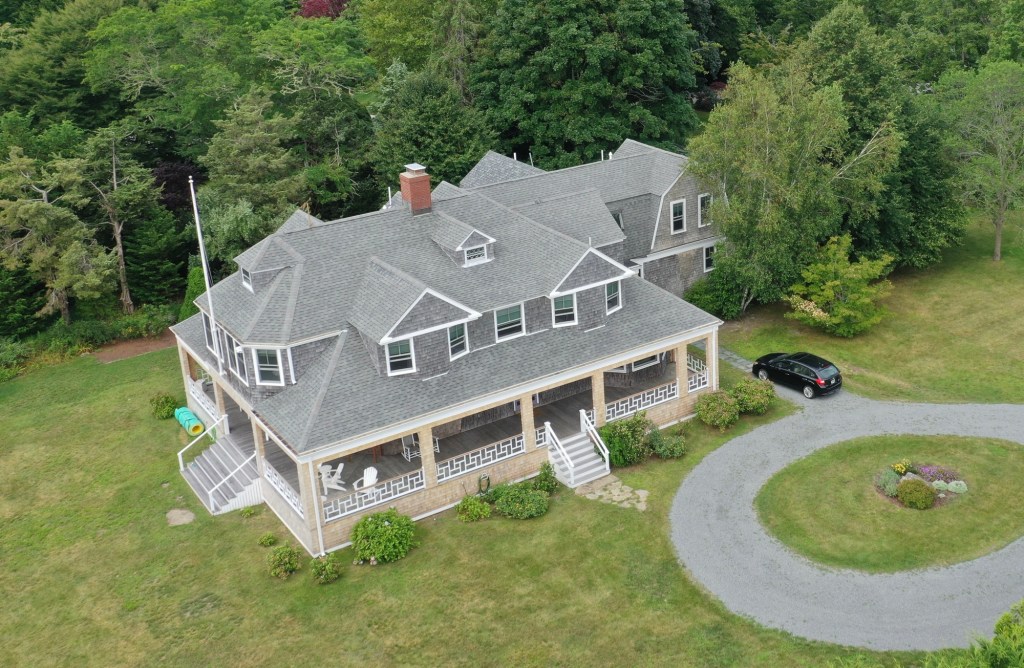
George Otis Draper (1867-1923) was born in Hopedale and attended MIT to prepare to help run the extremely successful family business, the Draper Corporation in town, which was experiencing a period of rapid growth and expansion of factories. With his position at the company, his wealth afforded him the ability to build a massive country estate known as The Larches. The shingled Colonial Revival style home featured a massive crenelated tower and appeared like a castle in the countryside. George O. Draper sold this home to his aunt Hannah Thwing Draper Osgood in 1909, and within a month, the home burned to the ground. She began construction on the “new Larches“, a shingled mansion with a stunning blending of Colonial Revival and Craftsman styles. The home was likely designed by Robert Allen Cook, who was based out of nearby Milford, MA. The property today is run by Crossroads Clubhouse, an employment and recovery center that offers people with mental health conditions opportunities to achieve their full potential.

General Nathan Miller – Commander Joel Abbot House // 1789

The Miller-Abbott House at 33 Miller Street in Warren, Rhode Island, is significant architecturally as well as for its owners, who included a Patriot in the American Revolution and naval officer. The first owner, Nathan Miller (1743-1790) was a prominent local shipbuilder in Warren, Brigadier General of the Rhode Island Militia during the Revolutionary War, and delegate for Rhode Island to the Confederation Congress in 1788. This home was built in 1789, a year prior to his death in 1790; after-which, the general’s daughter, Abigail, and her husband, Charles Wheaton inherited the property and lived here with Nathan’s widow, Rebekah. In 1803, the house was expanded, likely when the right two bays were added to the home. Their daughter Laura married Joel Abbot in 1825 and resided here afterwards. Joel Abbot (1793–1855) was a Naval officer in the War of 1812, and after later important promotions, in 1852, he was made Commander by Commodore Perry. Soon after, Commodore Perry asked Abbot to accompany him on his famous Japan expedition, where U.S. ships sought to explore, surveying, and the establish diplomatic relations and negotiate trade agreements with the various nations in Japan, the first time in history. General Abbot died in Hong Kong in 1855 and his body was returned to Warren for burial. The Miller-Abbot House remains well-preserved despite replacement windows and retains its large side and rear yards in the dense downtown.

Leet-Ely House // c.1787

One of the finest homes in Chester, Connecticut, can be found on Liberty Street, a short distance to the village green. The Federal style house dates to about 1787 and was built by Gideon Leet, a Revolutionary War veteran and joiner as his own residence. After Gideon’s death, the property was purchased by Dr. Richard Ely (1765-1816), who may have expanded the residence, and worked locally as a town doctor. The property remained in the Ely familyfor generations and minimal changes have occured to the exterior as a result of this. The modillon cornice, corner quoins, and fanlight transom sheltered under a columned portico add to the charm of this great house. 

Southworth House – Deep River Historical Society // 1842

The Southworth House, also known as the Old Stone House, in Deep River, Connecticut, is a significant example of a stone, Greek Revival style house built for an important local family. The Southworth House was constructed in 1842 for Deacon Ezra Southworth (1803-1859) from stone harvested from one of the Southworth family’s quarries. Ezra was the son of local shipbuilder, Job Southworth who began building ships at the Deep River landing in the 1790s. Ezra Southworth branched off into manufacturing, becoming a partner and patent holder producing ink wells. His son, Ezra Job Birney Southworth (1844-1919), went into business with his father-in-law in shipping and served as a member of the State Legislature twice. In 1882, Ezra Jr. added the wooden ell onto the rear of the Stone House along with the wrap-around veranda and likely the rear barn as well. Ada Gilbert Southworth Munson was Ezra J. B. Southworth’s only child to live to adulthood and inherited the family home. She was a founding member of the Deep River Historical Society and bequeathed her family home to the Society in 1946, who have maintained the significant home here ever since. 

Captain Calvin Williams House // c.1820

This Federal period stone house with a later Victorian-era porch, is located on Kirtland Street in Deep River, Connecticut, an area dominated by homes built for sea captains and ship builders in the 19th century. Calvin Williams (1785-1833) married Eunice Southworth of Deep River in 1809, and in 1820, built this stately home from granite from the Southworth family quarry. Captain Williams did not get to enjoy his home much as he was often out at sea commanding shipping vessels out of New York. Likely due to failing health, in 1832, Capt. Calvin Williams retired from the sea and returned to his home on Kirtland Street before he died in August of 1833. Federal style features of the house, like the elliptical fanlight and modillons in the gable and a fanlight over the main entry remain, while later alterations after his death include the spectacular enclosed porch from the late 19th or early 20th century.