Wheatleigh // 1893

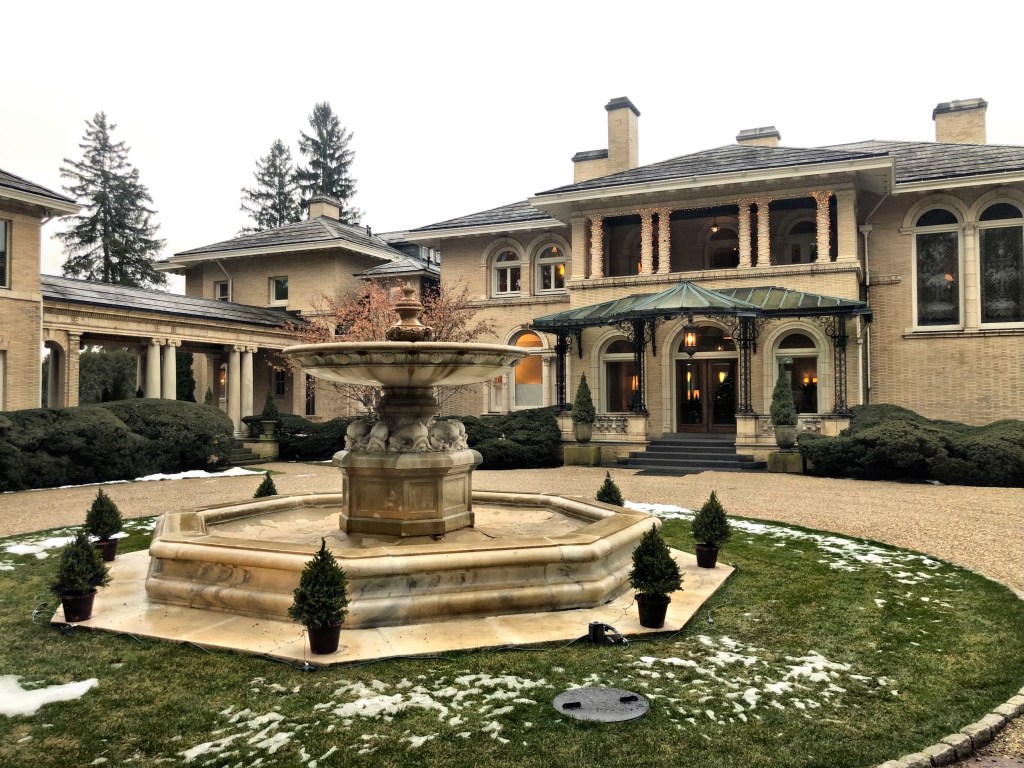
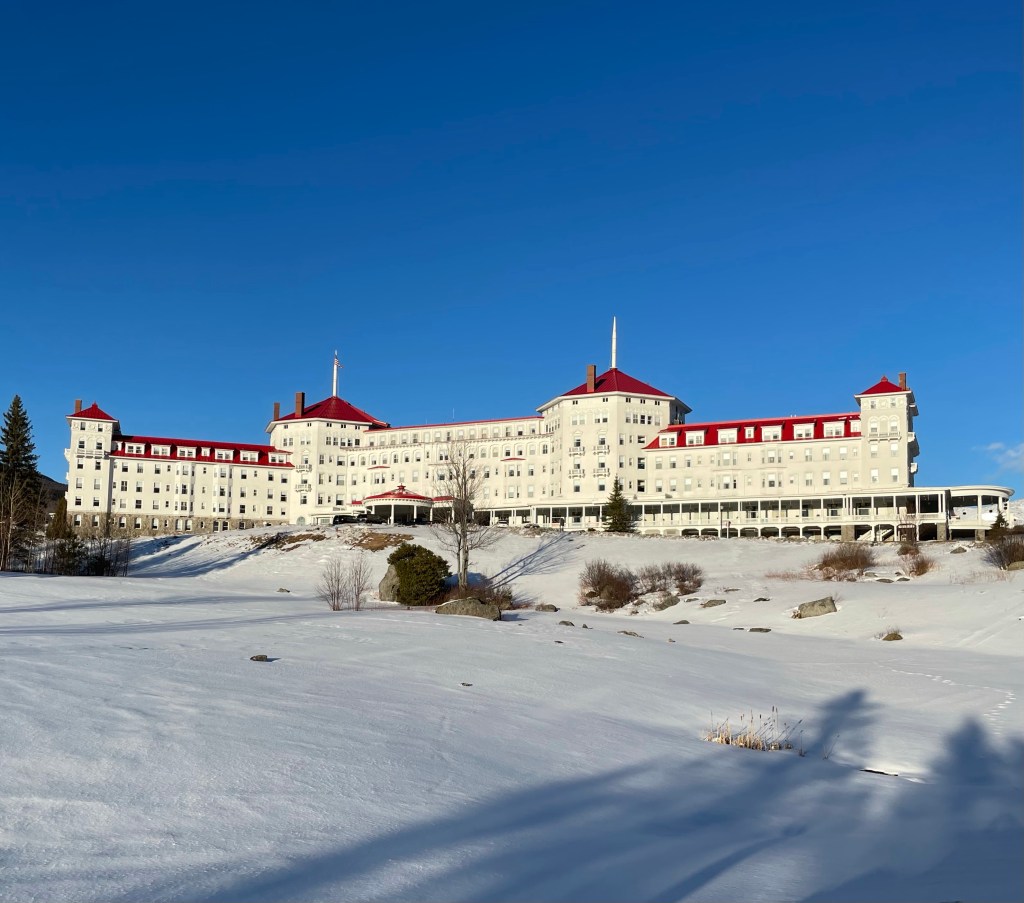
Designed in 1893 by the Boston architectural firm of Peabody and Stearns, Wheatleigh is an early example of Renaissance Revival architecture which became popular for country estates in the early 20th century. The estate was constructed for Henry Harvey Cook, who purchased over 250-acres of forest and lawns overlooking Lake Maheenac for his summer “cottage”. Cook was a New York-based businessman who made his fortune in the railroad and banking businesses, and he wanted a summer house to escape to every year. He named his home “Wheatleigh” as an homage to his family’s ancestral home, Wheatley, Oxfordshire. The mansion is approached by a circular drive that terminates in a formal entrance court partially enclosed by a buff brick wall and evergreen trees, centered on an octagonal marble fountain decorated with a shell and leaf motif. Upon Cook’s death in 1905 Wheatleigh passed to his daughter, Georgie, the Countess de Heredia. Under her ownership the formal garden was opened for evening worshipping services and musical events. Following de Heredia’s death in 1946 the property was divided and changed hands numerous times. In 1976 the mansion and 22 acres were opened as a resort hotel, known as the estates historic name. The Wheatleigh remains one of the most esteemed luxury hotels in the country.

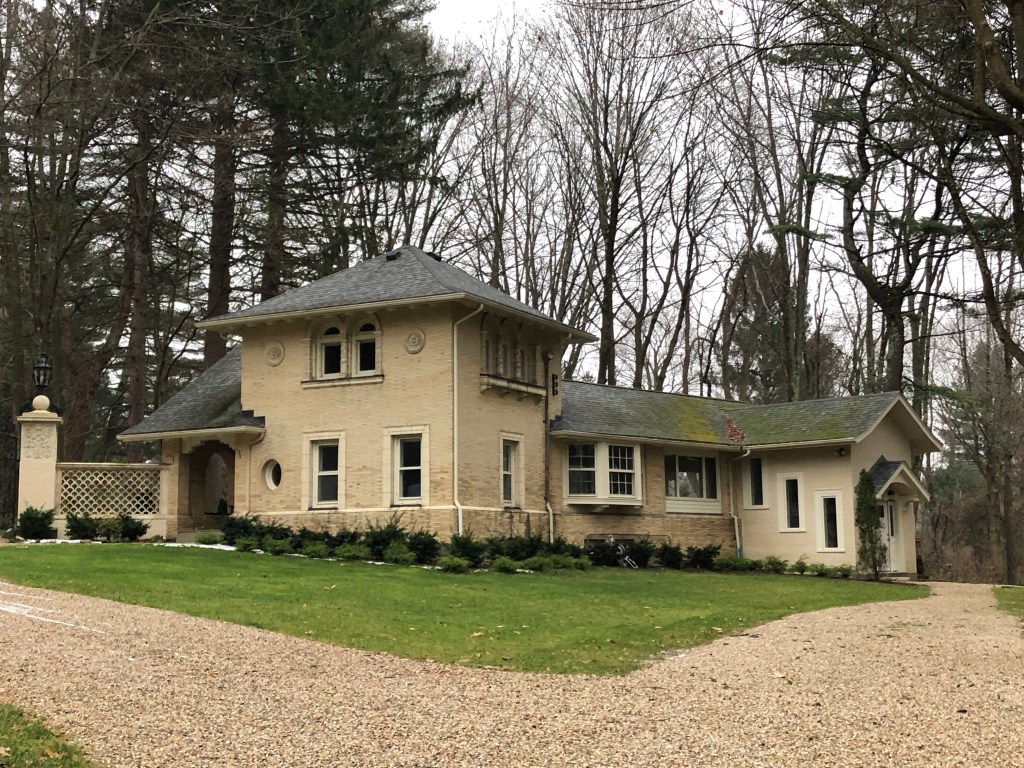
Wheatleigh Caretaker’s house (1893)

Macy’s Department Store – Herald Square // 1902

Thanksgiving in the days of Covid-19 will be different in more ways than one. A notable loss will be the absence of the annual Macy’s Thanksgiving Day Parade in New York, which has been a national pastime broadcast on televisions for millions of Americans every year. The six-mile route through the city, giant balloons and all, would end at Macy’s Herald Square, the flagship store of the department store chain. The building (one of the largest stores in the world) was completed in 1902 and its 2.5 million square feet of space, occupy an entire city block. The building was designed by Interestingly, in 1900, a small five-story building on the corner of 35th and Seventh was purchased by Robert H. Smith in 1900 for $375,000 ($11.5 million today). The idea had been to obstruct Macy’s from becoming the largest store in the world. It is largely supposed that Smith, was acting on behalf of Siegel-Cooper, which had built what they thought was the world’s largest store nearby in 1896. Macy’s ignored the tactic and built around the building, which now carries Macy’s “shopping bag” sign by lease arrangement! Oh, and Macy’s even hired the same architect for their department store that Siegel-Cooper used for their building, Theodore de Lemos, adding insult to injury. A great example of a spite building!

1908 image of Macy’s Herald Square courtesy of LOC.

Flatiron Building // 1902

The 22-story Flatiron Building in New York is easily one of the most recognizable and iconic buildings in the world. Built in 1902, the building replaced a collection of smaller commercial buildings on one of the most visible lots in this section of the city, thanks to the convergence of 5th Avenue and Broadway at Madison Square Park. The lot was developed by Harry S. Black, President of the Fuller Company, a general contracting company whose specialty was the construction of skyscrapers for their own offices. The company hired Chicago architect Daniel Burnham, who was known throughout the world for his skyscraper designs. Upon completion after just 9 months of construction, the building was called the “Fuller Building”, which was quickly overtaken by the public who named the building the “Flatiron” thanks to its footprint resembling an old flat iron. The building was recently vacant and has been undergoing a complete update inside with sprinkler systems, new floorplans and HVAC.

Lebowich Tenement House // 1895

One of the most photographed buildings in North End is arguably this tenement block, built in 1895 at the corner of Prince and Salem Streets. As the North End continued to redevelop into a diverse immigrant community, tenement houses were constructed by those with the means, providing housing at low cost to those who arrived to Boston in the late 19th and early 20th centuries. Max and Etta “Ethel” Lebowich, Russian Jews, immigrated to Boston, settling in the Jewish quarter of the North End and opened up a dry goods store at the corner. The business did well, and the couple redeveloped their land and hired Swedish-born architect Charles A. Halstrom, to design the prominent apartment house. The Renaissance Revival building features massive pressed metal oriels and brick and stone construction. I am unsure if the oriels are truly copper, which would have been fairly expensive for a tenement building, or if they are pressed tin. Any insight would be much appreciated.

Lincoln Wharf Power Station // 1901

Back in the day, even power stations were gorgeous!

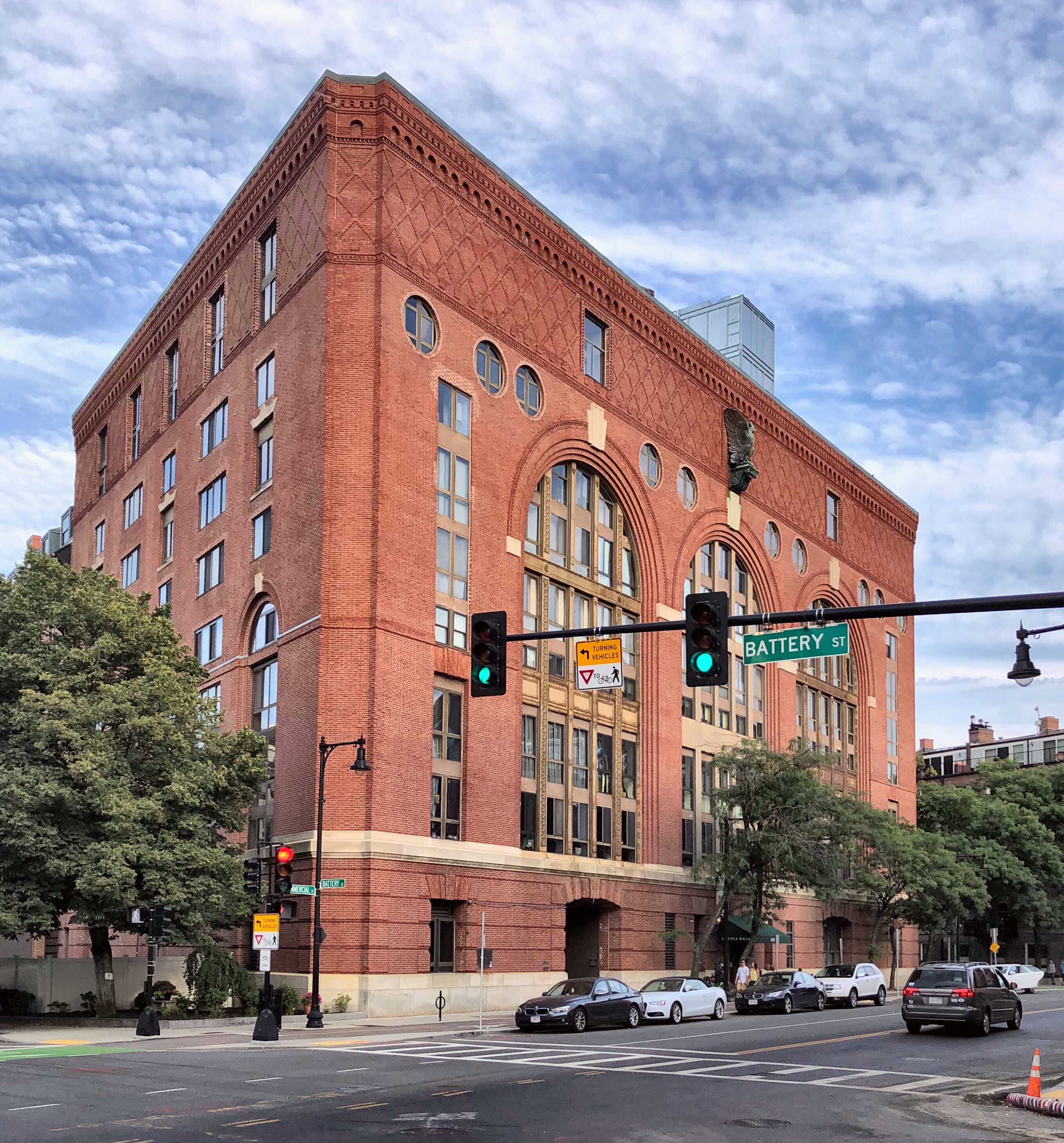
The Boston Elevated Railway Company, and its successor, the Massachusetts Bay Transportation Authority (MBTA), operated Lincoln Wharf Power Station from 1901 to 1972. The Boston-based engineering firm of Sheaff & Jaastad, specialists in electric power and lighting plants, designed this 1901 power station to serve the Atlantic Avenue Line and provide supplementary
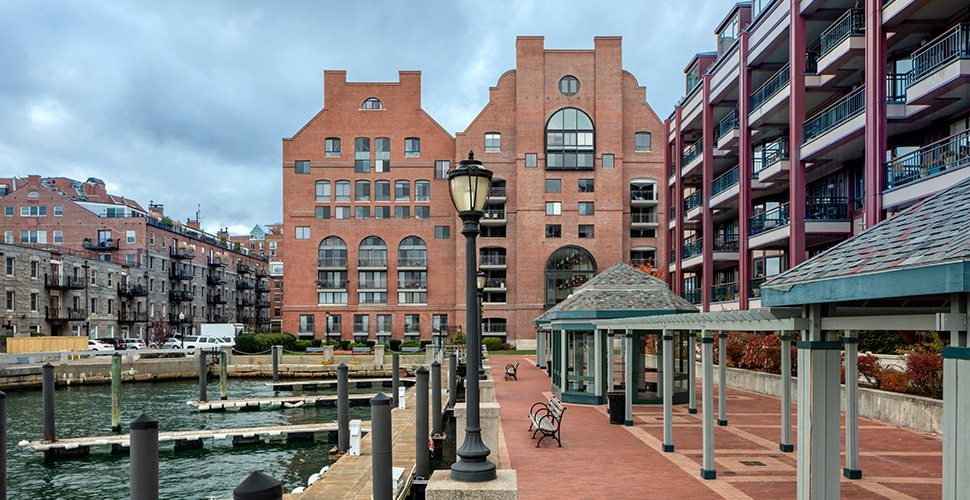
power for the Downtown Boston elevated and surface lines. Due to increased demand in 1907, a massive addition was constructed at the rear, facing Commercial Street, which now is the main orientation of the large structure. By 1971, all elevated tracks powered by this station were removed and the power station was sold by the MBTA to a private developer for housing. Eventually, San Marco Housing Corporation, hired the Boston Architectural Team, Inc., to renovate the power station in 1987 for low- to moderate-income housing. The result is an innovative and stunning example of adaptive reuse providing much-needed housing, while retaining historic fabric of old Boston.

1901 Power Station viewed from waterfront.

Richards Building // 1859

One of my favorite buildings in Downtown Boston is the Richards Building on State Street for its rare and lavish cast-iron facade. Built in about 1859, the building was developed by Quincy A. Shaw and Gardiner H. Shaw (uncles of Robert Gould Shaw, who led the famed African American regiment that is the subject of St. Gaudens’ and Charles McKim’s Boston Common monument), merchants who then leased out commercial space in the building. The architect of the building is unknown; however, the sheet metal was supplied by E.B. Badger & Sons. The original design was a five-story, eight-bay cast iron front structure, in the Northern Italian mode of the Renaissance Revival style. The facade is only a screen attached to the front of the building. It is made of pieces of cast iron that were fabricated in Italy and bolted together in Boston. In 1889, the building was sold to Calvin A. Richards, a wealthy street railway tycoon and it is presumed that the two upper stories and corner oriels were added at that time. The building features one of a handful of extant cast-iron facades in Boston, which was restored in the 1980s.