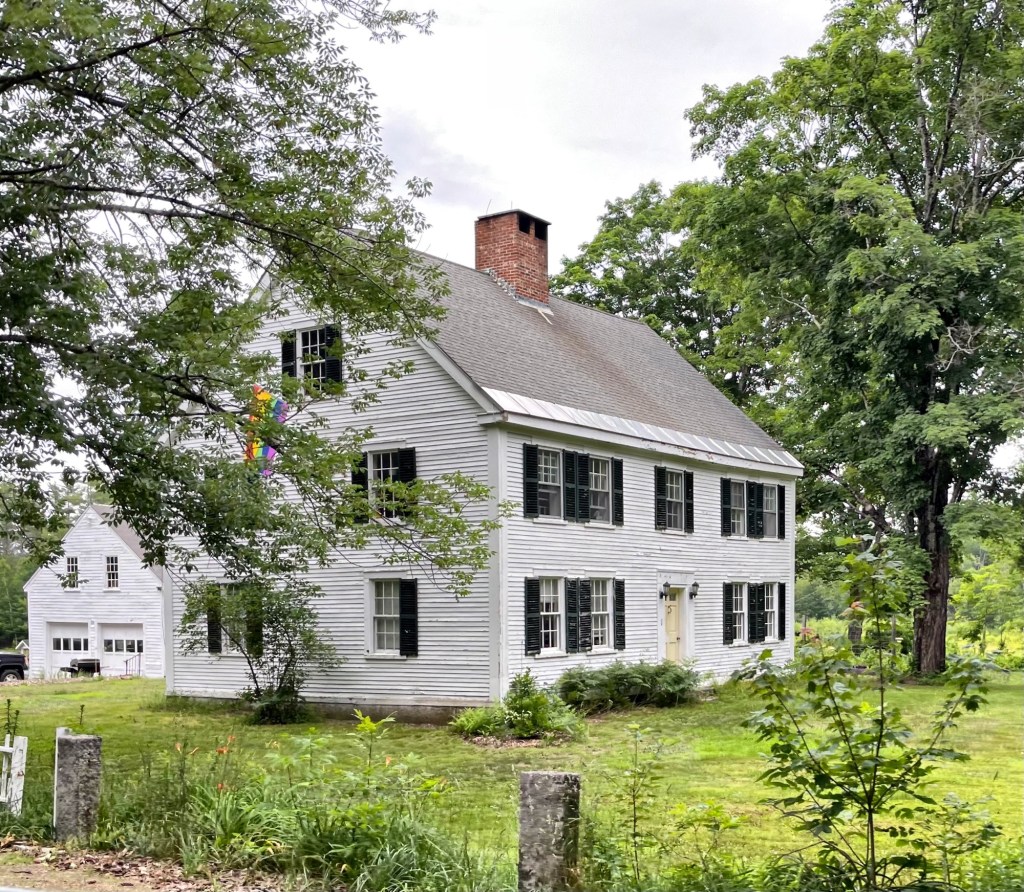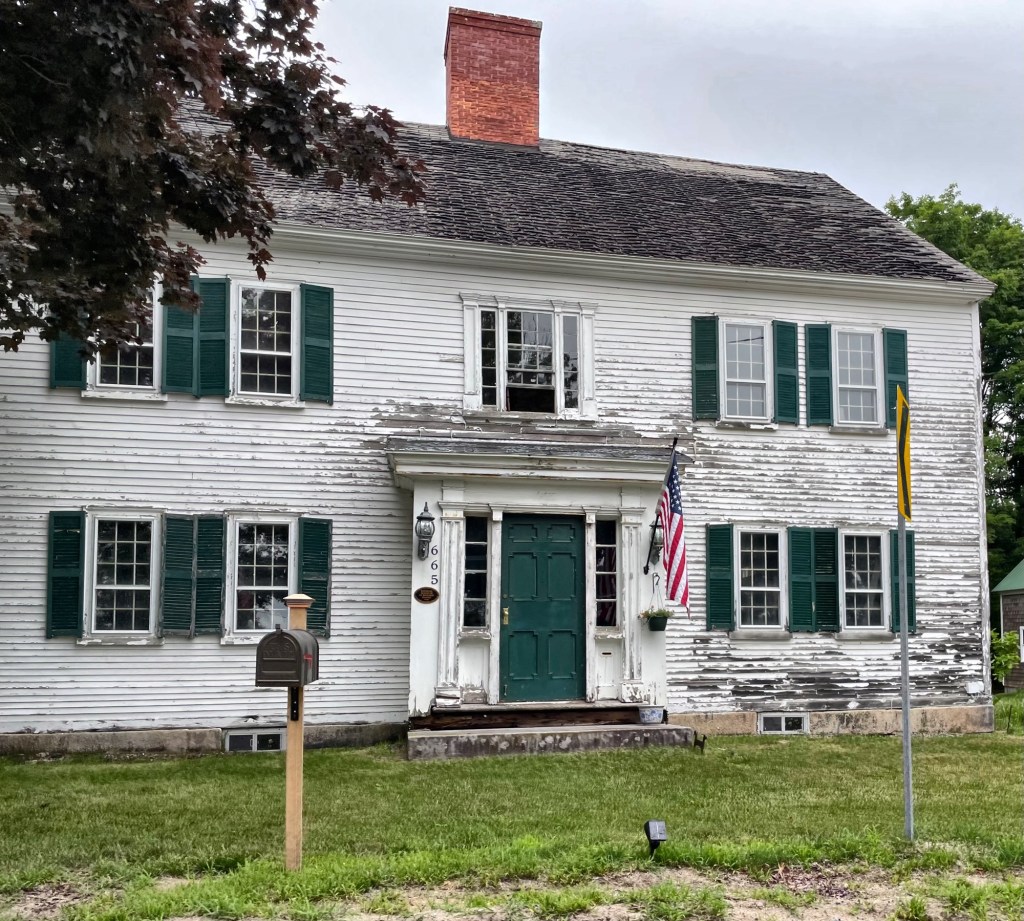
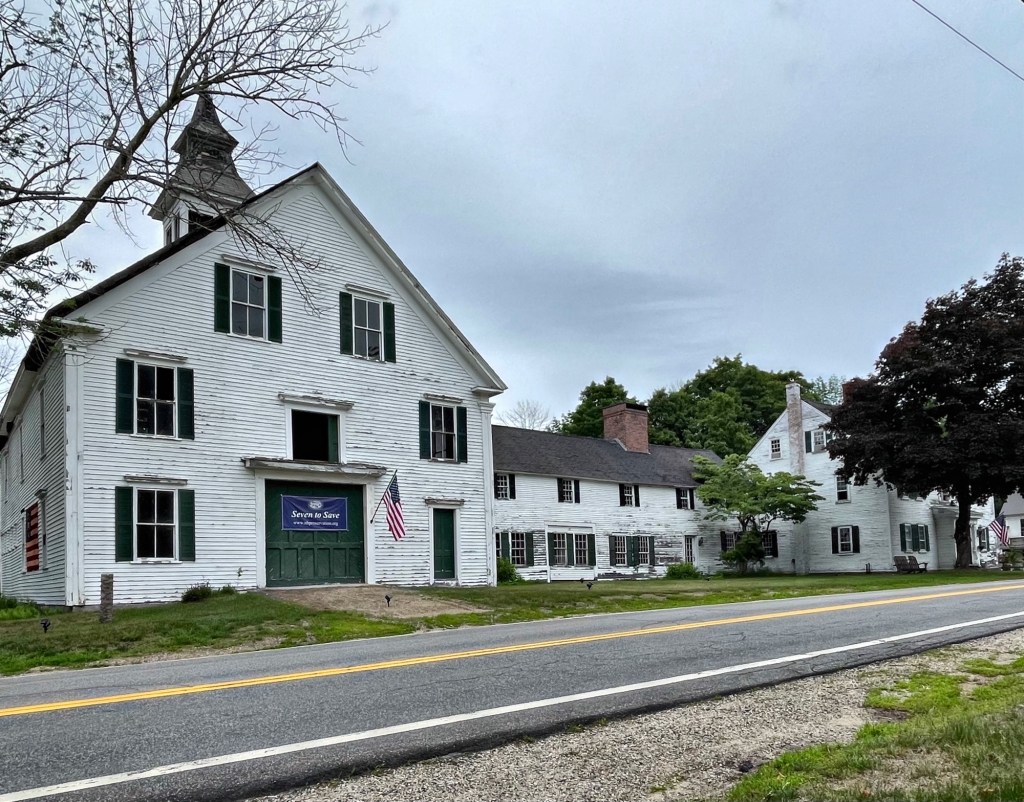
Lord’s Tavern // c.1792

Isaac Lord (1772-1838), the namesake of Lord’s Hill, came to Effingham, New Hampshire by 1791. An enterprising man, he was the most important figure in the village’s early history and in its architectural development. By 1792, Lord opened Effingham’s first store on the Hill, and soon thereafter began building a house that also served as the local tavern, this Federal style structure. As Lord prospered as a merchant and innkeeper, he enlarged the Tavern with a large ell connecting the main block to the 3-story barn. The fine Federal tavern was embellished with a vestibule and a triple window. The high quality of the Tavern foretold the character and scale of Isaac Lord’s later buildings nearby. The Tavern stayed in the extended family until 1903. Throughout the 20th century, the property was used as an inn and restaurant, including a stint as a dance hall. By the 21st century, though, deferred maintenance and successive attempts to fix the building ended in mortgage sales, foreclosure, and most recently, a tax deed, the the Town of Effingham recently acquired the property with the aim to restore the significant building. It was sold to a private owner in May 2024 and awaits its future. The Lord’s Tavern was listed in the New Hampshire Preservation Alliance’s ‘Seven to Save’, to advocate for its preservation and funding.
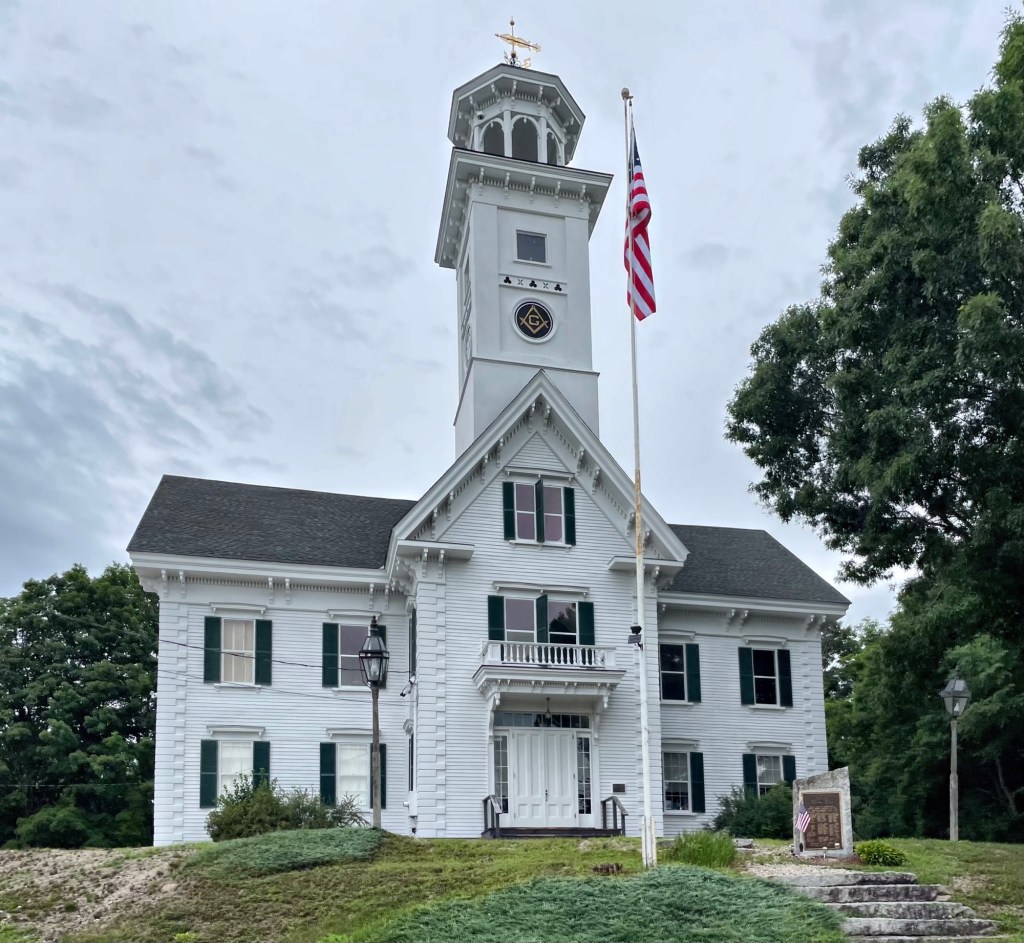
New England Masonic Charitable Institute // 1858

The New England Masonic Charitable Institute building is located in Center Effingham, New Hampshire, and is among the rural town’s most impressive structures. The structure was built in 1858 by the Charter Oak Lodge No. 58 of Free and Accepted Masons as a school to educate orphans of Masonic members, but they also admitted local students. It is the only known school building purposely constructed by Masons in the United States. Classes were conducted from 1861 to roughly 1882 with students boarding with local families. The impressive Italianate style building is dominated by a six-story bell tower supporting an octagonal cupola, and exhibits many architectural details including the corner quoins, paired eave brackets, and dentilled cornice. Charter Oak Lodge No. 58 sold the building to the Town of Effingham in 1891 for one dollar but retained rights to the second floor temple room in perpetuity. The walls and ceilings of the Lodge’s temple space are covered with trompe l’oeil murals attributed to Massachusetts painter Philip A. Butler. Images of classic sculptures, architectural details and Masonic symbols, including the All-Seeing Eye, are incorporated into the paintings. Heavily water-damaged in the late 1980s, they have since been restored. The building remains occupied by the Effingham Public Library, what a library building for a town of just 1,700 residents!

Dearborn-Keay House // c.1772

The town of Effingham, New Hampshire, was settled by members of the Leavitt family of HamptonNew Hampshire, led by Captain John Leavitt. From them the settlement first took the name “Leavitt’s Town”. In 1749, the land here was officially granted by Governor Benning Wentworth, and he renamed it “Effingham” for the Howard family, who were Earls of Effingham in England and who were related to the Wentworths by marriage. The town was incorporated in 1778, six years after this house was built. This is the Dearborn-Keay House, a 1772 Colonial home in Effingham, built by Benjamin Dearborn, who was an early settler of the area from Hampton, New Hampshire. The homestead was enlarged by his nephew Asahel Dearborn in the early 1790s, giving the home its present appearance. After later ownership in the Dearborn Family, the property was purchased by Cyrus Keay, who would die in the home in 1894. The property remained in the ownership of the Keay family for many years more.