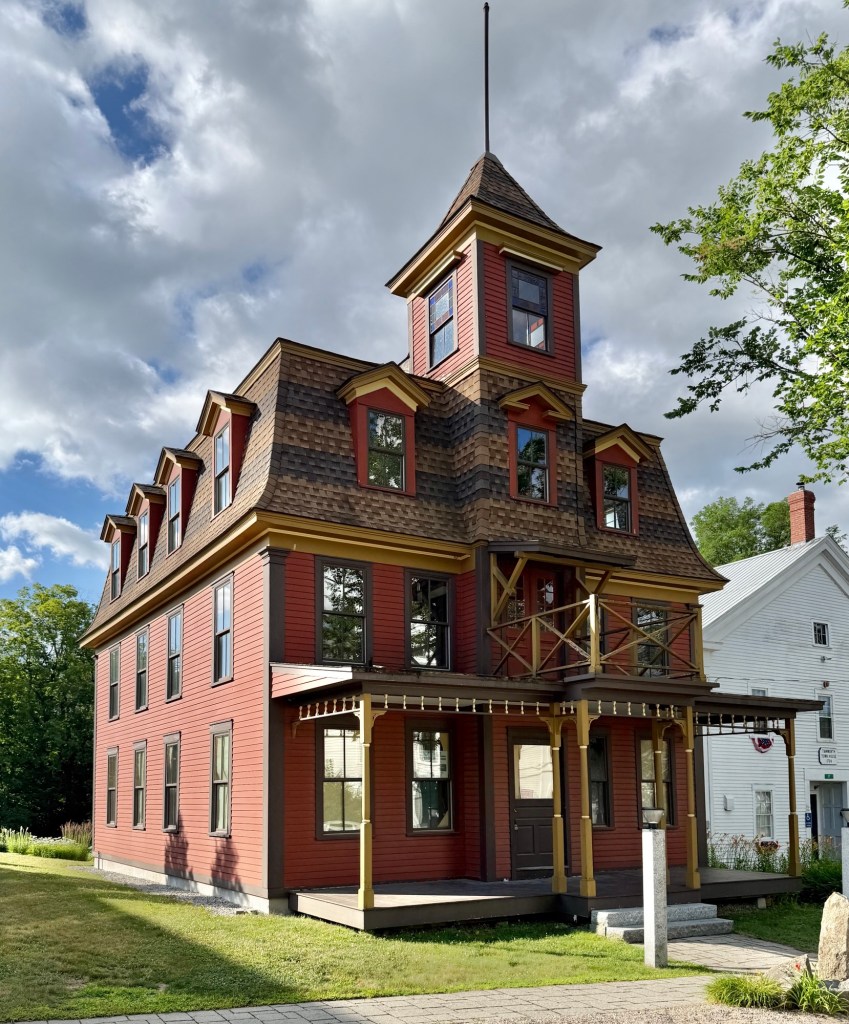
Tamworth Inn // 1888

The architecturally distinctive Tamworth Inn, sits in the center of Tamworth Village, New Hampshire, and is now home to one of the most innovative and experimental distilleries in the country. The inn got its start in 1888, when owner Arthur Elliot Wiggin (1842-1913) saw the seasonal demand for lodging every summer to this region of New Hampshire, and completely expanded and renovated his Gothic Revival style home into a Second Empire style inn. Arthur Wiggin grew up in Tamworth and trained as a carpenter and likely oversaw the design and construction of his inn, originally called the Wiggin House but renamed Tamworth Inn by the 1890s. Wiggin eventually went bankrupt and by the 1930s, the inn was owned by hotelkeepers Fred Chesley and Violette Huntress of Boston who managed a hotel there and the Tamworth Inn during summers. Fred Huntress was an avid sports fan and ran an athletic gym, called the Tamworth Garden, which was built from a converted 19th century barn. In 1931, he sold the Tamworth Garden to Francis Cleveland as the first home of the Barnstormers Theatre. The property was more recently purchased by the Tamworth Distilling & Mercantile, who demolished about half of the inn, preserving the end structure as part of their Tamworth property. The old barn, which was once the Tamworth Garden is also restored and today serves as the company’s barrelhouse.
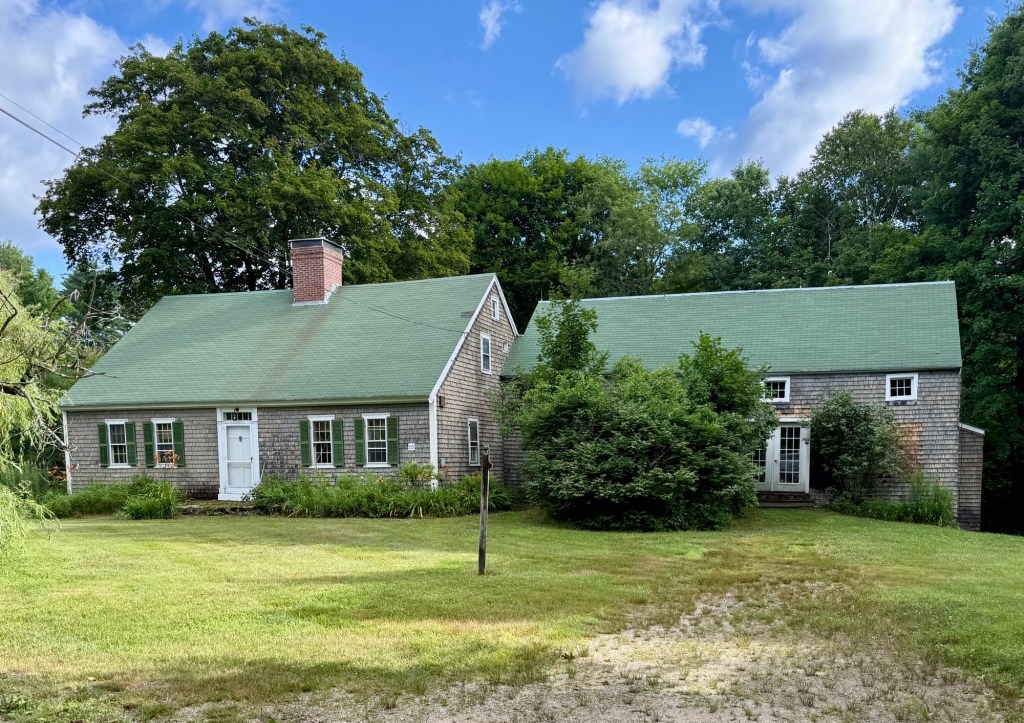
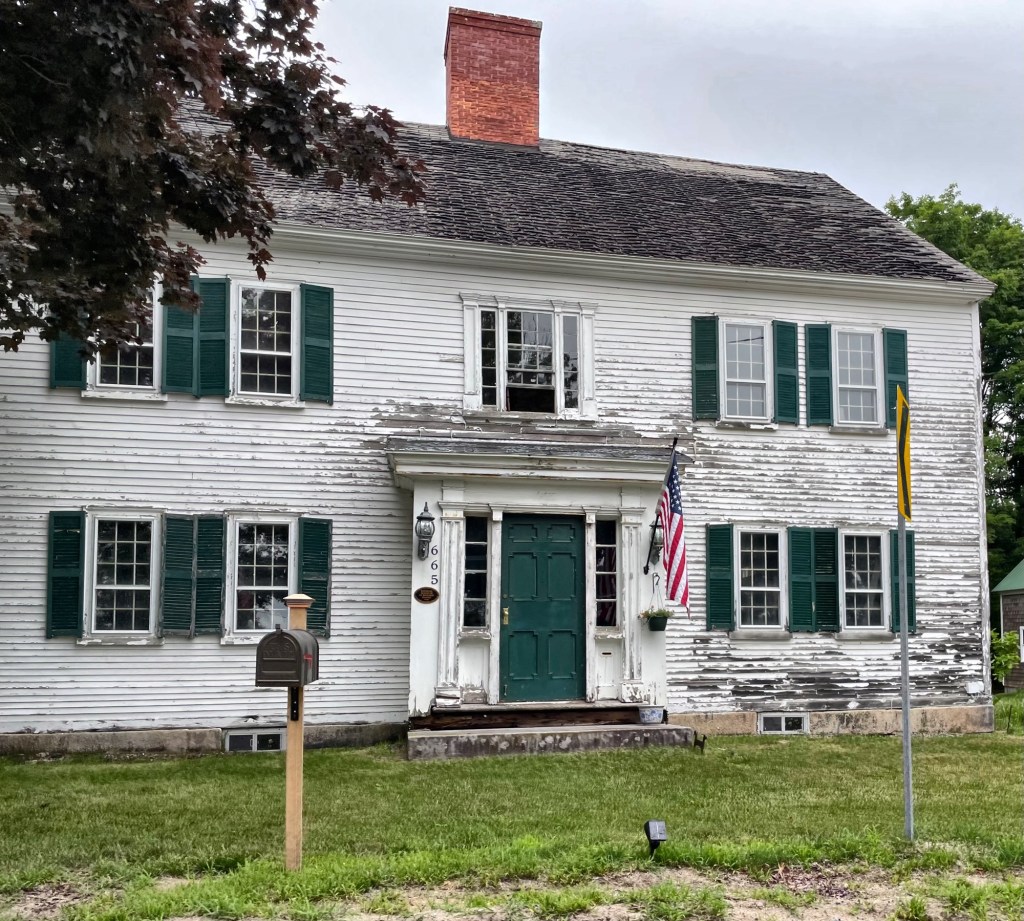
Deacon Chesley House // c.1798

The Deacon Chesley House sits on Hollow Hill Road just outside the village of Tamworth, New Hampshire, and is a quintessential example of a rural New England farmhouse. The residence was built around 1798 and is associated with owners, James Jewett Chesley (1813-1908) and Eliza (Chapman) Chesley. James was the Deacon of the village church and farmed the land here utilizing the various barns and outbuildings. The Federal style farmhouse is in a cape form with center entrance and chimney and covered with cedar shingles.

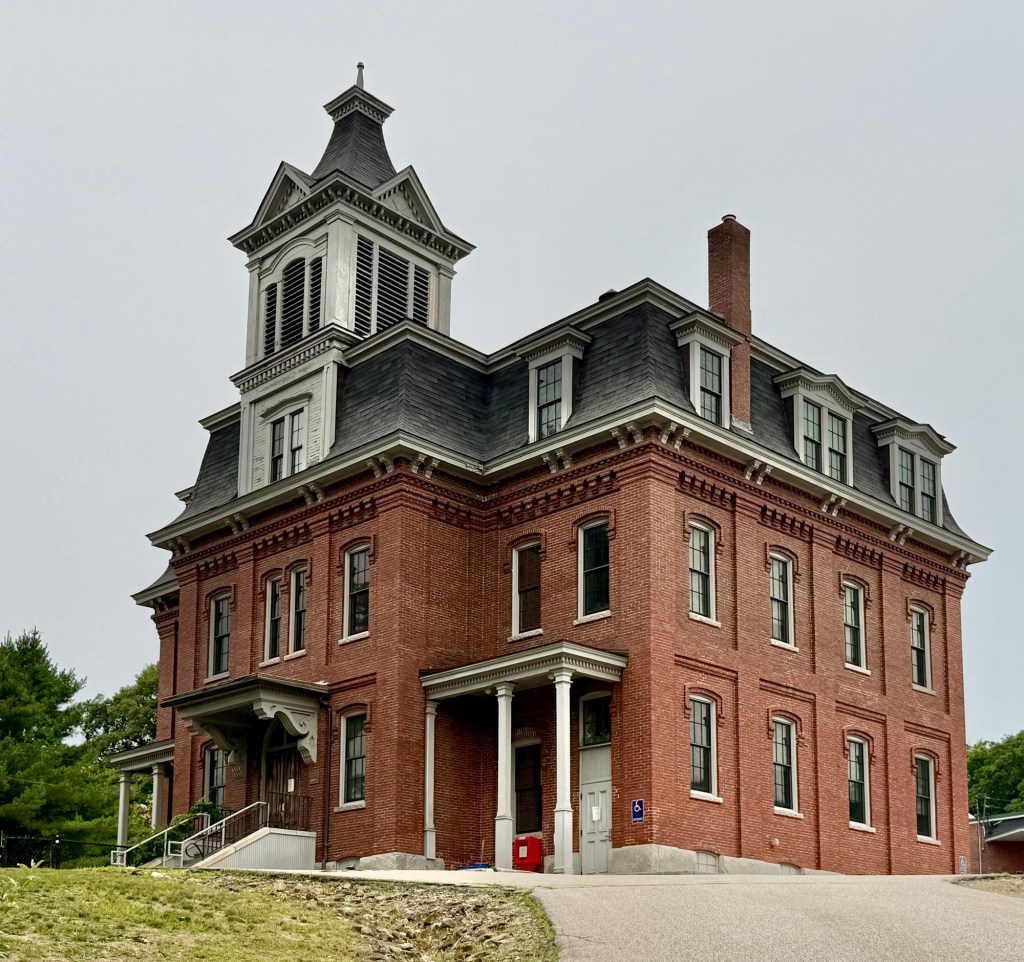
Former Ashland Junior High School // 1877

The former Ashland Junior High School stands on a rise overlooking Ashland’s village center, on School Street just east of the entrance to the modern Ashland Elementary School. It is a three-story brick building designed in the Second Empire style and is topped by a mansard roof. The exterior is little changed from its original construction, although the interior has been subjected to period modernization after decades of vacancy and conversion to offices. The school was built in 1877 in response to the poor conditions of Ashland District Schools at the time. The school was closed in 1990, and the town voted to demolish it in 2000. The building was listed in the New Hampshire Preservation Alliance’s Seven to Save in 2007. A community effort rescued the building from that fate, thanks to the Ashland Historical Society which advocated for the sale of the building and subsequent restoration by the Tri-County Community Action Program, which occupies the building to this day. Preservation wins!

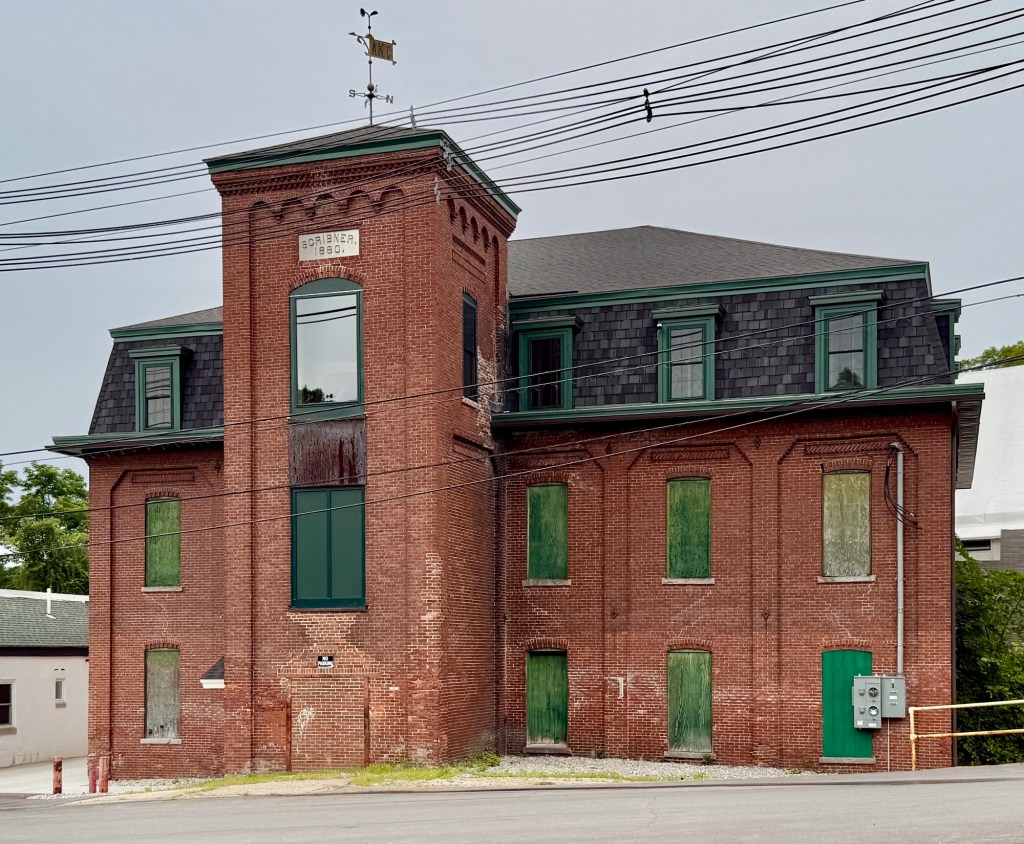
Scribner Mill // 1880

The Scribner Mill building in Ashland stands as an architecturally and historically significant industrial building that tells the story of the community as a manufacturing center of the lakes region of New Hampshire. Built in 1880 by owner Ambrose Scribner, the brick structure served as a hosiery factory and is a late example of a mill building in the Second Empire architecture style. Owners today have spruced up the building which had previously been left vacant, to rent as office and light manufacturing space by Minus33, a merino wool apparel brand, and the purchased helps to reclaiming the important textile heritage of New England. The building retains its iconic mansard roof, brick corbeled cornice and entry tower, though many window remain boarded up.

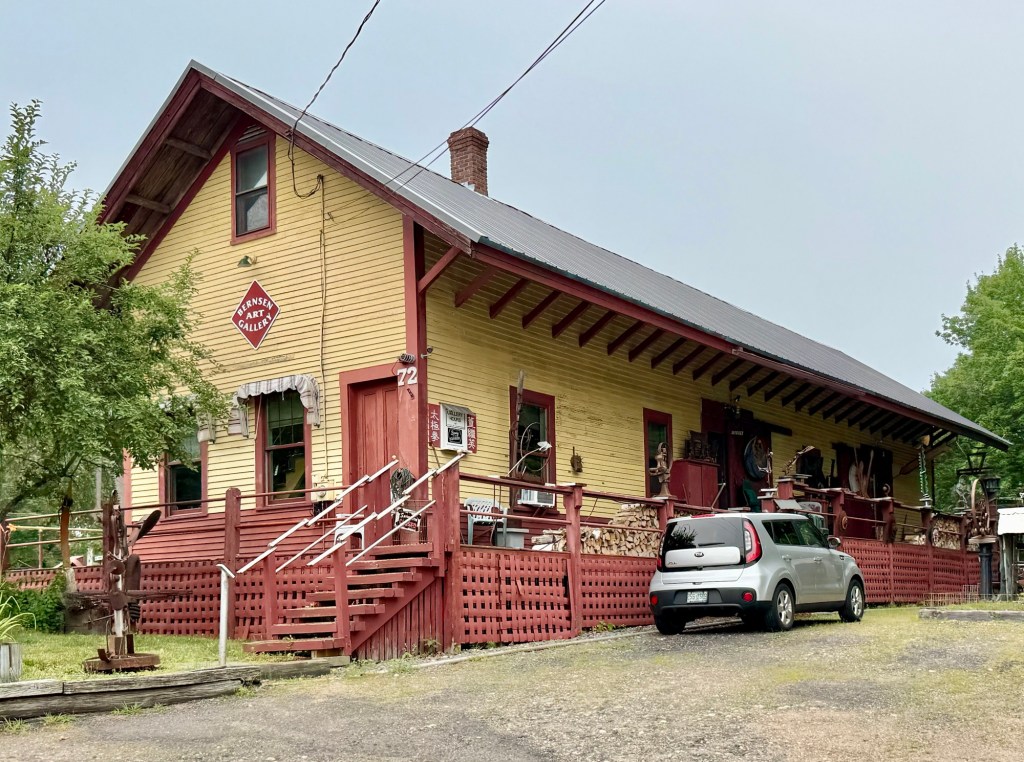
Ashland Freight Station // c.1850

The railroad arrived to Ashland, New Hampshire (then a part of Holderness) in 1849, which connected the industrial village to Concord for both freight and passenger service. The first Ashland Station, this building, opened as a combined passenger and freight station of the Boston, Concord & Montreal Railroad, which was chartered by the State of New Hampshire in 1844. Construction of its initial 93-mile track through largely agricultural, rural, and mountainous territory began in 1846 and concluded in 1853, when the railroad reached its terminus in Wells River, Vermont. Over time, the railroad expanded and acquired branch railroads, connecting it to routes all over the northeast. As manufacturing flourished in Ashland, the town grew, which necessitated the demand for a larger passenger station for the railroad. Additionally, in 1869, this structure was remodeled to handle increased freight. As trucking overtook rail service for freight, this station closed after WWII, and sat vacant until it was purchased and converted to an artist studio and shop.

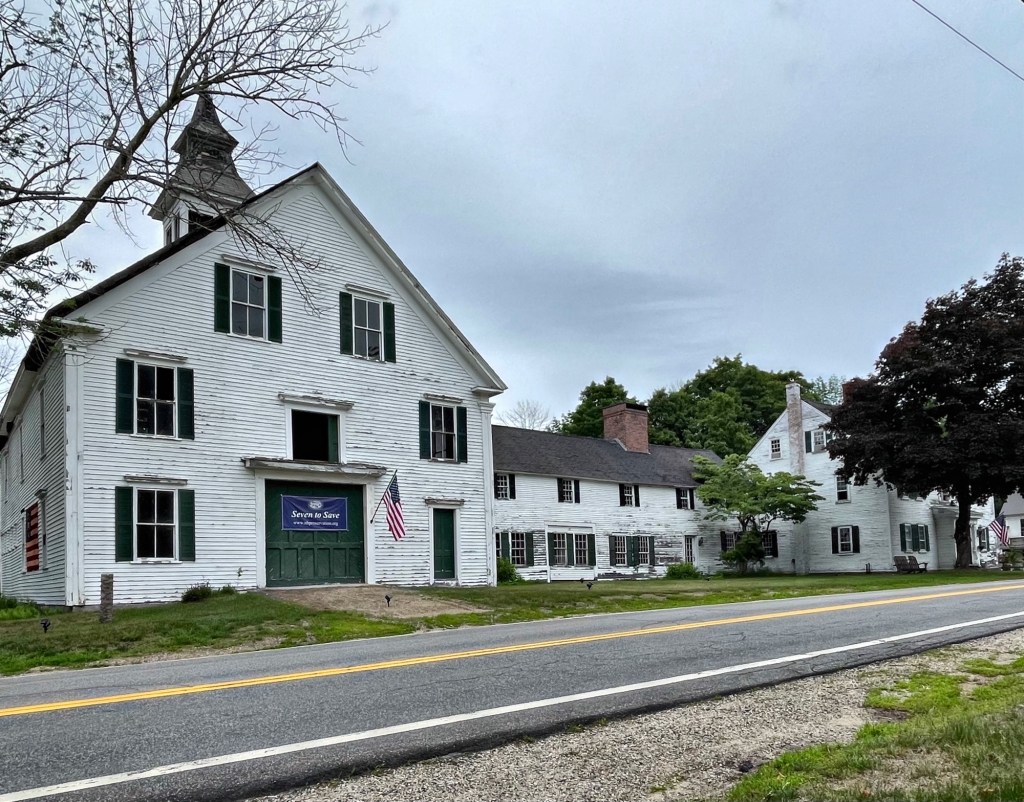
Lord’s Tavern // c.1792

Isaac Lord (1772-1838), the namesake of Lord’s Hill, came to Effingham, New Hampshire by 1791. An enterprising man, he was the most important figure in the village’s early history and in its architectural development. By 1792, Lord opened Effingham’s first store on the Hill, and soon thereafter began building a house that also served as the local tavern, this Federal style structure. As Lord prospered as a merchant and innkeeper, he enlarged the Tavern with a large ell connecting the main block to the 3-story barn. The fine Federal tavern was embellished with a vestibule and a triple window. The high quality of the Tavern foretold the character and scale of Isaac Lord’s later buildings nearby. The Tavern stayed in the extended family until 1903. Throughout the 20th century, the property was used as an inn and restaurant, including a stint as a dance hall. By the 21st century, though, deferred maintenance and successive attempts to fix the building ended in mortgage sales, foreclosure, and most recently, a tax deed, the the Town of Effingham recently acquired the property with the aim to restore the significant building. It was sold to a private owner in May 2024 and awaits its future. The Lord’s Tavern was listed in the New Hampshire Preservation Alliance’s ‘Seven to Save’, to advocate for its preservation and funding.