Scribner Mill // 1880

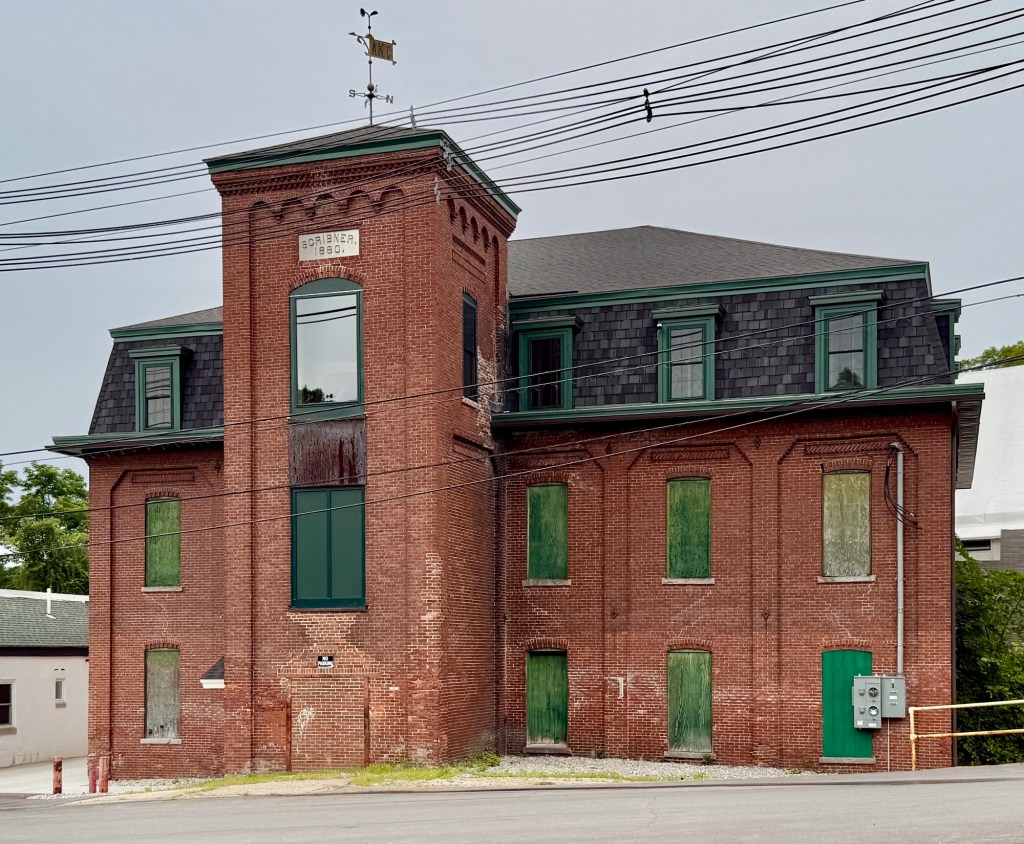
The Scribner Mill building in Ashland stands as an architecturally and historically significant industrial building that tells the story of the community as a manufacturing center of the lakes region of New Hampshire. Built in 1880 by owner Ambrose Scribner, the brick structure served as a hosiery factory and is a late example of a mill building in the Second Empire architecture style. Owners today have spruced up the building which had previously been left vacant, to rent as office and light manufacturing space by Minus33, a merino wool apparel brand, and the purchased helps to reclaiming the important textile heritage of New England. The building retains its iconic mansard roof, brick corbeled cornice and entry tower, though many window remain boarded up.
Ashland Grist Mill // 1903

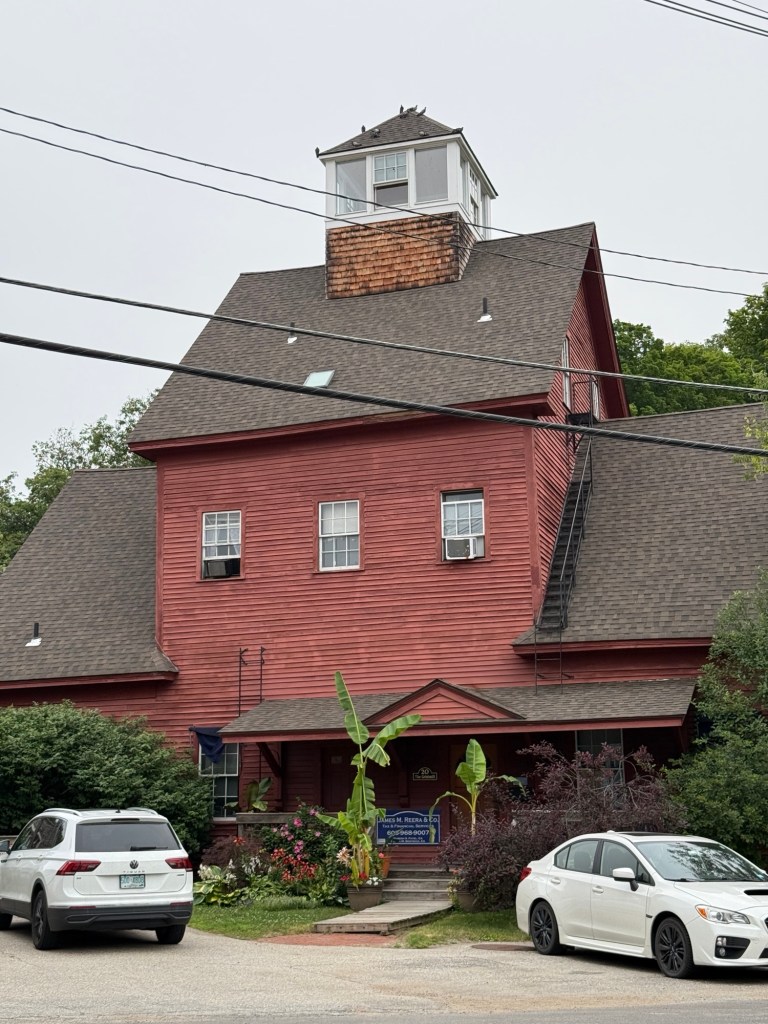
The Ashland Grist Mill stands as one of Ashland, New Hampshire’s most recognizable historic landmarks, reflecting the town’s long tradition of water-powered industry along the Squam River. The present mill was built in 1903 after an earlier gristmill on the site was destroyed by fire, continuing a milling legacy that dates back to the late 18th century when some of the area’s first sawmills and gristmills utilized the river’s strong current. Architecturally, the three-story vernacular industrial building is notable for its massive timber-frame central section flanked by balloon-framed wings, a practical design that absorbed the vibration of the heavy milling machinery while providing ample space for grain storage and flour production. Its attached dam, now a concrete structure replacing the original wooden dam, remains an important feature of the historic landscape, both of which were listed on the National Register of Historic Places. In the late 20th century, the mill was thoughtfully restored and adapted for professional offices, preserving its distinctive exterior and ensuring that this enduring symbol of Ashland’s industrial heritage continues to serve the community while honoring its past.

Former Columbian Cotton Mill // 1864

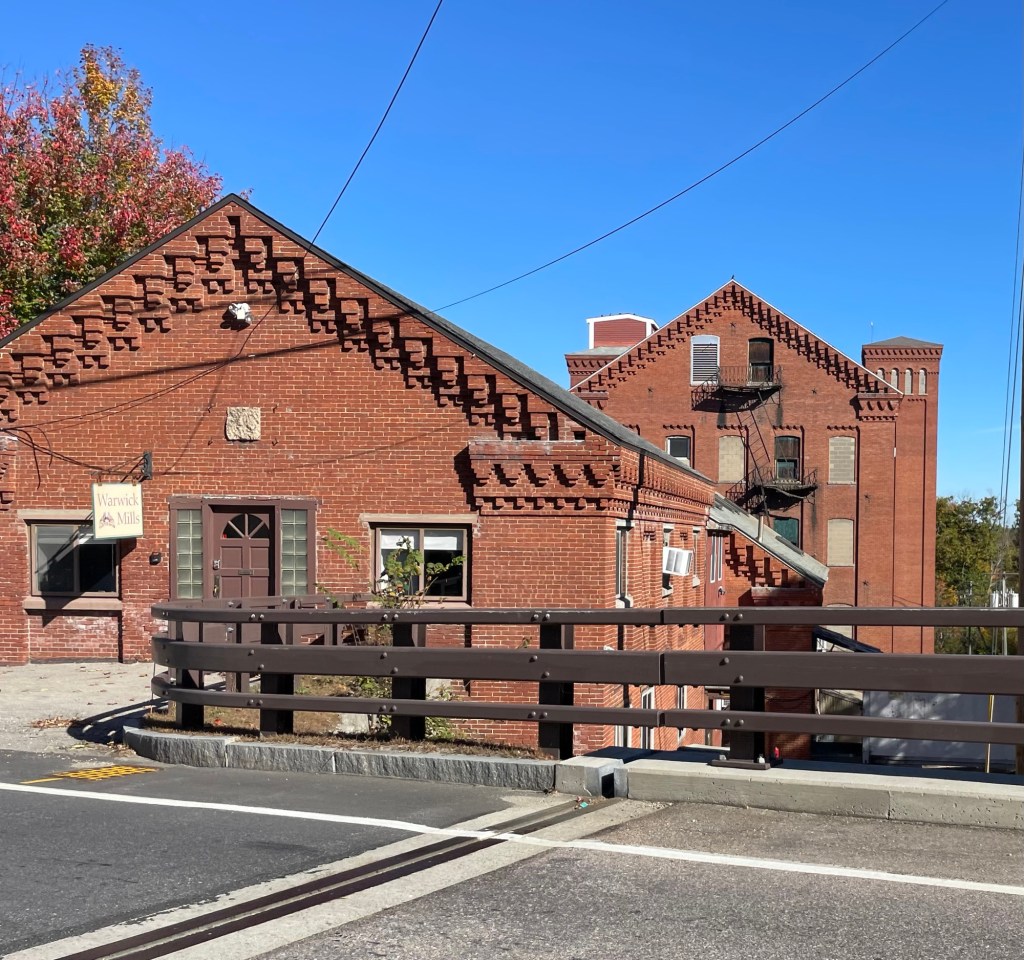
While New Ipswich, New Hampshire, is best known for its early Georgian and Federal period architecture, the small town is home to Warwick Mills, the site of the oldest textile mill in the state. Originally built circa 1807, the mills here burned down two times and were rebuilt a third time using brick; that third iteration is the building seen today. The brick for the building was forged on site and was finished in 1864, with signatures on the beams by craftsmen as far south as Baltimore. The mill was home to the Columbian Mill Company, who created textiles from cotton and other materials in the building, becoming a leading employer in the region. The building is now known as the Warwick Mill, and is an active manufacturing complex, making many contemporary and high-quality materials for 21st century clothing. The buildings exhibit stunning corbel detailing.

Cragin-Frye-Savage Mill // 1858

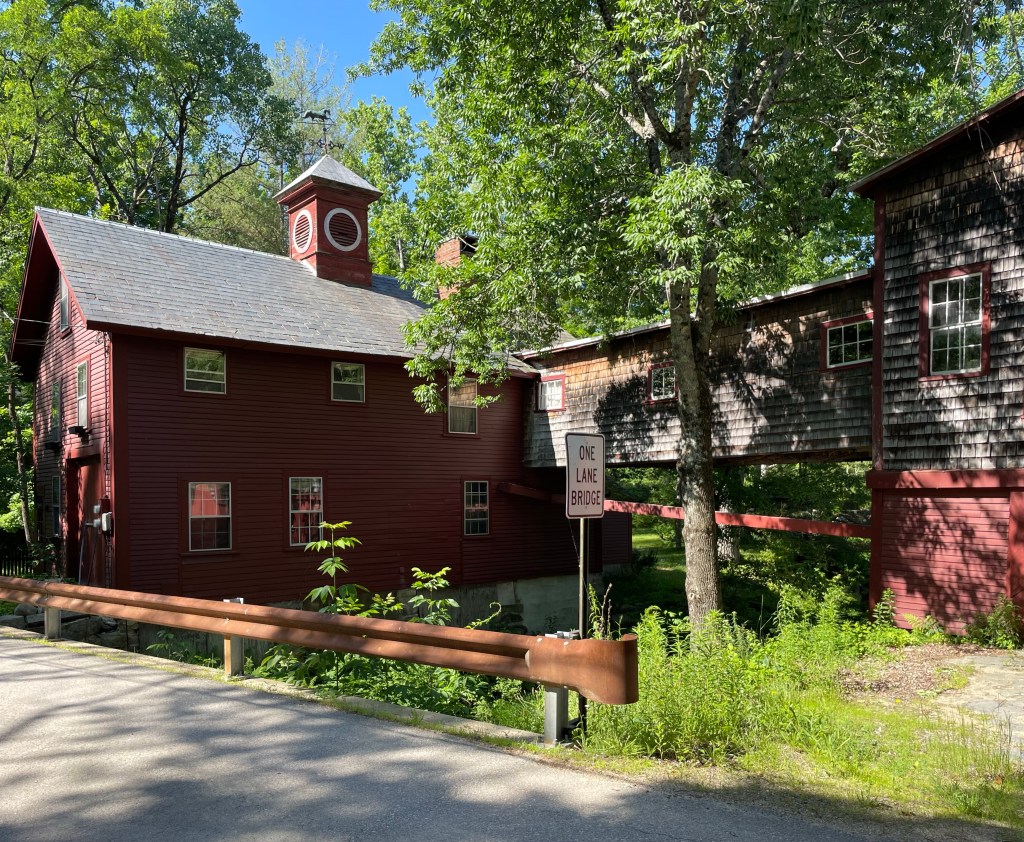
There’s not much that is more picturesque and stereotypical New Hampshire than old, wooden mill buildings. When I was looking for a town to explore in NH, I got stuck on a photograph of the old Cragin-Frye Mill in Wilton, and off I went! Daniel Cragin (1836-1921) was born in Merrimack, NH of Scottish descent. In 1856, age 21, he rented a room in a woolen goods mill, and he built knife trays and wooden toys which he turned into a business. He started his business with ten dollars, and turned a profit from the beginning, so much so that by 1858, he accumulated enough money to purchase a nearby existing building for his own operation. The mill was water-powered and grew quickly. The Daniel Cragin Mill began production of sugar boxes and dry measure boxes. The mill closed briefly after Cragin retired in the early 20th century. In 1909, Whitney Morse Frye and his father, Dr. Edmund Bailey Frye, bought the mill from Cragin. Frye continued the Cragin line of wooden trays, boxes, and pails in addition to his normal processing of grains. Whitney Frye died in 1961, and his employee, Harland Savage Sr. purchased the old mill, continuing operations. After his retirement in 1981, his son Harley and his wife Pam Porter Savage took over operations and they have operated the mill to the present day as Frye’s Measure Mill. The mill is one of a few remaining operating water-powered measure mills in the United States!