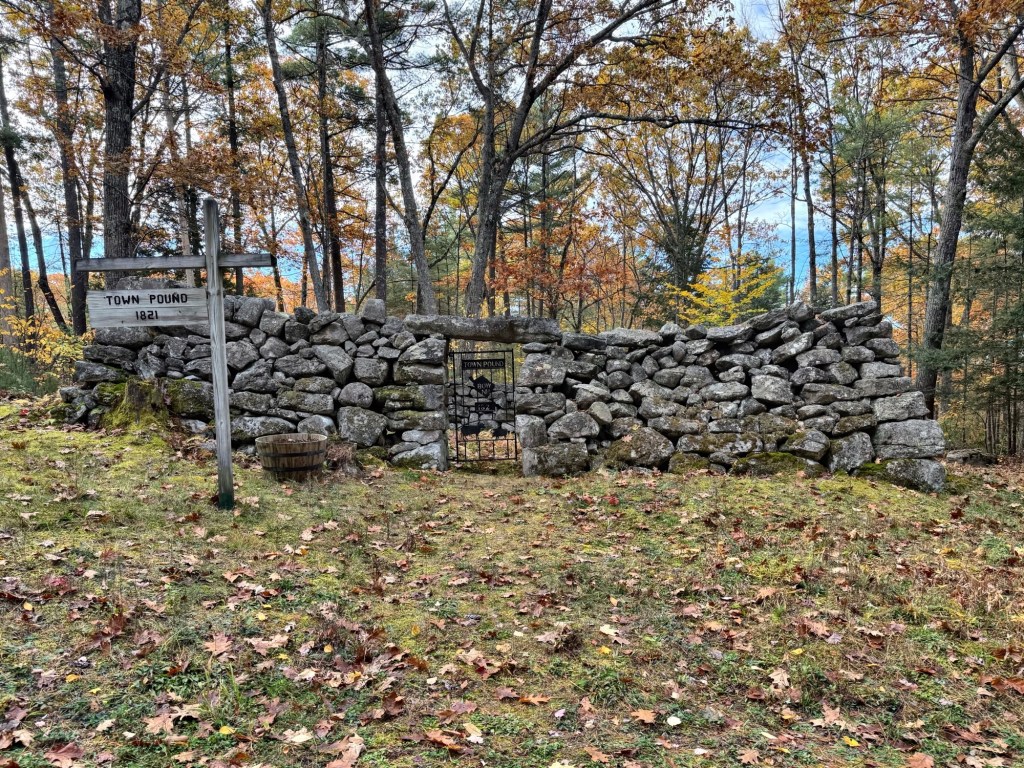
Bow Town Pound // 1821

In farming communities all across New England, disputes inevitably arose when one person’s livestock left their land and damaged another person’s crops. New England laws required farmers to fence their fields and keep farm animals from straying, but some inevitably got out. The solution was to build pounds where stray cattle, horses, sheep and swine were rounded up and kept by a town-appointed pound keeper who would round up the roaming animals and keep them there, charging by the day until an owner releases the animal and pays the fee of any damage done. The old town pound in Bow, New Hampshire, dates to 1821 and features tall stone walls, high enough to prevent taller livestock from jumping out. As towns like Bow shifted away from agrarian culture, these structures crumbled back into the earth. Luckily for us, some sommunities preserved their pounds and in Bow, the local community restored the town pound in 2011.
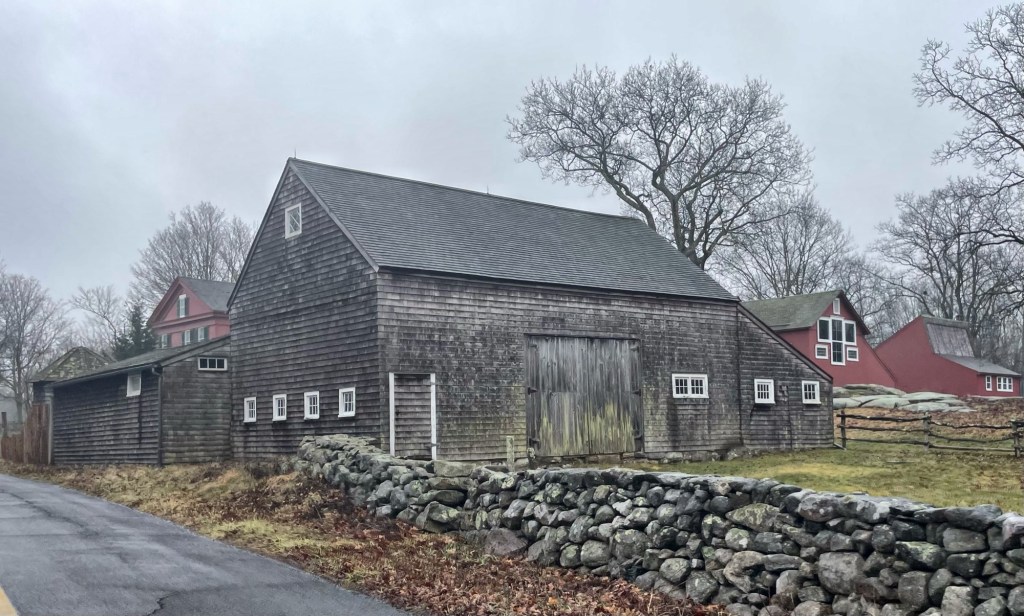
Weir Farm Barn // c.1820

Weir Farm, later an artists retreat and studios, was once a fully operating farm, with horses, cows, oxen, chickens, vegetables, and numerous gardens. To artist Julian Alden Weir, farming was more of a hobby than an economic necessity, undertaken for aesthetic reasons. Weir’s romantic vision of the landscape extended to his use of oxen, carts, and hand tools instead of modern machinery available at the time. Over its long history the barn complex has housed a milking room, a carriage house/wagon shed, a garage, a tack room, an equipment and tool room, hay lofts, a corn crib, and stalls for donkeys, ponies and horses. The rustic barn is a typical “English-barn” built between 1815 and 1835 by The Beers’ family, who owned the property until 1880. Weir used the barn as a prominent feature in many of his paintings like “New England Barnyard” and “After the Ride.” It remains an important piece of agricultural and artistic significance to the now nationally recognized Historic Site.

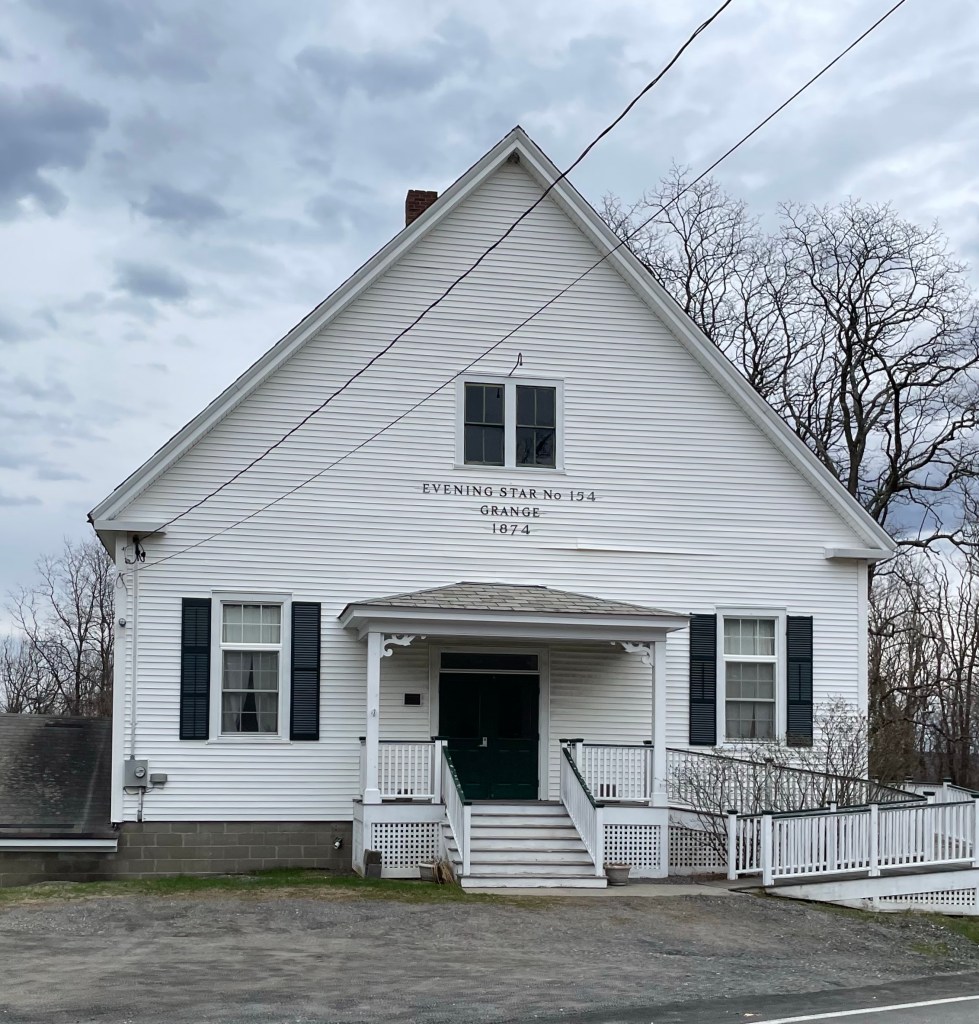
Evening Star Grange Hall // c.1874

Rural New England towns like Dummerston, Vermont long relied on agriculture as a means of life. From this, local farmers and their families would organize in regional Grange Halls through the The National Grange of the Order of Patrons of Husbandry, an agricultural advocacy group. Many rural communities in the United States still have a Grange Hall and local Granges still serve as a center of rural life for many farming communities. The local Evening Star Grange was organized in Dummerston Center in 1874 with 32 members, growing by the end of the 19th century. This building would have held meetings where farmers could share trade secrets, make deals, and “talk shop” regarding farm life. Such buildings are significant as community centers for agricultural communities and should be preserved for future generations.

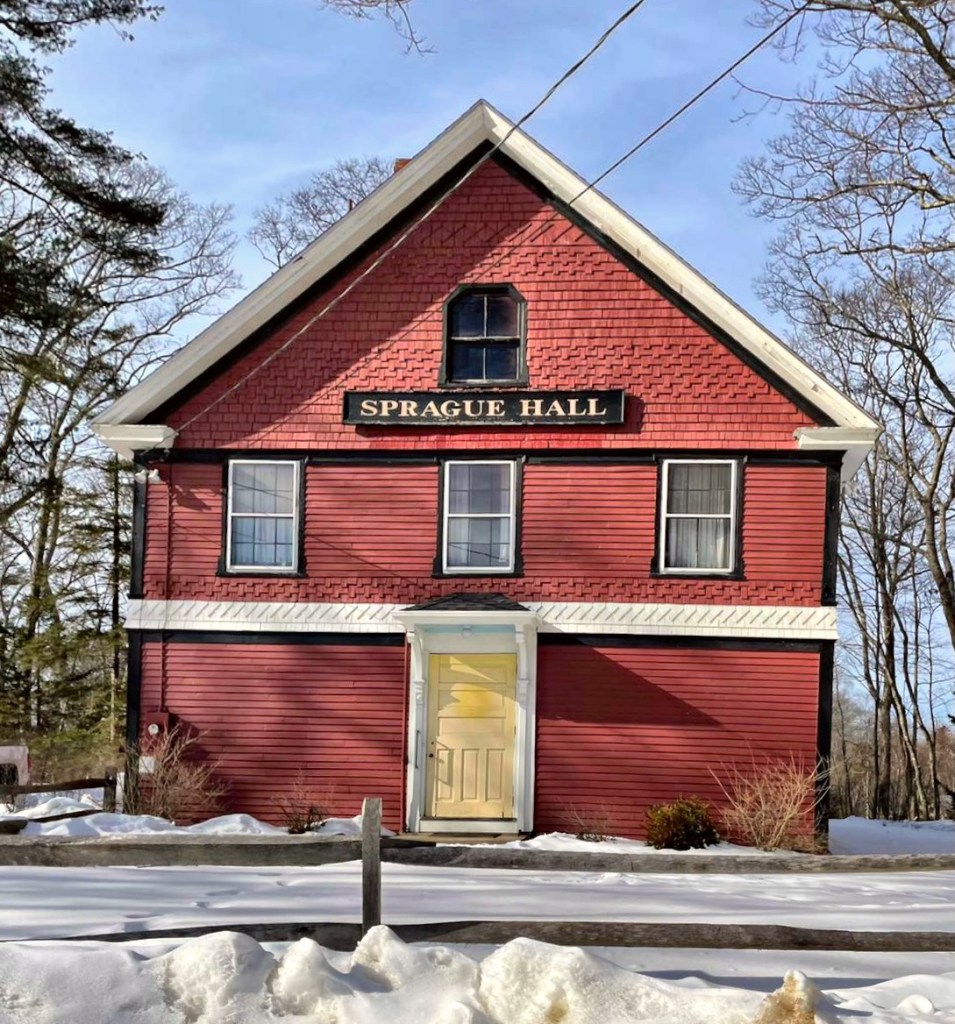
Sprague Hall // 1889

Built in 1889, this interesting structure is located away from the rocky coastline of Cape Elizabeth, a lasting remnant of the agricultural history of the town. The building was constructed as the Cape Elizabeth Grange Hall. The National Grange of the Order of Patrons of Husbandry, is a social organization in the United States that encourages families to band together to promote the economic and political well-being of the community and agriculture. The Grange organization, as it is often known as, had grange halls all over the country, where farming community members would gather to discuss issues and challenges that needed addressing. The building echos late 19th century architectural styles, blending multiple to create an elegant composition, wrapped in wood clapboard and shingle siding. In 1916, the hall was purchased by P. W. Sprague from the Cape Elizabeth Grangers to insure its use and upkeep – and it is still the home of the Patrons of Husbandry, Cape Elizabeth Grange #242.

West Monitor Barn // 1903

There is something about red barns that just scream Vermont! Located in Richmond, the West Monitor Barn is one of the best-preserved large barns in the region. The West Monitor Barn was constructed in 1903 by Uziel Whitcomb. At the turn of the century when agriculture represented 70% of the American economy, the Whitcomb’s operation was one of the most successful; at a time when the average farm had eight cows, the Whitcomb’s had hundreds. Hay and grain were planted and harvested by hand and horse. More than 175 cows were milked three times a day by hand inside of this barn. Milk went from cow to pail, to can, and then was driven to market by horse and wagon. It was an operation that represented the epitome of hand-powered farming, and was an operation admired nationwide. The farm was so large and eventually shut down decades later, leaving the iconic barn to decay. A new owner purchased the structure and began a massive restoration project which took years. About 40% of the timbers in the reconstructed barn are original and the rest have been carefully and accurately re-fabricated. In addition, the stone foundation and walls are all original stone – quarried by hand from the back fields. The East Monitor Barn also on the property is in fair condition and could use the same updates. The barn is now commonly used as a venue for weddings and other special events!

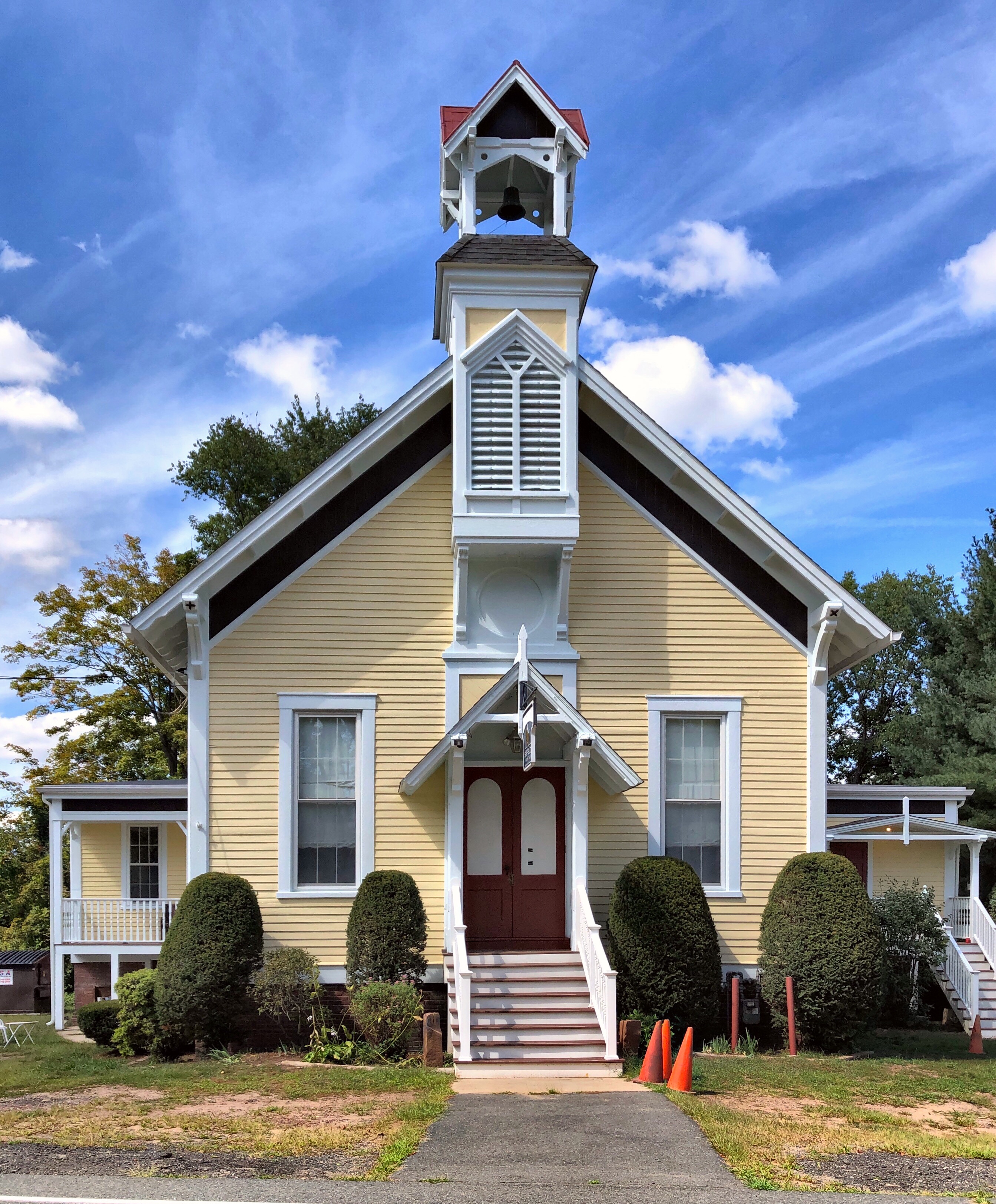
Mapleton Hall // 1883

This meeting hall in Suffield, CT was built in 1883 on Crooked Lane, named Central Hall. When Crooked Lane was renamed Mapleton Ave, the hall was so renamed to reflect this name change, to Mapleton Hall. Starting in 1885, the hall was home to the local grange, a fraternal organization that encouraged families to band together to promote the economic and political well-being of the community and agriculture. With Suffield’s active agricultural uses (primarily in tobacco crops), this grange was quickly funded and built. For nearly 100 years the building saw use as a fraternal center, with dwindling membership after WWII, when the agricultural character of town began to make way for suburban growth. The building was sold to the Mapleton Hall Asssociation, in 1978, who began restoration of the structure which began to decay from deferred maintenance. The building is now owned by The Suffield Players, a non-profit community theater company.

Thomas and Esther Smith House // c.1758

The Thomas and Esther Smith House in the Feeding Hills area of Agawam, Massachusetts is a 1½ story, vernacular Georgian style house with a gambrel roof. Feeding Hills, so named for its bountiful soils, is an agricultural plain approximately five miles west of the Connecticut River at the eastern foot of Provin Mountain. The land was highly sought after by farmers, with many agricultural uses still taking place here to this day. This parcel of land was purchased by Thomas Smith, a carpenter, in 1757, who likely built the home soon after for his new family. The family occupied the home into the mid-19th century, harvesting crops and raising cattle for sustenance and sale. The agricultural property was subdivided numerous times and now sits on just an acre. The home and remaining land was purchased by the Agawam Historical Society in 2002, who maintain the property and educate on Agawam’s agricultural heritage.