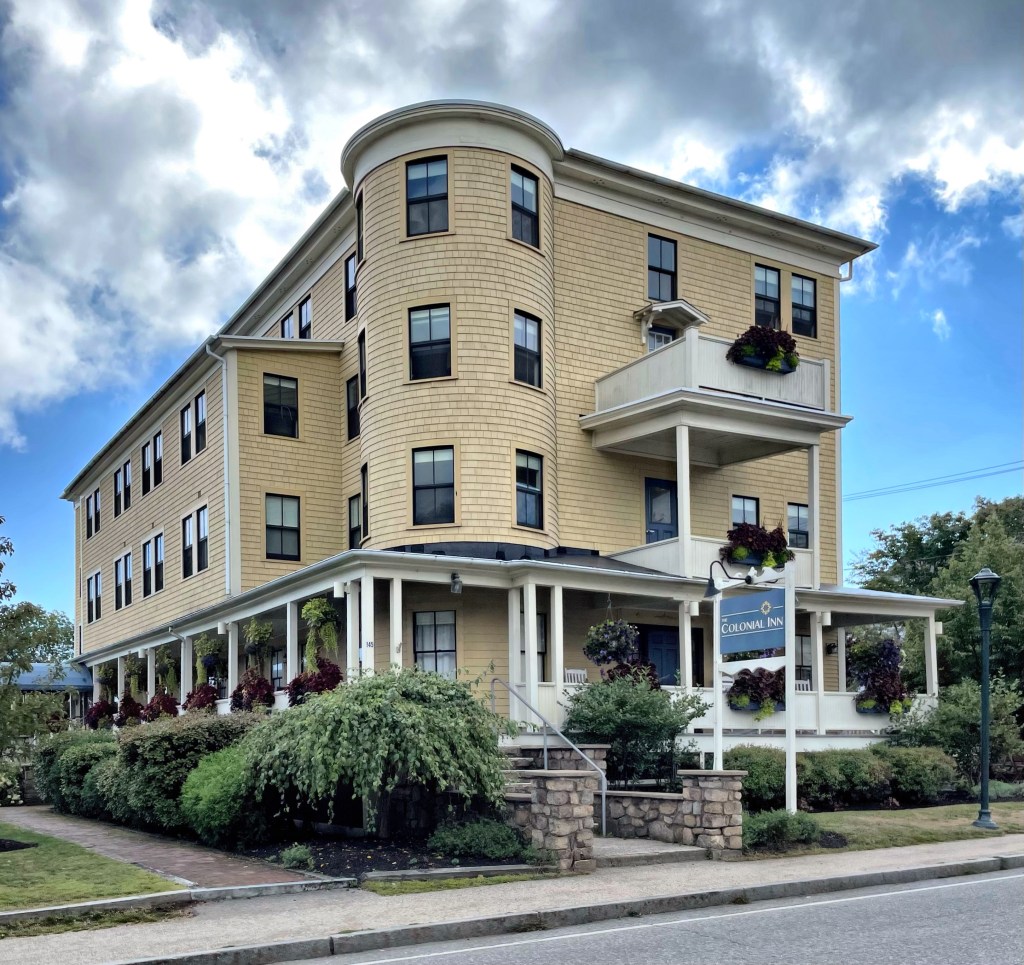
Colonial Inn, Ogunquit // 1897

As Ogunquit surged in popularity as a coastal summer retreat in the late 19th century, the flocks of city-dwellers needed a places to rest their head after splashing in the crisp Maine ocean. The original structure began with a mid-19th century house, likely in the Greek Revival style. It was expanded in the 1880s when it opened as a hotel for tourists, equipped with a mansard roof. The hotel consistently sold out of rooms in the summer months and the proprietors decided to expand in about 1897 with a sizeable Queen Anne style addition. A fire in 1951 destroyed the rear wing of the building and the conical tower roofs were removed, resulting in the final form seen today. The hotel is historically significant because it is the only surviving 19th-century hotel in Ogunquit that still serves as a hotel and largely retains its historic appearance, enhanced following a 2013 restoration by the owners who worked with David Lloyd of Archetype Architects. Other hotels of the period have either been converted to condominiums or been engulfed by modern alterations. The hotel was thus placed on the National Register of Historic Places, a large, and worthy addition!
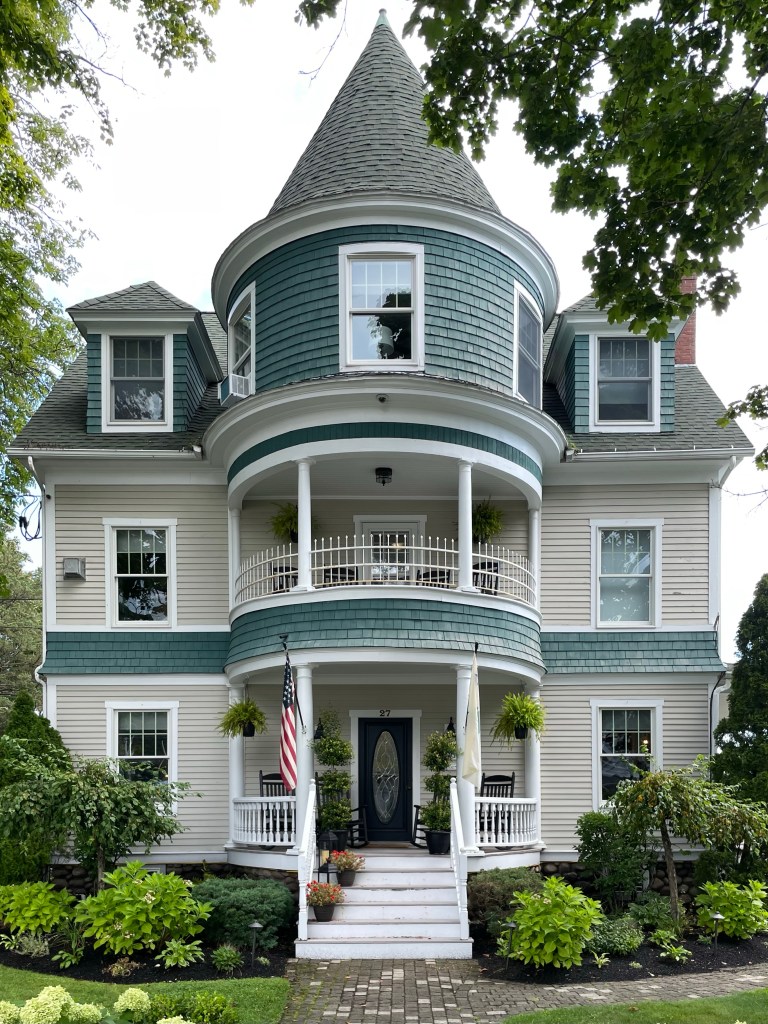
Nellie Littlefield House // 1889

One of the most charming buildings in the quaint village of Ogunquit Maine has to be this Victorian inn, located right on Shore Road, the town’s main thoroughfare. The house had its beginnings in 1889 when Joseph H. Littlefield constructed it for his wife Ellen “Nellie” Perkins and their family of four children. Joseph was a member of the esteemed Littlefield Family, which goes back to before Edmund and Annis Littlefield and their six children traveled from England and settled in the town of Wells in 1641. The family was prosperous in the area, and Joseph used his wealth and position in local affairs to develop summer cottages and buildings at the beginning of the town’s large development boom in the late 19th century and early 20th, catering to summer residents and tourism. The Littlefield House was passed down to Joseph and Nellie’s children after their passing, last occupied by Roby Littlefield (1888-1988), who served in local and state politics. It was Roby who was instrumental to establishing the Ogunquit Beach District, which allowed the government to acquire the beachfront in Ogunquit, making it public. The old Littlefield House is now an Inn, known as the Nellie Littlefield Inn & Spa, and it retains so much of its original charm.

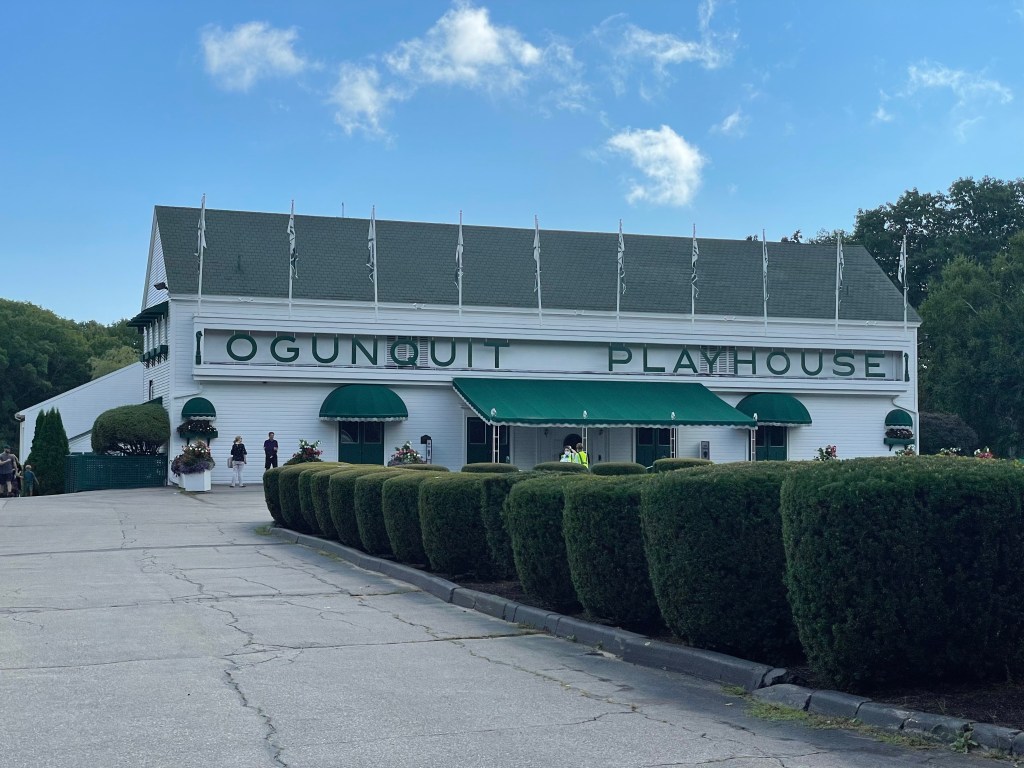
Ogunquit Playhouse // 1937

Opened in 1933 in a converted garage and relocated to the existing building upon its completion in the summer of 1937, the Ogunquit Playhouse is an important part of Maine’s historic twentieth-century cultural landscape. The Playhouse was founded by former Hollywood director and Broadway producer Walter Hartwig and his wife Maude, and the building was designed by theater architect Alexander Wyckoff. The site on Rt-1 was intentional as the highway was the main coastal route for the inter-war summer tourist travel. The Colonial-inspired theater was in keeping with the historic nature of New England, but with the grandeur to attract a nation-wide summer audience. Early articles mentioned the building constructed of “…steel and wood, painted white with green shutters and roof, is simple in line, suggesting the Colonial architecture of New England”. Walter Hartwig died in 1941, and his widow Maude took over as the producer for the upcoming season. In 1947, she engaged George Abbott, New York’s most distinguished playwright/producer to share in the managerial duties, and in 1950 John Lane arrived as co-producer. Lane acquired the property in the following year, counting among his first tasks the rebuilding of the stage which was destroyed by a storm the year prior and changing the landscape to move the parking lot in front of the building to the side. The Ogunquit Playhouse continues its 26-week season runs from May through October, with off-season co-productions at The Music Hall in Portsmouth, NH. Go see a show before the season is over!

Old Ogunquit Methodist Church // c.1880

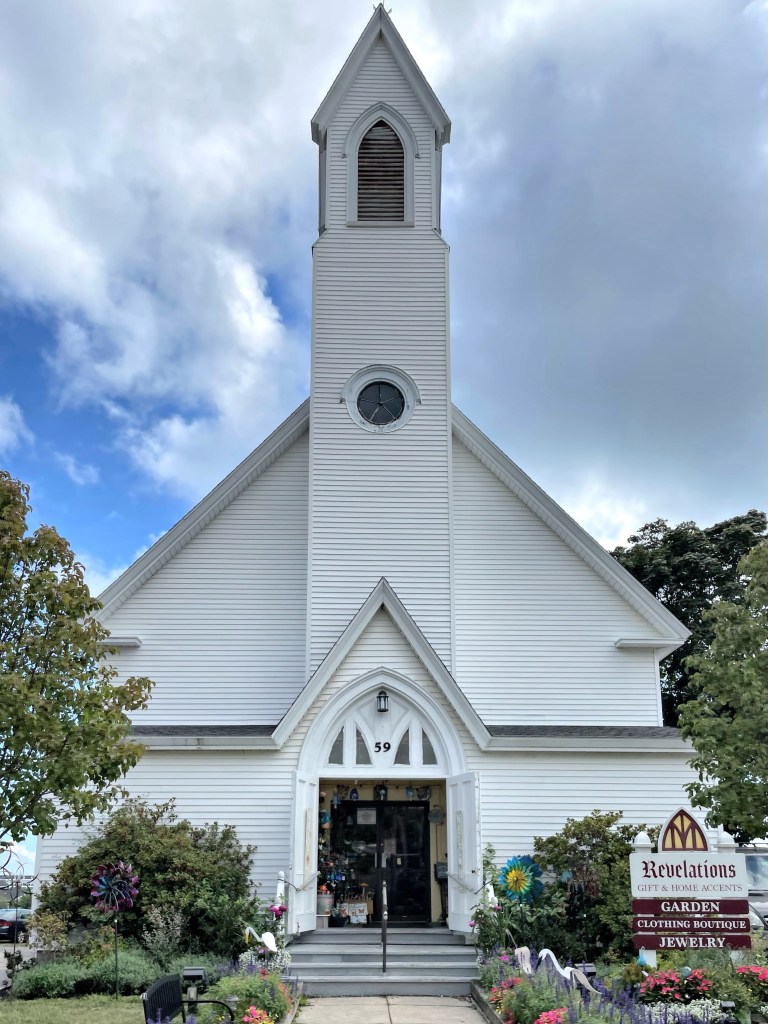
Ogunquit, which means “beautiful place by the sea” in the indigenous Abenaki language, was first a village within Wells, which was settled in 1641. Ogunquit grew as a fishing village with shipbuilding on quiet tidal waters protected within smaller alcoves. By the late 19th and early 20th centuries, the village was discovered by artists, who flocked to the area for the natural scenery and bucolic coastal scenes perfect for painting. At this time, summer residents came to the sleepy village en masse, facilitating the construction of summer resort hotels and commercial buildings. Ogunquit seceded from Wells in 1980, and has been one of the most visited villages in Maine. Ogunquit has been a destination for LGBT tourists and businesses, adding to the rich culture there. This church building, shows the history of the town well. It was constructed as the village’s Methodist Church after 1872 in a vernacular Gothic style with lancet windows and entry. The church merged with the nearby Wells Methodist Church in the 1970s and later moved to a new church building between the two towns. The former Ogunquit Methodist church was purchased and converted to a gift shop, frequented by locals and tourists alike.

Lower Falls Firehouse // 1900

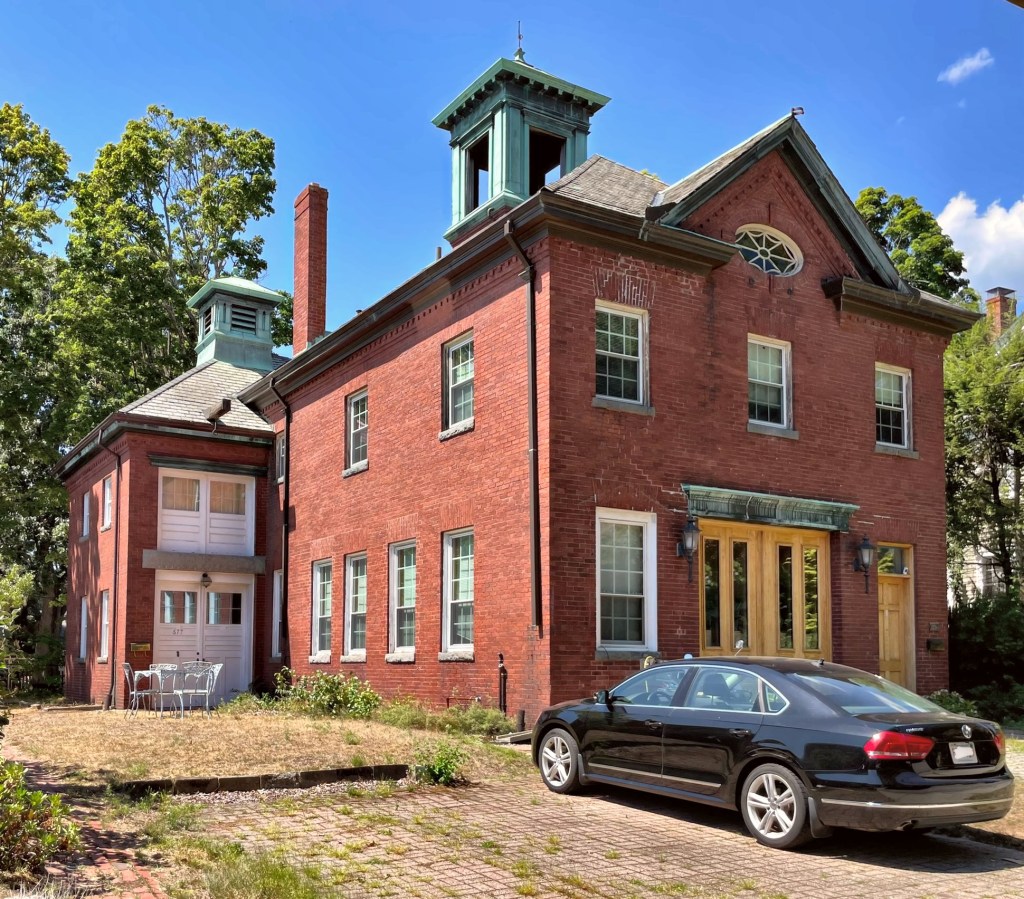
The Newton Lower Falls Firehouse was built in 1900 to serve the village’s fire prevention needs. As nearby Waban Village’s population surged (along with a stronger tax base) the City of Newton constructed a new fire station in 1918, that could serve both areas. This, the already outdated station, was converted to a village library on the ground floor with a janitor’s apartment and storage above. The space was determined to be surplus by the City and was sold off in 1979, quickly converted to housing by a developer. The building retains much of its original character, down to the hose-drying tower.

Crehore Mill Worker’s Cottage // c.1840

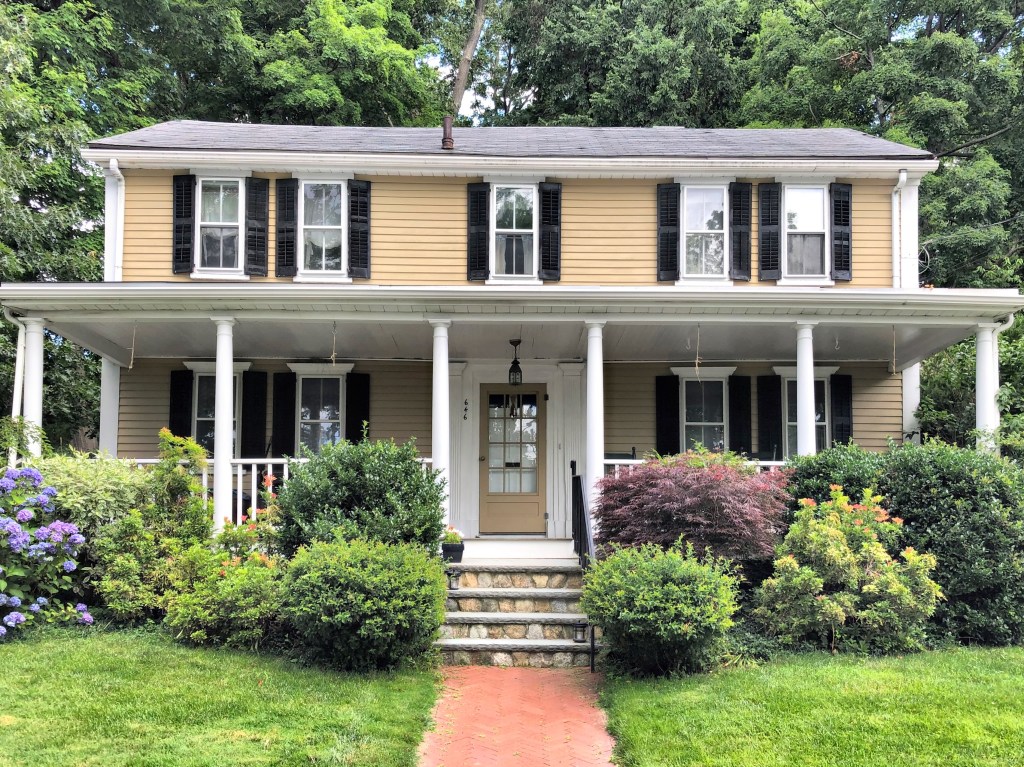
My favorite of all workers cottages/houses in Newton’s Lower Falls village is this home, a c.1840 dwelling which is a vernacular Greek Revival style home with excellent proportions and design. Toward the middle of the 19th-century, the Newton Lower Falls Village developed into a premier paper-manufacturing center of eastern Massachusetts, largely due to the water power supplied by the Charles River. One of the most successful paper mills in the area was owned by Lemuel Crehore (1791-1868), who with his success, built workers cottages for his employees and their families! This home was occupied by Nathaniel Wales and his wife Abigail (Jackson). Nathaniel was from Watertown and came to Newton to work in the paper industry. He left and went to Canada in 1802 to create a paper mill there, soon after returning to marry Abigail. The home features a full-length front porch with tapered columns, pilasters at the entry, and Victorian-era windows in a 2-over-2 configuration.

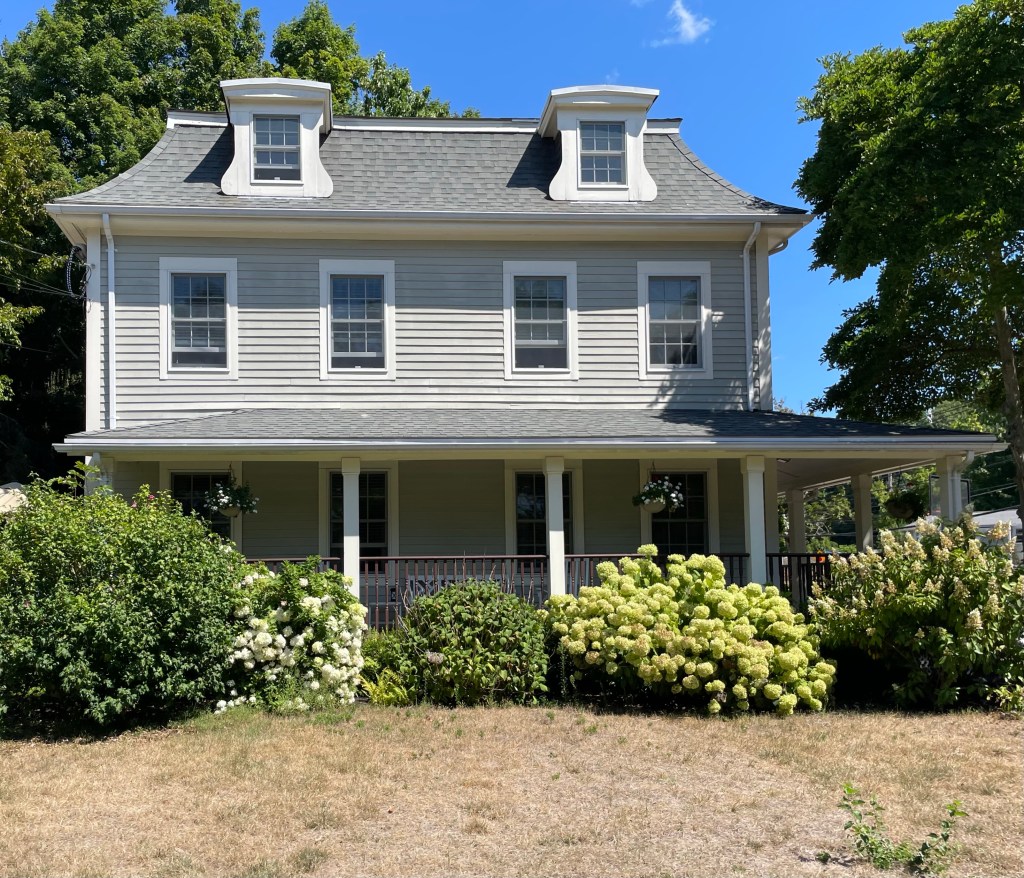
Crehore Mill Worker’s Cottage // c.1848

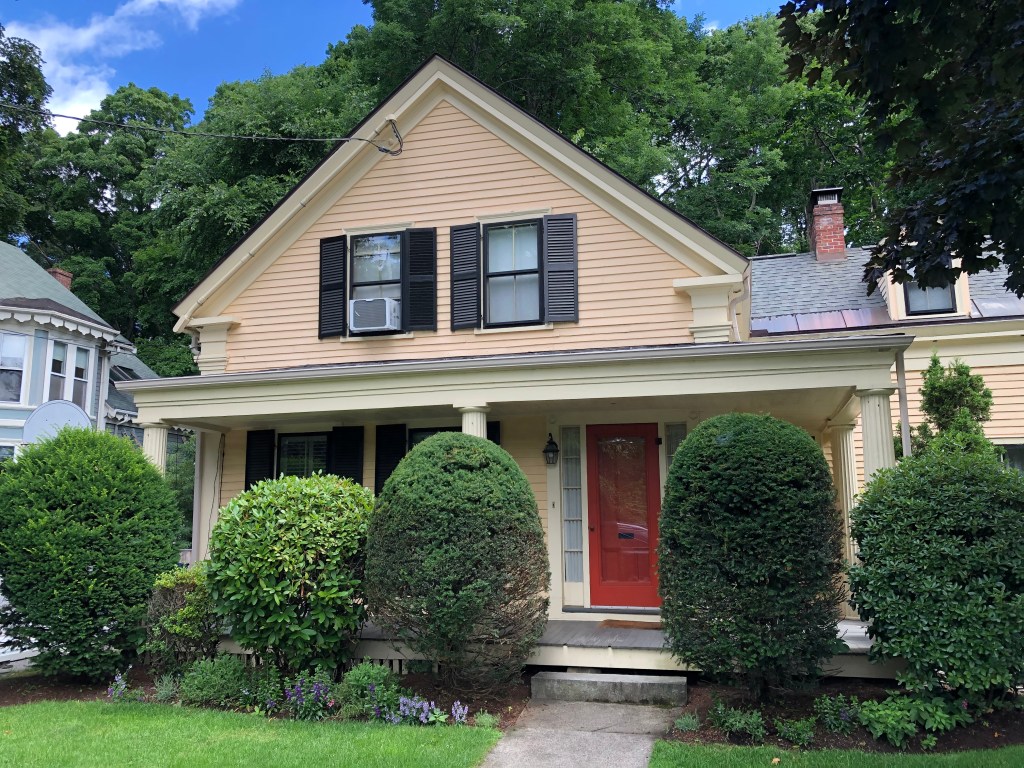
Toward the middle of the 19th-century, the Newton Lower Falls Village developed into a premier paper-manufacturing center of eastern Massachusetts, largely due to the forests and water power supplied by the Charles River. One of the most successful paper mills in the area was owned by Lemuel Crehore (1791-1868), who with his success, built workers cottages for his employees and their families (imagine if businesses did that today)! This Greek Revival workers cottage was occupied by employees of the mill before it was sold when the mill closed, to a house painter. The modest house stands out for the gorgeous wrap-around porch supported by fluted Doric columns, an off-center entrance with sidelights, and corner pilasters.

Crehore Mill Worker’s Cottage // c.1848

Toward the middle of the 19th-century, the Newton Lower Falls Village developed into a premier paper-manufacturing center of eastern Massachusetts, largely due water power supplied by the Charles River. One of the most successful paper mills in the area was owned by Lemuel Crehore (1791-1868), who with his success, built workers cottages for his employees and their families (imagine if businesses did that today)! This Greek Revival workers cottage was occupied by employees of the mill, and was sold off after the mill shut down. The house features a deep piazza with three Tuscan columns across the front and scroll-sawn bargeboards at the porch and hanging along the roof, giving it a slight Gothic Revival element.

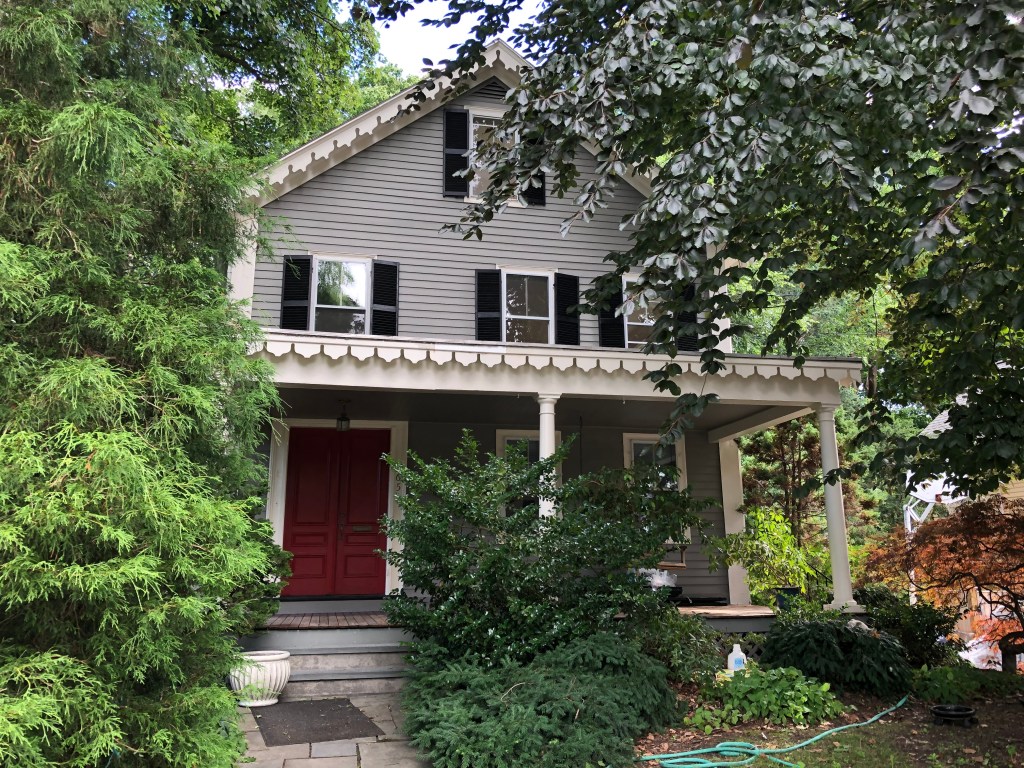
Dr. Edward Warren House // c.1841

In 1841, Dr. Edward Warren (1805-1878) purchased land, a dwelling house, and outbuildings in the Lower Mills village of Newton for his own property. Edward was the son of Dr. John Warren, a Continental Army surgeon during the American Revolutionary War, founder of the Harvard Medical School, and the younger brother of Dr. Joseph Warren, also a physician and Patriot during the early days of the American Revolution, eventually serving as President of the revolutionary Massachusetts Provincial Congress and dying at the Battle of Bunker Hill. Edward, a much less renowned figure practiced medicine in Boston and Newton and married Caroline Rebecca Ware, the half-sister of Henry Ware, a prominent Harvard professor. The house was likely modernized during Warren’s ownership and is largely Greek Revival in style, but much more modest than one would think given the family connections of the two owners!

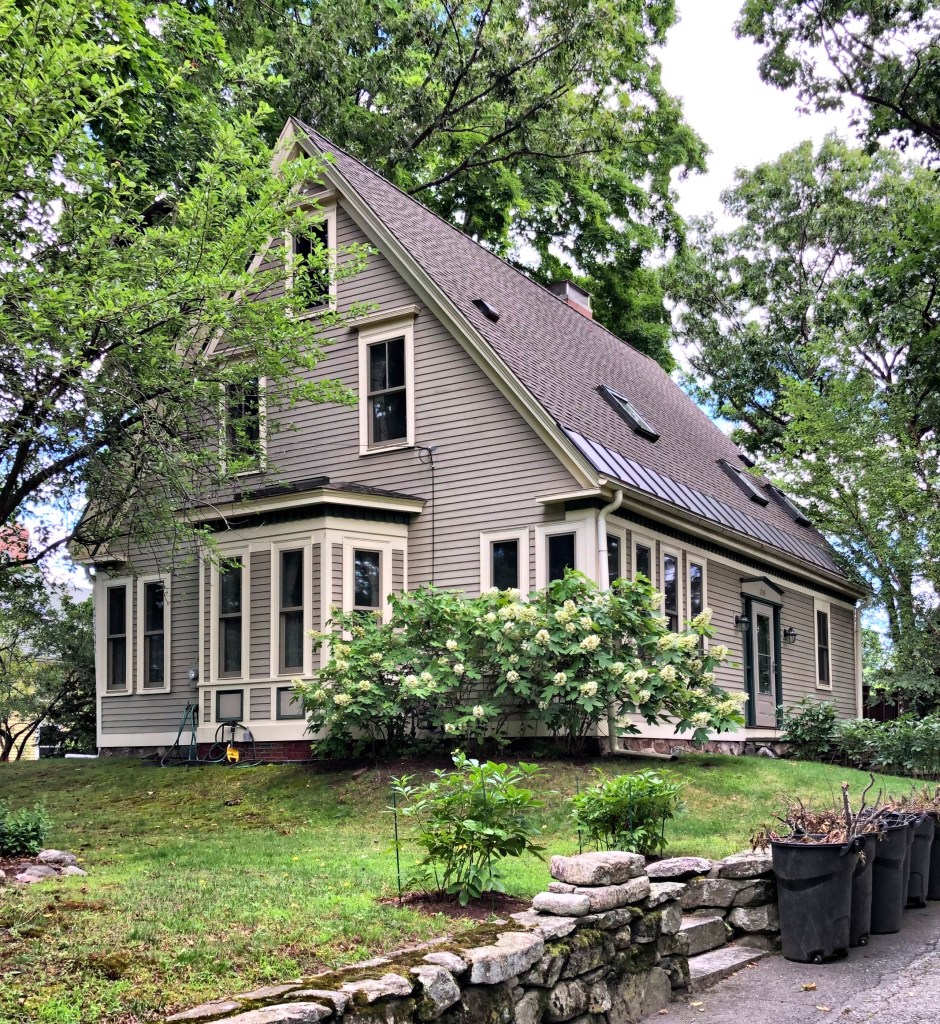
Augustus Wiswall House // c.1870

Augustus Curtis Wiswall was born in Exeter, NH in 1823. At seventeen, he moved to Boston and sought to live life on the open seas. He saw a ship docked called the “Republic” which was about to set sail to Calcutta. He took several other jobs as he hoped for more adventure as a young man. His final voyage was with a general cargo ship to Brazil. On route, several lawless members of the crew rose up in open mutiny, murdering the captain and first-mate, seizing control of the vessel. Loyal to the captain, Augustus was stabbed but was allowed to live as he was the only man capable of navigating back to land. The small crew scuttled the larger ship and manned the small boat surviving on minimal food. They made it to Rio De Janeiro and managed to board a vessel back to Boston. Wiswall never shared his story but to his wife, who in turn shared his stories after his death. His life back home was more calm, after living in the south and midwest during the Civil War, he moved back to Massachusetts and he bought land in Newton’s Lower Falls village building this home. He operated a paper mill in the village and was active in the local church until his death in 1880.