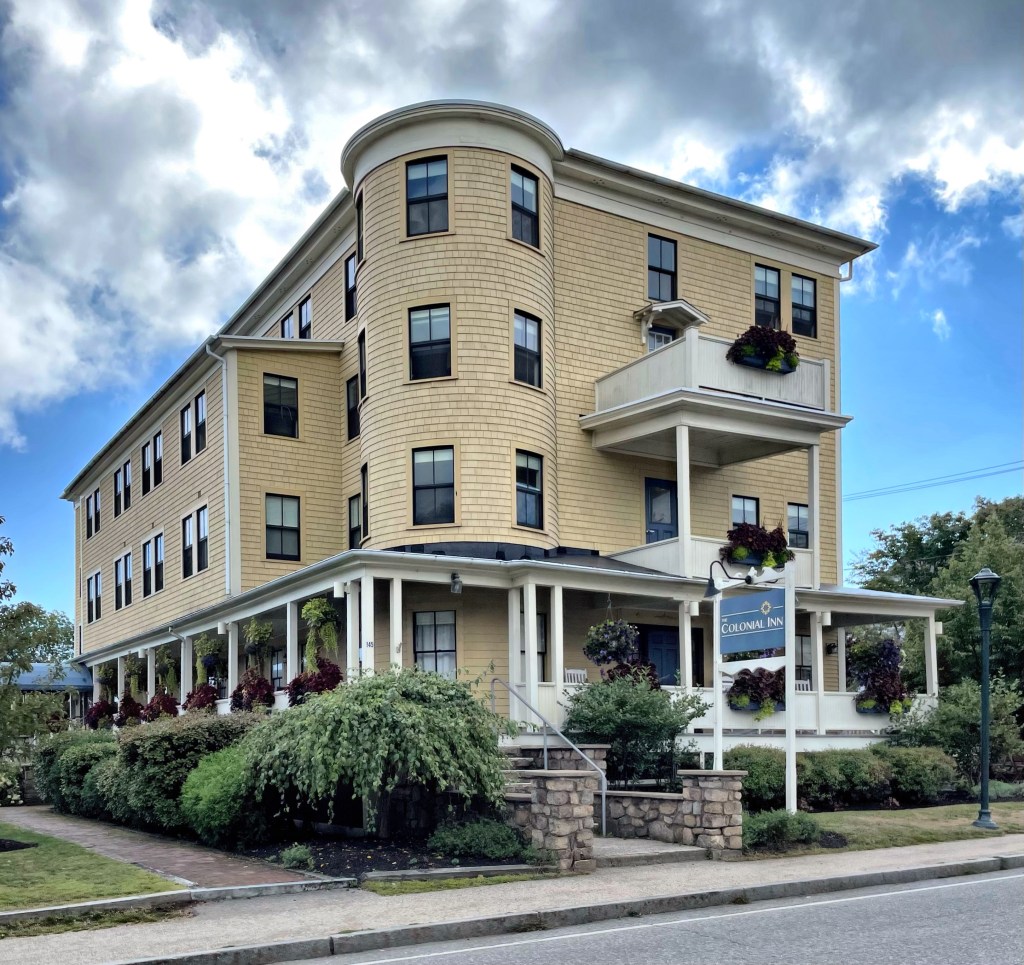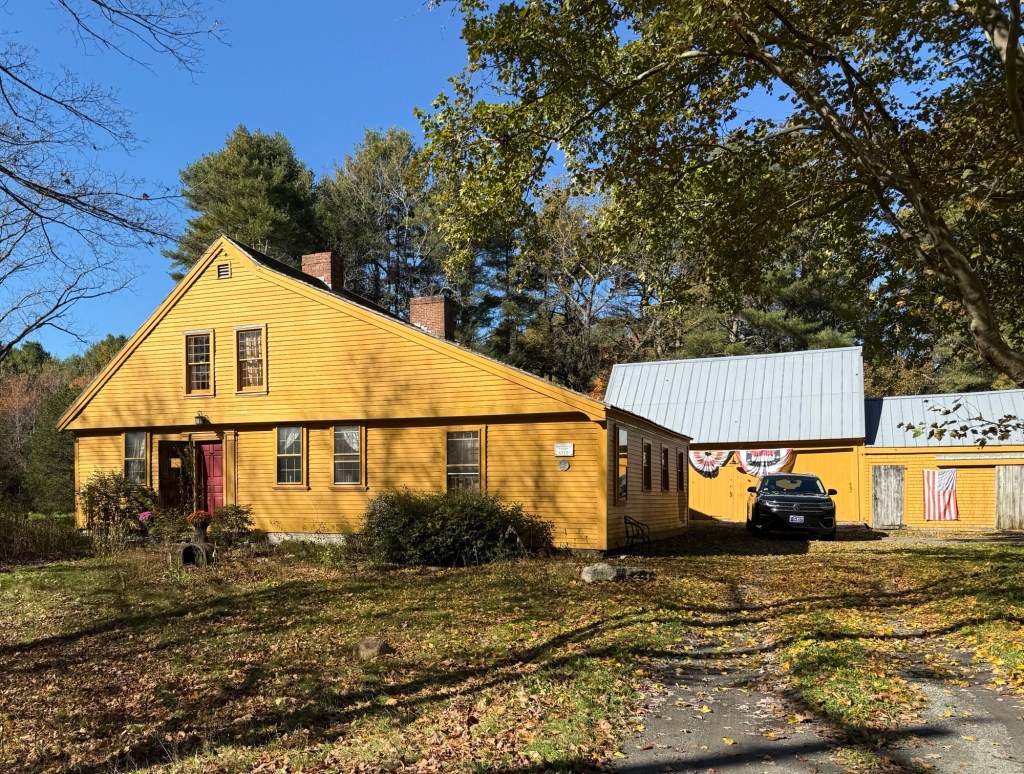
Built as early as 1717, the Keith-Dean House on Bay Road is thought to be the oldest extant house in the town of Easton, Massachusetts. Its original owner, Josiah Keith (1678-1754) settled in present-day Easton and purchased 108-acres of land, building his house on the site that year. It was used as an inn as early as 1724. In 1735, Josiah property to his nephew, Eleazer Keith (1703-1794), who farmed here until around 1771, when the property was acquired by James Dean (1717-1803). Besides his wife and children, another person occupied this dwelling, a Cate Dean, an enslaved person who was just eleven years old when she was “purchased” by Mr. Dean for 30 pounds. Cate Dean was legally free since 1783, when the State Supreme Court ruled that slavery was illegal in Massachusetts, but Cate remained in bondage at the home until the death of her enslaver in 1803. In Dean’s will she received a bed, bedding and a sheep worth five dollars. She died at 49 in 1809 at the home of Edward Johnson and is buried in the Williams Cemetery on Prospect Street, seemingly in an unmarked grave. The Colonial cape style house is oriented to the south and has its prominent saltbox roof visible from the street. The property was largely renovated in the early 19th century with the addition of ells and twin chimneys, but it retains its unique Georgian character. The property is lovingly preserved and maintained by its current owners and it operates as the Josiah Keith House Museum and Inn. It is one of the oldest inns in the country.