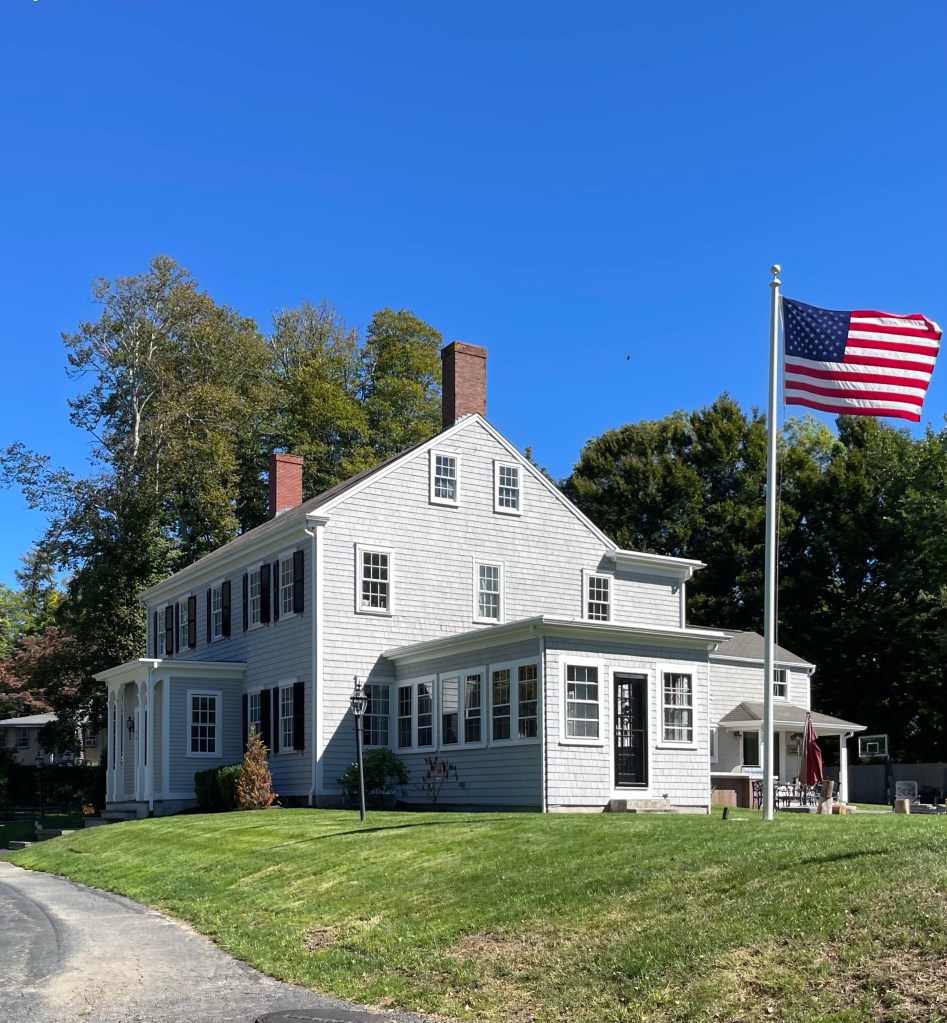
In 1832, Sylvanus B. Phinney purchased land on Main Street in Barnstable Village, building a home two years later. He never lived in the home and rented it to friends. The house was purchased in 1850 by 25-year-old Peter Pineo after he graduated from Harvard Medical College. During the Civil War, he worked with Clara Barton, founder of the Red Cross, and after the Civil War, in Hyannis, Pineo started a hospital for sick and disabled seamen. The home transferred hands many times throughout the remainder of the 19th and 20th centuries, with slight changes in almost its 200 year history. It has been owned by the Barnstable Historical Society since 2012.
This large, Federal period home in Barnstable Village was built around 1807 by Deacon Timothy Phinney (1746-1838), a merchant and member of the Whig Party as a State Senator and supporter of the Revolution. He lived into his nineties and fathered twelve children. The Phinney House was purchased by Daniel Carpenter Bacon, a prominent merchant who was born in Barnstable and went off to Boston in 1802 at 14 years old, to sail as a mate on William Sturgis’s ship Atahualpa. He was first mate on the Xenophon, and became its Captain in 1807. He later sailed on Theodore Lyman’s ship and distinguished himself in trade with China and in the Pacific Northwest fur trade, making his fortune. He retired from the seas and sold this house to his brother, Ebenezer Bacon, in 1837. Ebenezer worked locally as the second president of the Barnstable Savings Bank and as trustee of the Barnstable Academy. Upon his death, his widow Phoebe (1797-1882) inherited the house and lived there until her death with her three unmarried daughters. She left the house in her will to their three unmarried daughters, Louisa, Emily and Sarah, stating she knew the other seven children “would understand”. The home has been very well-preserved and is an excellent example of a Federal style mansion on the Cape.
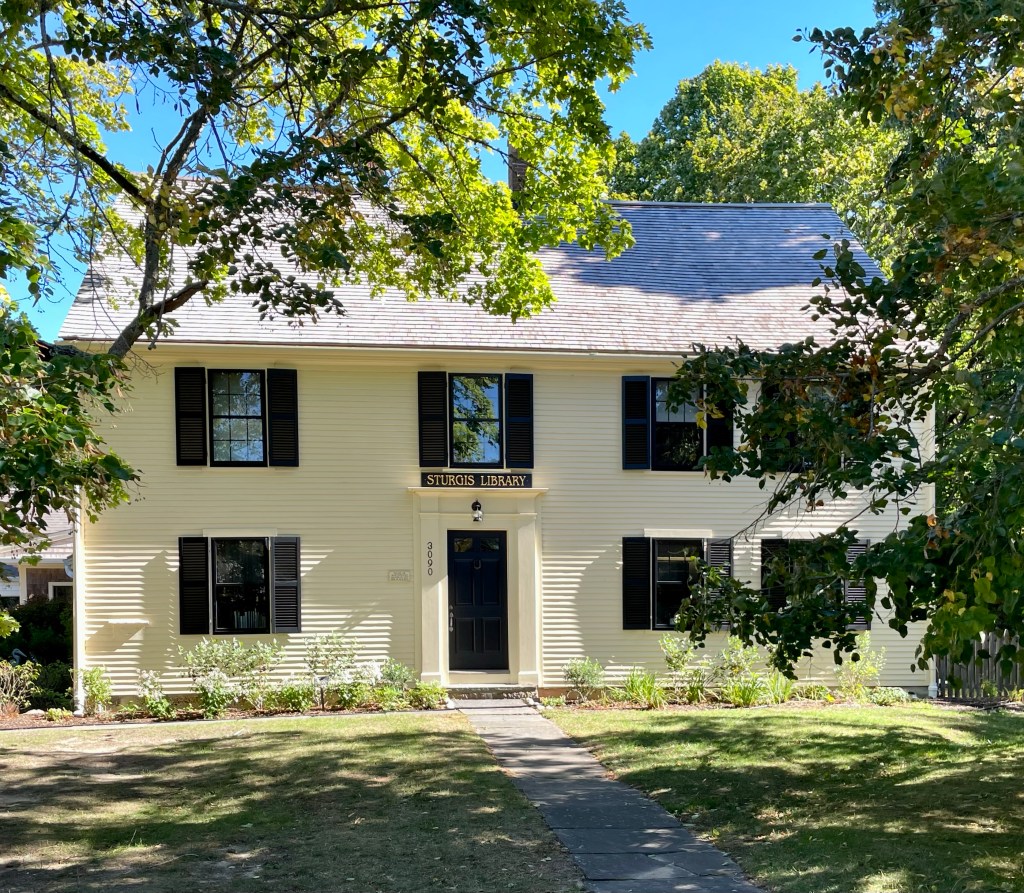
The original section of this building was the second dwelling house of Rev. John Lothrop (1584-1653), one of the first European settlers who settled in present-day Barnstable in 1639. The oldest part of this structure, built in 1644 (yes you read that correctly), is possibly the oldest extant house in the Town of Barnstable. The home was constructed as 21 feet long and 29 feet deep with a chimney on the west side of the house. Perhaps John Lothrop’s principal claim to fame is that he was a strong proponent of the idea of the Separation of Church and State (also called “Freedom of Religion”). This idea was considered heretical in England during his time, but eventually became the mainstream view of people in the United States of America, because of the efforts of Lothrop. His descendants today include six former presidents, Louis Comfort Tiffany (of the stained glass fame), J. P. Morgan, Clint Eastwood, Henry Wadsworth Longfellow, and many more recognizable names! The house was eventually owned by Isaac Chipman in the 19th century, and he modified the house close to its current conditions, adding on numerous times.
Captain William Sturgis, a mariner, businessman and politician, who was born in the house, purchased the property in 1862 from the heirs of Isaac Chipman. Sturgis left $15,000 along with this property in a trust to be gifted to the people of Barnstable for a public library. The library opened in 1867 in his honor, with 1,300 books. As the old Lothrop House is incorporated in the building, it makes the Sturgis Library the oldest building housing a public library in the USA. A great claim to fame for this town!
In 1739, recently married Daniel Davis (1713-1799) and Mehitable Lothrop Davis (1717-1764) inherited land in Barnstable Village from Mehitable’s father Thomas as their wedding present. The young couple broke ground on a new family home that year. Daniel Davis fought in the American Revolution and was was a selectman, assessor, town clerk, and treasurer for Barnstable and represented it at the Massachusetts House of Representatives and Council. Davis also held the position of Guardian of the Mashpee Indians, a position begun in 1746 when Massachusetts appointed white guardians to manage each Indian reservation in the province, the Mashpees protested. Daniel Davis died in the home in 1799. The house retains much of its original design from the multi-pane double-hung windows to the large, central chimney.
The oldest home in Marion, this c.1675 Cape house apparently has interior structural elements dating the home to the earliest colonized days of Sippican Village. The tiny home was built for a member of the Ryder family around 1675, according to the Sippican Historical Society. It was recorded and noted as standing by the 1690s. The home is an example of a three-quarter cape, meaning there are two bays on one side of the front door and one on the other side. During colonial times, for economic reasons, a newly married couple could build a half-cape house with a door, two windows to one side of the door and a single fireplace heating multiple rooms. It was expected that they would expand the house to either a three-quarter house by adding a single window on the other side of the door or doubling the size of the home adding two other bays, all rooms heated by the central chimney.
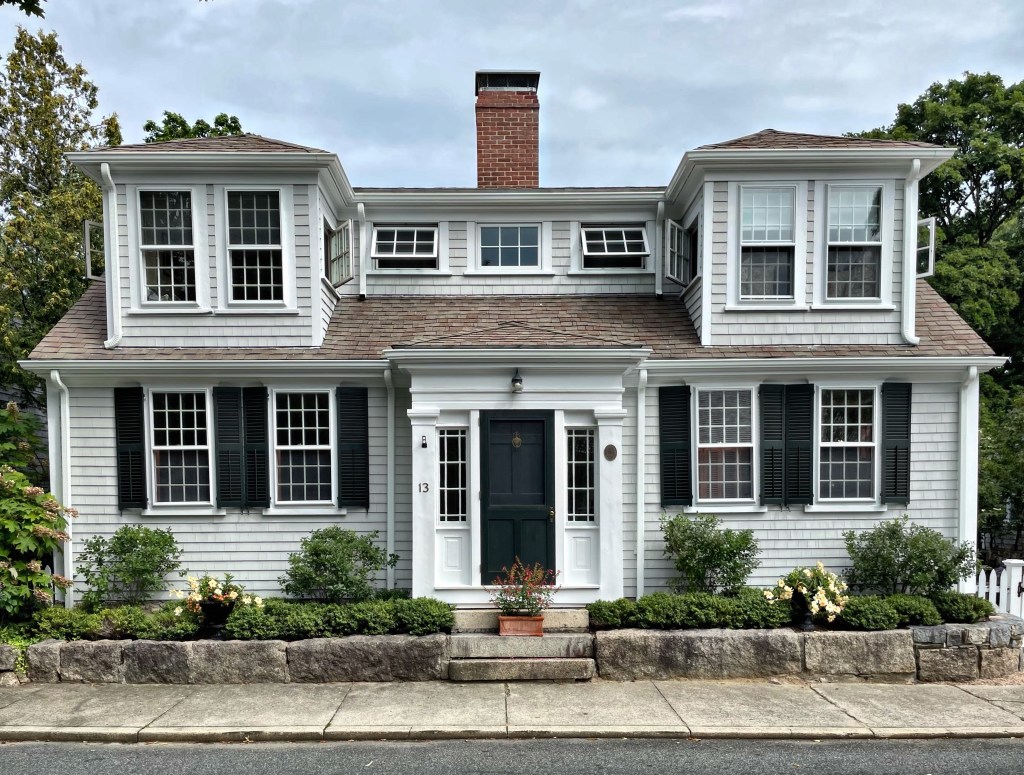
Main Street in Marion, Massachusetts is a house lover’s dream. The street is lined with perfect 18th century capes and old whaling captains houses. This little cape house was built in 1790 for a J. Blankinship, one of the prominent local whaling families in town. By the early 1900s, Henry M. Prichard, an accountant, lived here. Born in New York City, Prichard and his family moved to Massachusetts. During the Civil War, he enlisted in the 25th Massachusetts Volunteer infantry and was part of the Burnside Expedition. According to his obituary,“he was wounded so seriously at the Battle of Cold Spring Harbor that he never fully recovered.” An “ardent devotee of canoeing”, Mr. Prichard retired to Marion, having spent most of his life in New York City and lived out his final days. It was likely he who added the large dormer windows as fresh air and light were seen as cures to ailments in the time. His widow, Abby and daughter, lived here until at least the mid-1920s.
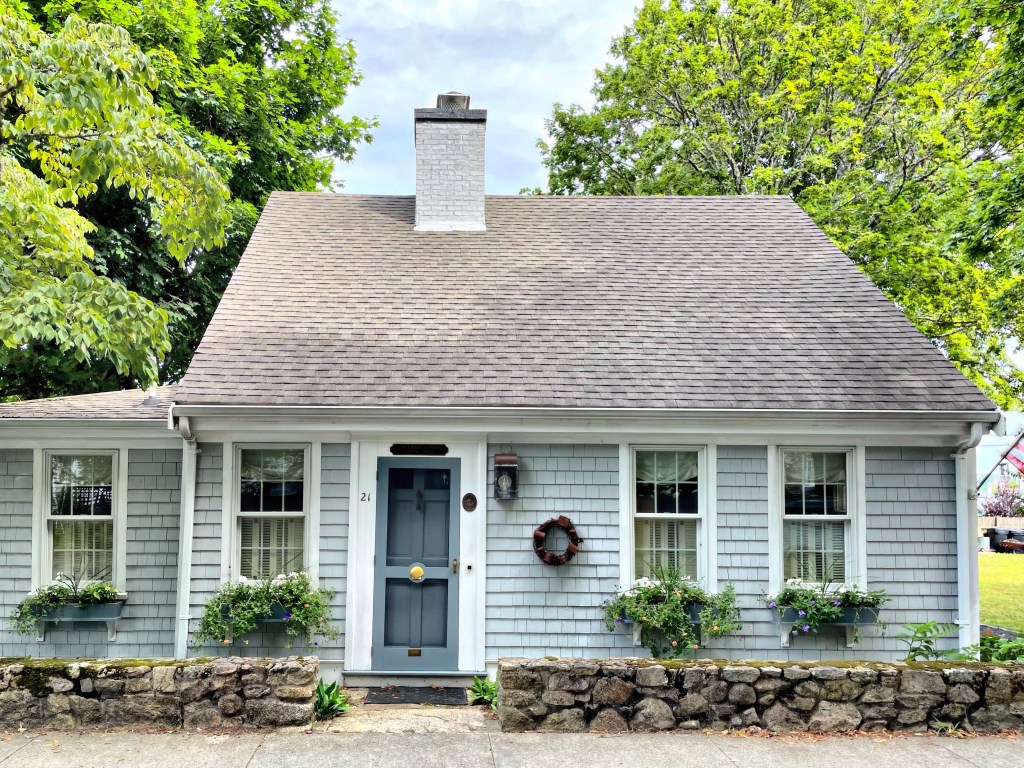
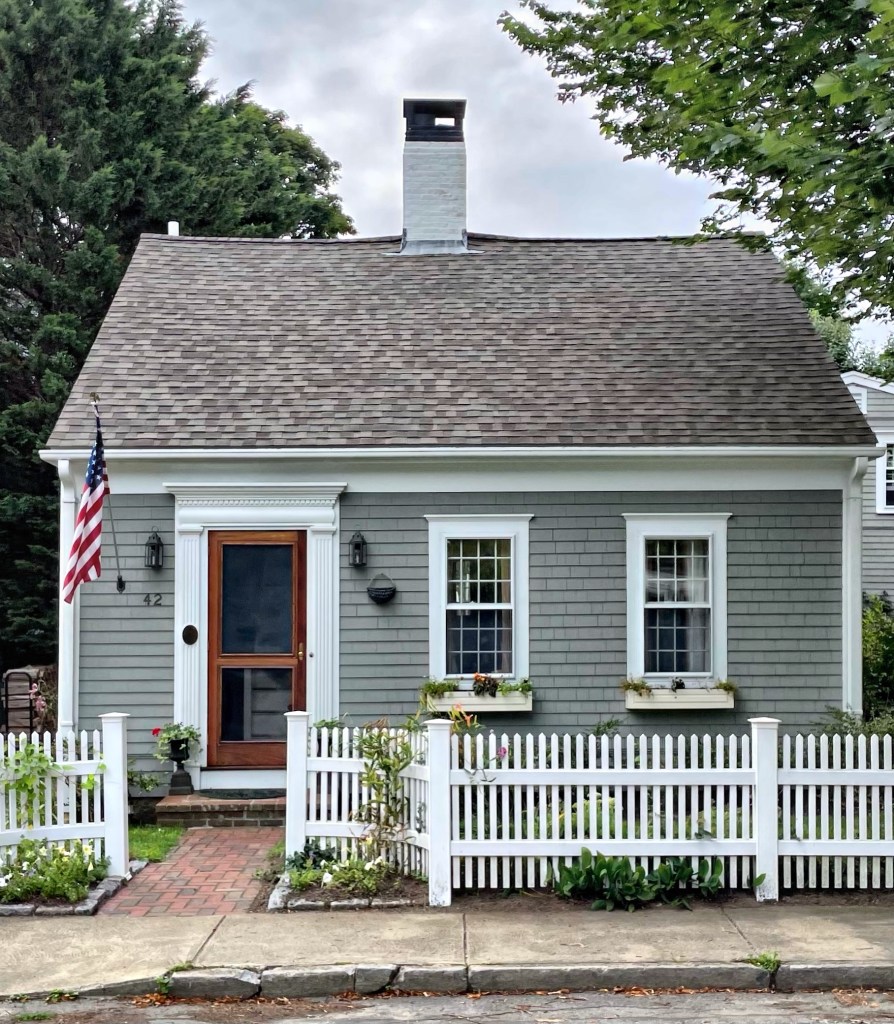
This tiny half-cape house in Marion was built in the mid-19th century for Timothy Hiller Briggs (1822-1877), a whaler. Based on the Federal/Greek detailing on the house, it is also likely the home was built much earlier for Timothy’s father, Silas, a sea captain, and was willed to his only son upon his death in 1833. Timothy died at the young age of 54 and his widow, Josephine, maintained the cottage until her death in 1924! The home is a half-cape as it has an off-center door with two bays of windows at the facade. A full-cape would be symmetrical with a central door and two windows on either side. The central chimney would provide heat to all rooms in the cold winter months.
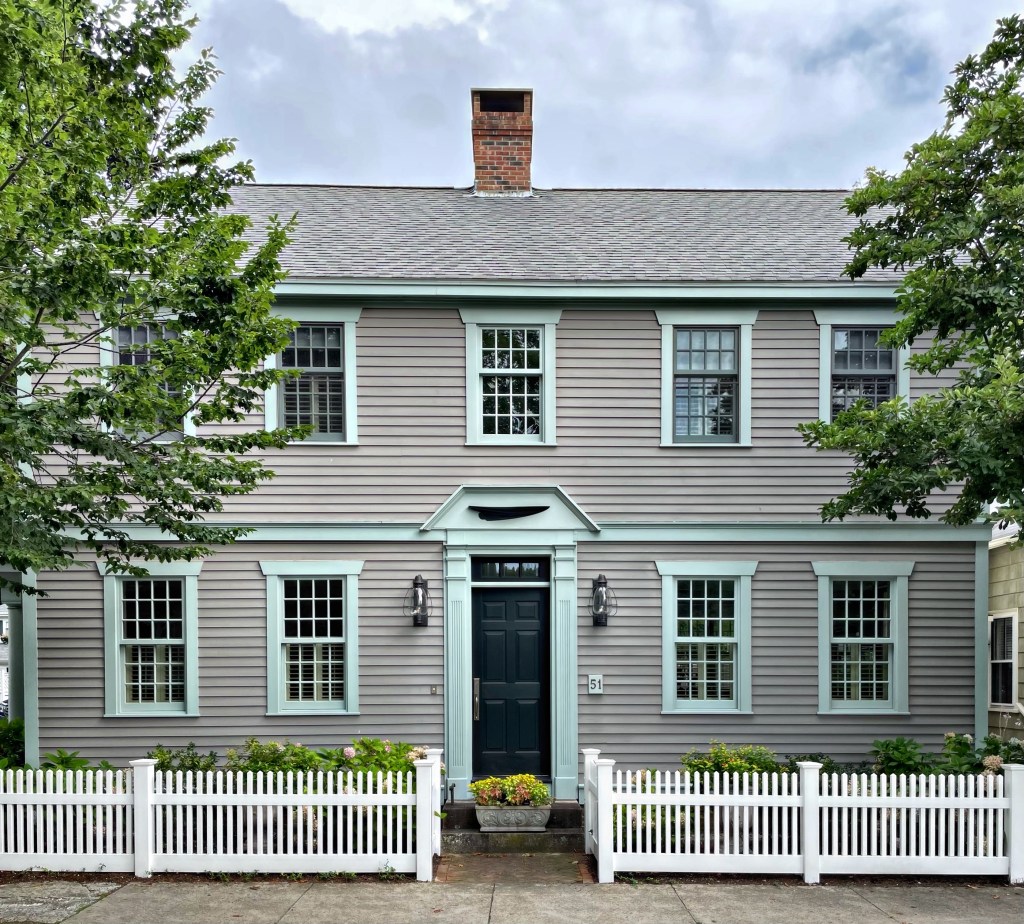
Believe it or not, this beautiful home was once a one-story Cape house! Built in 1828, the home was constructed for Captain Hiram Look, a sea captain, and his new wife Kezziah (Kezia) within a year of their marriage. They had two daughters. Hiram died in 1865, possibly related to the Civil War, which ended that year. After his and his widow’s death, the home was willed to their daughter and her husband, Bernard Coggeshall, who was likely a descendant of the Coggeshall Family of Bristol, RI. The Look daughter died in 1890, and Bernard remarried a year later. Sometime after 2008, this home was enlarged, giving it the second story we see today. If you look closely at photos from before 2008, you can see the matching door surround, window lintels, and window spacing seen today. While the home is completely different, the “updated” version is still appropriate and conveys the home’s history.
The Beebe-Phillips house in Waterford, CT, was built in the 1830s by Orrin Beebe (though some accounts say it was built for his wife Lydia after his death), and is an excellent example of a traditional full-cape house in Connecticut. The home is a vernacular example of the Federal style with no frills or expensive details. The house was originally located elsewhere in town but was moved to its current site on Jordan Green in 1974 by the Waterford Historical Society, next to the Jordan Schoolhouse.
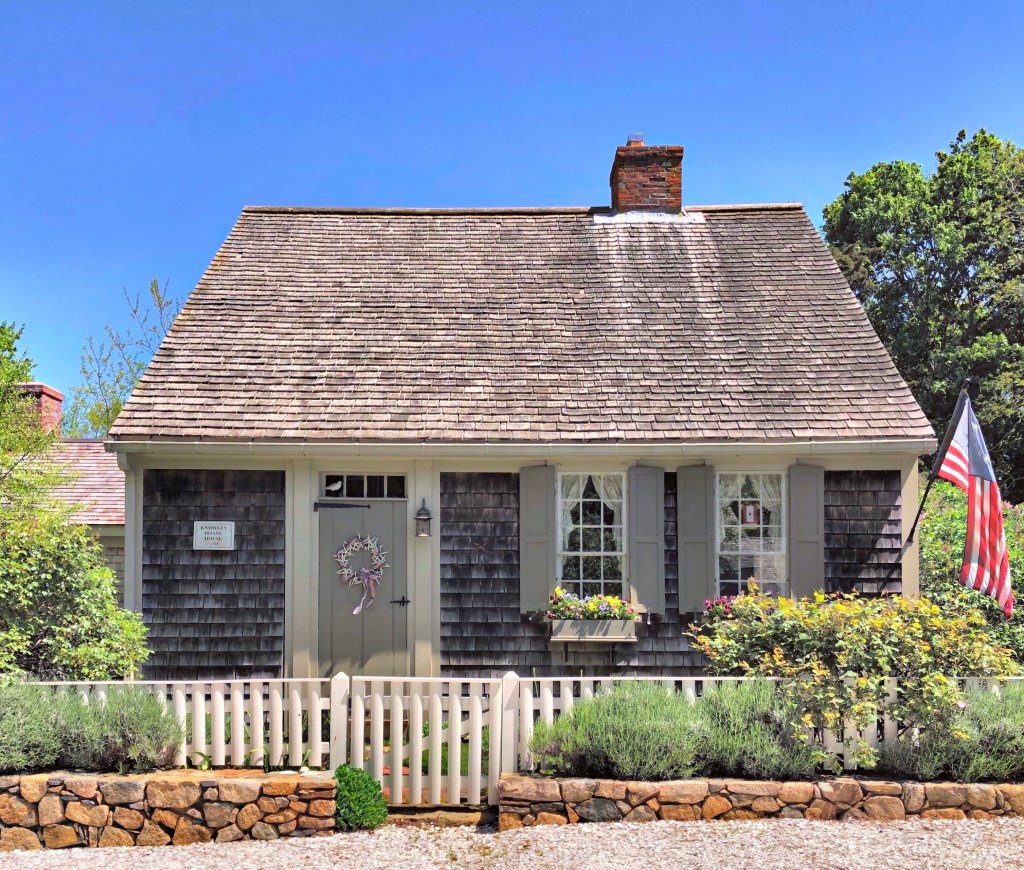
The gorgeous half-cape Knowles Doane House in Eastham is an early example of a traditional Cape home that are synonymous with the peninsula. The modest house features an off-center entry with a solid wood door with a transom above. Clad with wood shingle siding and roofing, the home screams “Cape Cod”. The large central chimney would have provided warmth inside the home during the harsh winter months. The home was likely built for a member of the Doane Family, whos patriarch, John Doane, arrived to Plymouth Colony by 1632. The family eventually settled in Eastham and participated in fishing, whaling and agriculture. By the early 1800s, the home was occupied by Knowles Doane.



 Buildings of New England