Ebenezer Lothrop House // c.1771

Ebenezer Lothrop (1743-1815) purchased land on the Old Kings Highway in Barnstable for 63 pounds, 6 shillings , 8 pence from Sturgis Gorham in 1771, building a home soon after. The old house was likely built as a one-story half cape with a door on the side with two windows to its left. When the house was moved in the 1820s by Ebenezer’s heirs, it is possible the second floor was added, which was followed later by the rear wings and wrap-around porch. The home is very well preserved and is excellently located on a raised lawn.

Daniel Davis Homestead // 1739

In 1739, recently married Daniel Davis (1713-1799) and Mehitable Lothrop Davis (1717-1764) inherited land in Barnstable Village from Mehitable’s father Thomas as their wedding present. The young couple broke ground on a new family home that year. Daniel Davis fought in the American Revolution and was was a selectman, assessor, town clerk, and treasurer for Barnstable and represented it at the Massachusetts House of Representatives and Council. Davis also held the position of Guardian of the Mashpee Indians, a position begun in 1746 when Massachusetts appointed white guardians to manage each Indian reservation in the province, the Mashpees protested. Daniel Davis died in the home in 1799. The house retains much of its original design from the multi-pane double-hung windows to the large, central chimney.

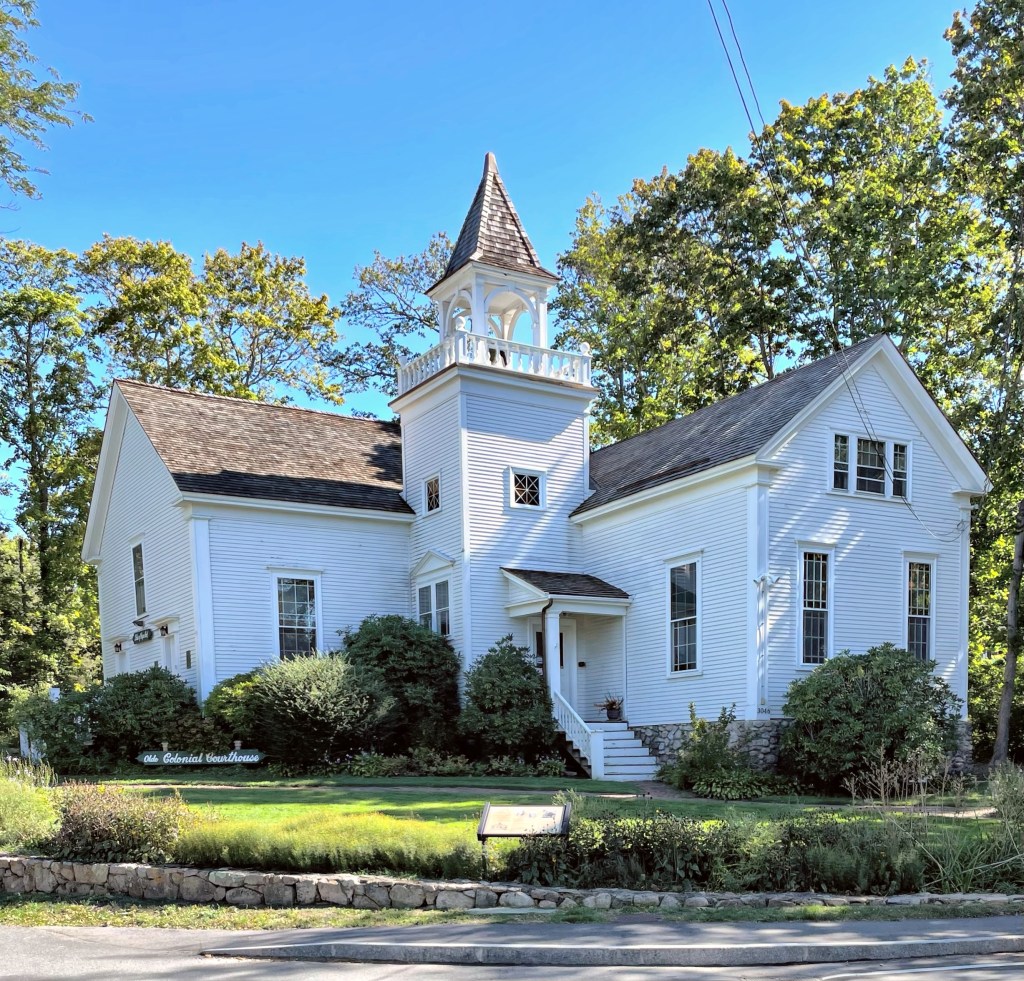
Barnstable Olde County Courthouse // 1763

This historic building was constructed in 1763 as the Barnstable County Courthouse replacing an even earlier courthouse building that was outgrown in the village. The building served primarily as a courtroom with jury deliberations carried out in one of the nearby taverns. Additionally, large town meetings were sometimes held in this building until it too was outgrown. This courthouse was the site of a mass protest on Sept. 27, 1774, after Britain revoked Massachusetts Bay’s 1691 charter — one of a series of Coercive Acts intended to punish the colonists for the Boston Tea Party the previous year. As a result of the protest, all Barnstable county officials agreed to ignore Parliament’s new rules, effectively freeing Cape Cod of British control. The significance of this building cannot be understated as the building is one of only two remaining Massachusetts colonial-era courthouses where such protests occurred. The county dedicated its new courthouse in the 1830s, consolidating all court functions in a large, granite structure closer to the present center of Barnstable Village (featured previously). This building was acquired by the Third Barnstable Baptist Church, who renovated the building at the time and again in 1905. After the church was disbanded in 1972, the building was purchased by Tales of Cape Cod, a nonprofit volunteer group committed to preserving the Cape’s history. What a building to be based out of!

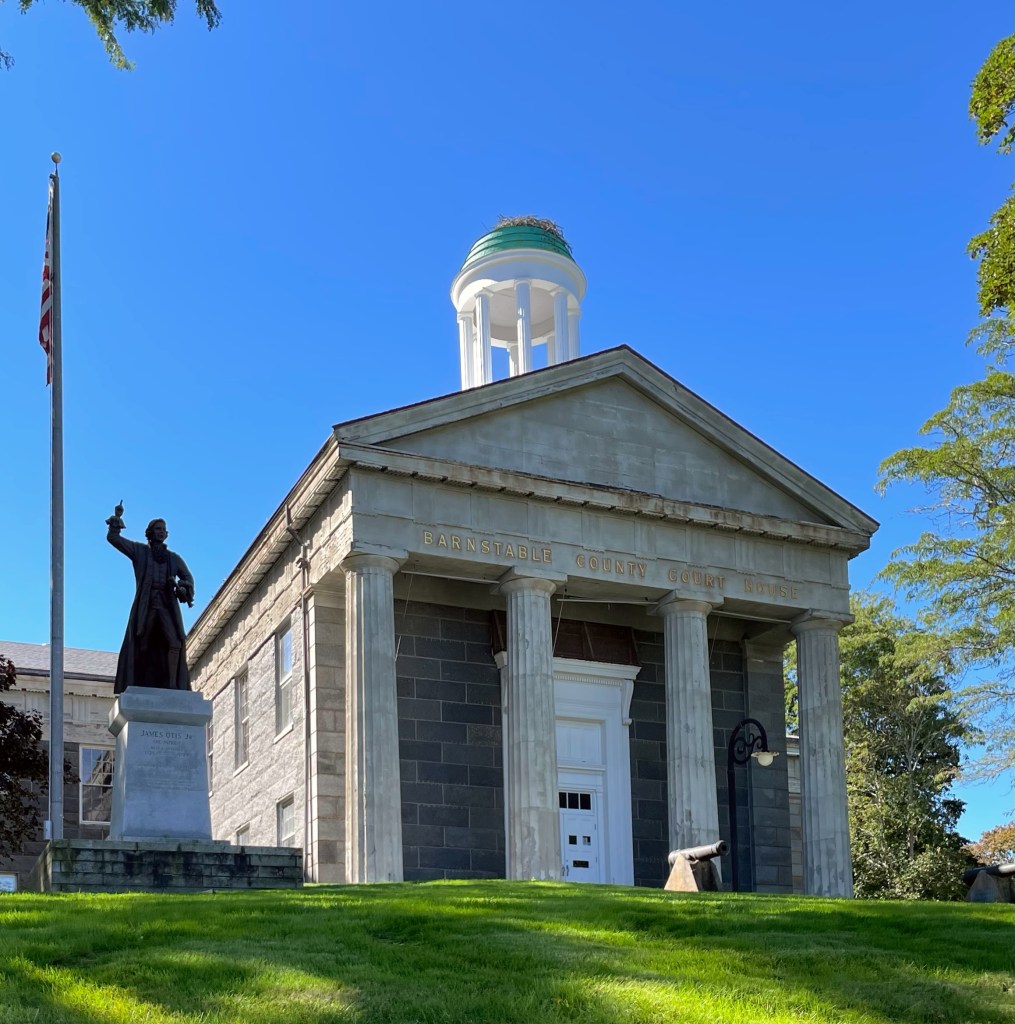
Barnstable County Courthouse // 1831

Perched atop a hill in Barnstable Village, the old town center of the historic Cape Cod town, the Barnstable County Courthouse sits proudly as a well-preserved example of the Greek Revival architectural style in a civic building. The building was constructed in 1831 from plans by renowned architect Alexander Parris, who designed the iconic Quincy Market in Boston just years earlier in the same style. Due to its highly visible location along the Old King’s Highway and public function, the courthouse was likely instrumental in popularizing the Greek Revival style on the Cape. The building was constructed of Quincy granite with a portico and fluted Doric columns made of wood fashioned to look like stone (which fooled me from the street). The building has been expanded five times between 1879 and 1971, with each addition made cognizant of the architectural significance of the building. At the front of the building, two bronze statues of Mercy Otis Warren and James Otis, Jr frame the building. The Barnstable Superior Court is located in the building today.

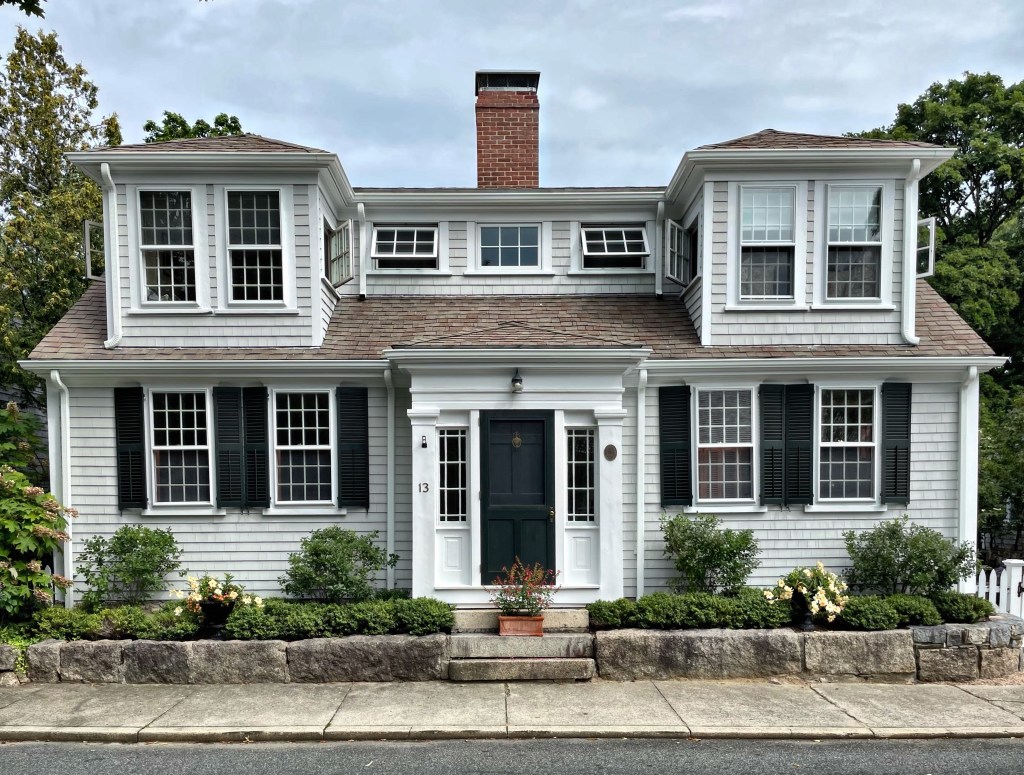
Blankinship-Prichard House // 1790

Main Street in Marion, Massachusetts is a house lover’s dream. The street is lined with perfect 18th century capes and old whaling captains houses. This little cape house was built in 1790 for a J. Blankinship, one of the prominent local whaling families in town. By the early 1900s, Henry M. Prichard, an accountant, lived here. Born in New York City, Prichard and his family moved to Massachusetts. During the Civil War, he enlisted in the 25th Massachusetts Volunteer infantry and was part of the Burnside Expedition. According to his obituary,“he was wounded so seriously at the Battle of Cold Spring Harbor that he never fully recovered.” An “ardent devotee of canoeing”, Mr. Prichard retired to Marion, having spent most of his life in New York City and lived out his final days. It was likely he who added the large dormer windows as fresh air and light were seen as cures to ailments in the time. His widow, Abby and daughter, lived here until at least the mid-1920s.

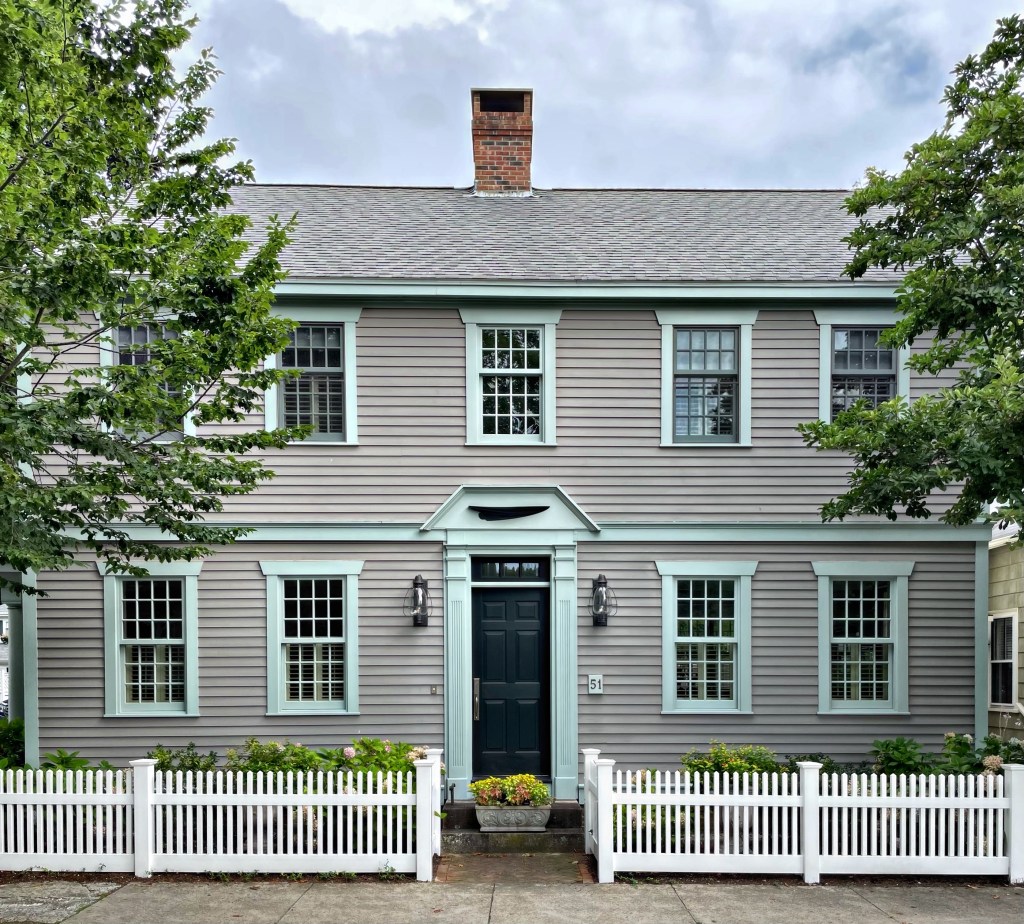
Look-Coggeshall House // 1828

Believe it or not, this beautiful home was once a one-story Cape house! Built in 1828, the home was constructed for Captain Hiram Look, a sea captain, and his new wife Kezziah (Kezia) within a year of their marriage. They had two daughters. Hiram died in 1865, possibly related to the Civil War, which ended that year. After his and his widow’s death, the home was willed to their daughter and her husband, Bernard Coggeshall, who was likely a descendant of the Coggeshall Family of Bristol, RI. The Look daughter died in 1890, and Bernard remarried a year later. Sometime after 2008, this home was enlarged, giving it the second story we see today. If you look closely at photos from before 2008, you can see the matching door surround, window lintels, and window spacing seen today. While the home is completely different, the “updated” version is still appropriate and conveys the home’s history.

What do you think?

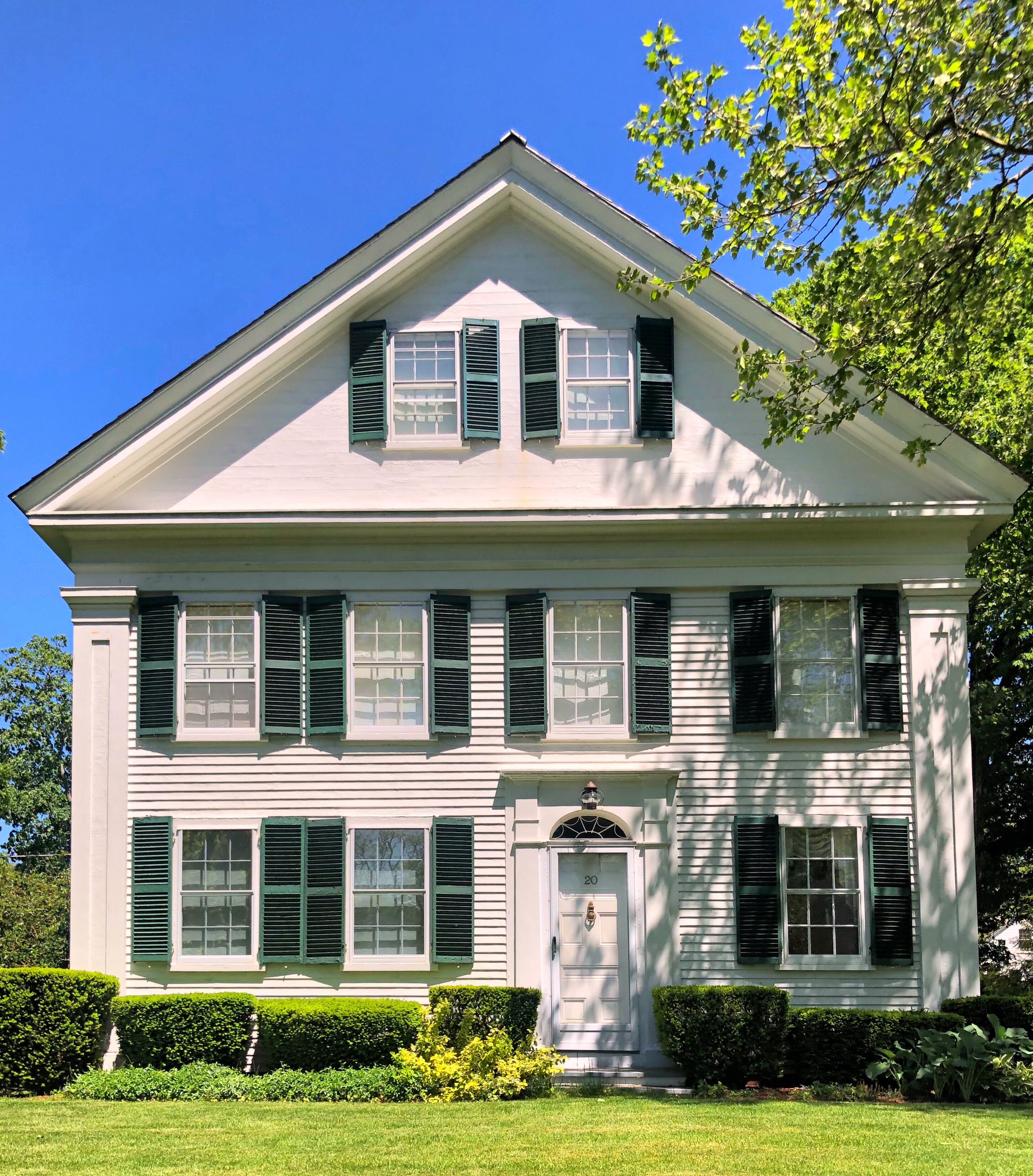
Reuben Nickerson House // c.1835

The gorgeous Reuben Nickerson House on Bridge Road in Eastham is an excellent example of a transitional Greek Revival home with hold-over features of the Federal style. Reuben Nickerson was born in 1814 on Cape Cod and worked as a farmer and saltmaker, he later served as a senator, school committee member, and representative. He was married twice; first to Elizabeth Doane who died in 1849, and he remarried Elizabeth’s sister Sarah Doane just a year later. By the 20th century, the home was operated by descendants of Reuben as a funeral home and residence. After WWII, the home was a bed and breakfast and has since been reverted to a single family home. Detail on the home includes: wide, paneled pilasters, boxed, molded cornice, a pedimented gable, a 2-part wide frieze, and a fanlight at the entrance.

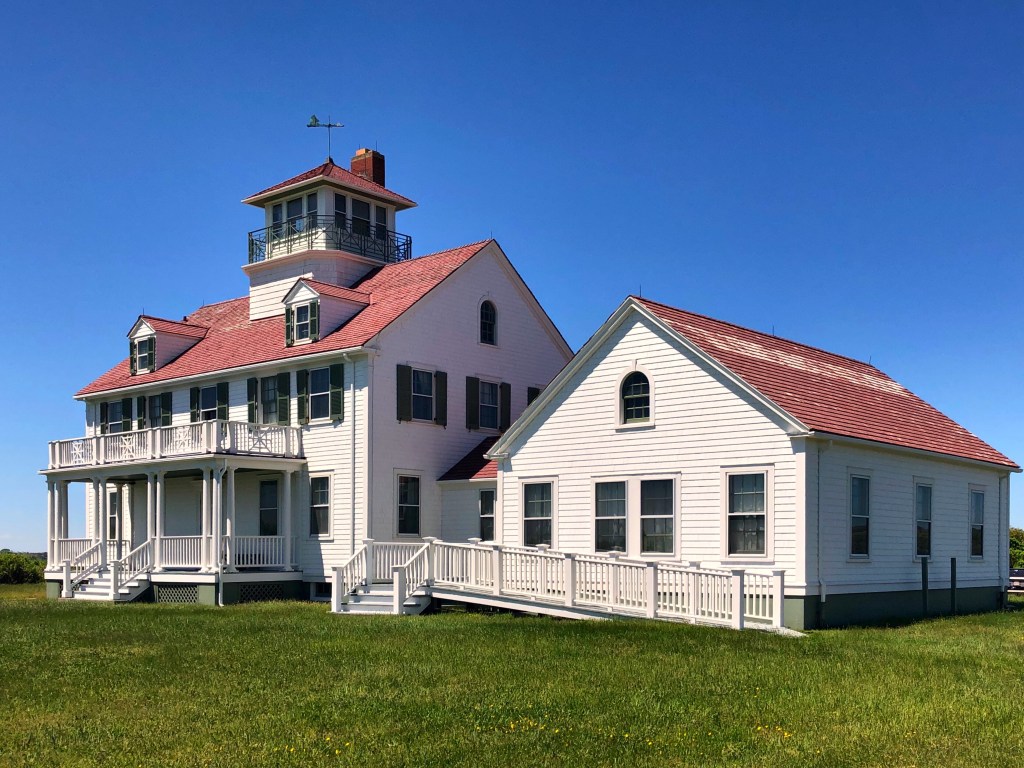
Nauset Coast Guard Station // 1936

Located at one of my favorite beaches in New England, the aptly named Coast Guard Beach, the Nauset Coast Guard Station is an imposing Colonial Revival structure perched upon the bluffs providing sweeping views of the shoreline. The Nauset Coast Guard Station was built in 1936 to replace a late nineteenth century Coast Guard Station which had stood further eastward and north, on land which has been eroded away by the ocean. The present structure was reportedly commissioned after Secretary of the Treasury Henry Morganthau Jr. and his fellow picnickers were driven in 1935 by a summer thunderstorm to seek shelter in the old and antiquated Coast Guard Station, built after the Civil War. Construction of the new station was authorized several weeks after this incident as Morganthau, who spent summers on Cape Cod, took a personal interest in the building’s construction, visiting the site during the summer of 1936.

This area of beaches has had a tradition of assistance to shipwrecked sailors. In 1802, the country’s first all volunteer life saving organization, the Massachusetts Humane Society, erected a hut on this beach. It was replaced by a larger one in 1855 and by the Nauset Life Saving Station in 1872. The building was added on to and moved twice before it was replaced by the present structure in 1936. The building was occupied by the Coast Guard as a station until 1958. It now is home to an education center as part of the Cape Cod National Seashore.

Eastham Windmill // 1793

Built in 1793, the Eastham Windmill on the old Town Green is the oldest workable gristmill on Cape Cod. Typical of Cape Cod, Eastham’s windmill is an octagonal , “hat and smock” or Flemish design in which the revolving top or hat can be rotated to direct the sails into the wind. Local historians contend that Thomas Paine, a noted early millwright and resident of Eastham, most likely built the Eastham Windmill in the late eighteenth century. Some sources state that the windmill was likely built in Plymouth and later moved to Truro and eventually to Eastham in 1793. In 1895, the women of the Village Improvement Society raised money to purchase the windmill and two adjoining properties from private ownership for $ 113.50. Around the turn of the twentieth century, the windmill became a local tourist attraction and the subject of postcards and souvenirs. The windmill is now the main attraction of the annual Eastham Windmill Weekend.

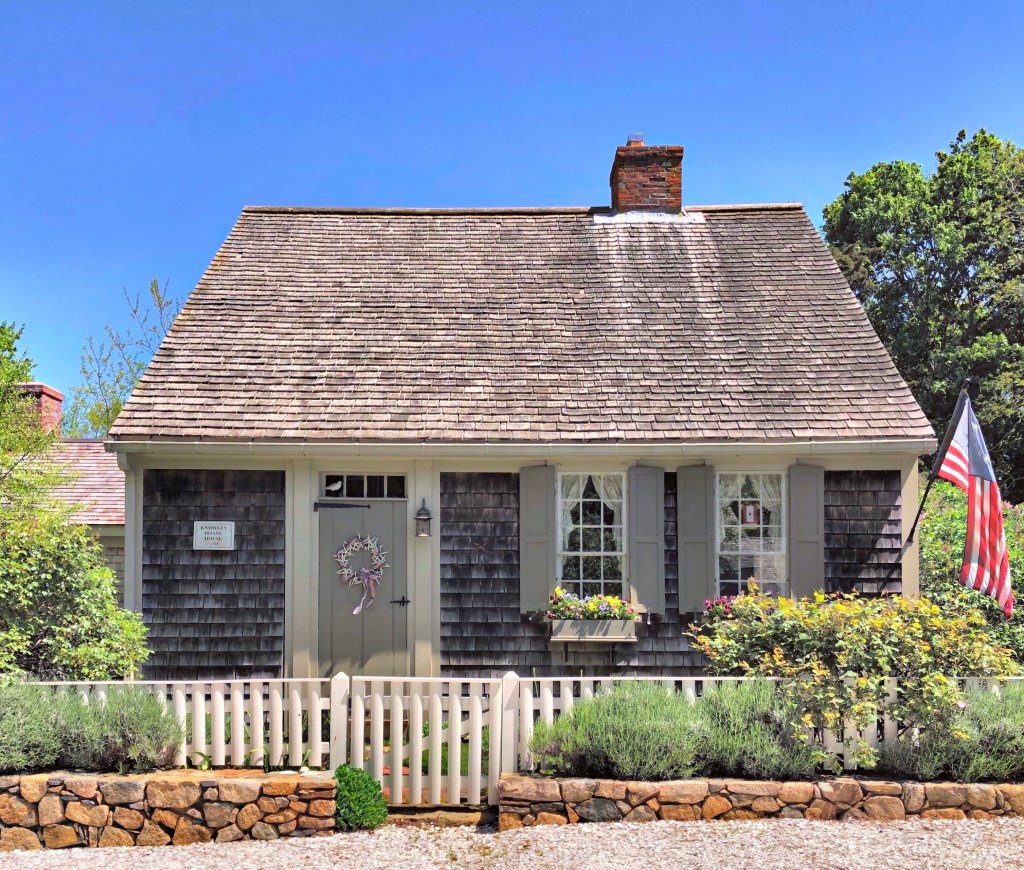
Knowles Doane House // 1765

The gorgeous half-cape Knowles Doane House in Eastham is an early example of a traditional Cape home that are synonymous with the peninsula. The modest house features an off-center entry with a solid wood door with a transom above. Clad with wood shingle siding and roofing, the home screams “Cape Cod”. The large central chimney would have provided warmth inside the home during the harsh winter months. The home was likely built for a member of the Doane Family, whos patriarch, John Doane, arrived to Plymouth Colony by 1632. The family eventually settled in Eastham and participated in fishing, whaling and agriculture. By the early 1800s, the home was occupied by Knowles Doane.