Loew’s State Theatre – Providence Performing Arts Center // 1928

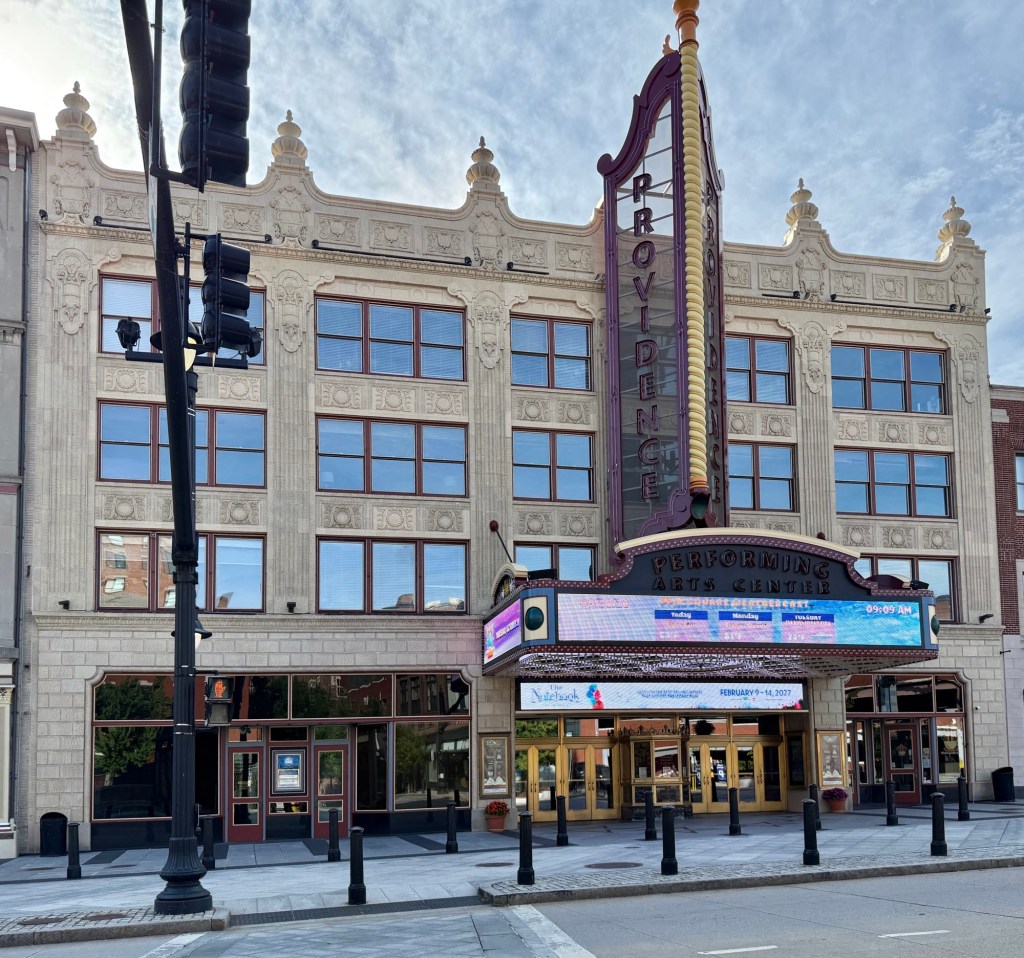
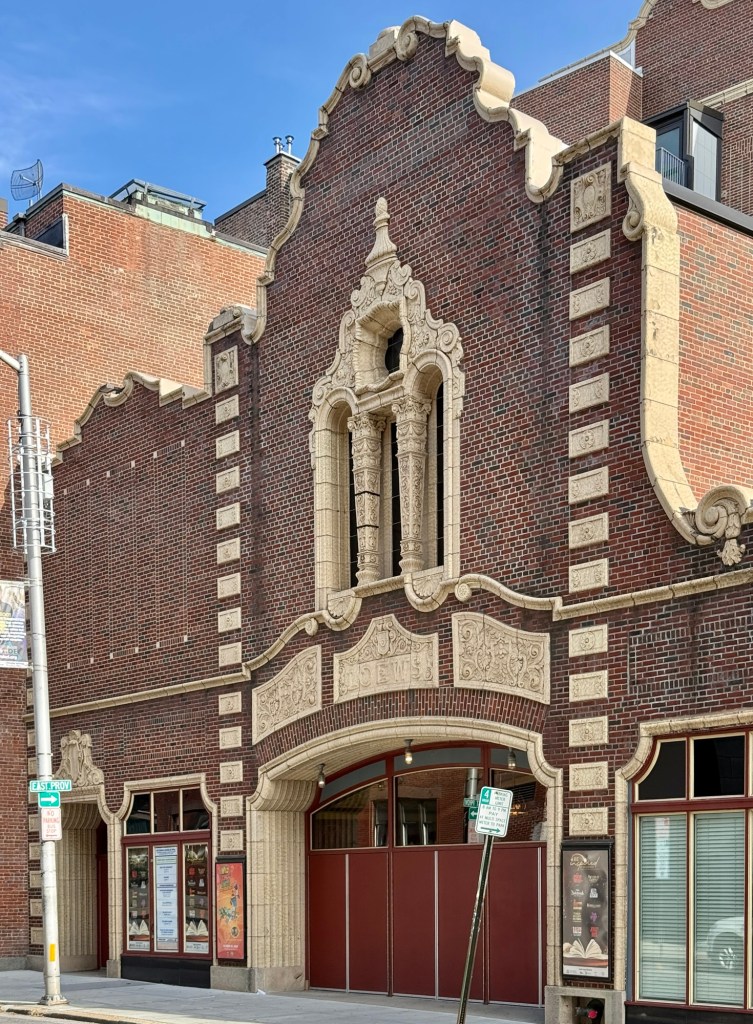
The old Loew’s State Theatre, now the Providence Performing Arts Center in Downtown Providence, opened on October 6, 1928, as one of the grand movie palaces built by the Loews chain during Hollywood’s golden age. Designed by the Chicago firm Rapp & Rapp, the country’s leading theater architects at the time, the building blends Baroque and Rococo influences earning it the nickname “The Jewel of Weybosset Street.” The primary facade is a four-story, terra-cotta sheathed, steel-frame structure with with fluted pilasters, molded panels, finials at the parapet, and a large modified prismatic marquee. On the Richmond Street elevation, a one-story brick structure with terra-cotta trim and secondary entrance/exit provides additional flair to what would otherwise be a more stripped-down feature. After WWII, when theaters began to see declining revenue, the building cycled through names like the Palace Concert Theatre and Ocean State Theatre before a group of local preservationists and civic leaders saved it from possible demolition in the late 70s. The building was listed on the National Register of Historic Places in 1977 and the theater reopened as the Providence Performing Arts Center in 1982. The roughly 3,100-seat venue has since been carefully restored to its original splendor and today ranks among the largest and best-preserved movie-palace-era theaters in New England, hosting national Broadway tours, concerts, and comedy shows.
Lyric Theater // 1914

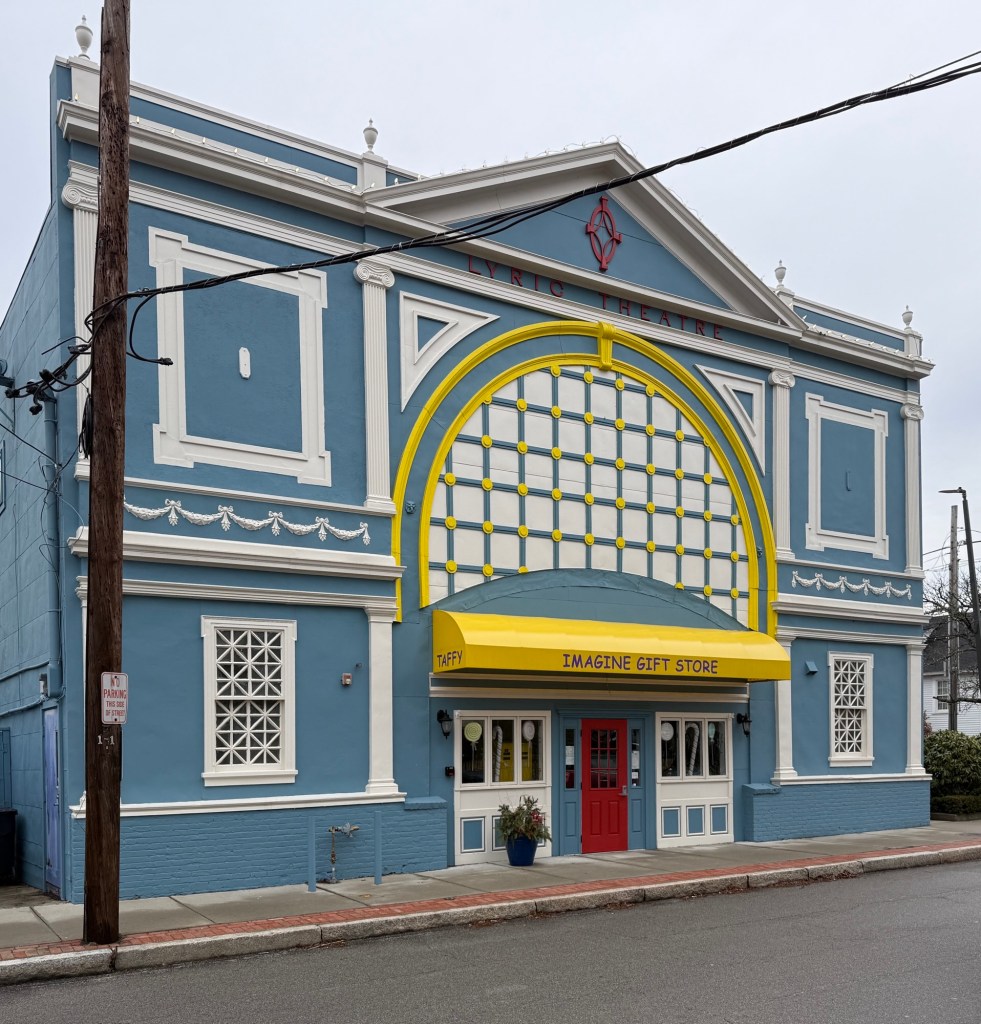
The most whimsical and unique building in Warren, Rhode Island, is this architectural landmark, the former Lyric Theater on Miller Street. Built in 1914, the building historically had a large projecting marquee, and today retains the large blind arch with applied ornament in the form of Ionic pilasters, panels, frets, and swags to decorate the facade. The Lyric remained active as a motion-picture theatre until 1967 and was converted to retail use in the 1980s, becoming an antique store in 1992.

Avon Cinema // 1938

There are fewer and fewer historic movie theaters in America, largely due to the proliferation of larger theaters at the end of the 20th century and the more recent trend of streaming. Smaller, family-owned theaters are becoming rare, so if we value the charm and character of these spaces, we have to support the arts at these spaces! The Avon Cinema is located in Providence’s East Side neighborhood and premiered on February 15, 1938 with the French film Beethoven’s Great Love (titled “The Life and Loves of Beethoven” in the U.S.) The theater was originally constructed in 1915 and operated as the Toy Theater for a few years before it closed. After decades, the building was purchased by the Dulgarian Brothers, who reopened the theater, naming it Avon. The Dulgarian family has owned and operated the theater to this day and have made a point to restore the building and maintain the historic charm.

Mohawk Theater // 1938

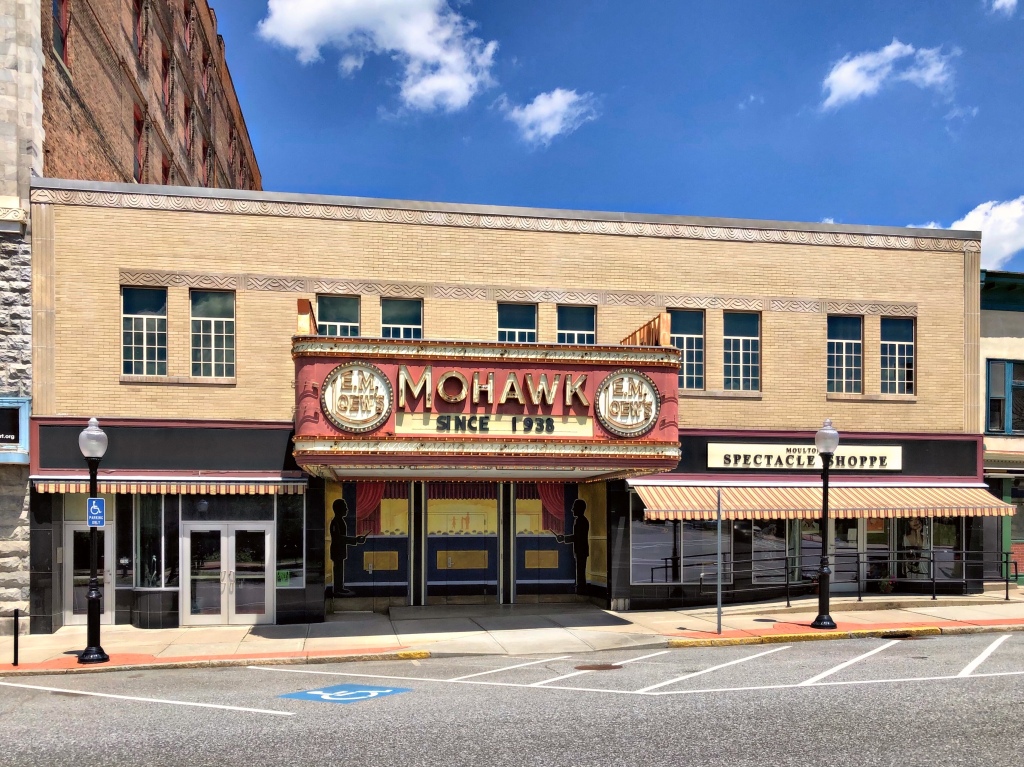
Local theaters once dominated the urban landscape, providing flashing neon lights and marquees on Main Street USA. After WWII, many downtowns saw populations move to the suburbs and through the advancement in technology, many of these historic movie houses were demolished. Large cineplexes with 10+ screens were built, and the death of the small movie theater coincided with the death of many Main Streets in the mid and late 20th century. Fast forward to today, we see many Main Streets thriving (before the COVID crisis) thanks to women and minority-owned businesses investing in their communities.

The Mohawk Theater in North Adams was built in 1938 and is an excellent example of Art Deco architecture in Western Massachusetts. Loews Cinemas hired the Boston architectural firm of Mowl & Rand to design the 1,200 seat theater which also featured a Native American motif at the lobby. The theater was sold in 1987 to a private investor, who opened the theater for occasional concerts and films, but efforts to maintain the Mohawk were short lived. In 1991, its doors were closed for good.