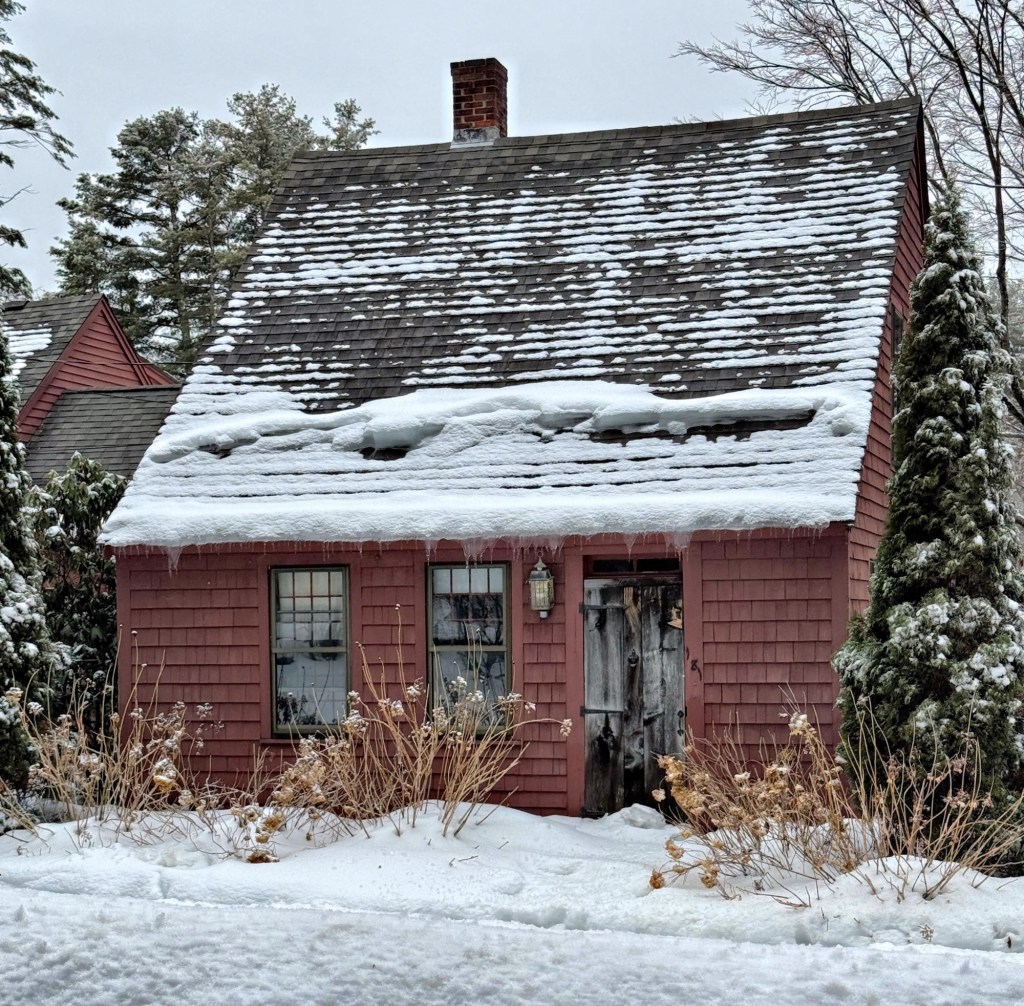
Samuel J. Nutter House // c.1750

The Samuel J. Nutter House on Indian Pond Road in Kingston, Massachusetts, is a fairly rare example of a half-cape Georgian-era home in New England. Local history states that the house dates to before the American Revolution and was constructed as an early half-cape, with an off-center door flanked by two bays of windows. The small house form would allow the owner to add on additional bays to make it a 3/4- (has a door with two windows on one side and a single window on the other) or full-cape (with a central door and two windows on each side) as the family and prosperity grew. This house was built as a half-cape and has not changed in its over 275-year existence, besides the addition of a barn and one-story connecting addition to it. The house was originally located elsewhere in town, but was relocated to the site in about 1830 by Samuel Nutter (born Nutt and changed his name in 1825), who married Mercy Washburn that year. The Nutter Family farmed here until the early 1900s.

Ebenezer Lothrop House // c.1771

Ebenezer Lothrop (1743-1815) purchased land on the Old Kings Highway in Barnstable for 63 pounds, 6 shillings , 8 pence from Sturgis Gorham in 1771, building a home soon after. The old house was likely built as a one-story half cape with a door on the side with two windows to its left. When the house was moved in the 1820s by Ebenezer’s heirs, it is possible the second floor was added, which was followed later by the rear wings and wrap-around porch. The home is very well preserved and is excellently located on a raised lawn.

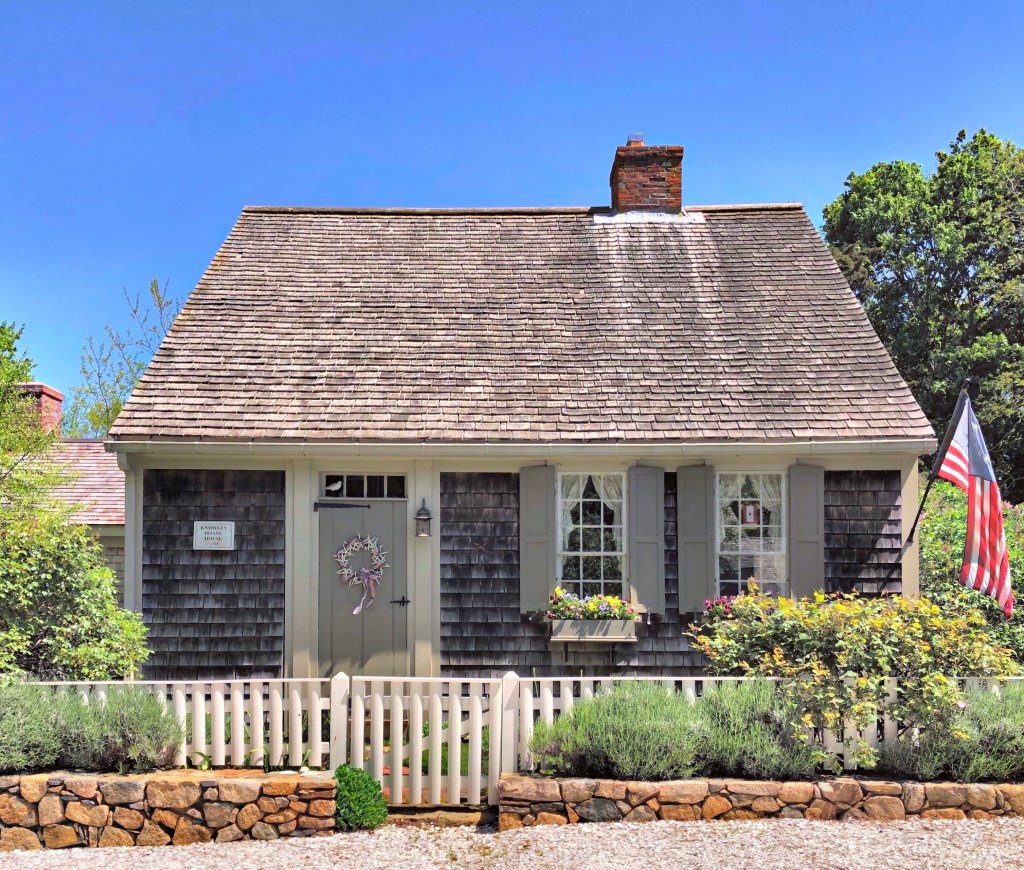
Knowles Doane House // 1765

The gorgeous half-cape Knowles Doane House in Eastham is an early example of a traditional Cape home that are synonymous with the peninsula. The modest house features an off-center entry with a solid wood door with a transom above. Clad with wood shingle siding and roofing, the home screams “Cape Cod”. The large central chimney would have provided warmth inside the home during the harsh winter months. The home was likely built for a member of the Doane Family, whos patriarch, John Doane, arrived to Plymouth Colony by 1632. The family eventually settled in Eastham and participated in fishing, whaling and agriculture. By the early 1800s, the home was occupied by Knowles Doane.