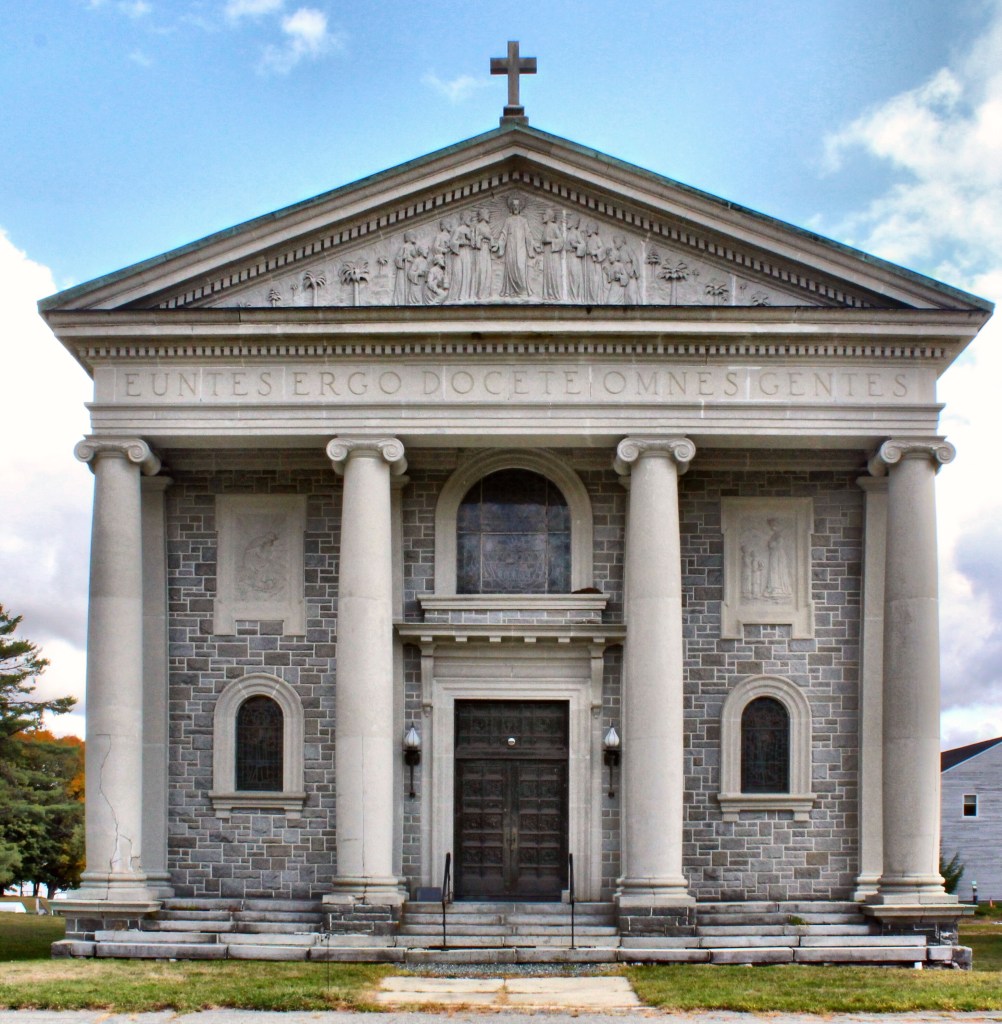
Mary Keane Memorial Chapel // 1930

Located in the Enfield Shaker Village in Enfield, New Hampshire, this stunning chapel building clearly depicts the significance of religion and faith in the Shaker Community. The church structure however, was built after the Shakers sold the property! In 1923, after 130 years of farming, manufacturing, and productive existence, declining membership forced the Shakers to close their community and put it up for sale. In 1927, the Shakers sold the site to the Missionaries of Our Lady of La Salette, an order of Catholic priests, ensuring the continued tradition of spiritual, communal life on the site. The La Salettes also continued the very active agricultural use of the site as well as establishing a seminary and high school here.

The Mary Keane Chapel dates from the post-Shaker era at the Church Family site. Designed by Donat R. Baribault of Springfield, Massachusetts, the chapel was built for the Brothers of the La Salette Order with funds donated by their benefactress, Mary Keane. Ms. Keane, who had inherited a fortune from her uncle, pledged that fortune to assist the La Salette’s in the establishment of a French language seminary in Enfield. Her wealth helped purchase the former Shaker community, renovate the building for La Salette’s use, and build the Mary Keane Chapel.

The property was purchased again in 1985 and has operated as the Enfield Shaker Museum starting in 1986. The museum offers educational exhibits and programs designed to invite active participation in learning about the extraordinary people who once lived and worked here.
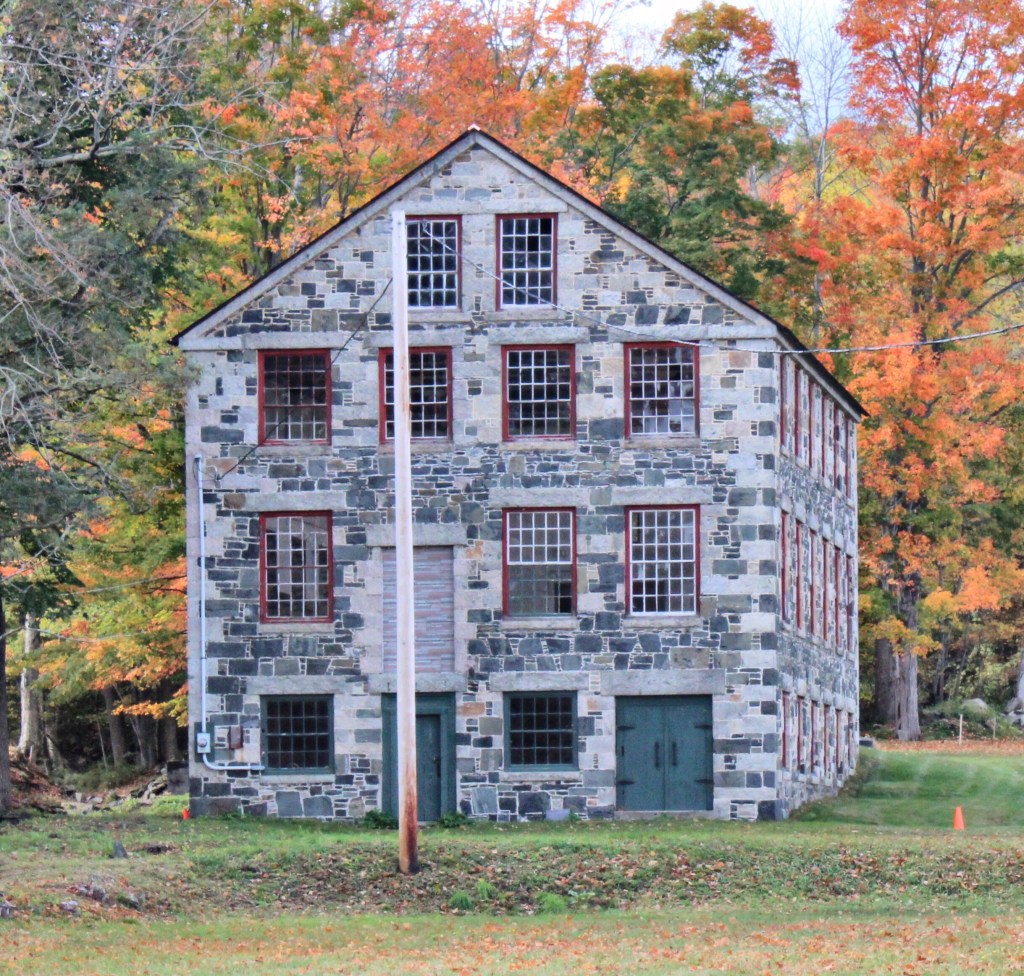
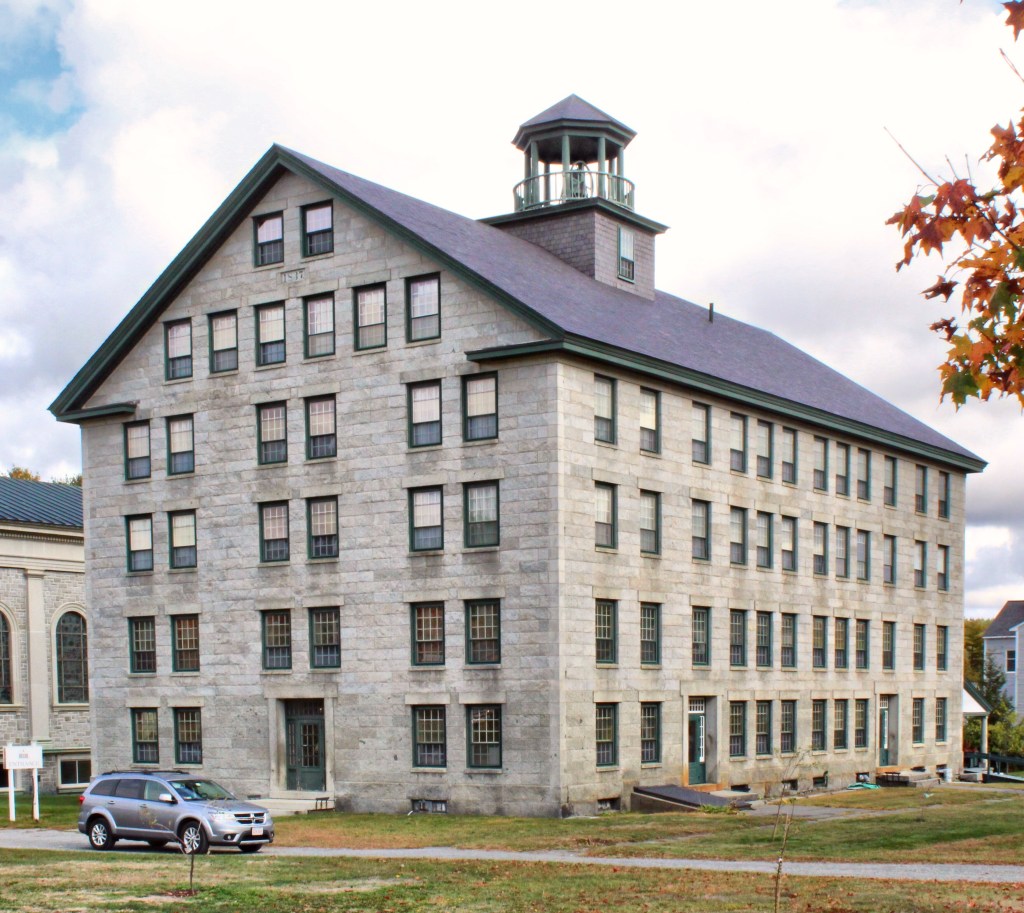
Stone Machine Shop // 1849

Located across the street from the main collection of remaining Shaker buildings in the Enfield Shaker Museum campus, this historic stone structure stands as a lasting remnant of the workspaces built for the active Shaker community there. Once part of a larger group of structures that once stood here (the machine shop being the only extant), including a tannery, blacksmith shop, animal sheds, and broom shop, this stone structure shows the significance of rural industry in Enfield. This structure was built in 1849 and was water powered. Stone Machine Shop was powered by a nearby stream and mill pond. Water flowing through the stream would enter into the mill’s head race, move across several water wheels, and exit through the tail race before being dumped back into the stream

Great Stone Dwelling // 1837

Located on the west bank of Mascoma Lake in Enfield, New Hampshire, an architecturally and historically significant collection of Shaker buildings can be found, all very well maintained. Founded in 1793, this village was the ninth Shaker community to be established in this country. At its peak in the mid 19th century, the community was home to three “Families” of Shakers. Here, they practiced equality of the sexes and races, celibacy, pacifism, and communal ownership of property. There were 132 members of the village by 1803, and by 1840 there were nearly 300 people.

Within the village was the largest Shaker dwelling ever built in the country and the largest residential dwelling north of Boston, the Great Stone Dwelling. The Shakers here hired leading Greek Revival Architect Ammi Young to design the building. Ammi had experience in larger building projects having designed the current Vermont State House and several structures at nearby Dartmouth College. Young would later go on to be the Supervising Architect for the United States Department of the Treasury.

The Enfield Shaker Village in Enfield is open for tours, and you can even spend a night in the 1837 Great Stone Dwelling!

Whitney Hall // 1901

The Enfield, New Hampshire Library and Memorial Building, also known as Whitney Hall, is a transitional Queen Anne/Shingle Style building built in 1900-1901. Local citizens donated funds for construction of the building to house the public library, as well as a selectmen’s office and rooms for fraternal organizations (notably the Grand Army of the Republic). The second floor, known as Whitney Hall, served as a public hall and theater. Mill operator George Whitney donated $1,000 for its construction and also built the village’s first electric plant, making Enfield one of the first towns in the state to have electricity for its homes and streetlights. During World War II, the top of the tower was enclosed to spot for enemy aircraft, remaining enclosed to this day. In 1976 the building underwent major renovation and now also contains the Enfield town offices.

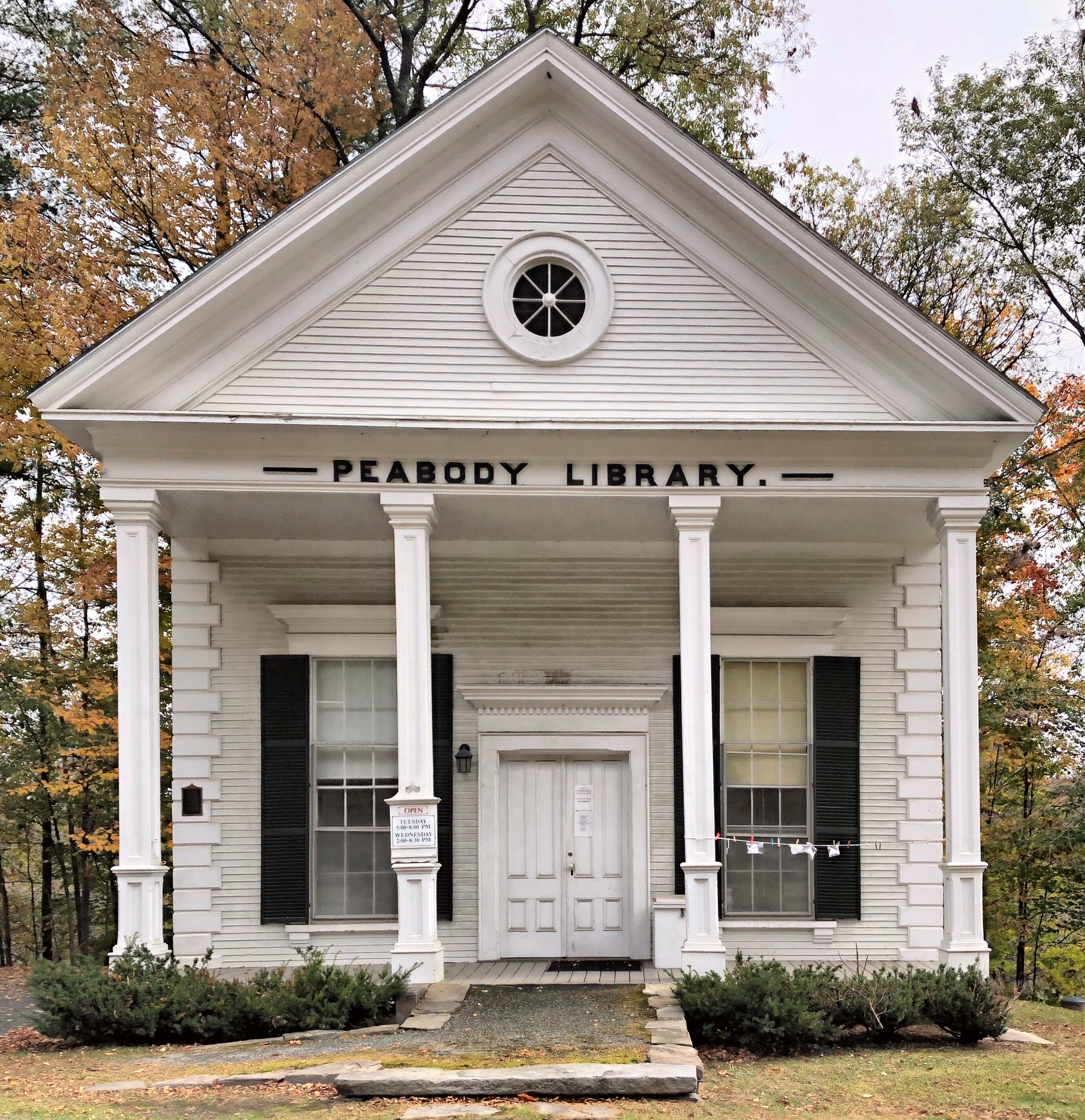
Peabody Library // 1867

Located in the Post Mills Village of Thetford, Vermont, the Peabody Library is one of the cutest library buildings ever! The library was a gift to the community of Post Mills by George Peabody, one of the first great American philanthropists. Peabody spent some time in Post Mills as a teenager, where his maternal grandfather lived. Peabody’s grant of $5,000 paid for purchase of the land, construction of the building, and acquisition of 1,100 volumes. He also donated funds for other libraries including the Peabody Institute Library in Danvers. The library exhibits a unique blend of characteristics from both the Greek Revival and Italianate Revival styles, being an outstanding representative of the mid nineteenth-century transition in architectural fashion. Oh to see inside this little library!

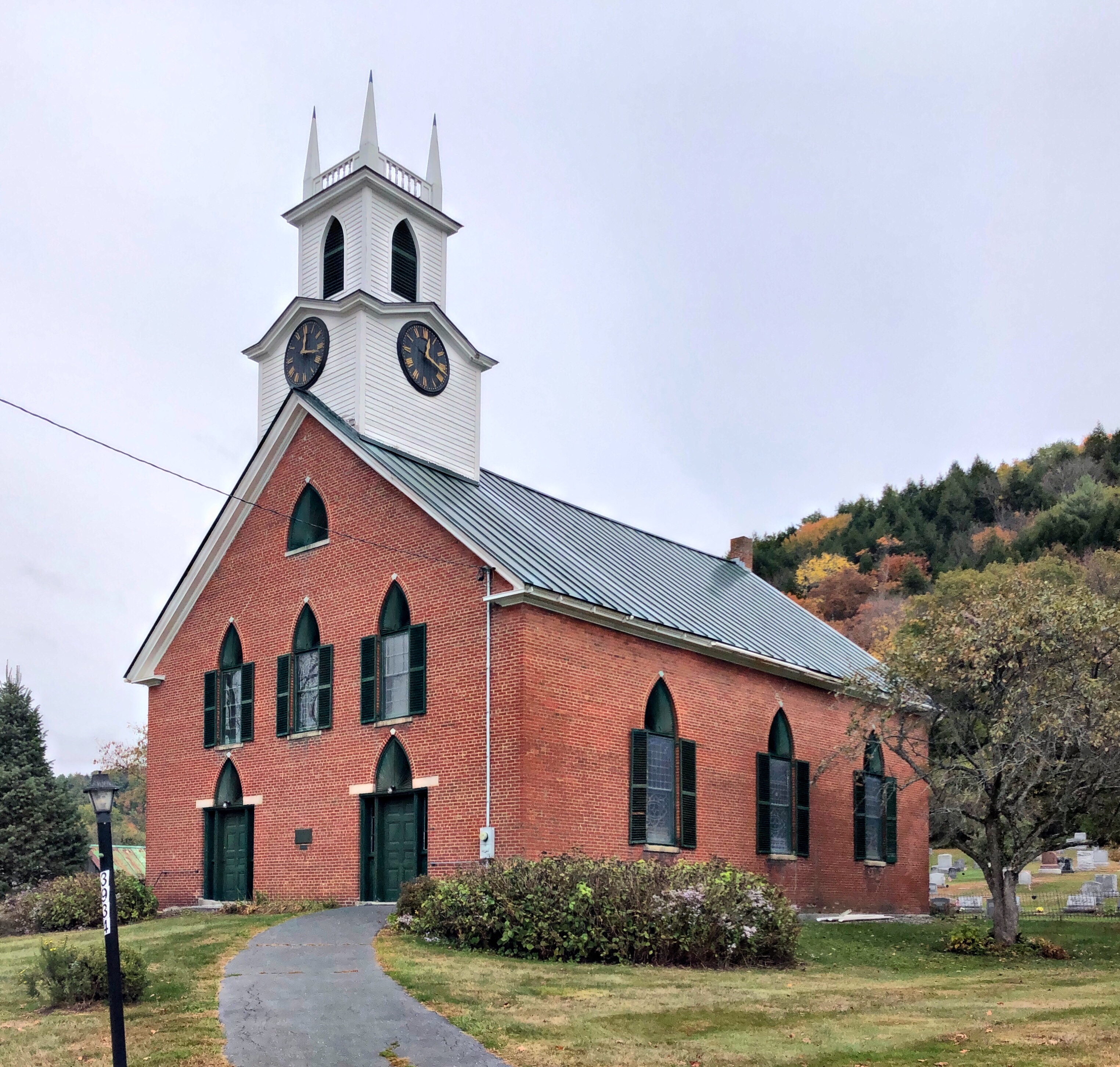
Thetford Center Methodist Church // 1838

An outstanding example of the Gothic Revival style churches in Vermont, this brick, three bay, gable front church was constructed in 1838 in Thetford Center Vermont. The Gothic Revival style is expressed here primarily in the pointed louvered insets above the windows (including the pointed louvers in the steeple) and the finials at the steeple. The church building was constructed using brick made in the local brickyard owned by Hezekiah Porter. Designed to seat 250 people, it was constructed for the cost of a mere $1,400. Behind the church is the Evergreen Rest Cemetery, administered by a Cemetery Association, in which are many of the early residents of Thetford and members of the congregation and its founders.

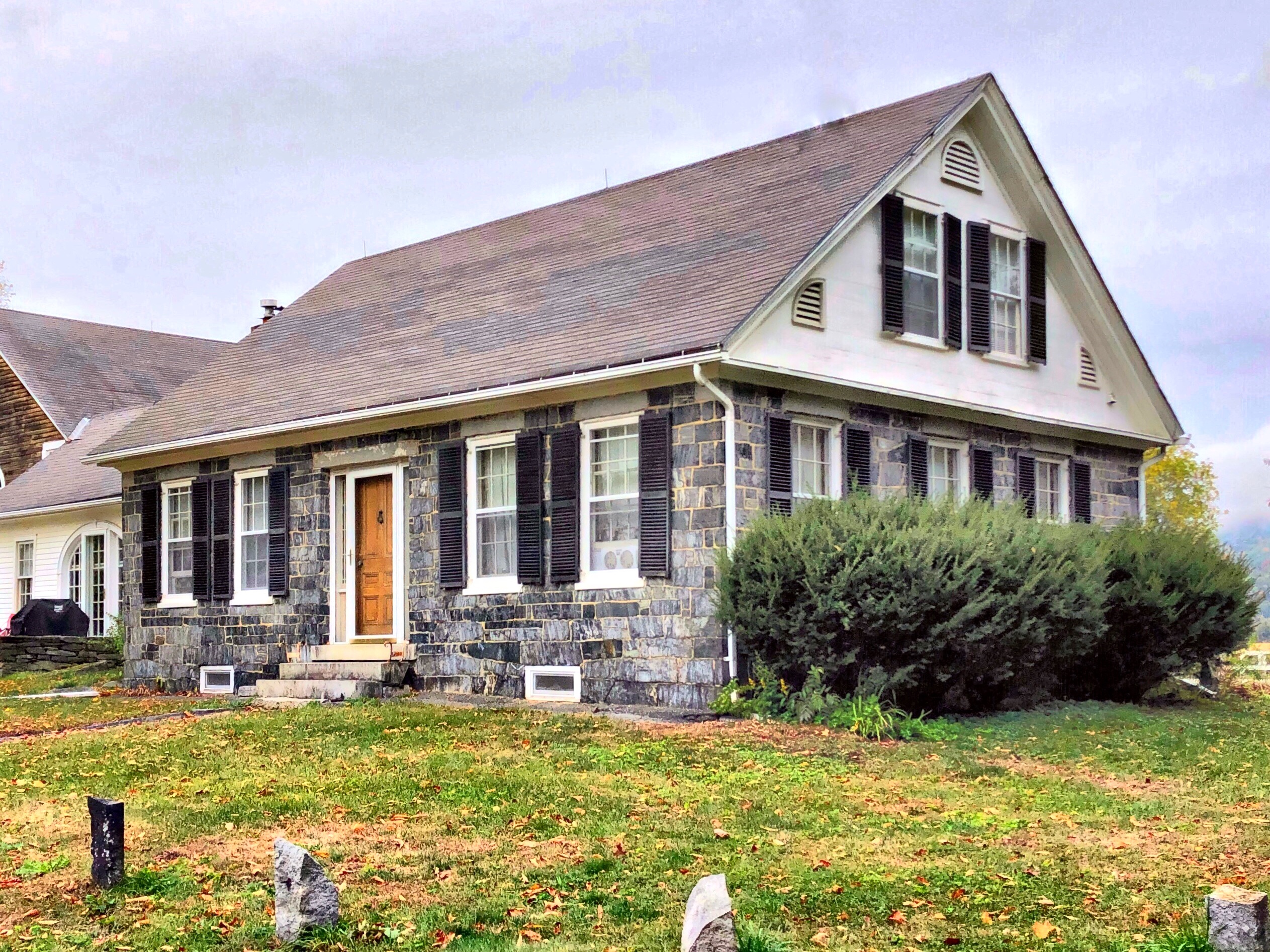
Child Farmhouse // c.1835

Constructed out of stone quarried from nearby Lyme, New Hampshire, the Child Farmhouse is one of a handful of stone houses in East Thetford, Vermont. This house is a particularly fine example of a Cape Cod with Federal detailing, as translated into granite construction. The home features stone lintels over the door and window openings. It was built for Bela Child (1786-1866), likely after the death of his first wife, as a new home for his second. The family operated a massive farm along the Connecticut river.

Burton Hall, Thetford Academy // 1845

Burton Hall was constructed in 1845 as a boy’s dormitory for Thetford Academy on a lot given by Orange Heaton (who lived nearby), just north of the original Academy Building. The structure was named Burton Hall in memory of Asa Burton, one of the Academy’s founders. The structure was sold by the Academy by about 1860 for $200, to a J.H. Huntington, who moved it across the street to its present site to replace his house which had burned the year prior. In the late 1930’s, Dwight Goddard, the owner of the home at the time, gifted the building back to the Academy since which time it has been known as Goddard Hall.

Fun Fact: Buildings historically were much more likely to be moved than demolished as the cost of building materials was much more than labor. Today, the opposite is true so many developers and owners prefer to demolish.

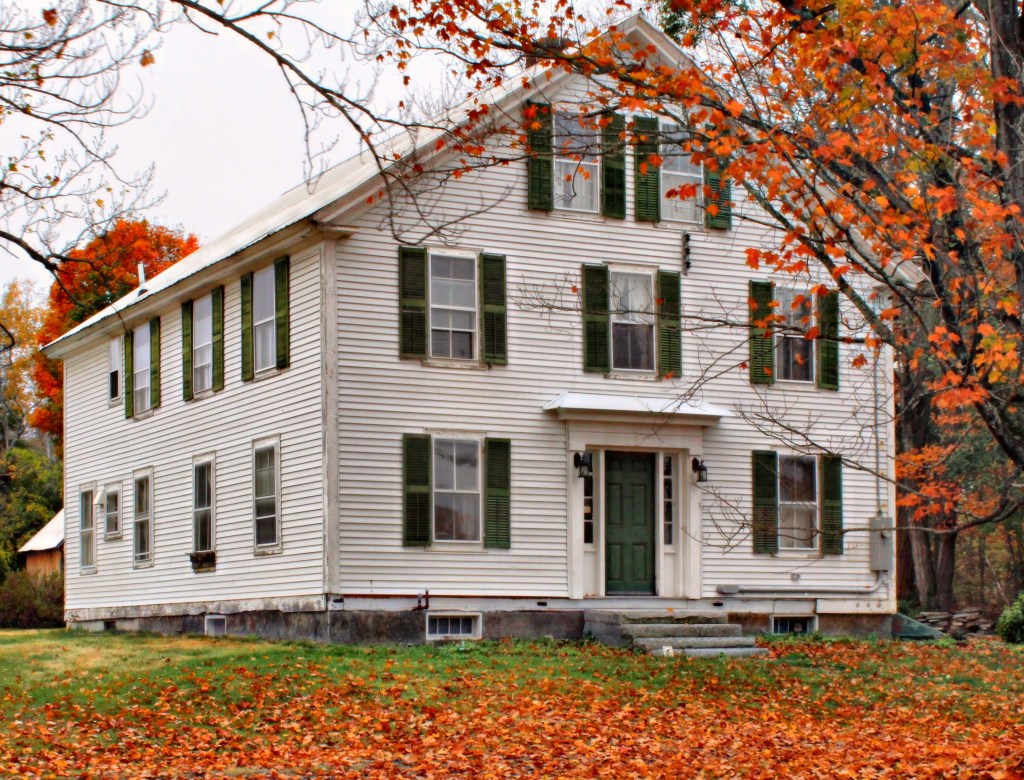
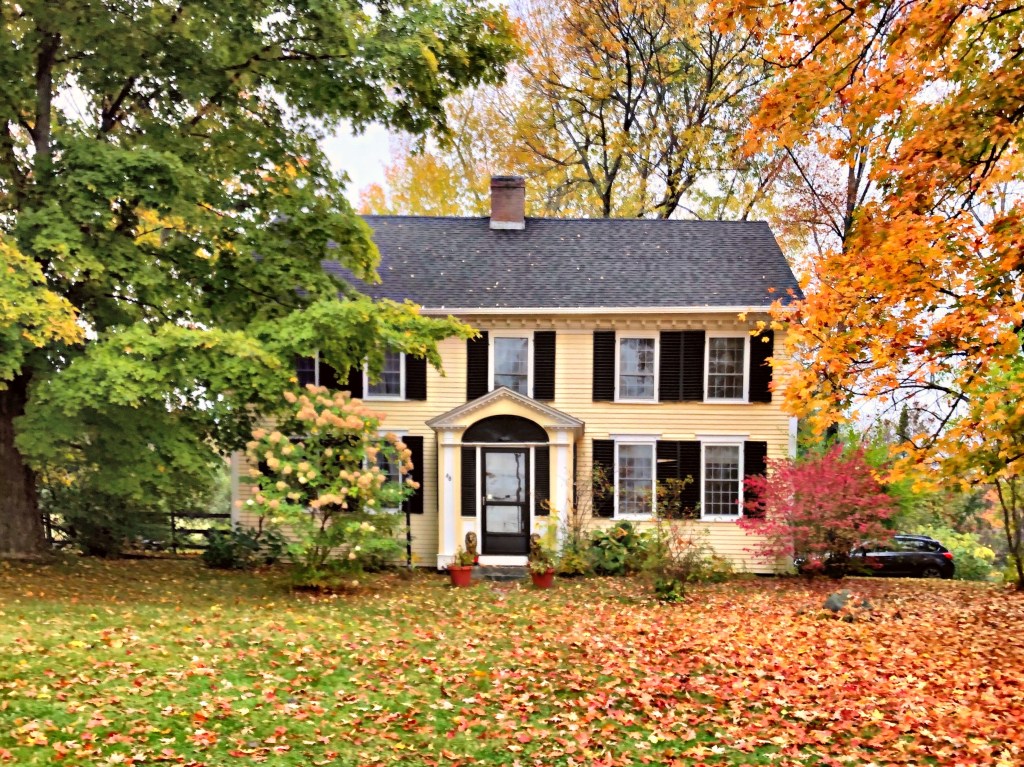
White-Heaton House // 1795

This transitional Federal house in Thetford was built around 1795 for an Isaac White. The house was later owned by Orange Heaton (who’s name perfectly fits the color of the leaves in the photo). The design is refined, yet stately with the enclosed, gabled, projecting entrance porch. Louvered panels and an elliptical louvered fan frame the door.

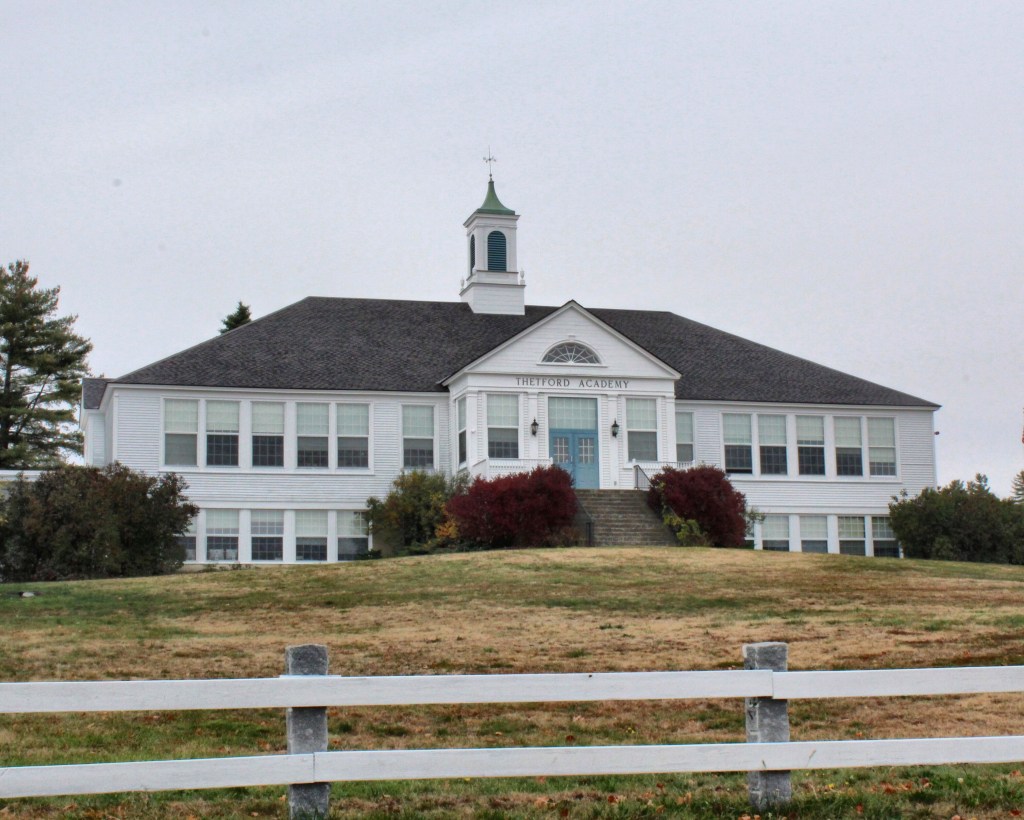
Thetford Academy, White Building // 1942

Thetford Academy opened in February 1819, after the constitution of Vermont called for free elementary schools in each town, a school in each county for studies above the elementary level, and one university for the state. These schools prepared students in classical languages, mathematics, “natural philosophy,” and the arts for entrance into colleges and universities, and careers in ministry, law, medicine, and teaching. By the time Thetford Academy was founded, girls were being admitted to some academies (usually in the summer term) for studies which were advanced beyond the common schools, but which were not intended to prepare for college. Thetford Academy admitted both boys and girls from its founding. The school thrived beginning on it’s first day of classes, growing almost annually with new buildings constructed to house new classrooms and dormitories.

The first academic building, erected in 1818 by Fitch, was crowned by a bell tower and featured separate entries for boys and girls. It was destroyed by fire on November 14, 1942. Fueled by high winds, the fire also destroyed the girls’ dormitory and the library. Undeterred, the school rebuilt nearby beginning with this Colonial Revival building, known as the White Building. Later buildings were added to create the campus we see today.