Briggs House // c.1850

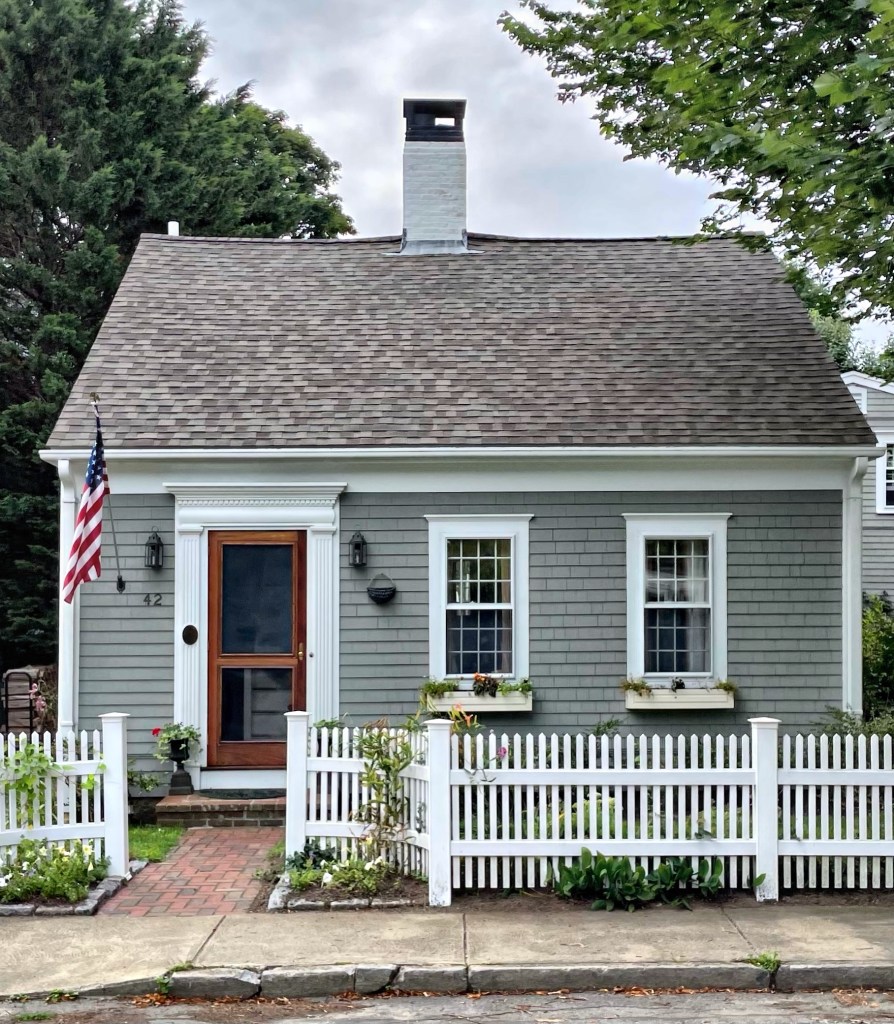
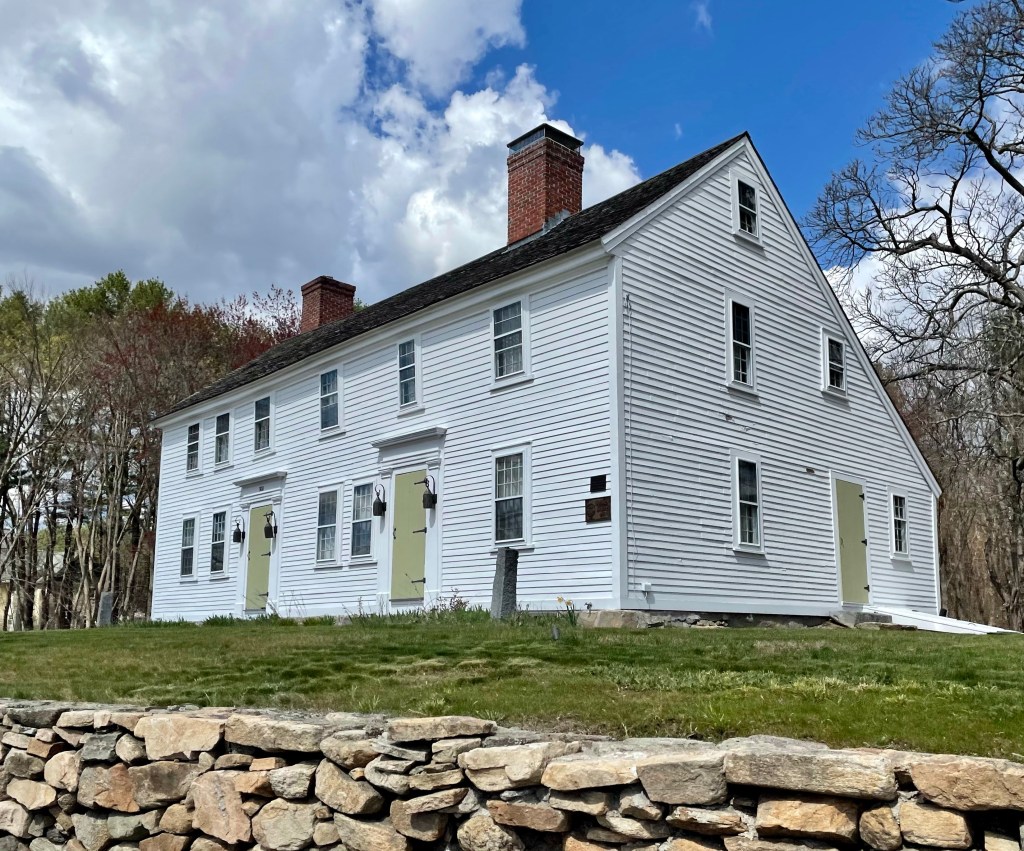
This tiny half-cape house in Marion was built in the mid-19th century for Timothy Hiller Briggs (1822-1877), a whaler. Based on the Federal/Greek detailing on the house, it is also likely the home was built much earlier for Timothy’s father, Silas, a sea captain, and was willed to his only son upon his death in 1833. Timothy died at the young age of 54 and his widow, Josephine, maintained the cottage until her death in 1924! The home is a half-cape as it has an off-center door with two bays of windows at the facade. A full-cape would be symmetrical with a central door and two windows on either side. The central chimney would provide heat to all rooms in the cold winter months.
Clement Studebaker Jr. Summer Residence // 1915

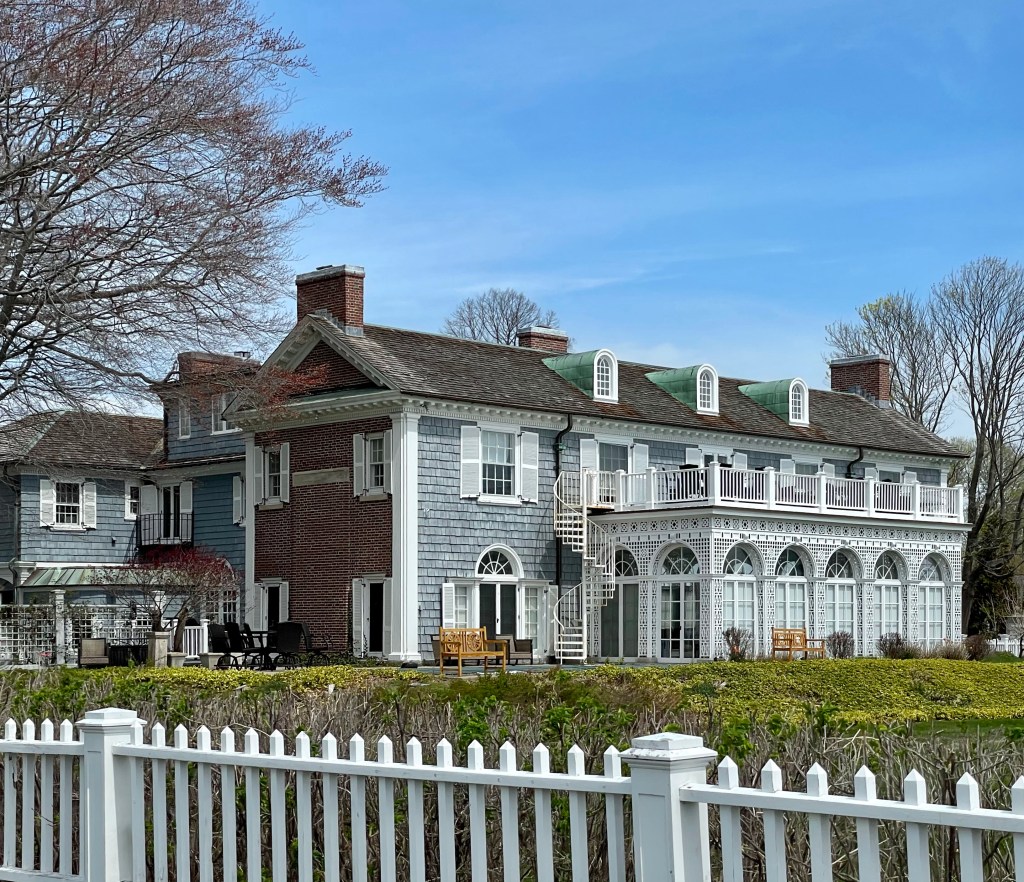
This magnificent coastal mansion embodies historical elegance in Rye Beach, NH. Built in 1914-15 for Clement Studebaker Jr., the Studebaker Estate is one of the most elegant and most recognized residences on the New Hampshire coast, and among the best preserved. The Colonial Revival home is clad with shingle siding with two strong brick end walls. A solarium runs along the ocean-facing facade with ample glazing and delicate woodwork which presents a welcoming presence to passing motorists. Clement Studebaker Jr. was an American businessman and the son of wagon, carriage and automobile manufacturer Clement Studebaker. He held executive positions in the family’s automobile business, Studebaker Corporation. The Studebaker summer residence was recently sold, and the interior photographs are amazing!

Hosmer House // 1760

This 2-1/2 story wood frame house in Acton, Massachusetts was built in 1760, and is one of the town’s best-preserved colonial-era houses. It is an unusual double house, consisting of one section with a square plan, and the other with a typical colonial “half house” plan, having three bays and an off-center chimney. The house was built by Jonathan Hosmer, Jr., a bricklayer whose workmanship is evident in the house’s many fireplaces. Hosmer was also prominent in civic and military affairs; he served (along with his son, who was killed at 17 years old) in the 1777 Battle of Bennington. The home was later owned by Jonathan’s son Simon, who may have added the attached dwelling, creating the double-house form we see today. In 1974 the property was acquired by the Acton Historical Society, which rents one of the units, and operates the rest of the property as a museum. The home is a great example of a Georgian double-house with a saltbox roof.

Jennings House // 1949

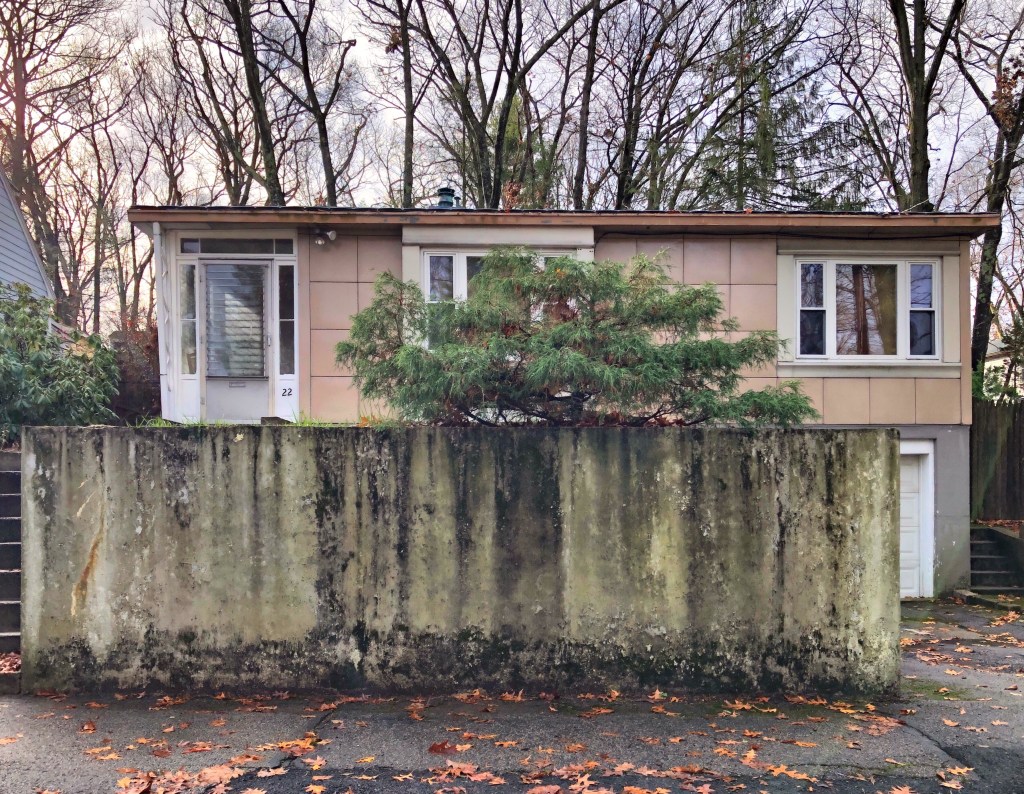
Tucked away on an un-assuming side street in South Brookline, you will find this oddly fascinating home. Without architectural history knowledge, you may think it is just a normal 1940s house, but it’s actually a Lustron House! Between 1948 and 1950, the Lustron Corp. built prefabricated metal homes across the U.S. as part of an effort to combat the housing shortage for returning soldiers post–World War II. Despite these futuristic homes being considered low-maintenance and highly durable, only about 2,500 were constructed, as the structures were seen as too costly and complex to manufacture and assemble. The homes came in just three models and came in four available colors: “Surf Blue,” “Dove Gray,” “Maize Yellow,” and “Desert Tan”. The home is covered in porcelain enamel metal panels set into a steel frame which can be replaced when damaged. At the interior, the homes had metal-paneled interior walls with mostly pocket-doors for space saving. This home in Brookline was built for Edmond and Helen Jennings, in the Westchester model in the Desert Tan color. The only major alteration is the enclosure of the porch, but it retains a high degree of integrity from when it was assembled in 1949.

What do you think of this iconic 1940s home and style?

Gallup House // 1894

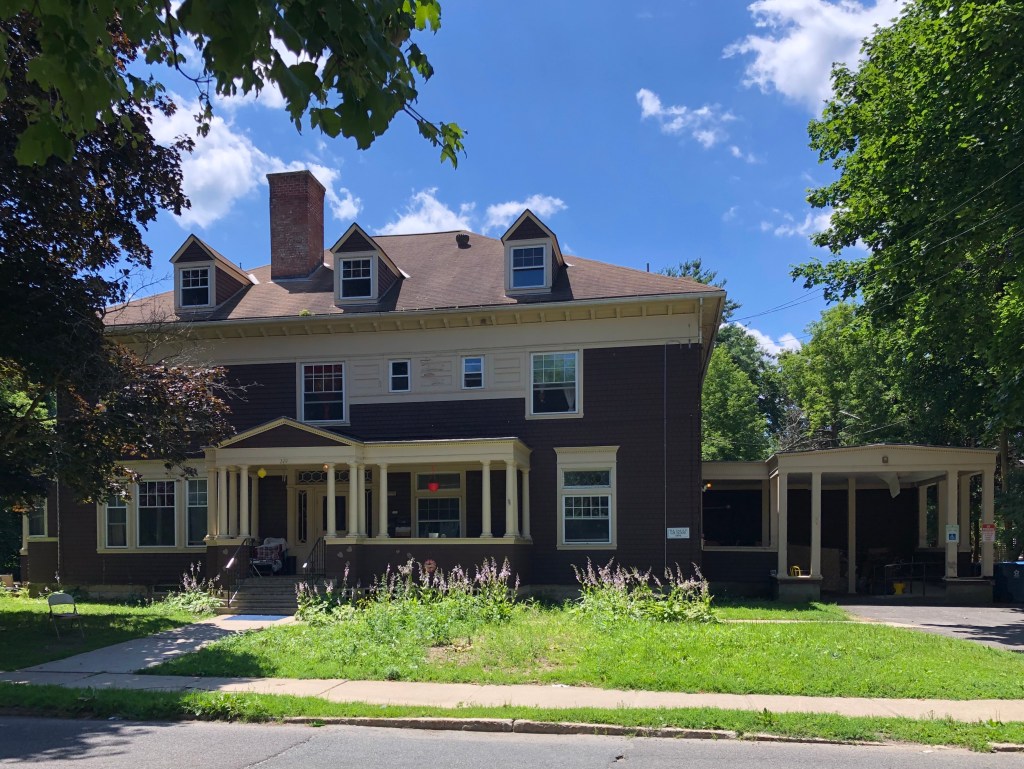
William A. Gallup was born October 28, 1851, in North Adams. He worked primarily for the Arnold Print Works beginning in 1870 before becoming a charter member, elected clerk, and director of the company. He went on to work for and own a few more mills in North Adams by the end of the 19th century. Gallup hired H. Neill Wilson, a Western MA based architect to design a mansion for his family on Church Street, near his father in-law and business partners (A.C. Houghton) house.