Brookline Baptist Church // 1836

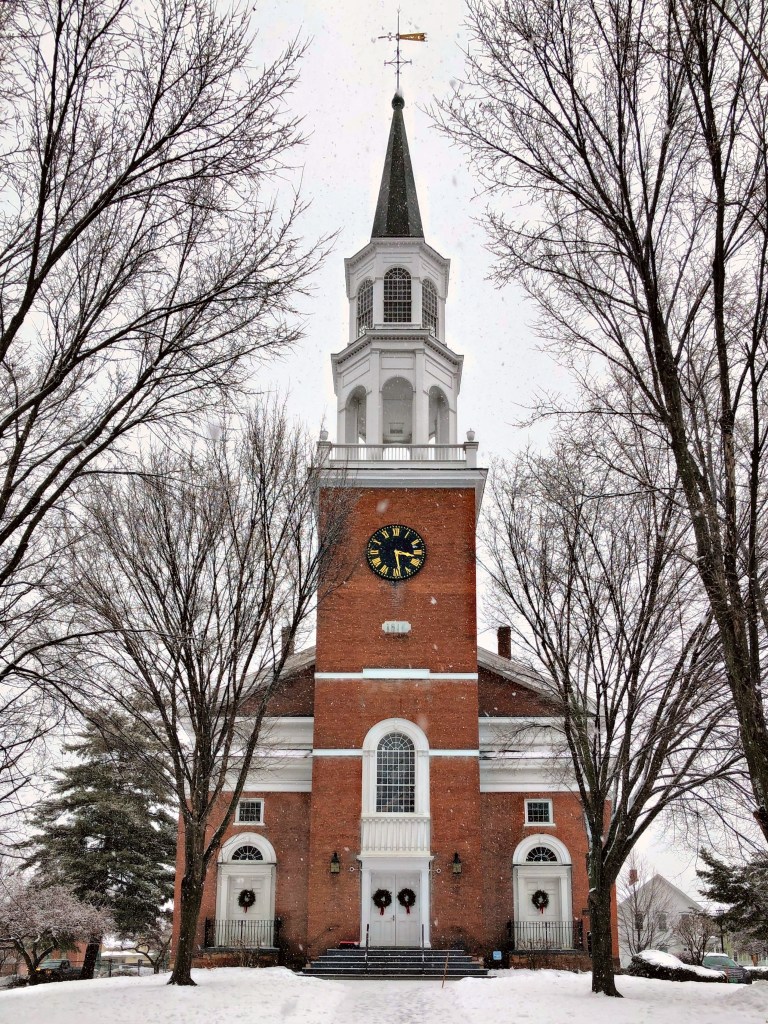
Brookline, Vermont is home to just 540 people but has one of the most beautiful brick churches in the state! The Brookline Baptist Church sits along a quiet road in town and is an excellent example of vernacular Gothic Revival architecture in the Vermont. Brookline’s first organized church congregation were Baptists, who established a formal organization in 1785 out of local homes and barns. By 1836, enough funds were gathered to erect a church, but of brick, a more substantial building material than traditional wood-frame buildings. The church remained active throughout the nineteenth century, and the vestry addition was constructed off the rear in 1895 to provide space for community gatherings and meals. Dwindling membership led the church to become mostly used for weddings, funerals, graduation ceremonies, and craft fairs by the second half of the 20th century. The Town of Brookline presently owns the significant structure, and while preserved, it does not appear to get much use.
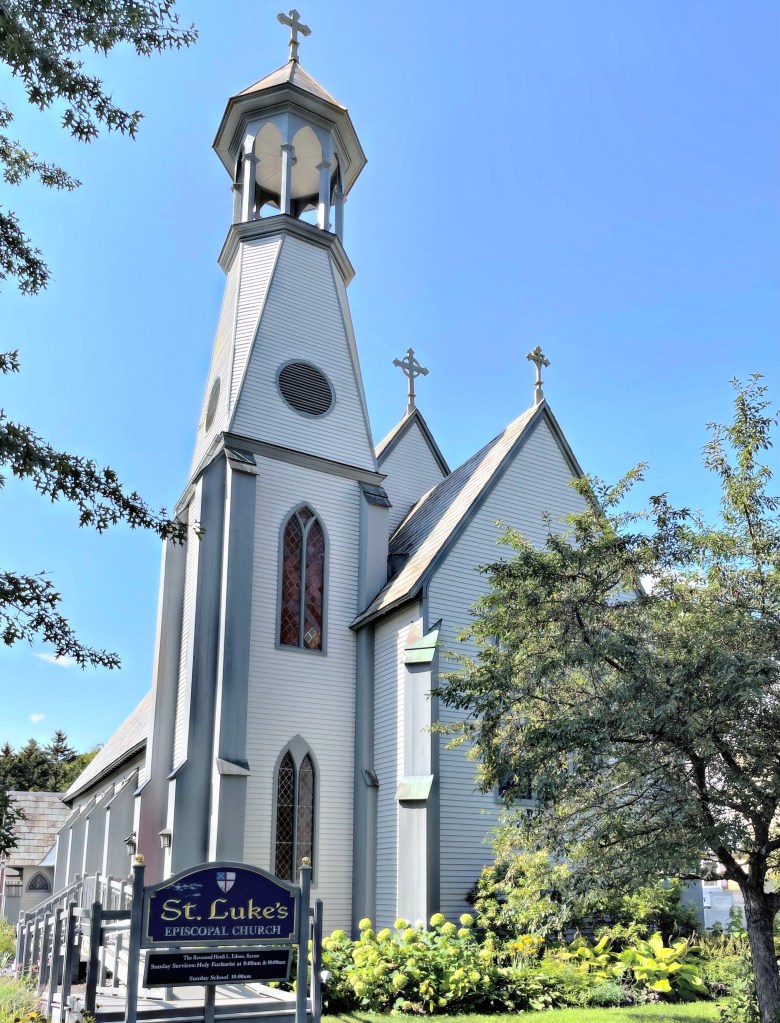
St. Luke’s Episcopal Church // 1871

Next door to the Inn Victoria, the beautiful St. Luke’s Episcopal Church in Chester, VT, stands out as one of the only Gothic Revival buildings in the town. A small group of residents gathered in the 1860s to found a Episcopal church in the town, which already had a dominant Congregational church. They furnished money which was matched by the diocese, and Merrick Wentworth was named senior warden. Members of his family and that of Frederick Fullerton, his son-in-law, formed a large part of the congregation. Frederick and Philette Wentworth Fullerton donated a building site across the street from their home, and Mr. Wentworth’s nephew, Boston architect, William P. Wentworth, contributed plans for a Gothic-style frame church, which includes a tall corner belltower.

South Reading Union Meetinghouse // 1844

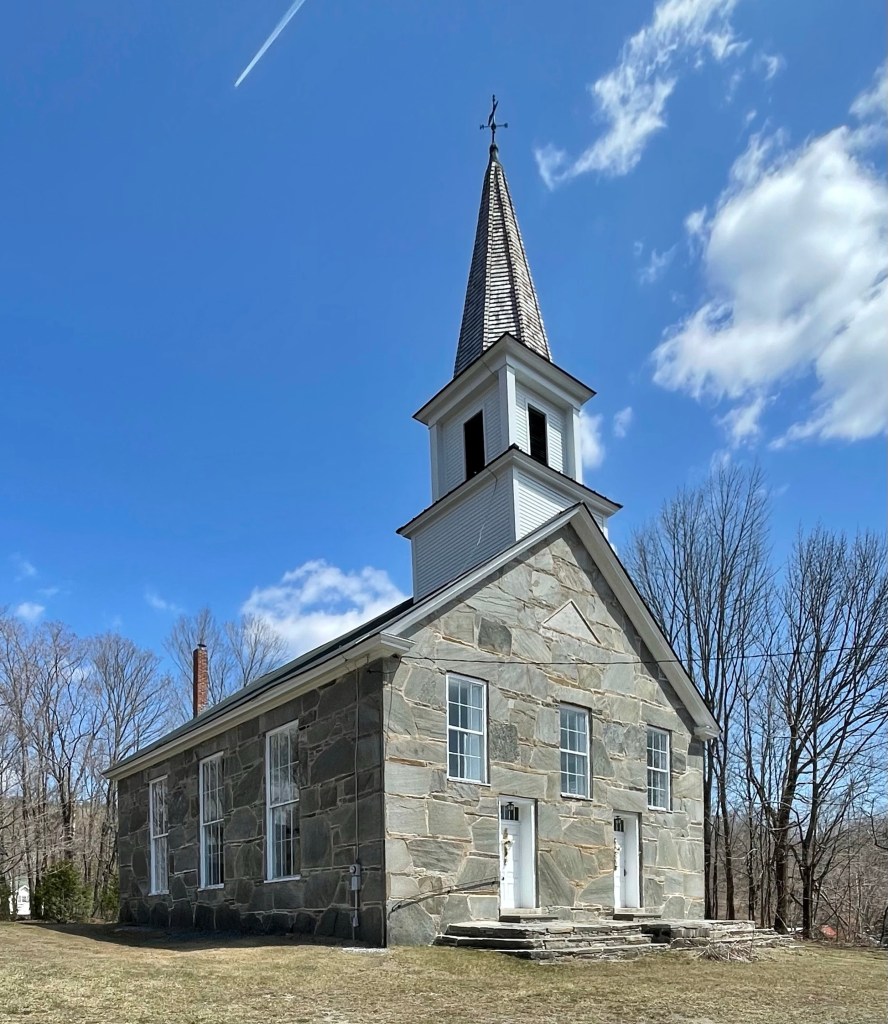
A very rare example of a snecked ashlar church, the South Reading Union Meeting House in Reading, Vermont remains in a great state of preservation, and a testament to innovative building styles seen in rural parts of New England. Built in 1844, the stone church was built by local stone masons based on the unique regional stone construction method. The church features a triangular stone in the facade which shows its construction date. There is something so stunning about stone churches..

Unitarian Church, Burlington // 1816

The building that gives Burlington’s iconic Church Street its name is this, the Unitarian Church of Burlington. One of the most stunning Federal style churches in New England, the church is the oldest surviving place of worship in Burlington, built in 1816. The church was designed by English architect Peter Banner (possibly with assistance of Charles Bulfinch), years after his crowning achievement, the Park Street Church in Boston was completed. From the head of Church Street, the church oversaw the growth of Burlington from a small lakefront town to the largest city in the state. In August 1954, the church steeple was struck by lightning, causing it to shift over two feet in a matter of months, unknown to the congregation and public. It was decided that due to concerns the steeple may collapse through the building, it was selectively demolished and reconstructed. The church remains an active part in the city and architectural landmark for Burlington.

St. Paul’s Cathedral, Burlington // 1973

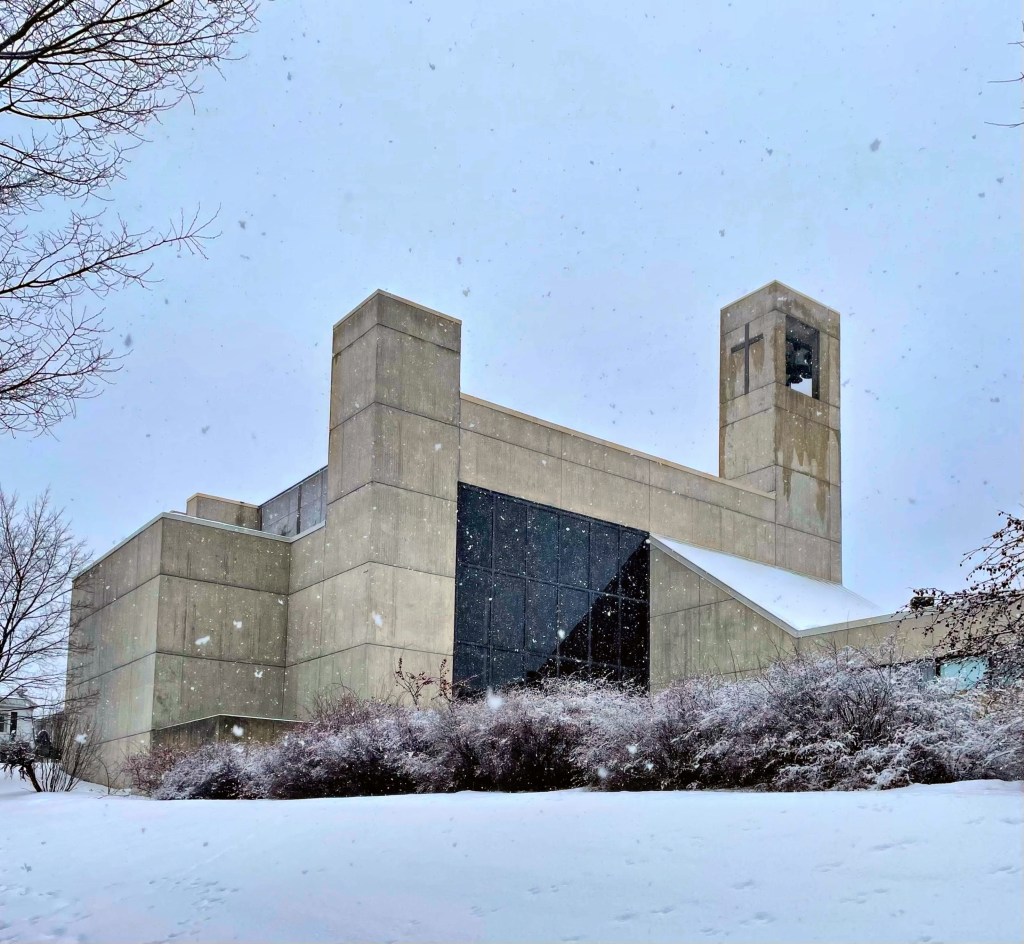
St. Paul’s Church in Burlington, Vermont, was organized in 1830, when Burlington’s population was about 3,500. About 55 Episcopalians met at a local hotel and laid the groundwork for the parish. In 1832, the fledgling parish dedicated its new building, a neo-Gothic limestone structure, which was enlarged multiple times as the congregation grew as the city did. In 1965, the Diocesan Convention voted that St. Paul’s Church be designated a Cathedral Church of the Diocese (one of two in the state). Just six years later, it was destroyed by fire, sparked by an electrical malfunction in the basement, leading to a new evolution of the church. At the time of the fire, the City of Burlington was engaged in massive urban renewal projects. As a part of this program, the City offered to swap the land on which Old St. Paul’s had stood for a spacious new tract overlooking Lake Champlain and the Adirondacks. Although the decision to change locations was a contentious one, the parish did accept the offer. When discussing designs for a new cathedral, there was a strong desire to make a new statement in architecture, diverging from the traditional Gothic or Colonial designs seen all over the country. An international competition was held to determine the architect of the new Cathedral. The winner was the local firm Burlington Associates, now Truex, Cullins & Partners. Completed in 1973, the Cathedral is made of stressed concrete. The structure stands strong and firm, yet is welcoming. Windows provide sweeping views of Lake Champlain and the distant Adirondacks.

First Methodist Church, Burlington // 1869

This beautifully designed Romanesque Revival church consists of a large rectangular block with a steeply pitched gable roof and a square tower surmounted by a spire. The church is constructed of Willard’s Ledge stone (a locally quarried purplish limestone) with trimmings of Isle La Motte grey sandstone from quarries north of Burlington. This church is the only Romanesque Revival style church in the city and just one of four pre-1880 churches in Burlington. Architect Alexander R. Esty (1826-1881) designed the building and was a noted New England architect working during the late nineteenth century. He was trained in Boston and opened his own office in 1850 in Framingham, Massachusetts. The congregation remains active and welcoming.

Universalist Church of Strafford // 1833

The Universalist Society of Strafford, founded in 1798, is the second oldest in Vermont and fourth oldest in the nation. In the early years, Universalists met in Strafford’s Town House, sharing the building with other denominations. Eventually the Universalists, Baptists, and Congregationalists all built their own churches, with the Universalists building a structure in 1833 in South Strafford Village. The white clapboarded church sits high on a hill with a gorgeous belfry and large stained glass windows.

Strafford Town House // 1799

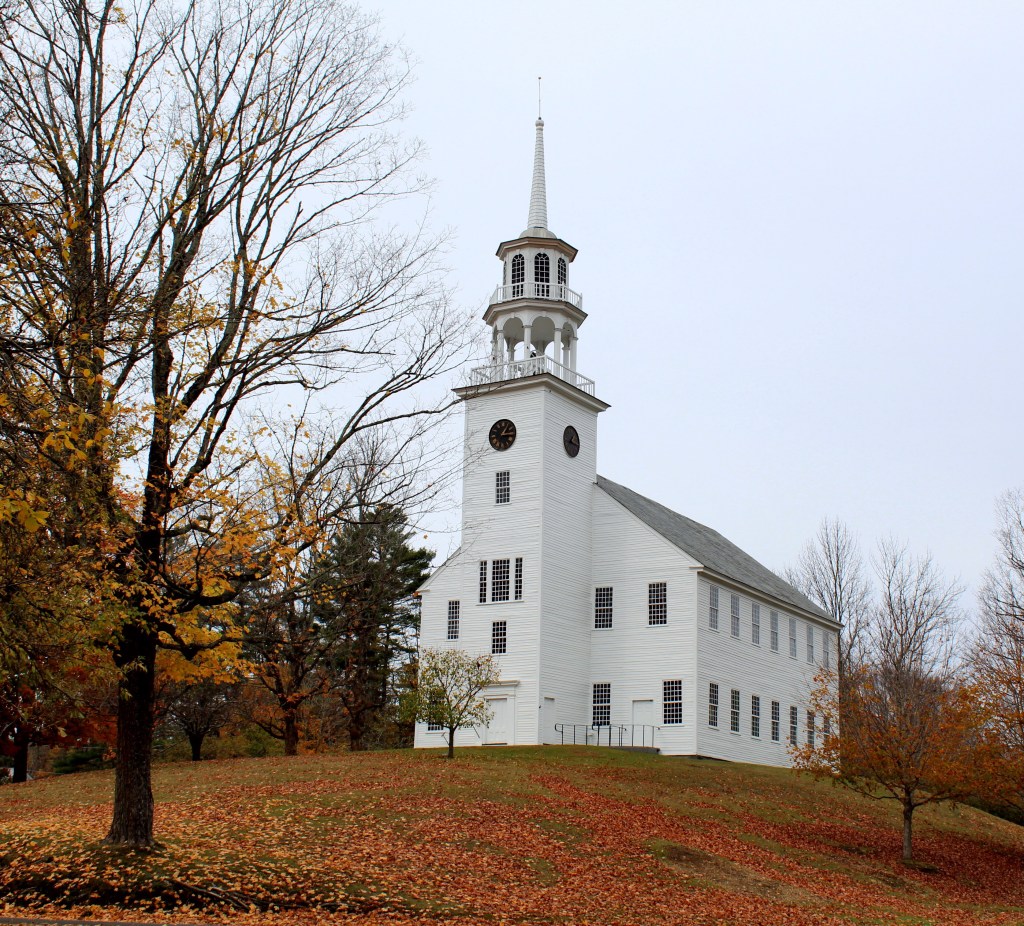
Perched atop a hill at the edge of the town common in Strafford, Vermont, the Strafford Town House epitomizes rural New England charm. The town house was constructed in 1799 by local carpenters as a place to do public business and served for a brief period in the early days as a meeting house for various local congregations. The building is one of the oldest meeting houses in Vermont and was one of the first meeting houses to put the entrance at the tower-end and the pulpit at the other end of the building. The change from a side-entrance orientation reflected a time when New Englanders were clearly deciding to separate their political business from their ecclesiastical affairs.

Pomfret Congregational Church // 1847

Located in North Pomfret, Vermont, the North Pomfret Congregational Church is one of many white clapboard church buildings constructed in the mid 19th century. Built in 1847 by the Church of Christian Brothers and the Congregationalists, the church was used by the two religious societies as a joint meeting house, each society holding services in the church on alternating Sundays. The Greek Revival style church features a prominent tiered, boxed bell tower with louvered lancet openings and a slender octagonal spire.

Pomfret Methodist Church // c.1850

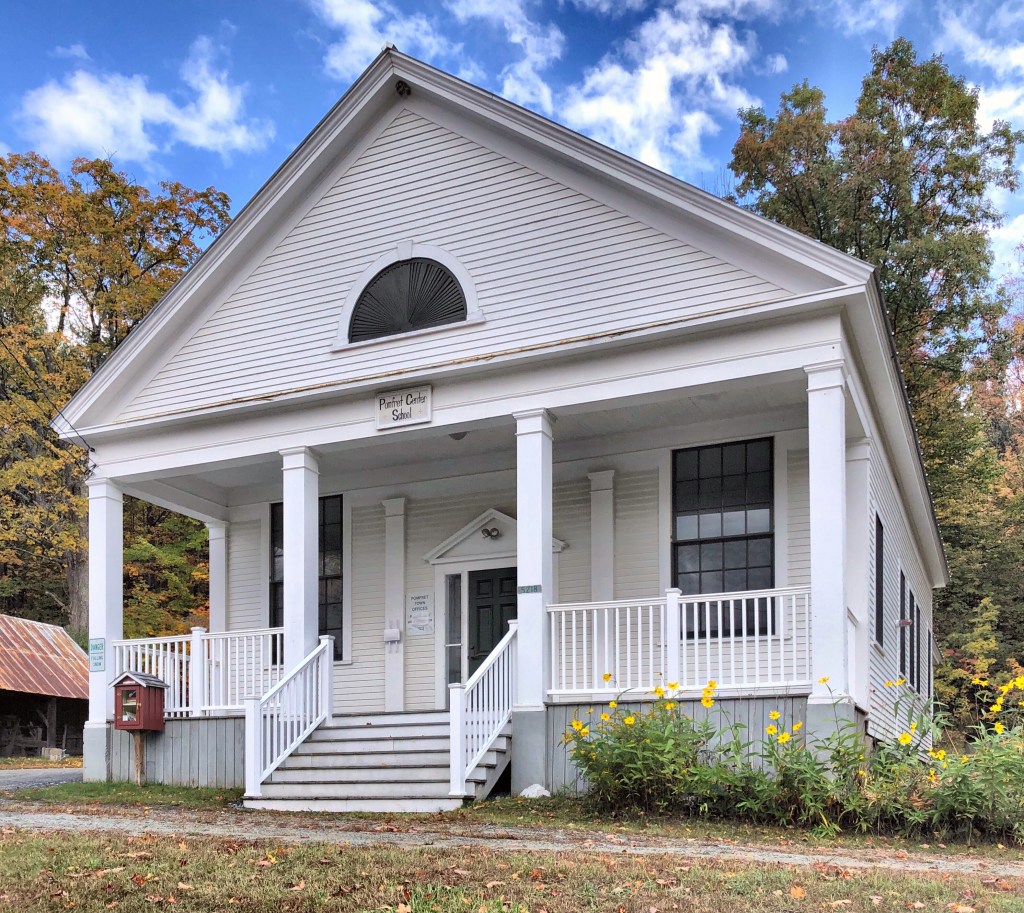
Located across the street from the Congregationalist Church (now Town Hall) in Pomfret Center, the Methodists in Pomfret Vermont built this church building just a couple years after their neighbor was completed. Replicating the Greek Revival style seen across the street, the building showcases a templed form with projecting portico, as an excellent vernacular example of the style. Similar to its neighbor, this church was sold to the Town of Pomfret in the 1880s, modernized in the early 20th century, and converted to a district schoolhouse.