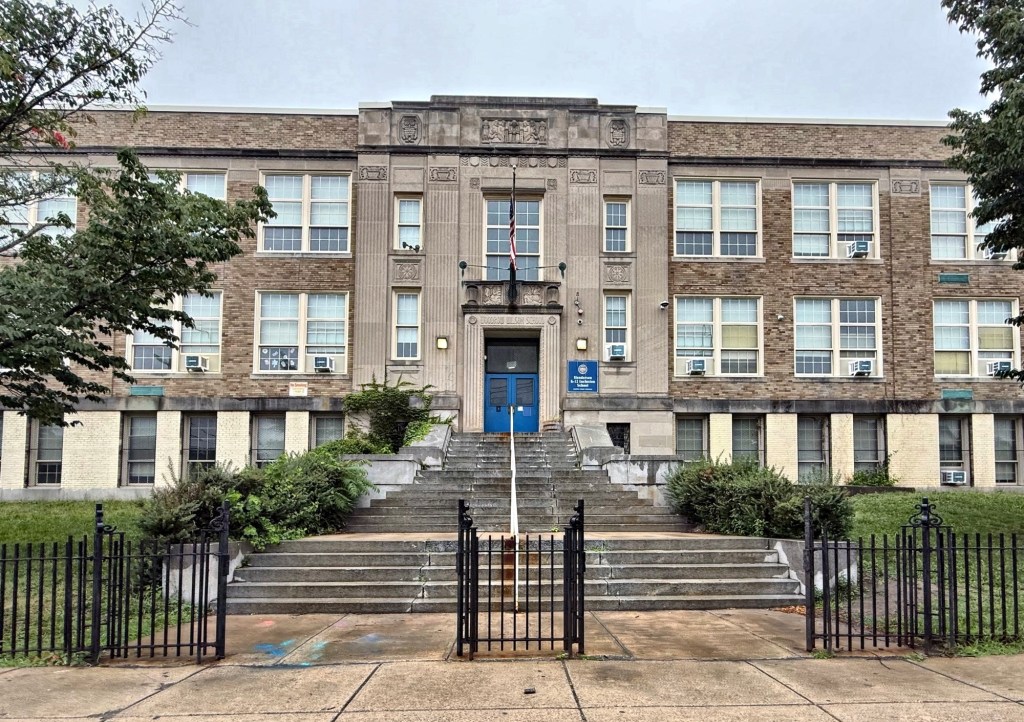
Woodrow Wilson School // 1932

The Woodrow Wilson School, now Dr. William W. Henderson K-12 Inclusion School, is located at 18 Croftland Avenue in the Ashmont neighborhood of Dorchester. The school was built in 1932 to accommodate increased development and population growth in the immediate area in the interwar period and was designed in a blending of Classical Revival and Art Deco styles, both popular at the time for such academic buildings. The building was named for Woodrow Wilson (1856–1924), the 28th President of the United States and was designed to comfortably accommodate 1,600 students. Architect, John Matthew Gray designed the building to conform to a plan drafted by the City of Boston in 1923 to standardize all new school construction down to the precise dimensions of windows and hallways. The permitted flexibility for hired architects was strictly on the exterior, where architects were free to create individual character in the designs of entryways, auditoriums, and exterior architectural styles and decoration. The entry of the Woodrow Wilson School depicts Art Deco motifs including lettering and inlaid carved panels over the door of a child reading and a child holding a globe. The school was renamed the Dr. William W. Henderson K-12 Inclusion School after the innovative educator of the same name.


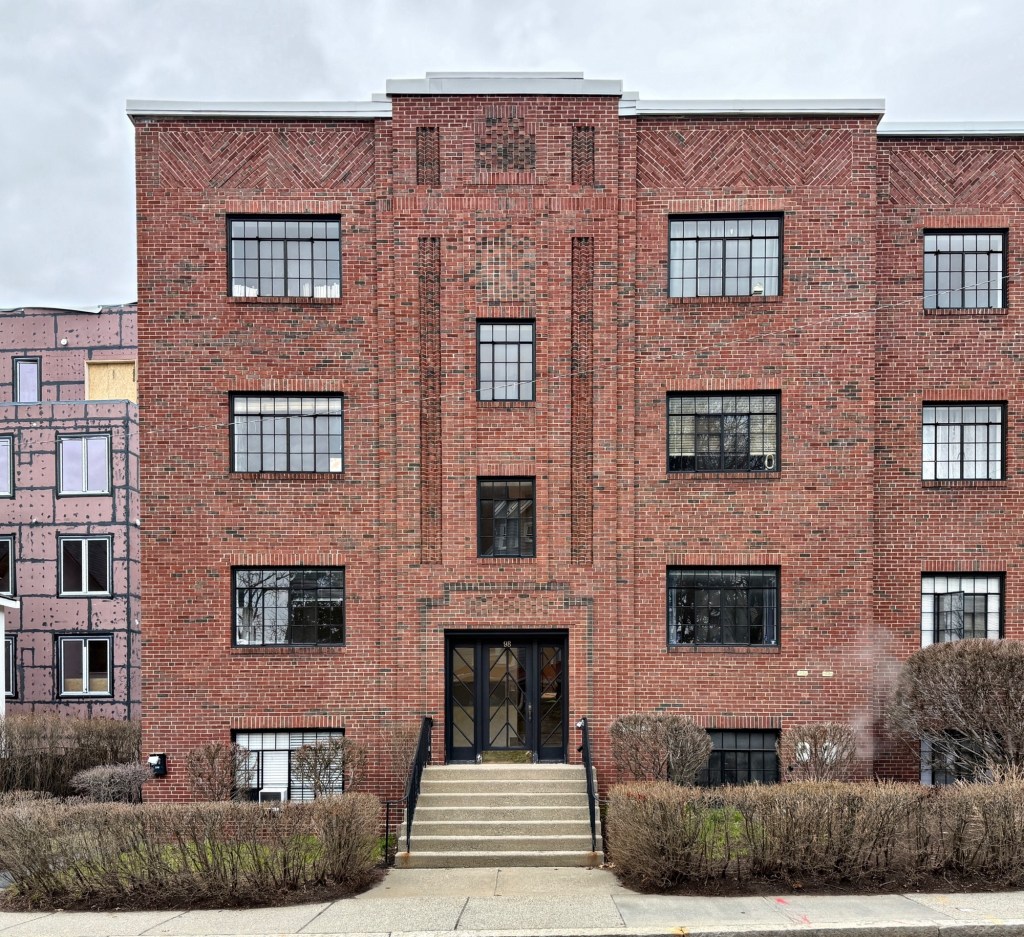
David A. Ellis School // 1932

In the early decades of the 20th century, Boston’s population grew to a point that existing infrastructure was becoming an issue. The Boston School Committee as a result, acquired sites via eminent domain, and built ten new school buildings citywide in 1932 alone! The City of Boston acquired this site a decade earlier, but finally broke ground on the David A. Ellis Elementary School in 1931 from plans by architect Ralph Templeton Cushman Jackson. The building is a rare example of a Art Moderne style school building in Boston, and it was named for David Ellis (1873–1929), former chairman of the School Committee. The brick building stands out for its brickwork and sections of terracotta tiles in geometric designs. They don’t make them like they used to.

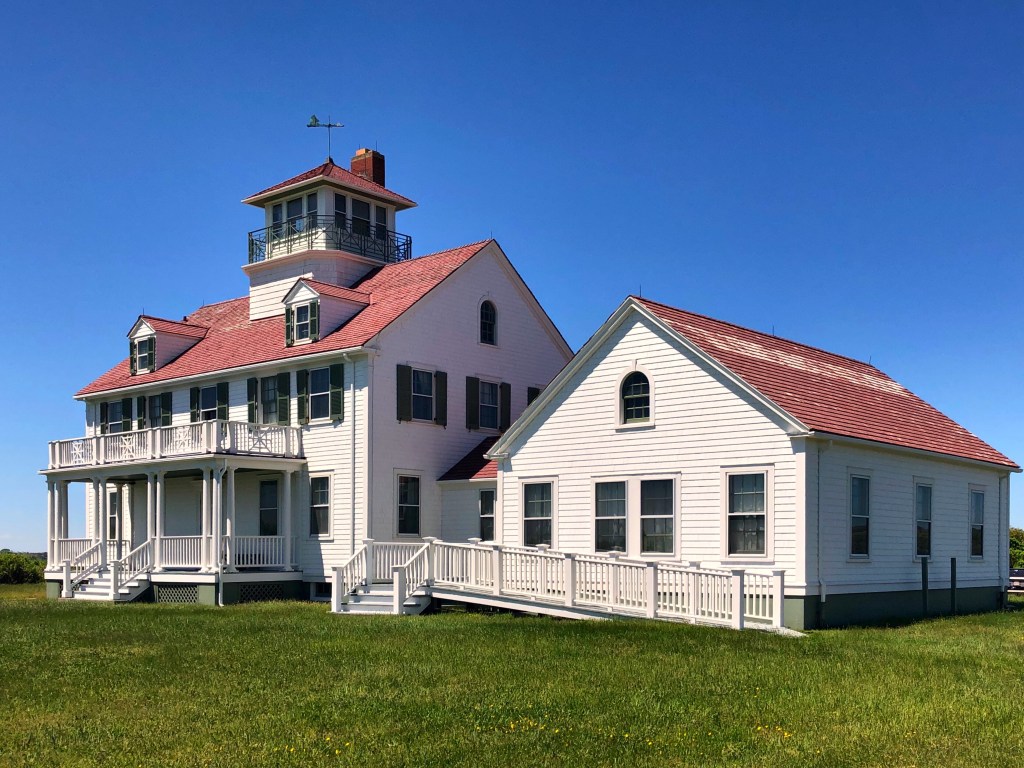
Nauset Coast Guard Station // 1936

Located at one of my favorite beaches in New England, the aptly named Coast Guard Beach, the Nauset Coast Guard Station is an imposing Colonial Revival structure perched upon the bluffs providing sweeping views of the shoreline. The Nauset Coast Guard Station was built in 1936 to replace a late nineteenth century Coast Guard Station which had stood further eastward and north, on land which has been eroded away by the ocean. The present structure was reportedly commissioned after Secretary of the Treasury Henry Morganthau Jr. and his fellow picnickers were driven in 1935 by a summer thunderstorm to seek shelter in the old and antiquated Coast Guard Station, built after the Civil War. Construction of the new station was authorized several weeks after this incident as Morganthau, who spent summers on Cape Cod, took a personal interest in the building’s construction, visiting the site during the summer of 1936.

This area of beaches has had a tradition of assistance to shipwrecked sailors. In 1802, the country’s first all volunteer life saving organization, the Massachusetts Humane Society, erected a hut on this beach. It was replaced by a larger one in 1855 and by the Nauset Life Saving Station in 1872. The building was added on to and moved twice before it was replaced by the present structure in 1936. The building was occupied by the Coast Guard as a station until 1958. It now is home to an education center as part of the Cape Cod National Seashore.