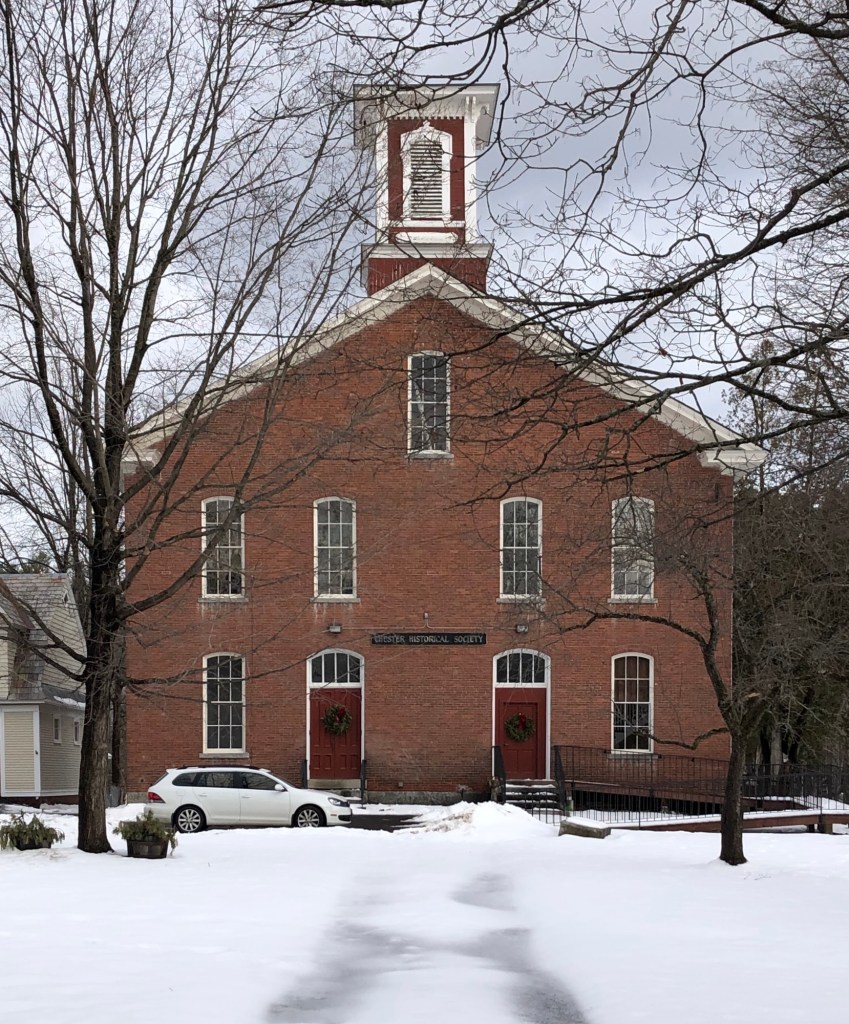
Chester Academy – Chester Historical Society // 1884

The town of Chester, Vermont, is one of the best small towns in the state for architecture lovers! Don’t believe me? I will prove it in this upcoming series. Located in Chester Village, the town’s center, this handsome brick building set off the main street, was built in 1884 as the town’s high school, replacing an 1814 private academy formerly on the site. The private academy closed in 1881, and the building was sold to the town, who by 1884, demolished the original structure and erected the current Italianate style building. The building served as the town high school until 1911, when a new high school was constructed nearby. The elementary and junior high school operated from here until the 1950s, when a modern school was constructed in town. Since 1950, the former academy building has been used by the Chester Art Guild, and currently is leased from the Town by the Chester Historical Society. The structure retains its architectural character down to the segmental arched windows and cupola.

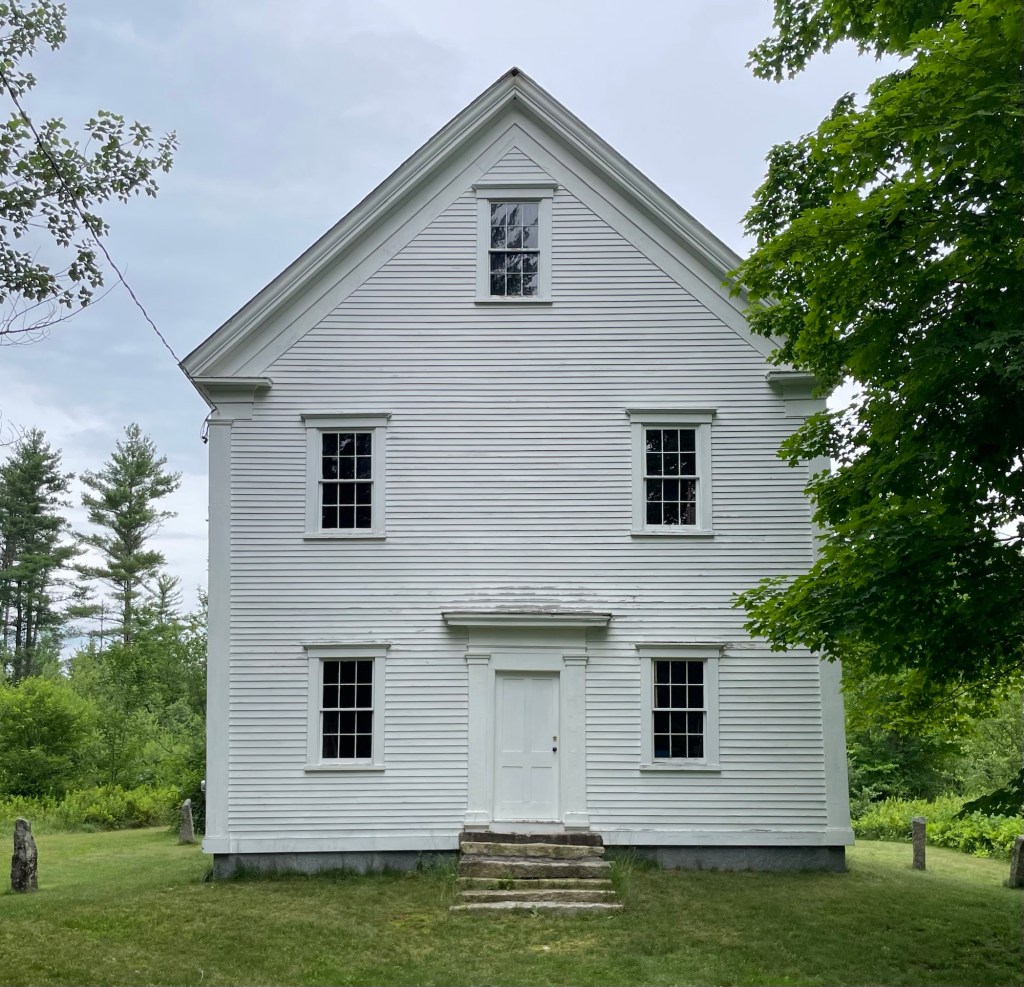
Old Goshen Academy Building // 1824

The former Goshen Academy building is located in the central village of the rural town of Goshen, Connecticut, and it is an important vestige of early education in the small town. The Goshen Academy building was built in 1824 from funds by shareholders of the institution. The academy featured a lecture room on the second floor with smaller classrooms downstairs. The academy would eventually close, and it has been occupied by the Goshen Historical Society.

Effingham Academy // 1819

The small town of Effingham, New Hampshire, is the home to the state’s first Normal School. This building was originally constructed in 1819 as a vernacular, Federal period academy for the youth in the rural town of Effingham on land formerly owned by wealthy resident Isaac Lord. A normal school for the training of teachers was established on the school building’s second floor in 1830 with James W. Bradbury, a Bowdoin College graduate, to head it. Bradbury, later a United States Senator, took the position only on condition that it should be for the instruction and training of teachers, a novel idea at the time. The school, like many small academy buildings of the period, eventually closed. The building is now managed by the Effingham Historical Society.

Ashford Academy // 1825

Built in 1825, the Ashford Academy school building is the last remnant of what was Ashford, Connecticut’s once thriving town center. The taverns, church and businesses which were once located here have almost entirely been razed, leaving just this school building as the remaining structure. Ashford Academy was founded about 1825 when a group of citizens raised funds toward adding a second story to a schoolhouse then under construction in the town center. Only one teacher was hired per term, and some years there were no academy classes at all. The last academy session was held in 1875, though the building continued in use as a district school until 1949. The building is significant, not only for its siting and connections with the town’s early days, but also architecturally as a high-style school building for a more rural setting.

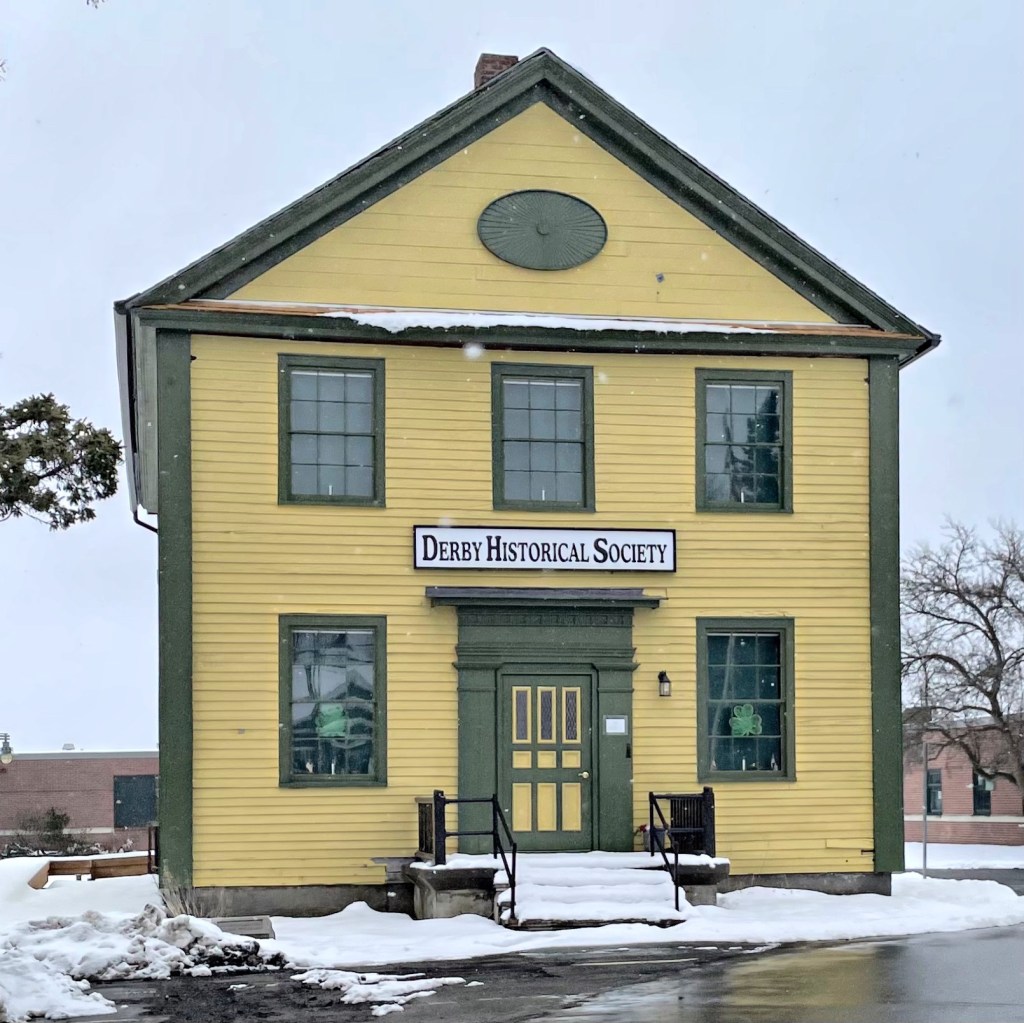
Old Derby Academy Building // 1840

The Derby Literary and Theological Institute, a private boarding school, was opened in 1840 by the Danville Baptist Association on a one-acre plot of land donated by local landowners Lemuel Richmond and Benjamin Hinman. The academy housed 147 students of nearby towns for classes. Two years later, an atheneaum was established in the building as a local library for residents. The building would later become Derby’s public Jr. and Sr. High School as the town’s population at the time was just over 2,000 residents. The school was eventually outgrown and a modern school was built, located nextdoor. This building was gifted to the Derby Historical Society who maintain it to this day.

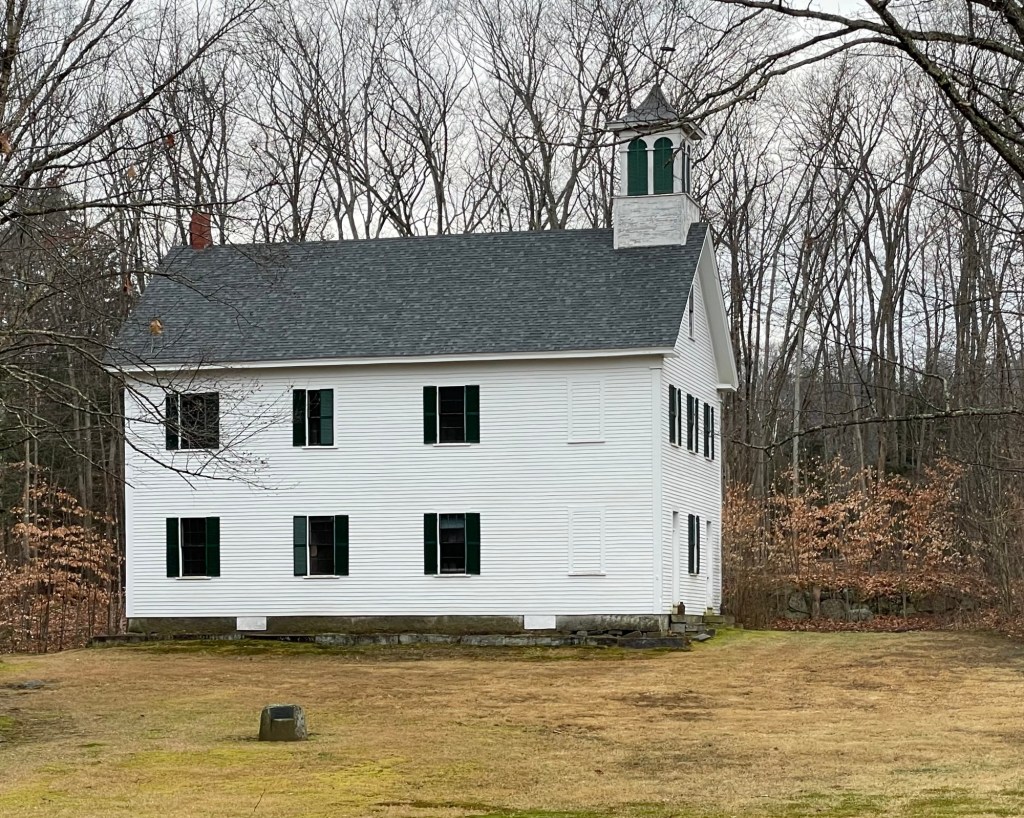
Clinton Grove Academy // 1874

Clinton Grove Academy of Weare, New Hampshire was the first Quaker seminary in the state when it was founded in 1834 by Moses Cartland (1805–1863). Moses Cartland was a Quaker abolitionist who served as the first Principal of the school and for fourteen years after. He later would move to Lee, NH, and aided those who escaped slavery in the south, sheltering them and assisting them on their way north to Canada. The original Academy here served as a private high school and included a classroom building, boarding house, barn and sheds. Students came from as far away as Ontario, Nova Scotia, Minnesota and Texas to study here under Mr. Cartland. In 1872, the Academy complex burned. It was quickly rebuilt as one structure here, in 1874. This building served as a district school until the 1930s. Today, it looks like the building is largely vacant, anyone know what its purpose is?

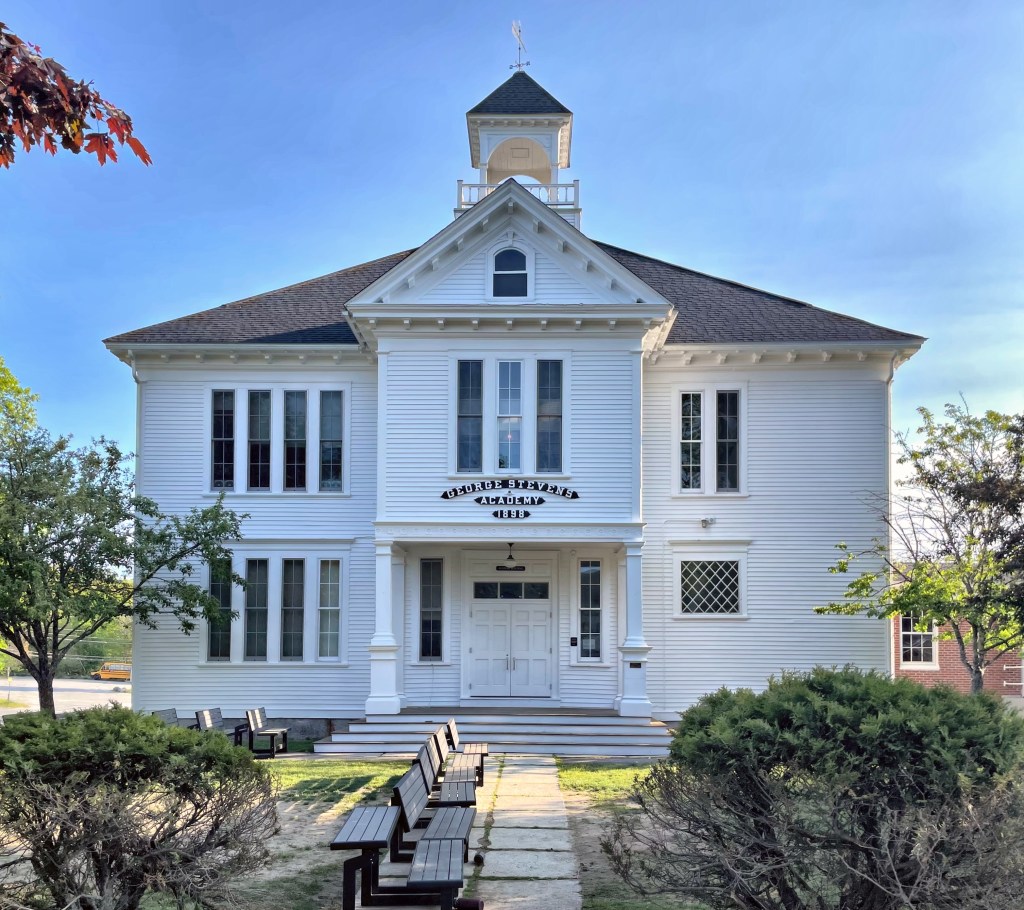
George Stevens Academy Building // 1898

For part one of the George Stevens Academy, see the previous post on the George Stevens House here.

In his 1852 last will and testament, Blue Hill shipbuilder George Stevens appointed five trustees, providing them with land, his “homestead and appurtenances,” and generous funds “to erect, when they deem it expedient, a suitable and convenient building for an Academy, for the purposes of education forever.” After George’s widow died, the trustees made good on George’s will, and in 1898 this Academy Building was opened to its first class of students. The Colonial Revival style building has many full-height windows to allow light and air into the classrooms and a belfry at the roof with a bell to notify pupils when class would begin!

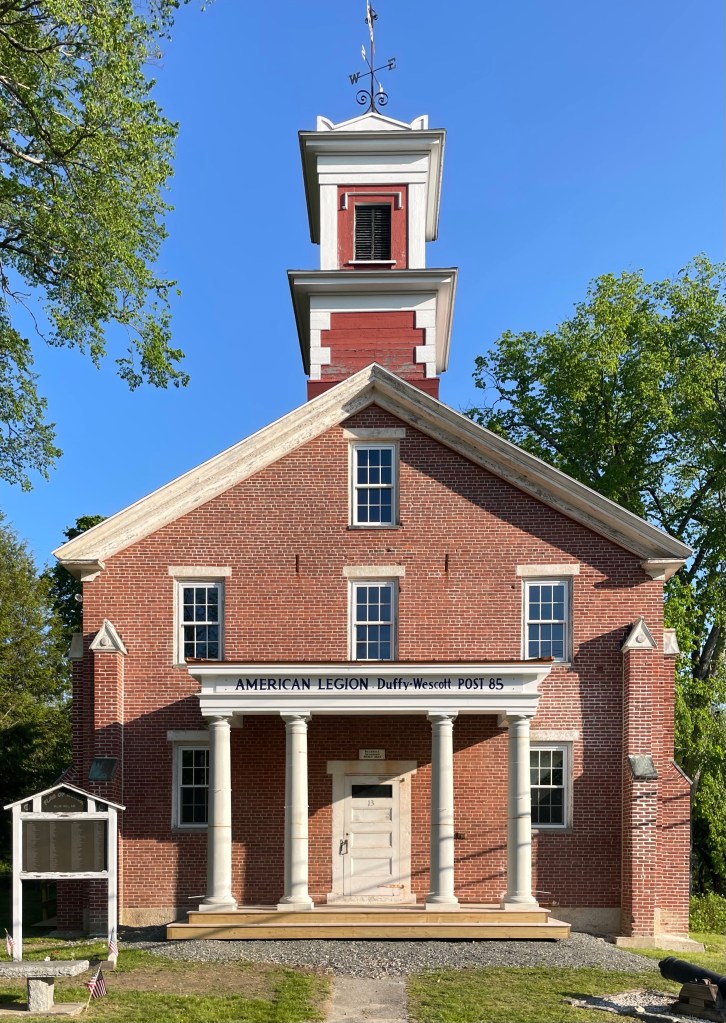
Blue Hill Academy Building // 1833

This gorgeous brick building sits in Blue Hill, Maine and is an excellent example of a Greek Revival style institutional building found on the coast of that great state. The structure was built in 1833 and originally housed the Blue Hill Academy, a school which provided courses in Greek, Latin and (due to the town’s maritime economy), navigation. The original building was constructed decades earlier when the school was founded, but was quickly outgrown. When the George Steven Academy opened its doors a couple blocks away in 1898, the two institutions were merged. The American Legion eventually purchased this building, renting it to the Blue Hill Grammar School. Renovations in 1909 were designed by Blue Hill native, George A. Clough which likely included the portico and elaborate belfry. After years of deferred maintenance on the building by dwindling membership of the local American Legion post, the building’s future was uncertain. Thankfully, the Duffy-Wescott Post 85 stood up and funded preservation and planning for the building and make emergency repairs.