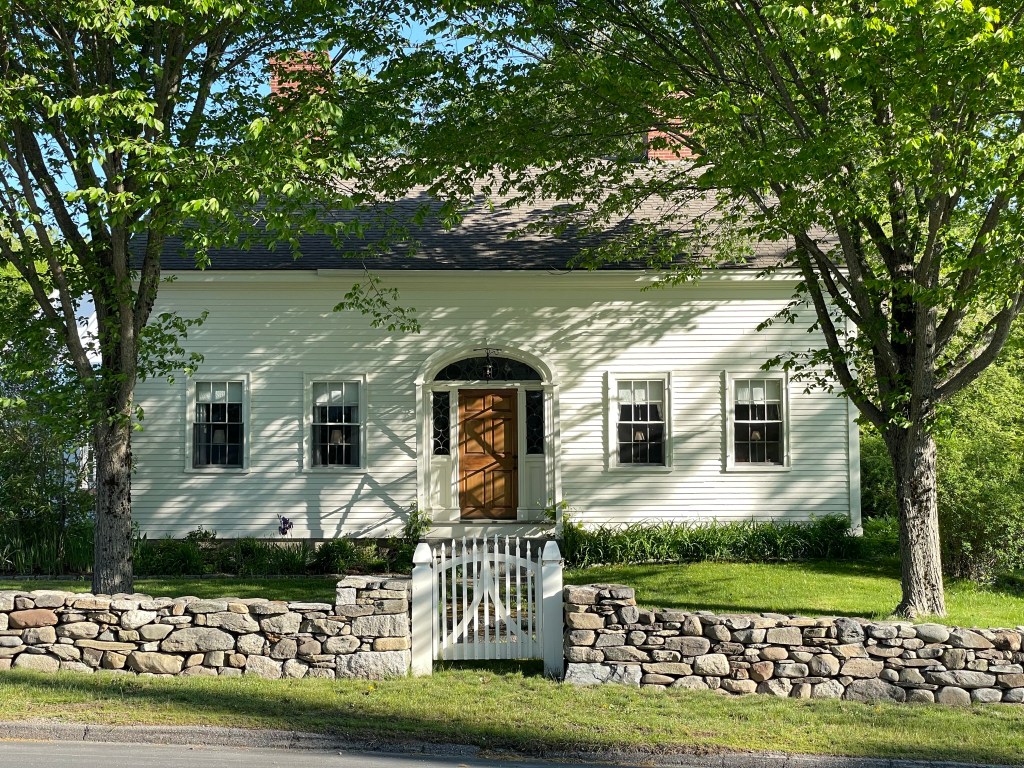
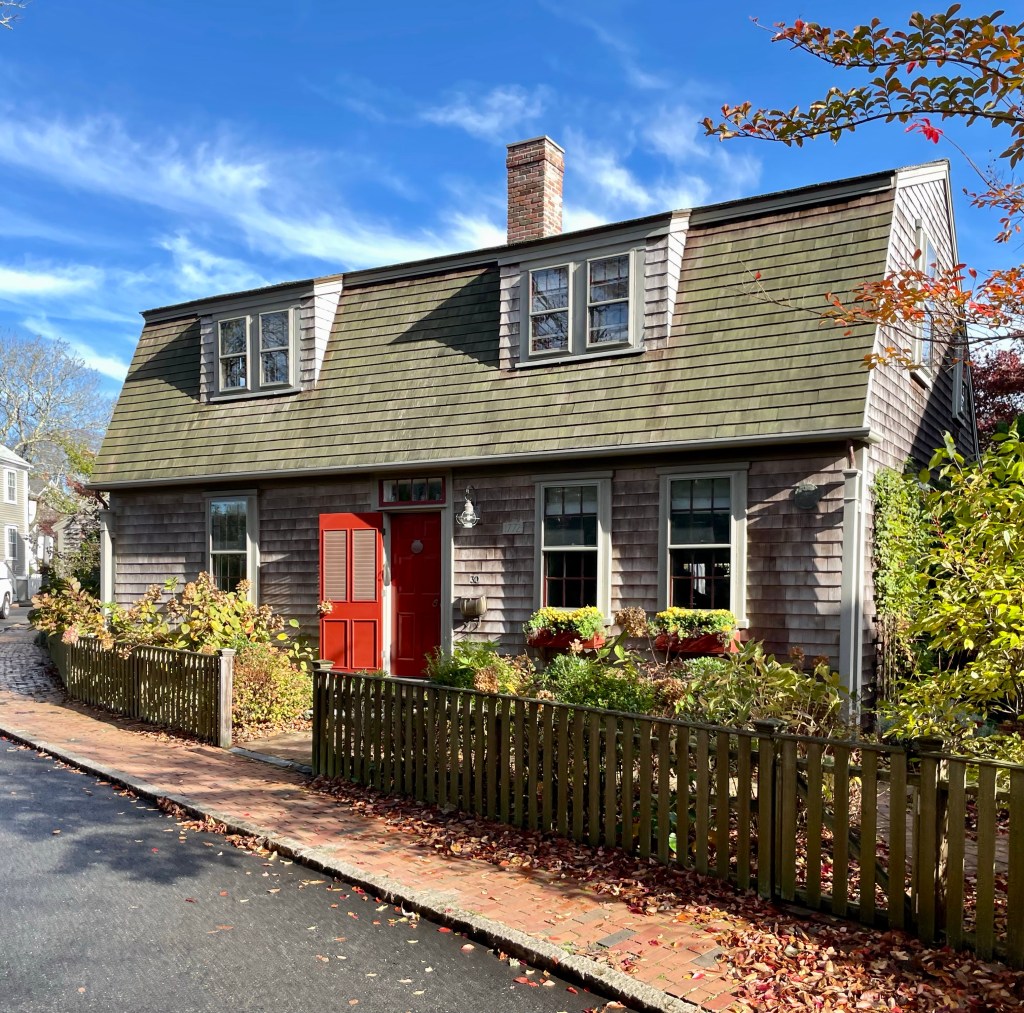
Clough-Hinckley House // 1832

This charming Federal style cape in Blue Hill Maine was built in 1832 by Moses P. Clough, a sea captain seemingly as a wedding gift to his new bride of that year, Sally Prince. He resided in the home off-and-on between excursions and trips at sea until his untimely death at sea in 1836 of bilious fever, possibly caused by malaria. After his death, his widow Sally, remarried and moved to Cherryfield, Maine. The old family home was sold to Bushrod W. Hinckley, an attorney who was involved in the town affairs. Today, the old Clough-Hinckley home is known as Arborvine, a great restaurant known for using local, farm-to-table ingredients. The home is excellently preserved by the owners, down to the leaded glass fanlight and sidelights at the entrance. Swoon!

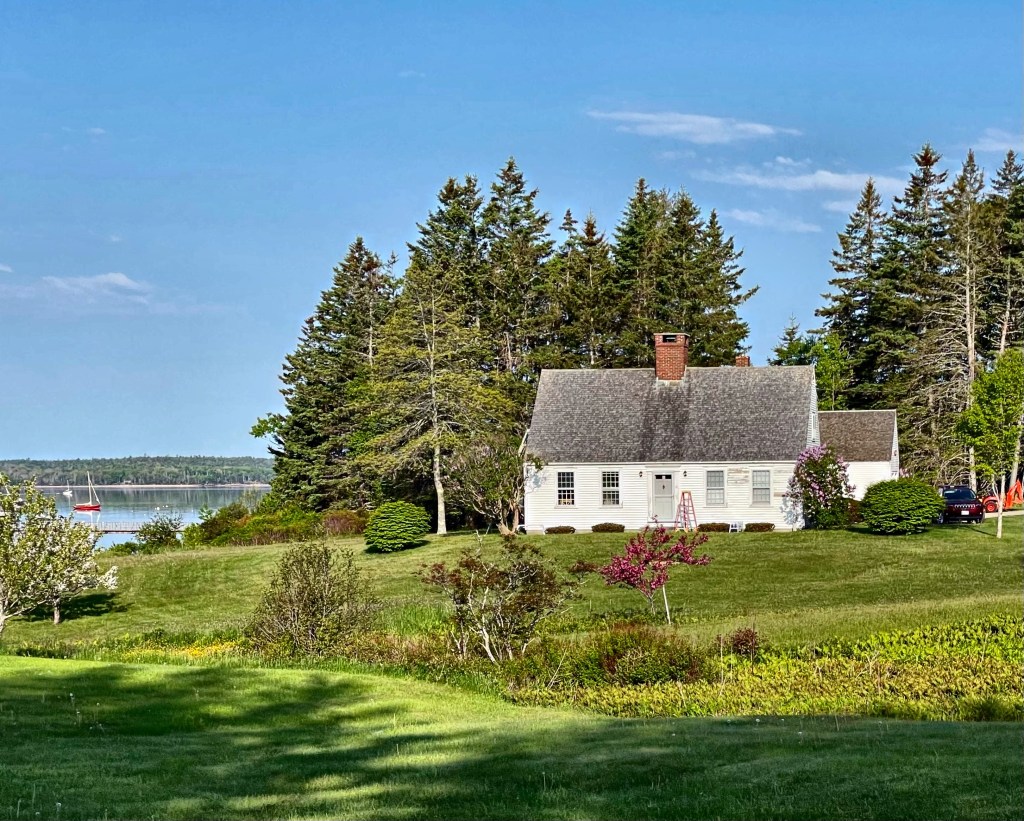
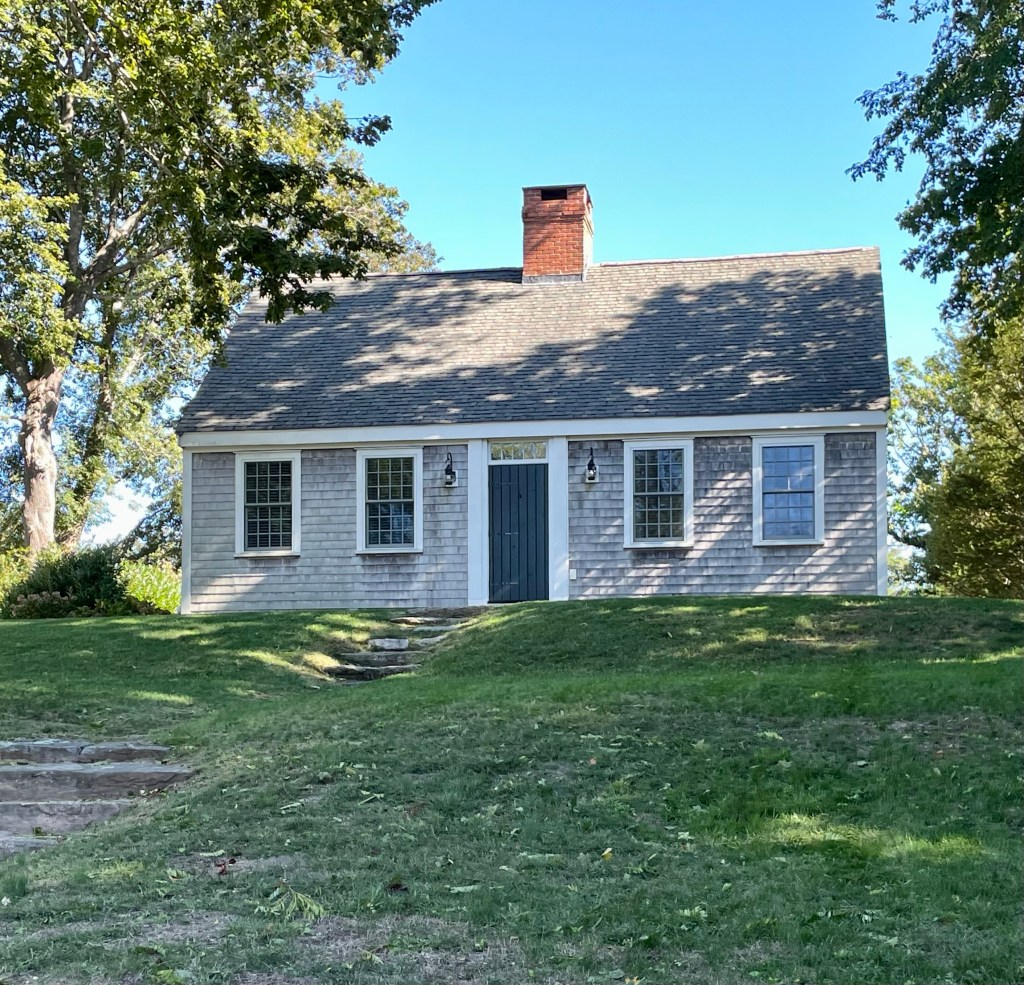
Whereaway // c.1840

In a town of 850 residents (2,800 in the summertime), Brooklin, Maine was an absolute treat to explore. The winding roads terminate at abrupt ends where the rocky Maine coast begins and hand-made wooden ships are docked in protected harbors. I stumbled upon this absolutely charming Greek Revival style Cape house with just steps to the ocean. The siting beyond a sweeping field and adjacent to the calm harbor presents the perfect example of what makes Maine so special. The house is a short term rental and named “Whereaway”. If only I was rich, but I can dream right??

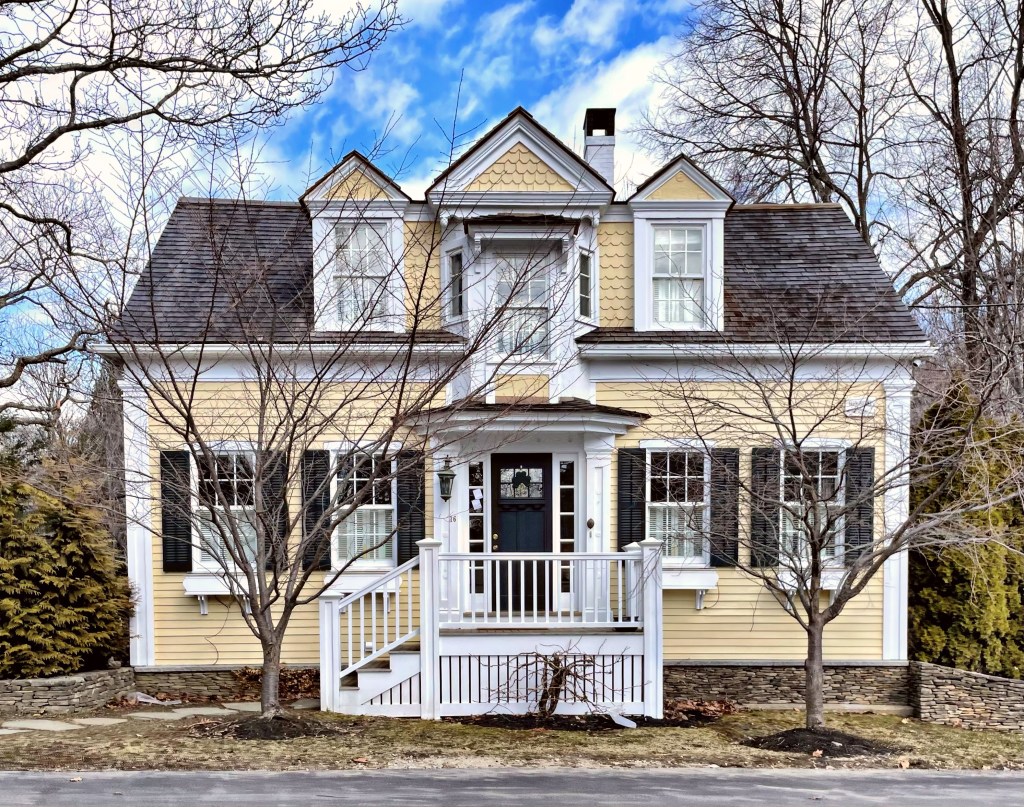
Glen Cottage // c.1850

Not all of Kennebunkport’s summer “cottages” are grand, Shingle style mansions… Glen Cottage was originally built in c.1850 as a Greek Revival style cape house. As the town developed into a desirable summer colony for wealthy residents of Boston, New York and Philadelphia, the small cottage caught the eye of a Ms. Garrard. Margaret Garrard purchased Glen Cottage in 1900 and hired Maine architect William Barry to transform the old cape, adding the dormers, octagonal bay, and door hood. Here, she ran the Bonnie Brig Tearoom for twenty years. Tea houses were important social centers for wealthy summer residents Later owners renamed the tea house, “The Old Tree Tea Tavern” and “Periwinkle” but in 1926, the name reverted to The Bonnie Brig Tearoom. Today, the cottage has reverted back to residential use with the owners lovingly maintaining the old cape.

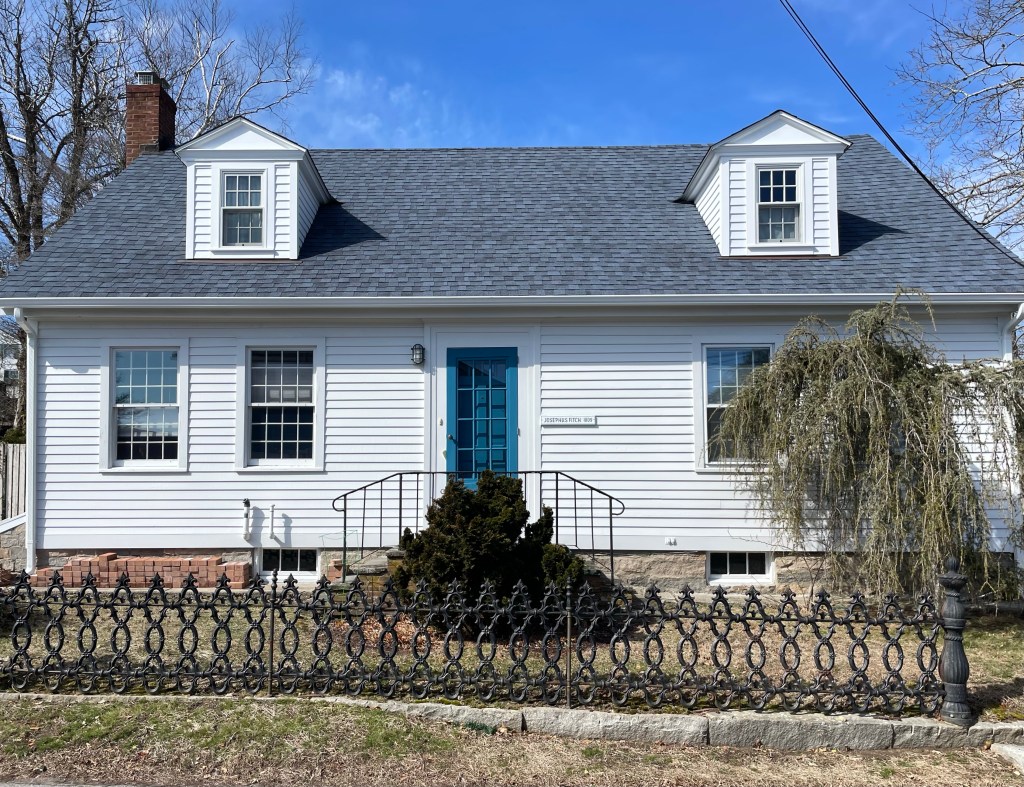
Josephus Fitch House // 1809

Not far from the Pelatiah Fitch House is this charming Federal Cape house in Noank, CT, built for Pelatiah’s grandson, Josephus (there are a lot of great names in this family)! Pelatiah’s eldest son Josephus was born in 1745 and was equipped for service in the American Revolution by his father. He survived the war, but in 1778, he perished at sea aboard a whaling vessel. Josephus Fitch Jr., his mother and siblings remained in Noank and tried to re-establish a life after losing their father who was just 32 years old. He grew up and married, and eventually purchased land in town, building this cape house in 1809. The house is vernacular with modest trim surrounding the door, 12-over-12 windows, and two small dormers at the roof.

Grindell Gardner House // 1772

In 1772, Grindell Gardner built this Georgian gambrel-roofed house on land which was part of a large tract formerly owned by his
grandfather, Abel Gardner, whose own home sits a stone’s throw away. The charming Cape house is of an unusual type, having the gambrel on the front side only which slopes to a sort of saltbox at the rear, which originally contained the summer kitchen and a water closet. The house was altered in the 1890s with the addition of dormer windows and the removal of the original large central chimney, which was removed prior to the new dormers. By the 1960s, the house had only been owned by four families.


Reverend Joseph Green House // c.1725

In 1725, the second or eastern parish of Barnstable separated from the first (or west) and the congregation had a 25 year old pastor to lead them in Reverend Joseph Green. Joseph Green(e)(1701-1770) attended Harvard and trained in theology, graduating and accepting the call to lead a new congregation in Barnstable Village on Cape Cod. Green would must have had this house built around the time of his arrival, which was a modest, full-cape Georgian home. Reverend Green remained in his position until his death in 1770.

Winn House // c.1780

One of the oldest extant houses in the village of Ogunquit Maine is this charming Cape house thought to have been built in the 1780s. The house was later purchased by James Winn (1783-1861) and his wife Philadelphia Maxwell Winn (1785-1855), probably about the same time as the birth of their first child, James Winn Jr. in 1808. Both James Sr. and his son in 1846, launched a 161–ton brig out of Kennebunkport with Captain James at the helm. After several trips James Jr. succumbed to an illness that was aboard the vessel and died at the New York Marine Hospital. Over 150 years later, the house, largely untouched, was seemingly threatened by development pressure on the busy highway. In 1980, the home was donated to the town by then-owner, Phyllis Perkins, and moved nearby to a park on Obed’s Lane. It now houses the Ogunquit Heritage Museum.

Briggs House // c.1790

The village of Assonet in Freetown, MA, has a great collection of late 18th and early 19th century homes built along the riverfront. This home is a great example of a late-Georgian cape house, built in the late 1700s or early 1800s. The home was constructed when Assonet was developing into a prominent, inland commercial fishing port. From this, a shipyard was constructed nearby, where shipbuilders constructed vessels along the river. By the 1850s, the house was owned by Charles Briggs, who worked in the village as a nailer (maker and seller of nails) and his wife Bathsheba. The cottage features a high pitched roof, boxed-eave cornice, and windows standing out from the plane of the house. They really don’t make them like they used to!

Bond Farmhouse // c.1800

This farmhouse is unreal… Located on a rural back road in Millbury, I came across this rambling old Cape house with a stone wall and everything! The home appears to have been built in the late 18th or early 19th century, possibly as a half-cape (with the door and two windows to the right) for Emery Bond, or possibly his father, Oliver Bond. The home (like many Cape houses) was added onto as the family grew and finances could necessitate a more substantial house. It likely added the two bays to the left of the front door next, then bumping out the sides by the 20th century to give it the present, elongated appearance. It’s not often that a once-modest Cape house stops me in my tracks!

Ryder Homestead // c.1675

The oldest home in Marion, this c.1675 Cape house apparently has interior structural elements dating the home to the earliest colonized days of Sippican Village. The tiny home was built for a member of the Ryder family around 1675, according to the Sippican Historical Society. It was recorded and noted as standing by the 1690s. The home is an example of a three-quarter cape, meaning there are two bays on one side of the front door and one on the other side. During colonial times, for economic reasons, a newly married couple could build a half-cape house with a door, two windows to one side of the door and a single fireplace heating multiple rooms. It was expected that they would expand the house to either a three-quarter house by adding a single window on the other side of the door or doubling the size of the home adding two other bays, all rooms heated by the central chimney.