First Reformed Church, Schenectady // 1863

The First Reformed Church of Schenectady is the oldest congregation in the city. Founded by Dutch settlers, Schenectady’s first colonists, the first church lasted over a decade until it burned in the Schenectady Massacre in 1690, when a party of more than 200 French and allied Mohawk warriors attacked the unguarded community of Schenectady, destroying most of the homes, and killing or capturing most of its inhabitants. Sixty residents were killed, including 11 enslaved Africans. An expanding congregation after, outgrew its second and third buildings, replacing them with larger structures. The fourth was lost in Schenectady’s Great Fire of 1861, causing yet another building campaign. The present church building, an architectural landmark in Gothic design, was completed by the highly regarded Victorian-gothic architect Edward Tuckerman Potter in 1863. Potter is also known for his designs of the Nott Memorial Building (previously featured), in Schenectady, and Mark Twain’s home in Hartford, CT. A fire in the church gutted it in 1948, but the community at large banded together to fund the restoration efforts of the amazing architectural landmark.

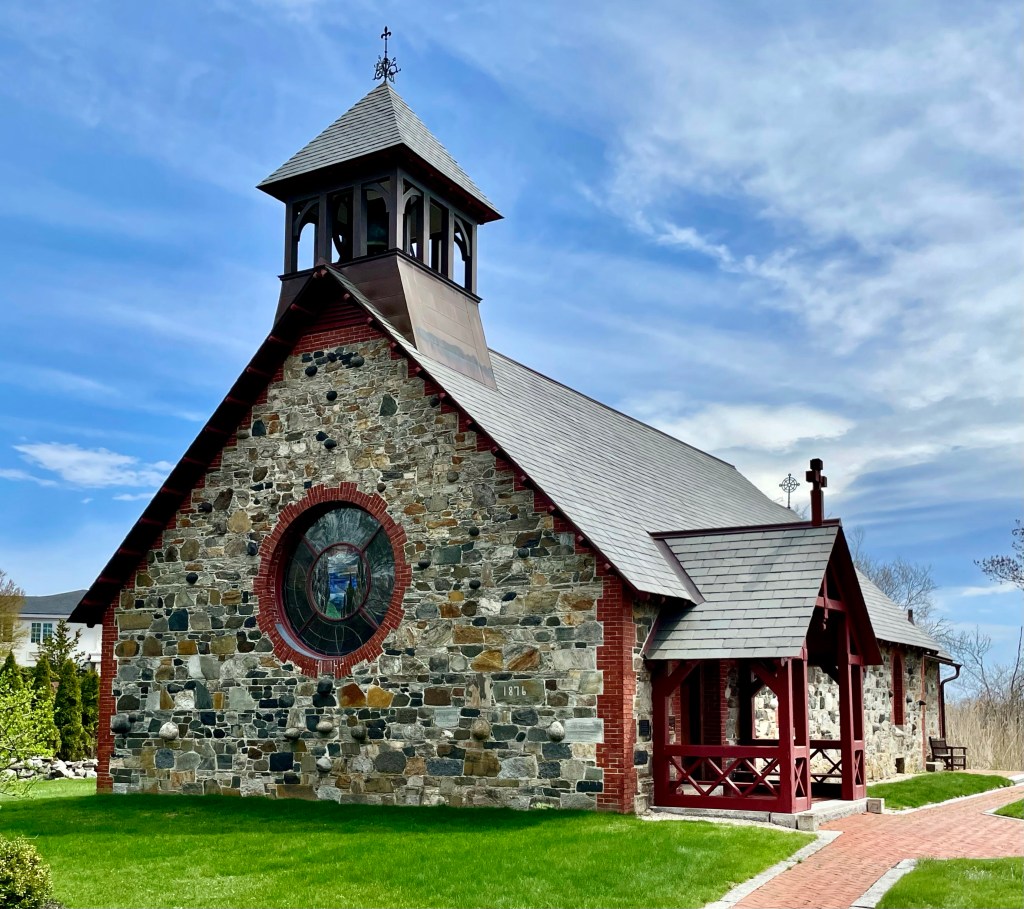
St. Andrews-by-the-Sea // 1876

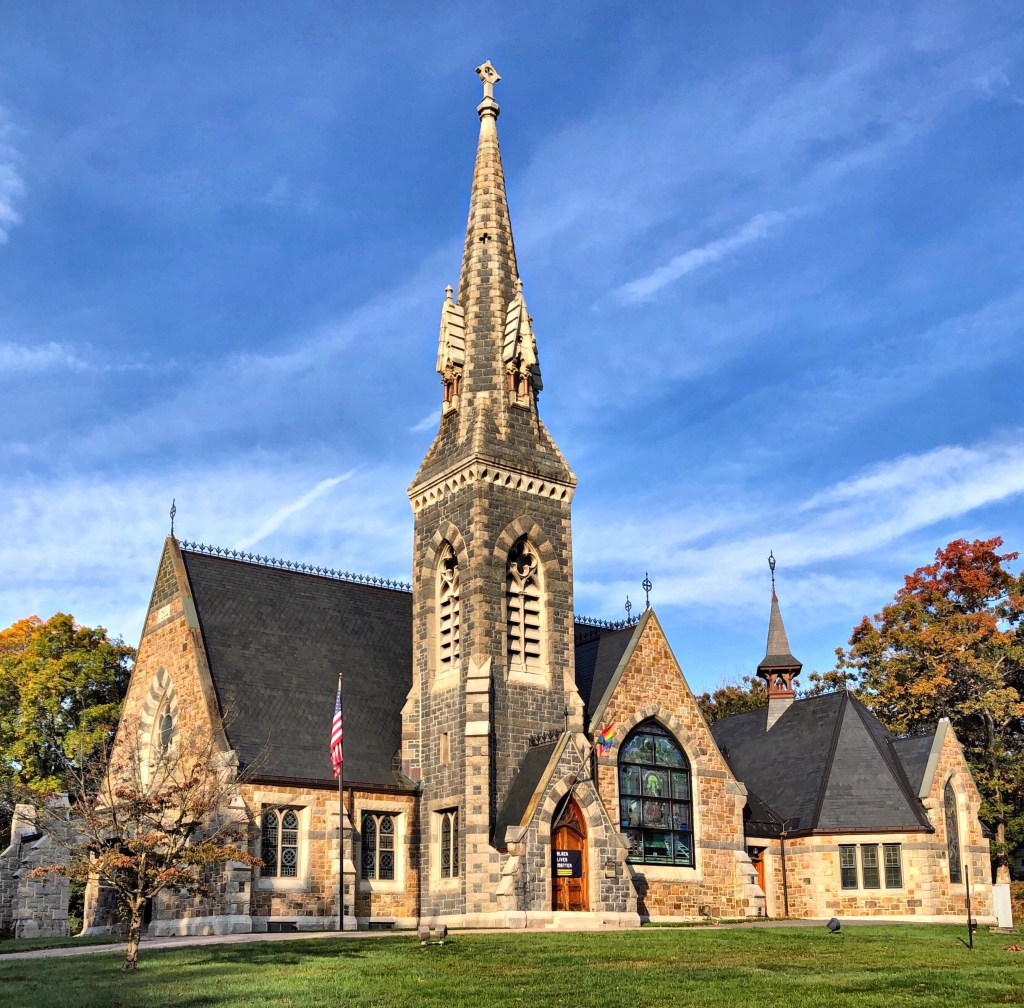
In the mid-to-late 1800’s, Rye Beach on the coast of New Hampshire was a popular summer residences for wealthy families from New York, St. Louis, Chicago, and other mid-western cities. Church services were important to these summer residents who united together to build this chapel, which before its construction, had to go to services at the casino in the colony (not ideal). Generally, wealthy summer residents here brought their household staffs, who lived in the many hotels and boarding houses along the beach. Some of these servants and employees of the hotels were African-Americans, who used St. Andrew’s for their own worship services and meetings. The summer chapel was built in 1876, completed that next year and is one of the most stunning chapels I have seen in New England. St. Andrew’s was designed by the architectural firm of Winslow and Wetherell. It is a unique example of a small rural stone chapel embellished by wooden trim and owes much to both the Stick and late Gothic styles. English country parish churches clearly inspired the chapel’s design and the use of rubblestone construction (likely of stones that were taken from the site) makes the building pop! Oh and that rose window at the facade!

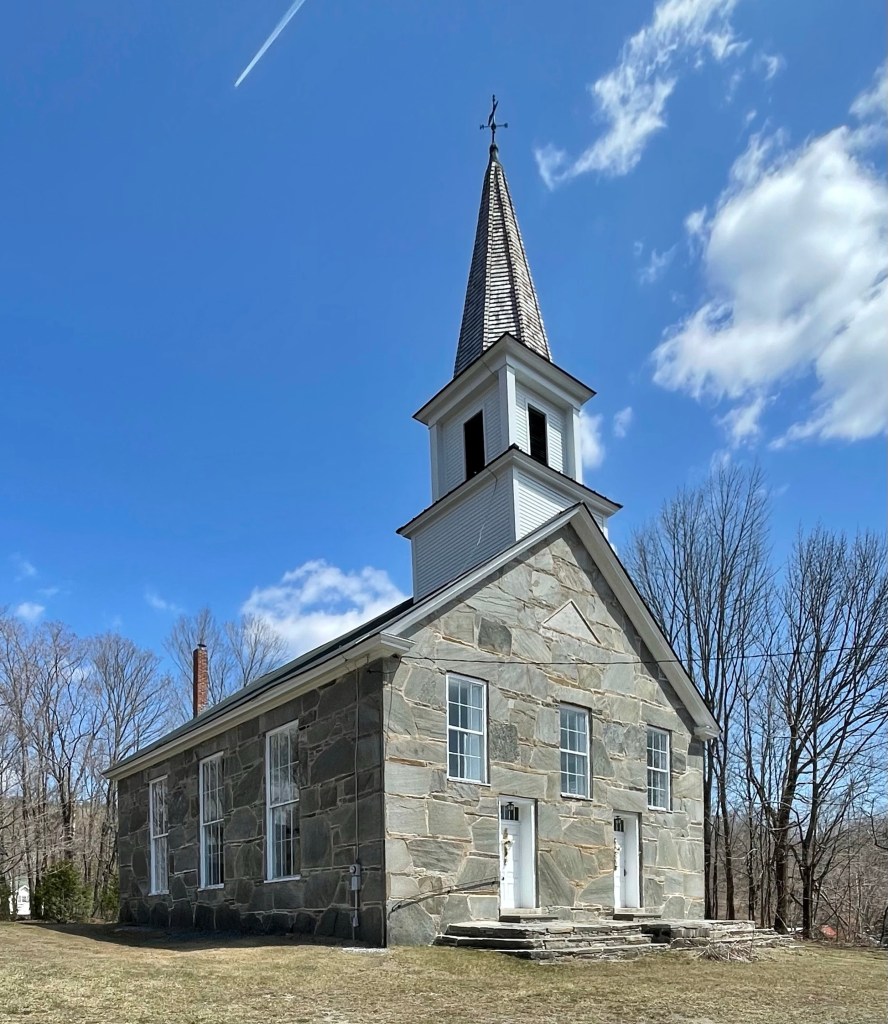
South Reading Union Meetinghouse // 1844

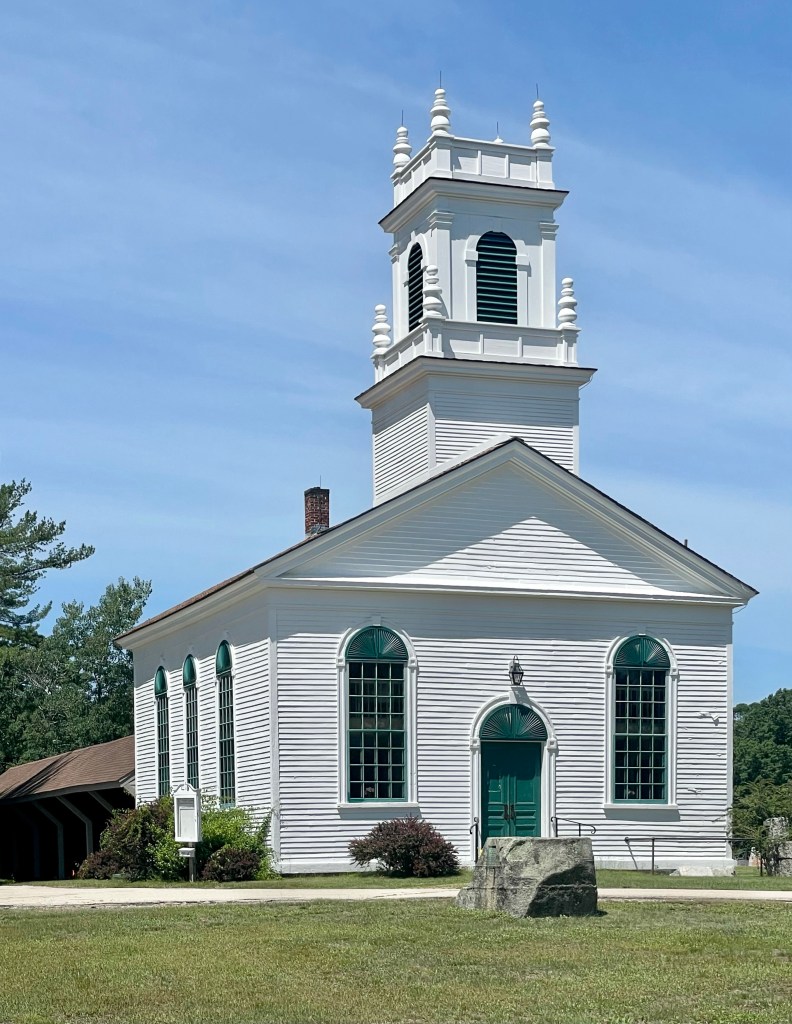
A very rare example of a snecked ashlar church, the South Reading Union Meeting House in Reading, Vermont remains in a great state of preservation, and a testament to innovative building styles seen in rural parts of New England. Built in 1844, the stone church was built by local stone masons based on the unique regional stone construction method. The church features a triangular stone in the facade which shows its construction date. There is something so stunning about stone churches..

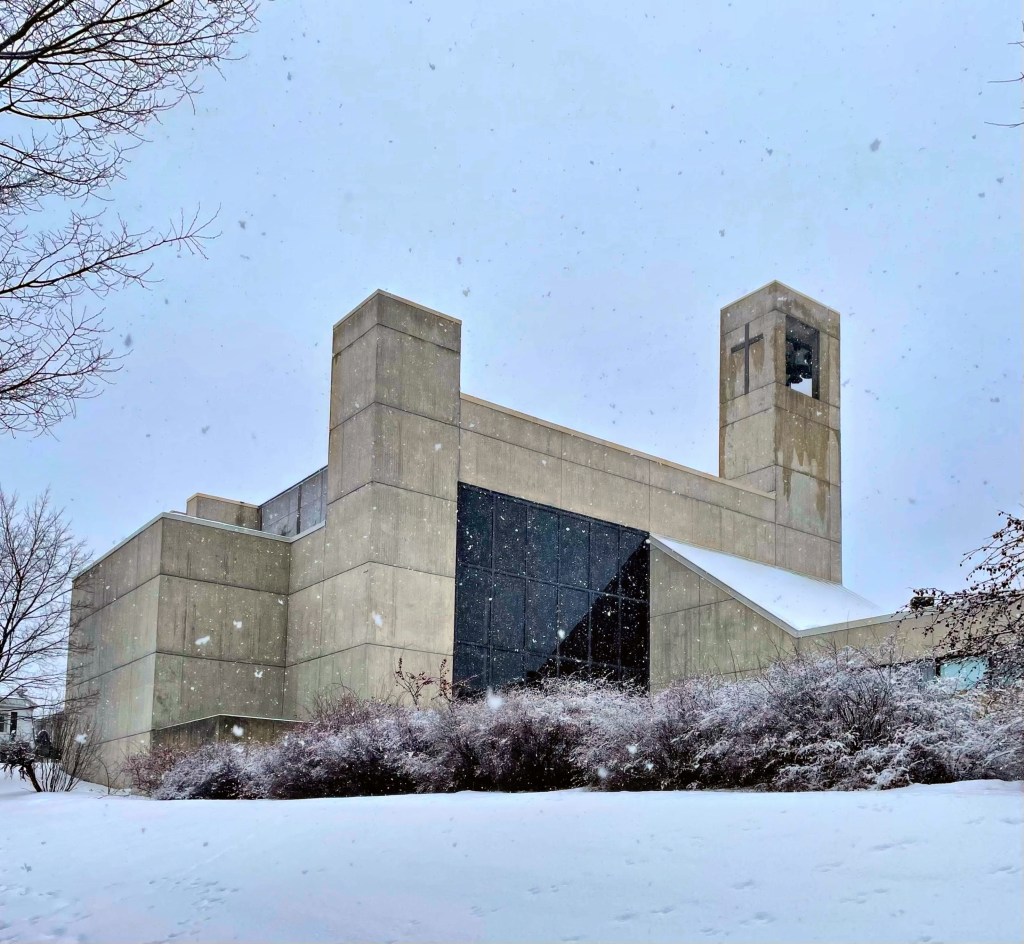
St. Paul’s Cathedral, Burlington // 1973

St. Paul’s Church in Burlington, Vermont, was organized in 1830, when Burlington’s population was about 3,500. About 55 Episcopalians met at a local hotel and laid the groundwork for the parish. In 1832, the fledgling parish dedicated its new building, a neo-Gothic limestone structure, which was enlarged multiple times as the congregation grew as the city did. In 1965, the Diocesan Convention voted that St. Paul’s Church be designated a Cathedral Church of the Diocese (one of two in the state). Just six years later, it was destroyed by fire, sparked by an electrical malfunction in the basement, leading to a new evolution of the church. At the time of the fire, the City of Burlington was engaged in massive urban renewal projects. As a part of this program, the City offered to swap the land on which Old St. Paul’s had stood for a spacious new tract overlooking Lake Champlain and the Adirondacks. Although the decision to change locations was a contentious one, the parish did accept the offer. When discussing designs for a new cathedral, there was a strong desire to make a new statement in architecture, diverging from the traditional Gothic or Colonial designs seen all over the country. An international competition was held to determine the architect of the new Cathedral. The winner was the local firm Burlington Associates, now Truex, Cullins & Partners. Completed in 1973, the Cathedral is made of stressed concrete. The structure stands strong and firm, yet is welcoming. Windows provide sweeping views of Lake Champlain and the distant Adirondacks.

First Methodist Church, Burlington // 1869

This beautifully designed Romanesque Revival church consists of a large rectangular block with a steeply pitched gable roof and a square tower surmounted by a spire. The church is constructed of Willard’s Ledge stone (a locally quarried purplish limestone) with trimmings of Isle La Motte grey sandstone from quarries north of Burlington. This church is the only Romanesque Revival style church in the city and just one of four pre-1880 churches in Burlington. Architect Alexander R. Esty (1826-1881) designed the building and was a noted New England architect working during the late nineteenth century. He was trained in Boston and opened his own office in 1850 in Framingham, Massachusetts. The congregation remains active and welcoming.

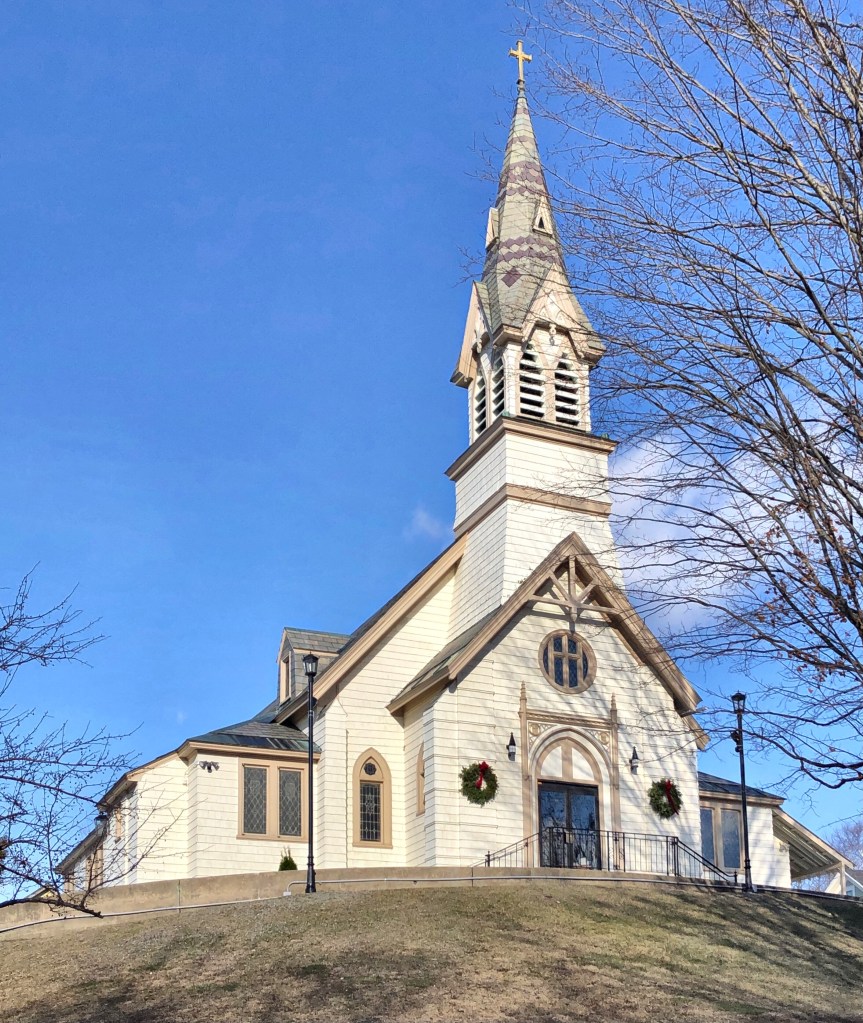
St. Patrick’s Church, Newport // 1882

Perched high on a hill in central Newport, NH, St. Patrick’s Church has served the community in its stunning building for nearly 150 years. The town of Newport began seeing Irish immigrants moving into town looking for work at the mills as early as 1835. The large working-class population created a need for a Catholic church in the growing town. That same year, the Catholic population of the state of New Hampshire was listed at just 720 people. Over the following decades of meeting in homes and small buildings around town, the Catholic population in town, along with the newly established Archdiocese of Manchester, NH, came up with funds for a church in the mill town of Newport. The congregation hired Hira Ransom Beckwith, a carpenter, builder and architect from nearby Claremont to design and construct the new place of worship. Interestingly, Beckwith had only a high school education, so his training as an architect and builder was through apprenticeships. The church is a blend of Gothic Revival and Stick styles, with the lancet windows and tracery paired with the elaborate stick-work in the gable.

First Church Congregational of Fairfield // 1892

The First Church Congregational in Fairfield, Connecticut is the sixth church to occupy this site! The first structure was built in 1640, and the current building was constructed in 1892. The third version of the church was burned by the British in 1779, while the fourth “meeting house” took nearly 42 years to finish and was partially funded by the sales of properties which formerly belonged to Tory sympathizers. The Romanesque Revival church was designed by architect J. Cleaveland Cady, who is best known for his design of the south entrance of the American Museum of Natural History on the Upper West Side of Manhattan.

Unity Church of North Easton // 1875

The Unity Church of North Easton, Massachusetts looks like it could stand toe-to-toe architecturally with the large churches in major American cities. The church was a gift to the Unitarian Society in town, by Oliver Ames II, who hired renowned Gothic architect Henry Vaughan to design a chapel, worthy of the town’s wealth. The church contains various tablets and memorials to the Ames Family, with stunning stained glass windows by John LaFarge, recently restored by the church! Behind the grounds is the cemetery where many of the Ames family members are buried.

First Church of Christ, Suffield // 1869

Located adjacent to the Town Common, the First Church of Christ in Suffield showcases the grandiose architecture seen in many churches after the Civil War in New England. This brick edifice is the fifth in the history of the church which dates back to around 1680. The church was designed by local architect John C. Mead, who designed many churches in the region. The church is a blending of Italianate and Romanesque Revival styles and originally featured a tall spire and secondary tower. In 1938, the New England Hurricane destroyed the tall spire (a similar event occurred to many New England Churches, including Old North in Boston). Even without the steeple, the church remains as a great architectural treasure in town.

St. Therese of the Infant Jesus Church // 1927

This church in Agawam was built in 1927, replacing the first Catholic church in town, which was established in 1873. The earlier church was destroyed by a fire in 1925, causing the congregation and Archdiocese to fund construction of a new, fireproof church building. The Neo-Gothic Revival building features lancet windows, buttresses, and a central steeple. The building is now occupied as the Moldovian Baptist Church.