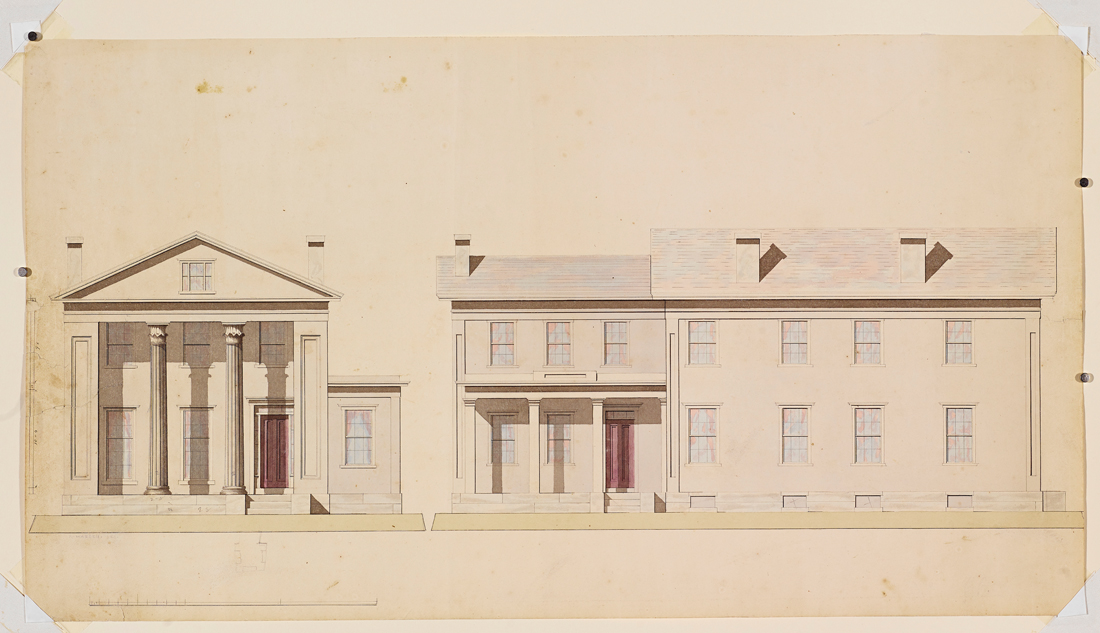
Located across the street from the Canton Congregational Church (last post) you can find the cutest one room schoolhouse in central Connecticut. The schoolhouse, built in 1848, was one of nine one-room schoolhouses in Canton at the time. The perfectly proportioned classically designed school features two front doors, one on each side of the recessed entry, with the right door for girls and the left for boys. There were also two outhouses behind the building for students and the teacher. This building served the community as a school until 1942. In the years following, the building was used as a meeting place for women from the congregational church, a community library, and a small public space for members of town. It is owned by the Congregational Church, who maintain it to this day.
Buildings of New England travels! Welcome to Schenectady, a great city in upstate New York, with an hard to spell and pronounce name! The name “Schenectady” is derived from the Mohawk word skahnéhtati, meaning “beyond the pines”. Schenectady was founded on the south side of the Mohawk River by Dutch colonists in the 17th century, many of whom were from the Albany area. In 1664 the English seized the Dutch New Netherland colony and renamed it New York. They established a monopoly on the fur trade around Albany, and issued orders to prohibit Schenectady from the trade through 1670 and later. The town grew mostly as an inland agricultural town until the Erie Canal was built in 1825, creating a navigable water route from New York City and the Atlantic Ocean to the Great Lakes, cutting through Schenectady. The town grew and became an industrial center, attracting a very diverse population of immigrants in the 19th century and African Americans as part of the Great Migration out of the rural South to northern cities for work. The community struggled (like many) in the mid 19th century but has seen a large resurgence as of late!
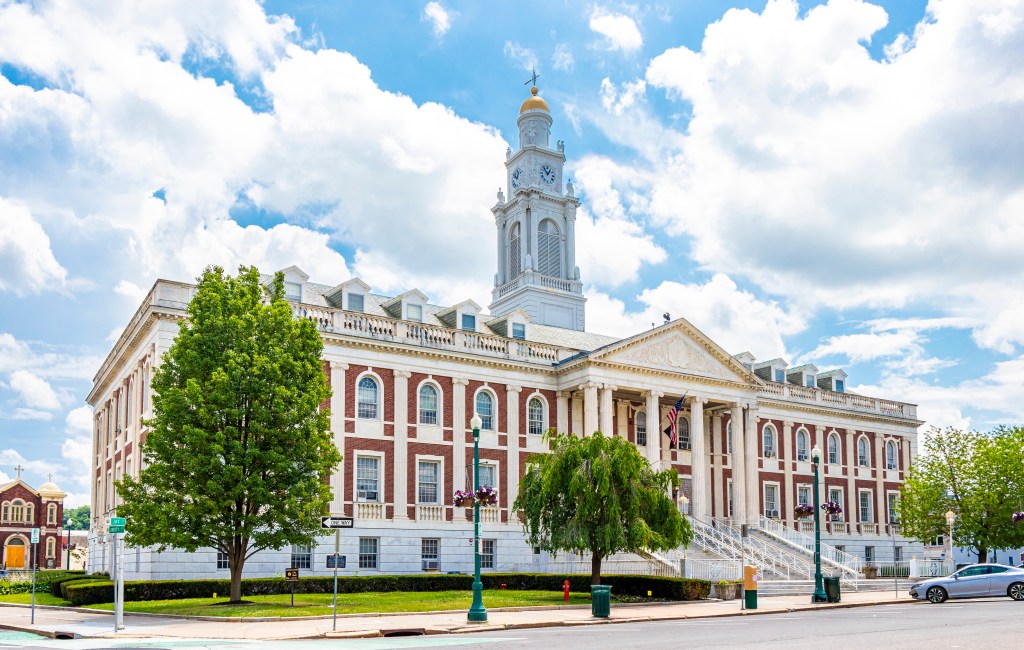
This building is the Schenectady City Hall, a massive architectural landmark which made my jaw drop when I saw it! The City of Schenectedy outgrew their old City Hall, and in the late 1920s, held a nationwide contest to select designs for a new City Hall. The contest was won by the prominent architectural firm McKim, Mead, and White. It appears that the designs were furnished by James Kellum Smith of the firm, the often overlooked genius of the MMW practice. The exorbitant cost of the project, which was undertaken during the Great Depression, caused the building to be dubbed “Fagal’s Folly” after Mayor Henry C. Fagal, who allowed all the cost increases while the city’s future was uncertain. He was not re-elected after this building was completed. The building is a pleasing mixture of Colonial and Classical Revival styles and features bold pilasters and a towering cupola
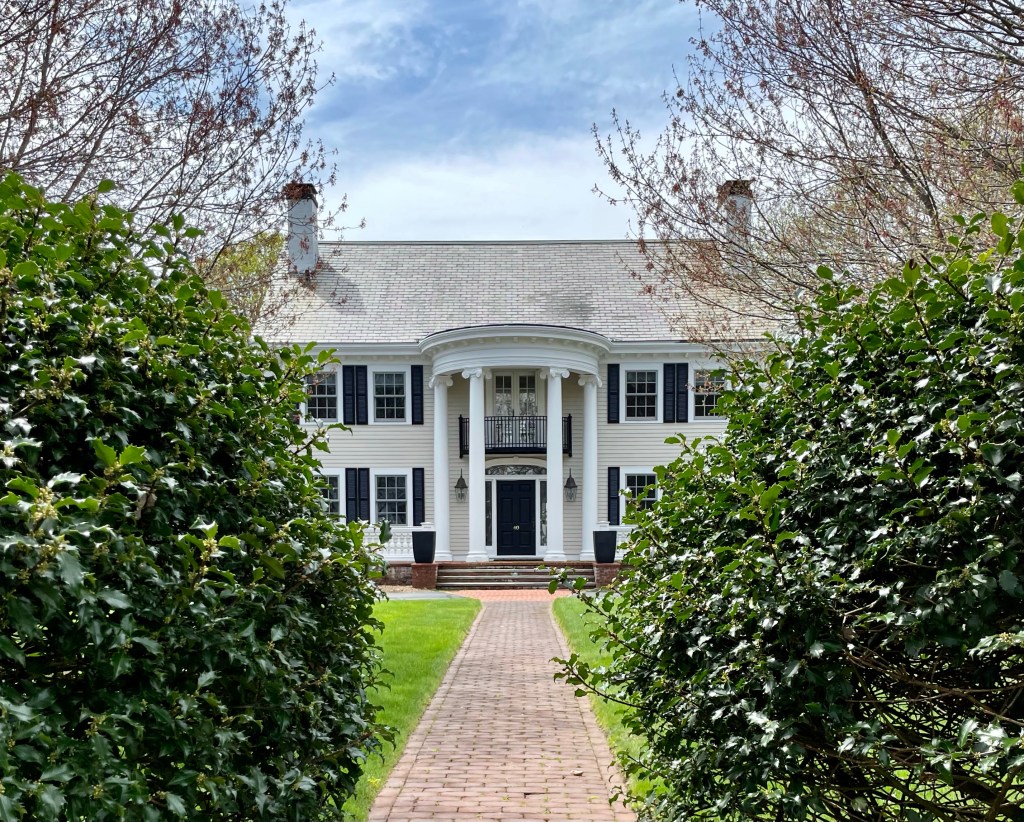
This home was built in 1913 and is a high-style Neo-Classical example of a “beach cottage”. The home is located in the fashionable Rye Beach colony in New Hampshire, which developed in the mid 19th century through the first half of the 20th century as an exclusive enclave for vacationing elite. The home was purchased by Susan Bailey Lord just years after its completion as a summer retreat from her home in Malden, MA, just outside Boston. She purchased the home just years after the death of her husband, who was thirty years her senior. It’s safe to say that Susan let loose up on the beach and had a “hot girl summer”.
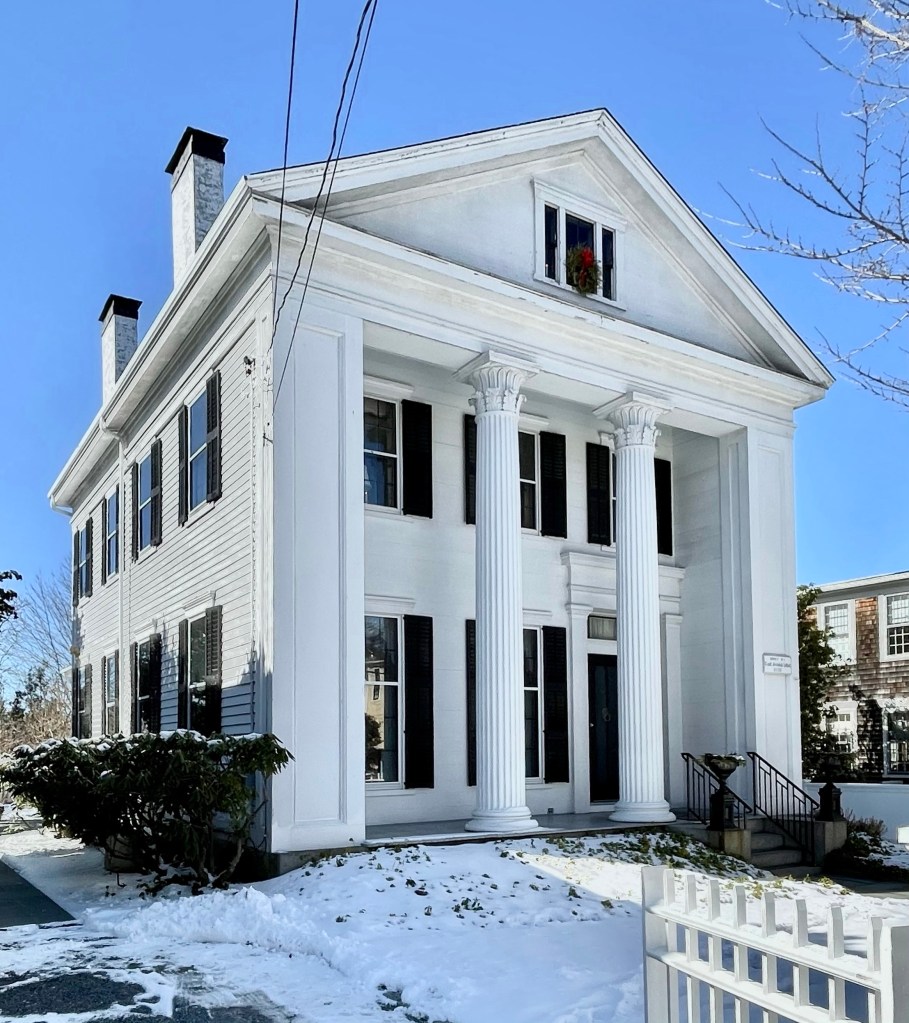
Anyone that has followed this account for a while knows at least one thing, I LOVE Greek temple-front homes. Designed by famed architect, and Bristol-native, Russell Warren, this 2-story, 3-bay, gable-roof Greek Revival house is one of the finest in the state. Its facade has a pair of fluted Corinthian columns, set in antis (where the side walls extend to the front of the porch). A simple side-hall entrance is framed by heavy Doric pilasters, supporting a broad, plain entablature, making this such a head-turning Greek Revival home. The walls are sheathed with horizontal flush boarding at the facade to give a smoother look and clapboards on the side and rear. The home was built for Josiah Talbot, a sea captain. The house is excellently preserved to this day, almost 200 years later.
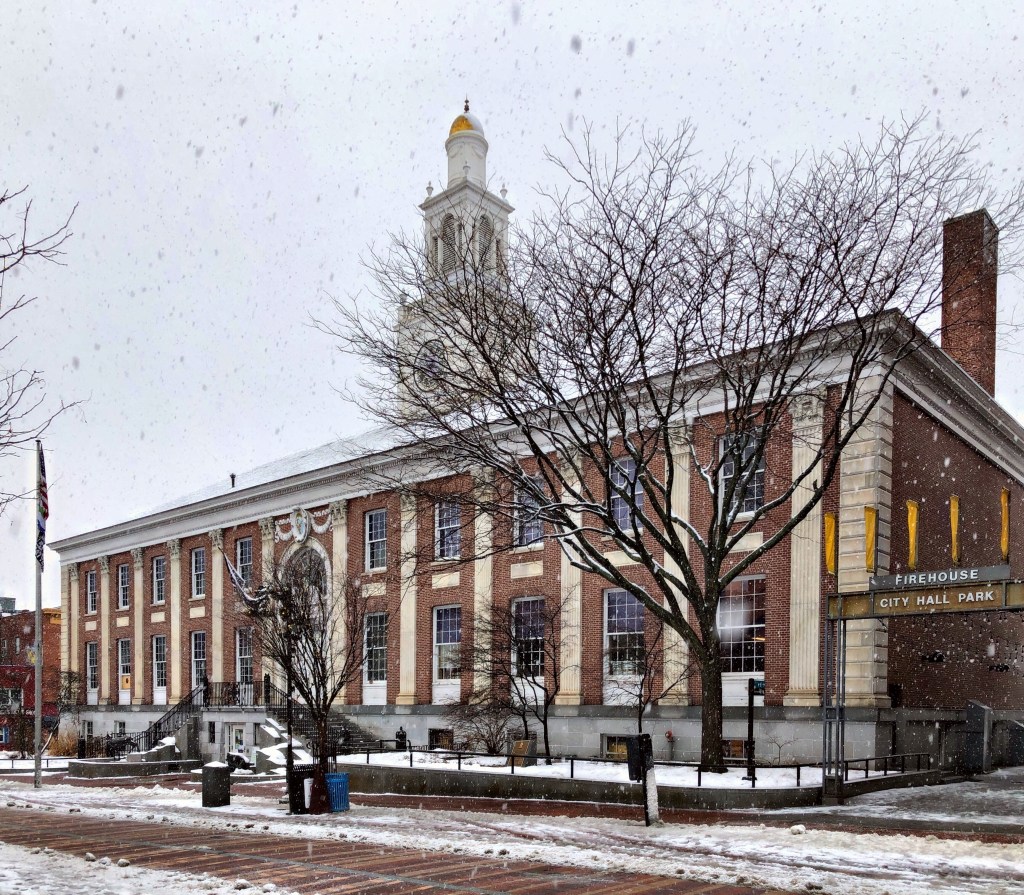
One of the largest, most grand buildings in Downtown Burlington, Vermont is its City Hall building, constructed in 1928, just before the Great Depression. The brick facade with extensive carved marble trim is Neo-classical in style, with virtually all the finish materials – brick, marble, roofing slate, and granite produced in Vermont. The building replaced the 1850s City Hall, which was poorly constructed and suffered from deterioration, exacerbated by an earthquake in 1925. Architect William M. Kendall was hired to complete the designs of the large, bold Classical building. Kendall spent his career with the New York firm of McKim, Mead & White, the leading American architectural practice at the turn of the century, and showcased the best of that firm with the design of this building.

 Buildings of New England