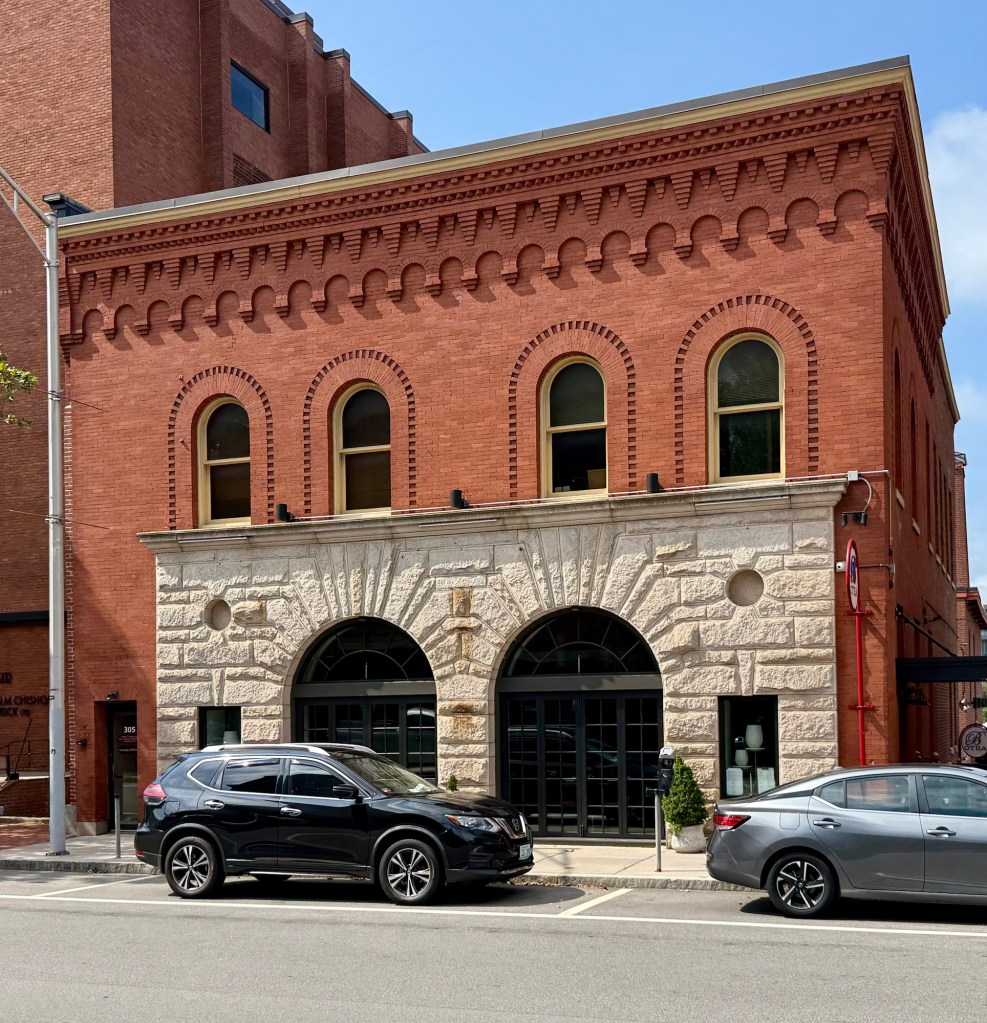
South Main Street Engine House, Providence // 1892

Built as a neighborhood fire station by the City of Providence in 1892, this handsome brick structure on South Main Street showcases how infrastructure and civic buildings can (and should) still contribute to the streetscape. Constructed along a streetscape of early 19th century brick buildings, the local architectural firm of Stone, Carpenter & Willson, sought to take cues of the materiality and massing of nearby structures, but employ new detailing and vocabulary for the fire station here. The result is a Romanesque style fire station with a pair of round-arched engine portals surrounded by stone facing, with the showstopping second floor and roofline with ornate brickwork around the arched windows and multi-staged corbeled cornice. The building with its smaller engine doors became obsolete with newer, larger fire trucks, and the building has since held a variety of commercial uses, today as a up-scale Italian restaurant.
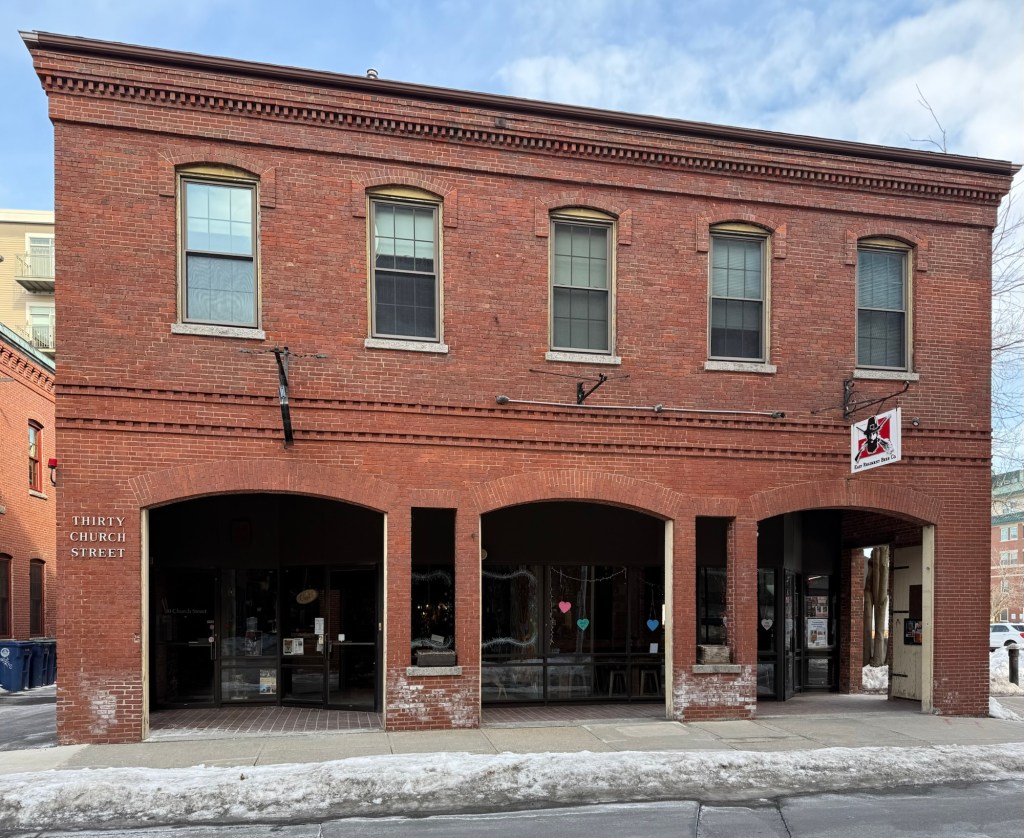
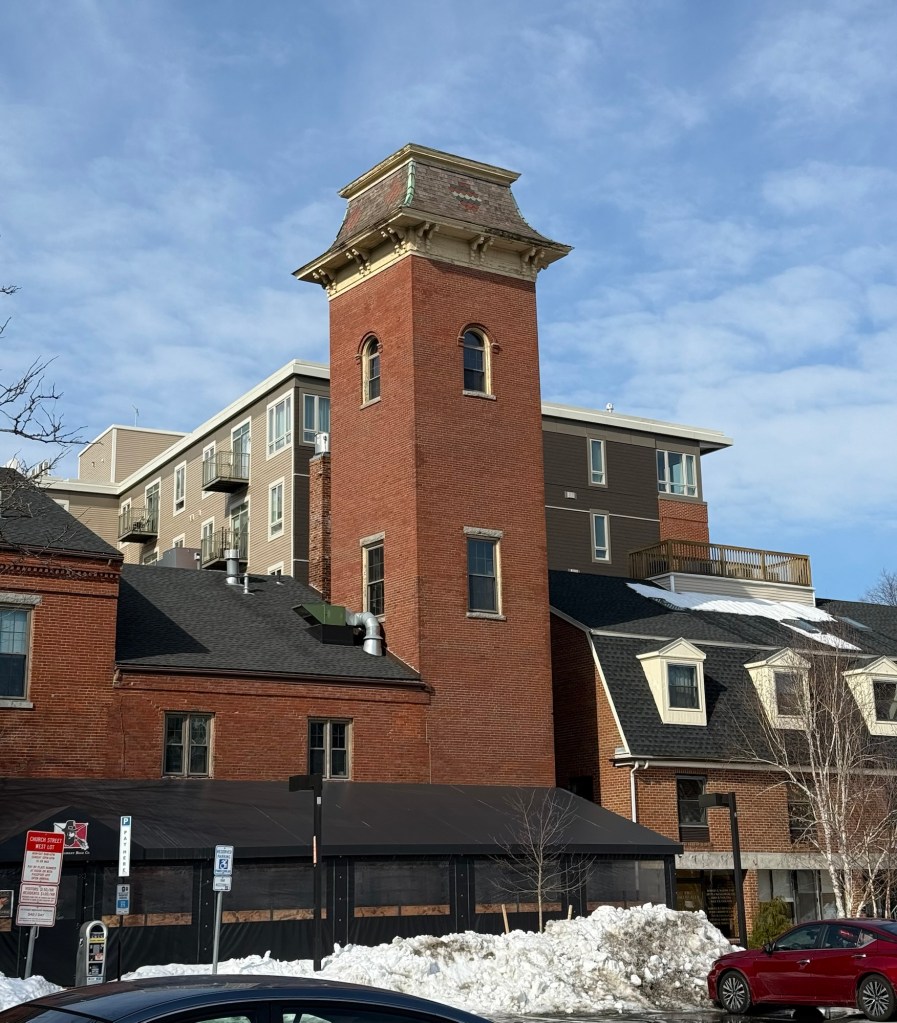
Old Salem Central Fire House // 1861

This mid-19th century brick structure on Church Street in Salem, Massachusetts, was built as the Central Fire House for the City. The Salem Fire Engine House was erected in 1861 from plans by an unidentified architect, in an eclectic style focused on function over frills. The façade is dominated by three engine bays with five windows on the second floor, surmounted by a decorative brick cornice. The hidden feature of the fire house is the three-story hose-drying tower capped by a slate mansard roof at the rear of the building. This building remained a fire house for 115 years until 1976, when due to larger fire engines and the tight constraints of the lot and surrounding streets, made use of the building a burden for fire-fighting. The City of Salem sold the building to private owners in 1976  for $24,000, and they underwent renovations to the building from designs by David Jaquith undertaken under the direction of the Salem Redevelopment Authority which sought to promote renovation of select historic buildings within the Downtown Salem Historic District. The recessed entrances through the old engine doors is a nice touch and retains the original fabric of the building. The old Salem Central Fire House is now occupied by Crazy Good Kitchen and the East Regiment Beer Company.

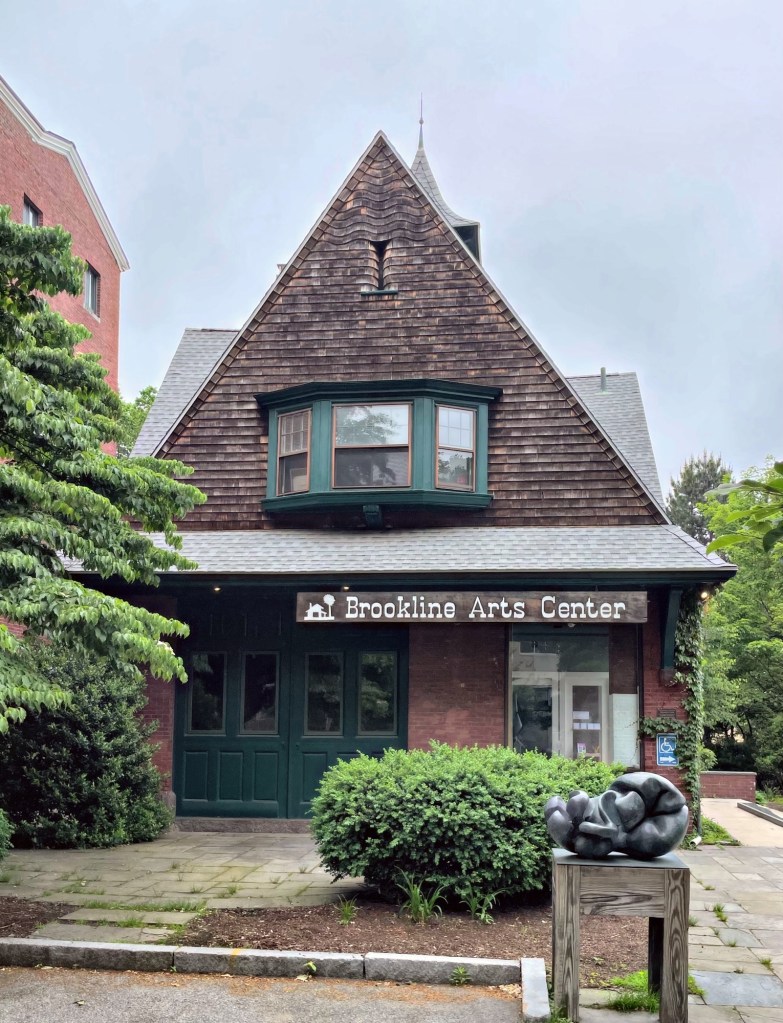
Brookline Arts Center – Former Fire Station // 1886

The Longwood area of Brookline, Massachusetts, is among my favorite neighborhoods to stroll and admire great old buildings. The area is home to many grand houses, churches and later high-style apartment buildings but this diminutive building is often overlooked at the edge of the neighborhood! The structure was erected in 1886 by the Town of Brookline as a new Chemical Engine House. The locally renowned architectural partnership of Peabody and Stearns designed the Shingle style fire station for the town, an important hire as the surrounding neighborhood was dominated by stately old homes in a suburban setting. Eventually, in 1965, the firehouse was closed and in 1968, the Brookline Arts Center renovated the building, where their programs have been continuously based in the years since. The brick and shingle building is maintained by the non-profit, preserving a significant piece of the town’s history for the public to enjoy!

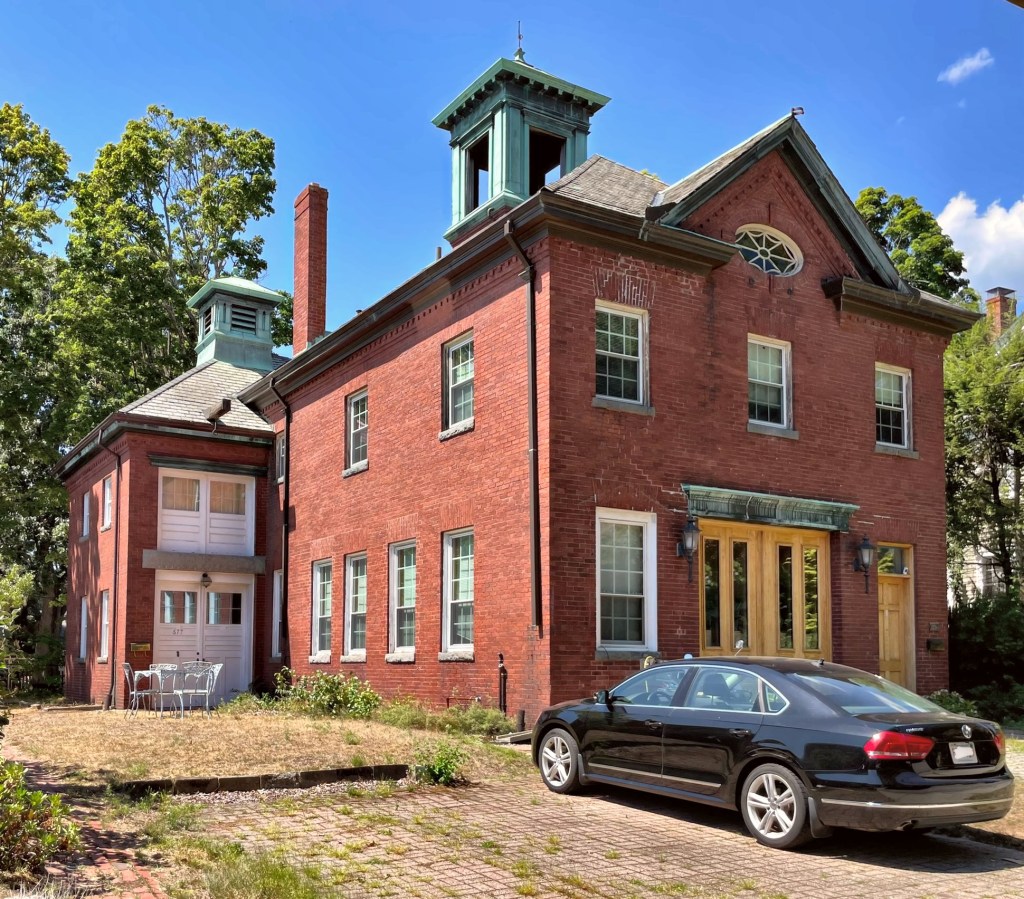
Lower Falls Firehouse // 1900

The Newton Lower Falls Firehouse was built in 1900 to serve the village’s fire prevention needs. As nearby Waban Village’s population surged (along with a stronger tax base) the City of Newton constructed a new fire station in 1918, that could serve both areas. This, the already outdated station, was converted to a village library on the ground floor with a janitor’s apartment and storage above. The space was determined to be surplus by the City and was sold off in 1979, quickly converted to housing by a developer. The building retains much of its original character, down to the hose-drying tower.

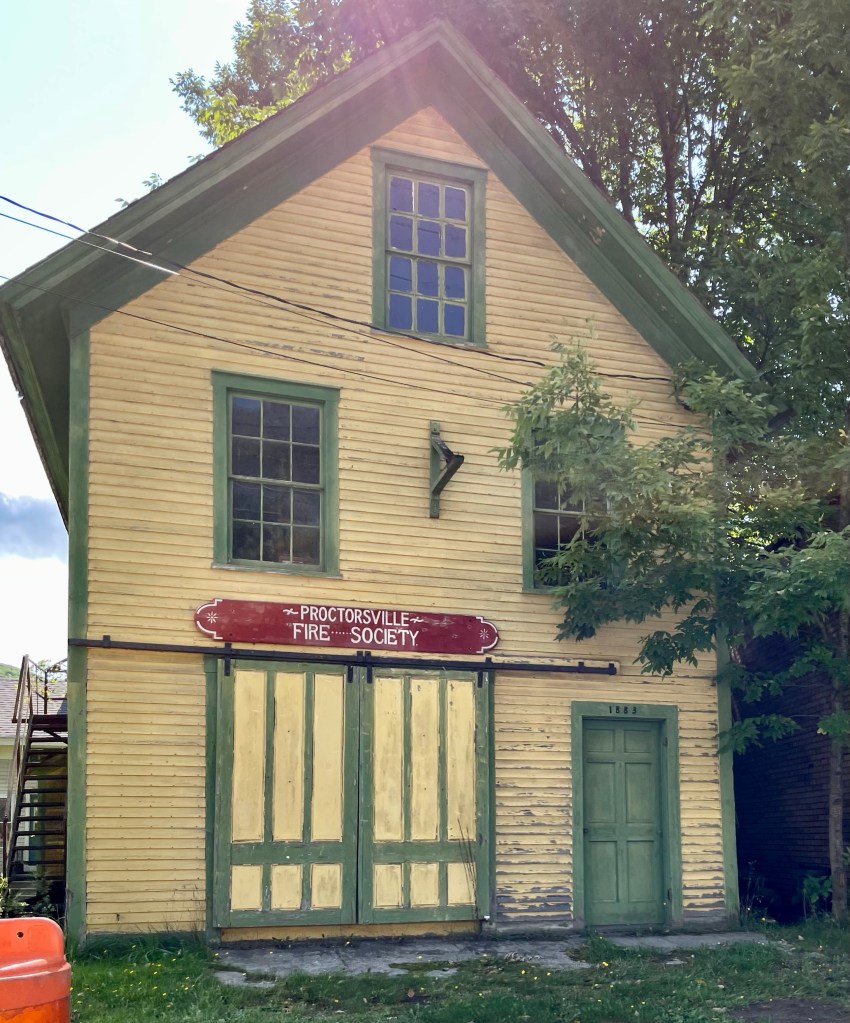
Proctorsville Firehouse // 1883

Industrial villages like Proctorsville in Cavendish, Vermont, have always been susceptible to fire and complete destruction. As a result, many such villages erected firehouses or barns where apparatus (and sometimes horses) would be kept in case of emergency. The Proctorsville Volunteer Fire Department was formed in 1883, and this structure was built to house the fire apparatus and possibly a small apartment or living quarters above. Today, the building appears to be home to the Fire Society.

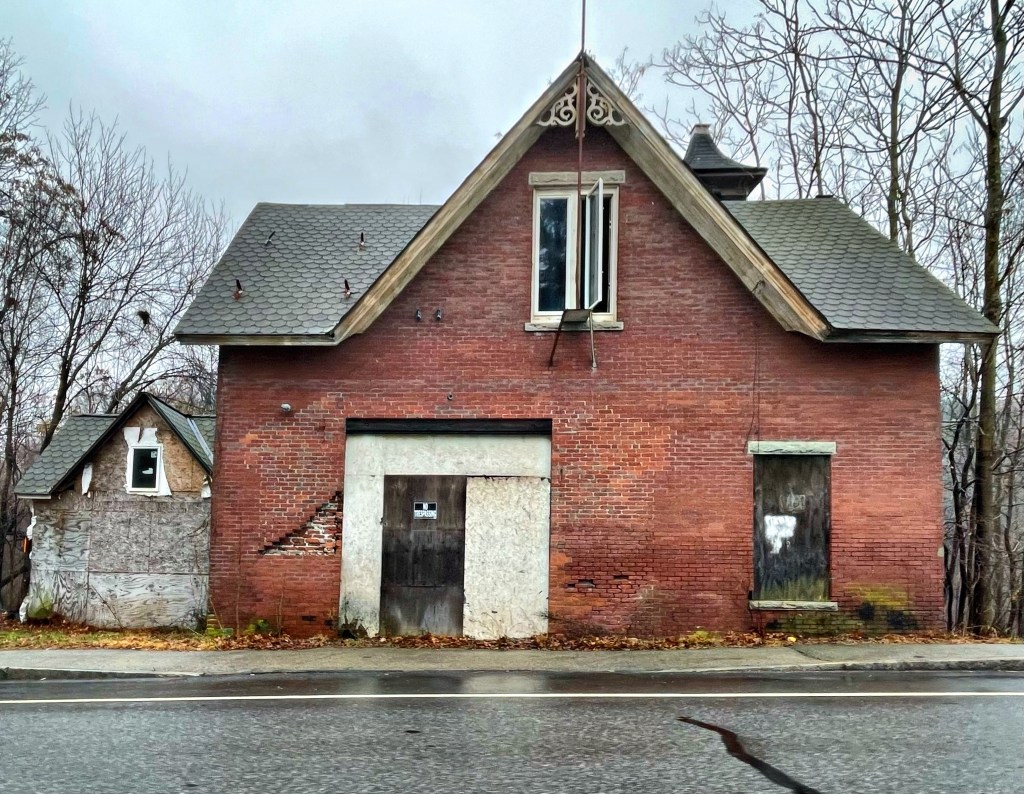
Bramanville Fire Station // 1883

A short distance to the Lapham Woolen Mill, this historic fire station can be found right on the street in Bramanville, an industrial village in Millbury, MA. The fire station was built in 1883 by the Lapham Woolen Mill owners as an insurance protection from fire and complete loss of their lucrative business. After Lapham’s death in 1893, the company sold the mill, worker’s housing, store and fire station to the Mayo Woolen Company which began production almost immediately. Sadly, like many former industrial buildings nearby, the future is unclear for this amazing old building. What would you repurpose the Bramanville Fire Station into?

Lancaster National Bank – Central Fire Station // 1836

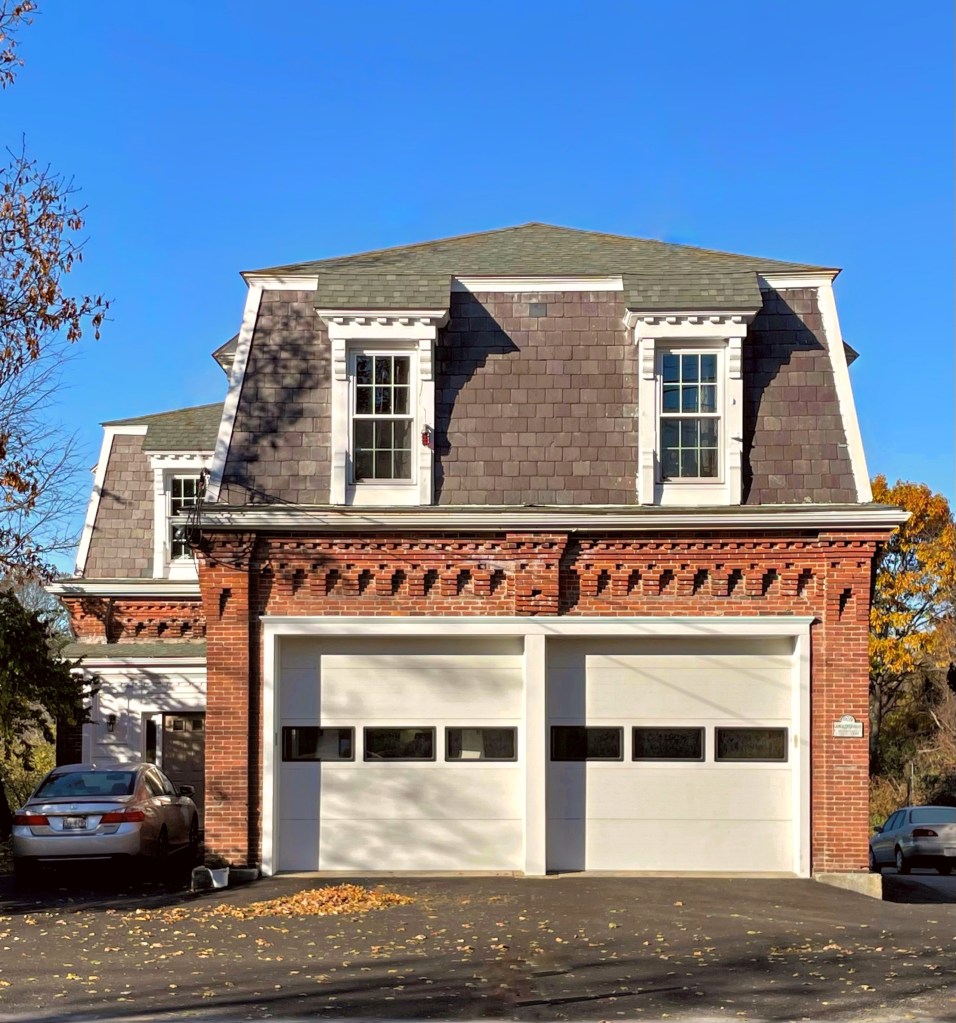
Located on sleepy Main Street in Lancaster, Massachusetts, this cute mini-mansard building caught my eye immediately, and I had to take a picture! The building was constructed in 1836 for the Lancaster National Bank. The brick building was just one story with storefront windows and a central entrance, and was the only bank in the small town. When the neighboring town of Clinton saw a large increase in population due to industrial growth, the Lancaster National Bank decided to relocate to be closer to a larger clientele. They sold this building to the Town of Lancaster in 1882 and moved out. Within a year, the town added the mansard roof to the building, being careful to preserve the original cornice (now where the brick meets the roof), and converted the building to a fire station with double doors. The Central Fire Station was in operation here until 1967 when a new building was built nearby, with doors large enough to easily house modern engines. The building was then used as storage and offices for the Lancaster Water Department. Sadly, the replacement fire station doors really diminish the appeal of the building.

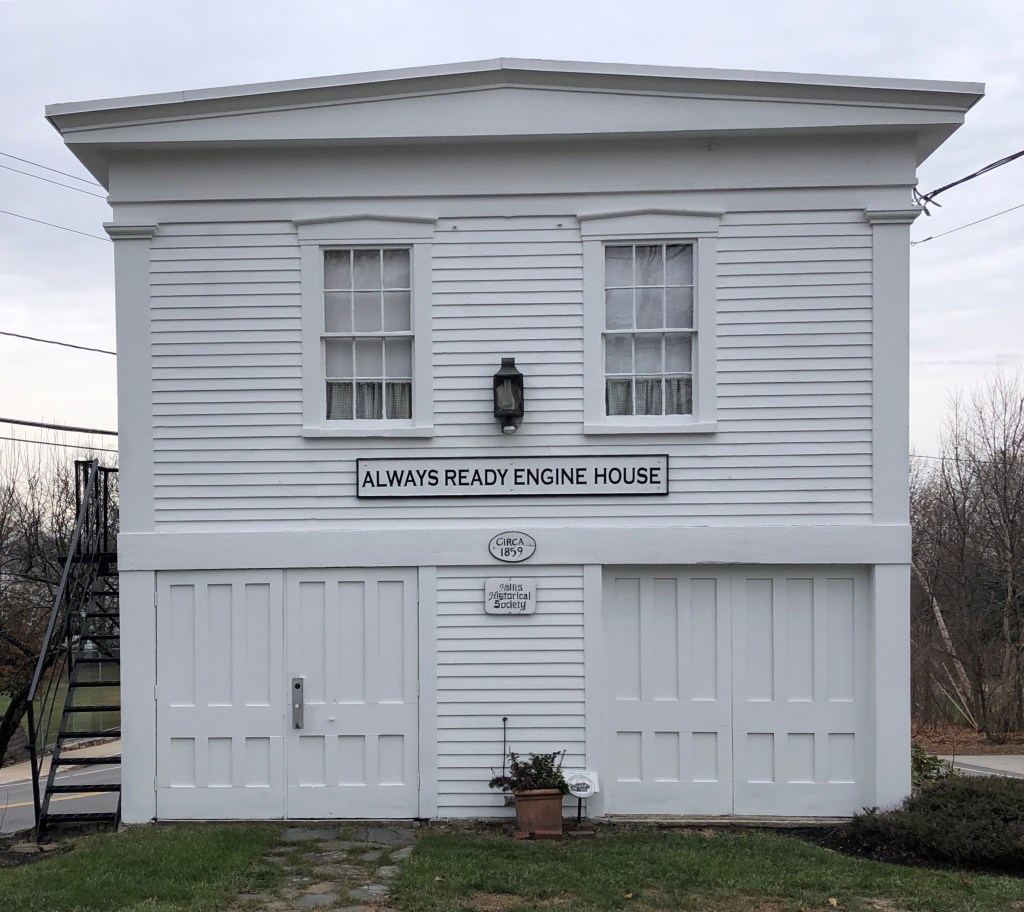
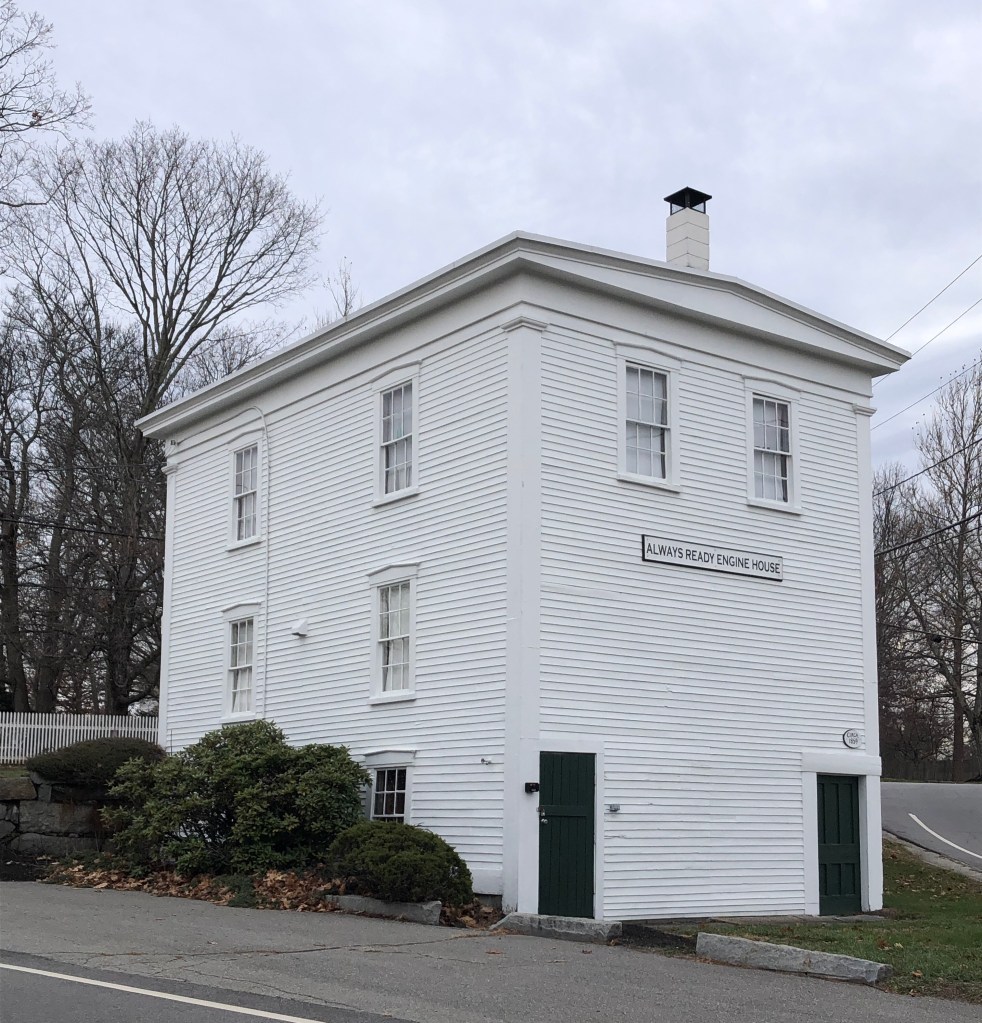
Always Ready Engine House // 1859

Located in a triangular island at the corner of Main Street and Monument Square in the charming town of Hollis, NH, the Always Ready Engine House is a two-story clapboarded building with a lower level exposed on the east end due to the sloping site. The simple Greek Revival-style building is capped by a low-pitched gable roof and is outlined by simple pilaster cornerboards. The building was constructed in 1859 by the Town and furnished by the local fire company. Initially the building was kept for the exclusive use of the engine company but in 1862 the Soldiers’ Aid Society was granted permission to meet here. In 1877 the building was altered to accommodate the Town Hearse and in 1878 part of the basement was fitted as a local police lock-up and tramp shelter. The fire department finally vacated the structure in 1950 and the building served as the police station from 1971 to 1987. It was given to the Hollis Historical Society shortly after who hold documents, objects and photos which display the history of the town inside.

Firemen’s Hall // 1854

In the early 19th century, firefighting in New York was done by an assortment of volunteer groups with no centralized director. This hall was built as a headquarters for two of these groups—a move toward cooperation amongst competitors. Each company split the ground floor, divided into three rooms. The front room for the apparatus, the centre room for their meetings and the room in the rear for sitting and reading. The upper stories held meeting rooms and a library. The building was occupied as a fire headquarters until it relocated in 1887. The City of New York closed the station in the 1970s and it was rented as a mosque and theater company, losing much of its architectural detailing over the years. The Italianate style building, faced with Connecticut brownstone was restored close to the original design based on historic photos and converted to retail use, now housing Dolce & Gabbana.

Gamewell Fire Alarm and Telegraphic Company // 1889

The first practical fire alarm system was developed in Massachusetts during the late 1840’s by Dr. William F. Channing and Moses G. Farmer, a telegraph operator. Their experimental system was installed in Boston in 1851, being the first urban fire alarm system in the country. Before this, people would have to run and notify fire stations of a fire, who then rang a bell, to rally the citizens and firefighters. John Gamewell, realizing the potential of such a system, purchased the patents and continued to improve the system. While the headquarters for the business was in New York, the units were manufactured in Newton, Massachusetts. By 1886, Gamewell systems were installed in 250 cities across America and Canada. Four years later in 1890, Gamewell systems were installed in 500 cities. To meet the growing company’s needs for space, it relocated from Newton Highlands to Upper Falls and built a new factory, a wood frame structure. As the company continued to grow, it built a brick addition in 1904 and another on the other end in 1912. The system has been used all over North America, visible by the large red boxes on street poles and buildings with the lightening bolt logo. The business remained in Upper Falls until 1970, when it became a division of Gulf and Western. The company moved out and the buildings have been restored, with many small and local businesses located inside.