Former Columbian Cotton Mill // 1864

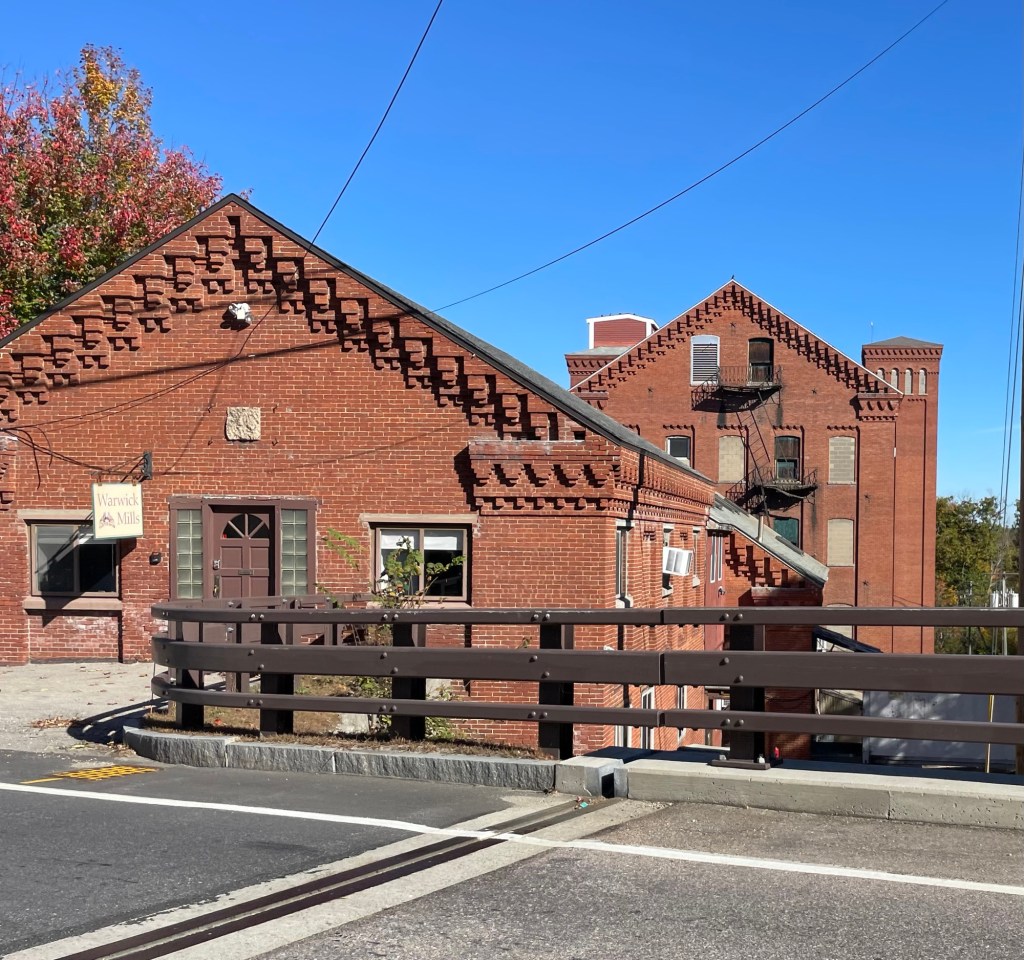
While New Ipswich, New Hampshire, is best known for its early Georgian and Federal period architecture, the small town is home to Warwick Mills, the site of the oldest textile mill in the state. Originally built circa 1807, the mills here burned down two times and were rebuilt a third time using brick; that third iteration is the building seen today. The brick for the building was forged on site and was finished in 1864, with signatures on the beams by craftsmen as far south as Baltimore. The mill was home to the Columbian Mill Company, who created textiles from cotton and other materials in the building, becoming a leading employer in the region. The building is now known as the Warwick Mill, and is an active manufacturing complex, making many contemporary and high-quality materials for 21st century clothing. The buildings exhibit stunning corbel detailing.

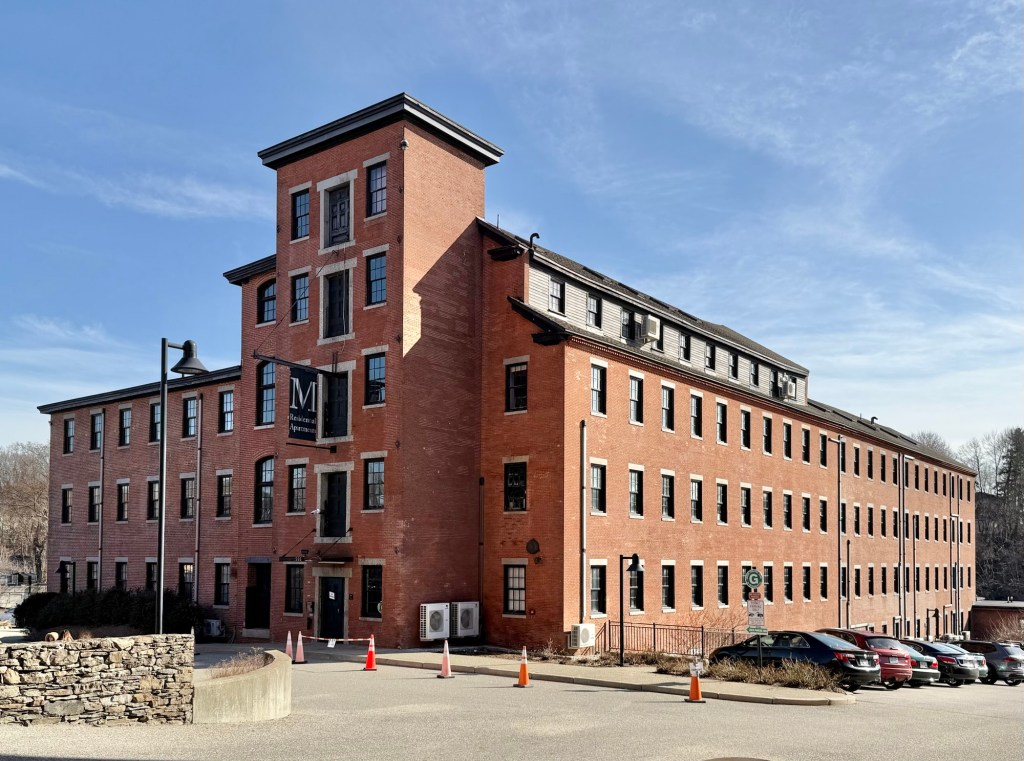
Norwood Press Complex // 1897

Now that is an interesting example of adaptive use… What do you think of this?

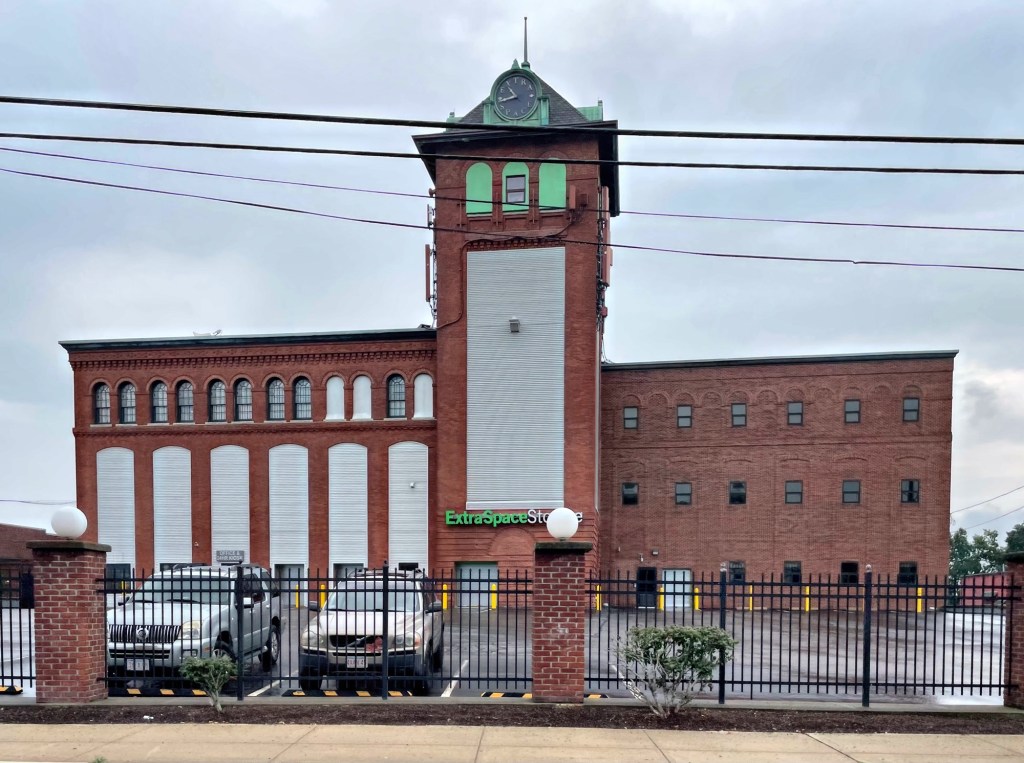
The Norwood Press was formed in 1894 by several companies which consolidated to form a company that covered all aspects of the book-making process. AII three companies had been located in Boston, but were lured to Norwood by free land offered by the local Business Association along with tax incentives that were too good to pass up. The underutilized land was quickly redeveloped in the 1890s with the several-building complex built on Washington Street in Norwood, Massachusetts with the largest building (pictured) constructed in 1897. By 1904,the press room of this plant was one of the largest in the U.S.,producing nearly seven million volumes ranging from 100 to 1,600 pages each. By 1917, the Norwood Press employed 600 workers in town! The Romanesque Revival style brick factory stands out for its five-story clocktower with (now enclosed) arches and corbelling. The Norwood Press closed after WWII and the plant was purchased by the Northrup Company. Today, the warehouse is under new ownership and is used as a storage facility, with many of the windows enclosed for the storage units.

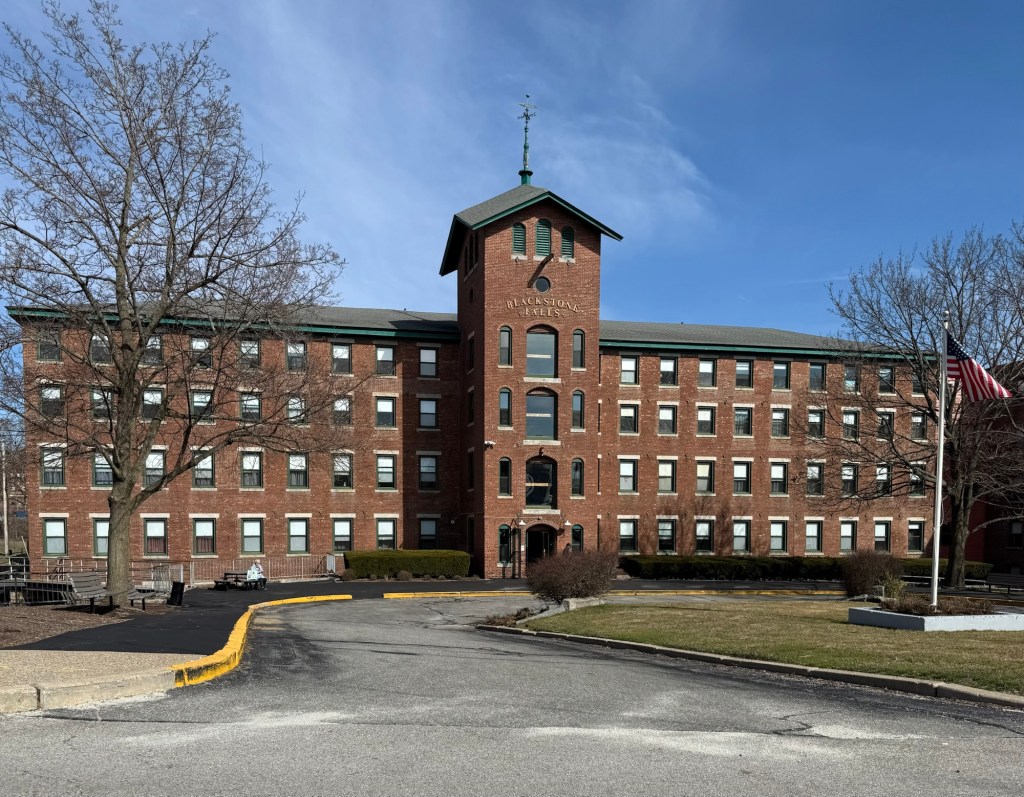
Former Sheffield Mill // 1887

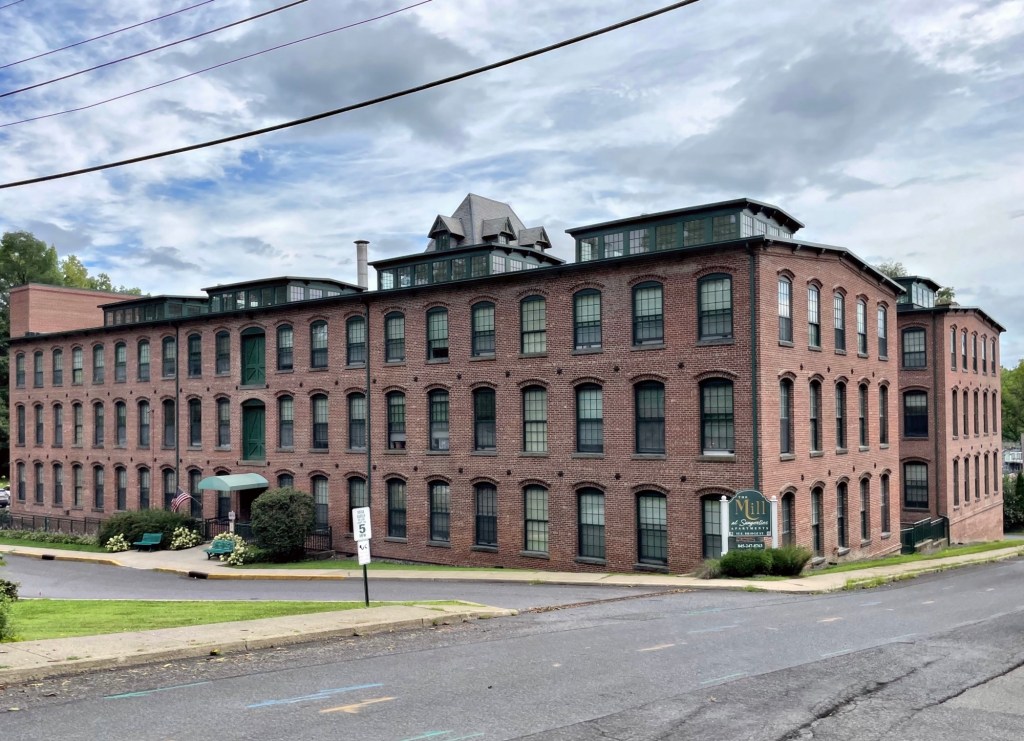
The former Sheffield Mill is historically and architecturally significant as one of the last remaining large-scale manufacturing complex to survive in the village of Saugerties, New York. The building was constructed in 1887 as the J. B. Sheffield Paper Company and was used for the manufacturing of envelopes and bank bookbinding. In the 1930s, the building was purchased by the Knaust Brothers, who grew and harvested mushrooms in nearby towns, making mushroom beds or trays in this building. The Knaust Brothers were at one time, one of the largest firms growing and canning mushrooms in the world. The former mill was vacant by the late 20th century and its future was uncertain until it was renovated at the turn of the present century into senior housing. What a great rebirth of a great old mill!

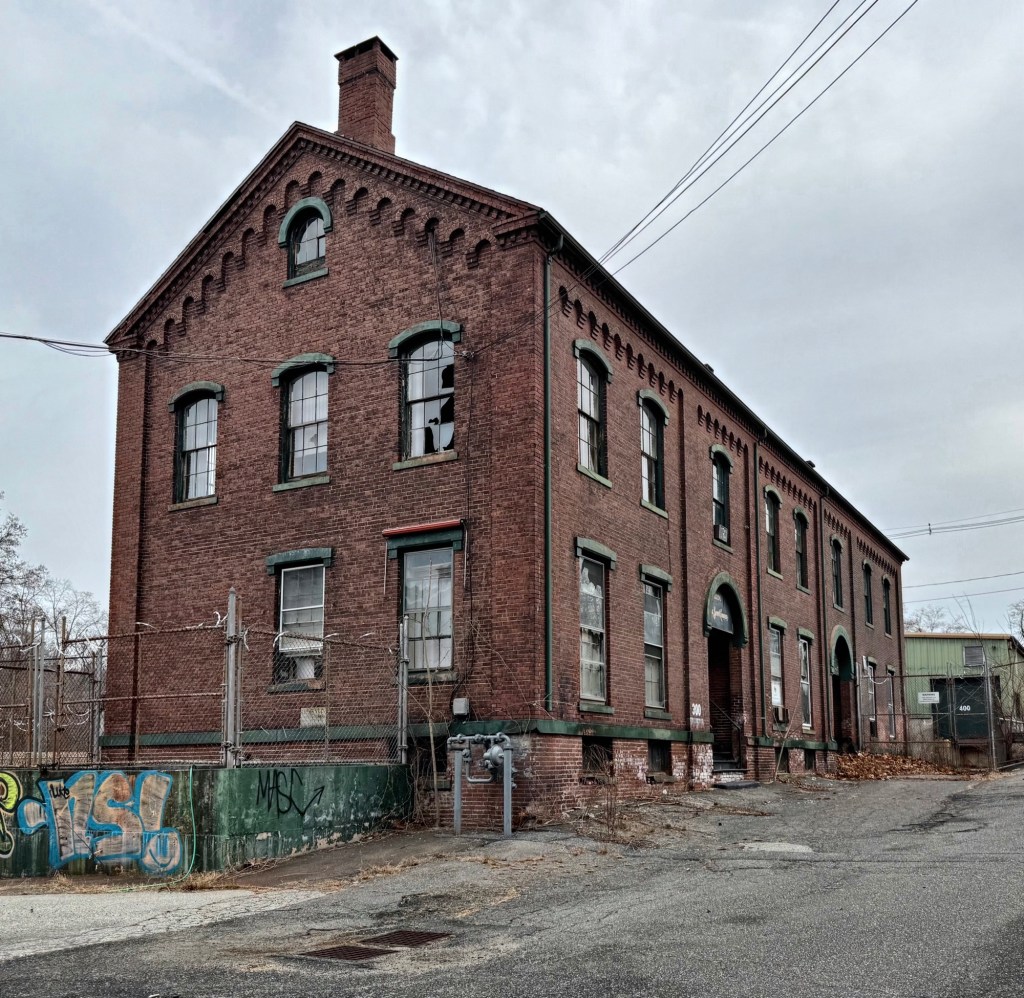
Albert T. Stearns Lumber Company Office // c.1855

The Stearns Lumber Company, which eventually covered forty acres, was opened by Albert Thomas Stearns in 1849 at Port Norfolk, in Dorchester, Massachusetts. The location was ideal for transportation as wood could arrive by ship via the harbor or by rail. Stearns made everything from greenhouses, to water tanks, to millwork, but they specialized in wooden gutters, a necessary component in housing construction, and even invented a machine just for this purpose. Stearns’ machine removed the core of the gutter in one piece with a cylinder saw, which allowed the leftover product to be reduced into moulding, trim, ect. Stearns specialized in Cypress lumber and erected a saw mill in Florida, having it shipped up to his lumberyard in Port Norfolk. He became known as the Apostle of Cypress. The company eventually closed in 1968, after decades in losses of national lumber production and an increase in the use of cement and steel in building. The former Stearns Lumber Company yards were redeveloped and is now the site of Joseph Finnegan Park. The brick company office building is the last extant building from the historic A. T. Stearns Lumber Company, and its future is uncertain. The building is currently owned by the Massachusetts Department of Conservation and Recreation (DCR), who asked for the building to be demolished, causing the local neighborhood to speak out for its preservation. This is one to watch out for!

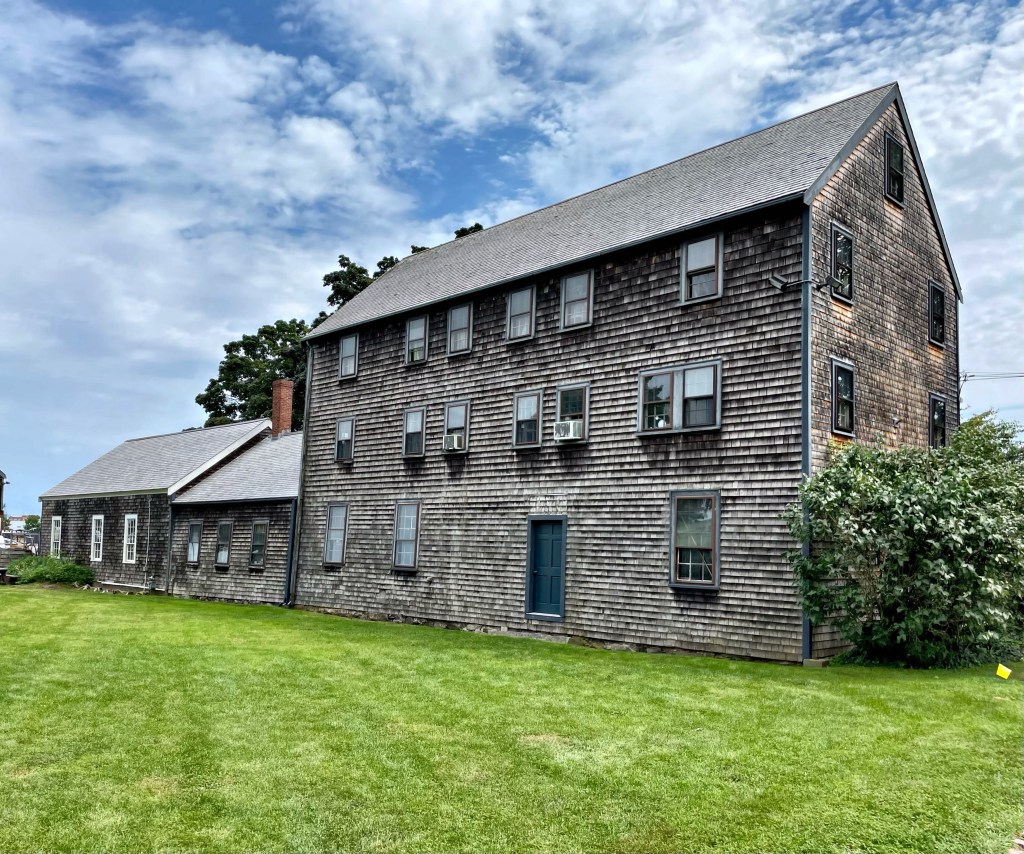
Shaw Warehouse // 1806

The Shaw Warehouse located inside Prescott Park in Portsmouth, New Hampshire, was constructed between 1806 and 1813 and is significant as a rare example of a vernacular warehouse building from the early 19th century. It is very vernacular, unadorned with a very functional use, but these types of buildings (like barns and stables) are some of the most charming and provide a link to working-class history from the past. The building is the only of its kind remaining in its original location in Portsmouth, and as a result, was listed in 2011 on the New Hampshire State Register of Historic Places. It now houses offices for the nearby park.

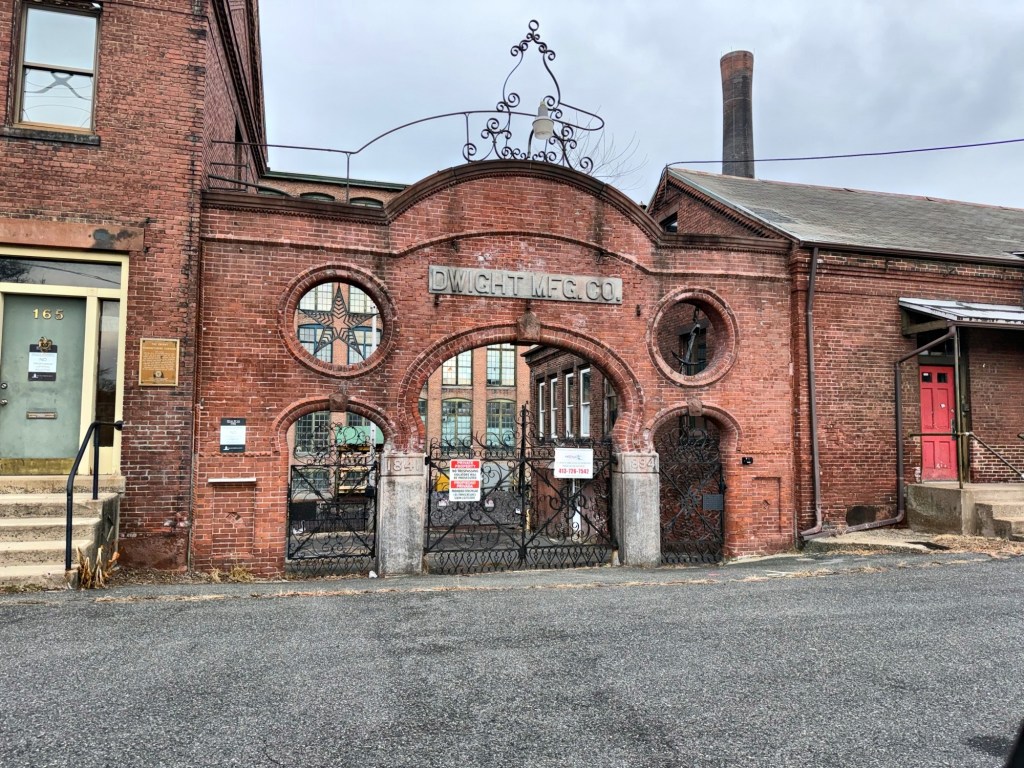
Baltic Mill Warehouse // c.1890

Situated along the Shetucket River in Sprague, Connecticut, lies the remains of what was once the nation’s largest textile mill. At its peak, over 1,000 employees operated 1,750 looms and 70,000 spindles to produce some of the country’s finest cotton. The Baltic Mill (as it became known) not only helped reshape Connecticut’s economic and cultural landscape, but its geographic one as well, giving rise to the founding of an entirely new village. The Baltic Mill did very well until the economic Panic of 1873 set in, decimating the company’s finances. The mill was forced to scale back their operations. Then, in 1877, a fire destroyed the interior of the mill, bringing an end to the complex for decades. At the turn of the 20th century, a businessman from Pawtucket, Rhode Island, named Frederick Sayles purchased the property with an eye toward revitalizing the local textile industry. He founded the Baltic Mills Company and set about making extensive repairs and upgrades to the property, including this c.1890 storage building for materials and finished textiles. Unfortunately for Sayles, the New England textile industry had already begun to decline and it wasn’t long before the company’s depleted finances forced Sayles to sell off much of its assets. The company did survive long enough to produce uniforms, parachutes, and life rafts for soldiers in World War II, but the mill’s operations ultimately came to a halt in 1966. The large 19th century mill would eventually be demolished, but this old Warehouse (a fraction of the size of the mill) is one of the last industrial pieces of the former sprawling complex and is now occupied by local businesses.

George H. Gilbert Company Offices // 1885

South of the Ware River in Ware’s Industrial Village, you will find this absolutely charming former manufacturing office on the side of the road. The building was constructed in 1885 for the George H. Gilbert Co., a textile manufacturer, as the company offices. The building’s architect could not be readily located, but the building appears to have been the work of a skilled designer. When the Gilbert Company relocated north to a new industrial village of Gilbertville, the Joseph T. Wood Shoe Company moved in. The building now appears to be owned by the present occupant of the mill building nextdoor, American Athletic Shoe Company. The former Gilbert Co. Office is one of the more high-style buildings in the town of Ware and exhibits the best in Queen Anne and Romanesque Revival architecture.

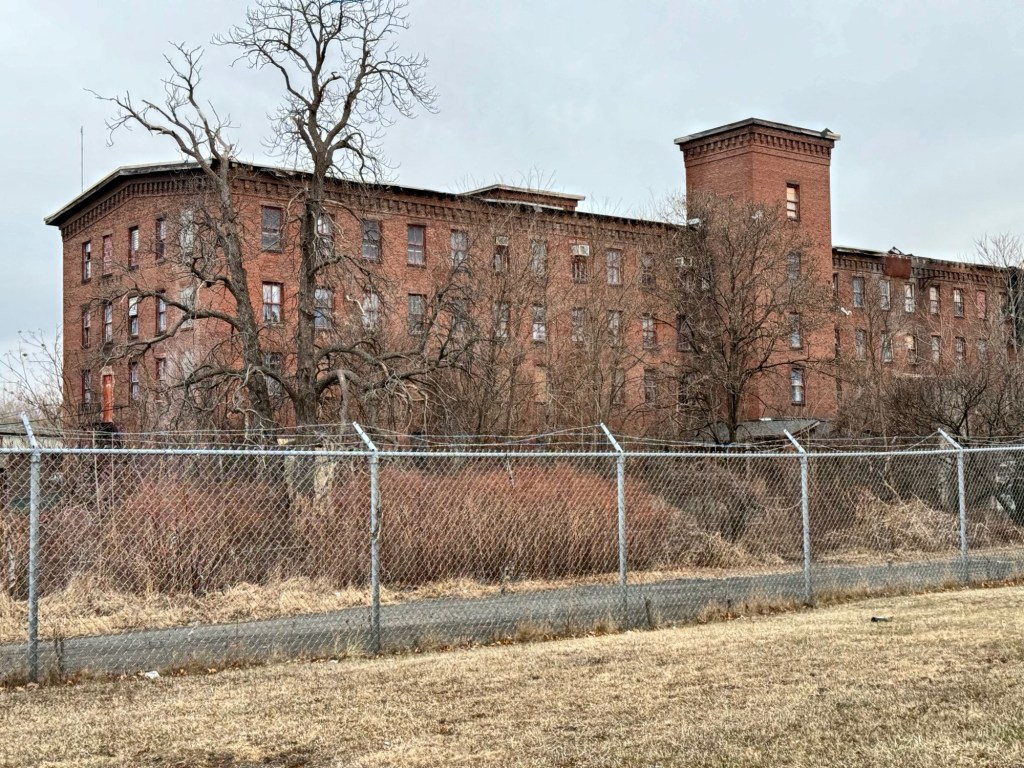
Otis Company Mill #3 // 1856

One of the later mill buildings constructed in the mid-19th century for the Otis Company is this brick building which contributes to the rich industrial heritage of the town. Built in at least three stages, this long industrial building probably grew from a middle section dating 1856, expanded in both directions over the next several decades and but was largely completed by 1869. The building was a major manufacturer, supplying thousands of jobs for the town until it closed after WWII. In 1945, the top two stories of this building along with their towers were removed in 1945, which echoes the history of many similar mills all over New England (but hey, at least this one is occupied today!)

Otis Company Mill #1 // 1845

This five-story granite mill building was one of the major catalysts for the 19th century population surge in Ware, Massachusetts. As New England’s fledgling textile industry of the era played a vanguard role in transforming the U.S. into an industrial nation, the significance of this type of mill can hardly be understated. The Otis Mill #1 in Ware is one of the last remaining granite textile mills of this early period in central/western Massachusetts. The mill was built in 1845 for the Otis Company, which initially manufactured woven cotton fabric, but later branched out into stockings, woolen shirts and drawers underwear. The company was Ware’s largest employer for about 100 years! The company prospered thru WWI employing over 2,500 people. During the 1920’s the business began a decline due to the southern state’s mills and lack of modernization. In the mid 30’s the Otis Co sold its property to the citizens of Ware, which they formed Ware Industries, Inc to continue the major employer in the town. Due to this Ware came to be known nation-wide as “The Town That Can’t Be Licked.” The mill is now home to local small businesses as a sort of incubator, providing jobs to local residents!

Ware Town Hall // 1885

After learning a little about some of the buildings in Dorset, Vermont, which were saved and relocated to the town from land flooded for the Quabbin Reservoir, I wanted to visit one of the surviving towns there to see it for myself. I found myself in Ware, Massachusetts, a town with a history that parallels many in central and northern Massachusetts. The town was first settled by white European colonists by 1717, and incorporated in 1775. The town was named after the English town of Ware in Hertfordshire. The Town of Ware began as a sleepy farming town with inns and taverns dotting the landscape until industrial sites were developed on the banks of the Weir River. The post Civil War era (1860s–1900s) brought a new prosperity to the now established textile mill town. “Ware Factory Village” sprang up overnight and formed the basis for new growth and development, to the east of the former town center. From this, a new Town Hall was needed, and where better to locate it, than the economic and population center of town?! The Ware Town Hall was built in 1885-1886 from plans by the prominent Boston firm of Hartwell & Richardson. Sadly, a fire gutted much of the building in 1935, but the shell remains (though needing much repair). The town, like many former industrial centers, has struggled to re-invent itself, but a growing population is a great indicator of good things to come!