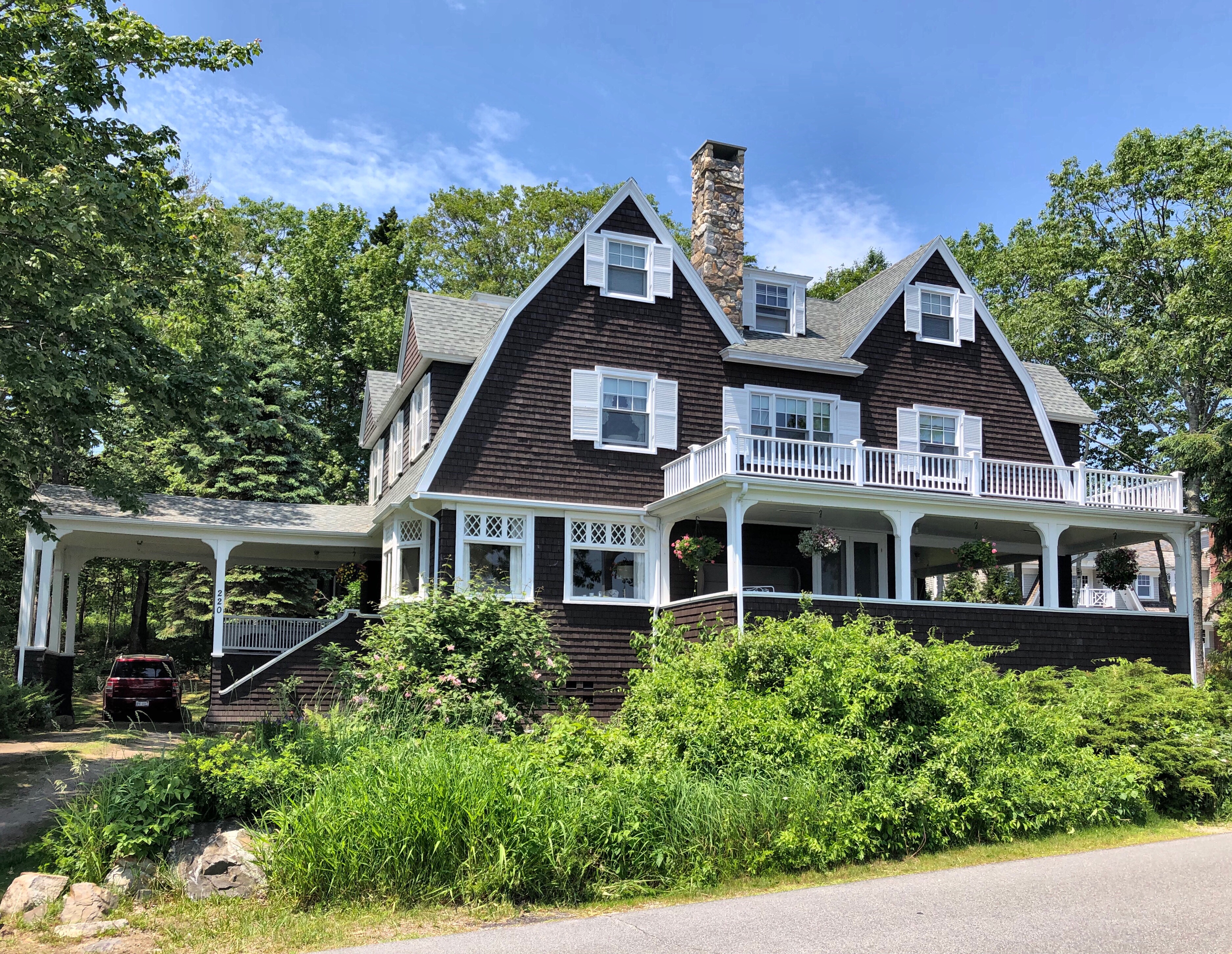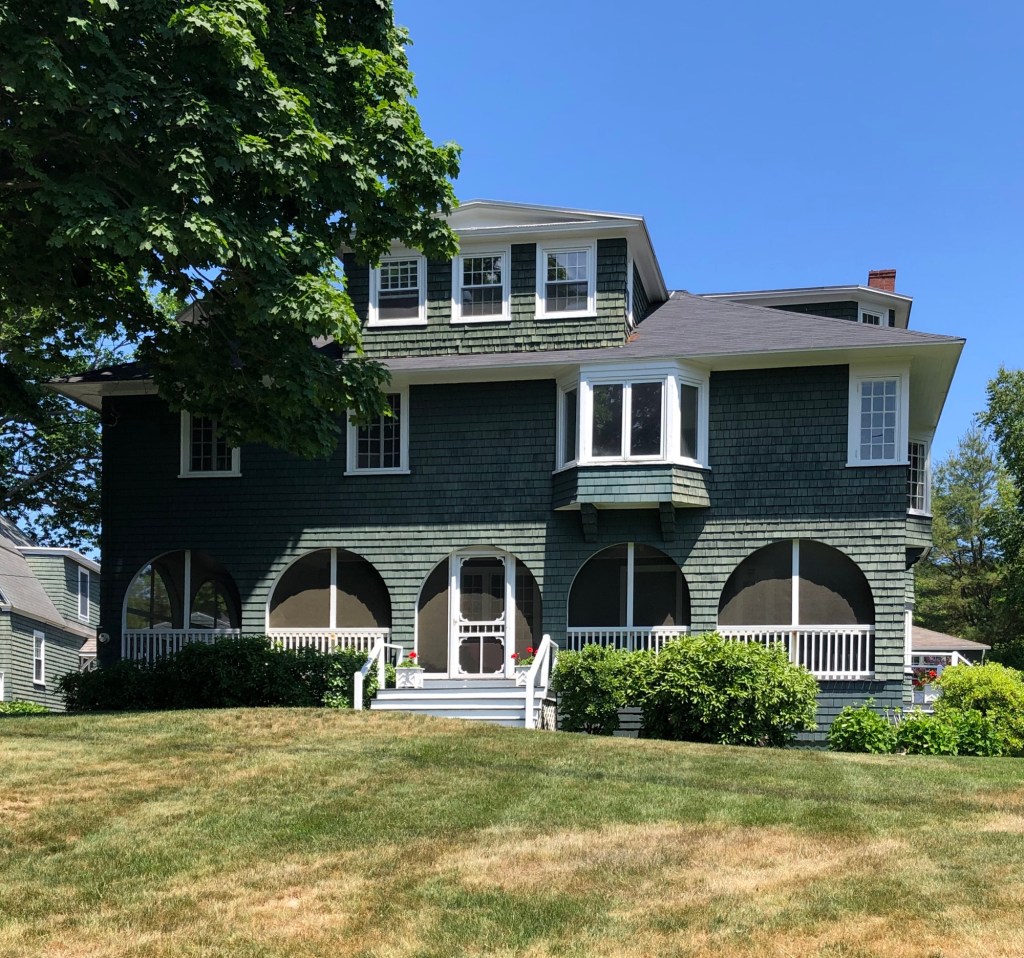
Chester Guild Cottage // 1902

One of the many stunning summer “cottages” built in the Cape Arundel summer colony of Kennebunkport, Maine, is this turn-of-the-century Shingle style dwelling built for Chester Guild of Boston. Chester Guild III was born into the wealthy Guild Family of Roxbury with his father being a successful leather dealer. Chester Guild spent summers with his family in Kennebunkport beginning in the 1890s, eventually had this cottage built in 1902. The Shingle style dwelling remained in the family for five generations and is very well-preserved, showcasing the hallmark elements of the ubiquitous coastal Maine architectural style.
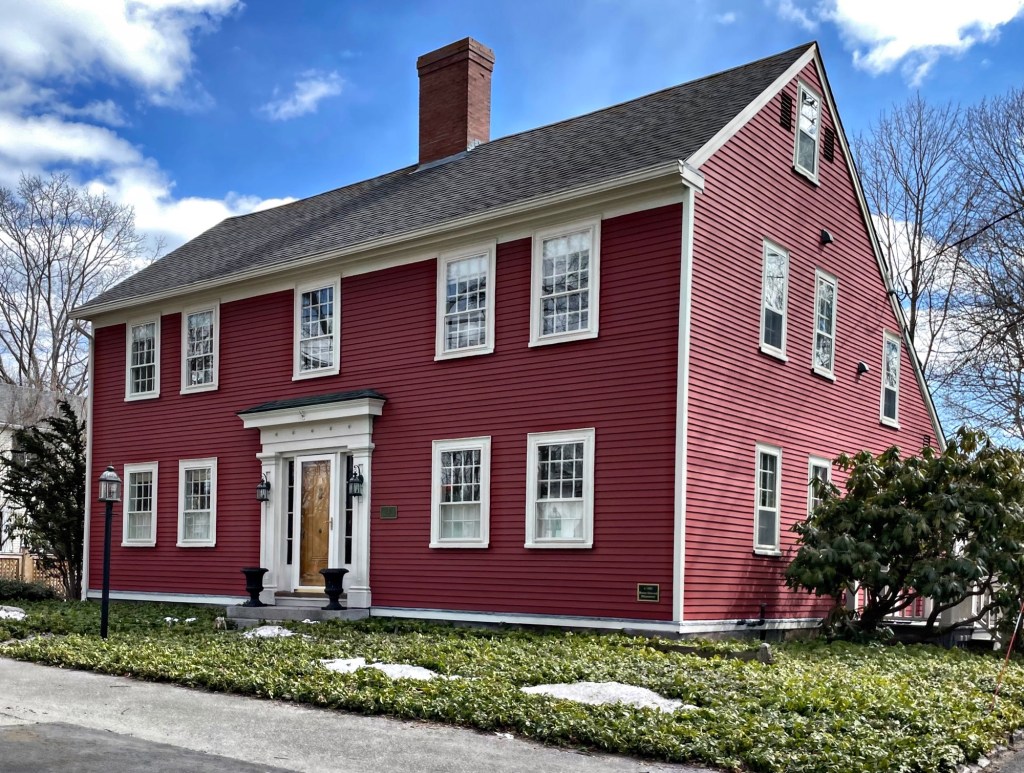
Moses Howard House // c.1794

This charming Federal style saltbox house was built around the turn of the 19th century for Moses Howard, a “shipmaster” who moved to Kennebunkport from Cohasset, Massachusetts in 1793. The house here is clapboard with a symmetrical facade and central chimney. A saltbox roof extends off the rear of the house. Moses Howard did not stay in Kennebunkport for long as he moved to Portland by 1812. The house was lovingly maintained for the next 200+years.

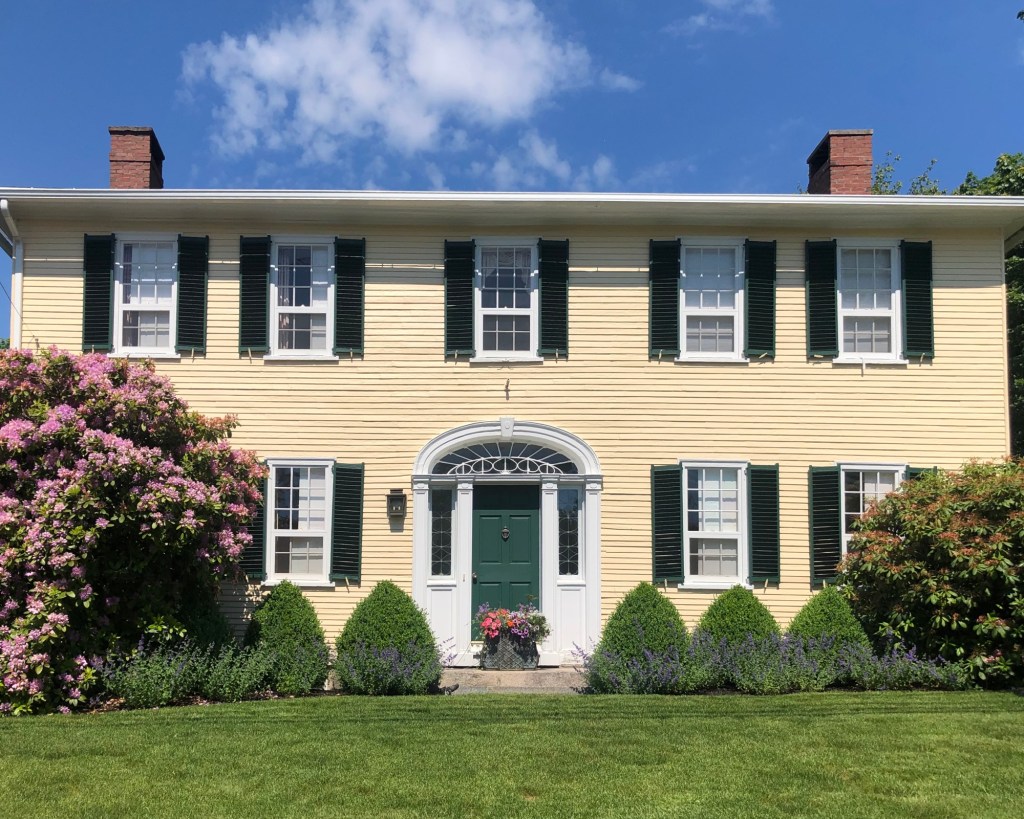
John Andrews Jr. House // c.1808

John Andrews Jr. (1747-1844) was born in Essex County, Massachusetts to John Andrews Sr., a church Deacon, merchant, and blacksmith. John Jr., was a fisherman and would later move to Arundel by 1783 (now named Kennebunkport) and built this stately Federal style residence in the village. The house was built sometime between 1783 and 1810, with my best estimate dating the house (at least in its current form) to around 1808 as the high-style entry is similar to what is seen in Asher Benjamin’s plan books of the early 19th century, like the American Builder’s Companion, which provided builders with plans for elevations, cornices, entrances and windows, and any other features of a house built at the time.

Captain Nathaniel Ward – Abbott Graves House // 1812

In about 1812, Captain Nathaniel Ward Jr. of Kennebunkport purchased this home in the village from housewright and builder Samuel Davis. The Federal style house is five bays with a central entrance with pedimented fan over the door. Two end chimneys would heat the home in the winter months when Nathaniel was out at sea and his wife, Sarah, would be maintaining the home and caring for their six children. The couple’s eldest son Charles Ward, served as the second American Consul to Zanzibar in Africa. In his role, Ward bickered continuously with the Sultan, whose word of law changed with the wind and he eventually left his position and settled in Salem, Massachusetts. This house was later owned by Abbott Fuller Graves (1859–1936), a renowned painter before he built a Prairie Style house in Kennebunkport in 1905.

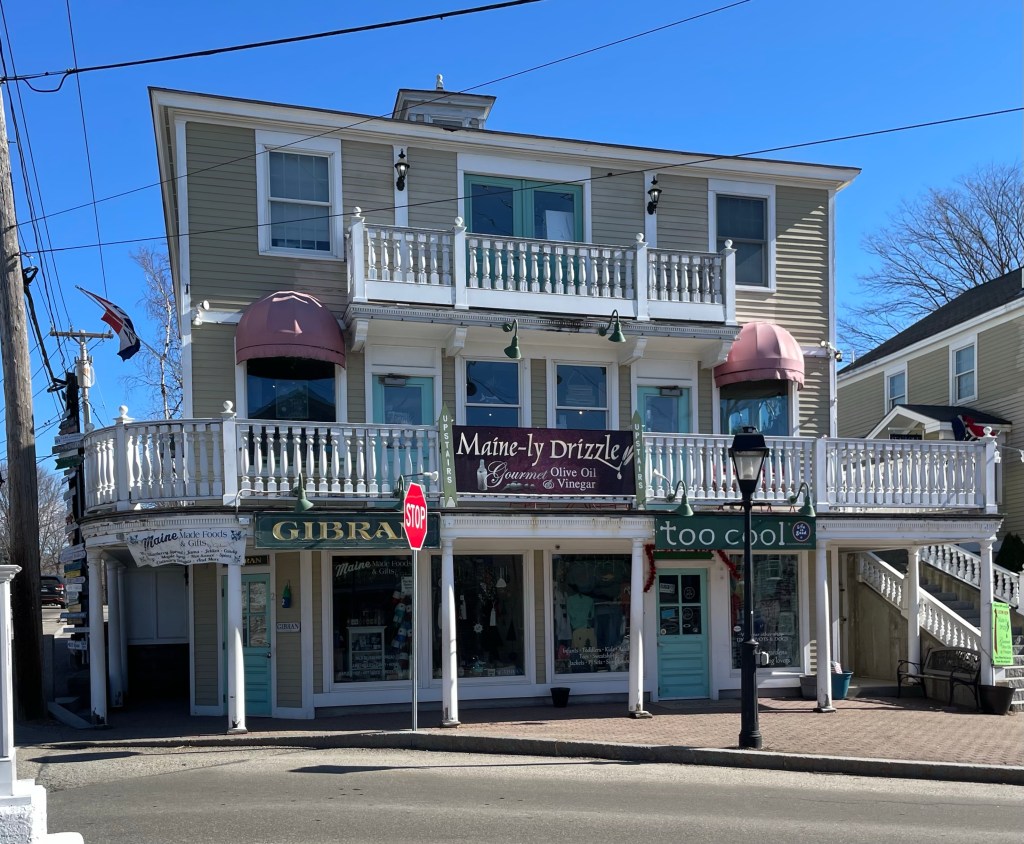
Benjamin Mason Store // c.1815

Across from the Luques Store in Dock Square in Kennebunkport, another 19th century commercial building serves as a visual anchor to the vibrant village, this is the Benjamin Mason Store. Built in the 1810s, the Federal style commercial block was originally owned by businessman Benjamin Mason (1777-1855) who built a house in 1812 just nextdoor (which has since been converted to commercial use). The store is three-stories with a cupola at the roof. Later porches were added as the village prospered.

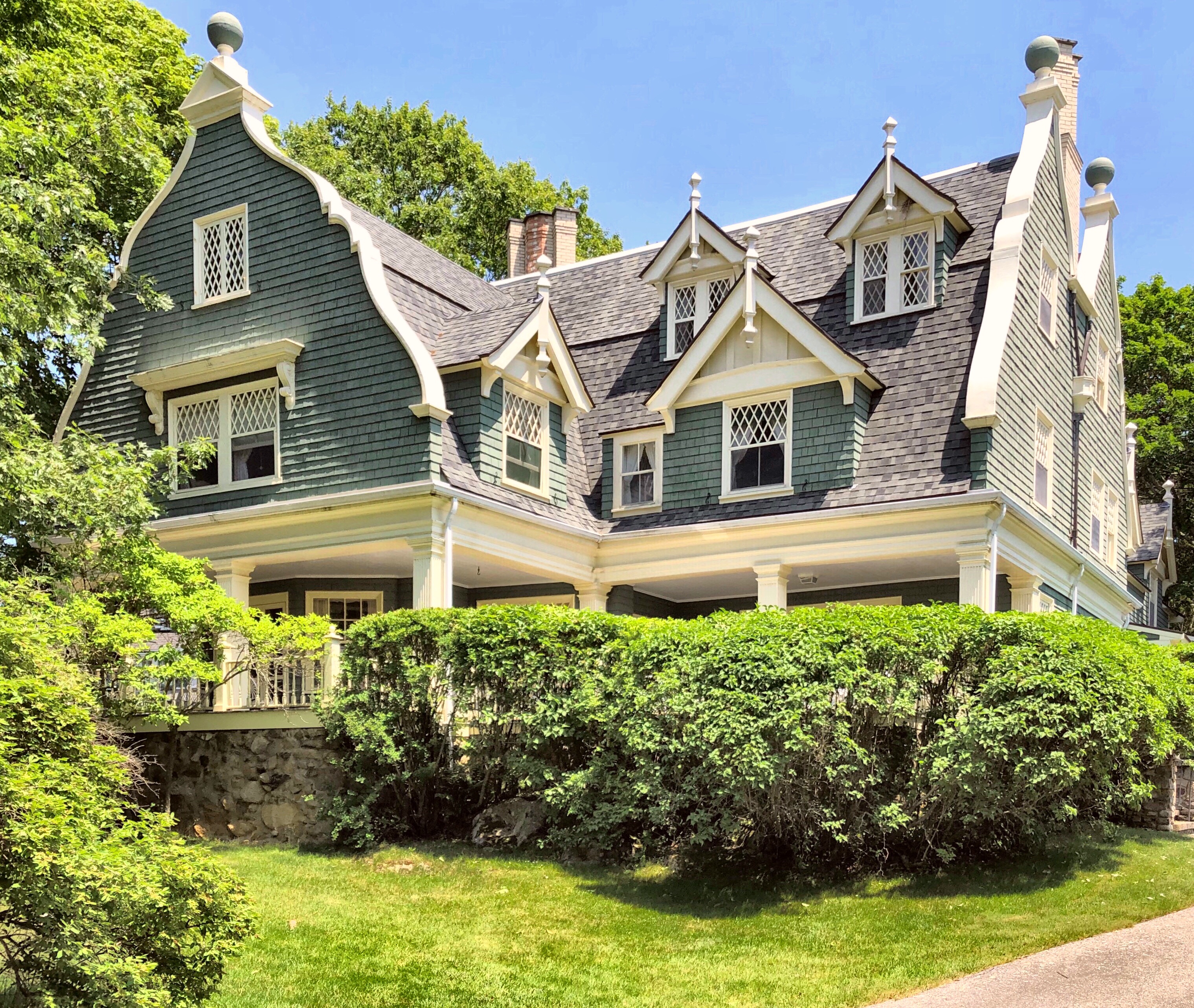
Talbot Cottage // ca.1890

One of the more unique summer cottages in Kennebunkport is the Talbot Cottage, a ca.1890 eclectic Shingle style home. The home features curvilinear Flemish gables crowned with ball finials, diamond paned windows, gabled dormers with finials and pendants, and a wrap-around Colonial Revival porch with fluted columns. The stunning home was built for Julian Talbot, of the Talbot Family who ran a mill in Lowell, MA. The home was soon after sold to George Hubbard Clapp, a Pittsburgh pioneer in the American aluminum industry, who summered in Kennebunkport.

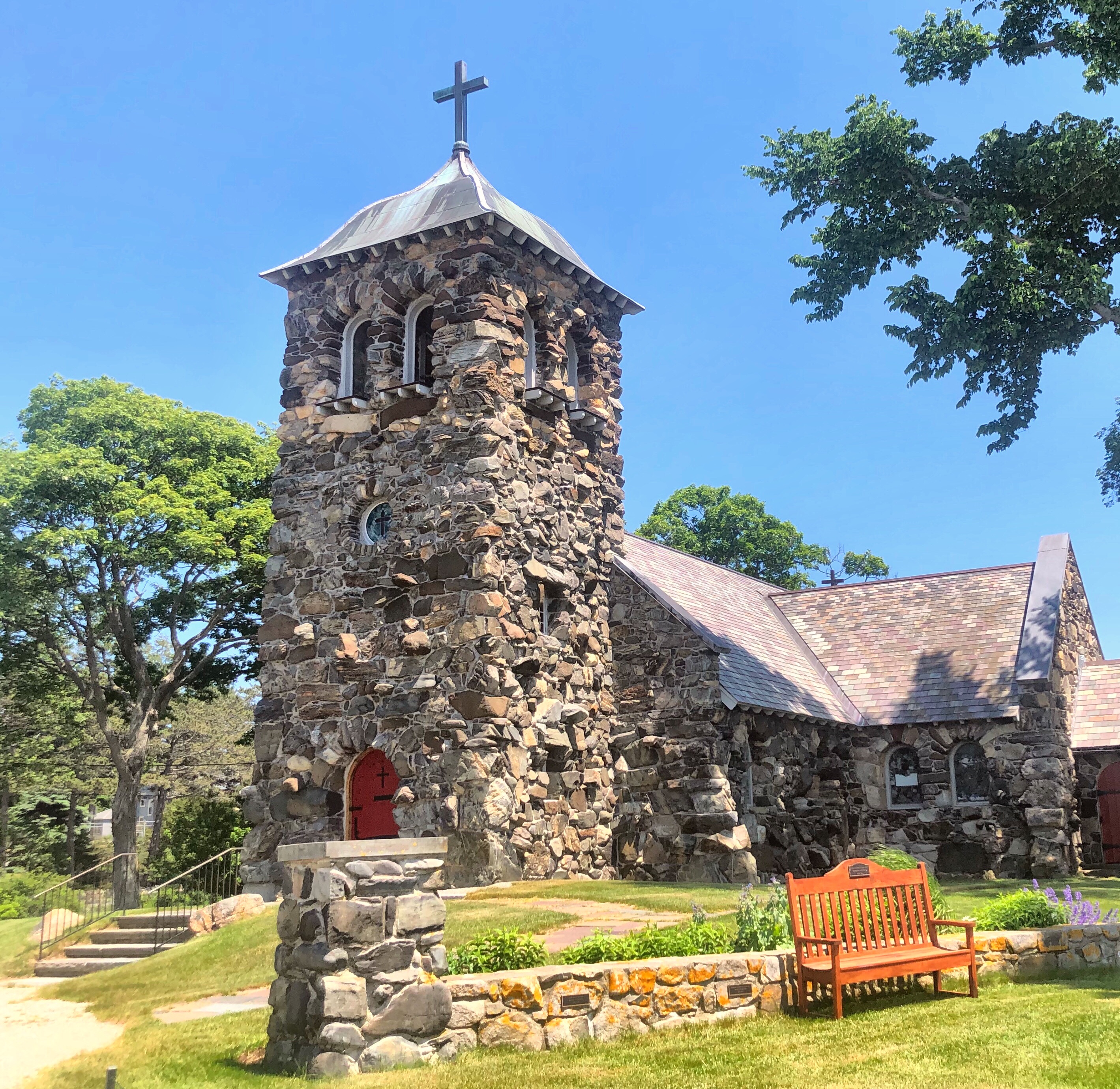
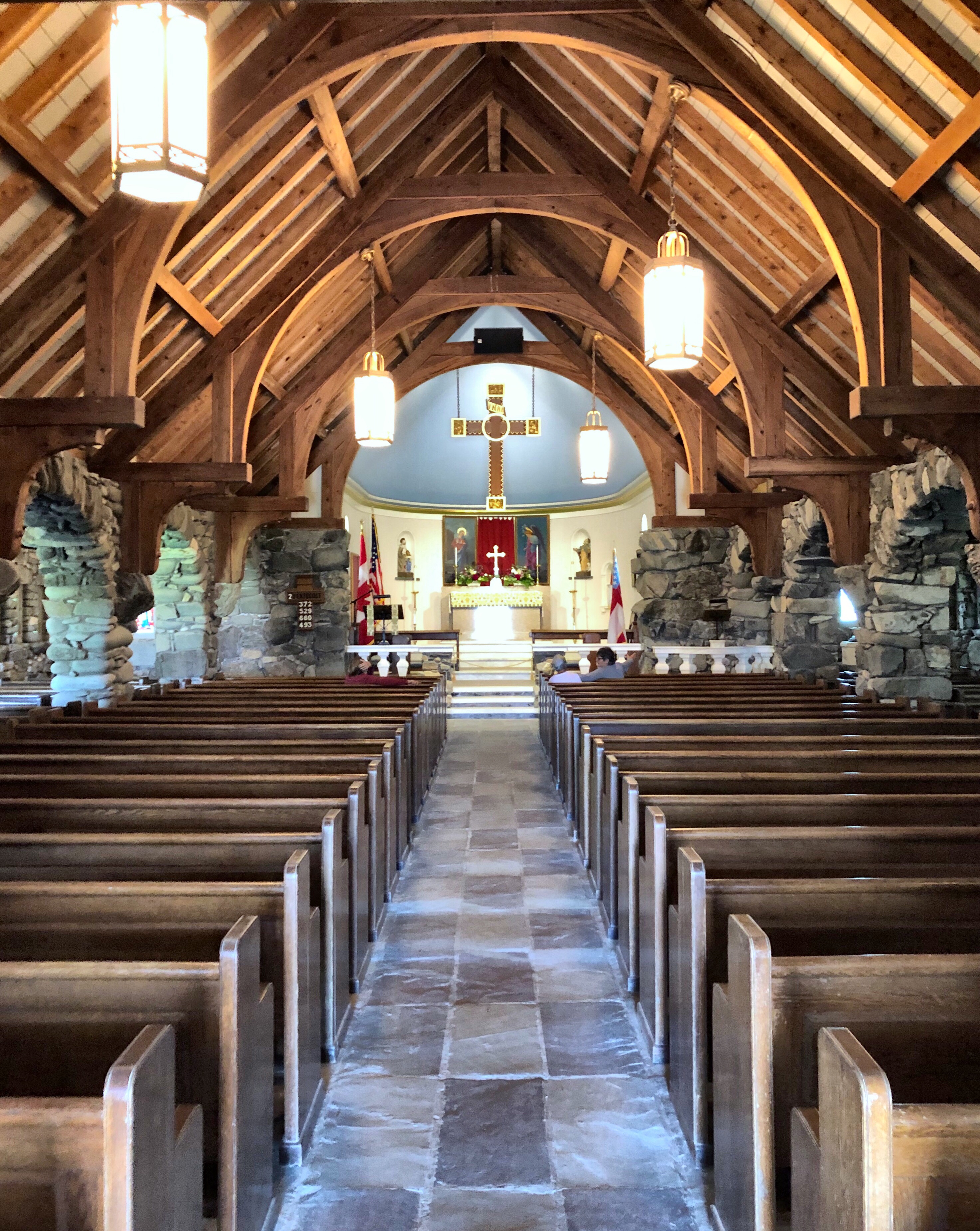
St. Ann’s by-the-Sea Episcopal Church // 1892

Saint Ann’s by-the-Sea Episcopal Church in Kennebunkport is possibly my favorite building in the seaside town. As the Cape Arundel summer colony of Kennebunkport was rapidly developing in the 1880s, summer residents needed a place to worship and sought an appropriate location close to their mansions. Boston architect Henry Paston Clark sketched up some conceptual drawings for a stone chapel pro-bono as he already had active commissions in the town and summered there himself. Funds were raised and the current site was donated by the Kennebunkport Seashore Company, who developed the neighborhood. The cornerstone was laid on August 22, 1887. Five years later construction was completed, and the church was debt-free. The large sea-washed stones were hoisted and dragged to the church site during the winter of 1886-1887, and work on the building began May 27, 1887. The same sea-washed stones that grace the building’s exterior were also used for the interior of the church and sacristy. The roof over the central part of the church (the nave) is framed with hard pine hammer beam trusses and the floor is cleft slate.

White Columns // 1853

The majestic Greek Revival house on Maine Street in Kennebunkport was built in 1853 for Eliphalet Perkins III, a member of the Perkins Family, one of the earliest families to settle in the area known today as Kennebunkport. Eliphalet apparently sold the home to his son, Charles, who moved in within the year with his new wife Celia Nott. The couple decorated the ornate home inside and out with furnishings still retained inside after the Kennebunkport Historical Society acquired the building in 1955. The home is now known as White Columns, and houses the First Families Museum. One interesting thing I noticed is the rounded arch windows in the pediment, an awareness to the Italianate style which took over in the 1850s-1870s throughout New England, though this home is quintessentially Greek.

The Cedars // 1900

This shingled cottage was built in 1900 for Dr. Francis B. Harrington, a surgeon who worked at Mass. General Hospital in Boston. The stunning cottage was designed with double gambrel gables, a large piazza/porch overlooking the ocean, and a porte-cochere, which was likely added after the home was completed. The home was designed by architect Henry Paston Clark (1853-1927), a Boston area architect who was briefly associated with Henry Vaughan, a leading Boston architect who executed several significant institutional and ecclesiastical works in the Boston area. Clark would later become best-known for his Shingle-style and Colonial Revival works throughout New England and spent his final years in Kennebunkport, where he died.

Nathaniel Lord Mansion // 1812

Thought to be the largest home in Kennebunkport, the Nathaniel Lord Mansion remains one of the most significant and ornate in the region. Captain Nathaniel Lord (1776-1815) was the son of Tobias Lord, a Revolutionary War veteran and later, a shipbuilder in Kennebunk. He followed his father’s footsteps and ran a shipyard, owning many ships and being one of the most prosperous merchants in the area. Kennebunkport was an important shipbuilding center and port of entry until during the War of 1812, when the British blocked the mouth of the Kennebunk River. All ship building and commerce ceased in this area at that time. Consequently, with no shipping being done, and no ships being built, the ship carpenters became idle. Nathaniel Lord commissioned these men to build him a large house and barn upon a piece of land given to his wife, Phoebe Walker, by her father Daniel Walker, who’s home stands to the north. The home was passed down for generations in the female line until the 1970s when it was restored and converted to the gorgeous Nathaniel Lord Inn.