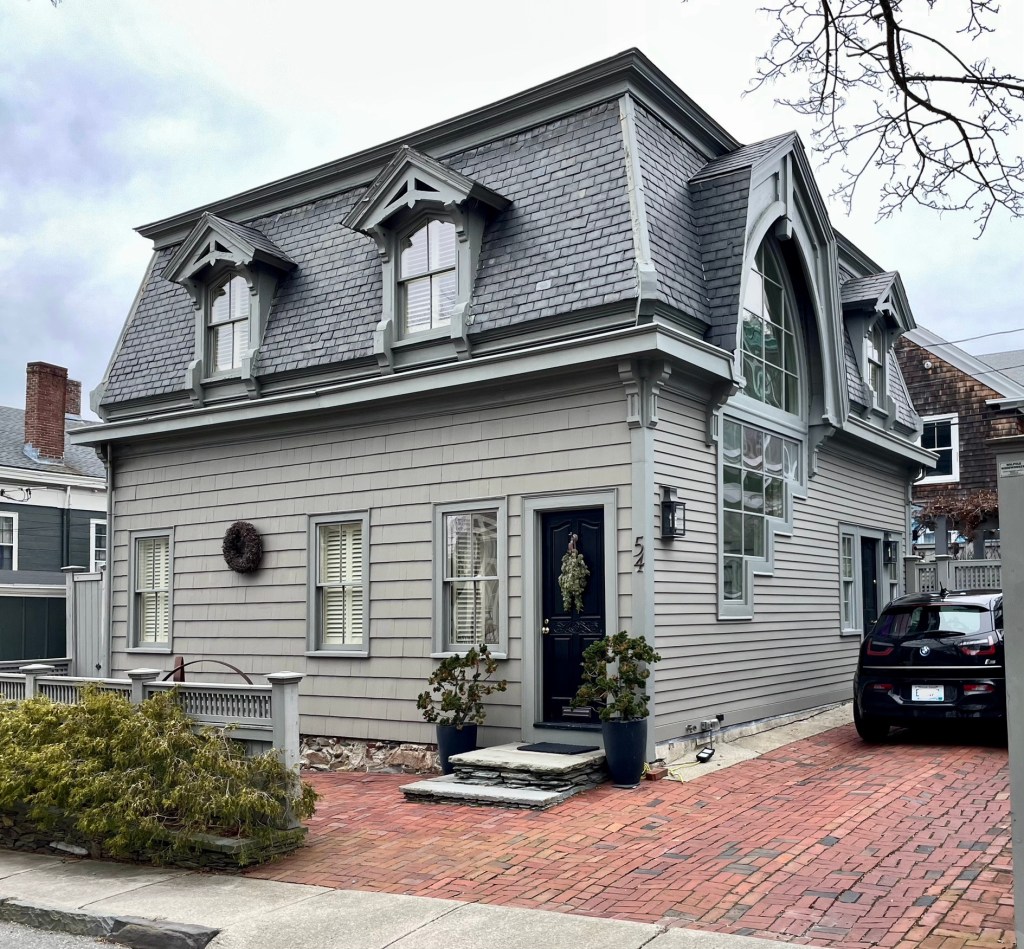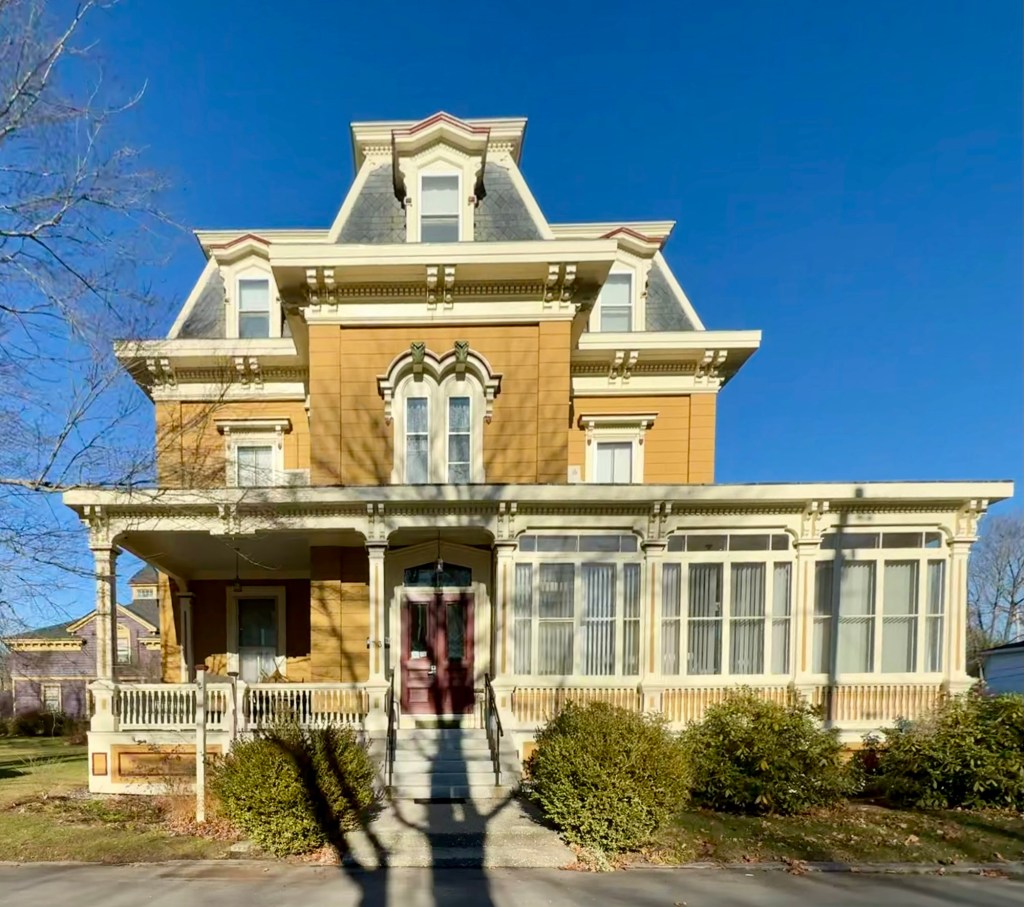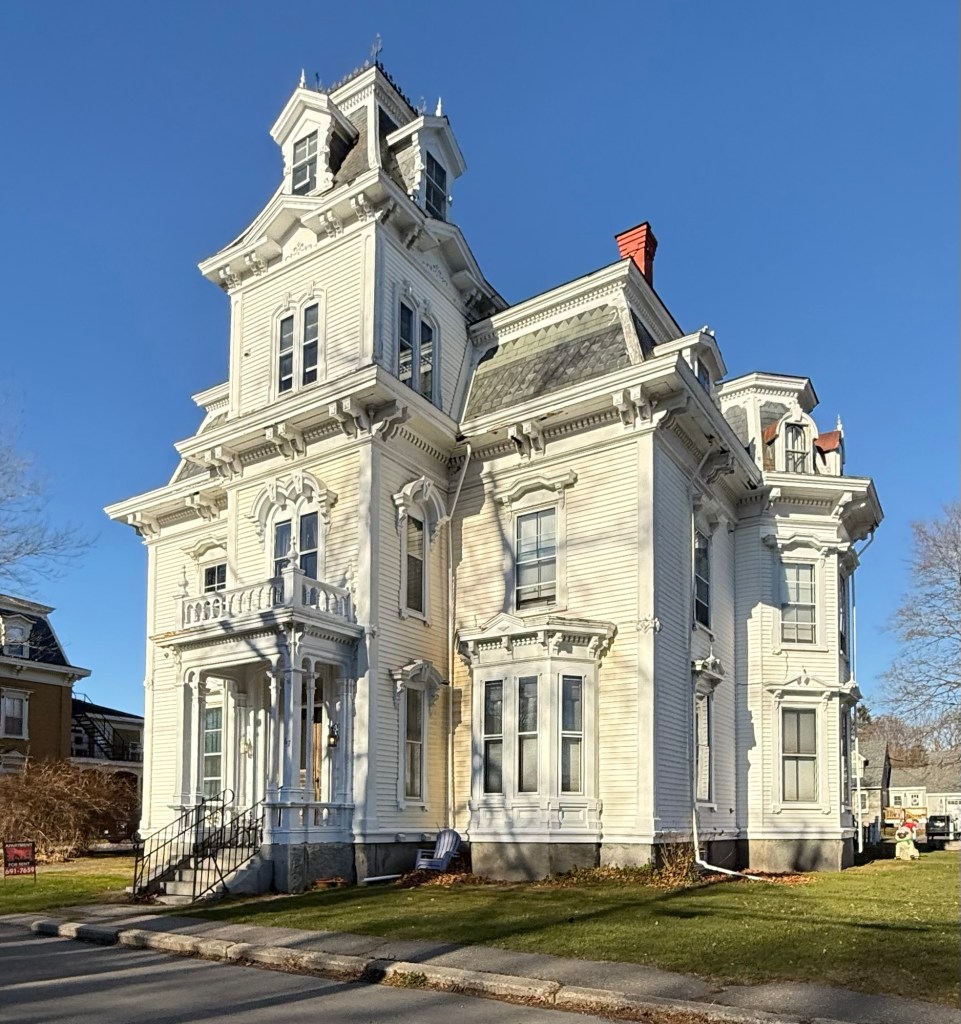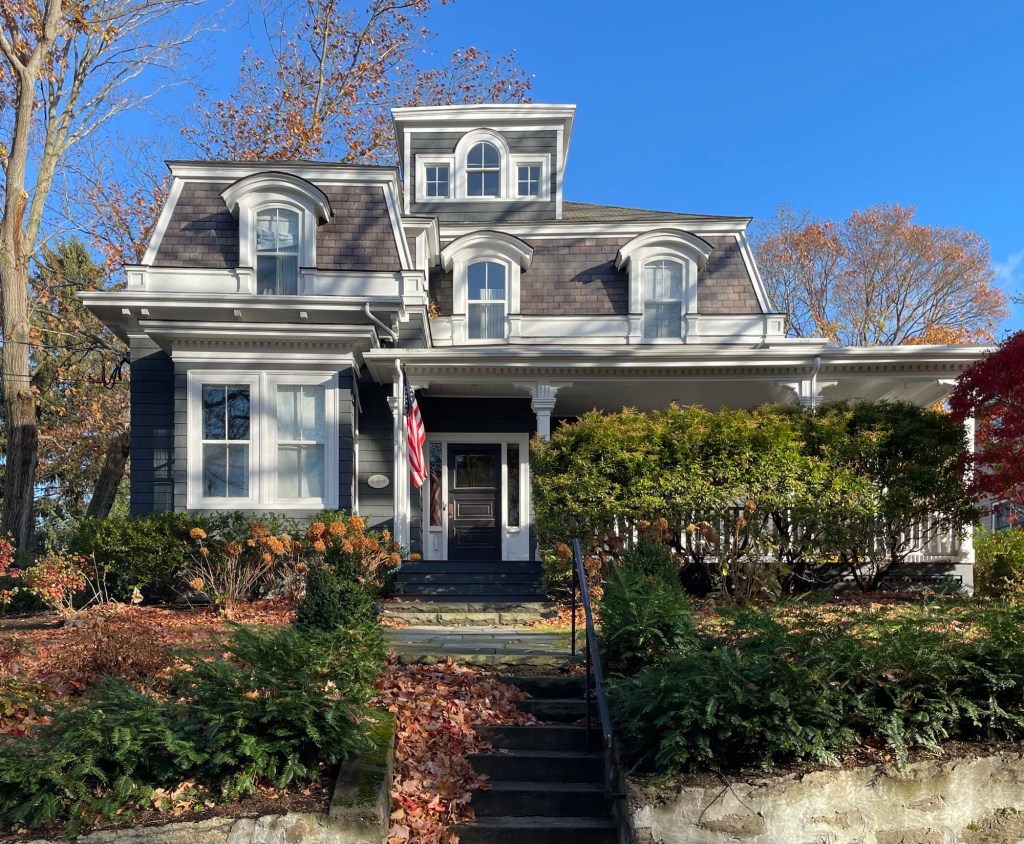
H. H. Fitch House // c.1870

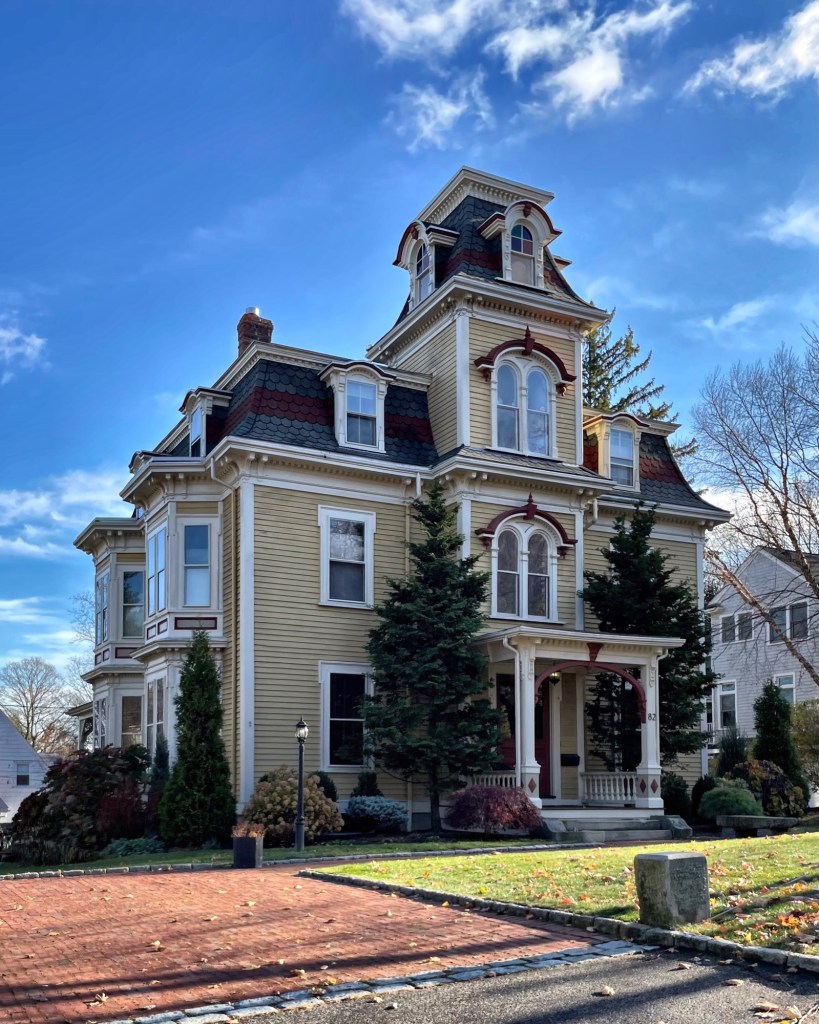
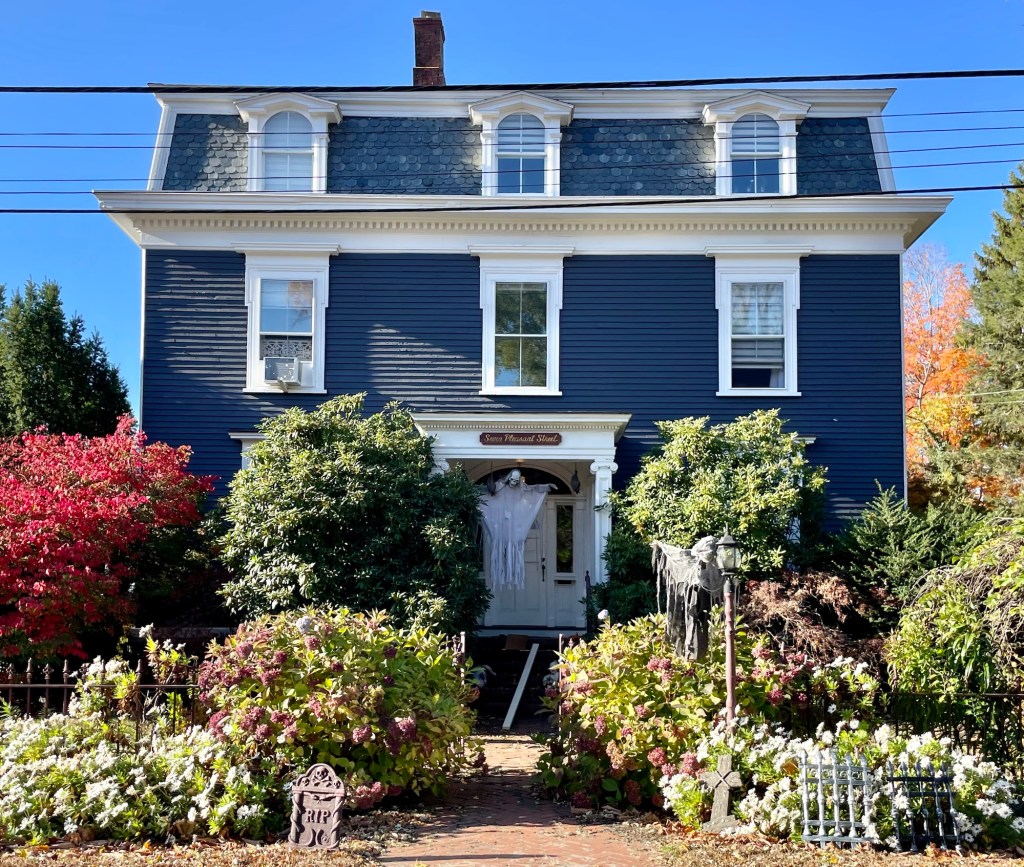
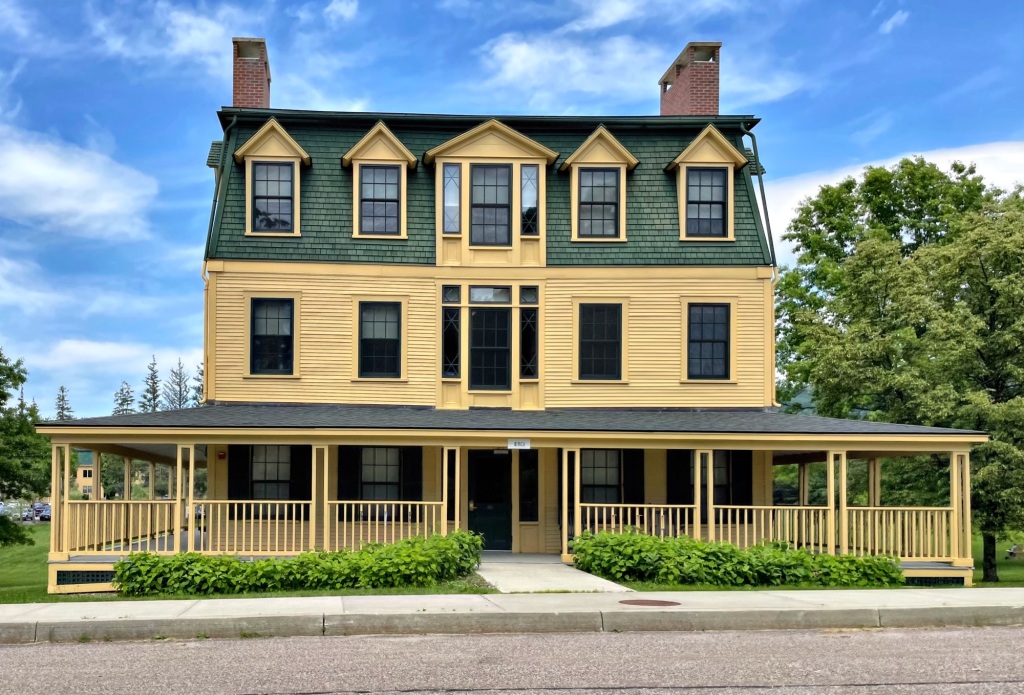
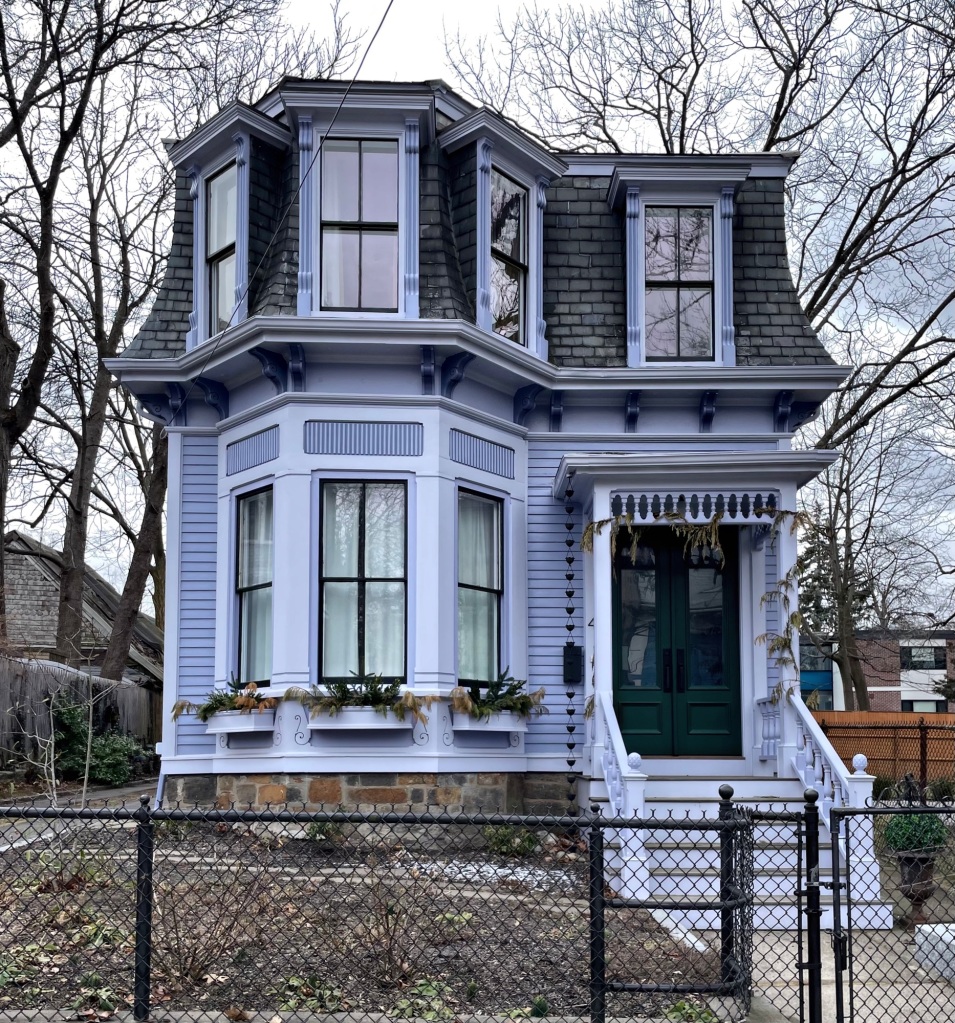
Henry Hubbard Fitch (1833-1888) was born in Cornish, New Hampshire, but made Roxbury, Massachusetts his home. He moved to Boston at an early age and later entered into business with Francis V. B. Kern under the firm Kern & Fitch, working as a conveyancer. By 1873, he was also a justice of the peace, notary public, and was Boston manager of the Equitable Mortgage Company. In about 1870, he and his wife, Eliza Anne, had this charming Second Empire style cottage built in the Washington Park neighborhood of Roxbury, a fashionable part of the “suburbs” at the time. They would later relocate, before Henry died in 1888 at the age of 55. The house is one of the best preserved in the neighborhood and a survivor from the wrecking ball that destroyed much of Washington Park.

Lewis June House // 1865

The Lewis June House sits on North Salem Road in northern Ridgefield, Connecticut, and is one of the finest Second Empire style homes in this part of the state. The c.1865 home was built for Lewis June (1824-1888), who was in the circus business, and it replaced an earlier home on the site that burned. Lewis June was a partner in the June, Titus and Angevine & Co. Circus that as early as 1842 toured 85 towns in six states. The circus wintered in Ridgefield. Past owners have since found many horseshoes, largely of small horses, on the property, suggesting that June kept the circus’ horses and ponies on this property. The home has been preserved thoughtfully and was listed on the National Register of Historic Places in 1984.

Storrow-Meyer Townhouses // 1862

Two is always better than one, especially when it comes to historic townhouses! These two residences on Beacon Street in the Back Bay neighborhood were built in 1862 for two esteemed Boston families, the Storrows and the Meyers. 192 Beacon Street (right) was built as the home of Charles Storer Storrow and his wife, Lydia (Cabot Jackson) Storrow. Charles S. Storrow was an engineer by training and made his fortune as the chief engineer at the Essex Company, a company organized to harness the water power of the Merrimack River downstream from Lowell, Massachusetts in present-day. There, Storrow designed and built the Great Stone Dam across the Merrimack river, canals to distribute the water, several large textile mills, and a city, Lawrence, to house the mill workers. He came up with the idea to make roads that go to the mills in Lawrence, allowing him to become the first mayor of Lawrence in 1853. He retired and lived out his final years at this home in Boston. James J. Storrow, after whom Boston’s Storrow Drive is named, was Charles Storrow’s grandson. 194 Beacon Street (left) was built as the home of George Augustus Meyer and his wife, Grace Helen (Parker) Meyer. George Meyer was a prosperous German-American East India merchant and lived in this home until his death in 1889.

Wales-Amory Townhouses // 1860

This is why preservation matters! These two townhouses on Beacon Street in the Back Bay of Boston were constructed in 1859-60 for Gardner Brewer (on the right) and George W. Wales (left). Brewer, an extremely wealthy merchant built the house on the right for his son-in-law and daughter, William and Ellen (Brewer) Amory, as a wedding gift following their February 1860 marriage. The symmetrical pair of houses were both originally clad with a brownstone facade with Second Empire style trim details and a continuous mansard roof. Both houses were renovated by the early 20th century with Colonial influence, as Victorian styles started to wane popularity amongst wealthy circles. The former Amory house (right) was purchased by Della Saul and was operating as a boarding house by the 1930s. It was converted to an apartment building (like condos) and the building was renovated with a new facade in 1935 by brothers and architects George Nelson Jacobs and William Nelson Jacobs with a more modern/Art Deco appearance. The house on the left remained with its more Colonial facade until a 2018 renovation by architect Guy Grassi giving it a cast stone facade, restoring the three-condo house closer to its original appearance.

Freeman House // c.1870

One of my favorites in Dorchester is this Second Empire manse, built c.1870 for cotton broker Freeman S. Packer. The house at 14 Everett Street in the Clam Point/Harrison Square neighborhood is a handsome, formal example of a Luther Briggs-designed Italianate Mansard residence. Although today sheathed in vinyl siding, much of the original siding and trim detail are likely still under there, preserved. Set back from the street facing an ample hedge-enclosed front yard, the three bay main façade exhibits a center pavilion and full-length front porch which undoubtedly appealed to summer guests who vacationed here when this house was known at the Russell House, an apartment hotel during the 1890s and early 1900s.

Vadner House // 1874

This elegant estate which stands on the corner of E. Quincy and Pleasant streets in North Adams, Massachusetts was originally built for Samuel Vadner in 1874, by architect Frank Davis the architect. Samuel Vadner established his carriage repository in town in 1870, which saw immediate success. His company manufactured carriages, sleighs, wagons, harnesses, and more, during a period of wealth for the industrial city. The high-style Second Empire style house features a bellcast style mansard roof with broad overhanging eaves, a small entry portico, and a three-tier entry tower that is capped by a convex mansard roof.

R.J. Walden House // c.1872

Located on the appropriately named Pleasant Street in North Adams, Massachusetts, this charming Second Empire style house is one of the finest in town. The house was built sometime between 1869-1875 for an R.J. Walden, who was listed in directories as a Deputy Sheriff for Berkshire County, an auctioneer, and real estate agent. Interestingly, the mansard roof is broken by a truncated corner tower with a flat roof. This is a unique one!

Oliver Mead Mansion // c.1870

Acton, Massachusetts is one of the more underrated Massachusetts towns for great old buildings, many of which are well-preserved and taken care of by their owners. The Oliver Mead Mansion in West Acton Village is among the largest in this part of town and is a stellar example of the Second Empire style. The house and adjacent carriage house was built around 1870 for Oliver Mead (1823-1912), who co-owned the A. O. W. Mead Company with his two brothers, a successful produce marketing company where they sold poultry, eggs, cheese, fruit, and other goods from farms in Acton and Boxborough to their shop on Market Street in Downtown Boston. The company did well, and Oliver and his brother Adelbert built matching mansions in West Acton after the Civil War and business picked up. The house exhibits a central projecting tower bordered by quoins and topped by a mansard roof with iron cresting on top. The original carriage house remains in a great state of preservation as well. The Adelbert House and Carriage house nextdoor were demolished in the 1950s for the fire station on the site.

Lorenzo and Mary Hawkins House // c.1870

Another of the charming mini mansard cottages in Stoneham, Massachusetts is this home, the Lorenzo and Mary Hawkins House. The home was built for Lorenzo D. Hawkins and his wife, Mary around 1870. Lorenzo worked as a shoe and elevator manufacturer in town and in Downtown Boston. The house is a two-story wood-frame structure with irregular massing. It has the classic mansard roof, an ornately decorated entry porch, heavily bracketed cornice, and round-arch windows in its dormers and front bay.

E. A. Durgin House // 1870

Would you just look at this house?! Massachusetts may have the most Second Empire/Mansard style houses in the United States, but some really stand out. This home in Stoneham, Massachusetts was built around 1870 for local shoe dealer Erastus A. Durgin. The mini mansard home is pretty typical besides the prominent square tower with a steeply pitched gable roof that stands over the entrance. Charming!