Leatherbee House // c.1870

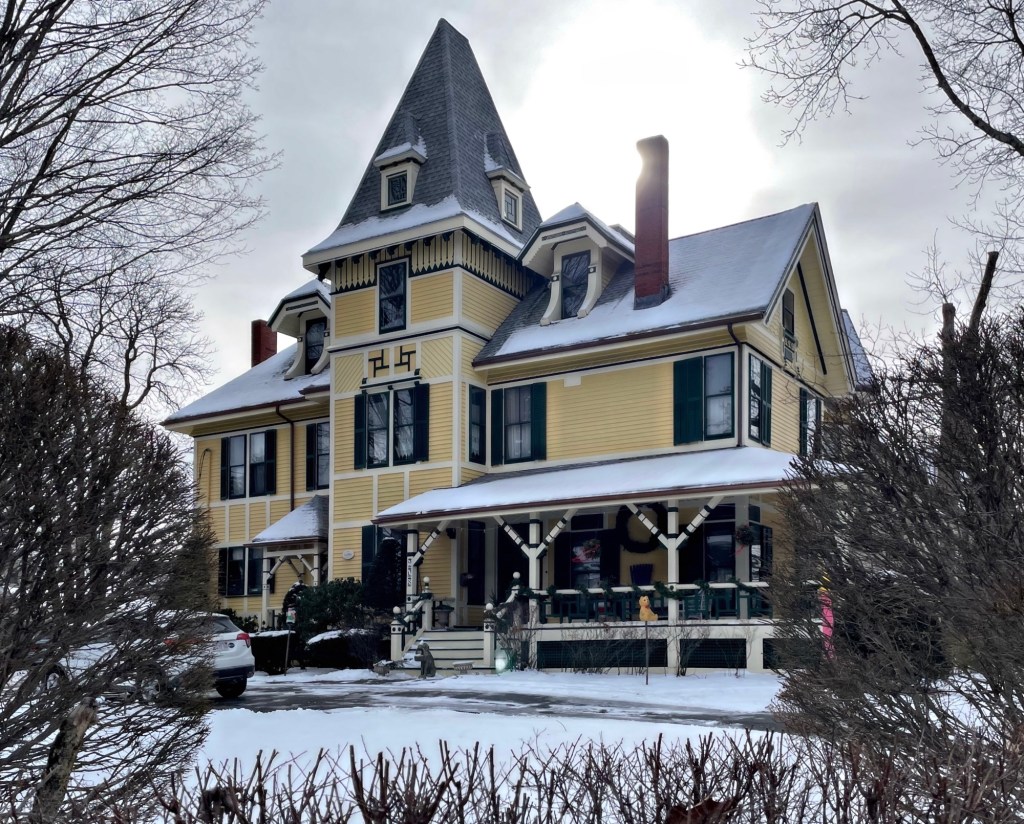
Andrew F. Leatherbee (1842-1920), a wealthy lumber dealer in Boston, built this large Stick style victorian house in Newton Center around 1870, likely using his own lumber products! The large frame house is prominently sited on a corner lot on Beacon Street, a short walk to Crystal Lake, a natural pond in the center of town. I could not find information as to who the architect was, but it was likely a notable local firm. As Andrew got older, he downsized and relocated to a smaller apartment in Cambridge. Upon his death in 1920, the property was sold by his heirs to Mae Van Dusen. The house is a high-style example of the Stick style of architecture, with large half-timbers, heavy porch bracing, and a central tower with pyramidal roof. Swoon!!!

George Cobb House // c.1865

While most of the early homes in Newton Centre were built by a few landowners and rented to tenants, this charming Mansard cottage was owner-occupied from the start. Tucked away on the quiet (and appropriately named) Pleasant Street, the George Cobb House is one of the most beautiful old Victorians in the neighborhood. An early resident was George Washington Cobb (1840-1925) was a druggist who ran an apothecary in East Boston, and he made the long commute there every day from this house. The property has a mansard roof with pedimented dormer and three-story tower capped by a bell-cast mansard roof. Paneled pilasters and brackets add a lot of detail to the primary facade.

Charles S. Davis Cottage // c.1868

When wealthy Boston manufacturer Charles S. Davis began subdividing his suburban Newton Centre estate, “Mount Pleasant”(last post) in the 1860s he was extremely particular on the dwellings and residents that would be his new neighbors. He sold off some parcels to friends and affluent members of the community and he also built some small gingerbread cottages – like the house seen here – for rent. This Victorian Gothic gingerbread house was rented to provide Mr. Davis with some additional income. It was eventually sold off to a private owner and has been meticulously preserved ever since.

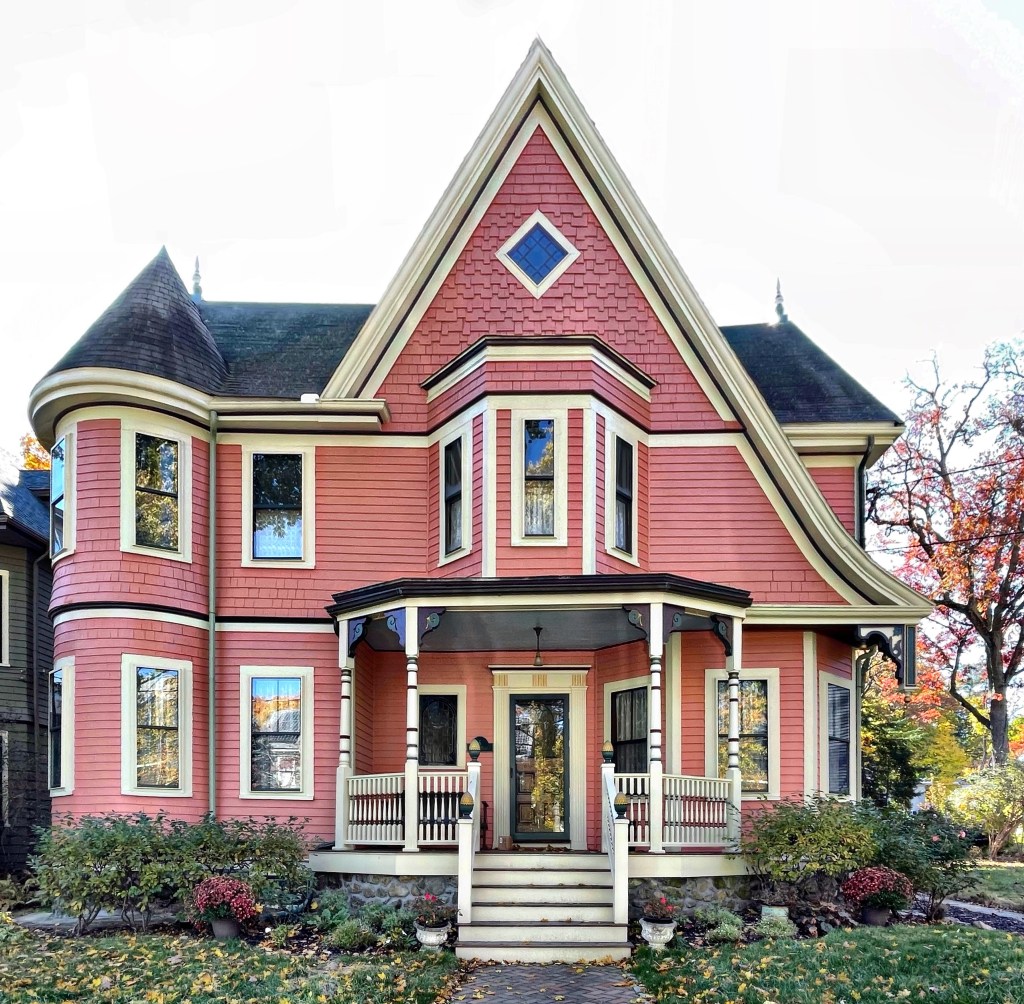
Ms. Grace Weston House // c.1898

At the end of the 19th century, much of Boston’s suburban communities saw rapid development where country estates and farmhouses were razed and their properties laid out for residential development. This house in Newton was built around 1898 as a late Queen Anne and it has so many details and intricacies. The earliest known owner was Grace M. Weston who was mentioned often in local newspapers as an expert on antiques.

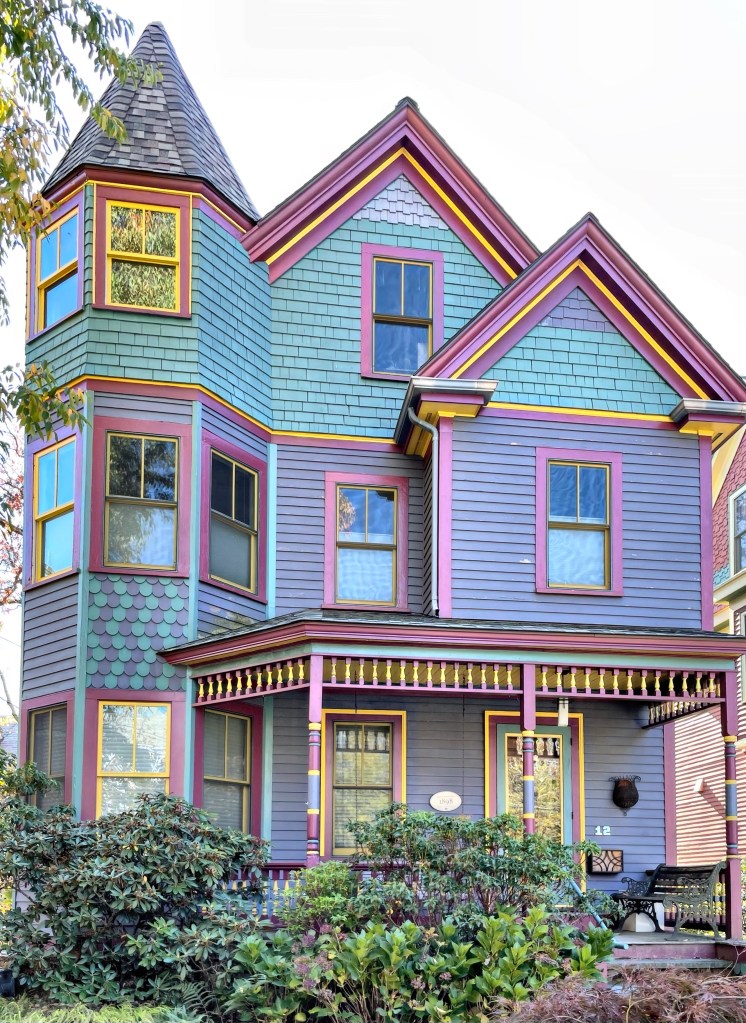
T. C. Sullivan House // 1898

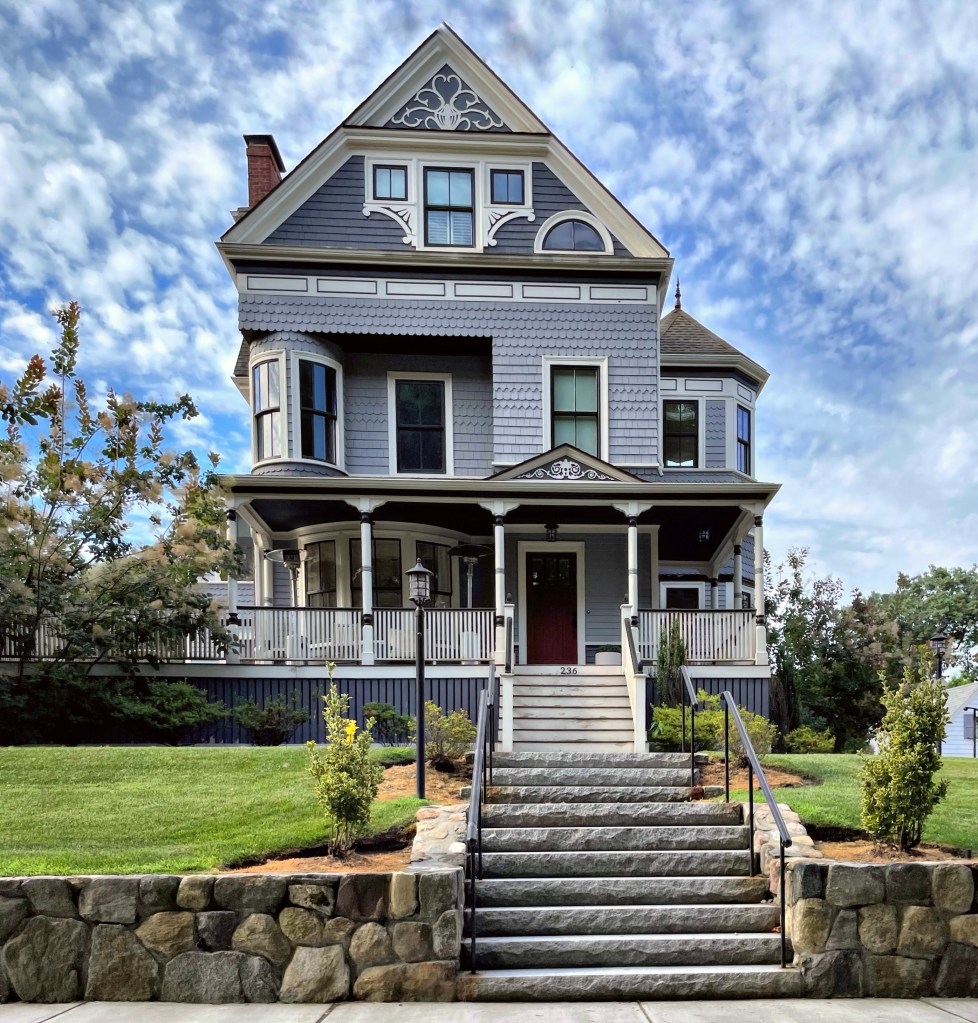
Behold this Queen Anne painted lady in all her glory! This home was constructed in 1898 as a late Victorian addition to Newton’s built landscape. The home’s earliest known owner was a T. C. Sullivan, who left the property to his family upon his death. The house is painted some pretty bold colors, which does an effective job at highlighting the many architectural details and intricacies in the design, but the home would have never been painted like this historically. A little history lesson: the “painted lady” trend took off in San Francisco when after WWII, disinvestment in the urban core led many Victorian homes there to be demolished, altered and covered with siding, and many were painted gray with war-surplus Navy paint (battleship gray). In 1963, San Francisco artist Butch Kardum began combining intense blues and greens on the exterior of his Italianate-style Victorian house. His house was criticized by some, but other neighbors began to copy the bright colors on their own houses. Kardum became a color designer, and he and other artists / colorists began to transform dozens of gray houses into Painted Ladies. By the 1970s, the colorist movement, as it was called, had changed entire streets and neighborhoods. This process continues to this day. The trend took off all over the United States as urban centers saw re-investment and gentrification. While not historically appropriate, the Painted Ladies can really make people happy and show pride in ownership.

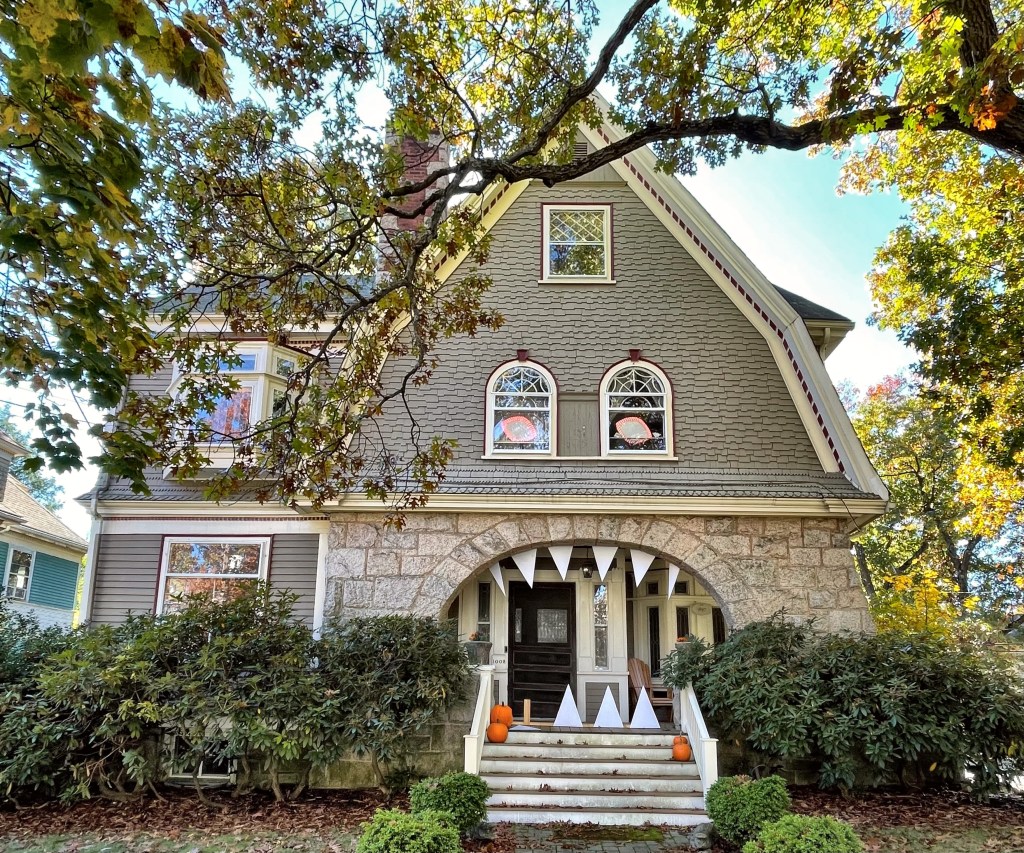
Barrows-Goddard House // 1898

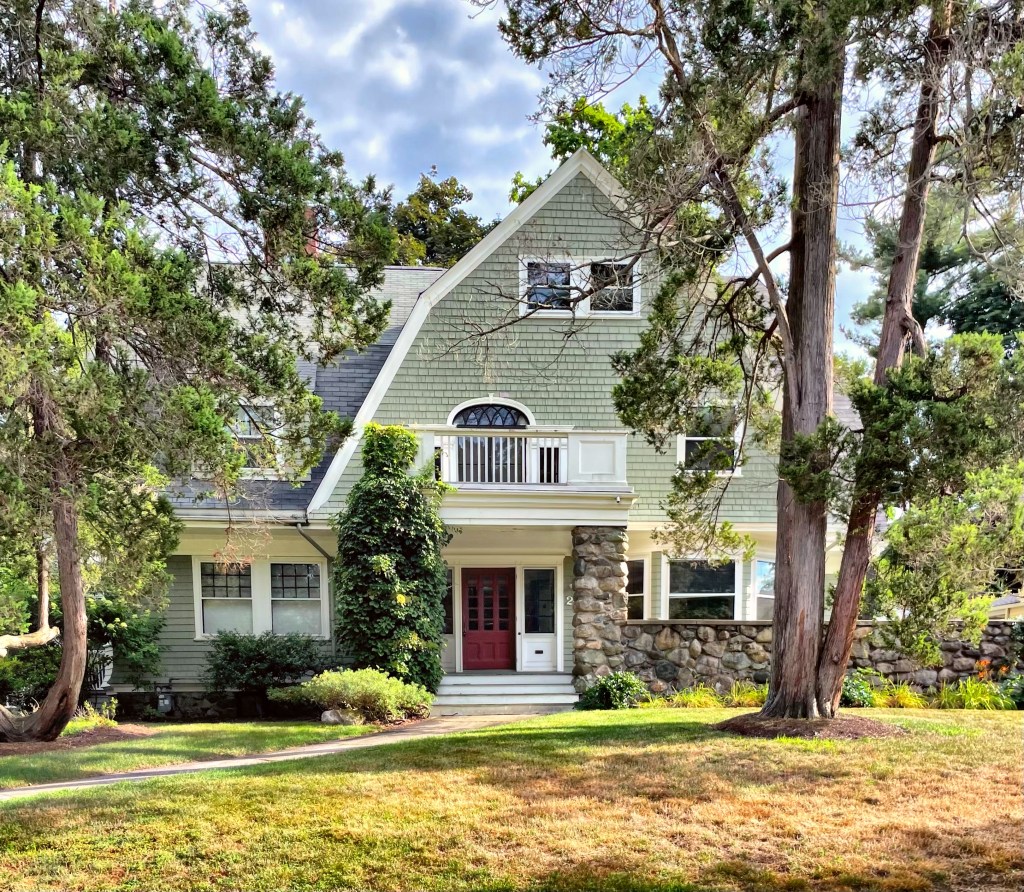
Happy Halloween! To celebrate I wanted to feature one of the more creatively decorated houses in the Boston area, which blends spookiness with architecture! This is the Barrows-Goddard House, so named after its first two owners. The house is located in Newton and was built in 1898 as an eclectic Queen Anne/Shingle style home. The original owner was Joseph Barrows, who developed the property and sold it within a year, relocating to a new home on a less busy street. The property was owned next by Christopher Goddard, an insurance agent with offices in Boston. Architecturally, the gable roof of the main block is intersected by an over-scaled gambrel cross-gable clad in patterned cut wood shingles. The focal point of the design is the Syrian-arched entrance porch of coursed, dressed fieldstone which this time of year, eats trick-o-treaters!

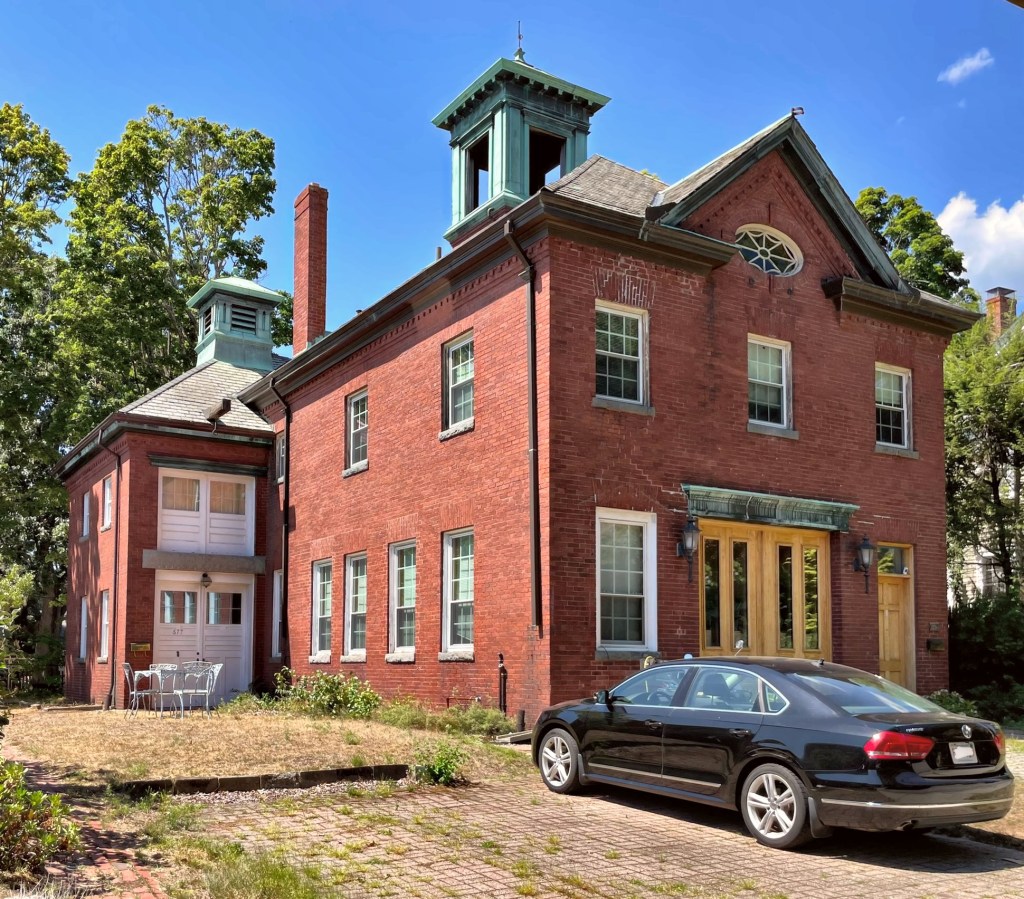
Lower Falls Firehouse // 1900

The Newton Lower Falls Firehouse was built in 1900 to serve the village’s fire prevention needs. As nearby Waban Village’s population surged (along with a stronger tax base) the City of Newton constructed a new fire station in 1918, that could serve both areas. This, the already outdated station, was converted to a village library on the ground floor with a janitor’s apartment and storage above. The space was determined to be surplus by the City and was sold off in 1979, quickly converted to housing by a developer. The building retains much of its original character, down to the hose-drying tower.

Thomas M. James House // c.1900

When the Waban section of Newton got a rail line connecting it to Boston, development boomed! Architects who lived in other parts of the Boston area saw an immense opportunity, not only for work, but for a bucolic setting where they could also reside. One of these architects that lived and worked in Waban was Thomas Marriott James, who in the early 20th century, designed and moved into this house on Pine Ridge Road. James was also born in Cambridge but received no academic architectural training. By 1893, Boston directories record that he was a draftsman at the office of Eugene L. Clark, a prolific
designer of suburban homes. His residence in Waban blends the Shingle and Colonial Revival styles under a broad gambrel roof. The verandah is inset and has segmental bays with shingle posts as supports. The kneewall is also shingled, adding to the composition.

Benjamin H. Davidson House // 1897

Benjamin H. Davidson, a wool merchant had this stunning property built in Waban for his family in 1897. Benjamin and his architect envisioned a large, Shingle style mansion, set back off the street. The house obviously exhibits shingle cladding along all surfaces including stone piers coming up from the ground at the porch, giving the house an organic feeling. The design also includes a large stairhall Palladian window, which is obscured from the street by a balustrade.

Oscar and Maud Rice House // 1895

In 1895, when the Queen Anne style was no longer in vogue among architects and builders in the Boston area, the Allston Real Estate Company took a gamble and built this house in a scarcely developed section of Waban Village in Newton on spec, hoping to find a buyer. They found one in Oscar Raymond Rice and his wife Maud Lois Sargent Rice. Oscar worked as a salesman, and Maud volunteered locally with various causes. The family home is a great example of Queen Anne Victorian architecture with varied siding styles, asymmetry, a tower, rounded bay window, porch with turned posts, and applied decoration in the gables. The house underwent a large renovation about five years ago and it still looks great! The listing from 2017 gives me serious house envy.