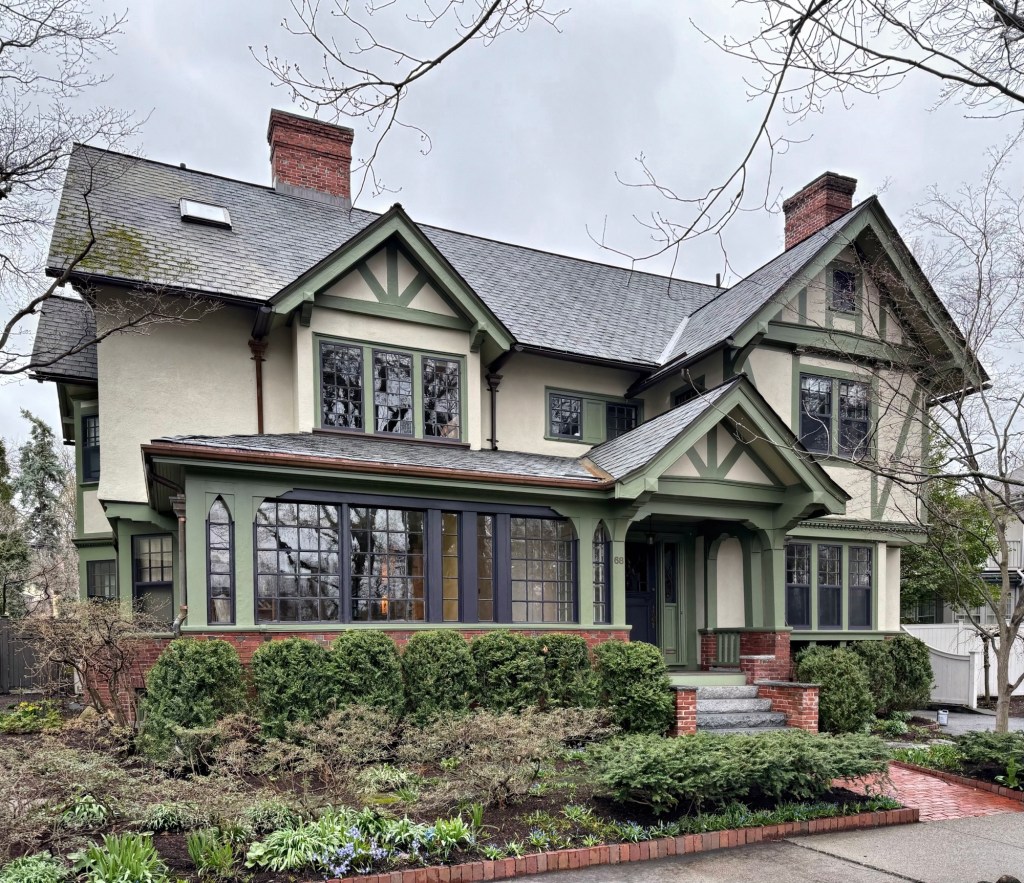
Moseley-Widger House // 1906

One of the many houses in the Cottage Farm-adjacent neighborhoods of Brookline, Massachusetts, is this great blending of the Tudor Revival and Arts and Crafts styles of architecture, which dominated residential architecture in the Boston suburbs in the early 20th century. This residence was built in 1906 for Mr. Frank Moseley and his wife, Martha Hawes Moseley from plans by architect Robert C. Coit. Covered in stucco siding and half timbering, the charming house evokes the countryside of England, right here in Brookline. After WWI, the house was owned by Ms. Lizzie Widger, a water color artist and member of Copley Society of Boston, and her husband, Samuel Widger, a cotton broker. The Moseley-Widger House looks as it did 120 years ago and is in a great state of preservation, thanks to generations of loving stewards.
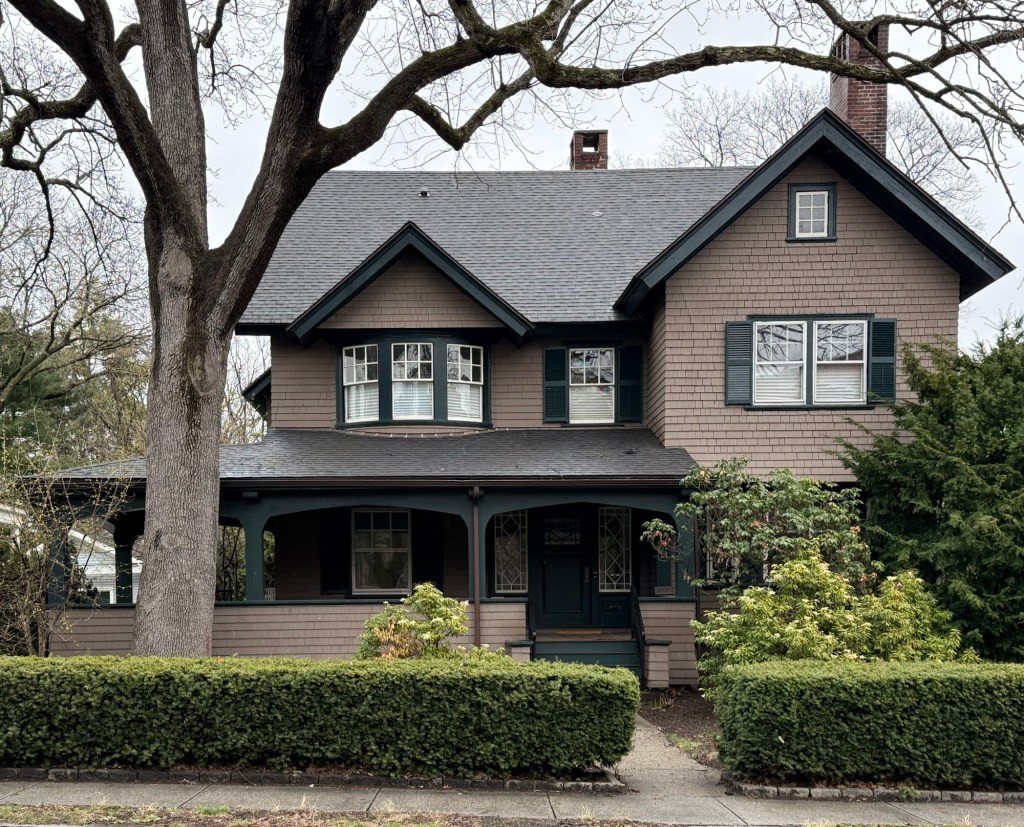
Edward and Lillian Norton House // 1905

Edward Russell Norton (1871-1960) and his wife, Lillian (1870-1968) got married in 1904 and immediately began planning their dream home. They purchased a building lot on Powell Street in Brookline, Massachusetts, and hired architect, Robert Coit, to furnish plans for the new home which was completed by the next year. The house blends Arts and Crafts and Tudor Revival styles with a pleasing design and architecturally appropriate paint scheme.

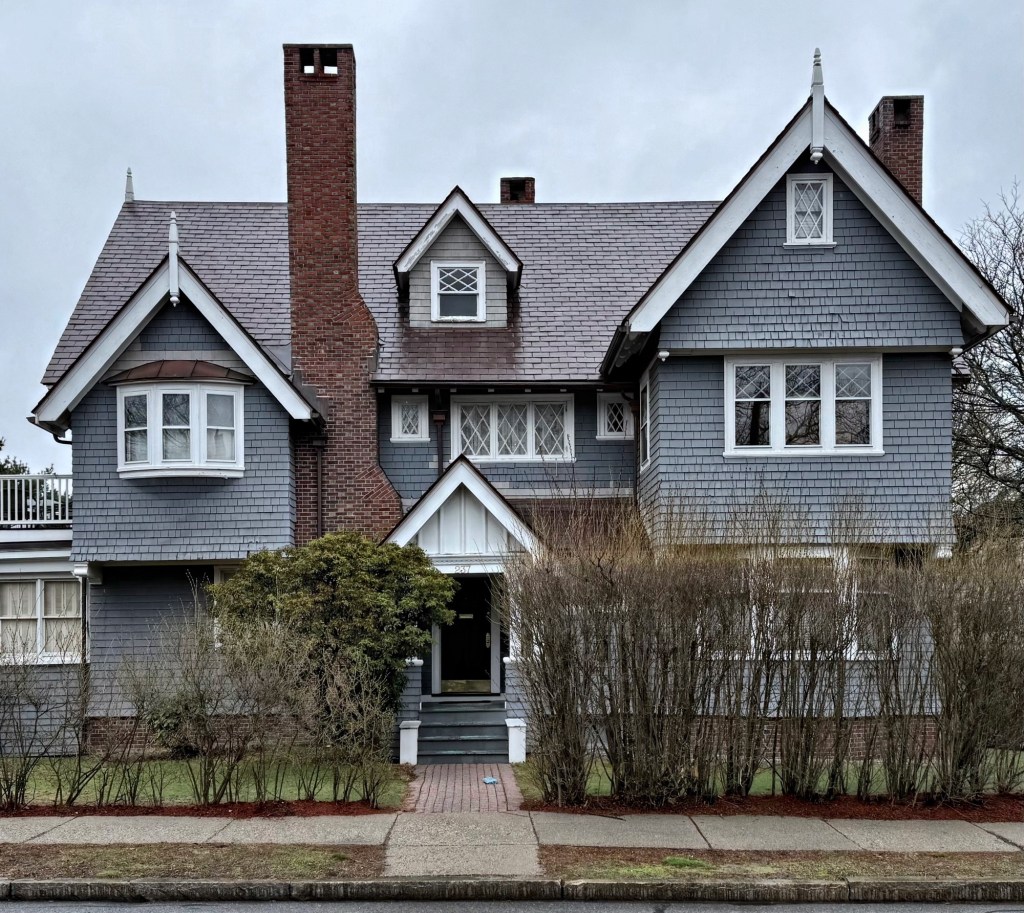
George and Annie Andrews House // 1899

By the end of the 19th century, Brookline’s connection to Boston via the streetcars opened the town up to suburban development unlike anything seen before. From this, Boston businessmen could move to the suburbs for more land and live in larger single-family homes while commuting to the city for work. This large house in the Cottage Farm neighborhood was built in 1899 on speculation and purchased by George and Annie Andrews, who two years later, built a stable on the adjacent lot. Architect Robert Coit, specialized in large suburban houses, primarily in the Boston-area suburbs, and showcased his design talents for this Tudor Revival home. Tudor Revival style ornament include the second story over-hangs supported on brackets, the diamond pane sash and casement windows, vergeboard with finials, and portico with steep gable.