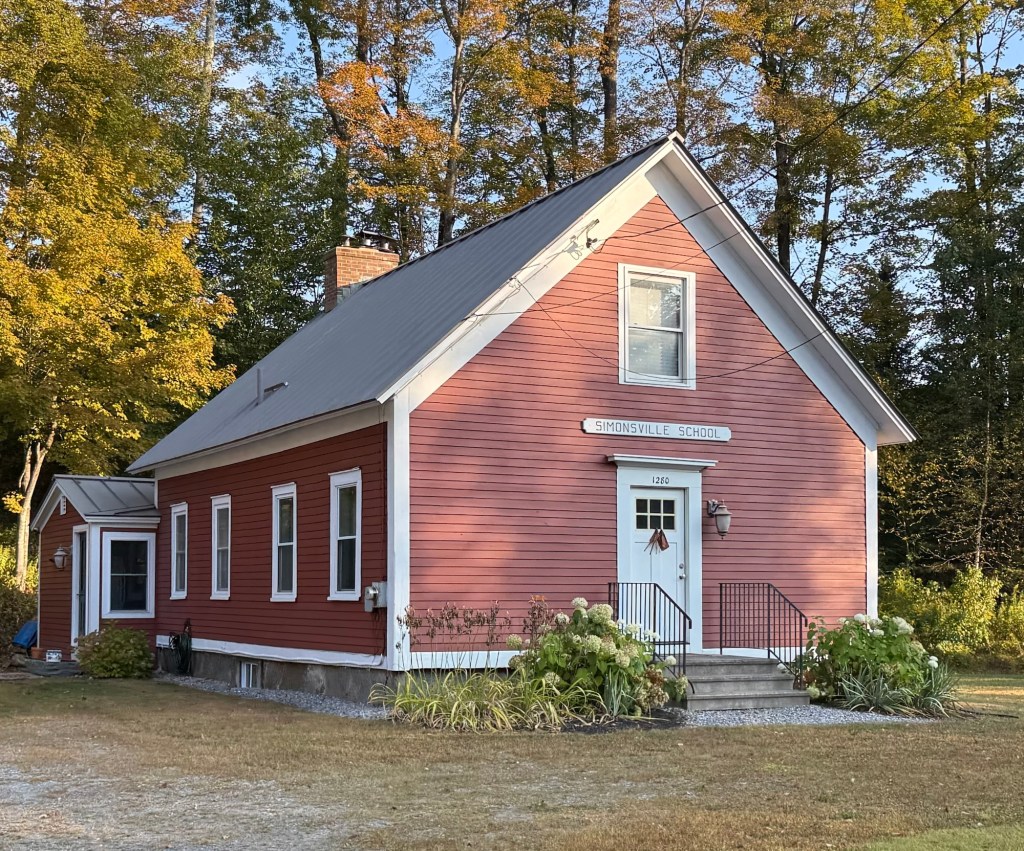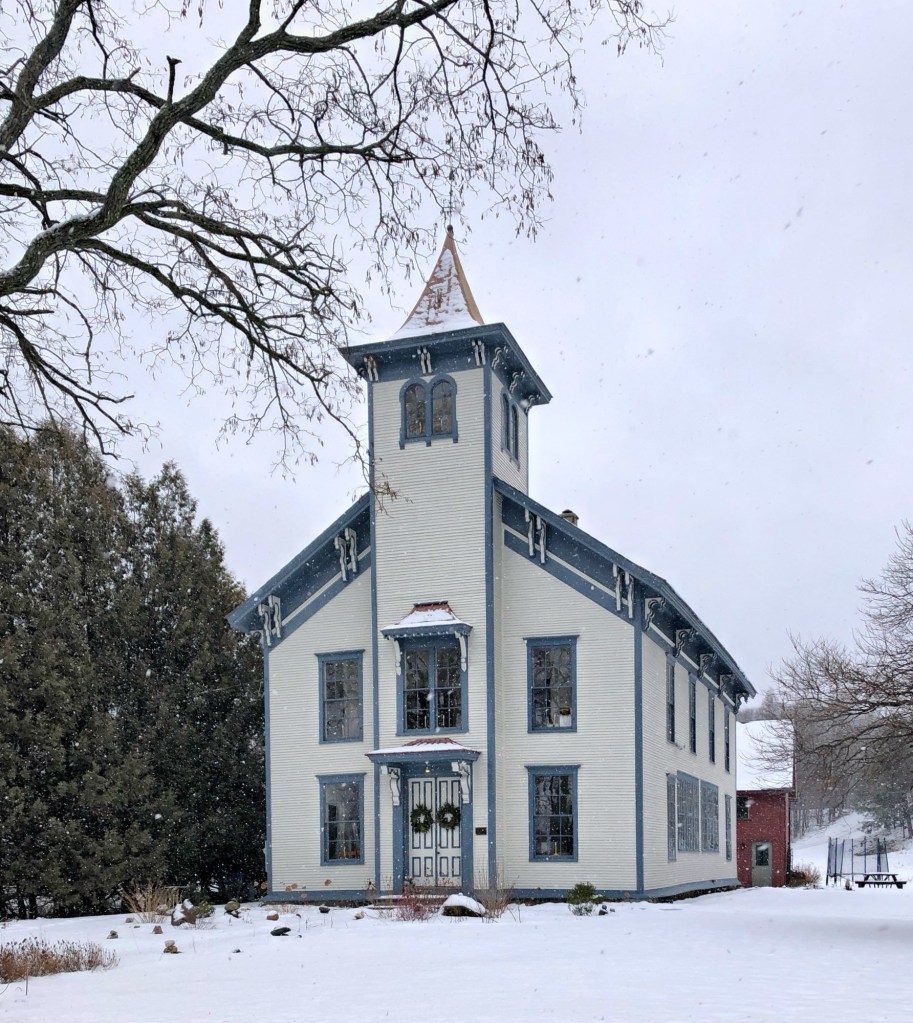
Simonsville Schoolhouse // 1856

One-room schoolhouses like this example in the Simonsville area of Andover, Vermont, have been commonplace throughout rural portions of New England where children of most ages would share the classroom and be taught everything from basic spelling to math. The Simonsville schoolhouse was built in 1856 and is a typical example of a vernacular one-room schoolhouse in rural New England, with no frills or ornament, just a house of learning. The Simonsville Schoolhouse was converted to a residence sometime in the latter half of the 20th century and has been renovated, keeping the basic form and interior floorboards from the 1850s. The school-turned-home is currently (2025) listed for sale.

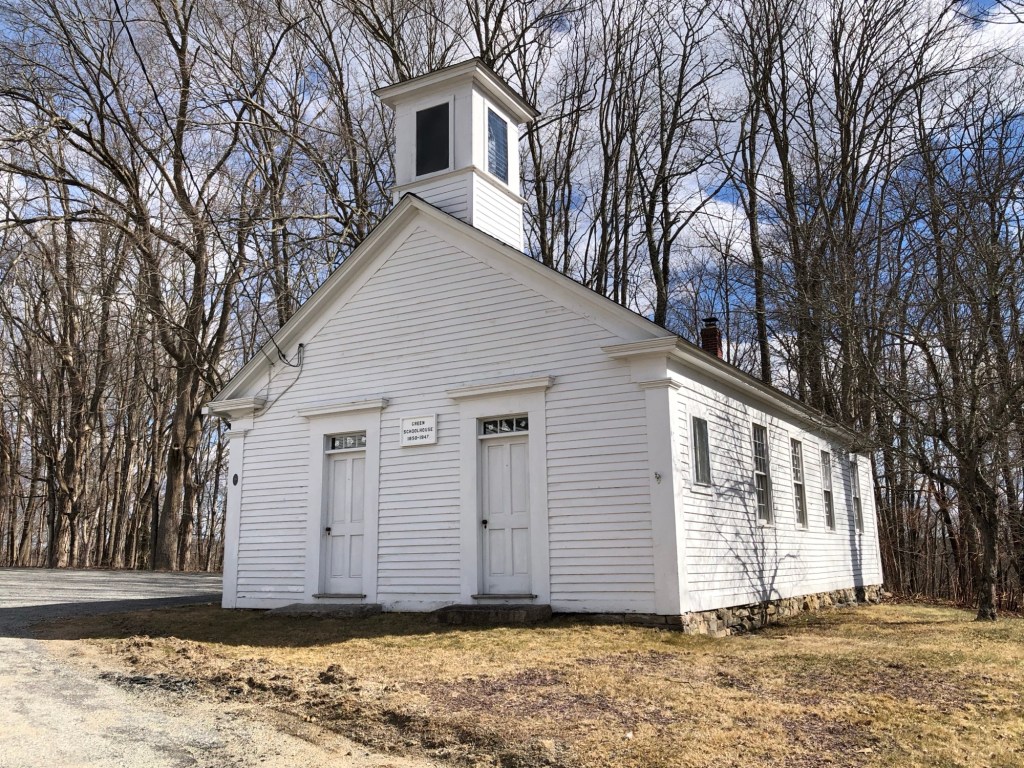
Canterbury Center District School // c.1860

The Center District Schoolhouse of Canterbury, Connecticut, sits behind the village church and is the town’s best-preserved example of a district schoolhouse. Built c.1860, the vernacular, Greek Revival one-room schoolhouse served the central village through the 19th and into the 20th centuries with its twin entry, double-hung windows to allow light and air into the classroom, and a belfry with bell to notify pupils when class was about to start. Like many similar one-room schools in rural New England, pupils attended class with neighbors and siblings in the small, intimate classroom of varied ages. 

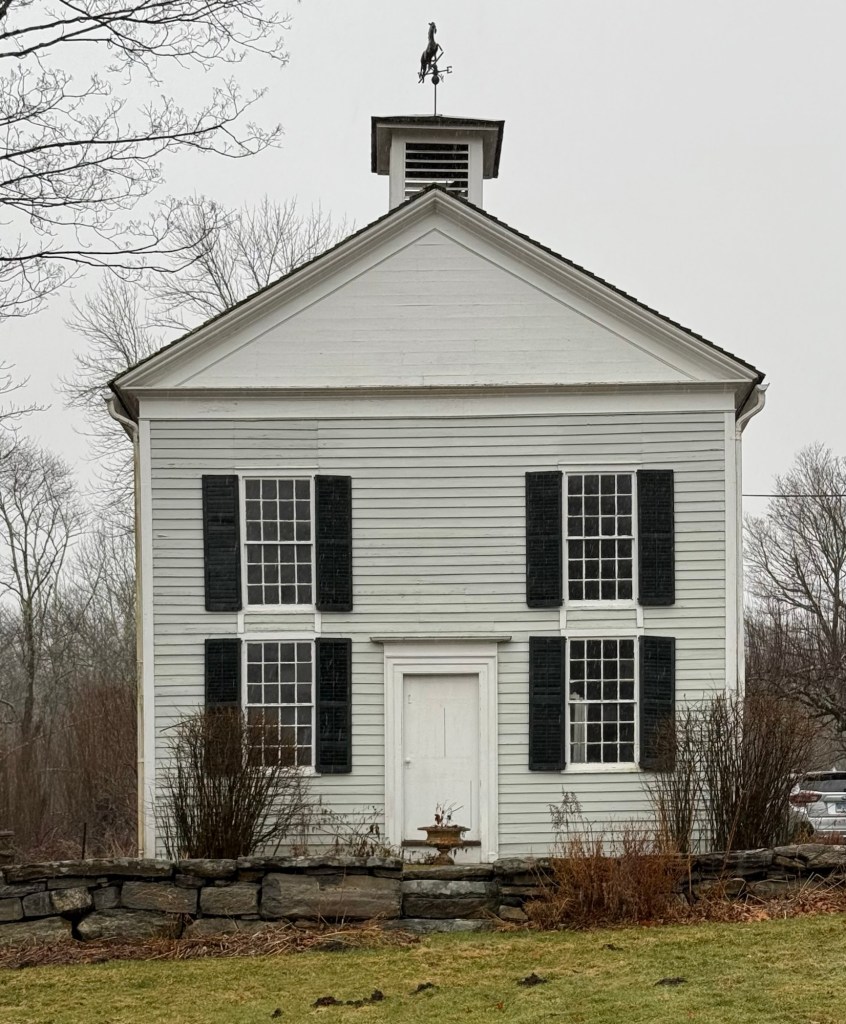
Adelphic Institute Building // 1847

Located across from the North Cornwall Congregational Church in Cornwall, Connecticut, this vernacular, Greek Revival building was constructed by 1847 as the Adelphic Institute, a private school. The Adelphic Institute was founded by Ambrose Rogers, son of Deacon Noah Rogers of the Congregational Church in the village, on land and adjacent to the house he had inherited from his father. The school would eventually relocate to New Milford, Connecticut, in 1860 and this building was converted to a parsonage and meeting room for the church and village. It is now privately owned on the property of the old Rogers house.

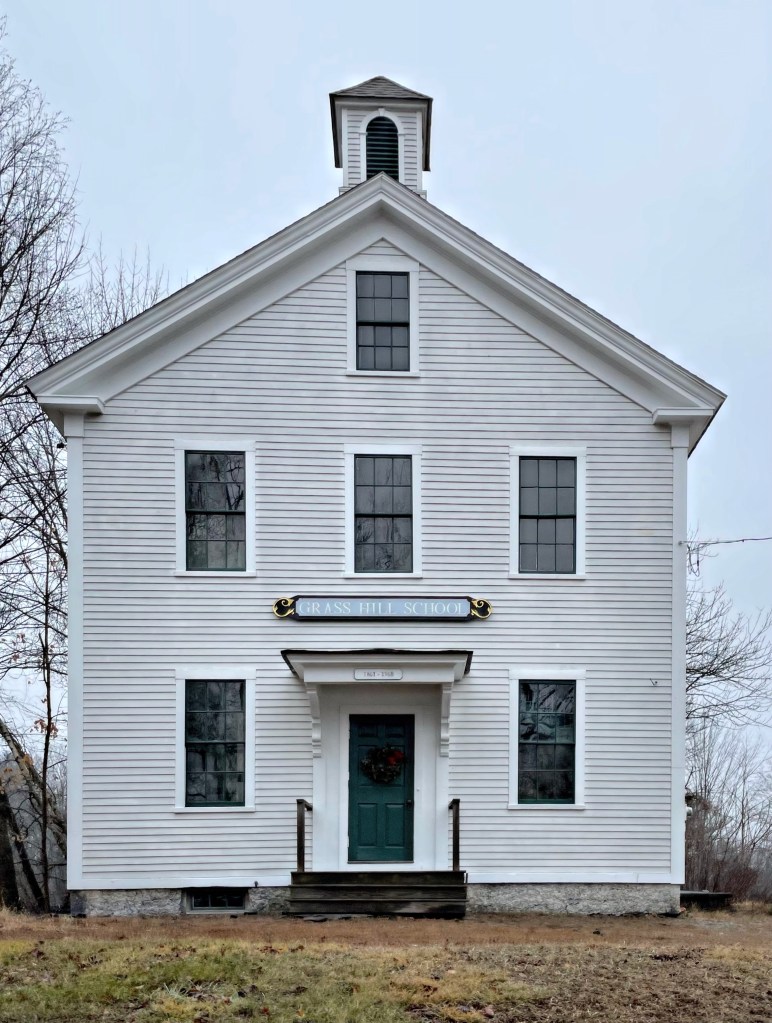
Grass Hill School // 1861

In western Millbury, the Grass Hill school was constructed to provide a place of learning for children in the agricultural section of town. The district school, a remnant of the system of autonomous school districts that characterized the educational system of Massachusetts in the 19th century, this is a larger example of many of them. West Millbury had many wealthy farmers and they financed a district school here as far back as 1814. After two earlier, smaller school buildings, this two-story school was erected and was one of the most substantial. At one time, students in eight grades taught there, all at the same time, with grades 1-4 downstairs and 5-8 upstairs. As there weren’t many students, each grade only took up one or two rows. The building remained as a school for the town until 1968, and the building was leased to the Millbury Historical Society long term. They just completed a massive restoration project for the building, it looks great!