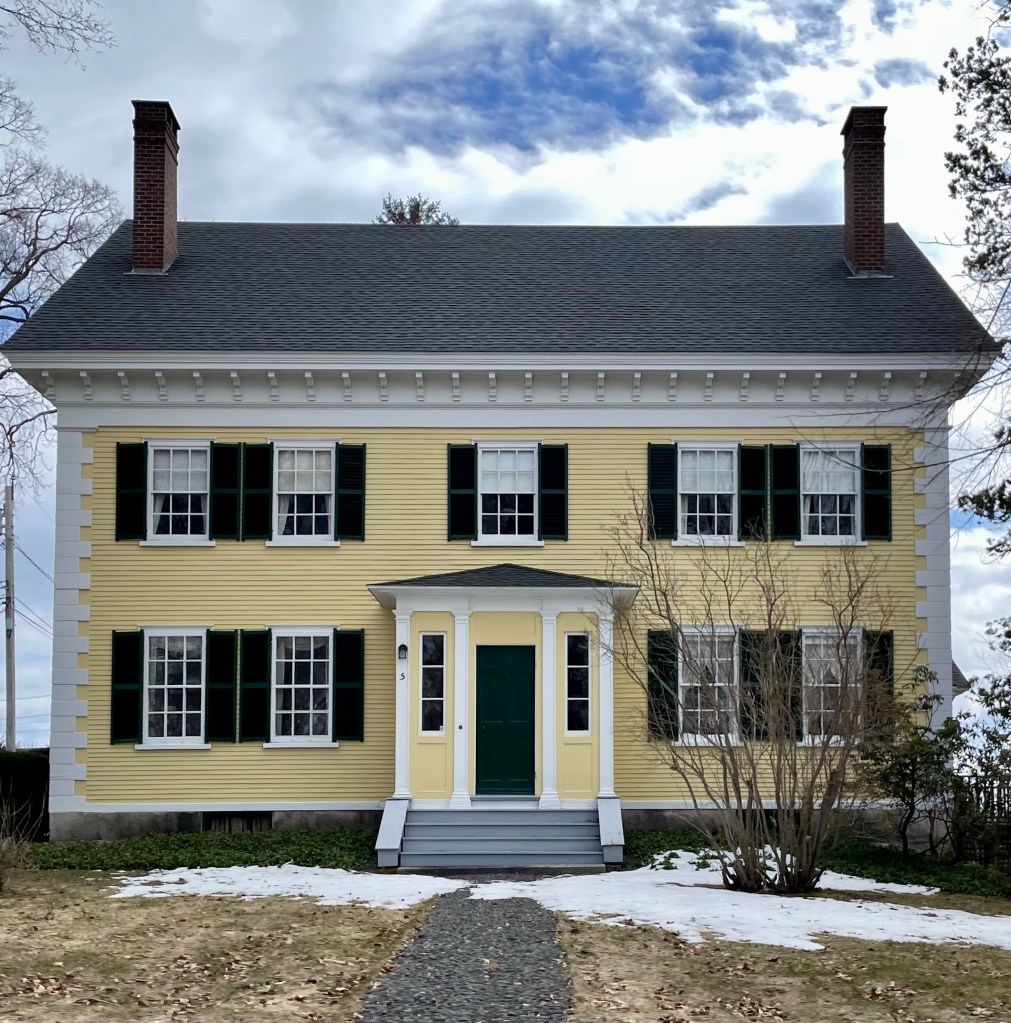
Judah Chase House // c.1840

In the early 19th century, the town of Blue Hill, Maine, thrived as a shipbuilding and maritime trade center in New England. One of the town’s sea captains, Judah Chase, had this Greek Revival home built for his new family in about 1840. Just before this, Captain Chase had a brig built in town in 1834, he named it the Thomas M. Lyons. As owner and captain, Judah was hired to haul a shipment from Havre, France to the United States. On the route, gales battered the ship of the coast of the Isle of Jersey, and the ship capsized, the crew survived, but this event may have delayed the building of his home in Blue Hill!
Oliver Walker House // c.1809

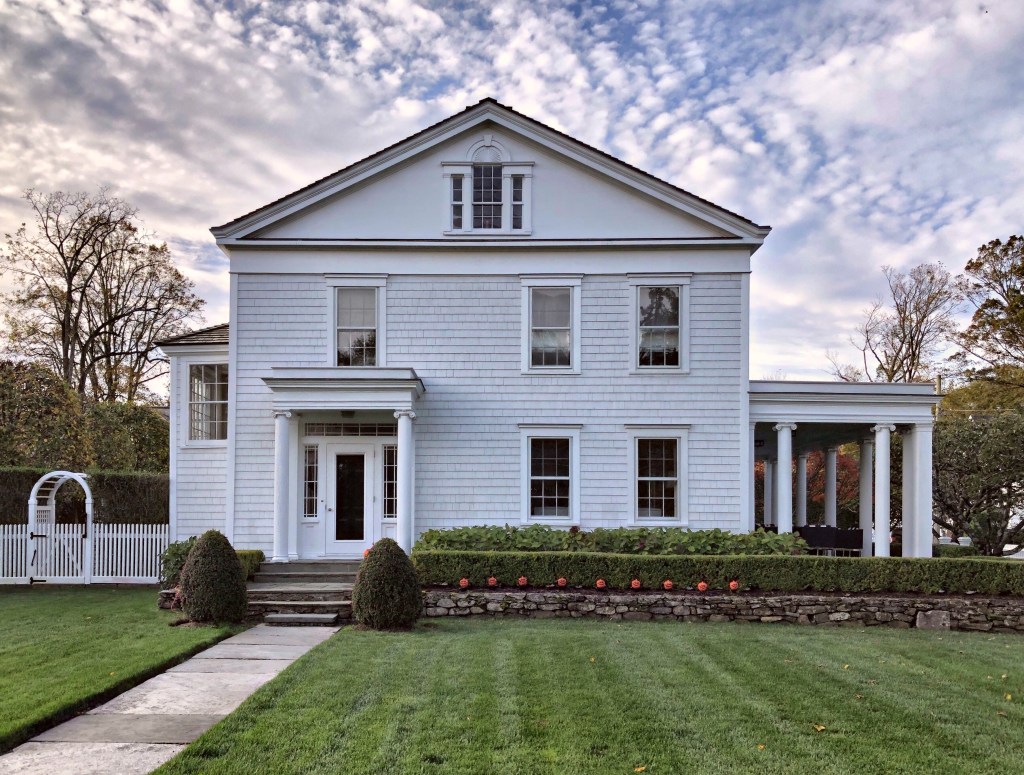
The Oliver Walker House in Kennebunkport Village is one of the better examples that shows how overlapping architectural styles can work really well on an old house (when done right)! The original house was constructed around 1809 for Oliver Walker (1788-1851), a sea captain who later accepted the call and became a deacon for the South Congregational Church in Kennebunkport. Walker died in 1851 and the Federal style property was inherited by his only surviving child, daughter Susan, who had married Portland native, Captain John Lowell Little. Under their ownership, the traditionally designed Federal house was modernized with fashionable Italianate style modifications of the decorative brackets and an enclosed round arched window in the side gable. A later Colonial Revival projecting vestibule adds to the complex, yet pleasing design. I have a feeling the interiors of this house are just as spectacular as the exterior.

Captain Nathaniel Ward – Abbott Graves House // 1812

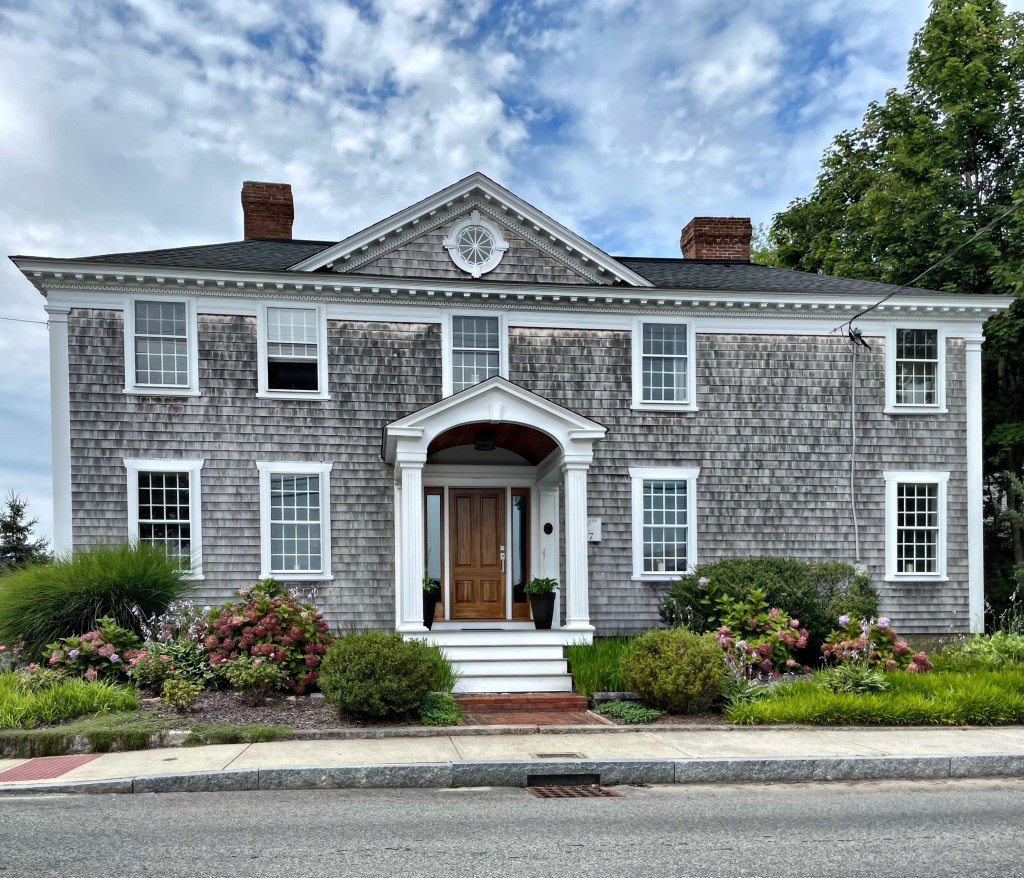
In about 1812, Captain Nathaniel Ward Jr. of Kennebunkport purchased this home in the village from housewright and builder Samuel Davis. The Federal style house is five bays with a central entrance with pedimented fan over the door. Two end chimneys would heat the home in the winter months when Nathaniel was out at sea and his wife, Sarah, would be maintaining the home and caring for their six children. The couple’s eldest son Charles Ward, served as the second American Consul to Zanzibar in Africa. In his role, Ward bickered continuously with the Sultan, whose word of law changed with the wind and he eventually left his position and settled in Salem, Massachusetts. This house was later owned by Abbott Fuller Graves (1859–1936), a renowned painter before he built a Prairie Style house in Kennebunkport in 1905.

Fosdick-Calder Double House // c.1745

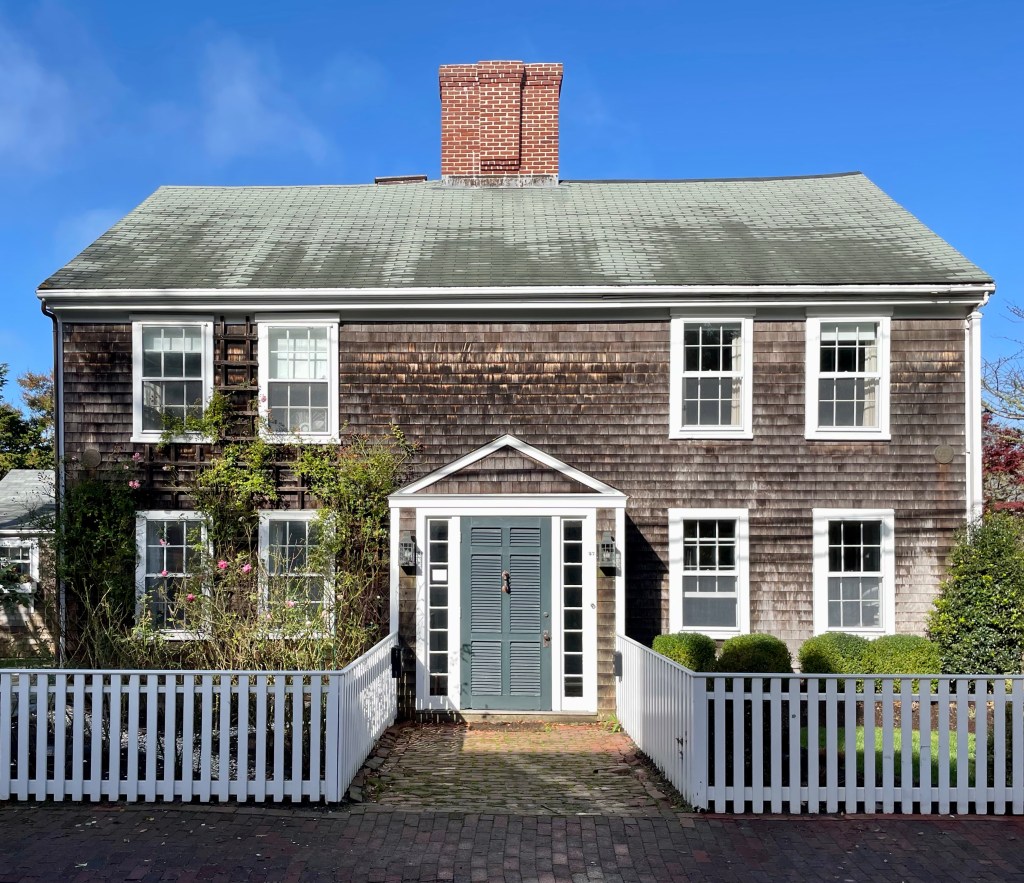
This 2 ½-story, five-bay house was built for Benjamin Fosdick (1713-1801) and his family on Nantucket. After Benjamin died in 1801, the house was inherited by two of his surviving sons and they divided the house into two, creating a double-house for them and their own families. The symmetrical home was divided down the middle at the central chimney, and two front doors provided access to the two dwellings. The right section was once the home of Capt. William Calder, who escaped shipwreck at Cape Horn
on his first voyage at age 13. He later was captured by the British during the War of 1812, and escaped from Dartmoor Prison in England, making his way back to Nantucket. The double house has retained much of its original design since 1801 until the 1960s when the projecting entrance porch was added.

Winn House // c.1780

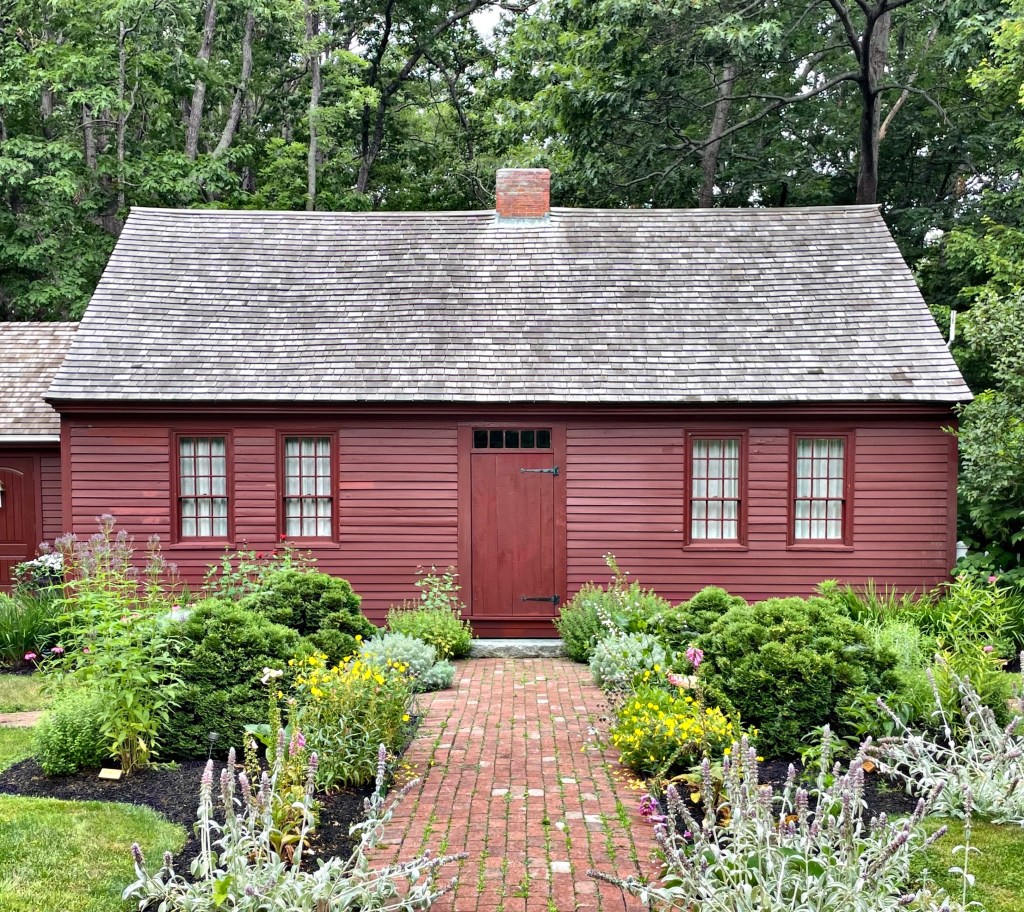
One of the oldest extant houses in the village of Ogunquit Maine is this charming Cape house thought to have been built in the 1780s. The house was later purchased by James Winn (1783-1861) and his wife Philadelphia Maxwell Winn (1785-1855), probably about the same time as the birth of their first child, James Winn Jr. in 1808. Both James Sr. and his son in 1846, launched a 161–ton brig out of Kennebunkport with Captain James at the helm. After several trips James Jr. succumbed to an illness that was aboard the vessel and died at the New York Marine Hospital. Over 150 years later, the house, largely untouched, was seemingly threatened by development pressure on the busy highway. In 1980, the home was donated to the town by then-owner, Phyllis Perkins, and moved nearby to a park on Obed’s Lane. It now houses the Ogunquit Heritage Museum.

Captain John Dexter House // 1860

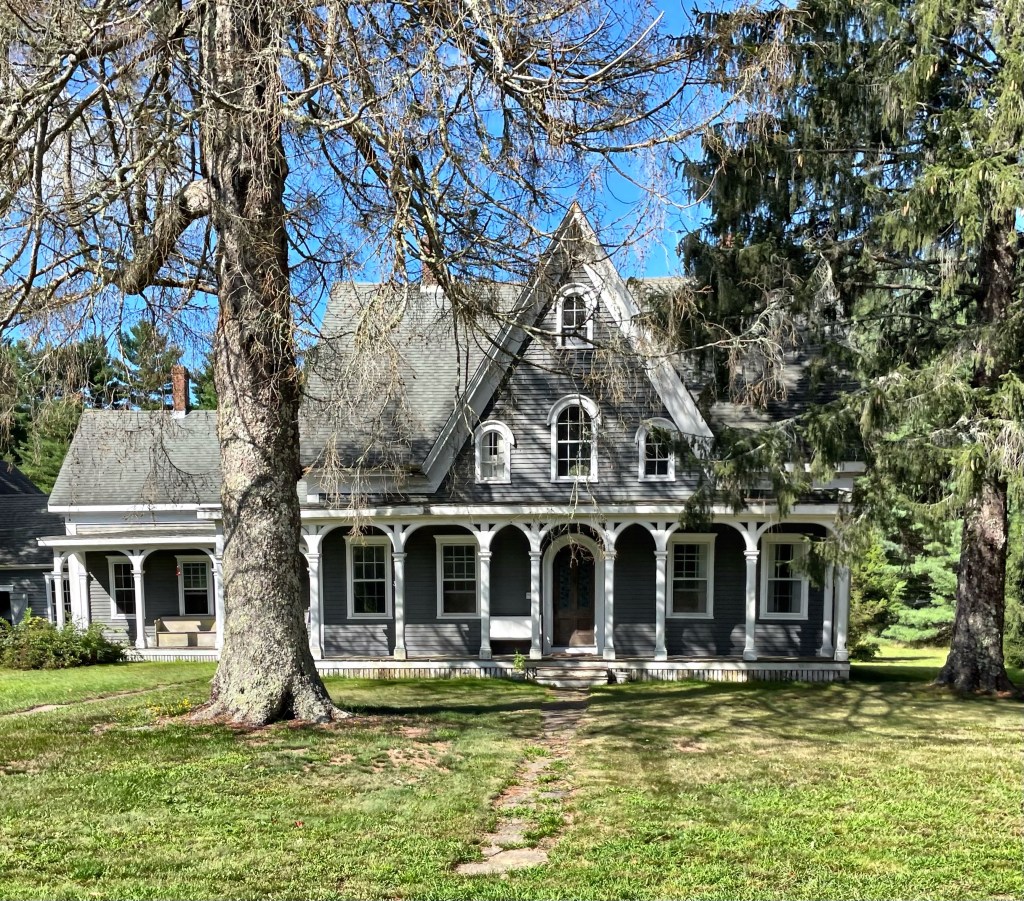
This beautiful house was built by retired whaling Captain John G. Dexter in 1860. The Dexter family’s ties to Rochester, Massachusetts, began when William Dexter became the first descendant of the Dexter
family to settle in town around 1679. William, one of the 32 original grantees of the town (from land by Sachem Metacomet), died in Rochester in 1694 and his four sons and grandsons remained in Rochester through the 19th century. After being away for months or years at a time, Captain John Dexter returned to his hometown to build this home on family land that was previously undeveloped. The Dexter family remained in the house well into the early 20th century, carrying on the family’s deep rooted history in the area. The home is a blending of Gothic and Italianate styles, which work really well in the rural area.

Ward Parker Delano House // 1797

During the 1790s and early 1800s, the rise of the coastal schooner trade and whaling ushered in a long period of prosperity for coastal towns in New England, which continued unabated until the Civil War. The War of 1812 provided many Marion sailors and sea captains with the chance to experience life at sea with privateers papers issued by the United States government, these captains went to sea in their schooners to hunt down British ships, plundering them like pirates. One of these captains was Ward Parker Delano, who built this house in 1797 overlooking Sippican Harbor. Under subsequent owners in the Delano family, the home was modified on numerous occasions in styles popular at the time until the early 20th century when it was Colonialized, which added the portico, gable, and dentils.

Captain Grey House // 1845

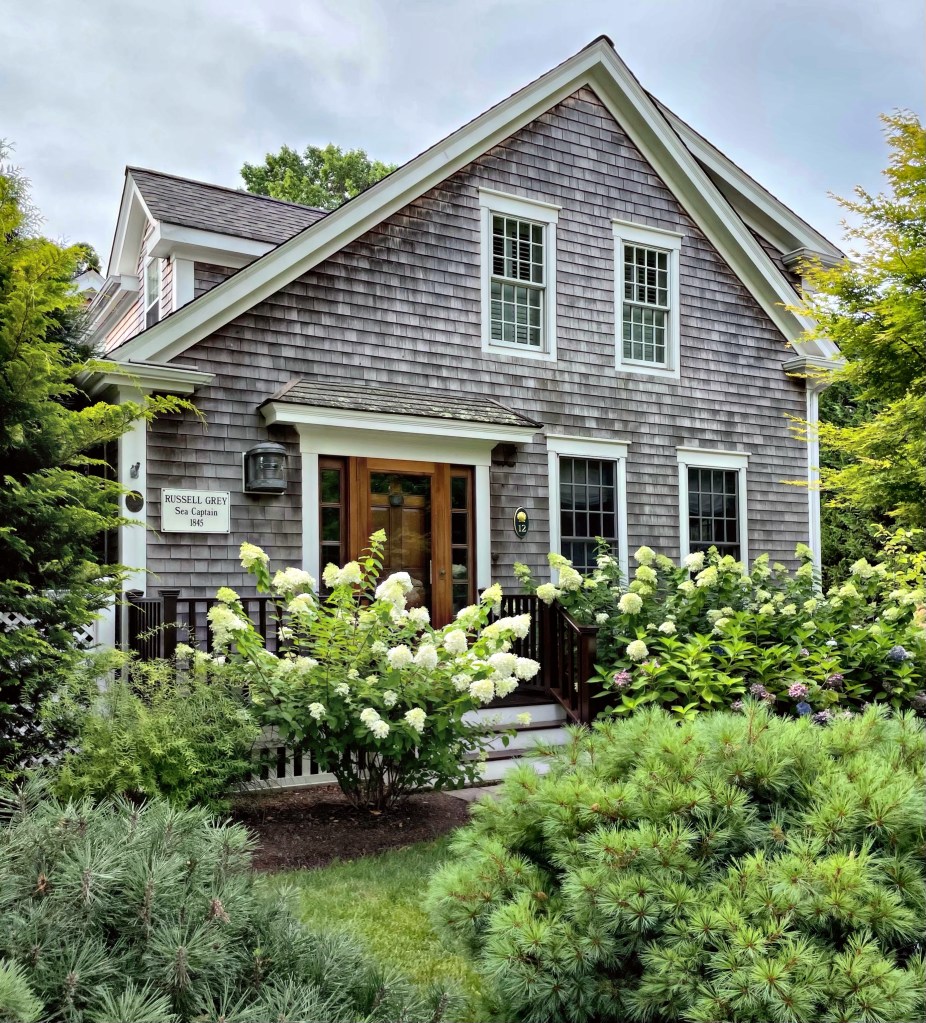
Captain Russell Grey (Gray) was one of a handful of sea-captains who lived in Wharf Village, the downtown of present-day Marion, Massachusetts. The men would own ships that were docked in the harbor or in nearby New Bedford, and would leave for months-long excursions chasing whales, fish, or other treasures. Behind, they left their young wives and growing families, who braved the harsh New England winters and the unpredictable coastal weather events. This small cottage was built around 1845, for a young Russell Grey and his wife, Sarah Luce, who’s own family was full of mariners as well. The couple’s Greek Revival style cottage remains as one of the most charming in the village.

Josiah Talbot House // 1835

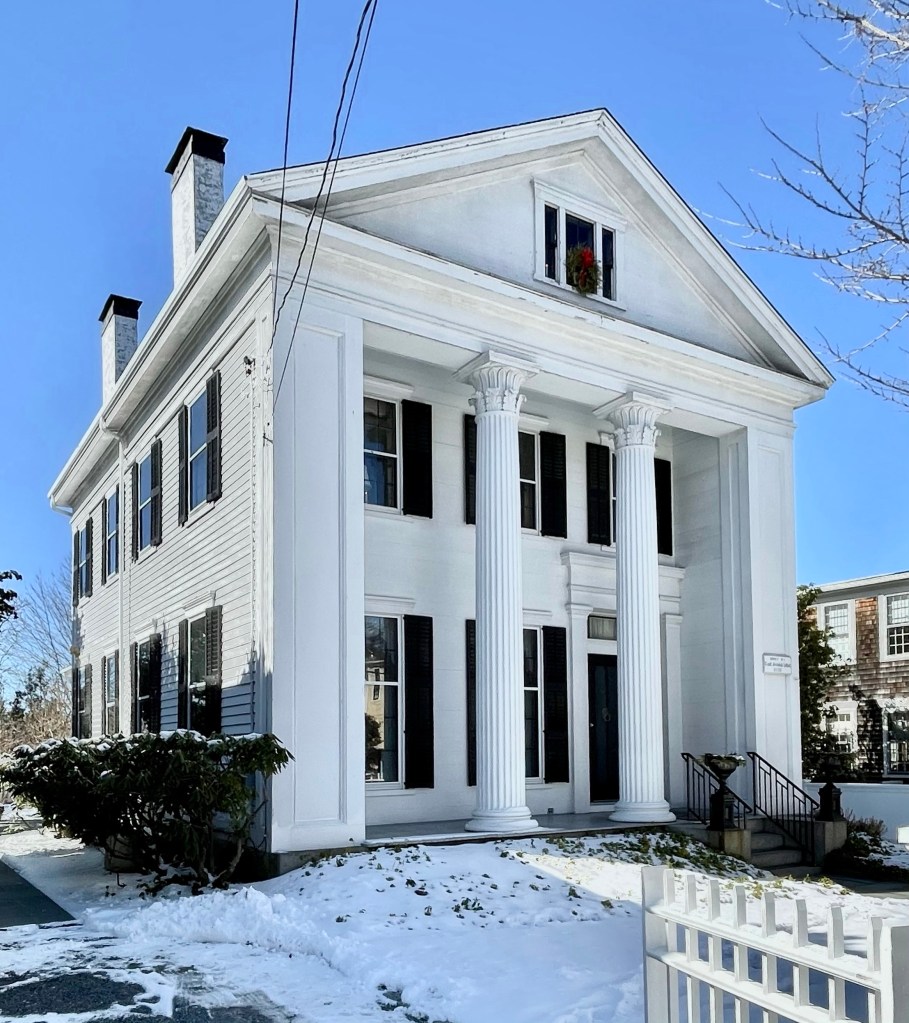
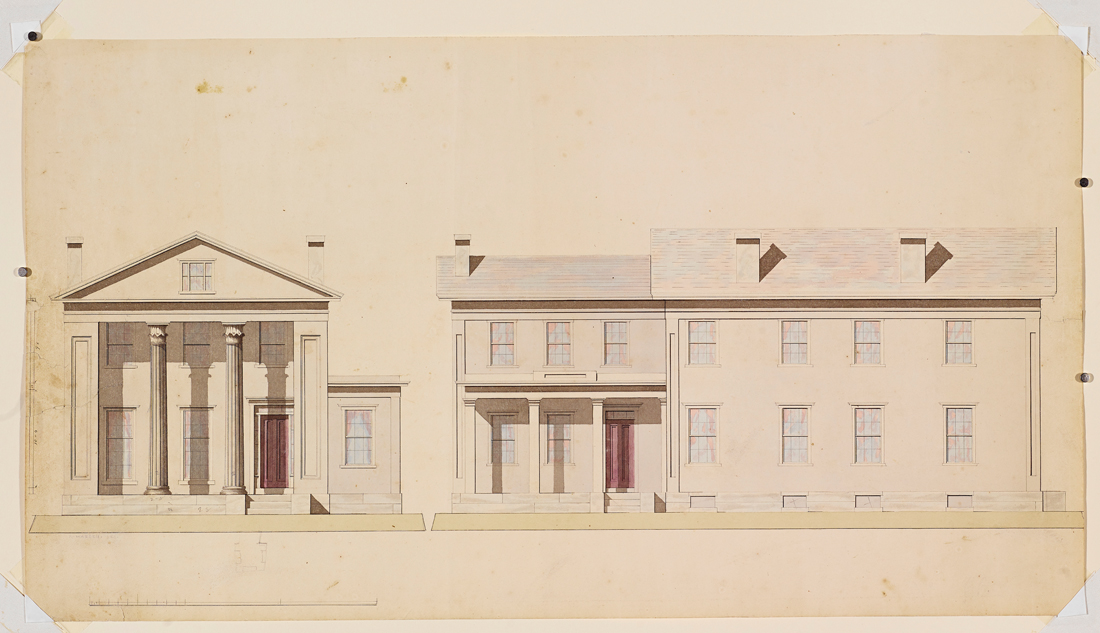
Anyone that has followed this account for a while knows at least one thing, I LOVE Greek temple-front homes. Designed by famed architect, and Bristol-native, Russell Warren, this 2-story, 3-bay, gable-roof Greek Revival house is one of the finest in the state. Its facade has a pair of fluted Corinthian columns, set in antis (where the side walls extend to the front of the porch). A simple side-hall entrance is framed by heavy Doric pilasters, supporting a broad, plain entablature, making this such a head-turning Greek Revival home. The walls are sheathed with horizontal flush boarding at the facade to give a smoother look and clapboards on the side and rear. The home was built for Josiah Talbot, a sea captain. The house is excellently preserved to this day, almost 200 years later.

Edwin Sherwood House // 1837

Located next to his son’s house, the Edwin Sherwood House in Southport, Connecticut is an excellent example of Greek Revival residential architecture in New England. The home was built in 1837 for Edwin Sherwood, a sea captain who traded between New York and Savannah with his two ships “America” and “Georgia”. From this wealth, he became President of the Southport Savings Bank and Director of the Danbury-Norwalk Railroad. The home was renovated in 2017 with a modern interior by Ken Gemes, an interior designer.