Manley-Lefevre House // c.1820

The last (but certainly not least) building in Dorset, Vermont I’ll be featuring is the Manley-Lefevre House aka. Marble House! This stunning Federal period home was built around 1820 by Martin Manley (1783-1856) on land originally owned by his father George. The house is constructed of ashlar marble that was quarried with hand tools from the lower quarry located approximately 200′ behind the site of the house with dressed marble finished in town and brought back for installation at the lintels, sills, and door surround. In 1907, Edwin Lefevre, Sr. (1871-1943) traveled by train from Bronxville, New York to Dorset at the suggestion of the artist Lorenzo Hatch, with the intention of locating a summer residence for his family. They purchased this home, which became known as “The Old Stone House” and hired Eugene J. Lang, a New York architect, to remodel the house, design a kitchen wing and remodel the barn into a garage (1909). While in Italy, Lefevre fell in love with the formal gardens there, and wanted something like this for his country estate. Upon his return, he retained garden designer Charles Downing Lay to design the gardens that surround the house. The country estate is now home to The Marble House Project, a multi-disciplinary artist residency program.

Kent-Isham House // c.1800

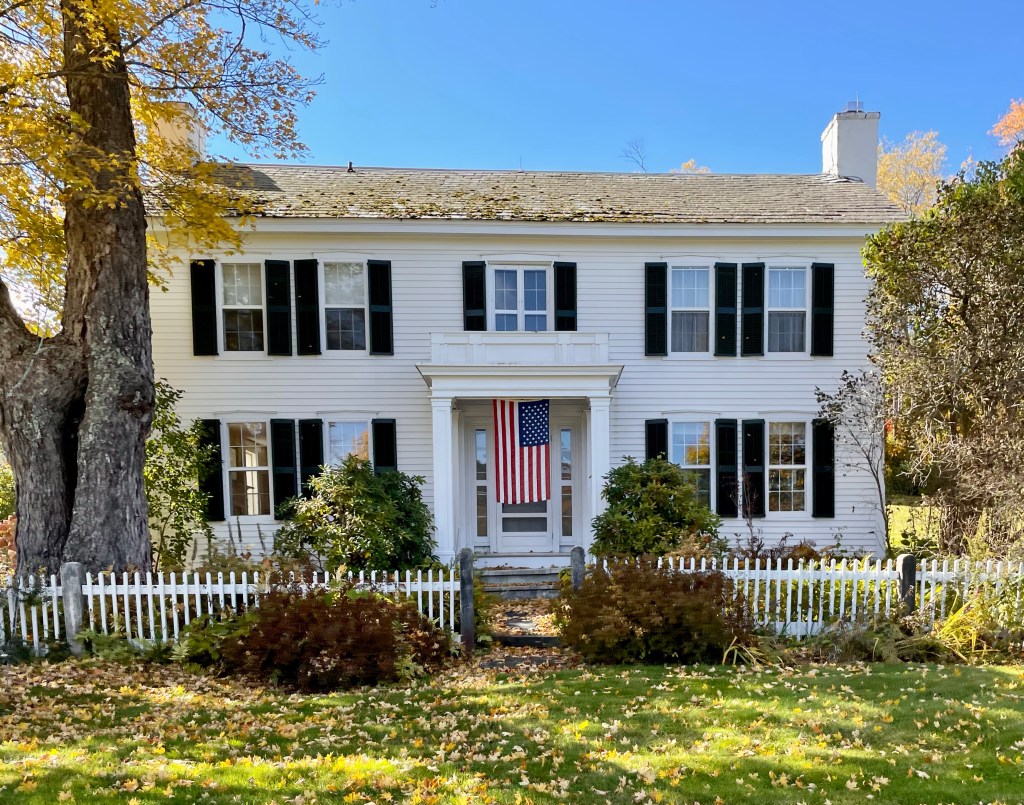
Located at the principal intersection in the Kent Hill area of Dorset, this home is the visual anchor for its surroundings. The property is a typical early 19th century Federal style house in Vermont, sheathed in clapboards, a central entrance, with a slate gabled roof and two exterior end chimneys. The house was probably remodeled not long before the Civil War, which would account for the classical entry porch, with square piers, entablature, and paneled parapet. Together with the peaked lintels, these are the only classical details on the exterior of the building. This was the home to Martin Kent (1769-1857), a son of Cephas Kent, an original settler to the area of the prominent Kent family of Suffield, Connecticut. Cephas built a house and tavern on the southwest corner of this home, which hosted four meeting of delegates from various southern Vermont towns in 1775 and 1776 to determine how to act together against New York claims to their lands, a catalyst to the establishment of the state of Vermont. Other owners of the Martin Kent House have included historian and novelist Zephine Humphrey, her artist husband Wallace Fahnestock, and Lincoln Isham, Abraham Lincoln’s great-grandson! Lot of history here!

The Dorset Inn // 1796

One of the oldest continually operating inns in America, the Dorset Inn remains a visual and historical anchor to the charming little village of Dorset, Vermont. The Federal period building was historically known as the Hodges Hotel before becoming The Washington Hotel in about 1858 (the porch was added at that time to make it resemble George Washington’s Mt. Vernon home). The name became the Dorset Inn in 1904. As constructed in 1796, the main block possessed a five-bay facade arranged symmetrically around a central entrance; an 1858 extension added two bays on the west, when it was modernized. Though the inn has seen changes and modernizations over time, the building has such a historic character that brings in people from all over the country to experience the best of Dorset every year.

Hodge-Weeks House // c.1790

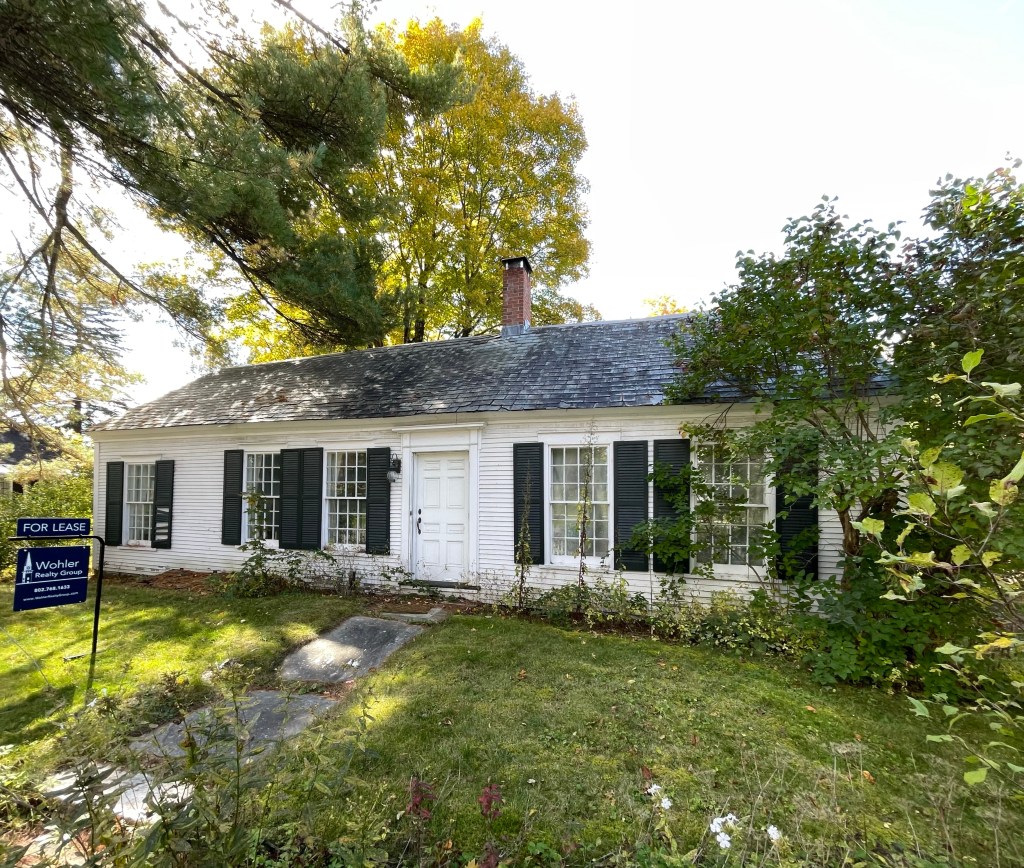
One of the oldest extant houses in Dorset, Vermont, this gorgeous Federal Cape house adds so much charm to the village. The house is possibly the homestead of James Abel Hodge (1756-1826) who settled in Dorset from Connecticut after serving in the Revolutionary War. Hodge settled in the town when it was but wilderness, opening up a store in the village and helping the infant township grow into a thriving marble manufactory. This house was later owned by stonecutter I. W. Dunton and after, by “Grandma” Annette Weeks (1841-1925). Like many Cape houses, it probably evolved, adding wings to the right and left as the family inside grew.

Dorset Village Library // c.1800

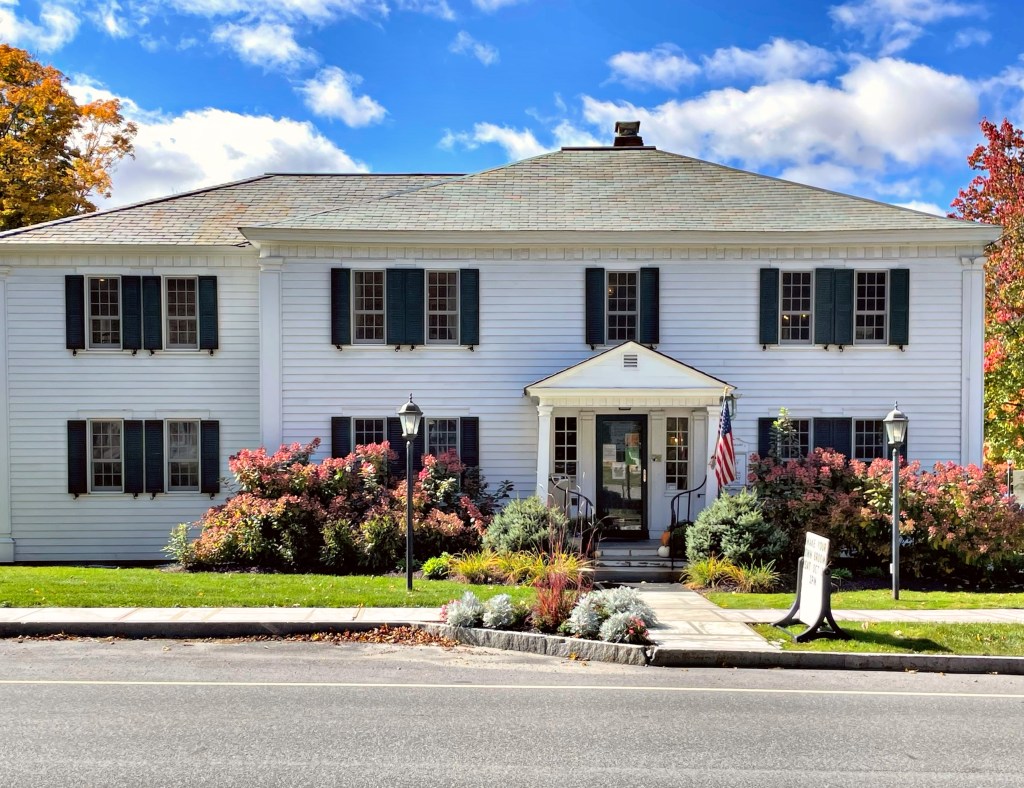
Dorset, Vermont is one of the most beautiful villages in New England and is often overlooked and rarely featured by “influencers” and blogs compared to nearby Manchester or Woodstock, which get all the love. This building in Dorset Village was built around 1800 and was constructed by John Gray, who kept a tavern here the early 19th century. The tavern was eventually sold out of the Gray family and was donated by Bernard G. Sykes to the Town of Dorset as the village’s library. It was originally known as the Sykes Memorial building so-named as a memorial to Bernard’s late parents, Lydia and Gilbert Sykes. The former tavern was renovated, giving it the Colonial Revival detailing and addition.

Adams House // c.1820

Welcome to Peru…Vermont. The town of Peru sits in Bennington County, adjacent to the previously featured town of Landgrove. Peru was chartered with the name Bromley in 1761 by Benning Wentworth, governor of the Province of New Hampshire as one of the land grant towns in the former hinterland of present-day Vermont. By 1804, the name of the town was changed to Peru. The new name was adopted to attract more people to the town by associating it with the South American province of Peru, which was considered to be a place of great wealth (wishful thinking). This house on the western edge of the village was built c.1820 and significantly modernized since then. The original log house here was built c.1804 by Joel Adams. The home was modernized to the present five-bay facade by the 1820s-30s and operated as a double-house for Joel and his son Joel Adams Jr. The property was also inhabited by Everett Adams, Joel’s grandson, who briefly served in the Civil War.

The River House // c.1820

Sitting on the banks of Utley Brook, which meanders through the Clarksville village in Landgrove, Vermont, you will find this gorgeous Cape home in a perfect yellow color (seemingly to blend in with the turning leaves every Fall). The home dates to the early 19th century, possibly earlier, and was owned by the Harlow Family, who operated a saw mill across the street. The house was listed for sale in 2019 and is absolutely stunning inside and out!

Russell House // c.1810

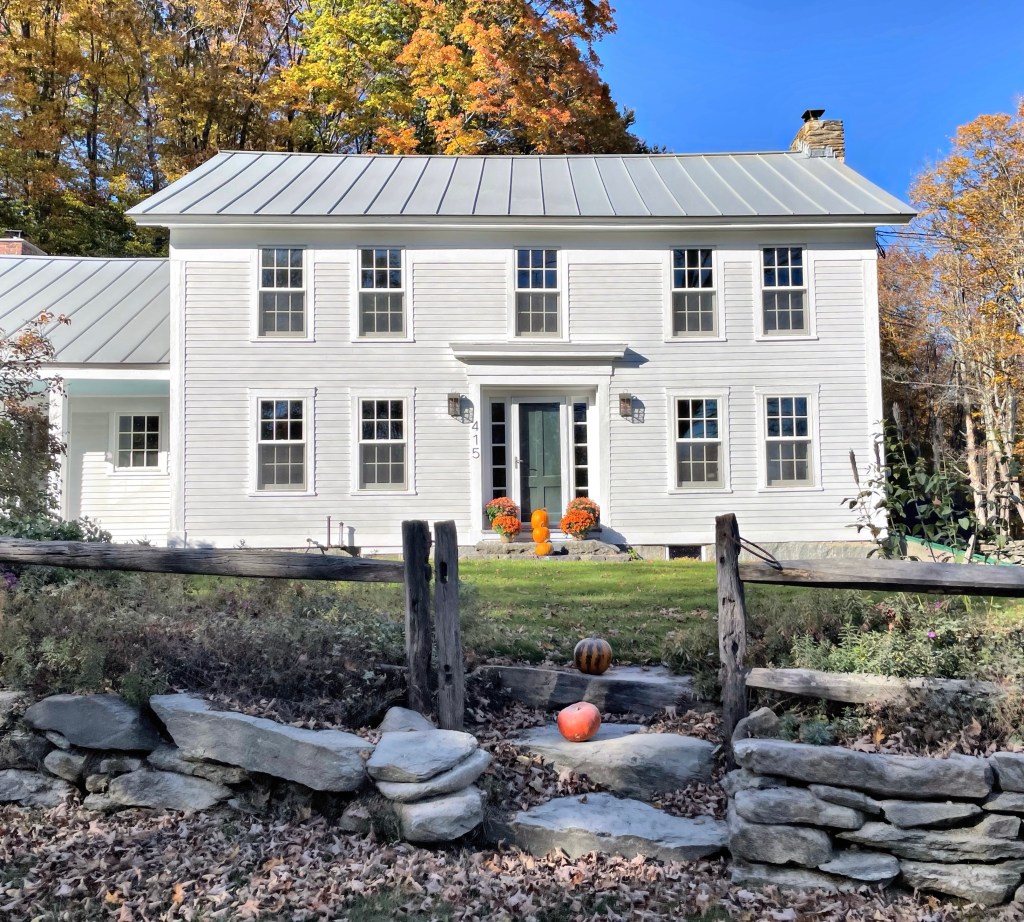
Landgrove, like many other rural towns of Vermont, has seen a lot of investment from out-of-state residents who pick up historic farm properties and renovate them. This is a great thing for many, as with investment comes tax-dollars and preservation of these historic buildings. On the other side, it prices out many who have grown up in these rural towns. Many villages and regions in Vermont have strict zoning which limits density, to maintain the character and charm of these back roads. Another Catch-22, as more housing (especially multi-family) means lower costs for limited available housing, but it can adversely impact what makes these rural towns so enchanting. Anyways, here is a beautifully restored Federal house!

Dale-Pease-Bigelow Homestead // c.1800

In the early years of the establishment of the settlement of Landgrove Vermont, Joshua Dale 1765-1845) moved to the newly incorporated town and built this large farmhouse on the south-facing slope of a mountain. With strong ties to nearby Weston, he tried to make a life in the new town of Landgrove, serving as a selectman, but he and his family moved back just four years later. The property was purchased by Obadiah Pease (1766-1830) who lived here with his wife Achsah and their seven children. The farm was eventually willed to their son Elihu, who did very well farming the property during his ownership (1830-1857). In 1842, he was the third-richest man in town at just 39 years old. From 1855 to 1857 he farmed only half the farm and a Shrewsbury man, Dexter R. Way, farmed the rest. At age 54, Elihu sold his farm to Dexter Way and left Landgrove to Wisconsin. After successive ownership, the farm was bought in 1933 by Nelson and Elizabeth Bigelow, for $1,500! The property included 200 acres of land, a dilapidated farmhouse and two decrepit barns. For the following seven years the land was gradually brought under control and the house restored, but the barns were unsalvageable. This homestead is a lasting example as to what a little faith and hard-work can accomplish, bringing what is seen as a tear-down up to one of the nicest homes in the area!

Hinckley-Crocker House // c.1827

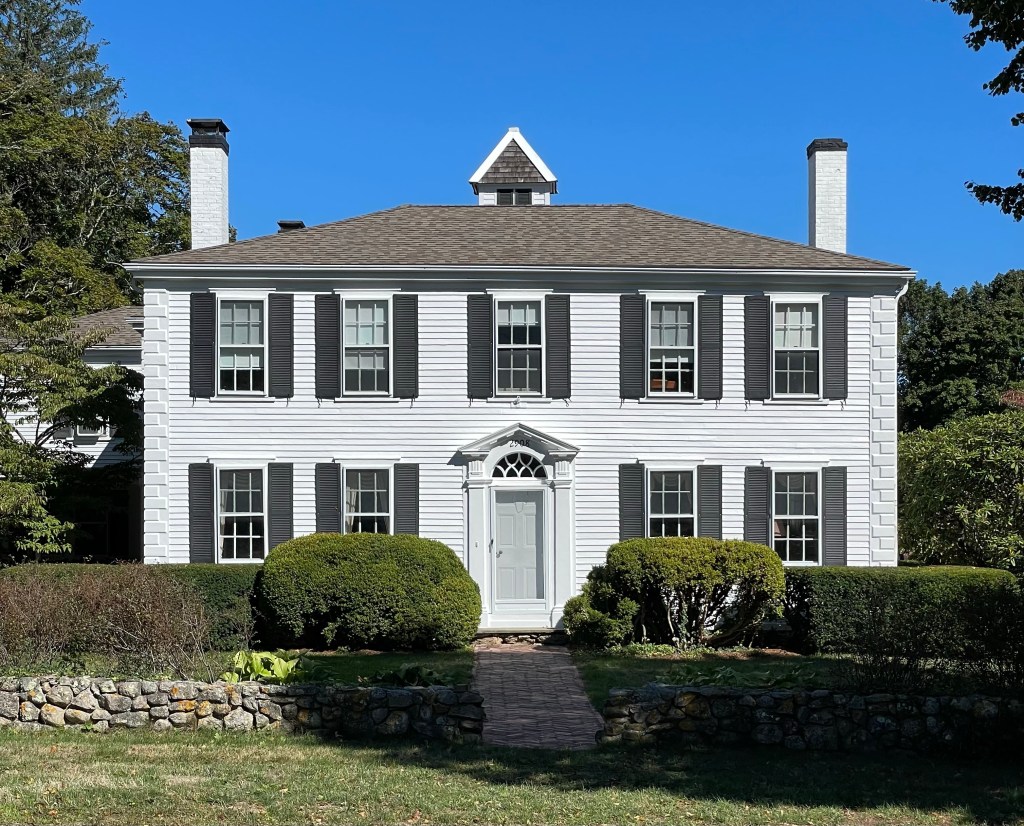
In 1827, Isaiah Hinckley (1786-1880), a boatbuilder, purchased a pre-Revolutionary home built by Dr. Abner Hersey on Main Street in Barnstable Village. Hinckley, being a skilled tradesman, completely re-designed the house, creating the stunning Federal style manse we see today. It is likely that Hinckley used an architectural pattern book, like one of the many by Asher Benjamin, which provided plans and drawings for carpenters and other tradesmen to be able to build stunning homes and churches all over the country. In 1861, this estate passed to Captain Elijah Crocker, a sea captain who commanded the ship Akbar.