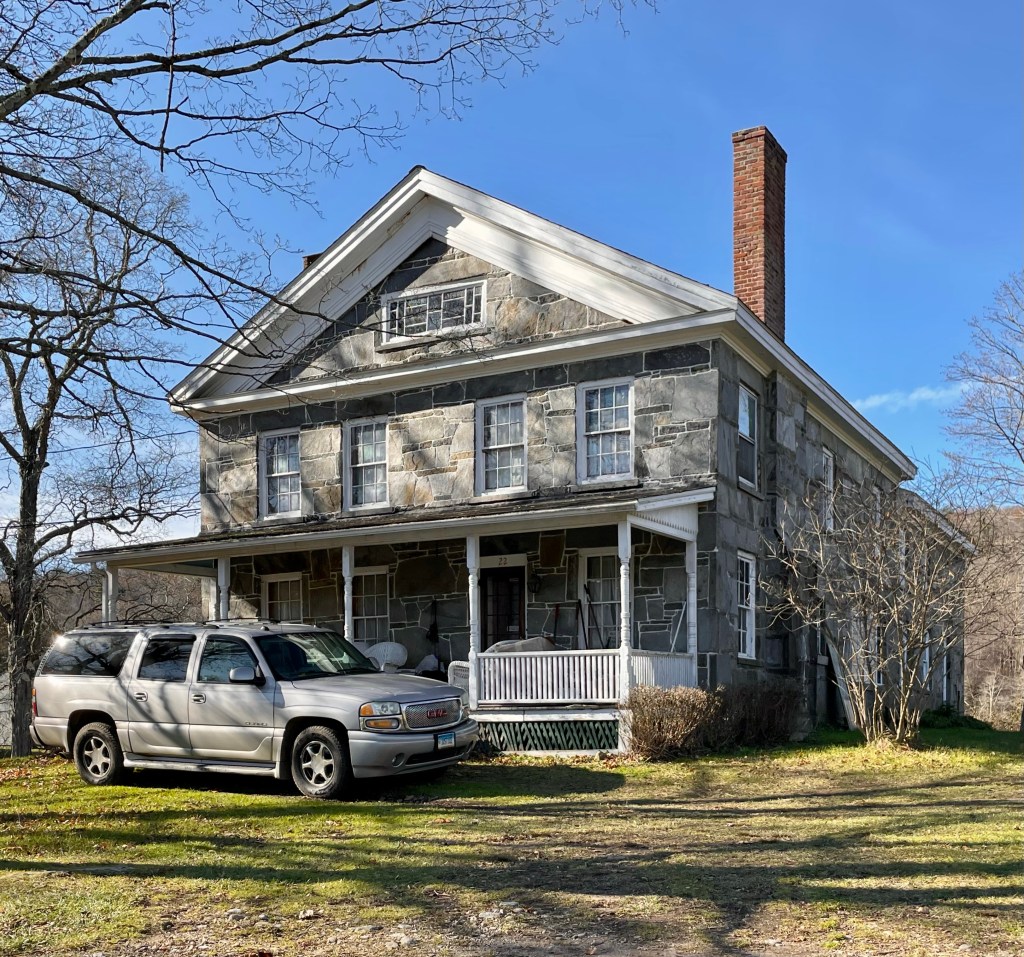
Known locally in Canton as the “Stone House,” the Barber-Perry House was built in 1843 by two brothers, Volney and Linus Barber, seemingly for their brother, Samuel. They used local stone for the construction, that was quarried to the north of the property. The house was bought by George W. Lamphier in 1866 and by Thomas M. Perry in 1944. Perry was a physicist working on gears for naval ordinance during the war. He worked in a shop on his property and soon started the T.M. Perry Company in 1955. The property here is still a working dairy farm, known as Perrys Dairy, and is reportedly the last working dairy farm in town!
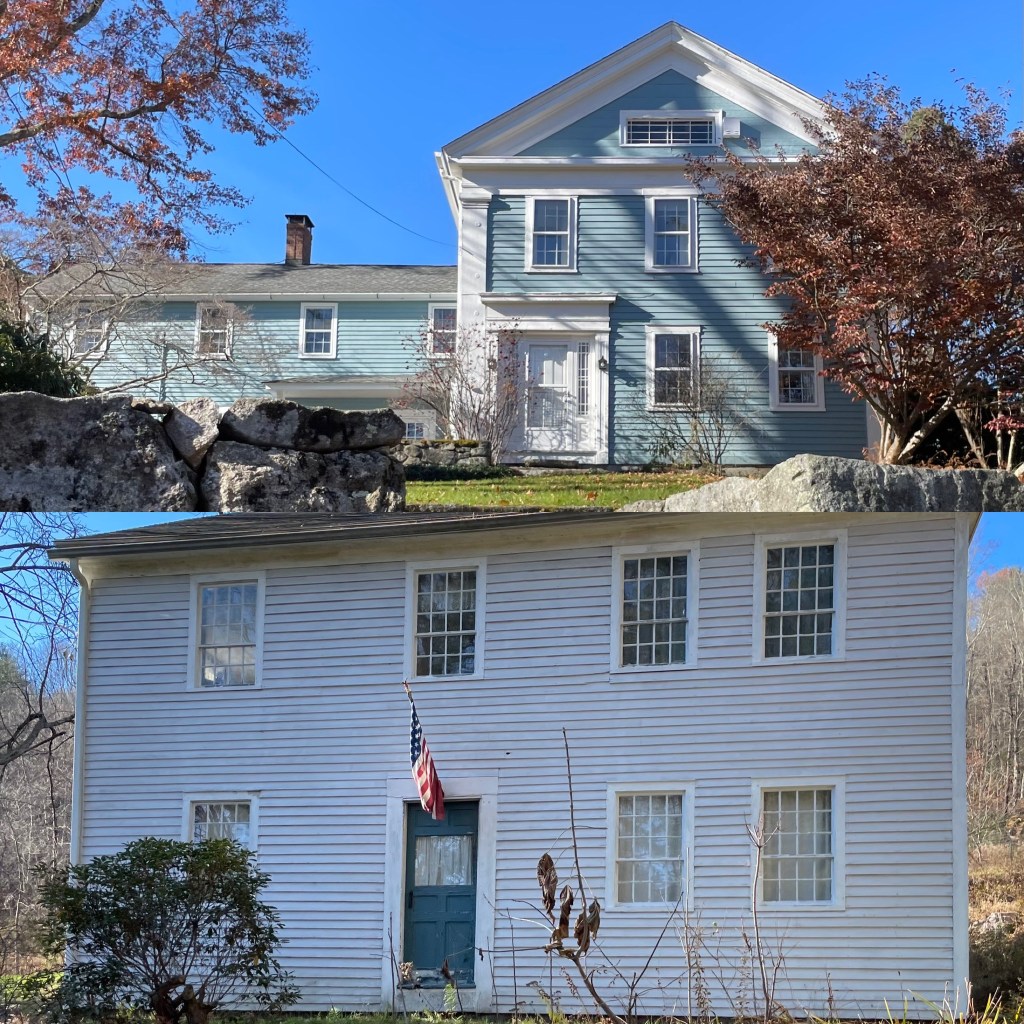
Alson and Sadosa Barbour (sometimes spelled Barber) grew up in North Canton, Connecticut and resided in these two homes, raising families and farming the land. The blue house was built in 1839 for Alson Barbour, who updated his earlier 1814 home which was gifted to him by his father as a wedding gift. The smaller home was outgrown by Alson, Hannah, and their 12 children (all living to adulthood) and he built this stately Greek Revival home on the quiet, meandering road. Not to be outdone by his brother, Sadosa too added onto his earlier home, also a wedding gift from his father. The 1803 house was enlarged in 1840 and given its present appearance, a modest Greek Revival home with a side-gable roof.
One of the nicest homes in Bangor, Maine, is the 1836 Thomas Hill House, a stunning Greek Revival home constructed of brick just outside downtown. The home was built for Thomas A. Hill (1783-1864), a lawyer and banker in town. He clearly made substantial money in his time in Bangor, because he hired architect Richard Upjohn, who was in town at the time overseeing designs for his first church St. John’s Episcopal Church (burned in 1911) and the Farrar Mansion. Thomas Hill suffered financial losses during the Panic of 1837 and the bank foreclosed on his properties. The bank allowed him to stay in the house and pay the insurance, heat and taxes until the home was sold by the bank to Samuel and Matilda Dale, who purchased the home in 1846. Mr. Dale came to Bangor in 1833 as a sail-maker. Eventually he would own grocery and ship chandlery businesses downtown before serving as Mayor of Bangor from 1863-1866 and again in 1871. The Sons of Union Veterans bought the house in 1942 and named it the Grand Army of the Republic Memorial. During 1952 the Bangor Historical Society was allowed to use the house, which was placed on the National Register of Historic Places in 1972. In 1974 the house was deeded to the Bangor Historical Society, who occupy the home to this day.
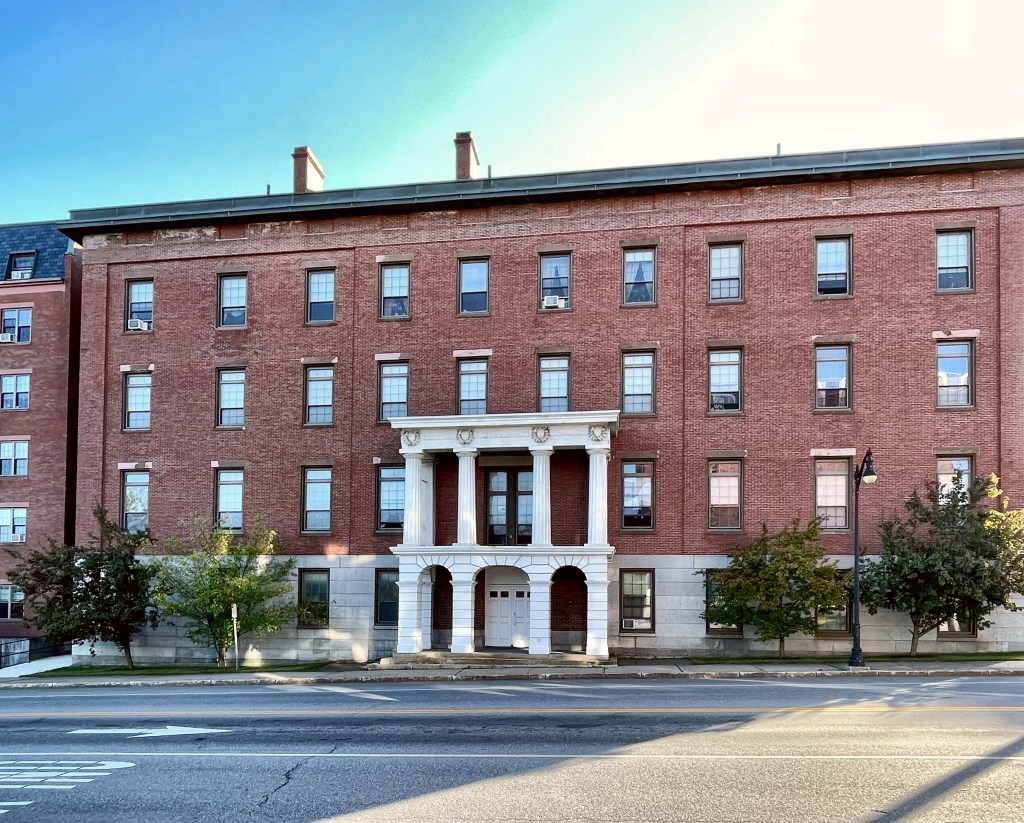
In the first couple decades of the 1800s, Bangor, Maine, became the capital of the timberlands of the state, as thousands of acres of untouched forests were sold for lumber harvesting and shipping to other developing parts of the region. The massive cedar trees were shipped by rail and boat to cities like Boston, which lacked such large lumber. At the time, a group of wealthy lumbermen in Bangor wanted a hotel which would impress investors and visitors to the frontier town. Inspired by The Tremont House in Boston, an 1829 hotel that was then regarded as one of the pinnacles of luxury accommodation. The investors hired architect Isaiah Rogers, the same architect who designed the Tremont House years earlier, to design the Bangor House. The two hotels are strikingly similar in design. The hotel expanded numerous times over the decades, until the 20th century, when the town’s prosperity began to falter. Many of the additions have since been torn down as part of the building’s conversion to apartments, replaced by modern residential wings which are much lesser quality of design and construction. Thankfully, the historic core of Bangor House remains very well preserved and as it did nearly 200 years ago!
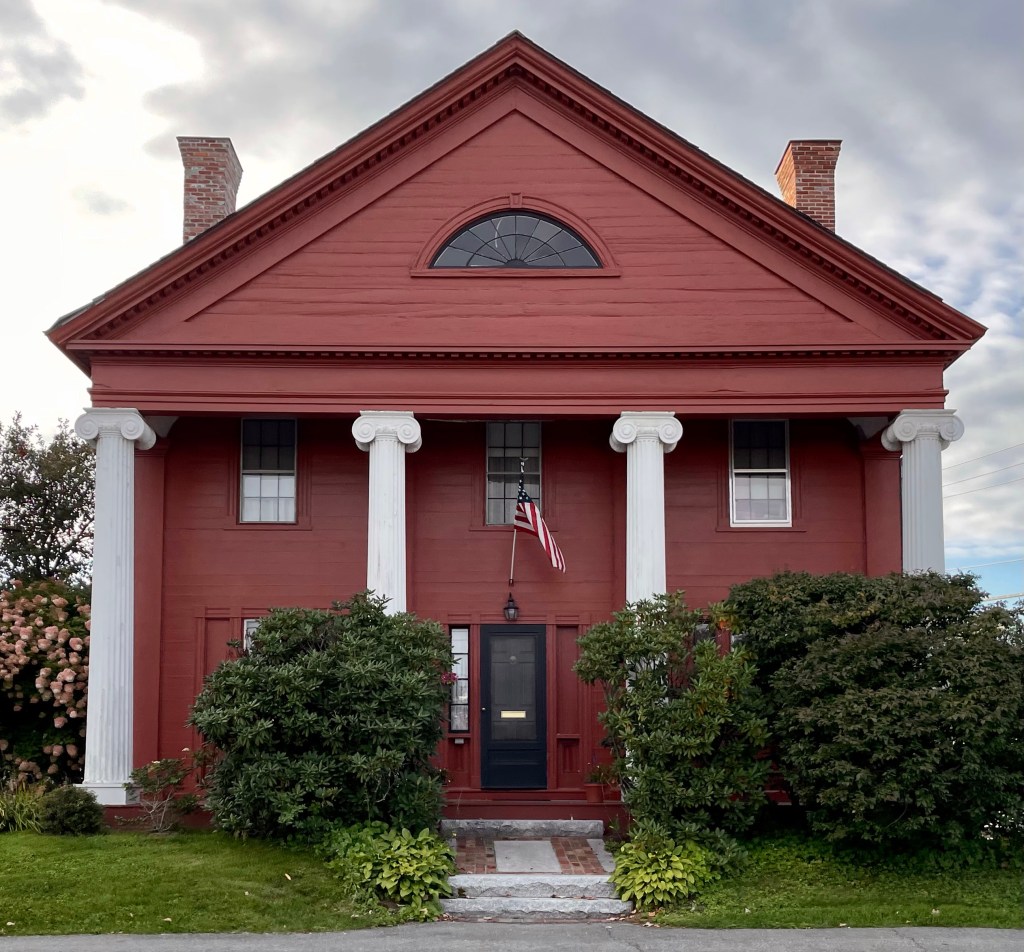
The Zebulon Smith House in Bangor is one of the earliest temple-front Greek Revival homes built in the state of Maine. The house was constructed in 1832 for Zebulon Smith, a businessman who moved to the Maine frontier in the early 19th century, likely to get involved with a lumberyard as this section of the state shipped timber all over the region. The substantial home was built just south of downtown Bangor, and has survived fire and urban renewal. It sits alone in a sea of parking lots and industrial buildings in what was once likely a lovely neighborhood.
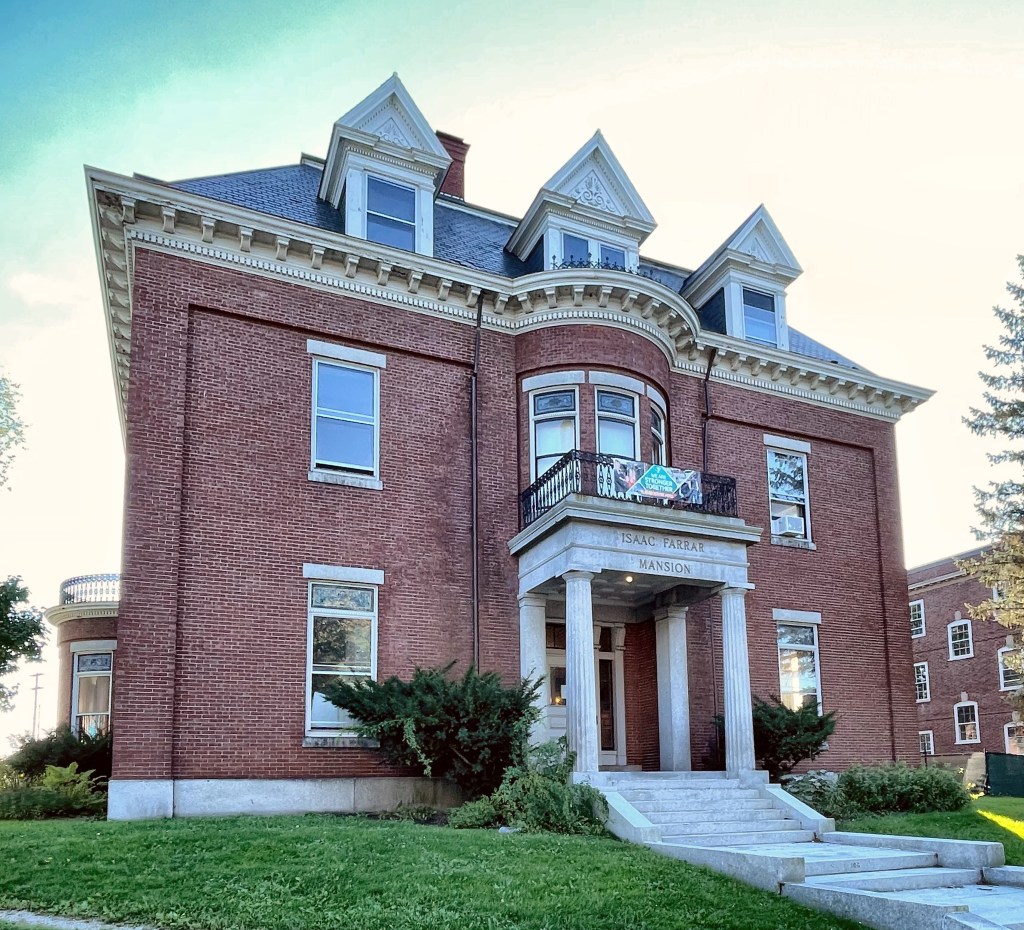
The Isaac Farrar Mansion in Bangor, Maine not only looks gorgeous, it is significant as the one of the first known works of architect, Richard Upjohn. It is important because it shows that English-born Upjohn, who is best-known for launching the popularity of the Gothic Revival style in the United States, began his career by building in the Greek Revival style, the traditional style of the time. This mansion was designed for Isaac Farrar, a lumberman and merchant, and later, President of the Maritime Bank of Bangor. Charles B. Sanford, who lived in the house from 1865-1878, was proprietor of the Sanford Steamship Lines. The home had a few more subsequent owners until 1911, when it was acquired by the University of Maine Law School, which used it as a residency until 1929. It was soon after purchased the Bangor Symphony Orchestra, who renamed it “Symphony House”, and operated the Northern Conservatory of Music on the premises, also hosting the music branch of the Bangor Public Library. In 1972 the school closed, and the symphony sold the building the following year to the local YMCA, which now uses it as an exhibit and reception space. While some aspects of the house look to be from the early 20th century, it retains much of the Greek Revival design by Upjohn. Talk about a full history!
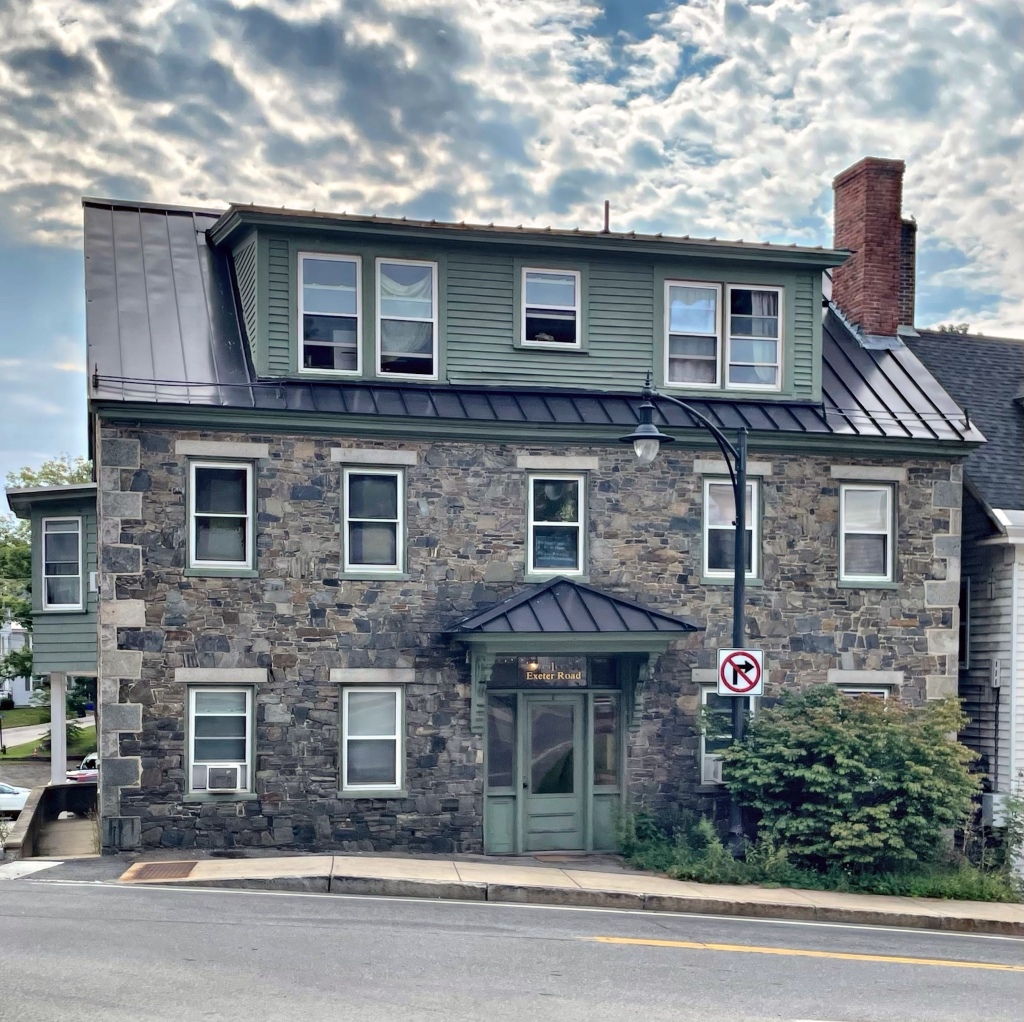
Benjamin Mathes built this stone home around 1835 for his family, of the same stone he used to build a storeacross the street. The Federal/Greek Revival building has amazing granite quoins (stone blocks at the corners) and lintels (blocks above the windows). Even though there are later alterations, including the bracketed door hood and massive central dormer at the roof, the home remains one of the most visually stunning buildings in town.
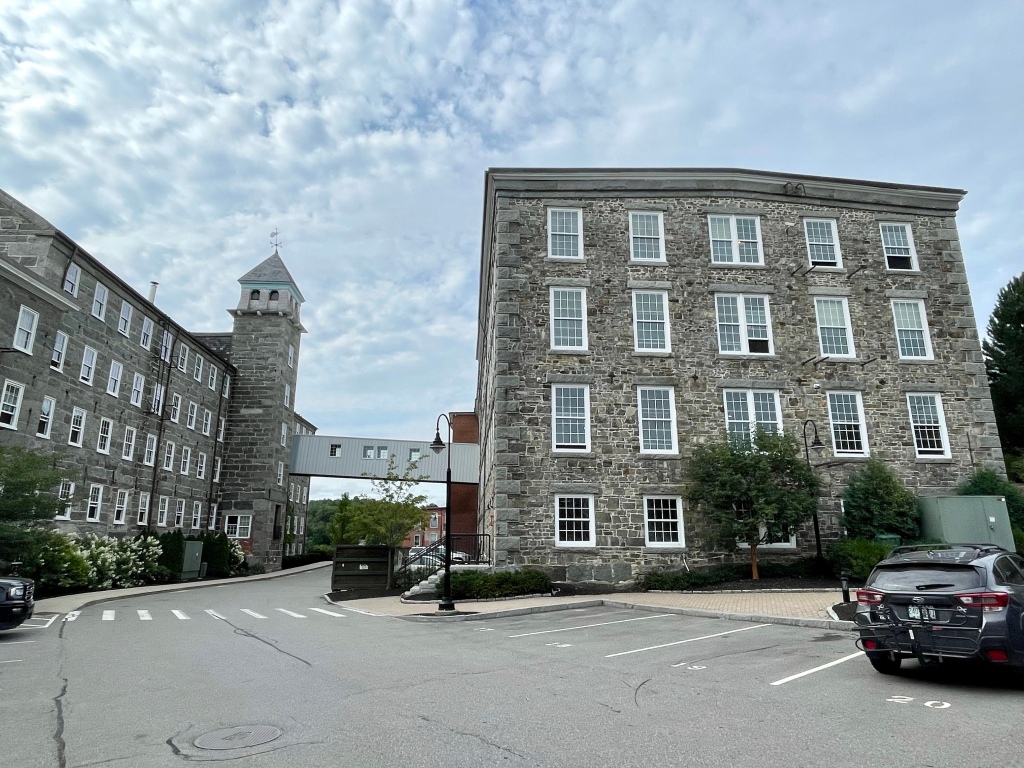
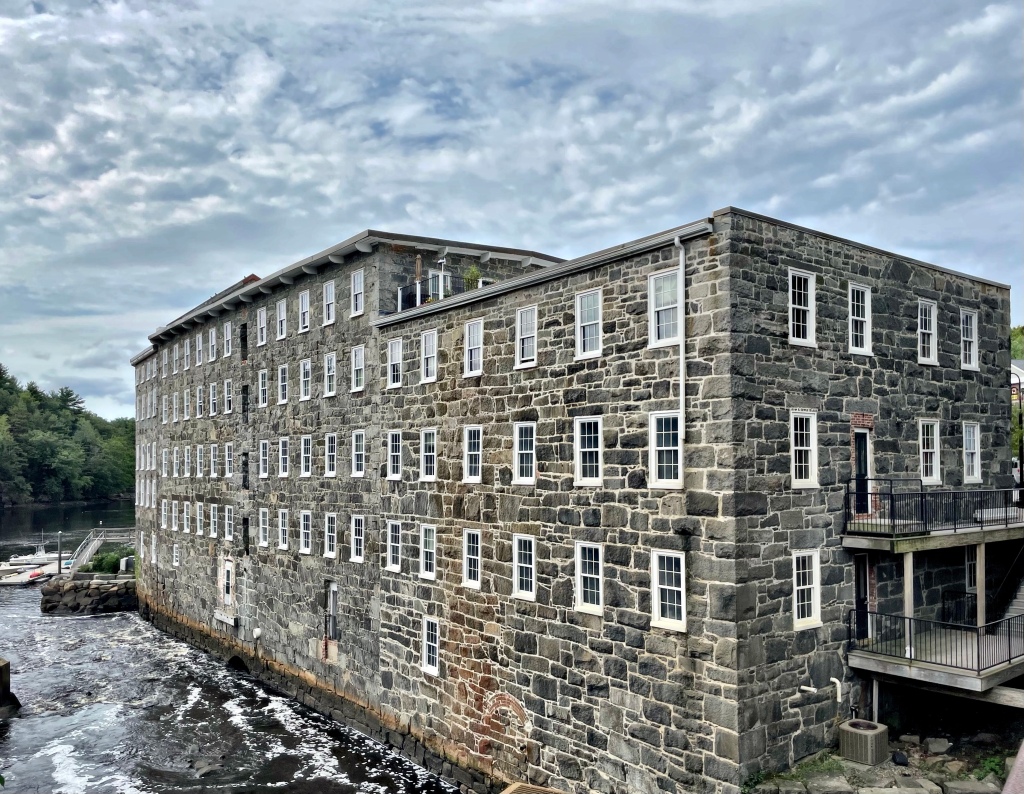
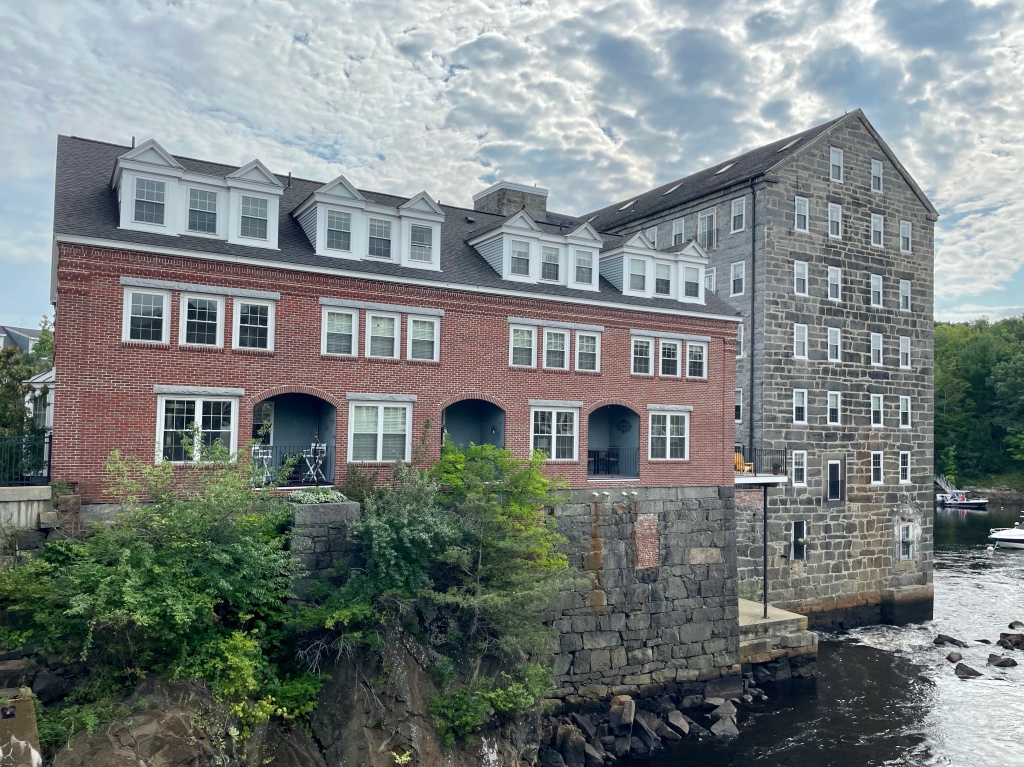
In 1823, the Newmarket Manufacturing Company built its first mill along the Lamprey River, dominating the waterfront and the economy of Newmarket, New Hampshire. Harnessing water power at the base of the falls, the cotton textile manufacturing community grew to include seven textile mills, with factory buildings, a machine shop, office, storage buildings, and corporate boarding houses; totaling some 140 buildings in all. During its peak production, 700 employees made up to 300,000 yards of cotton products each week, and 2.7 million yards of silk cloth each year. The mills operated continuously at this site until 1929 when a dispute between mill owners and workers erupted leading to their closure. Between 2010 and 2012, eight large mill buildings within the Newmarket Manufacturing Company property underwent a conversion to mixed use, including residential, retail, and office units, thanks to Historic Preservation Tax Credits, and many professionals who worked together with the vision to see such a large project through. Today, the complex is a excellent case-study on the power of adaptive reuse and historic preservation.
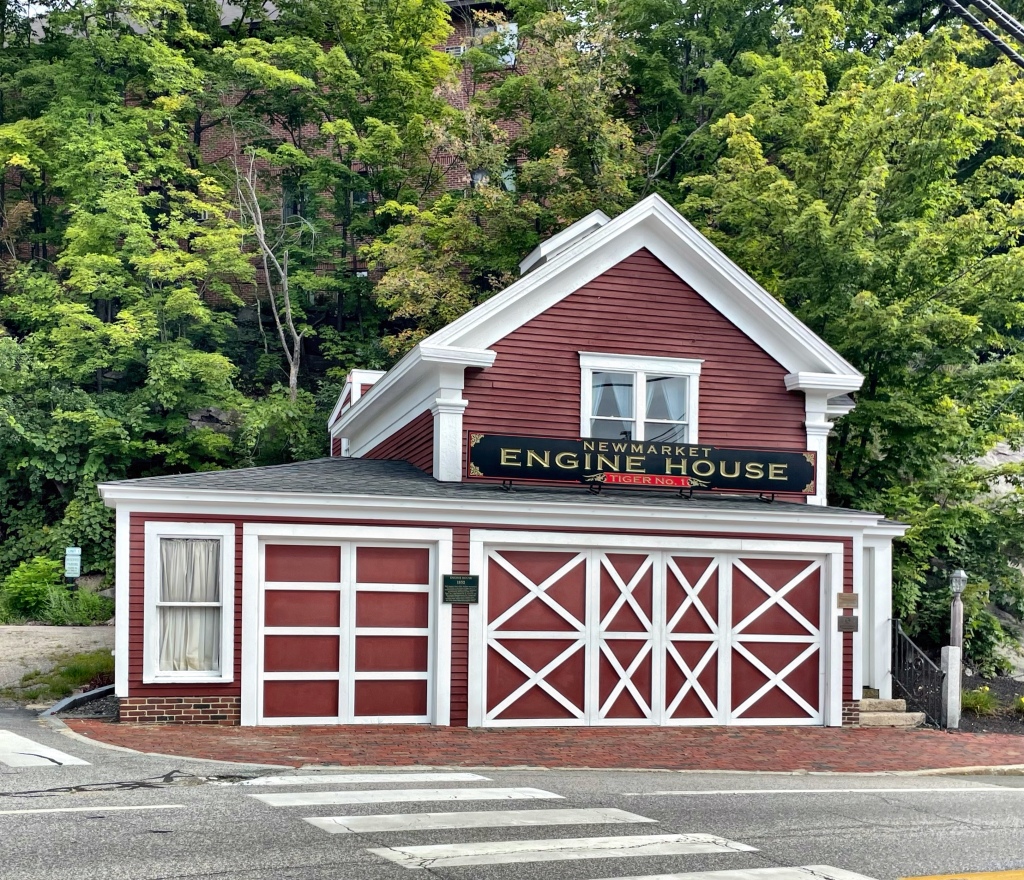
In 1852, the Newmarket Manufacturing Company, who operated a massive mill complex along the Lamprey River in Newmarket, realized the need of adequate fire service to protect their investments and goods. They leased land on Main Street to the town and funded a new fire station, providing engines as well that could be pulled by horse to fires in town. The old station is a surviving landmark in town and retains much of its architectural integrity.
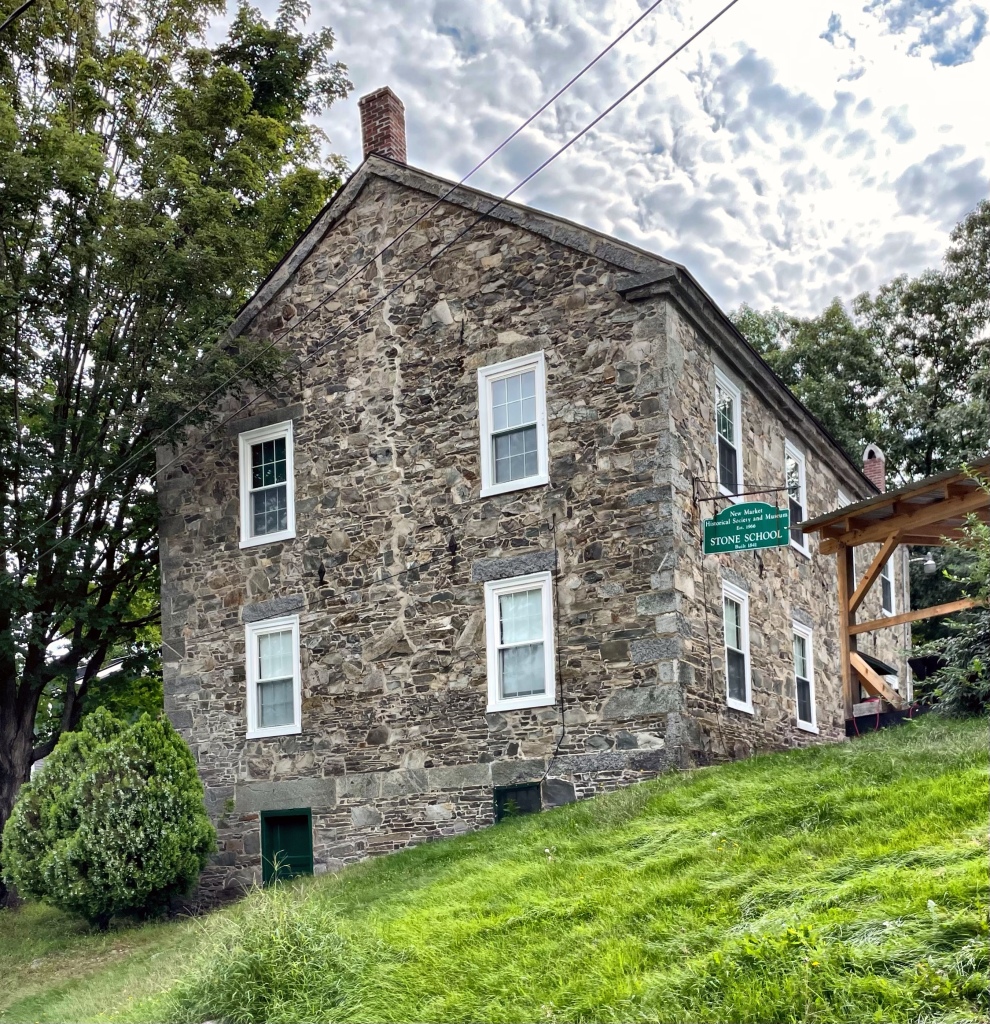
Perched high on a hill, next to the Stone Church (featured previously), the old Stone School in Newmarket is one of a handful of iconic stone buildings in the town. Built in 1841, its stonework executed by William and Robert Channel, local farmers and stonemasons, who likely got their skill from building stone walls on farms. The building was used continuously as a school until 1966, when it was given to the Newmarket Historical Society, which now operates it as a local history museum.

 Buildings of New England