St. Patrick’s Church, Newport // 1882

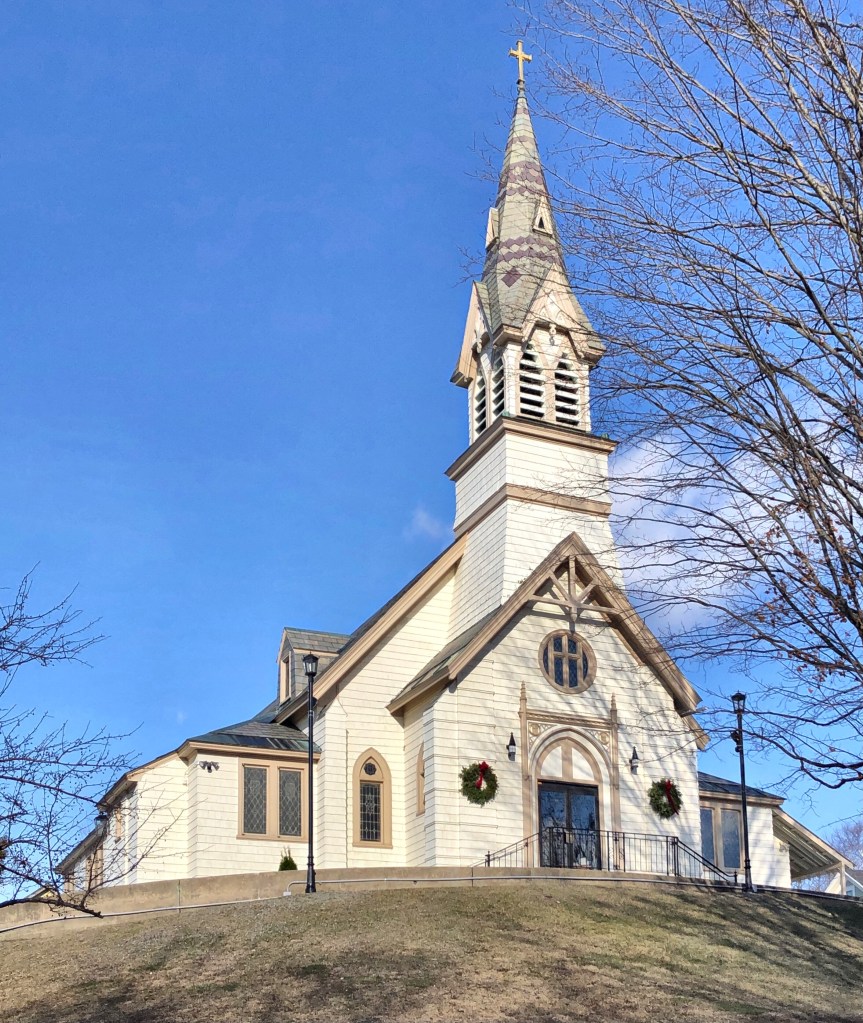
Perched high on a hill in central Newport, NH, St. Patrick’s Church has served the community in its stunning building for nearly 150 years. The town of Newport began seeing Irish immigrants moving into town looking for work at the mills as early as 1835. The large working-class population created a need for a Catholic church in the growing town. That same year, the Catholic population of the state of New Hampshire was listed at just 720 people. Over the following decades of meeting in homes and small buildings around town, the Catholic population in town, along with the newly established Archdiocese of Manchester, NH, came up with funds for a church in the mill town of Newport. The congregation hired Hira Ransom Beckwith, a carpenter, builder and architect from nearby Claremont to design and construct the new place of worship. Interestingly, Beckwith had only a high school education, so his training as an architect and builder was through apprenticeships. The church is a blend of Gothic Revival and Stick styles, with the lancet windows and tracery paired with the elaborate stick-work in the gable.
Parmelee House // c.1879

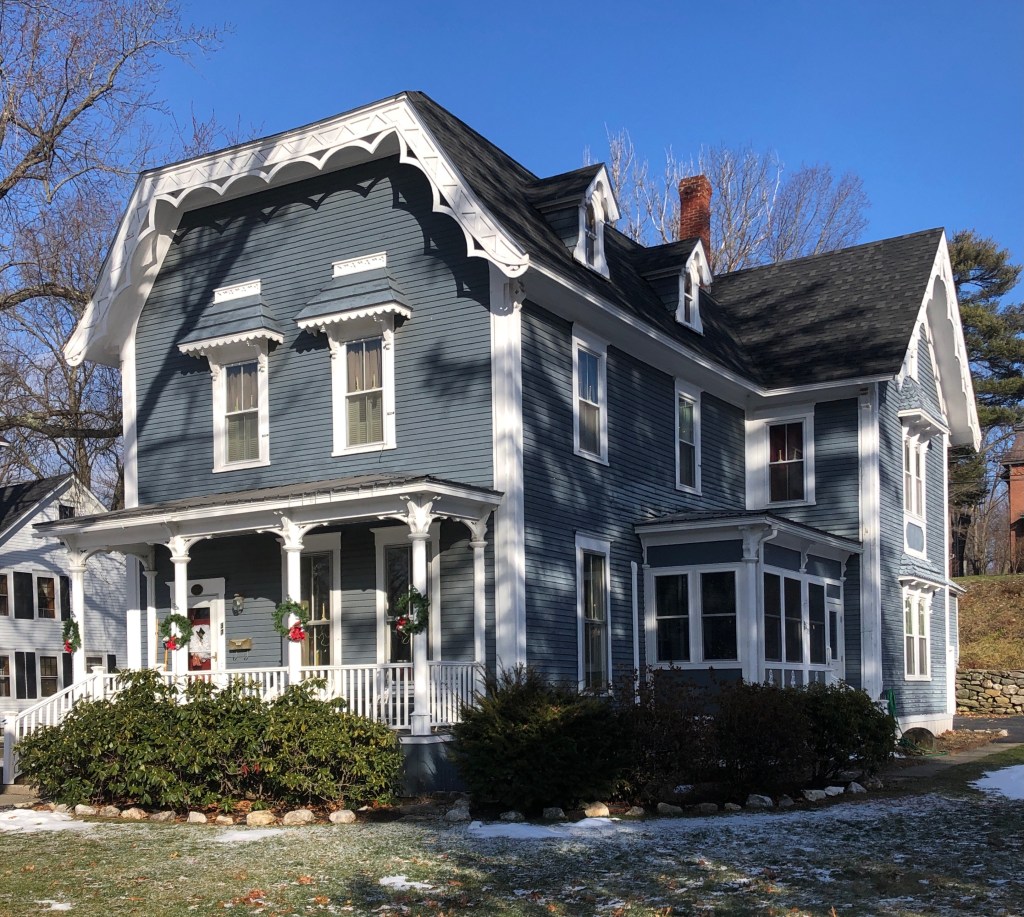
Located on the east side of the Town Common in Newport, NH, the Parmelee house stands out as a unique vernacular Stick style home. The home was built for Joseph Warren Parmelee (1818-1892), the grandson of original settlers of town, Captain Ezra Parmelee and Sybil Hill. He began his adult life as a merchant in Newport, before moving south to Charlestown, South Carolina in 1847. Joseph was forced back north at the beginning of the Civil War, and he lived in New York City until he finally relocated back to his hometown in 1879, which is likely when he built this home for his family. Upon returning, he became active in town affairs, and also pursued interests in history and poetry, creating a book of poems from his home. The Parmelee house retains much of its original detailing from the decorative bargeboards at the gable ends, large eyebrow window hoods at the second floor, and the interesting trapezoidal roof, possibly a vernacular nod to a mansard roof.

Tanglewood // c.1865

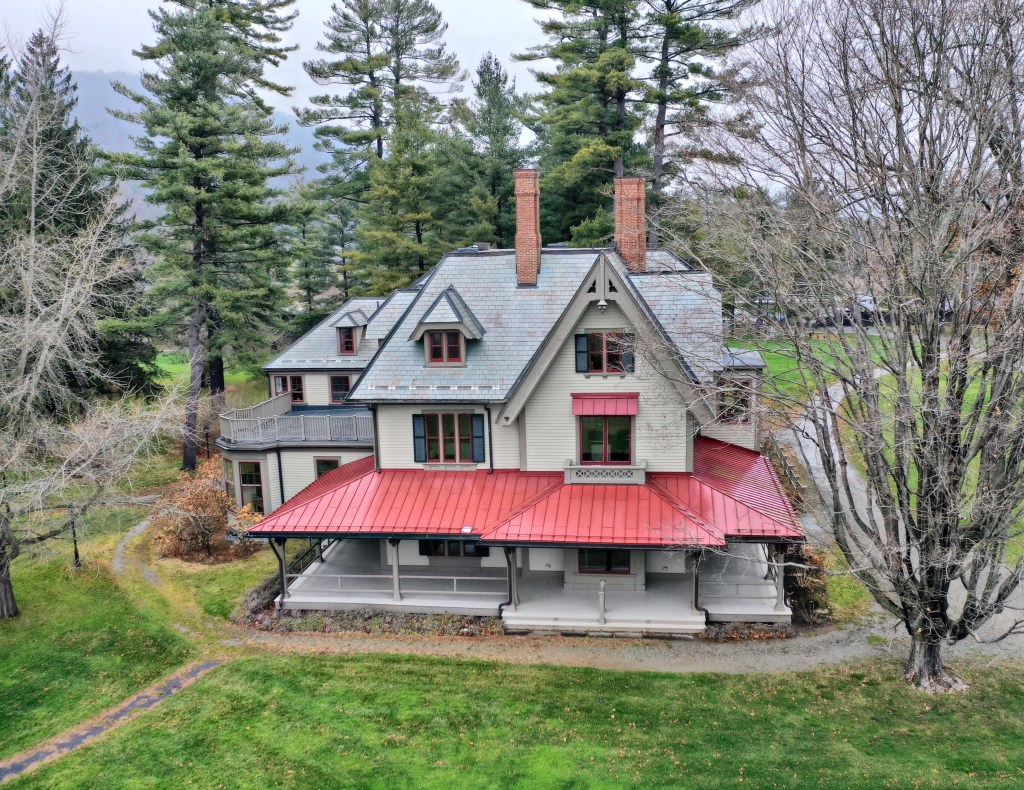
The 200-acre campus of Tanglewood, where the Boston Symphony Orchestra spends its summer months, spreads the grounds of two historic summer cottages in the charming town of Stockbridge, MA. One of the summer “cottages” Tanglewood, where the music center gets its name, was constructed around 1865 for Caroline Sturgis Tappan, husband William Aspinwall Tappan and their two daughters, Ellen Sturgis Tappan and Mary Aspinwall Tappan. Mary, with her niece Rosamund Hepburn, donated the family summer home, Tanglewood in 1937 to Serge Koussevitzky, a Russian-born conductor, composer and music director of the Boston Symphony Orchestra from 1924 to 1949. The campus has since grown astronomically as it hosts musicians and tourists from all over the region and globally to experience the arts in the charming town in the Berkshires. The Tanglewood house retains much of its historic architecture and siting, overlooking the Stockbridge Bowl (lake).

Children’s Chimes Tower // 1878

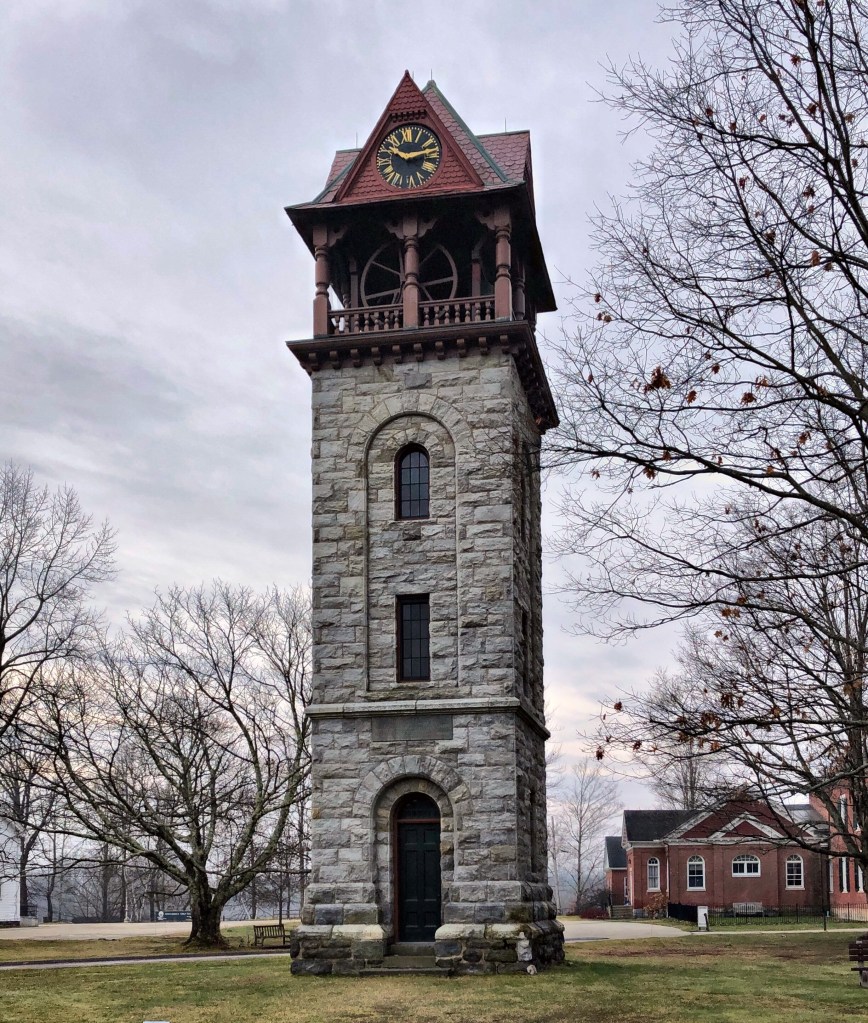
Located in front of the old Town Hall and Congregational Church in Stockbridge, this tall carillon (bell tower), was gifted to the town by David Dudley Field, Jr. in memory of his grandchildren. His one condition was the chimes were to be rung everyday at 5:30 p.m. between, “apple blossom time and the first frost on the pumpkin”. The tower has a stone base and wooden belfry surmounted by a pyramidal roof with clocks on all four sides. The tower remains a gift, not only to the memory of his grandchildren, but to passersby who are lucky enough to hear the bells toll.

John Hoyt Perry House // c.1875

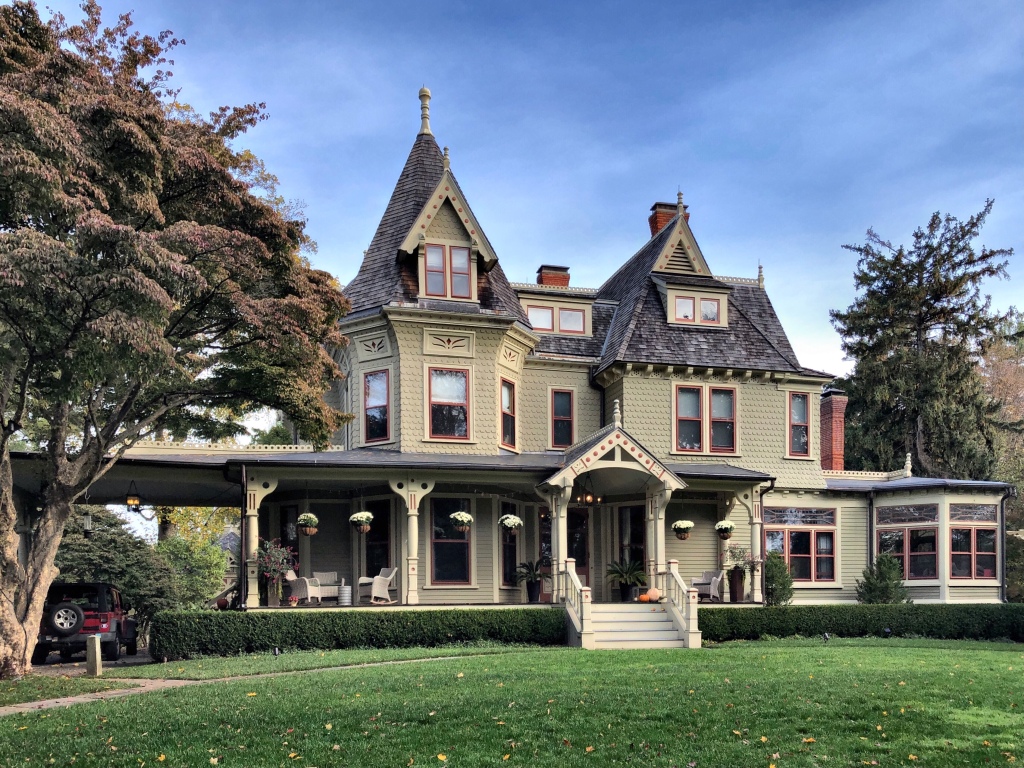
John Hoyt Perry was born in Southport in 1848, and graduated at Yale in 1870. He received his professional education at Columbia Law School and was admitted to the bar in Bridgeport, CT in 1872. He had an active law career in Connecticut, later working as a judge. He served Southport in the House of Representatives throughout much of the end of the 19th century. In 1913 he was elected to the Connecticut Senate and served as the minority leader. He served as counsel for the United States in arbitration proceedings with Chile in 1902, and as counsel for the town of Fairfield. This home in Southport was constructed for him, likely around 1875 after he accepted his position as a head attorney at a major firm nearby. The home can be classified as a blending of Stick style and Queen Anne Victorian design with the asymmetrical form, tower, large porch with projecting porte-cochere, shingle siding, and bargeboards.

Simon Sherwood House // 1884

The Simon C. Sherwood house, built in 1884, is a fine late nineteenth-century eclectic Victorian home, somewhat unique to the Southport area of Fairfield, CT, which is dominated by early-mid 19th century styles. Simon Couch Sherwood was the son of Edwin Sherwood, a wealthy shipping merchant who made a fortune from trade between New York and Savannah. The Queen Anne-Eastlake style home was added onto with a larger porch, obscuring an original oriel window on the side elevation. Sadly, the home has a safe, yet inappropriate pale yellow body color with white trim, which does not showcase the intricacies of the Victorian era home.

Southport Railroad Stations // 1884 & 1895

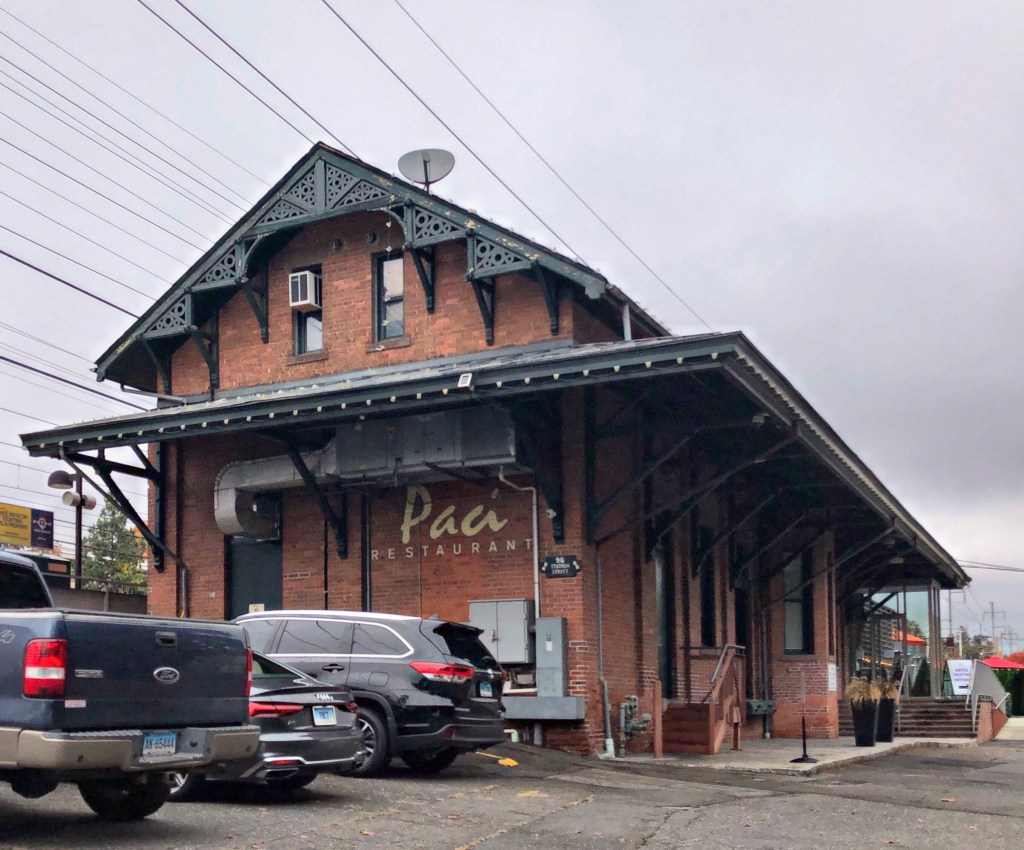
The Southport railroad stations in Fairfield, Connecticut, are reminders of the important role of railroad passenger service in the historical development of the town which continues to this day. In Southport, there are two stations, an east-bound and west-bound, one on either side of the tracks. The older east-bound station was built in 1884 to replace a depot destroyed by fire. It is typical of the substantial brick stations built at small-town stops throughout the state in the period. The use of brick was likely to prevent fire destroying yet another station. The stations were commonly large enough to accommodate spacious waiting rooms, ticket counters, offices, restrooms, and a baggage area. The brick station was converted to a restaurant, with a modern addition by Roger Ferris + Partners completed by 2017.

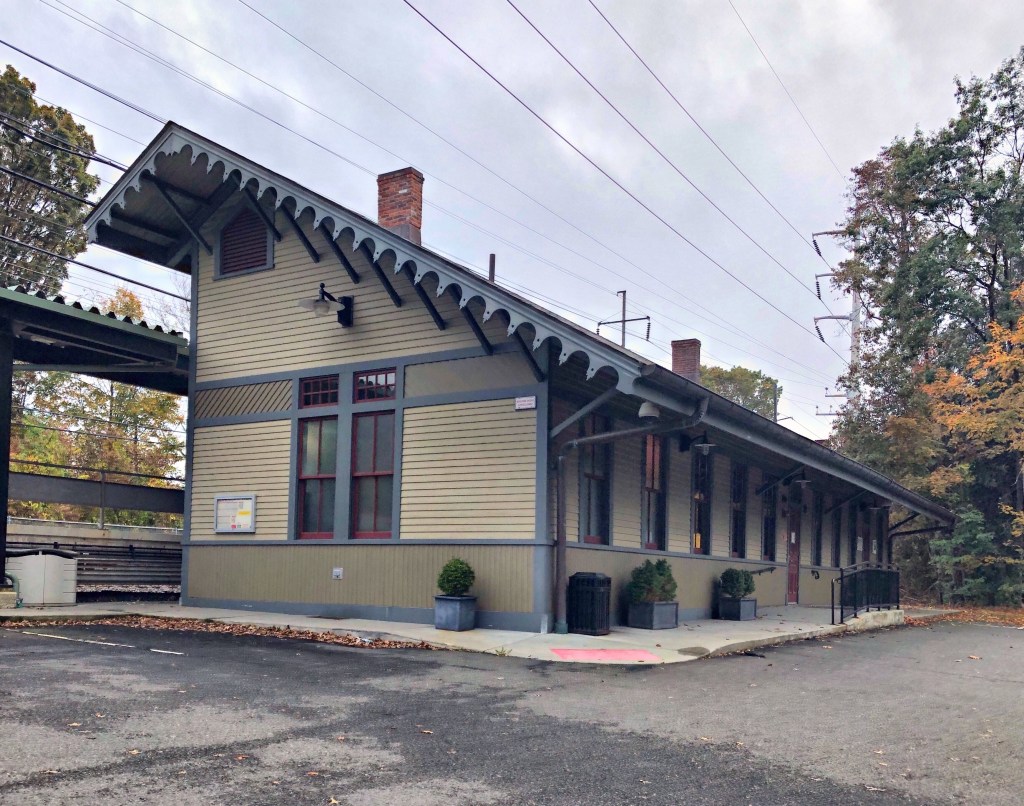
The wooden west-bound station was built around 1895 as part of a massive rebuilding of the New York, New Haven and Hartford Railroad’s main line. At this time, the railroad adopted a single design-concept for all the stations, reverting to wood construction, and limited the stylistic details. The Southport station has an interesting design however; with its saltbox-like roofline, bargeboards, and stick detailing. Imagine all the people and stories that passed through these buildings. Parents saying goodbye to children going off to college or war, businessmen and women commuting to and from work, or people like me who took it to Manhattan!

Mapleton Hall // 1883

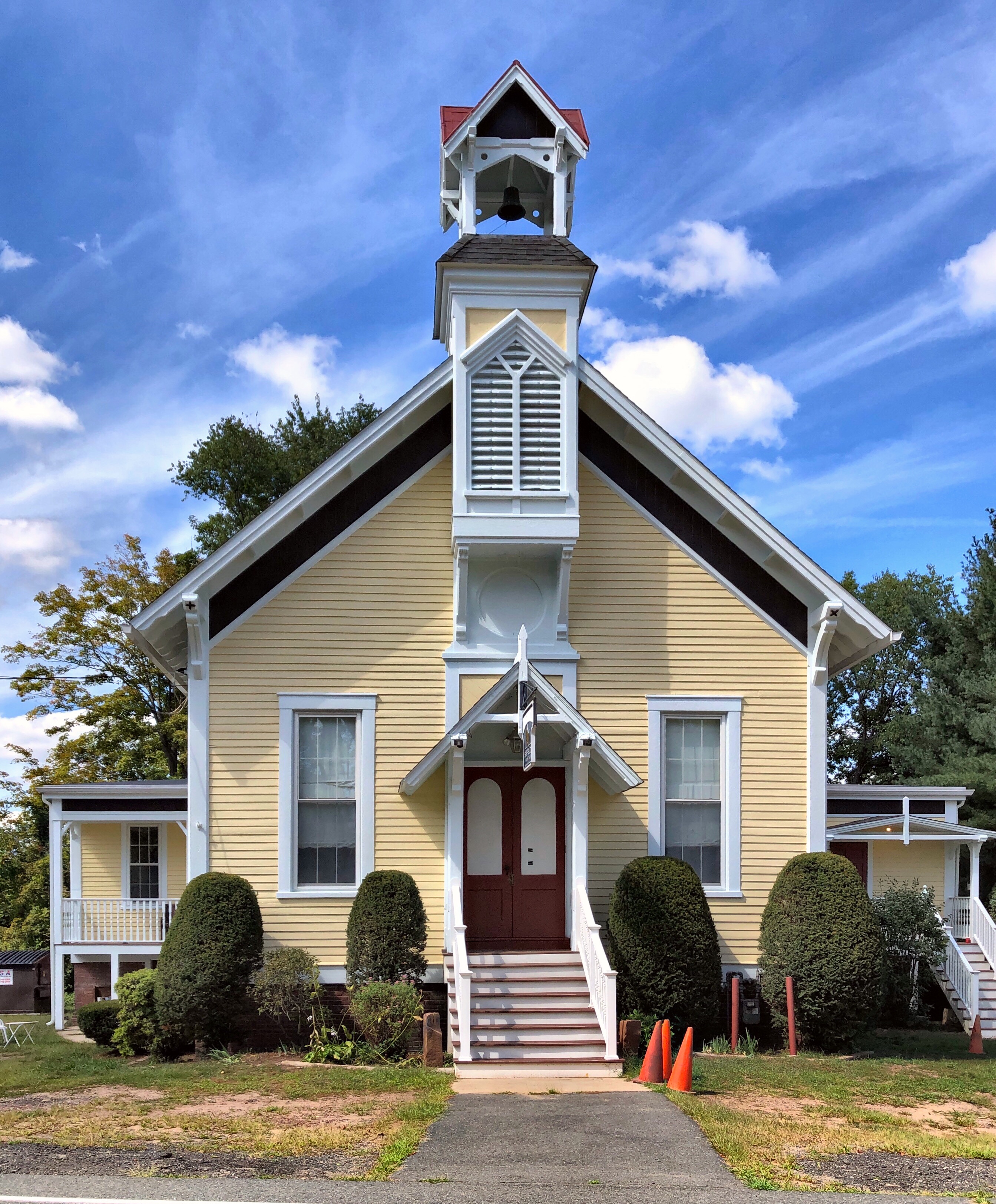
This meeting hall in Suffield, CT was built in 1883 on Crooked Lane, named Central Hall. When Crooked Lane was renamed Mapleton Ave, the hall was so renamed to reflect this name change, to Mapleton Hall. Starting in 1885, the hall was home to the local grange, a fraternal organization that encouraged families to band together to promote the economic and political well-being of the community and agriculture. With Suffield’s active agricultural uses (primarily in tobacco crops), this grange was quickly funded and built. For nearly 100 years the building saw use as a fraternal center, with dwindling membership after WWII, when the agricultural character of town began to make way for suburban growth. The building was sold to the Mapleton Hall Asssociation, in 1978, who began restoration of the structure which began to decay from deferred maintenance. The building is now owned by The Suffield Players, a non-profit community theater company.

Whitman House // 1881

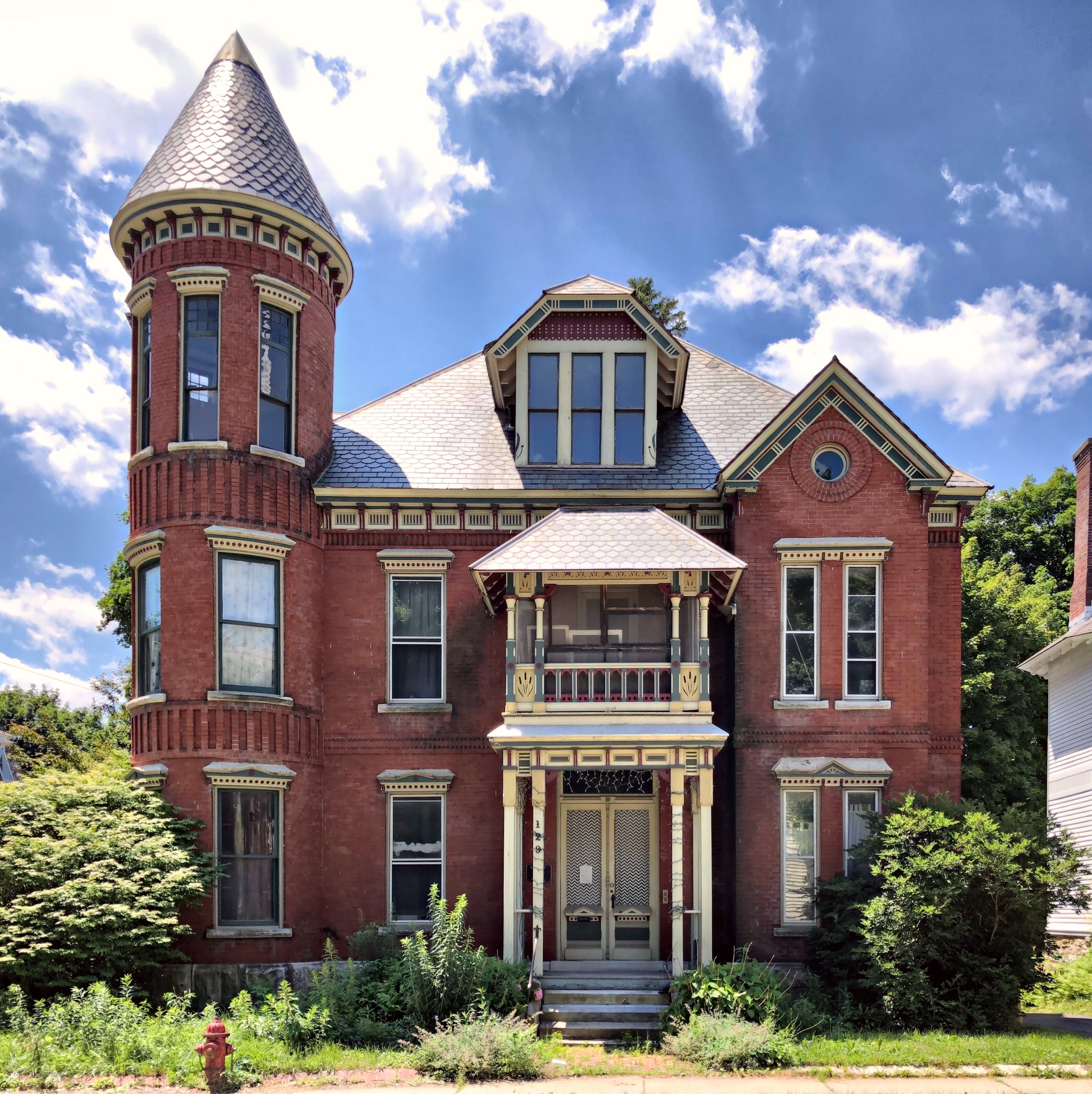
Built in 1881 for William Henry Whitman, this stunning Victorian house remains one of the better-preserved in the town of North Adams. William Whitman was a successful shoe manufacturer in town that lived modestly until his late 40s when he had this home built. The brick home is trimmed with freestone and features a very prominent three-story corner tower with conical roof. The house is a blending of the Stick and Queen Anne styles, under the umbrella of the ‘Victorian’ classification.

Walker House // 1882

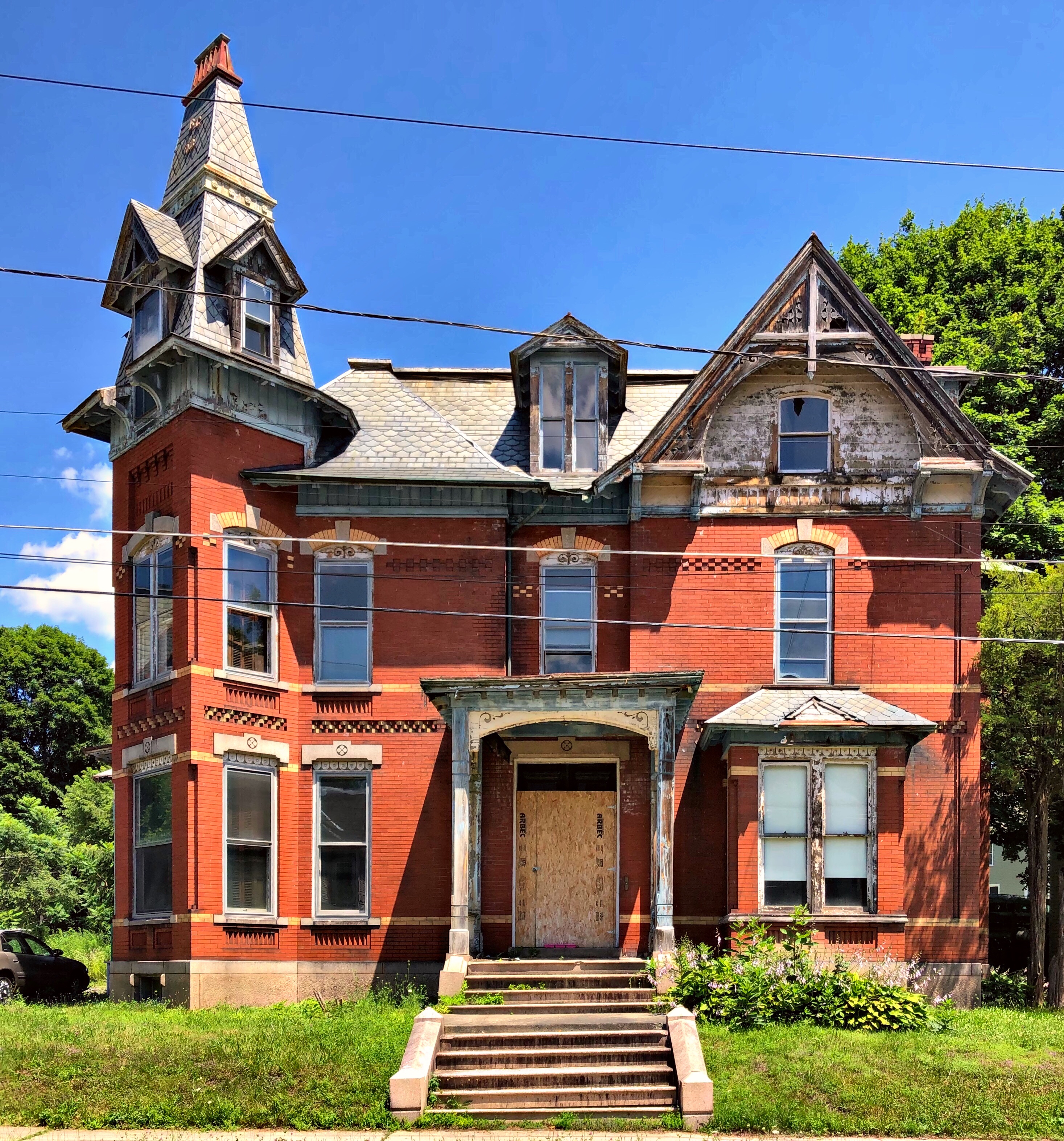
This house was built in 1882 for Frank Walker, a merchant who owned a feed and grain store in Downtown North Adams, Massachusetts. The Stick and Queen Anne style home was designed by architect Marcus F. Cummings, who also designed the Blackinton Mansion. The brick and freestone home was converted to multi-family sometime in the mid-20th-century due to the changing demographics of the town. Since then, the home has seen weathering and deferred maintenance, but retains much of its original detailing and character.