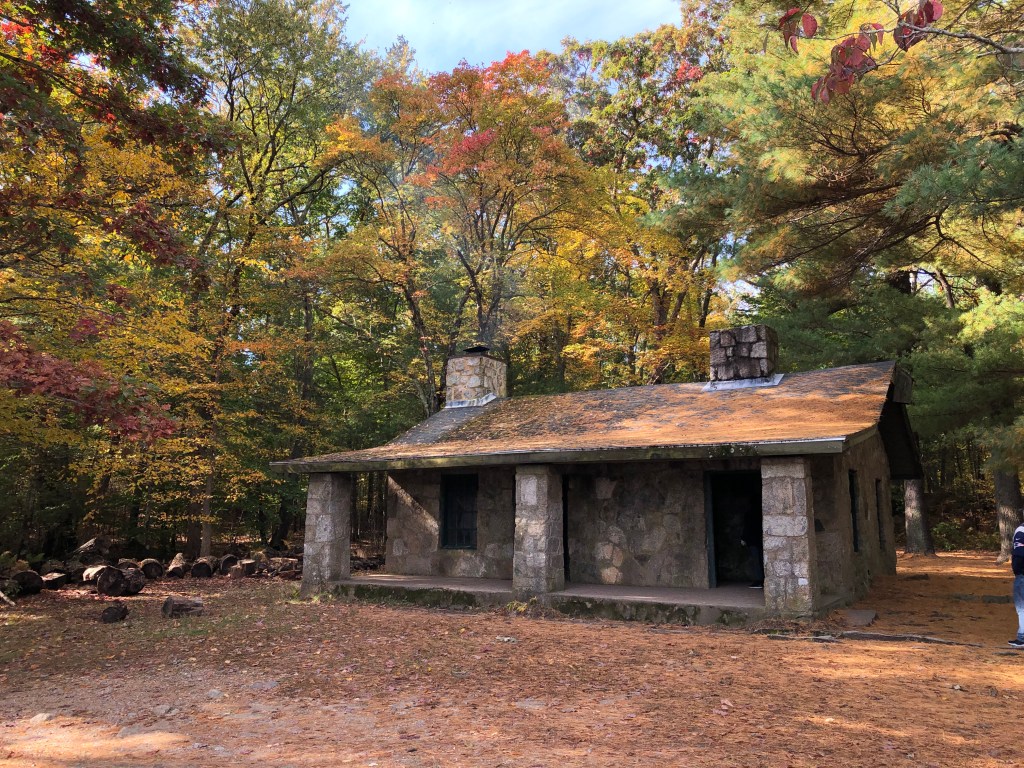
Oakes Ames Shooting Lodge // c.1905

Located near the banks of Leach Pond in Borderlands State Park, this handsome stone structure set the style for one of the most iconic and beautiful buildings in Easton, the Ames Mansion. The one-story concrete and stone structure was designed and constructed under the supervision of Blanche Ames, and may have been a prototype for the construction technique used in the Ames Mansion, built just years later. Blanche was an amazing woman. She was an artist, political activist, inventor, writer, and prominent supporter of women’s suffrage and birth control. In 1900, she married Harvard University botany professor Oakes Ames (no relation). She took the married name Blanche Ames Ames. She illustrated her husband’s botanical research on orchids, and later got involved in designing the family’s country retreat. Originally designed as a warming hut during hunting season, this lodge was originally minimally designed with exposed stone walls. In the 1930s, the lodge was renovated to contain a living space, a kitchen, and a bedroom. When the Commonwealth of Massachusetts acquired the Ames Estate in the 1970s for a state park, the Lodge was restored to its original condition. The hunting lodge is open to the elements and the public, who can warm themselves in one of the two six-foot fireplaces.
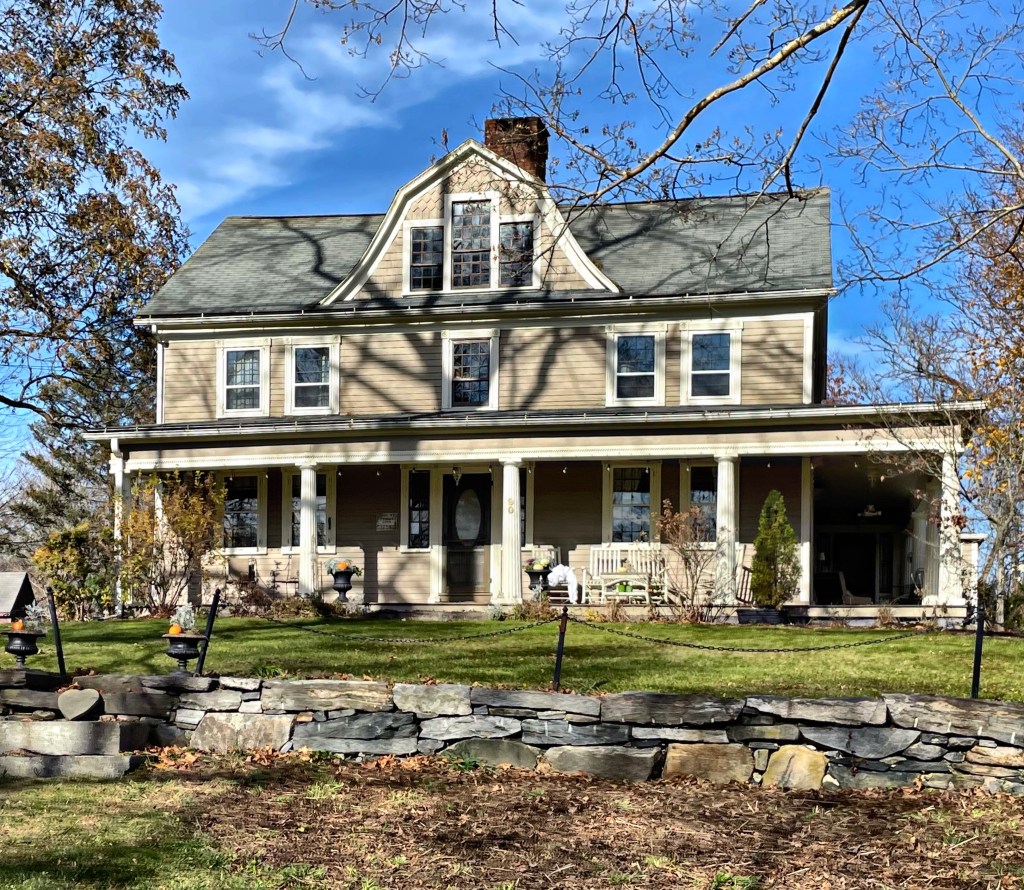
“Brookmeade” // 1756

Built by Benjamin Dyer for his son Thomas in 1756, this mansion is believed to be the oldest extant house in Canton, Connecticut. The most famous resident of the house was William Edgar Simonds (1842-1903) who married Sarah Jane Mills, a descendant of Dyer. Simonds was a prominent patent attorney who was awarded the Congressional Medal of Honor for his heroics at the Civil War battle of Irish Bend, Louisiana. After his military service, he attended Yale University, was admitted to the bar and commenced the practice of law in Hartford, Connecticut. In 1883 and 1885, he was a member of the Connecticut State Legislature. In 1889, he was elected as a Republican to the 51st US Congress served until 1891 and was a United States Commissioner of Patents (1891-93). He died at age 60 in Hartford, Connecticut.

Collinsville Stores // c.1880

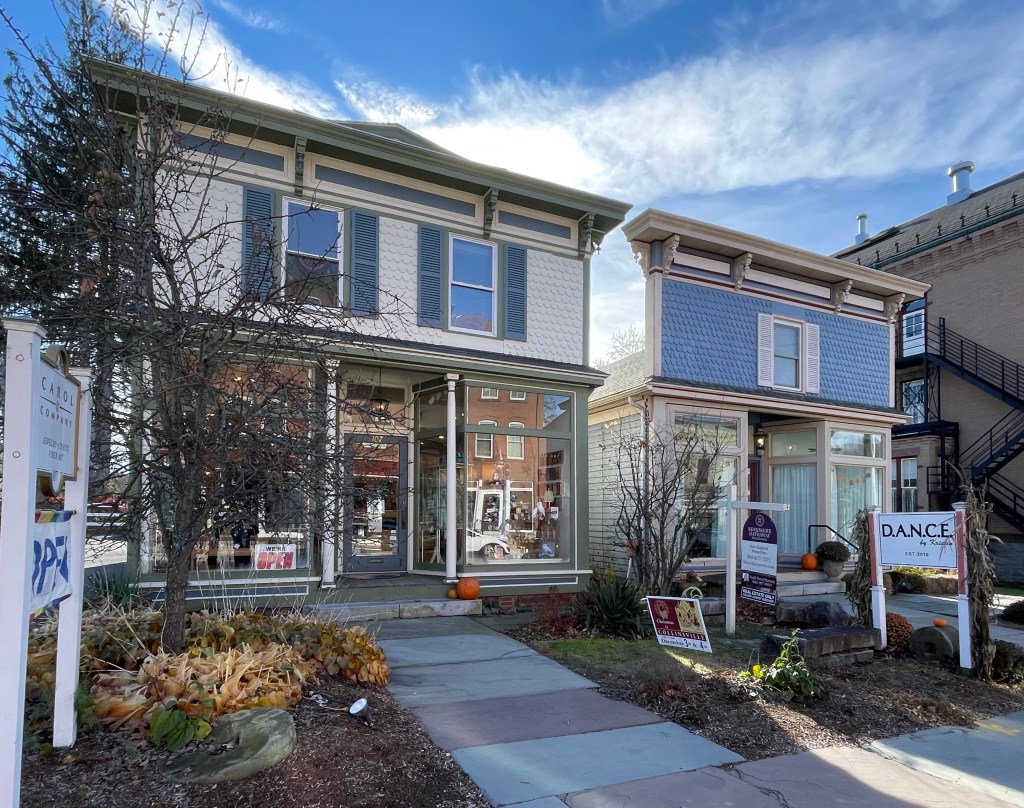
These two Italianate-style stores sit on Collinsville’s Main Street, a walkable main street village along the banks of the Farmington River. Each structure has a central, recessed entry with storefront windows meeting the sidewalk. One structure is two stories with a very shallow gable roof and the other is 1 1/2 stories with a false front. These false front facades remind me of old frontier towns in western movies, they are great!

Soudant House // c.1850

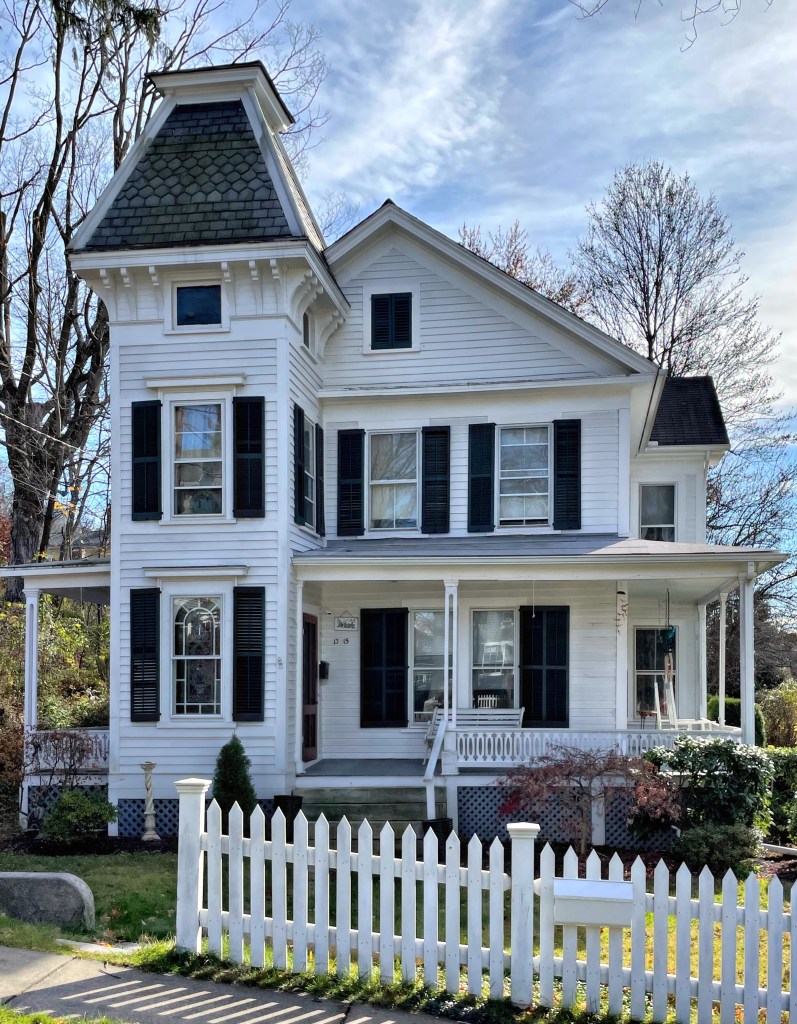
This eclectic house in Collinsville was likely built in the mid-19th century in the Greek Revival style, with its gable roof serving as a pediment. By the end of the 19th century, the prominent corner tower with mansard roof and porch were added to create the oddly pleasing composition we see here today. The home was likely altered by Walter Soudant, who ran a grocery store in the village out of the Valley House (last post). Walter’s daughter, Belle Julie Soudant, was an established singer, who toured Europe before accepting a position as a singing teacher at the Institute of Musical Art in New York, known today as the Juilliard School.

Valley House // 1868

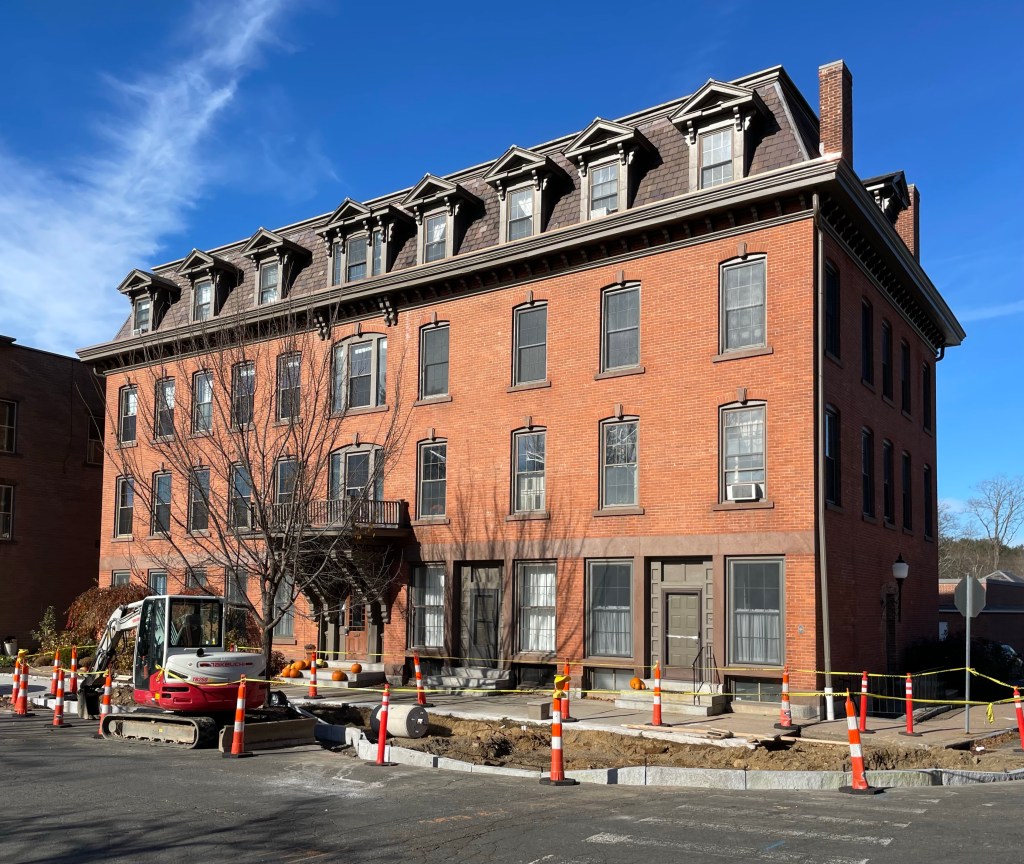
This massive Second Empire structure on Main Street in Collinsville, CT, was built in 1868 by the Collins Company, the major industry in town as housing and stores. In the 19th and early 20th centuries, large industrial employers often provided affordable housing for workers in close proximity to factories to incentivize the long days and difficult working conditions. The Valley House was known as a hotel, but was essentially an apartment hotel, where workers and visitors could reside in a room without a set lease or contract. At the ground floor, retail shops would provide goods and services to residents of the building and the greater village. Today, the rooms have been converted to condominiums.

Riverbend Cottage // c.1860

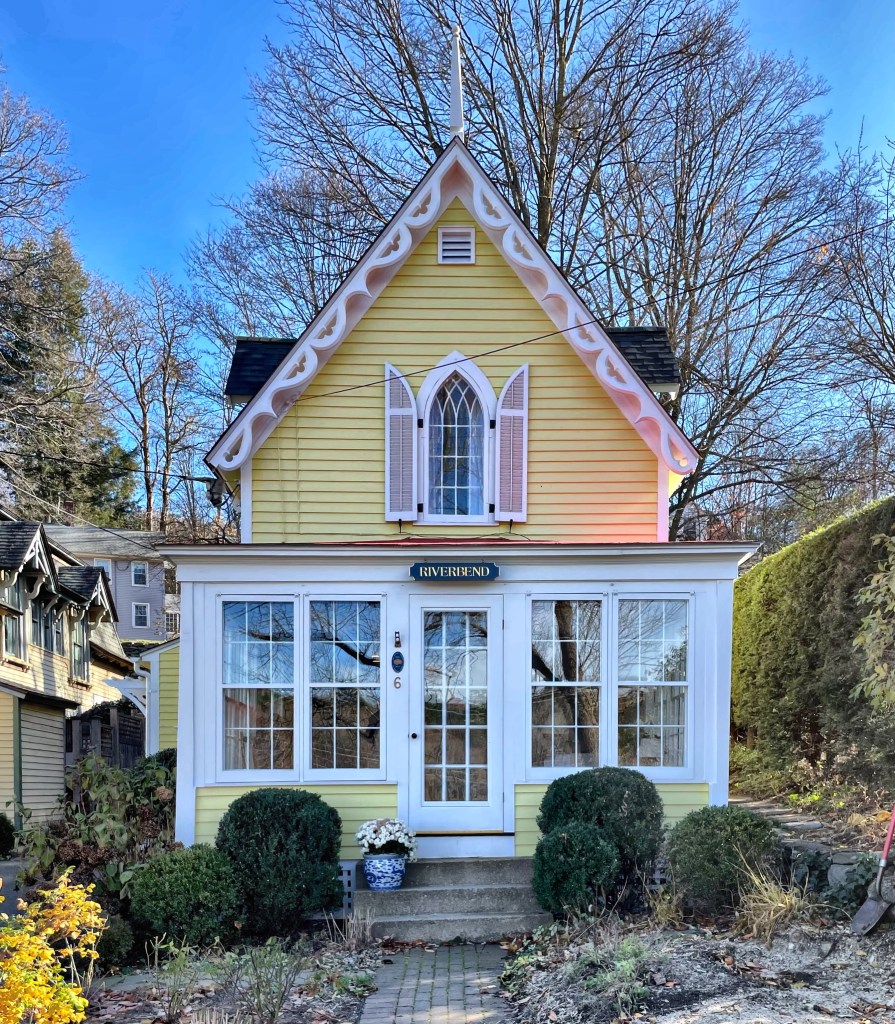
No, this is not Martha’s Vineyard, it is Collinsville, Connecticut! Perched on a hill near the banks of the Farmington River, this quaint little Victorian cottage is one of the better-preserved examples of worker’s cottages in the former industrial village. I could not locate much on the house’s history, beyond that it may have once been part of a larger home, and moved to this site in the 20th century.

Collinsville Congregational Church // 1858

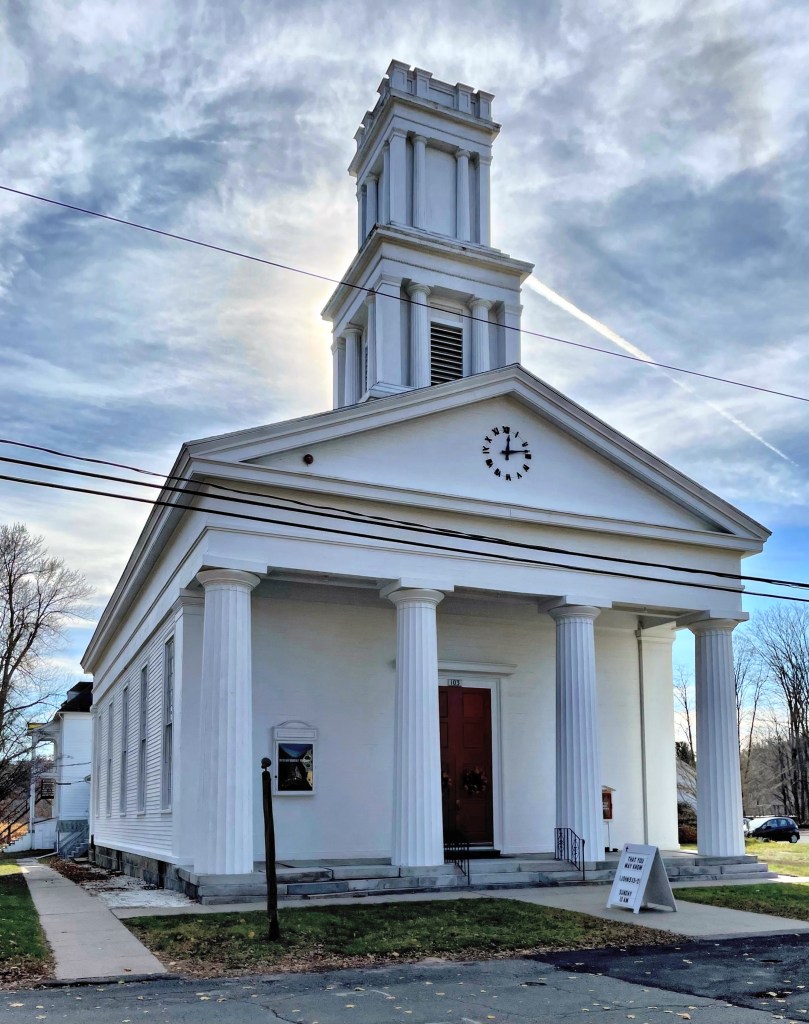
Shortly after Collins and Company was founded in 1826, religious services were held in various homes in the South Canton Village which came to be known as Collinsville. In 1830, the Collins Company erected its first office building on Front Street, and religious services were held there on the second floor. The first church building was erected on land bought by Collins and Company in 1826. By the mid-1850’s, the church membership was outgrowing the building. Although there may have been plans to enlarge the building, tragedy struck and in January 1857, and the church was consumed by fire, which started in the chimney, during a winter storm. The current building was erected almost immediately and dedicated on February 25, 1858. The present church is a grand Greek Revival style building, with a full pediment and large entablature supported by four monumental fluted columns. The two-tiered, square belfry has engaged columns as well. What a great example of a New England church!

Collinsville Savings Bank // 1892

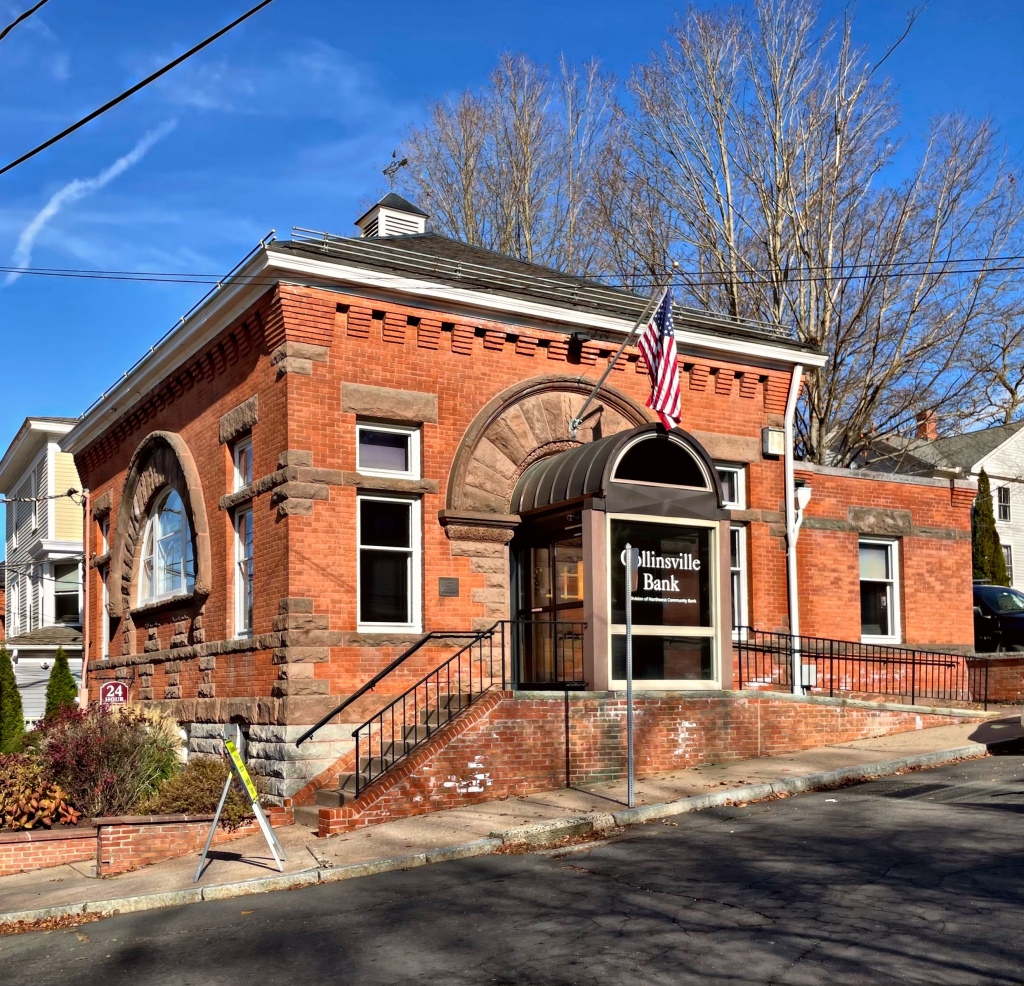
Historically, banks would construct architecturally grand buildings with ornate interiors to showcase their wealth and stability. The aim for these institutions would be to express longevity and security for those looking for a place to store their wealth. The Collinsville Savings Bank grew out of the Collinsville Company and was incorporated to provide a bank for the ever-growing community in the village, from executives to recent immigrants. The bank was incorporated in 1853, and later relocated into the company’s office building. By the end of the 19th century, company offices expanded into other spaces in the building, and the bank was forced to build this new Romanesque Revival style building on Main Street. The rusticated blocks in the brick facades add a lot of depth and detail to the building, and those ARCHES!

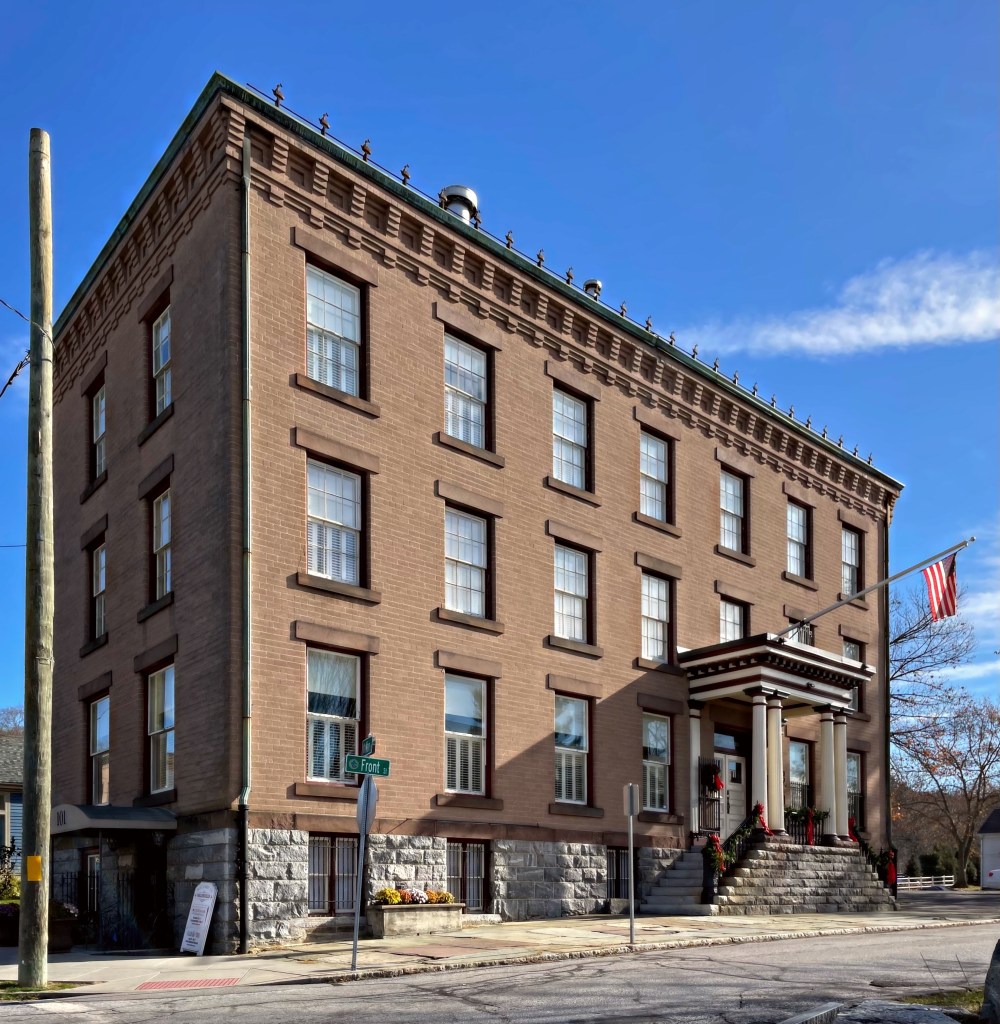
Collins Company Offices // 1868

When the Collins Company built its mill buildings in South Canton Village (later renamed Collinsville), workers housing, schools, businesses, and churches popped up to service the growing immigrant community here. The Company also built an office building for the executives, where they could oversee the business’ growth and balance the books. The original office building from 1830 was eventually outgrown, and after the Civil War, this larger building was constructed. The new building held offices, a post office, library, a third-floor meeting hall for local groups. The masonry building has decorative cornice and a gorgeous raised entry.

Collins Axe Company Factory // 1826-1966

Image courtesy of Keith Thom

The first ready-to-use axes produced in the United States came from the Connecticut-based Collins Company, which was founded in the early 1800s. Prior to the firm’s establishment, consumers either purchased unground axes imported from Europe or looked to a local blacksmith who, along with his other activities, might also make axe heads. The Collins Company factory opened in 1826 by Samuel W. and David C. Collins, with the purchase of an old gristmill and a few acres of land along the Farmington River in Canton. As the company grew, the village of South Canton grew around it, and was later renamed Collinsville after the company (imagine if we had Starbuckstown or Walmartville!) In the 1840s, the company expanded and sold internationally with their machete; it sold more than 150 varieties of machetes in 35 countries, supplying 80% of the world’s machetes at that time. In the 1860s, the company built several dams along the Farmington River to produce hydroelectric power to run its factory. It saw steady growth during World Wars I and II. However, after the Flood of 1955 wiped out the railroad line, the company could not match the foreign competition. Portions of the business were sold to the Stanley Works in New Britain and to other firms. In 1966, the Collins Company closed after 140 years in business. Some of the old buildings along the river have since been demolished, others left vacant. Some have been repurposed into other uses, thankfully.